Oct 03, 2025

Positive Impact of Multimedia Training for Teenagers Every Parent Must Know

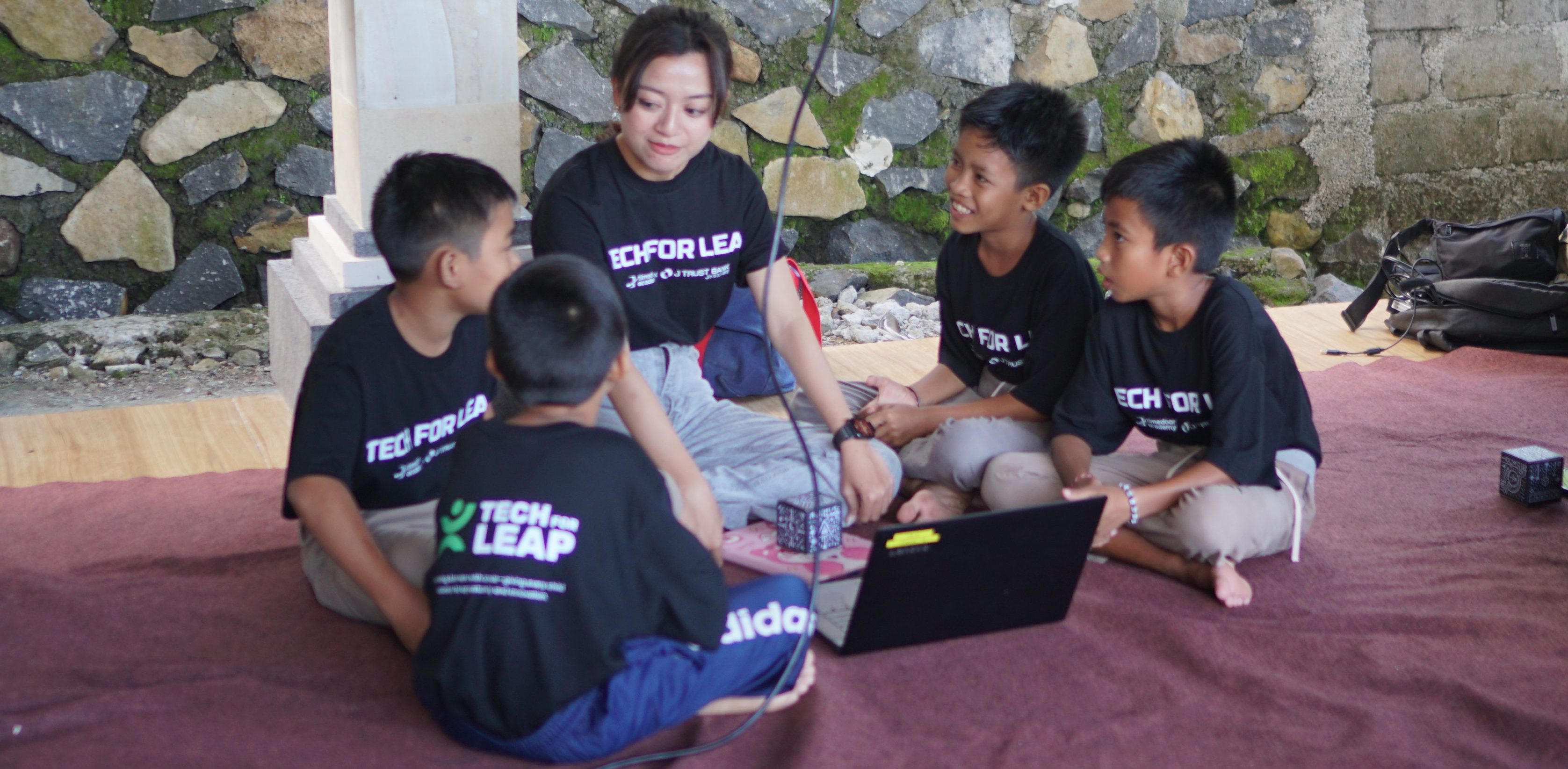
Positive Impact of Multimedia Training for Teenagers Every Parent Must Know image

In today’s digital era, teenagers are not only using technology for entertainment but also for learning and creating. One of the most effective ways to help them grow is through multimedia training for teenagers. This program allows young learners to understand creative content production while developing skills that are highly relevant to their future.

What Is Multimedia Training?

Multimedia training is a learning program that covers a wide range of creative skills such as graphic design, photo editing, video production, animation, and interactive presentations. By joining multimedia training for teenagers, students gain fundamental knowledge of creative technology while also learning how to apply it to produce real projects.

Key Benefits of Multimedia Training

multimedia training for teenagers

There are many reasons why parents choose multimedia training for teenagers for their children. Some of the main benefits include:

  1. Boosting Creativity
    Teenagers learn how to express their ideas through visual and audio works.
  2. Improving Technical Skills
    They are introduced to design and editing software widely used in the creative industry.
  3. Encouraging Critical Thinking
    In the process of creating content, they learn to plan, evaluate, and refine their work.
  4. Preparing for Future Careers
    With these skills, teenagers are better equipped for opportunities in design, communication, and technology.

Relevance of Multimedia Training in the Digital Age

multimedia training for teenagers

Digital content is now an essential part of everyday life. Social media, YouTube, and other online platforms rely on engaging and high-quality content. Through multimedia training for teenagers, young people are not only consumers but also creators who can produce positive and valuable works.

Enhancing Communication Skills

Another important aspect is how multimedia training helps improve communication skills. In multimedia training for teenagers, students learn to deliver messages effectively through images, videos, or audio. This ability is useful not only for academic purposes but also for building strong social interactions.

Building Confidence Through Achievement

multimedia training for teenagers

When teenagers successfully complete a multimedia project, such as a poster, a short video, or an animation, they experience a sense of accomplishment. This process naturally boosts their self-confidence. Therefore, multimedia training for teenagers contributes to positive character development as well.

The Role of Parents in Supporting the Process

Parental involvement plays a big role in the success of this journey. Supporting them with time, a comfortable learning environment, and appreciation for their creations will keep them motivated. With this encouragement, multimedia training for teenagers becomes an enjoyable and rewarding experience.

Why Choose Timedoor Academy?

Timedoor Academy provides multimedia training for teenagers designed to meet today’s learning needs. The curriculum emphasizes practical experience, ensuring that students not only understand theory but also produce real projects. With guidance from experienced mentors, every class is engaging, challenging, and inspiring for teenagers.

Support Children’s Creativity with Multimedia Training

Ingin tahu detail program? Image

Ingin tahu detail program?

As a parent, you surely want your child to gain skills that will benefit their future. Giving them the opportunity to join multimedia training is a wise decision. Enroll your child in a Free Trial at Timedoor Academy and see how their creativity grows into real abilities.

Keep Reading

How to Choose a College Major: Why IT Major Is One of the Best Options in 2025
Deciding on how to choose a college major is one of the most important decisions for any student. The major you pick can shape your future career, skills, and opportunities. With so many options available, it can feel overwhelming to decide which path to take. Among the many fields, an IT major (Information Technology) stands out as a strong choice for students looking to enter a fast-growing, dynamic industry with global opportunities. This article will help you understand why an IT major could be the right fit and offer tips on how to choose a college major wisely. Why Choosing the Right College Major Matters Deciding on how to choose a college major is more than just picking a subject to study. It determines the skills you will develop, the network you build, and the kind of career path you might follow. A well-chosen major aligns with your interests and the demands of the job market, giving you a better chance at success after graduation. Many students struggle with this choice because they want to balance passion with practicality. You want to enjoy what you study but also ensure that your skills will be valuable in the real world. Understanding the current and future job market trends can guide you to make an informed decision. Why Consider an IT Major? High Demand and Job SecurityThe IT industry is growing rapidly worldwide. Businesses, governments, and organizations of all sizes rely on IT professionals to maintain systems, secure data, and develop new technologies. Roles like software developer, network administrator, cybersecurity analyst, and data scientist are in high demand and expected to grow for years to come. Versatile Skills Applicable Across IndustriesAn IT major equips you with technical skills that apply in various sectors such as healthcare, finance, education, entertainment, and more. Whether you want to build apps, manage cloud infrastructure, or analyze big data, the skills from an IT major open doors in many fields. Attractive Salaries and Career GrowthBecause of the specialized skills required, IT careers often come with competitive salaries. Plus, the tech industry is known for offering career advancement opportunities, certifications, and the chance to work in innovative environments. Continuous Learning and InnovationIT is an ever-evolving field. If you enjoy learning new technologies and solving problems creatively, an IT major offers a dynamic and stimulating career path. Tips for How to Choose a College Major Assess Your Interests and StrengthsThink about what subjects excite you and where your skills lie. Passion combined with aptitude often leads to success. Research Job Market TrendsLook into which majors have strong job prospects both locally and globally. The IT field, for example, shows consistent growth worldwide. Consider Your Long-Term GoalsWhere do you see yourself in 5 or 10 years? Choose a major that aligns with your vision. Talk to Professionals and AlumniConnect with people who have studied or work in your fields of interest to get real-world insights. Explore Related Courses or WorkshopsTry online courses, coding bootcamps, or workshops in IT or other areas you’re curious about. This can help you get a feel for what you like. How Online Learning Can Boost Your IT Journey Choosing an IT major doesn’t mean you only learn in classrooms. Many successful IT professionals supplement their studies with online courses and coding bootcamps. Platforms like Timedoor Academy offer interactive and beginner-friendly coding classes that can help you build practical skills alongside your college education. Timedoor also provides free trial classes, so you can explore if coding and IT are right for you before fully committing. This kind of hands-on experience can give you an edge when entering the job market. Making an Informed Choice How to choose a college major is a question many students face. By reflecting on your interests, researching industries, and exploring fields like IT major, you can make a choice that benefits both your passion and career prospects. If you’re leaning towards technology and innovation, an IT major is definitely worth considering. And remember, learning doesn’t stop with your degree. Using resources like Timedoor Academy to build real skills can set you up for success in the competitive global job market. Start your learning journey today with a free trial class and see where IT can take you!
What Children Should Learn in the Age of AI
Growing up today, children are surrounded by artificial intelligence – from voice assistants that answer their questions to apps that personalize learning. This rapid change can feel daunting, but it also opens exciting opportunities. Global experts note that nearly 44% of job skills will shift in the next five years due to AI. In demand are skills like critical thinking, creativity, and social intelligence – the very human qualities that AI cannot easily replicate. In other words, to thrive in the age of AI, children need a mix of tech know-how and human-centric skills. An illustration of the top 10 job skills predicted for 2023. Many of the leading skills are cognitive or social-emotional (such as analytical thinking, creativity, and empathy), highlighting the growing importance of human strengths in an AI-driven world. So what should kids learn, exactly? This article will explore three areas: formal education (what schools should teach), extracurricular activities, and things parents can do at home. By focusing on these, we can help our elementary and middle schoolers grow into curious, capable, and compassionate individuals in a high-tech world.     Formal Education: New Basics for the AI Age Schools still teach the ABCs and 123s, but in the AI era the curriculum must expand to new areas. As UNESCO notes, adding skills like empathy, creativity, and critical thinking into lessons is essential. Important areas schools should cover include: Coding and AI Literacy: The basics of coding (even simple drag-and-drop coding or robotics) help kids understand how technology works. Coding teaches logic and problem-solving. Many countries now introduce coding in elementary school, and some even start AI concepts early. Learning how a computer “thinks” empowers children to go from tech consumers to creators. Digital Literacy and Ethics: Children must learn to use digital tools safely and responsibly. This includes understanding online privacy, cyberbullying, and how to spot misinformation. As AI tools (like chatbots or deepfakes) appear, students should discuss ethics and fairness in technology. Early lessons in digital citizenship help kids navigate an AI-filled world with wisdom and care. Critical Thinking: Instead of memorizing facts, kids need to learn how to think. Schools can nurture this by tackling open-ended problems and encouraging questions. When children practice analyzing situations and learn from small failures, they become flexible thinkers. This skill is key in a future where they’ll constantly need to adapt and solve new challenges (often alongside AI tools). Creativity and Innovation: AI is good at following patterns, but human imagination is still unmatched. Through projects in art, writing, science, or coding, schools can spark creativity. Whether it’s writing a story or building a gadget, creative tasks teach students to experiment and innovate. By “thinking outside the box,” children learn to come up with fresh ideas – a trait that will help them stand out in an AI-driven future. Collaboration and Social Skills: Working well with others is a skill that never goes out of style. Group projects in class teach kids how to communicate, cooperate, and resolve conflicts. These experiences also build empathy – understanding and respecting others. In the future, most jobs will require teamwork (often human-AI teams), so learning to collaborate early on gives children a huge advantage. Not all schools have updated their curricula yet. In fact, only a few countries have launched formal AI lessons in K-12 education, while many others are still catching up. Parents can advocate for these changes, but learning doesn’t only happen at school. That’s where after-school experiences can help fill the gaps.     Learning Beyond the Classroom: Extracurriculars and Hobbies Beyond the classroom, extracurricular activities give kids a chance to explore and build skills in fun ways: Coding & Robotics: Many communities have coding classes or robotics teams for kids. In a coding club, children might create simple games or program robots, practicing logic and persistence as they debug problems. Robotics competitions get kids working together to solve challenges. These activities show them they can build technology, not just use it. STEM Clubs and Camps: Programs focused on science, technology, engineering, or math let kids dive into hands-on projects. They might design a gadget, launch a model rocket, or even experiment with a simple AI-powered game. The informal setting makes learning fun and fuels their curiosity. Tackling STEM challenges outside class also teaches kids to be resourceful and think on their feet with peers. Creative Arts & Making: Activities like art, music, drama, or creative writing nurture imagination and innovation – qualities machines can’t replicate. Joining a theater group or art class helps kids express themselves and think creatively. Maker workshops (like tinkering with crafts, coding a gadget, or 3D printing) encourage problem-solving from a fresh angle. By creating something of their own – a story, a song, a piece of art – children learn to think outside the box. Team Sports & Groups: Sports teams, scouting, or any group activity teach teamwork and perseverance. When kids play on a team or do a group project, they learn to communicate, solve conflicts, and bounce back from setbacks. These experiences build character and resilience. They also mirror the collaborative spirit needed in most workplaces. Knowing how to cooperate and lead will help your child no matter what career they pursue. Extracurriculars often ignite passions that carry into adult life. Whether your child loves coding, soccer, or painting, these activities complement academics with practical skills and confidence. Just as importantly, children see that learning can happen anywhere – not just in a classroom – keeping their love of discovery alive.     Parenting in the Age of AI: Fostering Skills at Home Home is where children develop habits and attitudes that last a lifetime. Here are a few ways parents can instill important skills: Encourage Curiosity: Embrace your child’s “why” and “how” questions. When they ask something, explore the answer together – look it up or do a quick experiment. Show them how you find information and think through problems. By feeding their curiosity, you teach them that learning is a fun, ongoing process. A child who knows how to learn will adapt more easily to new technology and ideas. Nurture Creativity: Provide opportunities for unstructured play and creative projects. Give them art supplies, blocks, or even cardboard boxes to invent games or stories. This kind of play develops creativity and problem-solving. It shows kids they can have fun and be imaginative without a screen. By encouraging make-believe and projects at home, you help your child practice thinking in original ways – a skill that leads to innovation. Model Lifelong Learning: Let your child see you learning new things too. Talk about a book you read, a recipe you tried, or a problem you solved. Show that adults also face challenges and figure things out. For example, say, “I didn’t know how to fix the Wi-Fi, so I watched a tutorial and now it works!”. This teaches kids that it’s okay not to know everything and that perseverance pays off. If a new app or gadget confuses you, learn it with your child – you might even ask them for help. Your example will teach them that learning never stops. Set Tech Boundaries: Establish healthy tech habits early – for example, no screens at dinner or no phones after 8 PM – and explain why (screen time can affect sleep, and family time is important). Teach basic online safety: don’t share personal info or talk to strangers online, and ask a parent if something seems odd. As they get older, discuss using the internet and AI responsibly. If they use a homework-help chatbot, remind them it’s for hints, not copying answers. By guiding them, you help your child develop a balanced relationship with technology – they’ll enjoy the benefits without the harms. Teach Empathy and Social Skills: Make kindness and communication a daily practice. Encourage your child to think about others’ feelings (“How do you think your friend felt when you said that?”). Practice listening and taking turns during family conversations. When conflicts happen, help your child talk through the situation calmly and see the other person’s perspective. These exercises build emotional intelligence. Kids who learn to manage emotions, be considerate, and resolve disagreements will have a big advantage working with others in the future. By nurturing curiosity, creativity, kindness, and responsible tech use at home, you’re giving your child a solid foundation. They will grow up comfortable with technology but not overdependent on it, and tech-savvy yet also empathetic and adaptable. In a world full of smart machines, those human qualities will set them up for success.   Conclusion: Preparing Kids for a High-Tech Future The age of AI is here to stay, and our children will grow up with technologies we can only imagine. As parents, we don’t have to predict the future; we just need to equip our kids with adaptable skills and strong values. By ensuring they learn both technical skills (like coding and digital literacy) and human skills (like creativity, critical thinking, empathy, and teamwork), we empower them to use AI as a tool and not be overshadowed by it. In many ways, the heart of parenting remains the same. Encouraging your child’s curiosity, supporting their dreams, teaching them right from wrong, and providing love and support will always be crucial. These foundations, combined with opportunities to learn about technology and the world, will help your child thrive no matter how things change. They’ll be tech-savvy but also creative, digitally literate but also kind. With that balance, your child won’t just be prepared for the future – they’ll be ready to shape it.       Glossary of Key Terms Artificial Intelligence (AI): Technology allowing computers or machines to perform tasks that typically require human intelligence, such as learning, reasoning, and problem-solving. Coding: Writing instructions for computers to execute tasks; fundamental for building software, apps, and robotics. Digital Literacy: The ability to effectively find, evaluate, use, and create information using digital technologies and tools. Digital Ethics: Understanding and applying ethical principles when interacting in digital environments, including respect for privacy and prevention of cyberbullying. Critical Thinking: Analyzing facts to form a judgment, solve problems effectively, and make informed decisions. Creativity and Innovation: The ability to produce original ideas, approaches, and solutions that are valuable in various contexts. Collaboration: Working effectively with others toward a common goal, emphasizing communication, teamwork, and problem-solving. Empathy: The capacity to understand and share the feelings of others, critical for emotional intelligence and successful relationships. STEM: Acronym for Science, Technology, Engineering, and Mathematics; an interdisciplinary approach to learning. Digital Citizenship: Responsible and ethical behavior when using technology, including understanding privacy, online etiquette, and digital safety.     Frequently Asked Questions (FAQ) What age should children start learning about AI and coding? Children can begin learning the basics of coding and AI concepts as early as elementary school. Simple visual coding languages and robotic toys are age-appropriate ways to introduce these topics and build foundational skills. How important is creativity in an AI-driven world? Creativity is crucial, as it allows humans to envision and develop original ideas and solutions. While AI excels at repetitive tasks and pattern recognition, human creativity remains unmatched in problem-solving and innovation, making it a highly valuable skill for the future. Can after-school programs really enhance my child's readiness for an AI-driven future? Yes, after-school programs provide hands-on, practical experiences that complement classroom learning. Activities like robotics clubs, STEM camps, arts programs, and team sports help children develop critical thinking, creativity, teamwork, and resilience—skills highly valued in the AI age. How can parents teach children digital ethics effectively at home? Parents can teach digital ethics by openly discussing online behaviors, setting clear rules about screen time, and modeling responsible technology use. Regularly talking about topics such as online privacy, cyberbullying, and misinformation helps children navigate digital environments safely and responsibly. What can parents do to foster emotional intelligence? Parents can encourage emotional intelligence by regularly discussing feelings, modeling empathy, resolving conflicts constructively, and encouraging their children to see things from another person’s perspective. Regular communication and open dialogue build strong emotional skills. Is critical thinking more important than memorization in education now? Yes, in the AI era, critical thinking is becoming increasingly essential. While memorization has its place, critical thinking skills enable students to analyze information, make informed decisions, and adapt to rapidly changing scenarios, helping them thrive in a dynamic and uncertain future.
<strong>Ascension Day 2025: Dates, Official Holiday Schedule, and Positive Activity Ideas for Children</strong>
Ascension Day 2025: Dates, Official Holiday Schedule, and Positive Activity Ideas for Children
Ascension Day 2025 is one of the most anticipated national holidays in Indonesia, especially for the Christian community. This year, Ascension Day 2025 falls on Thursday, May 29, 2025, and is a significant occasion not only for spiritual reflection but also as valuable family time. With an additional collective leave on Friday, May 30, 2025, the Ascension Day 2025 holiday brings a long weekend that families can use for a variety of positive activities with their children. In this article, we’ll discuss the official dates, the meaning behind the celebration, the holiday schedule, and inspiring activity ideas—including introducing children to coding. Dates and Official Holiday Schedule for Ascension Day 2025 The Indonesian government has declared that Ascension Day 2025 will be observed on Thursday, May 29, 2025, as stated in the Joint Ministerial Decree. The following day, Friday, May 30, 2025, has also been designated as a collective leave day, allowing Indonesians to enjoy a four-day holiday from Thursday through Sunday, June 1, 2025. This long weekend gives families plenty of opportunity to plan meaningful activities, especially for children enjoying their school break. The Meaning and Traditions of Ascension Day Ascension Day itself commemorates the ascension of Jesus Christ into heaven, which is celebrated 40 days after Easter. For Christians, this is a sacred event, typically marked by special church services. Many families also use this holiday to gather, share stories, and strengthen family bonds. Ascension Day 2025 is a perfect opportunity to instill spiritual values, love, and togetherness in children from an early age. The Benefits of a Long Holiday for Children A long holiday like Ascension Day 2025 brings unique benefits for children. They have the chance to take a break from their school routines, explore hobbies, and gain new experiences outside the classroom. However, instead of spending the entire holiday on passive activities like watching TV or playing with gadgets, parents can make the most of this time by involving their children in educational activities, such as learning coding. Learning Coding: Educational and Enjoyable Introducing your child to the world of coding during Ascension Day 2025 can be extremely beneficial. Coding not only helps children understand technology, but also builds critical thinking, logical reasoning, creativity, and problem-solving skills. Children who learn coding early are often better prepared for the challenges of the digital age. Timedoor Academy offers a fun and interactive way for children to learn coding. With a curriculum tailored to various age groups, kids can join online coding classes during the Ascension Day 2025 holiday. Timedoor Academy also provides a free trial class so children can experience coding before enrolling in regular classes. Positive Activity Ideas for Ascension Day 2025 To make the long weekend truly meaningful, here are some activity ideas you can try with your children during Ascension Day 2025: Create a flexible coding scheduleSet up a light and fun coding routine, such as 30 minutes each day during the holiday. Choose age-appropriate coding materials to keep children motivated. Combine worship and technologyThis holiday can be filled with both spiritual and educational activities. After attending morning church, encourage your child to participate in a coding session with you. This way, they strengthen both their spiritual values and practical skills. Family coding projectGet your child involved in a simple coding project, such as making a basic game or animation. This boosts creativity and family closeness. Join free coding classes at Timedoor AcademyTake advantage of the free trial class at Timedoor Academy during Ascension Day 2025. It’s a great opportunity for children to experience coding and technology in a fun, supportive environment. Casual discussions about technologySpend some holiday time having relaxed conversations about new technology trends, online safety, or how children can become creators—not just consumers—of technology. Tips to Maximize the Ascension Day 2025 Holiday To ensure children get the most out of the Ascension Day 2025 break, parents can: Involve children in planning the holiday activities Balance learning, playtime, and rest Choose activities that build character and practical skills, like coding Offer support and encouragement when children face learning challenges Preparing Children with Digital Skills During Ascension Day 2025 Ascension Day 2025 is more than just a long holiday—it’s a special opportunity to strengthen family ties and equip children with essential digital skills. By taking part in educational activities, especially coding with Timedoor Academy, your child will be better prepared for a future full of challenges and opportunities. Don’t miss this chance—sign up your child for a free trial class at Timedoor Academy and use the Ascension Day 2025 holiday for positive, memorable experiences!
float button