Jul 09, 2025

7 Top Dangers of Sweetened Condensed Milk for Children in 2025

7 Top Dangers of Sweetened Condensed Milk for Children in 2025 image

Sweetened condensed milk is still widely considered by many parents as a substitute for regular milk or a nutritious drink for kids. Its sweet taste, low price, and appealing packaging often make it seem like a practical choice. However, the dangers of sweetened condensed milk for children are serious and often go unnoticed.

Unlike regular milk, sweetened condensed milk is a processed product that is extremely high in sugar and contains very little protein or calcium. It is more accurately categorized as a sugary beverage with a milky flavor. Unfortunately, due to a lack of awareness, the dangers of sweetened condensed milk for children continue to be overlooked, especially in households with limited access to nutrition education.

This article outlines seven key dangers of sweetened condensed milk for children that parents must be aware of in order to make healthier choices for their families.

1. Extremely High Sugar Content

Dangers of Sweetened Condensed Milk for Children

A single serving of sweetened condensed milk can contain more than 40 percent sugar. Children who consume it regularly are at high risk of excessive sugar intake. This is one of the primary dangers of sweetened condensed milk for children, as it can lead to obesity, tooth decay, and metabolic issues from a young age.

2. Increased Risk of Childhood Diabetes

Too much sugar from sweetened condensed milk puts added stress on the pancreas to produce insulin. Over time, this can result in blood sugar regulation problems. One of the more alarming dangers of sweetened condensed milk for children is the rising number of cases of type 2 diabetes found in school-aged kids.

3. Lacks Essential Nutrients

Though it may look like milk, the nutritional content of sweetened condensed milk is significantly lower than that of UHT milk or formula. Children need protein, healthy fats, and calcium, all of which are lacking in this product. The danger of sweetened condensed milk for children in this context is that it can make kids feel full without providing the nutrients needed for healthy growth.

4. Develops a Sweet Tooth

Drinking sweetened condensed milk regularly can condition children to prefer overly sweet foods. This can lead them to reject healthier options like vegetables or natural foods. One of the dangers of sweetened condensed milk for children is that it creates unbalanced eating habits that are hard to reverse later in life.

5. Digestive Discomfort

Some children may experience diarrhea or constipation after consuming large amounts of sweetened condensed milk. Its high sugar and processed fat content can disrupt the balance of gut bacteria. This is one of the more overlooked dangers of sweetened condensed milk for children, but it can significantly affect their daily activities.

6. Causes Tooth Decay

Sweetened condensed milk is sticky and tends to cling to teeth. If not brushed away properly, the leftover sugar becomes a breeding ground for cavity-causing bacteria. This danger of sweetened condensed milk for children can manifest quickly, especially if they brush infrequently or still use bottles.

7. Lowers Overall Family Nutrition Quality
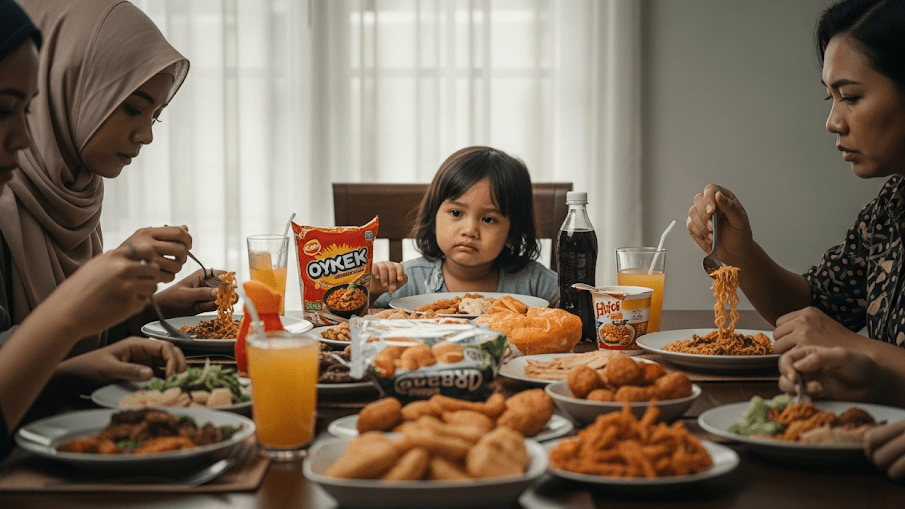
Many families serve sweetened condensed milk as a daily drink, which can lower the overall standard of nutrition in the household. Children may miss out on better sources of calcium and protein. The dangers of sweetened condensed milk for children go beyond individual health and can negatively impact the entire family’s eating habits.

What Can Parents Do?

The first step is recognizing that not all milky-looking drinks are healthy for kids. Always read labels, seek reliable information, and consult with a pediatric nutritionist if needed. Replace sugary drinks with water, fresh milk, or natural fruit juices with no added sugar.

Guide Children Toward Positive, Productive Activities

In addition to managing nutrition, parents can support their children by encouraging activities that promote growth and learning. One excellent option is coding. Coding is not just fun, it also boosts focus, logic, and creativity from an early age.

Try a Free Coding Class at Timedoor Academy

Ingin tahu detail program? Image

Ingin tahu detail program?

Timedoor Academy offers free coding classes for children ages 5 to 18. Kids can learn to build games, animations, and digital projects tailored to their age and interests. With project-based learning and the guidance of professional mentors, children will be engaged in creating and thinking, not just consuming screen time.

Invite your child to try a free coding class at Timedoor Academy today. Help them build a future that is healthy, smart, and filled with creativity!


Keep Reading

Introduction to Basic Robotics for Kids: Tips and Trick 2025
As technology advances rapidly, introducing children to robotics is no longer considered too early. In fact, robotics is one of the most valuable areas to explore at a young age, helping children develop logical thinking, creativity, and structured problem-solving skills. An introduction to basic robotics for kids can be a gateway to exploring technology in a fun and meaningful way. With a solid foundation in how technology works, children will be better prepared to navigate and shape the future ahead. What Is Robotics? Robotics is the field of study focused on designing, building, and controlling robots. For children, a robot doesn’t have to be a complex machine. It can be a simple educational toy that can move or perform tasks based on programmed instructions. Through an introduction to basic robotics for kids, children begin to understand core concepts like sensors, motors, and logic commands, while also learning that every action has a cause and an effect. Why Should Kids Learn Robotics Early? Builds Logical and Systematic ThinkingRobotics helps children learn how to think in sequences and steps. They learn to structure instructions so a robot can perform specific tasks, reinforcing their problem-solving skills. Encourages Creativity and InnovationChildren are given the opportunity to create something from their own ideas. Whether they are designing how a robot looks or deciding what it should do, they are learning to turn imagination into real outcomes. Introduces Technology in a Positive WayWhen children learn about technology through robotics, they see it as a helpful tool rather than just entertainment. This shapes how they interact with technology as they grow. Boosts Independence and ConfidenceCompleting a working robot on their own gives children a sense of accomplishment. This achievement builds self-confidence and motivates them to keep learning and trying new things. How to Get Started with Robotics for Kids An introduction to basic robotics for kids should be fun, simple, and age-appropriate. There are many robotics kits designed specifically for children, often equipped with easy-to-follow instructions and safe-to-use components. Parents can also begin with unplugged activities to build early logical thinking. Games like direction cards or movement simulations that mimic robot commands can serve as great stepping stones before introducing digital coding. Fun Robotics Activities to Try at Home Simple activities like building robots out of cardboard or using beginner-friendly kits like Bee-Bot can make robotics feel like play. Apps like Scratch Junior also help kids understand coding logic in a visual, hands-on way. The key to a successful introduction to basic robotics for kids is to keep it playful. When children enjoy the process, they naturally become more engaged and absorb more from each activity. Common Challenges and How to Overcome Them Introducing robotics to children can come with challenges. Not every parent has a technical background, and not every child is excited right from the start. These obstacles can be managed with patience and flexibility. Start small, go at the child’s pace, and remove the pressure to get everything right the first time. A consistent and supportive learning environment can make a big difference. Robotics as a Foundation for the Future An introduction to basic robotics for kids is not just about teaching them to use technology, but also about shaping how they think. It nurtures critical thinking, creative problem-solving, and the courage to experiment. Children learn to see failure as part of the process, to try again, and to evaluate what can be improved. These life skills will benefit them in any field they choose to pursue in the future. Learn Coding and Robotics Easily with Timedoor Academy If you're looking for a fun and structured way for your child to learn coding and robotics, Timedoor Academy offers interactive online classes designed for kids. Using creative methods and kid-friendly tools, children can build logical thinking, create commands, and develop real projects with confidence. Try a free coding and robotics class today with Timedoor Academy and help your child take their first steps into the world of future-ready technology through a guided and joyful introduction to basic robotics for kids.
<strong>5 Effective Strategies on How to Improve Children’s Focus</strong>
5 Effective Strategies on How to Improve Children’s Focus
The ability to focus is one of the most important foundations of a child’s learning process. Children with good concentration skills tend to absorb information better, complete tasks more efficiently, and perform well both at school and in daily life. However, improving focus is not something that happens overnight. It requires strategy, patience, and consistency from parents. That’s why it’s essential to understand how to improve children's focus from an early age. Not all children are naturally focused. Some are more easily distracted, especially by noisy environments or digital devices. But with the right approach, children can gradually build their ability to concentrate. 1. Build a Consistent Daily Routine The first step in understanding how to improve children's focus is by creating a structured daily routine. A predictable schedule helps children know what to expect throughout the day. Setting consistent times for learning, playing, eating, and sleeping helps their minds prepare for each activity, reducing distractions and enhancing focus. Routines also give children a sense of safety and stability. This sense of order supports their ability to concentrate because their brains are not constantly adjusting to unpredictable changes. 2. Limit Digital Distractions Excessive screen time is one of the biggest obstacles to concentration. A practical tip on how to improve children's focus is by limiting access to gadgets like tablets, smartphones, or television, especially during study or family interaction time. Encourage children to engage in physical or creative activities like drawing, building puzzles, or reading. These types of play stimulate the brain and teach children to complete tasks without being distracted by fast-paced digital entertainment. 3. Introduce Mindfulness Activities Mindfulness isn't just for adults. There are now many child-friendly mindfulness techniques that support how to improve children's focus. These exercises include deep breathing, listening to natural sounds, or observing objects closely to help kids become more aware of the present moment. For example, ask your child to sit quietly and listen to the sound of rain or birds for one full minute. It may seem simple, but it can help strengthen their attention span over time. 4. Use Focus-Enhancing Games Games can be a fun and effective way to teach concentration. Puzzle-solving, matching games, memory cards, or board games like chess and snakes and ladders are excellent tools for building attention skills. These games teach kids to stay on one task, follow rules, and think ahead. Integrating these activities into your child’s routine is a proven method on how to improve children's focus while keeping it enjoyable. 5. Start with Simple, Age-Appropriate Tasks Small, manageable tasks help train a child’s ability to focus. Whether it’s tidying up their toys, watering plants, or helping set the table, these tasks are a great way to build responsibility and concentration. When exploring how to improve children's focus, assigning simple chores can go a long way. It teaches kids to stick with one task until it’s done. Celebrate their success with specific praise, like “You finished the puzzle all by yourself. That’s awesome!” to boost their motivation. Challenges in Building Focus It’s normal for young children to have short attention spans. That’s why parents must be patient and avoid comparing their children to others. Each child has a different rhythm when it comes to learning and focusing. If focus issues continue over a long period, consider consulting a child psychologist for further insights. However, most children benefit significantly from consistent routines and structured guidance at home. Final Thoughts: Focus Can Be Learned Improving focus is not a talent that children are born with, but a skill that can be developed. It benefits not just their academic performance but also their emotional regulation, problem-solving, and ability to work independently. Understanding how to improve children's focus allows parents to guide their kids toward a stronger mental foundation for the future. As a complement to focus training, coding classes can be a great tool. At Timedoor Academy, children can explore technology in an engaging and structured environment. Coding requires logic, patience, and attention, making it a powerful way to enhance your child's concentration. Try a free coding class today and unlock your child’s potential in the digital age.
<strong>What Is Fatherless? 5 Overlooked Effects on Children in 2025</strong>
What Is Fatherless? 5 Overlooked Effects on Children in 2025
Many parents still don’t fully understand what is fatherless or how deeply it can affect a child’s development. At its core, fatherless describes a situation where a child grows up without the presence or meaningful involvement of a father figure. This isn’t limited to cases where the father is physically absent. It also includes situations where the father is emotionally unavailable or disengaged, even if he’s living under the same roof. As modern life becomes busier and family structures more complex, the number of children growing up without an engaged father figure continues to rise. Yet because there’s often a lack of awareness around what is fatherless, its impact is frequently underestimated. In reality, it can influence nearly every aspect of a child’s life — emotionally, socially, and academically. Here are five real and often overlooked effects of what is fatherless that every caregiver should be aware of: 1. Emotional and Behavioral Instability Children without consistent involvement from a father figure may struggle with emotional regulation. They can become more sensitive, withdrawn, anxious, or quick to anger. A lack of emotional guidance and security can leave children unsure of how to process big feelings. Understanding what is fatherless helps parents recognize these early signs and provide support before they grow into larger issues. 2. Low Self-Esteem and Insecurity A father’s encouragement and presence often play a huge role in a child’s sense of self-worth. When that connection is missing, children may feel unloved, unimportant, or unsure of their value. They might avoid challenges, struggle with confidence, or become overly reliant on praise from others. Recognizing what is fatherless can help caregivers provide emotional validation that children may not receive otherwise. 3. Academic Struggles Children who grow up in fatherless environments often face challenges with focus, motivation, and discipline when it comes to school. They may feel less driven to succeed or lack the encouragement they need to stay engaged. Once parents understand what is fatherless, they can step in with structure, emotional support, or even professional guidance to help children thrive in school. 4. Difficulty Building Healthy Social Skills The absence of a father figure can also impact how children interact with others. Some become overly shy and withdrawn, while others might act out or struggle with empathy and boundaries. Children learn by example, and without healthy male role models, they may find it difficult to develop strong communication and social skills. Being aware of what is fatherless helps parents and educators create more intentional opportunities for positive social learning. 5. Increased Dependence on Screens and Online Worlds When emotional support is lacking at home, children often turn to devices, social media, or online content for comfort and distraction. They may begin to prioritize digital stimulation over real-life connection, leading to isolation and overdependence on technology. This is another hidden risk within what is fatherless — one that can affect a child’s mental well-being and social development over time. What Can Parents and Caregivers Do? Acknowledging that a child may be experiencing the effects of fatherlessness is not about assigning blame. Instead, it’s the first step toward meeting their emotional needs in a more intentional way. Quality time, open communication, and consistent emotional support from other caregivers can make a powerful difference. Another way to help children build confidence and a sense of purpose is by introducing them to meaningful, skill-building activities — like learning to code. Coding encourages logical thinking, creativity, and problem solving, all of which contribute to stronger self-esteem and mental resilience. Try a Free Coding Class at Timedoor Academy Timedoor Academy offers fun, age-appropriate coding classes designed to help children explore their potential in a supportive and engaging environment. Whether they’re creating simple games or animations, children build valuable skills while developing confidence in their abilities. You can sign up for a free coding trial class and see firsthand how coding can positively shape your child’s growth — not just academically, but emotionally and socially, too. Let’s help children channel their energy into something creative, constructive, and empowering.
float button