Sep 04, 2025

Why Coding Games for Elementary School Kids Matter in the Digital Era 2025
Why Coding Games for Elementary School Kids Matter in the Digital Era 2025 image

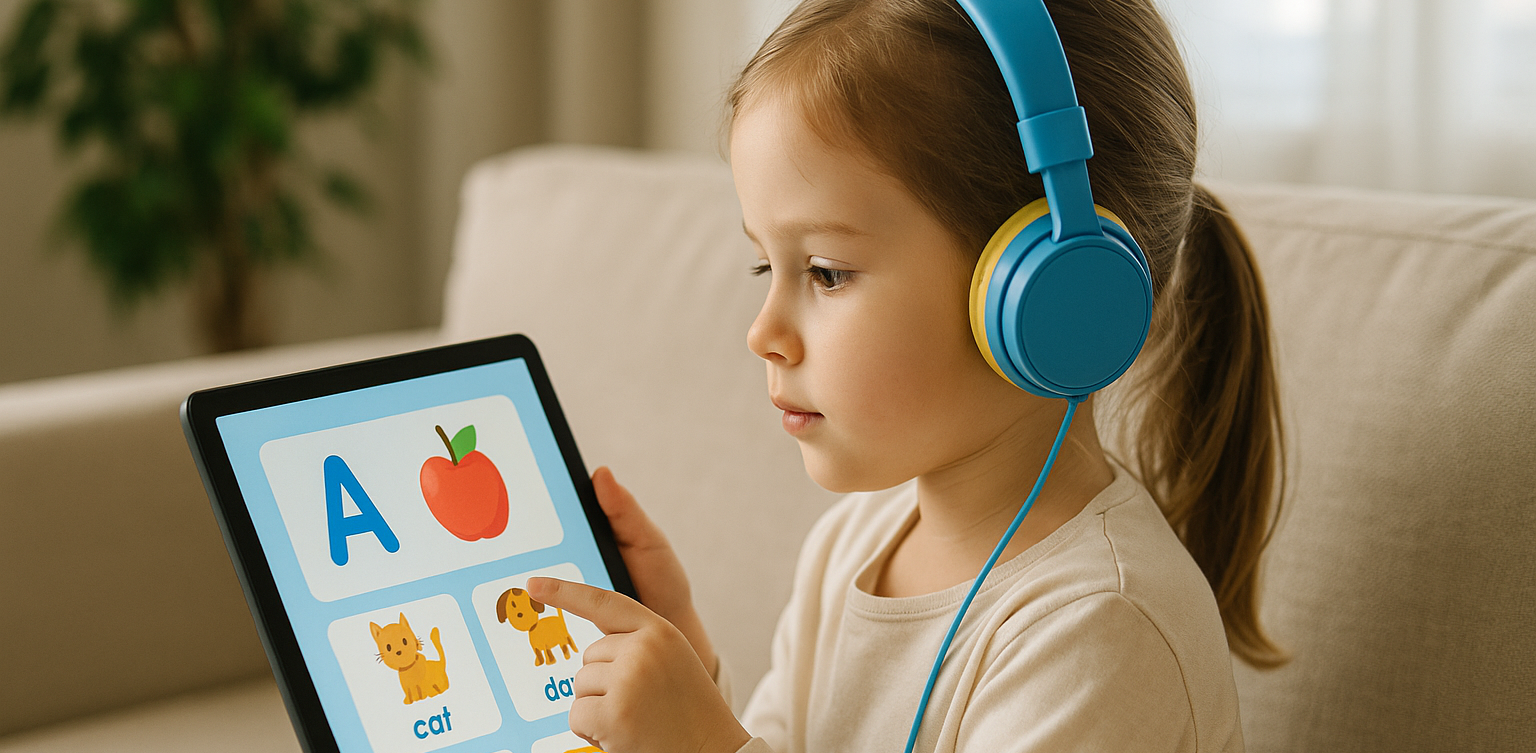
In today’s digital era, children grow up surrounded by technology. They are familiar with using gadgets to play, watch, or even learn. Instead of being only passive users, children should also be equipped with the skills to create with technology. One of the most valuable skills is coding. Specifically, coding games for elementary school kids can serve as a fun entry point to introduce programming logic from an early age.

Learning Through Play

coding games for elementary school kids


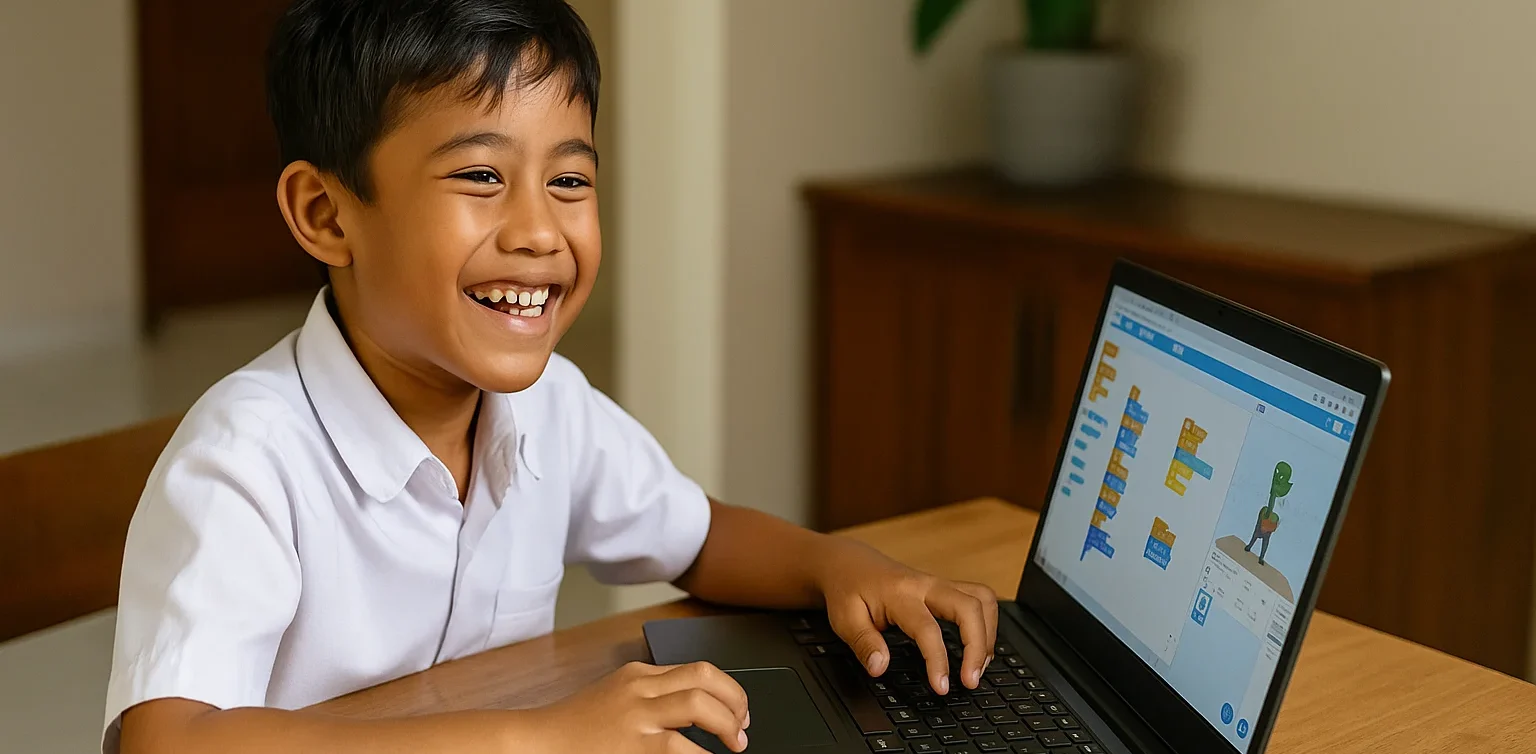
For children, learning while playing has always been the most effective approach. The concept of coding games for elementary school kids combines learning and play, allowing children to absorb knowledge without feeling pressured. By creating simple games, they can learn to think logically, solve problems, and understand how programs work. As a result, they are not only playing games but also building their own digital creations.

The Benefits of Teaching Coding in Elementary School

coding games for elementary school kids


Introducing coding games for elementary school kids provides children with many advantages that go far beyond technical skills. Some of the key benefits include:

  1. Boosting creativity
    Children can express their imagination by designing characters, stories, and challenges within the games they build.
  2. Sharpening critical thinking
    Every game follows a set of rules. Through coding, children learn how to structure and organize these rules so the game works properly.
  3. Encouraging teamwork
    Many coding platforms allow kids to collaborate on projects, teaching them the importance of working with others.
  4. Preparing for the future
    Digital skills are becoming increasingly important. By learning coding games for elementary school kids, children are better prepared to face the demands of tomorrow.

Child-Friendly Coding Platforms

coding games for elementary school kids


There are many platforms designed specifically for children. Some use colorful block-based coding that is easy to understand, while others introduce basic text-based commands gradually. Platforms like Scratch and Tynker, along with educational apps developed by learning institutions, make coding interactive and enjoyable. With this kind of approach, coding games for elementary school kids can be explored without overwhelming or intimidating young learners.

The Role of Parents in Supporting Learning


Parents play a vital role in supporting their children’s journey into coding. Providing time, access, and encouragement helps children grow more confident. When a child shows interest in creating a simple game, parents should appreciate their efforts and celebrate small achievements. With consistent support, learning coding games for elementary school kids becomes an engaging and meaningful activity rather than just another lesson.

Teaching coding from an early age is an invaluable investment in a child’s future. With the right methods, coding goes beyond technical knowledge and becomes a way to develop creativity, logical reasoning, and resilience. Through coding games for elementary school kids, children can learn while playing and at the same time build essential skills that will serve them well in the digital era

How Timedoor Academy Helps

 Image


As an institution focused on technology education for children, Timedoor Academy offers a curriculum specifically designed for elementary school students. With a project-based learning method, children not only grasp concepts but also produce real outcomes such as simple games they can proudly share and play. The classes are interactive, age-appropriate, and most importantly fun. This makes coding games for elementary school kids approachable and exciting, turning challenges into enjoyable learning opportunities.


Would you like your child to experience the joy of creating their own games while learning valuable skills? Sign them up for a free trial class at Timedoor Academy. Let your child discover how fun and empowering it can be to build their own digital creations. Click here to register and start their exciting journey in coding today.

Keep Reading

Fun Science Experiments For Kids You Can Try at Home in 2025
Children are naturally curious. Unfortunately, that curiosity can fade when learning feels limited to books or school assignments. In reality, learning can be a fun activity you enjoy together at home. One of the best ways to keep your child engaged is through fun science experiments for kids. These experiments are not just for fun. They are also a simple and effective way to introduce basic concepts of logic, cause and effect, and help children develop structured thinking. Plus, they offer valuable quality time for parents and children to bond. Why Should You Try Science Experiments at Home? Before we dive into the examples, it is worth understanding why fun science experiments for kids are so beneficial. First, kids learn better when they can see and experience things directly, rather than just reading about them. Second, it shows children that learning is not always about sitting still at a desk. Third, it creates opportunities for meaningful parent-child interaction through shared learning moments. Simple and Fun Science Experiments For Kids No need for complicated tools. Most of these activities use everyday items you probably already have at home. 1. Baking Soda and Vinegar Volcano A timeless experiment that never fails to impress. Build a small “volcano” from clay or playdough around a container, add baking soda, then pour vinegar mixed with food coloring. The result is a small lava-like eruption that kids will love. 2. Walking Water Rainbow Line up cups filled with colored water, placing empty cups in between. Connect them with folded paper towels. Over time, the water will "walk" through the towels and mix colors, creating a rainbow effect. This is a fantastic visual example of capillary action and a perfect fun science experiment for kids. 3. DIY Lava Lamp Using a plastic bottle, add vegetable oil, water, food coloring, and an effervescent tablet. Watch as colorful bubbles rise and fall, mimicking a lava lamp. This teaches kids about density and simple chemical reactions. 4. Magic Milk Pour milk into a shallow dish, add drops of food coloring, then touch the surface with a cotton swab dipped in dish soap. The colors will swirl and move due to changes in surface tension. This fun experiment also sparks curiosity about how molecules interact. 5. Static Electricity Butterfly Cut a butterfly shape from tissue paper, rub a balloon on your hair, then bring it close to the paper. The butterfly wings will "lift" due to static electricity. This simple and entertaining activity helps children understand basic physics concepts. From Science to Coding: Training a Child’s Logical Thinking At first glance, these fun science experiments for kids might seem simple. However, they actually help develop logical thinking, patience, and step-by-step problem-solving. These are the same foundational skills used in coding. Coding teaches children to break down complex problems into smaller tasks, much like the scientific process in experiments. Both require focus, precision, and persistence. If children become familiar with structured thinking through simple science activities, transitioning to coding will feel like a natural and enjoyable next step. Tips to Keep Home Experiments Fun and Stress-Free To make sure your experiments go smoothly and your child stays excited, keep these tips in mind: Safety first. Always supervise, even when using everyday materials. Get your child involved from the start. Let them help prepare and take ownership. Do not fear failure. Mistakes are valuable learning opportunities. Relate experiments to everyday life. Show how science is all around them. Learning Can Be Fun and Practical By doing fun science experiments for kids, parents can make learning more enjoyable and hands-on. It allows children to experience cause and effect directly, beyond memorizing facts from a textbook. If you want to take it a step further, introducing your child to coding is another great way to develop structured thinking. Coding helps children stay focused, think logically, and persevere through challenges. Try a Free Coding Class with Timedoor Academy If you are looking for a way to combine fun and learning, Timedoor Academy offers free coding classes for kids. The lessons are interactive, engaging, and designed to match your child’s age and learning pace. Sign up today and help your child sharpen their logical thinking skills from an early age: Join Timedoor Academy's Free Coding Trial Class
resep makanan sehat untuk anak
Healthy Food Recipes for Kids: Delicious and Nutritious Ideas for 2025
Finding healthy food recipes for kids that are both nutritious and loved by little ones can feel like a daily challenge. Many parents worry about picky eaters, sugar-filled snacks, and time-consuming meal prep. If you are searching for healthy food recipes for kids, you are in the right place. This article features easy, tasty, and nutritious meals that support your child’s growth and make healthy eating more exciting. Whether for breakfast, lunch, or snacks, these healthy food recipes for kids are designed to be simple and kid-approved.   Why Healthy Eating Matters for Kids Children need a balanced diet to grow strong and stay focused throughout the day. Healthy food recipes for kids help introduce essential nutrients like protein, fiber, vitamins, and minerals in fun and appealing ways. A variety of colorful, whole foods can encourage better eating habits and even reduce cravings for processed snacks.   1. Rainbow Veggie Quesadillas Why kids love it: They are colorful, cheesy, and easy to eat with fingers. Ingredients: 1 whole wheat tortilla ½ cup shredded cheddar or mozzarella cheese ¼ cup chopped bell peppers (red, yellow, green) ¼ cup corn 2 tablespoons chopped spinach Olive oil for cooking Instructions: Heat a pan and add a bit of oil. Place the tortilla on the pan and sprinkle cheese and vegetables on one half. Fold the tortilla and cook both sides until golden brown. Cut into triangles and serve warm. Tip: Using whole grain tortillas adds extra fiber to the meal.   2. Fruity Yogurt Parfaits Why kids love it: It looks like dessert, but it is a nutritious snack or breakfast. Ingredients: 1 cup plain Greek yogurt ½ banana, sliced ½ cup mixed berries (fresh or frozen) ¼ cup granola 1 teaspoon honey (optional) Instructions: Layer yogurt, fruit, and granola in a cup. Repeat the layers and drizzle with honey if desired. Tip: Greek yogurt is rich in protein and calcium for strong bones and muscles.   3. Mini Veggie Muffins Why kids love it: They are soft, tasty, and fun to eat. Ingredients: 1 cup grated zucchini or carrot 1 egg 1 cup whole wheat flour ½ teaspoon baking soda ½ teaspoon salt ½ cup milk ¼ cup olive oil ¼ cup shredded cheese Instructions: Preheat oven to 180°C (350°F). Mix all ingredients in a bowl. Pour into greased mini muffin trays. Bake for 15 to 20 minutes. Tip: These muffins are perfect for lunchboxes or after-school snacks.   4. Chicken and Veggie Rice Bowls Why kids love it: They get to build their own bowl with their favorite ingredients. Ingredients: 1 cup cooked brown rice ½ cup cooked chicken pieces ¼ cup steamed broccoli ¼ cup chopped carrots 2 tablespoons sweet corn 1 tablespoon soy sauce or sesame dressing Instructions: Add rice to a bowl and arrange chicken and vegetables on top. Let kids mix the ingredients themselves. Drizzle lightly with sauce. Tip: Use lean chicken and brown rice for more protein and fiber.   5. Baked Sweet Potato Fries Why kids love it: They are crispy on the outside and soft inside. Ingredients: 2 sweet potatoes 1 tablespoon olive oil ½ teaspoon paprika ¼ teaspoon salt Instructions: Preheat oven to 200°C (400°F). Peel and cut the sweet potatoes into strips. Toss with olive oil, paprika, and salt. Bake for 25 to 30 minutes, flipping halfway. Tip: Sweet potatoes are rich in vitamin A and antioxidants.   Making Healthy Eating Fun for Kids Here are a few ways to make healthy food recipes for kids even more enjoyable: Use cookie cutters to shape fruits, sandwiches, and pancakes Let kids help with washing, mixing, and serving Add a variety of colors to every meal Keep meals simple and avoid pressure during mealtime   Healthy Meals, Smarter Minds With the right approach, healthy food recipes for kids can be simple, delicious, and part of a fun daily routine. The meals shared above are designed to keep your child nourished and satisfied throughout the day. From rainbow quesadillas to sweet potato fries, each dish is packed with essential nutrients that growing kids need. And while you're helping your child eat better, consider supporting their brain development too. At Timedoor Academy, we offer online coding classes for kids that are just as exciting and educational as a well-balanced meal. Learning to code improves logical thinking, creativity, and confidence. Sign up for a free trial class at Timedoor Academy today and give your child the tools to succeed both in the kitchen and in the digital world.
10 Unhealthy Foods for Kids That Parents Should Watch Out For
Every parent wants their child to grow up healthy and full of energy. But in today’s world, where processed foods are everywhere, it’s easy to overlook how much of what kids eat is actually harmful to their health. Many of the snacks and meals kids love are considered unhealthy foods for kids — tasty, yes, but loaded with ingredients that can cause serious health problems down the line. In this article, we’ll walk through 10 common unhealthy foods for kids that should be limited, along with why building healthy eating habits early is so important.   1. Fast Food Burgers, fries, chicken nuggets — these fast food favorites are high in saturated fat, calories, and sodium. They may be convenient, but eating them too often can lead to weight gain and increase the risk of heart disease later in life. Fast food is one of the most recognizable unhealthy foods for kids and should be enjoyed only occasionally.   2. Instant Noodles Quick and easy to prepare, instant noodles are a go-to for busy families. However, they’re loaded with salt, unhealthy fats, and preservatives. Regularly eating instant noodles can raise blood pressure and put unnecessary strain on children’s kidneys, making them one of the most problematic unhealthy foods for kids.   3. Packaged Snacks Potato chips, cheese puffs, and other bagged snacks might be tasty, but they’re often full of artificial flavors, trans fats, and excessive salt. With little to no nutritional value, these snacks are classic examples of unhealthy foods for kids that can easily be replaced with healthier alternatives.   4. Sugary Candy and Sweets Most kids love sweets, but too much sugar leads to tooth decay, weight gain, and even a higher risk of developing type 2 diabetes. Whether it’s candy, chocolate bars, or gummy treats, sugary snacks are firmly in the category of unhealthy foods for kids.   5. Soda and Sugary Drinks Soft drinks and sugary juices pack an enormous amount of added sugar and artificial additives. Not only do they contribute to obesity, but they also weaken bones and harm dental health. It’s no surprise that sugary drinks are among the most well-known unhealthy foods for kids.   6. Sweetened Breakfast Cereals Many cereals marketed toward children are more dessert than breakfast, containing high levels of sugar and very little fiber. Starting the day with these sugary options can cause energy crashes and unhealthy snacking habits later on. Despite clever advertising, sweetened cereals are undoubtedly unhealthy foods for kids.   7. Store-Bought Ice Cream While an occasional scoop of ice cream is fine, commercially produced varieties are often loaded with sugar and unhealthy fats. When consumed too frequently, ice cream becomes yet another source of unnecessary calories and one more item on the list of unhealthy foods for kids.   8. Bubble Tea and Flavored Beverages Bubble tea and flavored milk drinks have become trendy among kids worldwide. Unfortunately, they’re typically packed with sugar, syrups, and calorie-dense toppings. These drinks are fun but should be considered occasional treats, as they’re definitely unhealthy foods for kids.   9. Deep-Fried Street Food Fried snacks sold by street vendors are often cooked in reused oil and prepared in less-than-hygienic conditions. Consuming these foods regularly increases the intake of harmful fats and raises the risk of digestive issues, making them one of the most dangerous unhealthy foods for kids.   10. Packaged Cakes and Pastries Mass-produced cakes, donuts, and pastries are high in refined sugars, unhealthy fats, and preservatives. Regularly eating these sweet treats can contribute to weight gain, disrupt hormone balance, and increase the risk of chronic diseases. Without a doubt, they belong on the list of unhealthy foods for kids.   Why Should You Limit Unhealthy Foods for Kids? The effects of unhealthy foods for kids go far beyond weight gain. Poor eating habits can affect children’s physical growth, learning abilities, mood, and immunity. Kids who frequently consume high-sugar, high-fat, and heavily processed foods may struggle with focus, experience low energy, and be more prone to illness. That’s why it’s essential for parents to guide their children towards healthier food choices early on. Teaching kids about nutrition helps them develop lifelong habits that support their overall well-being.   Don’t Forget Digital Literacy: A Key Skill for Today’s Kids While promoting healthy eating is vital, fostering digital skills is equally important. Introducing kids to coding, for example, helps develop logical thinking, creativity, and problem-solving abilities that are crucial in the digital age. Timedoor Academy offers fun, interactive coding classes specifically designed for kids. It’s a great way to support your child’s overall growth — mind and body. Ready to give your child a head start? Sign up for a free coding trial class with Timedoor Academy today and help them build essential skills for the future.
float button