Apr 25, 2025

10 Best Apps for Kids Learning English in 2025 (Fun and Effective Tools)
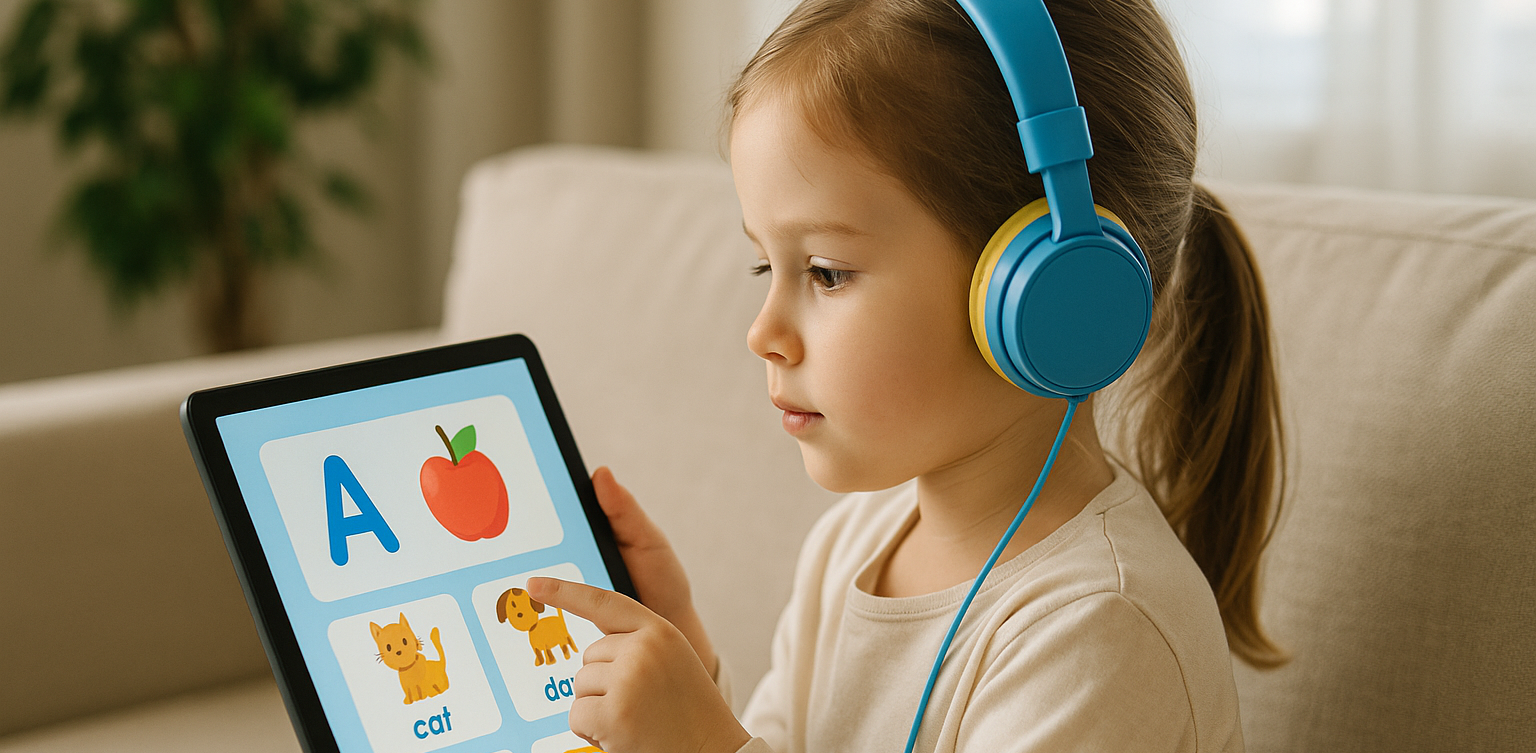
10 Best Apps for Kids Learning English in 2025 (Fun and Effective Tools) image

In today’s digital age, many parents are turning to technology to support their child’s education. If you’re searching for apps for kids learning English, you are in the right place. The right apps can help children build their vocabulary, improve pronunciation, and master grammar while having fun through interactive games, songs, and storytelling.

This article features the 10 best apps for kids learning English in 2025. Whether your child is a complete beginner or looking to sharpen their English skills, these apps offer engaging ways to learn at home or on the go.

10 Best Apps for Kids Learning English in 2025 (Fun and Effective Tools)

1. Duolingo Kids
apps for kids learning english

Why it’s great: Duolingo Kids simplifies English learning with bite-sized, gamified lessons. The colorful design and rewards system make it exciting for young learners.

Key Features:

  • Fun vocabulary practice with visual cues
  • Audio support for correct pronunciation
  • Progress tracking for parents

Ideal for: Children aged 4 to 10 who enjoy playful, interactive learning.

2. Lingokids – Playlearning App
apps for kids learning english

Why it’s great: Lingokids offers a complete English learning experience for kids. It includes games, songs, and videos that cover grammar, vocabulary, and conversation skills.

Key Features:

  • Adaptive learning based on skill level
  • Downloadable content for offline use
  • Weekly progress reports for parents

Ideal for: Preschool and elementary-aged children who learn best through play.

3. Endless Alphabet

apps for kids learning english

Why it’s great: This app uses adorable animated monsters to introduce English words in a fun and engaging way. It’s great for building vocabulary and early literacy skills.

Key Features:

  • Animated word puzzles
  • Clear voice narration
  • No ads or distractions

Ideal for: Toddlers and young children who are just starting with apps for kids learning English.

4. ABCmouse

Why it’s great: ABCmouse offers a full curriculum, including reading, phonics, and grammar lessons in English. With thousands of activities, kids stay engaged while learning.

Key Features:

  • Structured learning paths
  • Hundreds of English storybooks
  • Built-in reward system for motivation

Ideal for: Kids aged 2 to 8 who need a well-rounded learning app.

5. Fun English by Studycat

Why it’s great: This app uses games and songs to teach kids English vocabulary, phrases, and sentence structures. It’s fun and suitable for both beginners and bilingual learners.

Key Features:

  • Voice recognition to practice speaking
  • Games covering numbers, colors, and animals
  • Easy navigation for kids

Ideal for: Children who want to learn English in a playful environment.

6. Reading Eggs
Why it’s great: Focused on reading and comprehension, Reading Eggs offers phonics-based lessons that improve vocabulary and fluency.

Key Features:

  • Interactive reading games
  • English storybooks and lessons
  • Adaptive difficulty levels

Ideal for: Early readers who want to improve their English comprehension.

7. Khan Academy Kids

Why it’s great: This free app includes English reading lessons along with math, logic, and social-emotional learning. The friendly characters guide kids through interactive stories and games.

Key Features:

  • High-quality educational content
  • Creative learning tools
  • No ads and completely free

Ideal for: Parents looking for high-value, free apps for kids learning English.

8. Monkey Stories
apps for kids learning english

Why it’s great: Monkey Stories features a vast library of animated stories in English. Kids can follow along with subtitles, improving listening and reading skills.

Key Features:

  • 1,000+ English books and stories
  • Interactive reading mode
  • Daily learning goals

Ideal for: Children who enjoy learning through storytelling.

9. Speakia

Why it’s great: Speakia focuses on improving speaking and conversational English skills. It uses AI to simulate dialogues, helping kids speak more confidently.

Key Features:

  • Speaking practice with instant feedback
  • Real-life conversation simulations
  • Progress tracking

Ideal for: Kids who need extra help with speaking and listening in English.

10. Hello English Kids
apps for kids learning english

Why it’s great: Hello English Kids offers lessons in vocabulary, sentence structure, and everyday conversations. The app is simple to use and designed for young learners.

Key Features:

  • Games and videos for better engagement
  • English tests and flashcards
  • Child-friendly interface

Ideal for: Beginners looking for simple and effective apps for kids learning English.

Tips of Choosing Apps for Kids Learning English

Choosing the best apps for kids learning English depends on your child’s:

  • Age and learning level: Make sure the content is age-appropriate.
  • Learning style: Some children prefer stories, while others enjoy games or visuals.
  • Screen time: Pick apps that are ad-free and encourage short, productive sessions.

Look for apps that allow offline access and offer progress reports so parents can stay involved.

Final Thoughts

There are plenty of amazing apps for kids learning English, but the key is to find one that suits your child’s unique interests and learning pace. From storytelling apps to full learning platforms, each of the ten apps mentioned above offers a different approach to mastering English in a fun, engaging way.

Ingin tahu detail program? Image

Ingin tahu detail program?

If your child enjoys using technology to learn, why not take the next step with Timedoor Academy’s online coding classes? While they explore apps to improve their English, learning to code can help them develop logical thinking, creativity, and problem-solving skills. These are essential abilities in today’s digital world.

Try a free coding class at Timedoor Academy today and empower your child for the future.
Keep Reading

6 Simple and Trendy Street Food Recipes for Kids in 2025
Snacks are an important part of a child's school day, especially during breaks and playtime. In 2025, the trend for street food recipes for kids is growing, focusing on healthy ingredients, easy preparation, and of course, great taste. Making snacks at home not only saves money but also allows parents to control the quality and hygiene of the food their children eat. Plus, cooking together can be a valuable time for learning and creativity. Here are 6 trendy and easy street food recipes for kids that you can try at home using simple ingredients and straightforward steps.   1. Mini Pancakes with Fresh Fruit Mini pancakes are a favorite snack for many kids. Their soft texture and the natural sweetness from fresh fruit make them a healthy choice for lunchboxes or afternoon treats. Ingredients: 100 grams all-purpose flour 1 egg 150 ml milk 2 tablespoons sugar Fresh fruit pieces (strawberries, bananas, blueberries) How to make: Mix all dry and wet ingredients until smooth without lumps. Heat a non-stick pan on low heat, pour small round pancakes, and cook until golden on both sides. Serve the mini pancakes topped with fresh fruit for an appealing and nutritious snack.   2. Date Chocolate Balls For kids who love sweet snacks but need something healthy, these date chocolate balls are perfect. Dates provide natural sweetness and high fiber, which is good for digestion. Ingredients: 150 grams pitted dates 2 tablespoons cocoa powder 50 grams chopped walnuts How to make: Blend or mash the dates until smooth. Mix in cocoa powder and chopped walnuts until well combined. Shape the mixture into small balls and chill in the fridge for at least 30 minutes to firm up before serving.   3. Banana Yogurt Ice Cream Banana ice cream with plain yogurt is a refreshing and healthy treat. Yogurt contains probiotics that benefit kids' digestive health. Ingredients: 2 ripe bananas 150 ml plain yogurt 1 tablespoon honey How to make: Blend the bananas, yogurt, and honey until smooth and well mixed. Pour the mixture into ice cream molds and freeze for at least 4 hours. This banana yogurt ice cream is perfect for cooling off while providing good nutrition.   4. Chocolate and Cheese Roll Sandwiches These easy-to-make roll sandwiches are kids' favorites thanks to the delicious mix of sweet chocolate and savory cheese. Ingredients: 4 slices of crustless white bread Chocolate spread as needed Grated cheese as needed How to make: Spread chocolate on each bread slice, sprinkle with grated cheese, then roll up tightly. Slice as desired. These rolls can be eaten as is or lightly toasted to melt the cheese and add a crispy texture.   5. Fruit Yogurt Salad Fruit salad with yogurt is a healthy and refreshing snack. Feel free to vary the fruits depending on the season for more variety. Ingredients: Chopped apples, grapes, melon, and other fruits 150 ml plain yogurt 1 tablespoon honey How to make: Mix the chopped fruits with yogurt and honey. Stir well and serve chilled for a fresh and tasty treat.   6. Banana Chocolate Muffins These banana chocolate muffins combine the natural sweetness of bananas with chocolate chips that kids love. They're perfect for school snacks or afternoon treats. Ingredients: 2 ripe bananas, mashed 100 grams all-purpose flour 50 grams sugar 1 egg 50 grams chocolate chips How to make: Mix mashed bananas, egg, and sugar until smooth. Gradually add flour while stirring. Fold in the chocolate chips gently. Pour the batter into muffin molds and bake at 180°C (350°F) for 20 minutes or until cooked through.   Why Making Your Own Street Food Recipes for Kids Matters Making street food recipes for kids at home has many benefits. Besides ensuring the ingredients are healthier and safer, children also learn about food and cooking processes. This helps boost their creativity and responsibility for what they eat. Cooking together also creates precious bonding moments between parents and children. Teaching kids to make healthy snacks encourages better lifestyle habits from an early age.   Learning Coding for Kids — How Does It Connect with Cooking? Combining cooking with learning coding can make kids even more excited to learn. For example, children can be encouraged to create a simple app featuring their favorite snack recipes while picking up basic coding skills. This is a fun and effective way to introduce technology at an early age. For parents who want their kids to start learning coding in a fun and easy way, Timedoor Academy offers specially designed coding programs for children. You can also take advantage of Timedoor Academy’s free trial class so your child can try coding for free before enrolling in full courses. So, don’t hesitate to try these 6 trendy and easy street food recipes for kids. Not only are they delicious and healthy, but cooking together can be a fun and rewarding learning experience. And don’t forget to support your child’s coding journey so they’re ready for the digital world ahead with Timedoor Academy.
Best Age for Kids to Use Laptops: What Age Can Kids Start Using Laptops for Learning?
Technology has brought many changes to education, including how children learn. Nowadays, laptops and tablets have become common learning tools. However, many parents still wonder: what is the best age for kids to use laptops, and at what age can kids start using laptops safely and effectively? This article provides a guide on the right age for children to start using laptops for learning, the benefits and challenges to consider, and tips to help ensure laptop use supports their development in the best way possible.   Why Is It Important to Consider Age When Letting Kids Use Laptops? Laptops and other digital devices make learning easier with wide access to information, interactive educational apps, and fast communication tools. However, early and unsupervised use of technology can pose risks like eye strain, posture problems, and screen dependency. That’s why parents need to know the best age for kids to use laptops so the benefits are maximized without compromising their health and social development. Choosing the right time also helps kids be mentally and cognitively ready to handle technology in a healthy way.   So, What Age Can Kids Start Using Laptops? There’s no strict rule because every child develops differently. But experts generally recommend: Under 2 years old: Avoid screen time including laptops and tablets, since brain development at this age depends heavily on direct physical and social interaction. Ages 2–5: Limit screen time to no more than 1 hour per day, and use devices only with educational content supervised by parents. 6 years and older: Kids can start using laptops for learning for longer periods, but with clear time limits and adult supervision. So, the age when kids can start freely using laptops for learning is usually around elementary school age—starting from 6 years old—with guidance and rules in place.   Benefits of Using Laptops for Kids’ Learning Using laptops appropriately by age and need offers many benefits, including: Access to Diverse Learning Resources: Kids can explore a variety of online sources like educational videos, e-books, and interactive apps. Development of Digital Skills: In today’s digital world, knowing how to use technology is a crucial skill that should be developed early. Boosting Creativity and Independence: Children can create digital projects like drawings, videos, or basic coding that stimulate creativity. Ease of Communication and Collaboration: Laptops enable kids to communicate easily with teachers and classmates, especially in remote learning.   Challenges and Risks of Laptop Use for Kids Despite the benefits, parents should be aware of some risks: Excessive Screen Time: Can cause eye fatigue, sleep disturbances, and other health issues. Poor Posture: Long use without ergonomic setups can lead to neck and back pain. Social and Emotional Issues: Dependence on devices may reduce social interaction and physical activity. Inappropriate Content: Kids might access unsuitable material without supervision.   Tips for Choosing the Best Age for Kids to Use Laptops Safely To ensure positive laptop use, consider these tips: Start Slowly and Gradually: Adjust laptop time based on your child’s age and focus capacity. Monitor and Supervise: Always stay with your child while they use the laptop, especially when young. Choose Educational Content: Make sure apps and websites are age-appropriate and support learning. Set Up Proper Posture and Breaks: Provide ergonomic seating and regular rest periods. Set Rules and Schedules: Agree on time limits to prevent overuse.   Supporting Your Child’s Tech Learning Journey To help your child use technology effectively and appropriately, besides knowing the best age for kids to use laptops, it’s important to introduce fun and age-appropriate coding lessons. Timedoor Academy offers specially designed coding programs for kids, with easy-to-understand and engaging methods. Don’t hesitate to try it out, because Timedoor Academy also provides free trial classes that let parents and children explore coding without pressure before committing fully. This is a great first step to support your child’s digital development for the future.   Best Age for Kids to Use Laptops and When It’s Appropriate Determining the best age for kids to use laptops and when they can safely start isn’t just about numbers, but also about the child’s mental, physical, and social readiness. Generally, elementary school age is an ideal time to begin using laptops as learning tools, with supervised and limited use. Healthy and purposeful laptop use opens up many learning opportunities and helps develop essential skills in the digital age. Therefore, parents should actively guide and regulate technology use so it supports their child’s overall growth.
<strong>Building Positive Habits in Children on National Children’s Day</strong>
Building Positive Habits in Children on National Children’s Day
Every year on July 23rd, Indonesia celebrates National Children’s Day to show appreciation for the next generation. It is a moment of reflection for parents, educators, and communities to prioritize the needs, safety, and development of children. One of the most impactful ways to invest in a child’s future is by building positive habits in children from an early age. Habits are behaviors formed through repetition, and they often last a lifetime. Childhood is a critical phase in which values and patterns take root. That is why building positive habits in children during these formative years is so important. Why Early Habits Matter Simple routines like tidying up toys, saying “thank you,” or putting trash in the bin may seem minor. However, they lay the foundation for greater life skills such as responsibility, discipline, and empathy. On a broader level, building positive habits in children involves nurturing a mindset of honesty, teamwork, curiosity, and respect for learning. Children who are raised with consistent, positive habits are more likely to grow into responsible, independent individuals with strong character. On the other hand, children who lack structure or guidance during their early years may adopt unhealthy behaviors that are difficult to change later. The Role of Parents and the Environment Parents play the central role in building positive habits in children. Kids learn more from what they see than from what they are told. That means parents must model the values they wish to pass on. Showing punctuality, gratitude, patience, and balanced screen time will speak louder than any instruction. Beyond the home, children are shaped by their surroundings schools, peers, and community influences all matter. A supportive environment with positive reinforcement, teamwork, and structured activities helps strengthen the values instilled at home. Practical Ways to Start Building Positive Habits in Children Be Consistent Change doesn’t happen overnight. Whether it’s encouraging your child to read each night or tidy up after playing, repetition is key. Even ten minutes of daily practice can make a long-term difference. Lead by Example Children mimic behavior. If you want your child to manage time well, show them how you do it. Let them see you following schedules, keeping promises, and avoiding distractions. Use Encouragement and Praise A simple “Great job!” or “Thank you for helping” goes a long way. Positive reinforcement helps motivate kids to repeat good behaviors. Allow Room for Mistakes When building positive habits in children, understand that mistakes are part of the learning process. Patience and guidance are more effective than punishment. Involve Children in Decision-Making Let your child help plan their daily routine or choose their afternoon activity. When they feel a sense of ownership, they are more likely to stick to their responsibilities. Integrate Technology Wisely In today’s world, technology cannot be separated from childhood. Instead of avoiding it, guide your child to use it for learning. Educational apps, coding platforms, and creative tools can help turn screen time into productive time. National Children’s Day as a Moment for Reflection and Action National Children’s Day is not just a celebration, but an opportunity for reflection. As a society, have we done enough to support and protect children? As parents, have we been present enough in guiding their development? And most importantly, are we truly committed to building positive habits in children that will prepare them for the future? Positive habits are not built in a day. They take consistency, collaboration, and encouragement. Families, schools, and communities must work hand in hand to create environments that nurture growth and character. Try a Free Coding Class at Timedoor Academy The journey of parenting is filled with joy, challenge, and responsibility. National Children’s Day reminds us that every child deserves support, attention, and guidance. And one of the most meaningful forms of guidance we can offer is by consistently building positive habits in children. At Timedoor Academy, we believe that technology and character education go hand in hand. Our online coding and digital literacy programs are designed not only to build skills, but also to nurture self-discipline, curiosity, and confidence. Register your child for a free trial class today and take the first step in building habits that last a lifetime. Let’s shape a brighter future together one child at a time.
float button