Oct 15, 2025

7 Powerful Secrets to Make Children Excited About Learning Technology

7 Powerful Secrets to Make Children Excited About Learning Technology image

In today’s fast-paced digital era, understanding technology has become one of the most essential skills for kids. However, many parents are still unsure about how to make kids interested in learning technology. Most kids prefer playing games on their phones or watching videos for entertainment rather than using technology for something educational.

In fact, when used correctly, technology can be a bridge toward a bright future. kids who are familiar with technology from an early age have greater opportunities to develop creativity, logical thinking, and problem-solving skills.

Timedoor Academy understands this challenge and is committed to helping parents find the best approach to make their kids love the world of technology in a positive and enjoyable way. Let us explore seven powerful secrets that will help you discover how to make kids interested in learning technology naturally and effectively.

1. Start with What Your Child Loves
make kids interested in learning technology

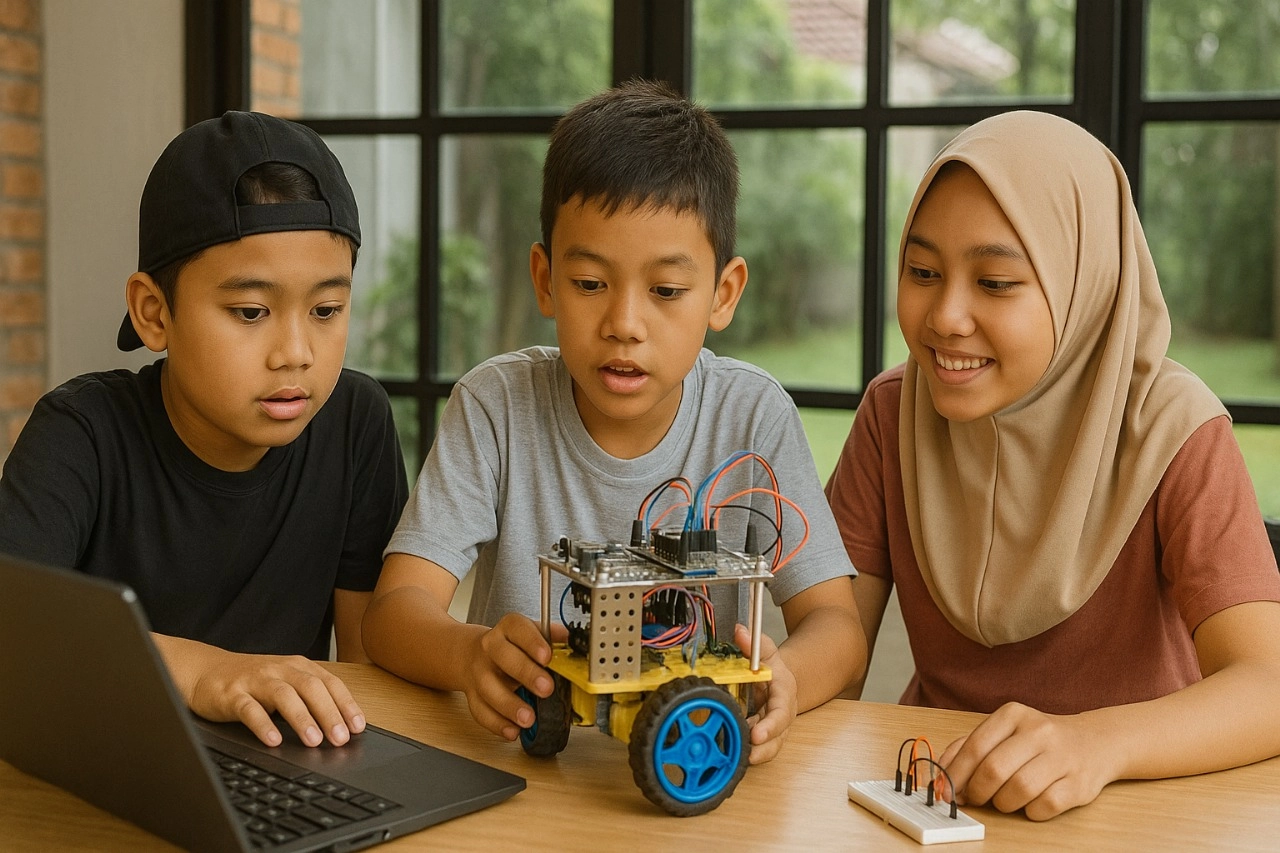
The first step in finding how to make kids interested in learning technology is to identify what your child enjoys the most. For instance, if your child loves drawing, introduce them to simple digital design apps. If they love playing games, invite them to learn how to create their own games.

When learning is connected to their personal interests, kids are more likely to understand and stay engaged. They will see technology not as a rigid subject but as a tool for creativity and self-expression.

2. Make Learning Interactive and Meaningful

kids are naturally drawn to interactive activities. They love to participate and see results from their own efforts. Therefore, one of the best ways on how to make children interested in learning technology is by providing fun and hands-on experiences.

At Timedoor Academy, each lesson is designed to be engaging through activities like creating animations, designing websites, or building simple educational games. These experiences help kids understand technology in a visual and contextual way rather than only through theory.

When kids can see their animation move or their program run successfully, their excitement and curiosity grow naturally.

3. Create a Supportive Learning Environment

A supportive environment plays a key role in sparking a child’s interest. If parents limit technology use without clear guidance, kids might see technology as something negative. However, when the environment encourages exploration, they become more confident to try new things.

One effective method of how to make kids interested in learning technology is to create a positive learning space. Parents can schedule a special time to learn together, ask about what their child is discovering, or even try out coding lessons alongside them.

When kids feel valued and supported, their motivation to learn will rise significantly.

4. Introduce Technology as a Creative Tool
make kids interested in learning technology

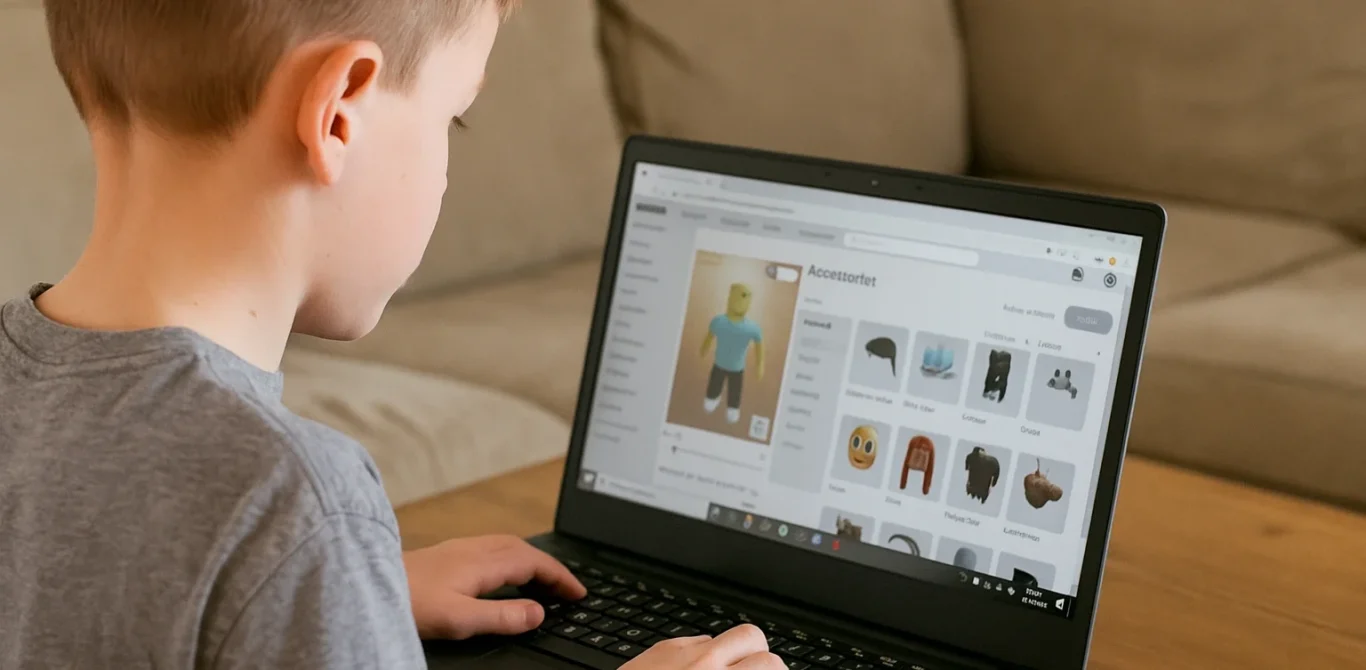
kids often see technology only as a form of entertainment. In reality, technology holds incredible potential for creating meaningful works.

To truly discover how to make kids interested in learning technology, show them that technology can be used to create something valuable. For example, they can make digital comics, design game characters, or write interactive stories using beginner-friendly programming tools.

When kids realize that they can produce something original and exciting through technology, their curiosity will naturally grow stronger.

5. Show Inspiring Role Models in Technology

Inspiration can come from real people who have made an impact in the world of technology. Tell your kids stories about people like Mark Zuckerberg, Elon Musk, or young Indonesian developers who have created digital innovations.

This approach can be one of the best examples of how to make kids interested in learning technology because it helps them see real-life success stories. Kids will understand that technology is not limited to adults or professionals; it is a field open to anyone with passion and creativity.

Through these stories, kids can be motivated to dream big and work toward their own goals in the tech world.

6. Use the Right Learning Platform

Not all learning platforms are suitable for kids . Some are too technical, while others may lack meaningful challenges. That is why choosing the right educational platform is crucial.

Timedoor Academy provides the perfect solution for parents looking for how to make kids interested in learning technology in a fun and age-appropriate way. Here, kids learn coding and technology through project-based lessons that encourage creativity, logical thinking, and collaboration.

With interactive classes and friendly mentors, kids will discover that learning technology is not difficult but actually exciting and rewarding.

7. Celebrate Every Achievement

make kids interested in learning technology

Even small accomplishments deserve recognition. One of the most effective approaches to how to make kids interested in learning technology is by celebrating every milestone.

When your child finishes their first coding project or creates a simple app, express your appreciation and excitement. These positive reinforcements help them feel proud of their progress and eager to continue learning.

As a result, learning will no longer feel like a chore but an enjoyable and fulfilling adventure.

The Role of Parents in Nurturing Tech Interest

Parents play a crucial role in supporting and guiding their kids as they explore technology. Emotional support and shared curiosity can make the learning process more meaningful.

Be your child’s learning companion. Listen to their stories, help them solve challenges, and avoid judging mistakes. By doing so, you strengthen your bond and boost your child’s confidence.

You do not have to be a tech expert to support your child. Showing genuine enthusiasm and encouragement is often enough to make a lasting impact on their learning journey.

Register Your Kid Now!

Ingin tahu detail program? Image

Ingin tahu detail program?

Encouraging kids to learn technology may seem challenging at first, but it is definitely possible. By applying these principles of how to make kids interested in learning technology, parents can help their kids discover the fun and creative side of the digital world.

Kids who learn to love technology from an early age will grow into creators, not just consumers. They will be better prepared to face future challenges with creativity, confidence, and problem-solving skills.Would you like your child to learn technology in a fun and inspiring way? Register now for a Free Trial Class at Timedoor Academy! Let your child experience interactive learning that builds creativity, logic, and curiosity about technology from an early age.


Keep Reading

The Role of Parents in Kids Digital Learning: Practical Tips for 2025
Digital learning is now a core part of how kids learn. Since the pandemic, many have grown used to studying through screens, whether from school platforms or extra classes like coding, languages, or math. But behind the ease of technology, the role of parents in kids digital learning is still key to making learning effective. Some might think digital learning makes kids more independent, but not all are ready to manage time, stay focused, or understand lessons on their own. This is where the role of parents in kids digital learning remains essential. Parents are not just supervisors but active guides who support and respond to their kids’ needs. Setting a Healthy Learning Rhythm Time management is one of the biggest challenges in digital learning. Without a teacher physically present, kids can get distracted easily when learning at home. Parents can help by building a consistent routine that balances study and rest. This structure helps shape responsible habits early. It is one of the simplest ways to support the role of parents in kids digital learning and helps build long-term discipline. Creating a Supportive Learning Space Focus depends a lot on environment. At home, distractions like TV, traffic noise, or a younger sibling playing nearby can make learning harder. Parents should create a quiet, comfortable study spot where kids can focus better. Make sure tools like laptops, headphones, and internet connections are working properly. These technical basics matter more than they seem. Helping with this setup is a key part of the role of parents in kids digital learning at home. Offering Emotional Support Digital learning can feel isolating. Kids may feel stuck, frustrated, or unsure who to talk to when lessons are hard. That is why emotional support is just as important as helping with assignments. Simple questions like “Was today’s class fun?” or “Anything that confused you?” can make a big difference. Being emotionally available is a powerful part of the role of parents in kids digital learning, helping kids stay motivated and confident. Guiding Tech Use with Balance Technology can help learning, but it can also be distracting. Kids might be tempted to play games or watch videos during study time. That is why parents should stay involved by setting rules and limits that feel fair. Use screen timers, focus modes, or parental control tools. More importantly, explain why these rules exist so kids see them as helpful, not harsh. Balanced tech use is part of the role of parents in kids digital learning that keeps learning on track. Becoming a Learning Partner Parents do not have to know everything their kid is learning. Just being involved by listening to a project explanation or joining an online session shows support. Being a learning partner means exploring together and showing real interest. This shared effort makes learning more engaging and strengthens the role of parents in kids digital learning by building trust and motivation. Why Parents Still Matter in Kids' Digital Learning Technology has made learning more flexible, but the role of parents in kids digital learning is still irreplaceable. From setting routines to offering encouragement, parents help make learning not only effective but enjoyable. By staying engaged and present, you give your kid the best chance to succeed. You become the connection between digital tools and real growth. Support Your Kid’s Digital Learning with Timedoor Academy Looking for a better way to support your kid’s learning at home? Timedoor Academy offers fun and interactive online classes in coding, math, and robotics. All programs are designed specifically for kids. Try a free class today and discover how we make your role of parents in kids digital learning easier and more meaningful.
5 Dangerous Games for Kids Parents Should Watch Out For in 2025
Technology brings countless benefits, especially in education. However, easy access to the digital world also exposes children to dangerous games for kids. Many parents believe games are harmless fun, but in reality, some can negatively impact a child’s development. This article will cover a list of dangerous games for kids, the risks they pose, and how parents can guide their children toward healthier digital habits.   Why Are Some Games Dangerous for Kids? Before diving into the list of dangerous games for kids, it is important to understand why certain games pose risks. Here are some of the most common dangers: Gaming AddictionGames with instant rewards or endless gameplay loops make it hard for kids to stop playing. This often disrupts their study time, sleep schedule, and daily routine. Exposure to Violence and AggressionShooting and fighting games can influence a child’s behavior. Over time, constant exposure may lead to increased irritability or mimicry of violent actions. Negative Online InteractionsOnline multiplayer games expose children to strangers without proper safeguards. This can lead to cyberbullying, exposure to inappropriate language, and negative social influences. Physical Health NeglectProlonged gaming reduces physical activity. This increases risks of obesity, posture problems, and overall sedentary lifestyle habits. Inappropriate Ads and MicrotransactionsMany games target children with in-game purchases and advertisements. Without understanding the implications, kids may make unintended purchases or see content not suitable for their age.   List of Dangerous Games for Kids Here are some examples of dangerous games for kids that require close parental supervision or should be avoided entirely. 1. Free Fire A popular battle royale game known for fast-paced action and violence. Free Fire carries risks of addiction and can influence aggressive behavior patterns in children. 2. PUBG Mobile Similar to Free Fire, PUBG Mobile features intense combat and survival modes. Its competitive nature can lead to emotional stress and obsession with winning. 3. Call of Duty Mobile This game presents high-level realistic violence. The combination of vivid graphics and intense sound effects can have a strong psychological impact on younger players. 4. Grand Theft Auto (GTA) Series GTA is infamous for its explicit content, extreme violence, and criminal elements. This series is highly inappropriate for children and is not recommended under any circumstances. 5. Roblox (Without Supervision) While Roblox can be safe with moderation, user-generated content within the platform is not always child-friendly. Without proper supervision, children can stumble upon games with violent or negative themes.   The Dangers of Gaming Without Parental Supervision Unsupervised gaming can amplify the dangers of gaming for kids. Beyond excessive screen time, gaming without limits may affect children’s behavior, habits, and even personal data security. That is why parental involvement is key. Instead of simply banning games, parents should redirect their children's attention to positive digital experiences that foster growth and learning.   Redirecting Kids to Positive Digital Activities One effective way to shift attention from dangerous games for kids is to introduce children to productive digital activities, such as learning to code. Coding teaches children logical thinking, patience, and problem-solving skills. Just like solving puzzles, coding involves structured steps that train children to think critically and creatively. With interactive and fun approaches, children can enjoy their time online while gaining valuable skills.   Practical Tips for Parents to Handle Gaming Risks To prevent children from falling into harmful gaming habits, parents can take these practical steps: Monitor the games your child plays. Always check age ratings and trusted reviews. Set clear and consistent limits on gaming time. Enforce healthy boundaries. Discuss the dangers of gaming for kids openly. Focus on educating rather than just restricting. Introduce productive digital activities. Coding, graphic design, and digital art are excellent alternatives. Balance screen time with physical activities and family time. Ensure children stay active and socially engaged offline.   Being Smart About the Digital World Not all games are harmful, but it is crucial for parents to identify which are safe and which are dangerous games for kids. The solution is not solely about restrictions but also about providing direction. When children are guided toward positive digital experiences, they can benefit from technology in constructive ways. Introducing children to coding is a meaningful alternative. It develops structured thinking, problem-solving, and opens up creative opportunities in the digital world.   Free Coding Classes at Timedoor Academy Timedoor Academy offers free coding classes for kids, designed with fun, interactive lessons suited for young learners. This can be a great alternative to help children stay engaged with digital media in a productive and educational way. Register now and help your child explore a healthier digital lifestyle: Join Timedoor Academy's Free Coding Trial Class
Amazing Benefits of Robotics Course for Elementary Students Every Parent Should Know
Technology is advancing rapidly year by year. Children who are currently in elementary school will face a future filled with innovation, automation, and artificial intelligence. Therefore, equipping them with relevant skills from an early age is crucial. One of the best ways to prepare them is through a robotics course for elementary students. With engaging and practical methods, children can learn to understand technology while also developing their creativity. What Is a Robotics Course? A robotics course is a learning program that introduces children to the process of designing, assembling, and programming simple robots. Through a robotics course for elementary students, children can explore the basic principles of science, technology, engineering, and mathematics, often referred to as STEM. These activities are designed to be fun and interactive, so children feel like they are playing while actually building valuable skills. The Benefits of Robotics Course for Children Many parents are choosing a robotics course for elementary students because of its wide-ranging benefits. First, children learn to think logically and systematically. Each robot component must be installed in the correct order, helping them understand cause-and-effect relationships. Second, they develop problem-solving skills. When the robot does not work as expected, children are encouraged to find creative solutions. Third, the course teaches patience and perseverance since building a robot requires time and dedication. Boosting Creativity and Imagination Beyond technical aspects, a robotics course for elementary students also nurtures creativity. Children are not limited to simply following instructions, but are encouraged to design and test their own ideas. For instance, they can build robots that walk, light up, or even play simple music. This process shows children that technology is not only something to use, but also something they can create themselves. Developing Social Skills Many robotics course for elementary students programs are conducted in groups. This allows children to collaborate with peers, exchange ideas, and solve challenges together. Learning how to work in a team will benefit them not only in school, but also in their personal and professional lives later on. Building a Strong Foundation for the Future In today’s world, technology skills are key to future success. By taking a robotics course for elementary students, children are not only prepared for academic challenges but also given a strong foundation for careers in technology-related fields. Areas such as artificial intelligence, data science, and mechanical engineering will be easier to grasp because they have already been introduced to the basics of robotics at a young age. The Role of Parents in Supporting Learning Parental support plays a major role in a child’s learning journey. Celebrating small achievements, assisting them during robot-building sessions, or simply listening to their stories about class experiences can boost their confidence. With such support, every session in a robotics course for elementary students will become even more meaningful. Why Choose Timedoor Academy? Timedoor Academy offers a robotics program tailored specifically for elementary school students. Its curriculum goes beyond technical knowledge by also focusing on creative thinking and collaboration. Each class is guided by experienced mentors who understand how to introduce technology to young learners effectively. With a fun and interactive environment, children will be excited to join every session. Enroll Your Child at Timedoor Academy! If you want your child to develop future-ready skills, now is the perfect time to take action. Register them for a Free Trial at Timedoor Academy and discover how robotics courses can transform curiosity into real abilities. Click the registration button today and give your child the best opportunity to grow and succeed.
float button