Oct 15, 2025

7 Powerful Secrets to Make Children Excited About Learning Technology

7 Powerful Secrets to Make Children Excited About Learning Technology image

In today’s fast-paced digital era, understanding technology has become one of the most essential skills for kids. However, many parents are still unsure about how to make kids interested in learning technology. Most kids prefer playing games on their phones or watching videos for entertainment rather than using technology for something educational.

In fact, when used correctly, technology can be a bridge toward a bright future. kids who are familiar with technology from an early age have greater opportunities to develop creativity, logical thinking, and problem-solving skills.

Timedoor Academy understands this challenge and is committed to helping parents find the best approach to make their kids love the world of technology in a positive and enjoyable way. Let us explore seven powerful secrets that will help you discover how to make kids interested in learning technology naturally and effectively.

1. Start with What Your Child Loves
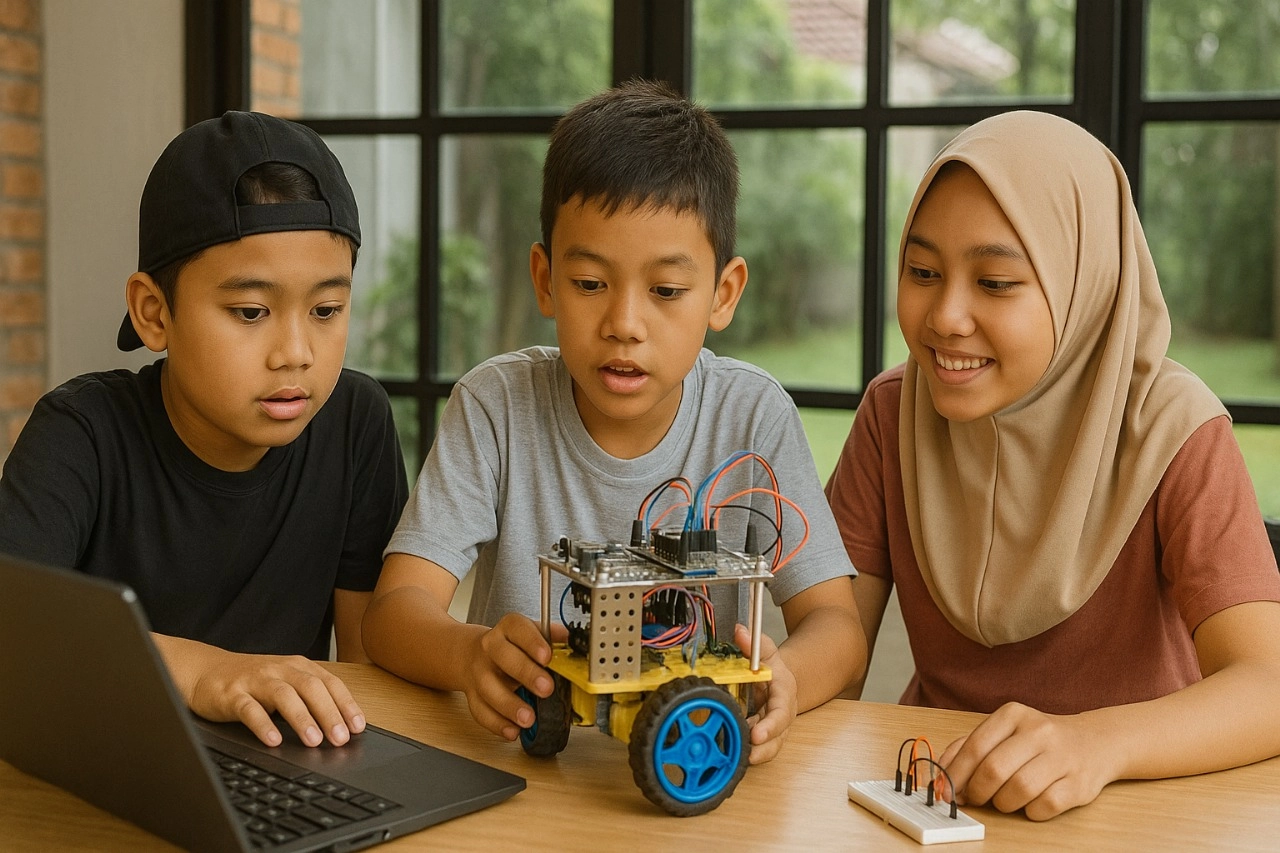
make kids interested in learning technology

The first step in finding how to make kids interested in learning technology is to identify what your child enjoys the most. For instance, if your child loves drawing, introduce them to simple digital design apps. If they love playing games, invite them to learn how to create their own games.

When learning is connected to their personal interests, kids are more likely to understand and stay engaged. They will see technology not as a rigid subject but as a tool for creativity and self-expression.

2. Make Learning Interactive and Meaningful

kids are naturally drawn to interactive activities. They love to participate and see results from their own efforts. Therefore, one of the best ways on how to make children interested in learning technology is by providing fun and hands-on experiences.

At Timedoor Academy, each lesson is designed to be engaging through activities like creating animations, designing websites, or building simple educational games. These experiences help kids understand technology in a visual and contextual way rather than only through theory.

When kids can see their animation move or their program run successfully, their excitement and curiosity grow naturally.

3. Create a Supportive Learning Environment

A supportive environment plays a key role in sparking a child’s interest. If parents limit technology use without clear guidance, kids might see technology as something negative. However, when the environment encourages exploration, they become more confident to try new things.

One effective method of how to make kids interested in learning technology is to create a positive learning space. Parents can schedule a special time to learn together, ask about what their child is discovering, or even try out coding lessons alongside them.

When kids feel valued and supported, their motivation to learn will rise significantly.

4. Introduce Technology as a Creative Tool

make kids interested in learning technology

kids often see technology only as a form of entertainment. In reality, technology holds incredible potential for creating meaningful works.

To truly discover how to make kids interested in learning technology, show them that technology can be used to create something valuable. For example, they can make digital comics, design game characters, or write interactive stories using beginner-friendly programming tools.

When kids realize that they can produce something original and exciting through technology, their curiosity will naturally grow stronger.

5. Show Inspiring Role Models in Technology

Inspiration can come from real people who have made an impact in the world of technology. Tell your kids stories about people like Mark Zuckerberg, Elon Musk, or young Indonesian developers who have created digital innovations.

This approach can be one of the best examples of how to make kids interested in learning technology because it helps them see real-life success stories. Kids will understand that technology is not limited to adults or professionals; it is a field open to anyone with passion and creativity.

Through these stories, kids can be motivated to dream big and work toward their own goals in the tech world.

6. Use the Right Learning Platform

Not all learning platforms are suitable for kids . Some are too technical, while others may lack meaningful challenges. That is why choosing the right educational platform is crucial.

Timedoor Academy provides the perfect solution for parents looking for how to make kids interested in learning technology in a fun and age-appropriate way. Here, kids learn coding and technology through project-based lessons that encourage creativity, logical thinking, and collaboration.

With interactive classes and friendly mentors, kids will discover that learning technology is not difficult but actually exciting and rewarding.

7. Celebrate Every Achievement

make kids interested in learning technology

Even small accomplishments deserve recognition. One of the most effective approaches to how to make kids interested in learning technology is by celebrating every milestone.

When your child finishes their first coding project or creates a simple app, express your appreciation and excitement. These positive reinforcements help them feel proud of their progress and eager to continue learning.

As a result, learning will no longer feel like a chore but an enjoyable and fulfilling adventure.

The Role of Parents in Nurturing Tech Interest

Parents play a crucial role in supporting and guiding their kids as they explore technology. Emotional support and shared curiosity can make the learning process more meaningful.

Be your child’s learning companion. Listen to their stories, help them solve challenges, and avoid judging mistakes. By doing so, you strengthen your bond and boost your child’s confidence.

You do not have to be a tech expert to support your child. Showing genuine enthusiasm and encouragement is often enough to make a lasting impact on their learning journey.

Register Your Kid Now!

Ingin tahu detail program? Image

Ingin tahu detail program?

Encouraging kids to learn technology may seem challenging at first, but it is definitely possible. By applying these principles of how to make kids interested in learning technology, parents can help their kids discover the fun and creative side of the digital world.

Kids who learn to love technology from an early age will grow into creators, not just consumers. They will be better prepared to face future challenges with creativity, confidence, and problem-solving skills.Would you like your child to learn technology in a fun and inspiring way? Register now for a Free Trial Class at Timedoor Academy! Let your child experience interactive learning that builds creativity, logic, and curiosity about technology from an early age.


Keep Reading

Coding for Kids: How Coding Courses Can Boost Your Child’s IQ and Creativity in the Digital Age 2025
In today’s digital age, coding for kids is becoming increasingly popular among parents. Many believe that coding for kids not only helps children become familiar with technology from an early age, but also plays a significant role in boosting IQ, creativity, and critical thinking skills. This article will dive deep into how coding for kids can positively impact your child’s brain development and character, and offer tips on how to choose the best coding course for your child. Why Coding Is Becoming More Important With technology developing at lightning speed, children today are growing up surrounded by digital influences. Coding for kids gives children the opportunity to not just use technology, but also to become creators of digital solutions. When your child enrolls in a coding course, they will learn how to understand computer logic, think systematically, and solve problems in creative ways. Research has shown that children who participate in coding for kids programs show increased analytical skills, better problem-solving abilities, and even higher IQ scores compared to those who have not been exposed to coding. Coding activities stimulate the parts of the brain involved in logical and creative thinking at the same time. Coding for IQ Improvement One of the main reasons coding for kids is so highly recommended is its impact on boosting children’s IQ. As children learn to code, they get used to logical thinking, breaking down problems into steps, and evaluating their own solutions. The process of trial and error when creating a simple program or game helps strengthen mental resilience and analytical skills. Studies also show that children who regularly take part in coding for kids classes find it easier to understand math, science, and even languages. They become quicker at recognizing patterns, following instructions, and developing innovative solutions for everyday challenges. Coding Encourages Creativity Beyond IQ, coding for kids is also extremely effective at fostering creativity. Coding encourages children to design unique projects based on their own imagination, such as creating simple games, animations, or small apps. This process helps build confidence, courage to try new things, and the ability to think outside the box. Coding for kids also teaches the value of collaboration. Many coding programs provide a platform for kids to work in teams, share ideas, and build projects together with their friends. Tips for Choosing the Best Coding for Kids Program To ensure your child gets the most out of coding for kids, here are some tips for choosing the right course: 1. Choose a Clear and Structured CurriculumA quality coding for kids course should have an age-appropriate curriculum that progresses from basic to advanced levels in a clear and understandable way. 2. Experienced and Child-Friendly InstructorsPatient, experienced instructors are key to making sure your child feels comfortable and excited to learn. 3. Project-Based LearningThe best coding for kids courses focus on hands-on projects, not just theory. Look for programs that encourage your child to create real projects. 4. Online Classes and Free Trial OptionsFlexibility is important, so opt for coding for kids programs that offer online learning and a free trial before you commit. 5. Supportive Learning CommunityA good coding course for kids usually includes a community or forum where children can discuss, ask questions, and share their creations. Long-Term Benefits of Coding for Kids By taking part in coding for kids courses regularly, your child will not only develop technical skills but also positive character traits such as discipline, perseverance, and teamwork. In the future, coding will be an essential skill in many different careers, so coding for kids can be a valuable foundation for your child’s success. Timedoor Academy: A Fun and Effective Coding for Kids Program One of the top recommendations for a coding for kids course is Timedoor Academy. At Timedoor, your child can learn coding in an interactive and enjoyable way. The coding for kids curriculum at Timedoor Academy is tailored to every age group, from beginners to advanced students. Children are invited to create real projects such as games, animations, or simple applications. Timedoor Academy also offers a free trial class, so your child can try out coding for kids with no commitment. The instructors at Timedoor are highly experienced and truly understand how to teach children using methods that are both friendly and fun.
Tips for Managing Your Child’s Screen Time: How to Wisely Handle Kids’ Screen Time in 2025
In today’s digital era, screen time for kids has become a regular part of their daily lives. Devices like smartphones, tablets, and laptops are often used for playing, watching, and learning. However, many parents find it challenging to manage screen time so that their children stay healthy while maximizing its benefits. This article shares practical tips on managing your child’s screen time so it can be used wisely and productively.   Why Is Managing Screen Time for Kids Important? Excessive screen time without proper supervision can lead to problems such as eye strain, reduced physical activity, and sleep issues. By properly managing screen time for kids, parents help safeguard their children’s physical and mental health while supporting effective learning.   Effective Tips to Manage Screen Time for Kids 1. Set Clear Time Limits Create rules about when and how long your child can use gadgets daily. For example, limit usage to 1-2 hours a day, adjusted based on age and needs. Consistency is key so kids understand and follow the rules. 2. Choose Educational and Age-Appropriate Content Ensure your child accesses apps, videos, or games that support learning and fit their age group. Educational content turns screen time into enjoyable learning moments. 3. Accompany Your Child During Screen Time Parents should stay with their children while they use gadgets, especially for younger kids. This helps monitor content and provide explanations to maximize benefits. 4. Create a Balanced Screen Time Schedule Balance screen time with other activities, such as after completing homework or physical play. Avoid letting screen time replace outdoor play or social interaction. 5. Use Parental Control Features Take advantage of device settings to restrict access to inappropriate content and manage usage duration. 6. Set a Good Example Children tend to imitate their parents’ behavior. Use gadgets responsibly yourself to teach by example.   Benefits of Properly Managing Screen Time for Kids With proper management, screen time for kids not only avoids negative effects but also: Improves focus and concentration in learning Encourages independent learning through technology Strengthens parent-child relationships through shared screen time Develops digital skills from an early age   Challenges in Managing Kids’ Screen Time Managing screen time is not always easy. Common challenges include: Children resisting or struggling to follow screen time limits Parents lacking time to supervise gadget use consistently Difficulty finding engaging and educational content Devices often being used more for entertainment than education To overcome these, parents need patience and creativity in setting and enforcing rules. Open communication and involving children in rule-making can improve compliance.   Supporting Your Child’s Digital Growth Through Coding Beyond managing screen time, introducing children to coding is a positive step. Timedoor Academy offers fun and easy-to-understand coding programs designed specifically for kids. With this program, your child’s screen time becomes more meaningful—not just entertainment but also time spent learning creativity and critical thinking. Timedoor Academy also offers free trial classes, allowing parents and kids to explore coding stress-free before committing.   How to Effectively Manage Screen Time for a More Meaningful Experience Managing your child’s screen time is key to ensuring healthy and productive gadget use. By setting limits, choosing educational content, supervising usage, and balancing with other activities, screen time can become an effective learning tool. Equally important is supporting your child’s digital development through coding education, which is a valuable investment for their future. Timedoor Academy’s child-friendly methods and free trial classes provide an excellent opportunity for kids to explore the tech world in a fun, pressure-free way.
<strong>What Is Fatherless? 5 Overlooked Effects on Children in 2025</strong>
What Is Fatherless? 5 Overlooked Effects on Children in 2025
Many parents still don’t fully understand what is fatherless or how deeply it can affect a child’s development. At its core, fatherless describes a situation where a child grows up without the presence or meaningful involvement of a father figure. This isn’t limited to cases where the father is physically absent. It also includes situations where the father is emotionally unavailable or disengaged, even if he’s living under the same roof. As modern life becomes busier and family structures more complex, the number of children growing up without an engaged father figure continues to rise. Yet because there’s often a lack of awareness around what is fatherless, its impact is frequently underestimated. In reality, it can influence nearly every aspect of a child’s life — emotionally, socially, and academically. Here are five real and often overlooked effects of what is fatherless that every caregiver should be aware of: 1. Emotional and Behavioral Instability Children without consistent involvement from a father figure may struggle with emotional regulation. They can become more sensitive, withdrawn, anxious, or quick to anger. A lack of emotional guidance and security can leave children unsure of how to process big feelings. Understanding what is fatherless helps parents recognize these early signs and provide support before they grow into larger issues. 2. Low Self-Esteem and Insecurity A father’s encouragement and presence often play a huge role in a child’s sense of self-worth. When that connection is missing, children may feel unloved, unimportant, or unsure of their value. They might avoid challenges, struggle with confidence, or become overly reliant on praise from others. Recognizing what is fatherless can help caregivers provide emotional validation that children may not receive otherwise. 3. Academic Struggles Children who grow up in fatherless environments often face challenges with focus, motivation, and discipline when it comes to school. They may feel less driven to succeed or lack the encouragement they need to stay engaged. Once parents understand what is fatherless, they can step in with structure, emotional support, or even professional guidance to help children thrive in school. 4. Difficulty Building Healthy Social Skills The absence of a father figure can also impact how children interact with others. Some become overly shy and withdrawn, while others might act out or struggle with empathy and boundaries. Children learn by example, and without healthy male role models, they may find it difficult to develop strong communication and social skills. Being aware of what is fatherless helps parents and educators create more intentional opportunities for positive social learning. 5. Increased Dependence on Screens and Online Worlds When emotional support is lacking at home, children often turn to devices, social media, or online content for comfort and distraction. They may begin to prioritize digital stimulation over real-life connection, leading to isolation and overdependence on technology. This is another hidden risk within what is fatherless — one that can affect a child’s mental well-being and social development over time. What Can Parents and Caregivers Do? Acknowledging that a child may be experiencing the effects of fatherlessness is not about assigning blame. Instead, it’s the first step toward meeting their emotional needs in a more intentional way. Quality time, open communication, and consistent emotional support from other caregivers can make a powerful difference. Another way to help children build confidence and a sense of purpose is by introducing them to meaningful, skill-building activities — like learning to code. Coding encourages logical thinking, creativity, and problem solving, all of which contribute to stronger self-esteem and mental resilience. Try a Free Coding Class at Timedoor Academy Timedoor Academy offers fun, age-appropriate coding classes designed to help children explore their potential in a supportive and engaging environment. Whether they’re creating simple games or animations, children build valuable skills while developing confidence in their abilities. You can sign up for a free coding trial class and see firsthand how coding can positively shape your child’s growth — not just academically, but emotionally and socially, too. Let’s help children channel their energy into something creative, constructive, and empowering.
float button