Jul 10, 2023

Timedoor Academy Competition and Exhibition 2023 Update!

Timedoor Academy Competition and Exhibition 2023 Update! image

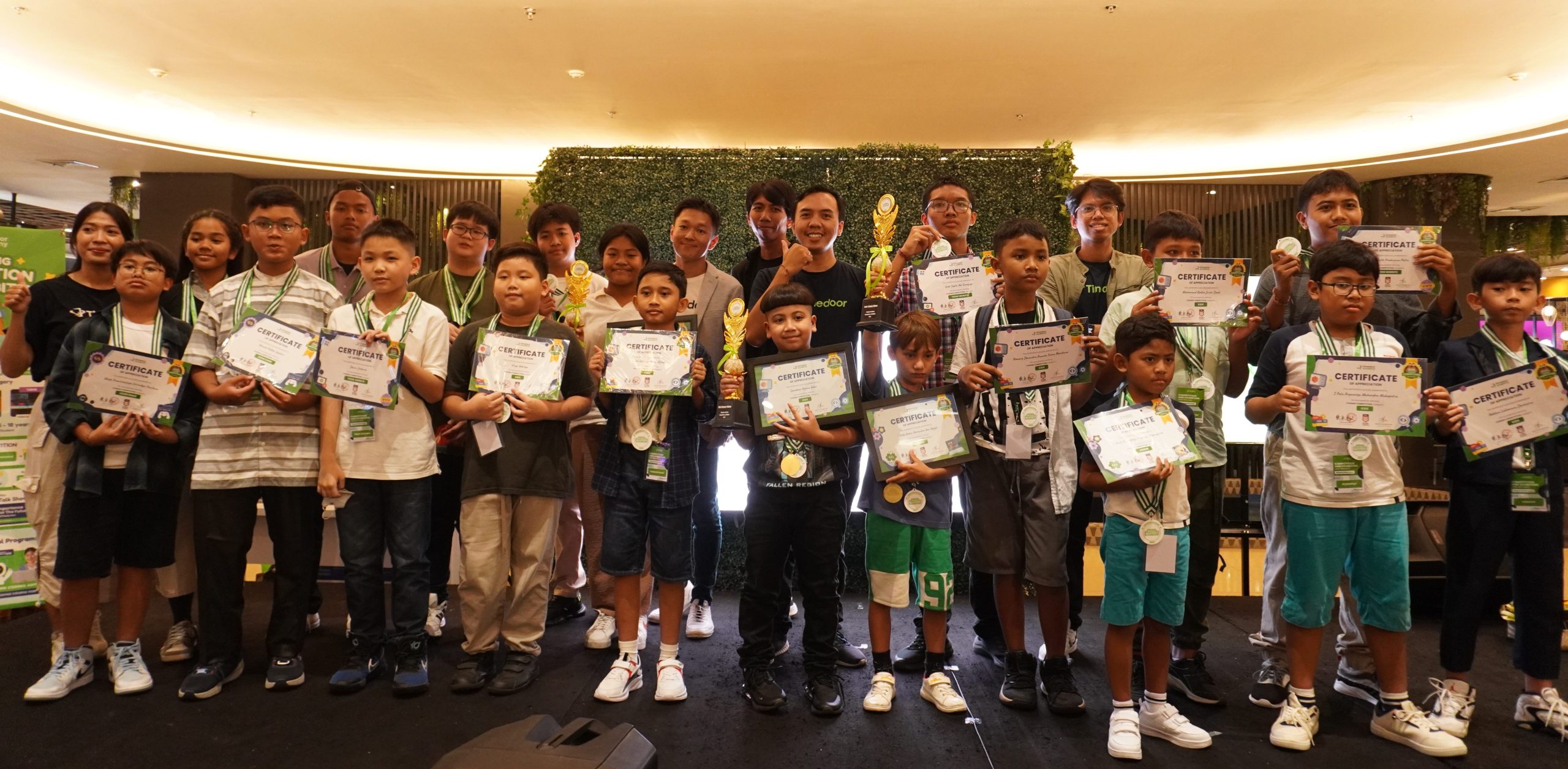
Congrats For All the Winners!

Timedoor Academy Coding Competition and Exhibition 2023 is an event that aims to provide a platform for all Timedoor Academy students to show projects that have been made, ranging from games, and websites to applications. The preliminary round was attended by 100++ participants from all over Indonesia. From this number of participants, an elimination stage will then be carried out until 30 Selected Participants are selected to take part in the Exhibition Round which will be held directly at Trans Studio Mall Bali on Sunday, June 25 2023.

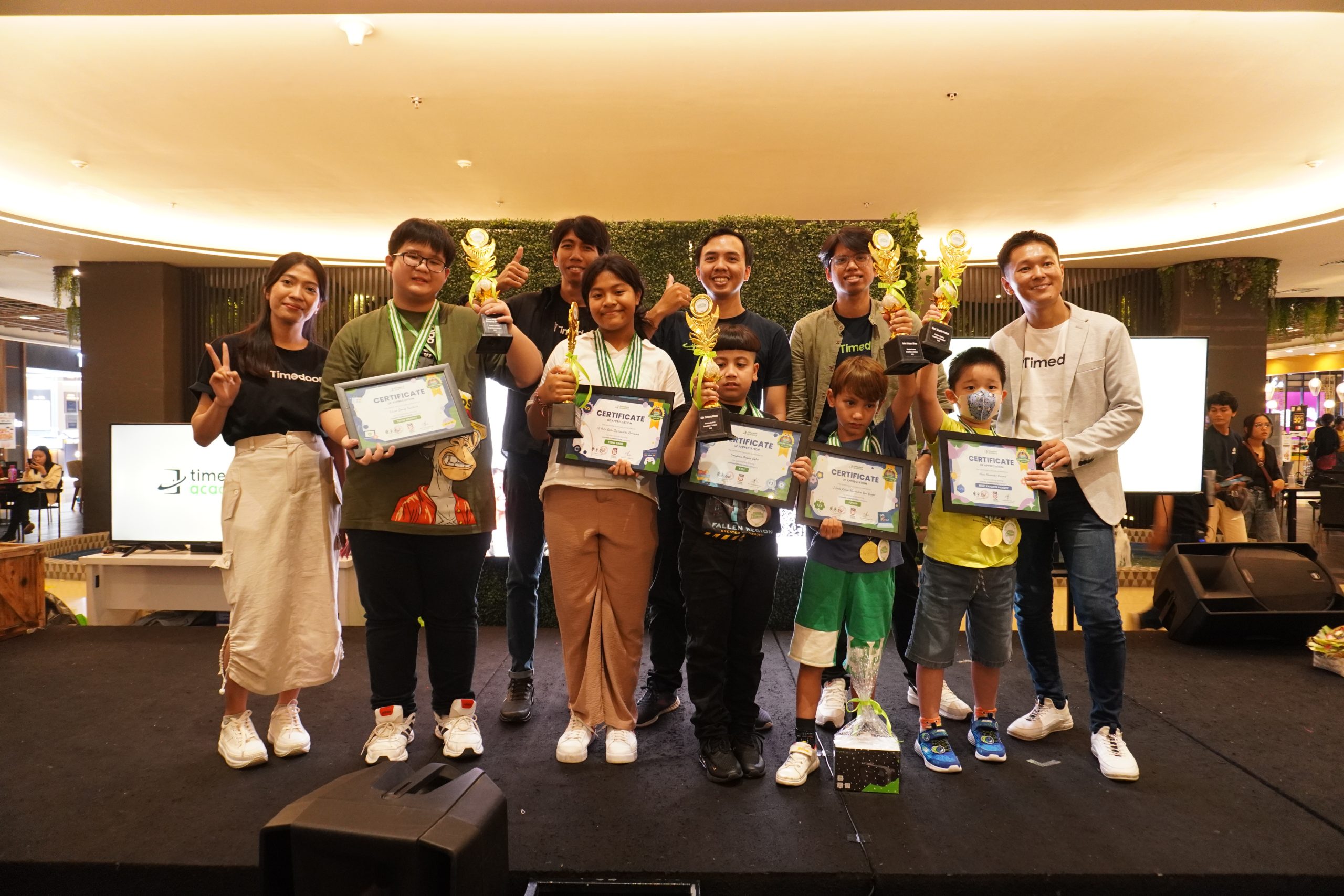
The 30 best participants from each category took part in the Exhibition Round at Trans Studio Mall Bali and this exhibition was attended by approximately 500 ++ visitors who were interested in seeing the participant’s projects. Visitors also had the opportunity to give star labels to the participants who would later be awarded as Most Favorite Project By Visitor. Here is the following list of winners at the 2023 Timedoor Academy Competition and Exhibition divided by category:

MOST FAVORITE PROJECT
STUDENT’S NAME PROJECT’S NAME ORIGIN
Hugo Alexander Kusuma Game in Kodu Bali
JUNIOR CATEGORY WINNER
STUDENT’S NAME  PROJECT’S NAME ORIGIN
I Gede Kelvin Narendra Van Veggel Mario Cycle Bali
KIDS CATEGORY WINNER
STUDENT’S NAME  PROJECT’S NAME ORIGIN
Gandewa Arjuna Gelar Fallen Region Tangerang
TEENS GAME CATEGORY WINNER
STUDENT’S NAME  PROJECT’S NAME ORIGIN
Ni Putu Bella Septiandita Rustama Robot With Their Future Bali
TEENS WEBSITE CATEGORY WINNER
STUDENT’S NAME  PROJECT’S NAME ORIGIN
Edgar Davey Tanibulie Website Doraemon Makassar

Congratulations to all the winners in each category. Thank you to all participants who have participated in Timedoor Competition & Exhibition 2023 this time. Hopefully, this will be a good start for all of us to introduce learning coding to children.

Keep Reading

<strong>10 Best Sensory Play Ideas for Kids in 2025</strong>
10 Best Sensory Play Ideas for Kids in 2025
Sensory play for kids is a powerful way to support their motor, cognitive, and emotional development. Through hands-on sensory experiences, children explore textures, colors, sounds, and smells in a fun and educational way. Many parents are now looking for sensory activities that are easy to create at home using simple materials. In this article, you’ll discover 10 of the best sensory play ideas that are simple, effective, and perfect for kids aged 2 to 6. These activities help spark creativity while allowing children to engage with their surroundings using multiple senses. 10 Best Sensory Play Ideas for Kids in 2025 1. Dry and Wet Sand Play Fill a large container with dry sand on one side and damp sand on the other. Let children dig, scoop, and build. This classic activity provides textural contrast and is a great form of sensory play for kids. 2. Glitter Bottles Combine water, glitter, and a few drops of baby oil in a clear bottle. Shake and watch the glitter move slowly. This is a calming visual tool that supports focus and mindfulness. 3. Colored Flour Bin Mix flour with different food colorings. Kids can stir, shape, and play with the textures and colors. It's a simple way to introduce creativity and fine motor skills. 4. Texture Board Attach materials like velvet, cotton, bubble wrap, and sponge to a board. Kids can explore by touching and describing the textures. This supports descriptive language and sensory curiosity. 5. Frozen Fruit Cubes Freeze fruit pieces or colored water in small molds. Children can feel and taste the cubes as they melt. This is a cold, exciting, and safe sensory experience. 6. Soapy Swirl Mats Use a waterproof mat and add soapy water. Kids can use plastic tools to swirl, cut, and push bubbles around. This offers tactile fun with minimal mess. 7. Scented Dough Create homemade dough with added scents like vanilla or mint. Let kids shape the dough while enjoying the soothing smells. It’s one of the most engaging types of sensory play for kids. 8. Mystery Smell Boxes Fill small boxes with items like coffee grounds, orange peels, or herbs. Let kids sniff and guess what's inside. This builds their sense of smell and memory. 9. Magnetic Object Play Create a station with small metal objects and let children use magnets to move them. It combines touch with basic science exploration. 10. Vegetable Mud Mix vegetable peels with water and soil in a bin. Kids can squeeze and scoop the mixture. It’s messy, fun, and encourages curiosity through texture. Tips to Maximize Sensory Play Use a variety of sensesGreat sensory play for kids should involve at least two senses, such as sight and touch or smell and hearing. Keep it safeAlways use safe, non-toxic, and age-appropriate materials. Supervise activities closely, especially for toddlers. Encourage parent interactionJoin in the activities. Your presence helps guide the play while also strengthening your bond with your child. Keep it simple to cleanUse trays or bins to contain materials and make cleanup easy. Choose washable tools and surfaces. Adjust based on your child's reactionPay attention to what your child enjoys and be flexible. Not every texture will appeal to every child, and that’s perfectly normal. Why Sensory Play Supports Growth Sensory play for kids isn’t just fun, it supports language, motor skills, and early problem-solving. It allows children to explore, test, and learn about their environment in a hands-on way. Over time, this strengthens their ability to concentrate, follow instructions, and express themselves clearly. Blending Sensory with Digital Skills Once your child is engaged in sensory play for kids, it’s a great time to introduce digital learning tools like coding. At Timedoor Academy, kids learn programming in fun and interactive ways. Coding helps build logical thinking and creativity in a digital space. Sensory activities and digital literacy together create a well-rounded foundation for your child’s future. Try a free trial class at Timedoor Academy today!
Indonesia’s Golden Generation
National Children’s Day and the Dream of Indonesia’s Golden Generation
Every year on July 23rd, Indonesia celebrates National Children’s Day, a reminder of our responsibility to nurture, protect, and empower the nation’s children. While this day is filled with joy and celebration, it also serves a deeper purpose: to reflect on the kind of future we want to build. That future begins today, with the steps we take to raise what we hope will become Indonesia Golden Generation. The term Indonesia Golden Generation refers to the generation of children who are expected to lead the nation by the year 2045, as Indonesia marks its centennial of independence. This vision is not just aspirational. It is a long-term national goal that requires thoughtful, coordinated action—starting with how we raise and educate children today. Why National Children’s Day Matters National Children’s Day is more than just a date on the calendar. It’s a national call to ensure children are growing up in a safe, inclusive, and empowering environment. It reminds us to examine whether every child in the country has access to quality education, supportive family environments, and the resources needed to thrive in a fast-changing world. Creating Indonesia Golden Generation is not the sole responsibility of the government. It requires shared commitment from families, educators, communities, and the private sector. Collaboration across these sectors is essential to providing meaningful learning experiences that will shape the values, character, and abilities of tomorrow’s leaders. The Characteristics of Indonesia Golden Generation To prepare today’s children for leadership in 2045, we must understand the traits that define Indonesia’s Golden Generation: Strong Character Children must be raised with values such as honesty, responsibility, empathy, and respect. Tech-Savvy and Globally Minded They need to understand digital tools and how to interact with the world critically and ethically. Collaborative and Adaptive Skills like teamwork, open communication, and problem-solving will be essential in every aspect of life. Leadership and Initiative Children should be encouraged to make decisions, take responsibility, and learn from mistakes with confidence. All of these characteristics begin with early education and life experiences. A nurturing environment filled with curiosity, exploration, and guidance helps lay the foundation for Indonesia Golden Generation. The Role of Parents and Education Parents play the most influential role in a child’s development. A loving home where children feel heard and supported is the starting point. But schools and educators must also serve as true partners, not just in academic development but also in teaching life values. Modern education must be more flexible and future-oriented than ever before. Memorization alone is no longer enough. Children must be taught to think, analyze, innovate, and apply their learning to real-world challenges. This is how we prepare them to become part of Indonesia Golden Generation. Introducing Technology Early, Wisely In the digital age, technology is not a luxury. It’s a necessity. Children should not only learn how to use technology, but also how to create with it. Teaching coding, digital art, and even AI basics early on helps them become not just consumers, but contributors to the digital world. This approach supports the broader vision of Indonesia Golden Generation, where children are empowered to build and lead in a world that demands both technical skills and strong ethics. From Celebration to Action National Children’s Day should inspire more than decorations and ceremonies. It should drive real efforts to improve how we support and prepare our children. This includes better education systems, inclusive programs, and access to tools that promote digital literacy and critical thinking. Raising Indonesia Golden Generation is not an overnight project. It is a journey that must begin today. Every act whether reading a book together, teaching a new skill, or simply spending quality time contributes to that long-term goal. Try a Free Coding Class at Timedoor Academy National Children’s Day is a celebration of hope and possibility. It invites us to see children not only as the future, but also as the foundation of what Indonesia can become. With love, care, and the right kind of education, we are shaping the future Indonesia Golden Generation deserves. At Timedoor Academy, we believe in preparing children for a future filled with both opportunities and challenges. Through digital education programs that focus on both skills and values, we’re helping to build strong, capable young people who are ready to thrive. Sign your child up for a free trial class today at Timedoor Academy and take a meaningful step toward building Indonesia Golden Generation starting right at home.
<strong>7 Top Facts About the Danger of YouTube Shorts for Kids in 2025</strong>
7 Top Facts About the Danger of YouTube Shorts for Kids in 2025
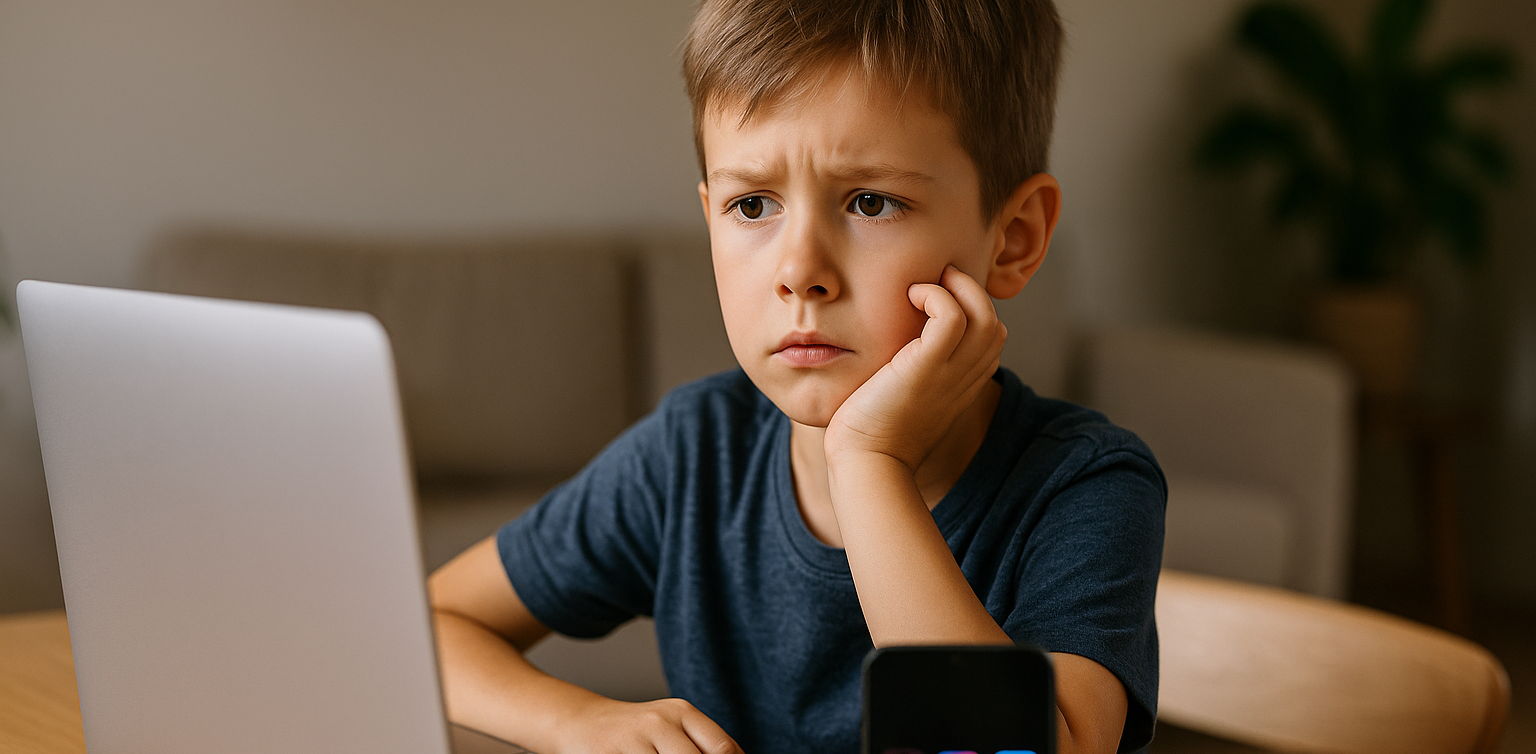
In today’s digital age, YouTube is no longer just an entertainment platform for adults. It has become part of many children’s daily routines. One of the most popular features among kids today is YouTube Shorts — short-form videos lasting between 15 to 60 seconds that auto-play in endless succession. While this feature may seem fun and harmless, parents should be aware of the growing danger of YouTube Shorts for kids. YouTube Shorts are designed to keep users engaged for as long as possible. They are particularly captivating to children, who are naturally drawn to fast, colorful, and funny content. However, beneath the surface of quick entertainment lies a range of hidden risks that could seriously affect a child’s mental, emotional, and social development. Here are seven critical facts that explain the danger of YouTube Shorts for kids, and why it’s important for parents to take action early. 1. Instant Content Builds Impatience in Children One major danger of YouTube Shorts for kids is the way it encourages instant gratification. Since the content is so short and constantly changing, kids become less capable of sustaining attention or focus. They are trained to expect quick entertainment without needing to think deeply. Over time, this can harm their concentration and patience when learning or completing tasks. 2. Algorithm Traps Kids in an Endless Loop YouTube Shorts uses an algorithm that adjusts content based on user preferences. If a child watches a funny or exciting video, the system will keep serving similar clips. This creates a cycle that’s hard to break. Without realizing it, the danger of YouTube Shorts for kids increases as they spend hours watching, neglecting social interaction or physical activities that are crucial for healthy growth. 3. Age-Inappropriate Content Slips Through While YouTube offers parental controls, they are far from foolproof. Many kids are still exposed to content that isn’t age-appropriate — from foul language and violence to questionable values. This is a serious danger of YouTube Shorts for kids that many parents overlook. Kids may start mimicking language or behaviors they don’t fully understand or know how to handle. 4. Decline in Imagination and Creativity Excessive exposure to passive visual content can weaken a child’s imagination. Instead of creating their own stories or games, they become consumers rather than creators. One long-term danger of YouTube Shorts for kids is the potential drop in creativity and problem-solving skills, both of which are essential in today’s evolving world. 5. Disruption of Daily Routines Children who frequently watch YouTube Shorts often lose track of time. What starts as watching “just one video” turns into hours of screen time, disrupting sleep, meals, and study schedules. This danger of YouTube Shorts for kids can interfere with healthy routines and habits that should be formed at a young age. 6. Increased Anxiety and FOMO Even kids are now experiencing fear of missing out (FOMO). They feel pressured to keep up with trends so they can relate to their peers. This constant need to stay updated leads to anxiety and social stress. If left unchecked, the danger of YouTube Shorts for kids can turn into issues with self-esteem and dependency on social media for validation. 7. Reduced Interest in Learning and Physical Play When children prefer watching short videos over reading books, playing outdoors, or spending time with family, it’s a red flag. They may lose interest in vital developmental activities. The danger of YouTube Shorts for kids here lies in reduced motivation to learn and a lack of physical exercise, both of which are essential for their overall health and development. What Can Parents Do About It? The first step is recognizing that banning technology altogether is not a realistic solution. Instead, children should be taught how to use it responsibly. Open communication, empathetic guidance, and clear boundaries are key to managing their digital habits. One effective approach is to redirect their attention to more productive digital activities, like learning to code. Coding helps children shift from passive consumption to active creation. It boosts their confidence, strengthens their focus, and opens doors to a bright future. Try a Free Coding Class at Timedoor Academy To counter the danger of YouTube Shorts for kids, Timedoor Academy offers specially designed coding classes that are fun, visual, and age-appropriate. Children are guided to create games, animations, and digital projects that build both creativity and logic. You can sign up for a free coding class at Timedoor Academy as a great first step. With an engaging, project-based curriculum and the support of professional mentors, your child can transition from passive viewer to empowered creator. Help your child grow into a tech-savvy learner with healthy digital habits today.
float button