Jul 10, 2023

Timedoor Academy Competition and Exhibition 2023 Update!

Timedoor Academy Competition and Exhibition 2023 Update! image

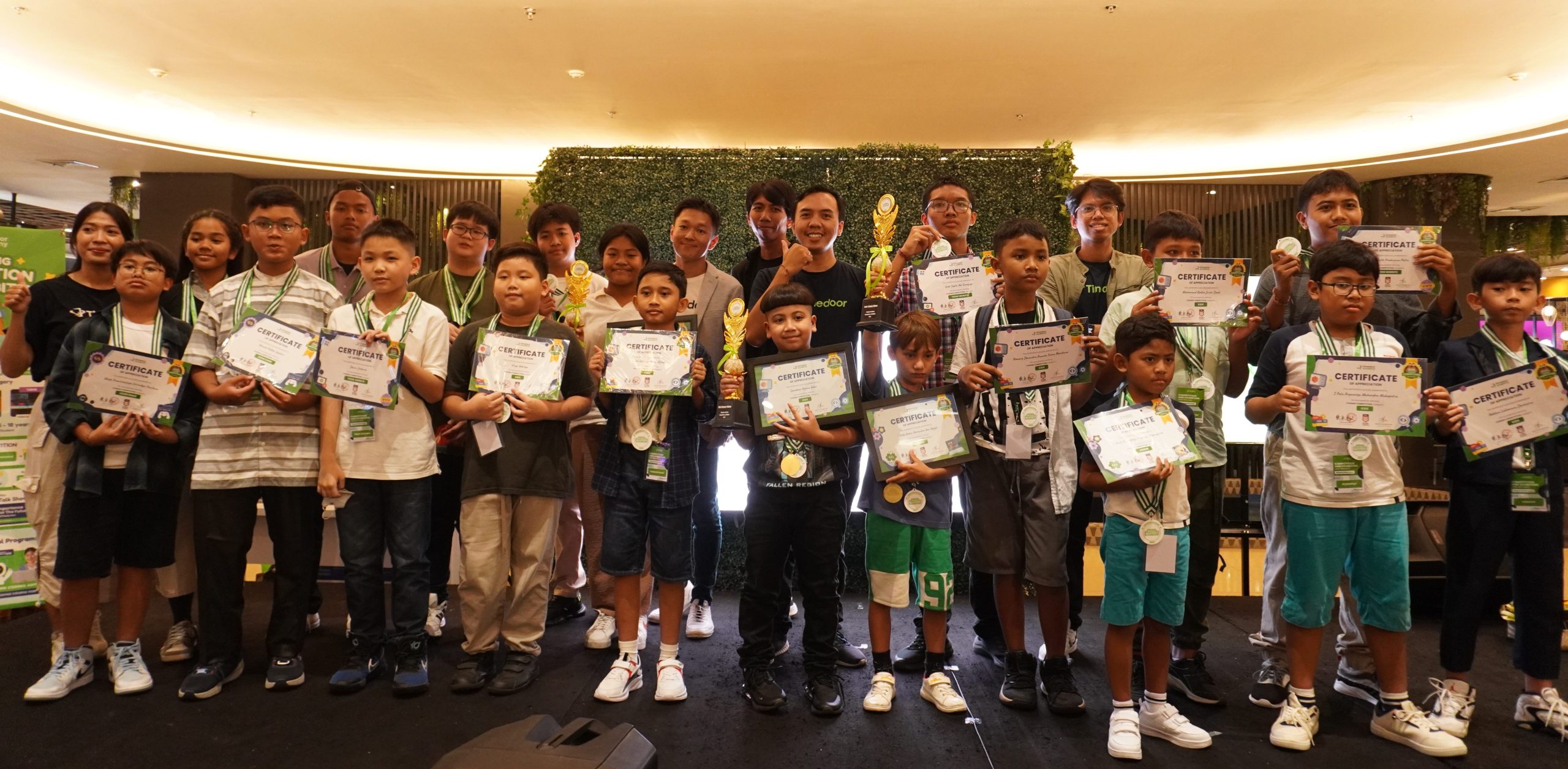
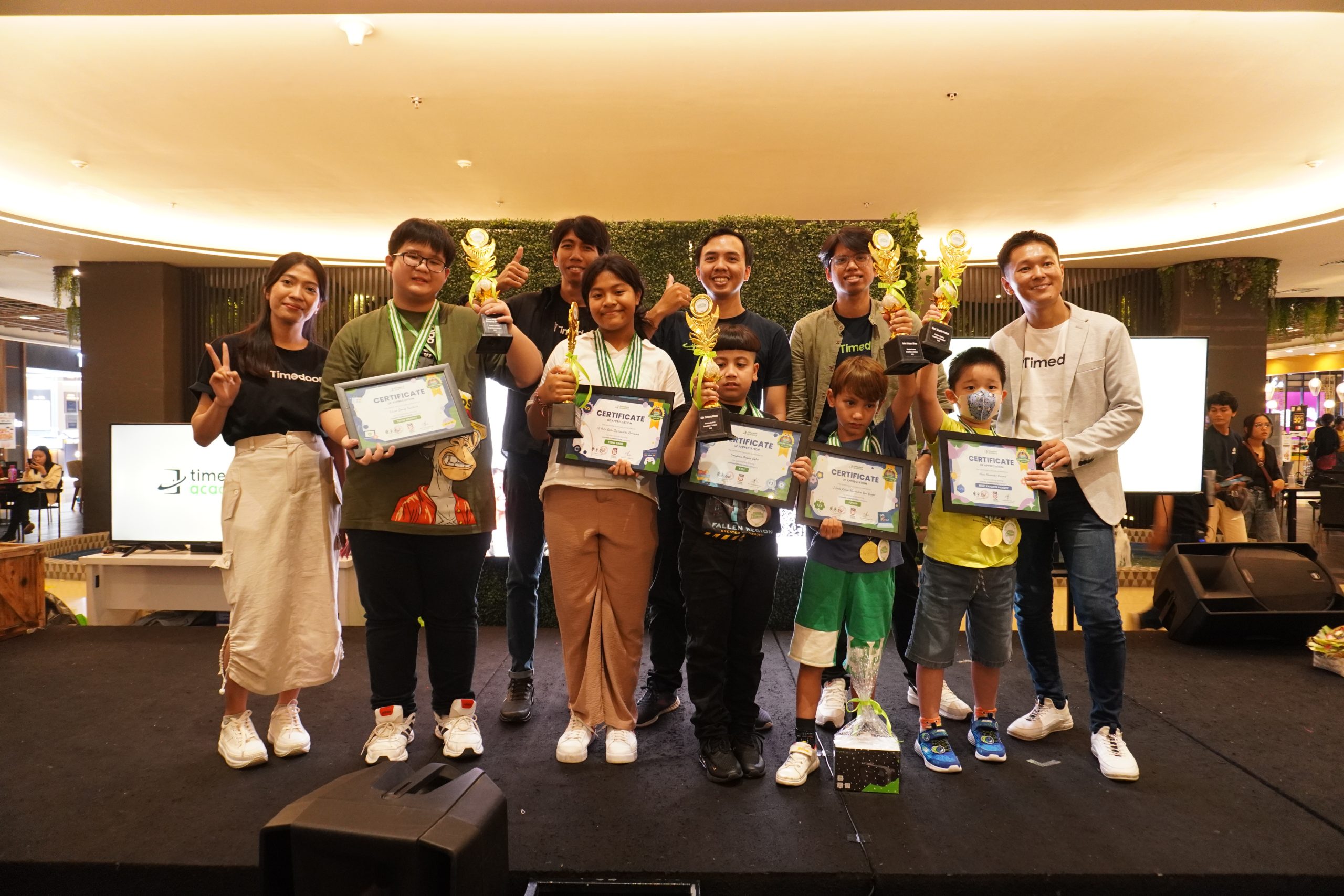
Congrats For All the Winners!

Timedoor Academy Coding Competition and Exhibition 2023 is an event that aims to provide a platform for all Timedoor Academy students to show projects that have been made, ranging from games, and websites to applications. The preliminary round was attended by 100++ participants from all over Indonesia. From this number of participants, an elimination stage will then be carried out until 30 Selected Participants are selected to take part in the Exhibition Round which will be held directly at Trans Studio Mall Bali on Sunday, June 25 2023.

The 30 best participants from each category took part in the Exhibition Round at Trans Studio Mall Bali and this exhibition was attended by approximately 500 ++ visitors who were interested in seeing the participant’s projects. Visitors also had the opportunity to give star labels to the participants who would later be awarded as Most Favorite Project By Visitor. Here is the following list of winners at the 2023 Timedoor Academy Competition and Exhibition divided by category:

MOST FAVORITE PROJECT
STUDENT’S NAME PROJECT’S NAME ORIGIN
Hugo Alexander Kusuma Game in Kodu Bali
JUNIOR CATEGORY WINNER
STUDENT’S NAME  PROJECT’S NAME ORIGIN
I Gede Kelvin Narendra Van Veggel Mario Cycle Bali
KIDS CATEGORY WINNER
STUDENT’S NAME  PROJECT’S NAME ORIGIN
Gandewa Arjuna Gelar Fallen Region Tangerang
TEENS GAME CATEGORY WINNER
STUDENT’S NAME  PROJECT’S NAME ORIGIN
Ni Putu Bella Septiandita Rustama Robot With Their Future Bali
TEENS WEBSITE CATEGORY WINNER
STUDENT’S NAME  PROJECT’S NAME ORIGIN
Edgar Davey Tanibulie Website Doraemon Makassar

Congratulations to all the winners in each category. Thank you to all participants who have participated in Timedoor Competition & Exhibition 2023 this time. Hopefully, this will be a good start for all of us to introduce learning coding to children.

Keep Reading

Amazing Benefits of Robotics Course for Elementary Students Every Parent Should Know
Technology is advancing rapidly year by year. Children who are currently in elementary school will face a future filled with innovation, automation, and artificial intelligence. Therefore, equipping them with relevant skills from an early age is crucial. One of the best ways to prepare them is through a robotics course for elementary students. With engaging and practical methods, children can learn to understand technology while also developing their creativity. What Is a Robotics Course? A robotics course is a learning program that introduces children to the process of designing, assembling, and programming simple robots. Through a robotics course for elementary students, children can explore the basic principles of science, technology, engineering, and mathematics, often referred to as STEM. These activities are designed to be fun and interactive, so children feel like they are playing while actually building valuable skills. The Benefits of Robotics Course for Children Many parents are choosing a robotics course for elementary students because of its wide-ranging benefits. First, children learn to think logically and systematically. Each robot component must be installed in the correct order, helping them understand cause-and-effect relationships. Second, they develop problem-solving skills. When the robot does not work as expected, children are encouraged to find creative solutions. Third, the course teaches patience and perseverance since building a robot requires time and dedication. Boosting Creativity and Imagination Beyond technical aspects, a robotics course for elementary students also nurtures creativity. Children are not limited to simply following instructions, but are encouraged to design and test their own ideas. For instance, they can build robots that walk, light up, or even play simple music. This process shows children that technology is not only something to use, but also something they can create themselves. Developing Social Skills Many robotics course for elementary students programs are conducted in groups. This allows children to collaborate with peers, exchange ideas, and solve challenges together. Learning how to work in a team will benefit them not only in school, but also in their personal and professional lives later on. Building a Strong Foundation for the Future In today’s world, technology skills are key to future success. By taking a robotics course for elementary students, children are not only prepared for academic challenges but also given a strong foundation for careers in technology-related fields. Areas such as artificial intelligence, data science, and mechanical engineering will be easier to grasp because they have already been introduced to the basics of robotics at a young age. The Role of Parents in Supporting Learning Parental support plays a major role in a child’s learning journey. Celebrating small achievements, assisting them during robot-building sessions, or simply listening to their stories about class experiences can boost their confidence. With such support, every session in a robotics course for elementary students will become even more meaningful. Why Choose Timedoor Academy? Timedoor Academy offers a robotics program tailored specifically for elementary school students. Its curriculum goes beyond technical knowledge by also focusing on creative thinking and collaboration. Each class is guided by experienced mentors who understand how to introduce technology to young learners effectively. With a fun and interactive environment, children will be excited to join every session. Enroll Your Child at Timedoor Academy! If you want your child to develop future-ready skills, now is the perfect time to take action. Register them for a Free Trial at Timedoor Academy and discover how robotics courses can transform curiosity into real abilities. Click the registration button today and give your child the best opportunity to grow and succeed.
dampak positif dan negatif ai terhadap anak
Positive & Negative Effects of AI on Kids
Artificial Intelligence (AI) is becoming a regular part of children's lives, from voice assistants and learning apps to smart toys and educational platforms. As this technology continues to shape the way children learn and interact with the world, parents and educators are beginning to ask an important question: what are the positive & negative effects of AI on kids? While AI can provide engaging and personalized learning experiences, it also raises concerns about screen time, privacy, and social development. In this article, we’ll explore both sides of the story and help you better understand how to manage AI in your child’s life. What Are the Positive & Negative Effects of AI on Kids? Understanding the positive & negative effects of AI on kids starts with identifying how AI is used in their daily routines. Many children today interact with AI-powered tools at home, in school, or even while playing. AI helps personalize lessons based on learning speed and style. It can adjust content difficulty, give instant feedback, and keep children motivated with gamified progress tracking. However, relying too much on AI can reduce face-to-face interactions and lead to excessive screen exposure. As we explore each aspect, keep in mind that moderation and parental guidance are essential to maximizing the benefits of AI while avoiding its downsides. Positive Effects of AI on Kids’ Learning and Development One of the major positive effects of AI on kids is how it transforms the learning process. AI can create personalized learning paths that help students progress at their own pace. This is especially useful for children who need more time with certain subjects or want to advance beyond the standard curriculum. Some common benefits include: Personalized education: Platforms like Duolingo, Khan Academy Kids, and Google’s Read Along adapt to a child’s learning speed and interests. Interactive engagement: AI-powered tools can make learning fun. Children feel like they are playing a game, which boosts motivation and retention. Support for special needs: AI can assist children with learning difficulties, such as dyslexia or ADHD, by providing tailored content and feedback. Language development: Tools like ChatGPT or AI-powered story apps can help kids practice conversation skills, learn vocabulary, and explore creative writing. When used thoughtfully, AI can support cognitive development, encourage independent learning, and make education more accessible to all children. Negative Effects of AI on Kids’ Behavior and Health While the benefits are impressive, the negative effects of AI on kids should not be overlooked. Increased screen time and constant engagement with digital devices can affect children in many ways. Here are some of the concerns: Reduced social interaction: Over-reliance on AI tools can limit kids' real-world communication and collaboration with peers. Privacy and data concerns: AI tools often collect personal data. Parents must stay aware of how and where their child’s information is stored and used. Impaired creativity: When kids rely too much on automated answers or suggestions, it may reduce their problem-solving and critical thinking skills. Health risks: Excessive screen time is linked to eye strain, poor posture, and decreased physical activity. These negative effects of AI on kids highlight the importance of setting boundaries and ensuring that AI is used as a supplement, not a replacement, for real-life experiences. Balancing the Positive & Negative Effects of AI on Kids at Home and School Finding the right balance between the positive & negative effects of AI on kids is the key to ensuring that technology supports rather than harms their development. Here are some strategies: Set clear screen time limits: Encourage breaks and schedule offline activities like outdoor play or reading. Choose high-quality apps: Use tools that offer educational value and avoid those filled with ads or mindless content. Stay involved: Talk to your child about what they’re learning, and encourage them to ask questions or reflect on what they discover. Encourage a mix of learning methods: Combine AI-based tools with traditional learning and hands-on activities. Teach digital responsibility: Help kids understand the importance of online privacy, respectful communication, and balanced usage. By creating a healthy digital environment at home and working with educators to do the same in schools, we can maximize the positive impact of AI while reducing the risks. Managing the Positive & Negative Effects of AI on Kids AI is here to stay, and its role in children's lives will only continue to grow. As with any technology, the key is to use it intentionally. When guided properly, the positive & negative effects of AI on kids can be managed in a way that supports learning, creativity, and healthy development. Parents, teachers, and caregivers all have a role in helping kids develop strong digital habits and a balanced approach to technology. With the right support, AI can be a powerful tool for growth rather than a source of distraction or harm. Make AI Work for Your Child at Timedoor Academy At Timedoor Academy, we believe in using technology the smart way. Our live, interactive coding and digital classes are designed to help kids explore AI, robotics, and programming while developing communication and critical thinking skills. Looking for a healthy way to introduce tech into your child’s routine? Try our free class and see how we guide students to grow in a structured and inspiring environment. Visit our website to learn more and start your child’s smart tech journey today!
<strong>5 Best! Free Coding Apps for Kids You Should Try</strong>
5 Best! Free Coding Apps for Kids You Should Try
Introducing free coding apps for kids is a powerful way to build their logical thinking, creativity, and problem-solving skills from an early age. With user-friendly and kid-safe platforms, children can explore how to code, design games, animate characters, and develop mini programs without paying for expensive software. Why Should Parents Discover the 5 Best Free Coding Apps for Kids? Coding is no longer just for tech-savvy teens or college students. Even elementary school kids can begin their digital journey through colorful and interactive interfaces. Below are five top recommendations of free coding apps for kids, each offering unique features and a fun learning experience. 1. Scratch Recommended Age: 8 to 16 yearsWhy It’s Great: Uses visual blocks instead of complicated text code, which is perfect for beginners Includes a safe online community where kids can share projects Offers guided tutorials that teach them how to create animations and games Parent Tip: Help your child start with a basic animation, then let them customize characters or add sound effects to boost engagement. 2. Code.org Recommended Age: 6 to 18 yearsWhy It’s Great: Offers a complete learning path from drag-and-drop to real coding with JavaScript Features Hour of Code activities with themes like Minecraft and Frozen Has tools for parents and teachers to track learning progress Parent Tip: Encourage your child to join Hour of Code events around the world to make the experience feel exciting and social. 3. Tynker Recommended Age: 7 to 14 yearsWhy It’s Great: Game-based learning with space, robot, and arcade themes Lets kids transition from visual blocks to text-based coding with Python or JavaScript Comes with ready-made project templates to jump-start creativity Parent Tip: Use the free Learning Path before exploring premium features. Make sure your child completes one level at a time to stay focused. 4. Grasshopper Recommended Age: 10 years and upWhy It’s Great: Developed by Google to teach JavaScript in bite-sized, mobile-friendly lessons Gives instant feedback with visual explanations Tracks daily learning streaks to encourage consistent practice Parent Tip: Set a goal for 15 minutes of coding each day. Short, regular practice is more effective than longer sessions once a week. 5. Kodable Recommended Age: 5 to 10 yearsWhy It’s Great: Uses fun maze games to teach programming logic like sequencing and loops Works offline, making it a great option for travel or areas with limited internet access Offers free lesson plans for teachers that parents can also use at home Parent Tip: Ask your child to explain what they did after each game level. Talking about the process helps reinforce their understanding. How to Maximize Learning from Free Coding Apps For Kids Create a Weekly RoutineKeep learning sessions short and fun. Younger children stay more focused with shorter screen time. Celebrate Their ProjectsPrint out screenshots or let them show their work to family. This helps build pride and motivation. Support Group LearningInvite a sibling or friend to try the same app. Coding becomes more fun when kids learn together. Connect to School LessonsUse these apps to explain math or science concepts. Coding is a powerful tool that makes abstract ideas more concrete. Why Free Coding Apps For Kids Matter Learning with free coding apps for kids provides valuable skills without financial barriers. These apps allow children to: Develop logical thinking and creativity Explore digital storytelling and simple game design Learn basic programming terms and structure Build confidence with hands-on digital tools What’s Next? Upgrade to Structured Learning at Timedoor Academy After exploring free coding apps for kids, you can take your child’s skills to the next level. Timedoor Academy offers online coding courses with expert instructors, real-world projects, and a fun, guided experience that grows with your child. Sign up now for a free trial coding class at Timedoor Academy and give your child a head start in the digital age.
float button