Apr 21, 2025

10 Best Cheap Laptops for Kids in 2025: Specs and Prices

10 Best Cheap Laptops for Kids in 2025: Specs and Prices image

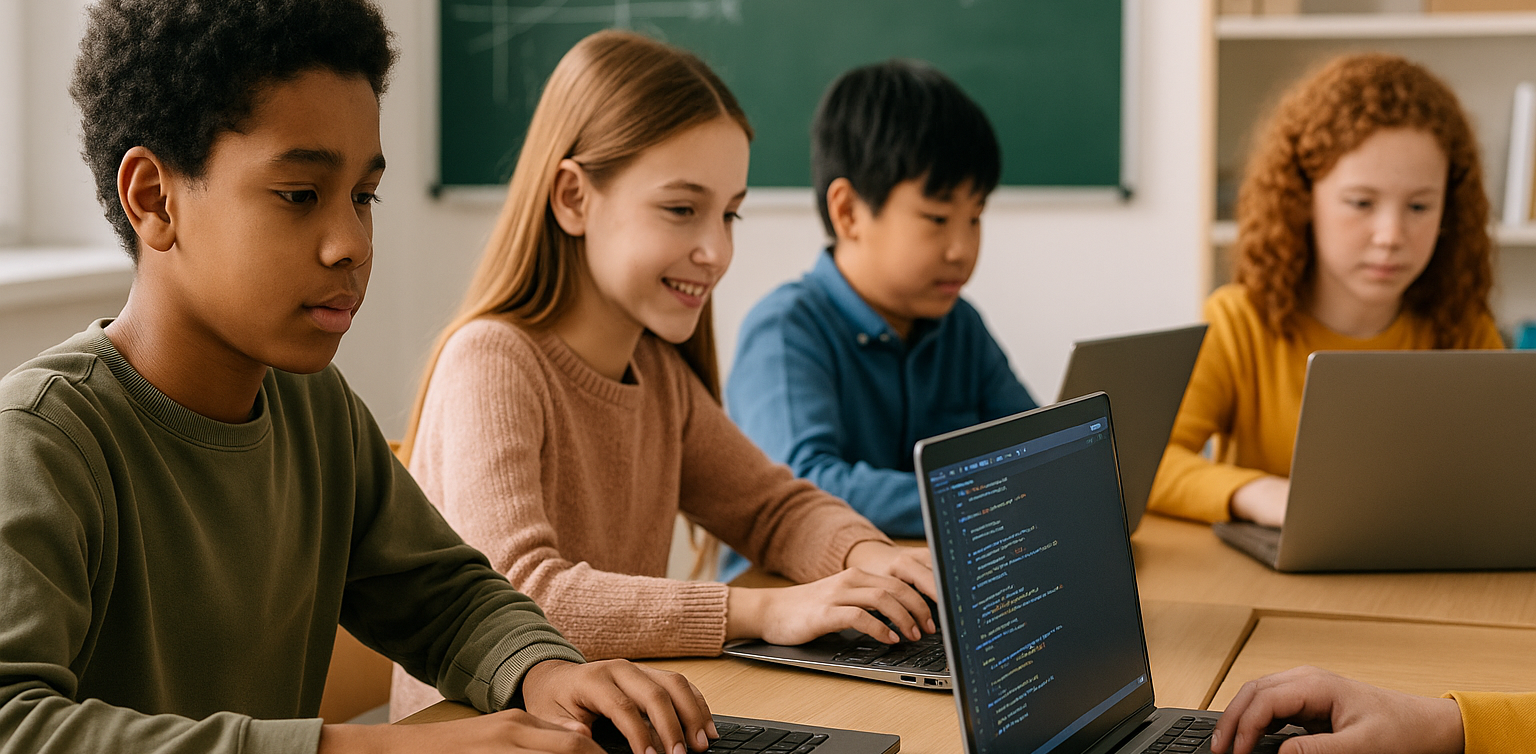
As digital learning becomes more integrated into daily education, laptops have become an essential tool for kids. From joining online classes to completing homework and exploring creative projects like coding or animation, a laptop can be a child’s gateway to limitless learning.

In this article, we’ll share 10 best cheap laptops for kids in 2025 that strike the perfect balance between affordability, durability, and performance. Whether your child is in elementary or junior high school, these devices can support their learning journey without breaking your budget.

What to Look for in Cheap Laptops for Kids

Cheap Laptops For Kids

Before buying a laptop for your child, make sure you check the essentials:

1. Budget-friendly price
Look for options ranging from $150 to $400 that still offer smooth performance for daily school needs.

2. RAM and Storage
A minimum of 4 GB RAM and at least 64 GB storage is ideal for online learning, browsing, and video conferencing.

3. Battery Life
Long battery life (6 to 10 hours) ensures your child can use the laptop for long school sessions without constantly needing to recharge.

4. Screen Size and Portability
Laptops with 11 to 14 inch screens are the best for kids, offering a balance between portability and screen real estate for learning.

5. Operating System
Windows 10 or 11 or ChromeOS laptops tend to support the widest range of educational apps and tools.

10 Best Cheap Laptops for Kids in 2025

Cheap Laptops For Kids

Here are 10 cheap laptops for kids that are recommended based on their specifications and friendly prices as of April 2025:

1. ASUS Chromebook C204

Price: Around $220
Display: 11.6-inch HD
Processor: Intel Celeron N4000
RAM & Storage: 4 GB RAM, 32 GB eMMC
Battery: Up to 10 hours


This laptop is durable and perfect for younger kids who need something that can withstand a little rough handling.

2. Lenovo IdeaPad Slim 1

Price: Around $280
Display: 14-inch HD
Processor: AMD 3020e
RAM & Storage: 4 GB RAM, 64 GB eMMC
Battery: Up to 8 hours


An affordable laptop that packs just enough power for everyday school activities.

3. Acer Aspire 3 Slim A314

Price: Around $300
Display: 14-inch HD
Processor: Intel Celeron N4500
RAM & Storage: 4 GB RAM, 256 GB SSD
Battery: Up to 9 hours


This budget-friendly model is suitable for kids starting to experiment with design and coding.

4. HP Chromebook 11A G8
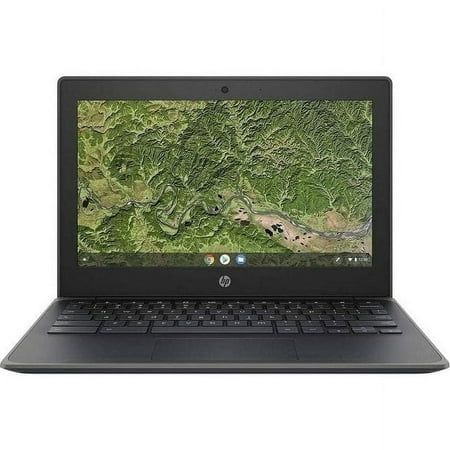
Price: Around $230
Display: 11.6-inch HD
Processor: AMD A4
RAM & Storage: 4 GB RAM, 32 GB eMMC
Battery: Up to 10 hours


Great for younger kids thanks to its simple design and intuitive ChromeOS.

5. Zyrex Sky 232 S2

Price: Around $210
Display: 14-inch Full HD
Processor: Intel Celeron N3350
RAM & Storage: 4 GB RAM, 128 GB SSD
Battery: Up to 7 hours


A local option that combines affordability with decent performance for online school activities.

6. Axioo MyBook 14E

Price: Around $250
Display: 14-inch HD
Processor: Intel Celeron N4020
RAM & Storage: 4 GB RAM, 128 GB SSD
Battery: Up to 8 hours


This lightweight laptop is perfect for active kids who need to take their learning on the go.

7. Samsung Chromebook 4
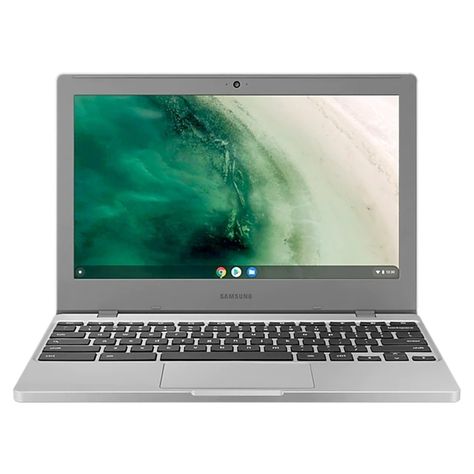
Price: Around $240
Display: 11.6-inch HD
Processor: Intel Celeron N4000
RAM & Storage: 4 GB RAM, 32 GB eMMC
Battery: Up to 12.5 hours


A highly affordable energy-efficient device with an easy-to-use interface.

8. Dell Inspiron 11 3180
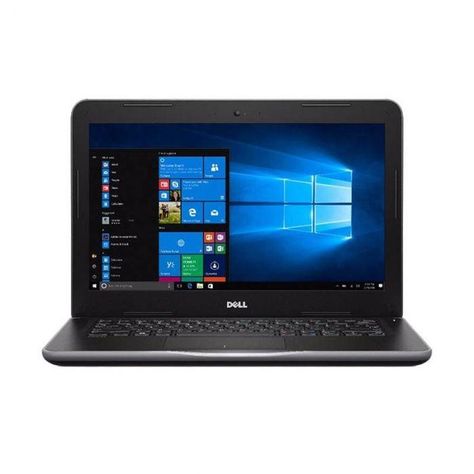
Price: Around $280
Display: 11.6-inch HD
Processor: AMD A9
RAM & Storage: 4 GB RAM, 64 GB eMMC
Battery: Up to 9 hours


Compact and sleek this laptop is perfect for light schoolwork and web browsing.

9. Lenovo Chromebook 3 14
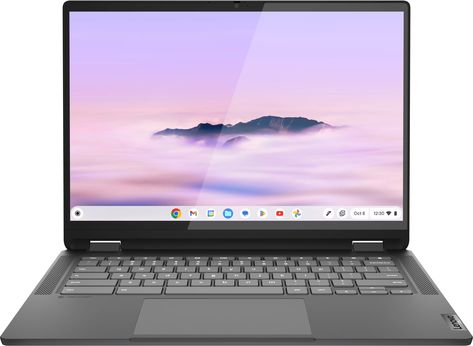
Price: Around $300
Display: 14-inch HD
Processor: MediaTek MT8183
RAM & Storage: 4 GB RAM, 64 GB eMMC
Battery: Up to 10 hours


Perfect for kids using Google Classroom and other school apps.

10. HP Stream 11

Price: Around $260
Display: 11.6-inch HD
Processor: Intel Celeron N4020
RAM & Storage: 4 GB RAM, 64 GB eMMC
Battery: Up to 10 hours


Affordable portable and designed for basic school tasks and entertainment.

Cheap Laptops For Kids as Kids Learning Journey Support

Giving laptops for kids is not just a financial decision. It’s an investment in their confidence independence and future potential. These cheap laptops for kids and affordable laptops for kids are not just tools. They’re a stepping stone into digital exploration.

But to truly make the most of these tools your child also needs the right guidance. At Timedoor Academy we offer online classes in coding animation game development and more tailored for kids ages 7 to 18.

Ingin tahu detail program? Image

Ingin tahu detail program?

Let your child explore the tech world with the support of expert mentors and interactive learning methods. Best of all you can try it out first. Sign up now for a free trial class and take the first step toward your child’s digital future.
Keep Reading

keterampilan teknologi untuk anak
The Future of Work: Top Tech Skills for Kids to Succeed Tomorrow
As we move deeper into the digital age, tech skills for kids are no longer optional. They are becoming just as essential as reading, writing, and math. With industries increasingly relying on technology, children need to be equipped with the right digital tools and knowledge to stay ahead. By learning tech skills early, kids can prepare for a future filled with opportunities in science, engineering, design, and other fast-growing fields.   Why Tech Skills for Kids Are More Important Than Ever Technology is rapidly changing how we work, learn, and communicate. In the past, children could grow up and find stable jobs without needing much technical knowledge. Today, even non-technical fields expect basic digital literacy. Professions such as marketing, healthcare, logistics, and education all require some level of tech fluency. That is why building strong tech skills for kids should be a priority in every household. Children who develop a comfort with technology early on are more likely to adapt quickly to new systems, think critically, and solve problems creatively. These are not just technical skills but life skills that will help them thrive in a variety of careers.   Essential Tech Skills for Kids in 2025 and Beyond Here are some of the most valuable tech skills for kids that parents and educators should focus on: 1. Coding and Programming Learning to code is like learning a new language, and children are especially good at picking up languages when they start young. Platforms like Scratch, Blockly, and Python-based tools make coding fun and engaging. These tools teach kids how to build games, apps, and websites while developing logical thinking and problem-solving abilities.   2. Typing and Computer Literacy Before diving into more advanced skills, kids need to master the basics. This includes proper typing, navigating operating systems, using a keyboard and mouse, and understanding file structures. These fundamental tech skills for kids help them complete school assignments efficiently and prepare them for more complex tech learning.   3. Digital Creativity and Design Children love to create, and today’s digital tools offer endless possibilities. Whether it is designing graphics, editing videos, or making simple animations, creative platforms like Canva, Tinkercad, and iMovie allow kids to express themselves while building useful tech abilities. Encouraging digital creativity is one of the most fun ways to improve tech skills for kids.   4. Internet Safety and Digital Citizenship Tech skills go beyond using devices. Kids must also learn how to stay safe online, recognize reliable information, and communicate respectfully in digital spaces. Teaching internet safety and digital ethics is crucial for preparing responsible future digital citizens.   5. Robotics and Engineering Basics Robotics introduces kids to mechanical thinking, sensors, automation, and problem-solving. With kid-friendly kits like LEGO Mindstorms or VEX Robotics, children can explore how real-world machines work. These hands-on experiences provide engaging ways to build tech skills for kids and spark interest in STEM careers.   6. Data Handling and Logical Thinking Understanding how to collect, analyze, and interpret data is becoming a key skill in both tech and non-tech fields. Kids can learn data basics through games or classroom projects. Introducing simple concepts like charts, graphs, or patterns enhances their analytical thinking and boosts their overall digital confidence.   How Parents Can Support Tech Skills Development Even if you are not tech-savvy yourself, there are many ways to help your child build strong tech skills for kids at home: Set up learning time: Create a routine that includes tech learning alongside play and study time. Choose the right tools: Use age-appropriate apps, games, and websites designed for tech education. Encourage exploration: Let kids experiment and learn by doing, even if they make mistakes. Sign up for courses: Platforms like Timedoor Academy offer coding, animation, and digital literacy classes tailored for kids. Model healthy screen habits: Teach children how to use technology responsibly by demonstrating balance and purpose in your own digital behavior.   The Future Job Market Is Digital The future of work is likely to include jobs that do not even exist today. Careers in virtual reality, artificial intelligence, environmental tech, and other advanced fields will become common. The one thing they will all have in common is the need for strong tech skills for kids. Preparing your child now will not only boost their academic performance but also set them up for lifelong success.   Empowering the Next Generation Through Tech Skills for Kids Investing in tech skills for kids is one of the smartest moves parents can make today. As technology continues to evolve, children who are comfortable using digital tools, thinking critically, and adapting to change will have a clear advantage in school and in the workplace. Whether your child dreams of becoming a game developer, an engineer, or even a digital artist, the journey starts with the right skills and encouragement.   Ready to Help Your Child Build Strong Tech Skills? If you're looking for a fun and structured way to introduce tech skills for kids, Timedoor Academy offers engaging online courses designed for young learners. From coding and game development to digital creativity, our expert instructors make learning tech both fun and educational. By enrolling in Timedoor Academy, your child will have the opportunity to build essential skills that will prepare them for future success. Start their learning journey today by signing up for a free trial class. Give them the tools to thrive in the digital world and beyond. Join Timedoor Academy Now
<strong>5 Effective Ways on How to Deal with Children Addicted to TikTok</strong>
5 Effective Ways on How to Deal with Children Addicted to TikTok
How to deal with children addicted to TikTok has become an important concern for many parents in today’s fast-paced digital world. TikTok has quickly become a favorite platform among kids and teens, offering endless short-form videos that are entertaining and easy to access. It’s not uncommon for children to spend hours glued to their screens with little self-control. While it may seem like harmless fun, excessive use can lead to behavioral issues, loss of concentration, and declining academic performance. That’s why parents must understand and apply the right strategies early on before the habit turns into a more serious developmental issue. Why Do Kids Get Addicted to TikTok? TikTok is designed to serve continuous streams of personalized content. Its algorithm tracks user behavior to deliver videos that are highly engaging, making kids feel endlessly entertained. This makes it hard for them to stop watching or concentrate on schoolwork. Many children would rather scroll through TikTok than do homework or even play outside. This growing trend shows that how to deal with children addicted to TikTok is not just about limiting screen time but also about understanding the reasons behind their behavior. With the right approach, parents can redirect their children’s attention to healthier digital and social activities. 5 Effective Ways on How to Deal with Children Addicted to TikTok 1. Set Reasonable Screen Time Boundaries The first step in how to deal with children addicted to TikTok is establishing clear, reasonable screen time rules. For example, allow TikTok use only after homework is done and limit usage to one hour per day. Use parental control features if needed, and explain to your child why these rules are important. 2. Offer Fun and Engaging Alternatives Banning TikTok without providing alternatives will only frustrate your child. Instead, introduce fun activities such as outdoor play, painting, reading interactive stories, or making crafts. Filling their time with positive experiences is a smart move in how to deal with children addicted to TikTok so they won’t become overly dependent on their devices. 3. Have Open, Non-Judgmental Conversations Ask your child what they enjoy most about TikTok. Is it the humor, interesting content, or peer influence? Understanding their motivation helps you support them better. Keep the conversation open and empathetic, and involve them in setting healthy media habits. 4. Improve the Learning Environment at Home Many kids find home learning dull. Change your teaching style to make it more interactive using games, visual media, or hands-on activities. When children enjoy the learning experience at home as much as they do on TikTok, they’ll be more willing to engage. 5. Introduce Empowering Technology Activities Shift your child’s focus from passive content consumption to active digital engagement like learning coding. Not only is this stimulating and fun, but it also equips them with valuable skills for the future. This approach is a key part of how to deal with children addicted to TikTok by encouraging healthy, constructive interaction with technology. Try a Free Coding Class at Timedoor Academy Rather than cutting children off from the digital world entirely, it’s wiser to guide them toward meaningful and educational tech experiences. One great way to do this is through learning to code. At Timedoor Academy, children are introduced to technology in a hands-on way, helping them build logical thinking and self-confidence through age-appropriate real-world projects. You can sign up for a free coding trial class at Timedoor Academy to experience firsthand how fun and supportive learning can help your child grow. With a positive learning environment and guidance from professional mentors, your child can shift from passive scrolling to productive and empowering digital activities.
Top 10 Educational Apps For Kids
Top 10 Educational Apps for Kids in 2025 – Learning Meets Fun!
How often do your kids ask, 'Mom, can I play with your phone?' It’s a question many parents hear daily. But what if that screen time could be transformed into a chance for kids to learn, grow, and explore through educational apps? At Timedoor Academy, we believe fun learning shouldn’t end when the school day does. With the right fun learning apps, your child can develop new skills, spark curiosity, and fall in love with education—all while having fun. To help you make the most of screen time, we’ve curated a list of the Top 10 Educational Apps for Kids in 2025—designed for children ages 4 to 12! Top 10 Educational Fun Learning Apps for Kids in 2025 1. Khan Academy Kids: Best Educational App for Kids’ Fun Learning • Age: 2–8 | Free - This all-time favorite keeps growing smarter. In 2025, Khan Academy Kids features more personalized learning paths and emotional learning tools, helping kids improve not just academically—but socially too. The app offers a broad range of subjects, from math and reading to social-emotional skills, making it ideal for holistic development. • Timedoor Tip: Great for early learners who enjoy story-based learning! 2. Duolingo ABC: Best Educational App for Kids’ Fun Learning • Age: 3–7 | Free - A charming spin-off from Duolingo, this app is now powered by AI-driven reading tutors. It helps young kids master the alphabet, phonics, and basic reading skills through interactive play. The app’s bright and engaging visuals keep children interested as they learn essential language skills step by step. • Encourages early literacy in both native and foreign languages. 3. Toca Life World: Best Educational App for Kids’ Fun Learning • Age: 6–12 | Freemium - More than just a game, Toca Life is a creative sandbox for storytelling, roleplaying, and problem-solving. In 2025, it includes educational missions designed by child psychologists and educators to foster creativity and teach key skills like emotional intelligence, cooperation, and critical thinking. • Great for building creativity and emotional intelligence. 4. Prodigy Math Game: Best Educational App for Kids’ Fun Learning • Age: 6–12 | Free with premium option - Prodigy gamifies math using an RPG-style format. The 2025 version introduces adaptive difficulty, so kids are constantly challenged at the right level. With multiplayer features, kids can “battle” with friends while solving math problems, turning learning into an interactive adventure. • Fun, fantasy, and fractions—all rolled into one! 5. CodeSpark Academy: Best Educational App for Kids’ Fun Learning • Age: 5–9 | Subscription - A coding app with no words! Kids learn the logic behind coding through puzzles, games, and story creation. In 2025, CodeSpark Academy introduces collaborative coding projects, allowing kids to work together and solve problems, making it even more engaging for young digital creators. • Perfect for young digital creators and future programmers! Read our another articles:https://timedooracademy.com/blog/winners-announcement-of-bootcamp-december-2024https://timedooracademy.com/blog/timedoor-academy-sea-coding-competition 6. Sago Mini World: Best Educational App for Kids’ Fun Learning • Age: 2–5 | Subscription - This charming app bundle includes over 40 educational games designed for toddlers, each focused on foundational concepts such as shapes, colors, and problem-solving. In 2025, the app adds new science and nature-themed adventures to spark curiosity and introduce environmental awareness. • Ideal for learning through play—especially in early childhood. 7. Elmo Loves ABCs: Best Educational App for Kids’ Fun Learning • Age: 2–5 | Paid - Beloved Elmo helps kids learn alphabets and counting through songs, games, and drawing. A timeless favorite, Elmo’s cheerful presence makes learning numbers fun and accessible for even the youngest learners. The app offers age-appropriate challenges that promote early math skills. • A great bonding activity for parents and toddlers. 8. Endless Alphabet: Best Educational App for Kids’ Fun Learning • Age: 3–7 | Paid - This delightful app uses playful animations and adorable characters to teach kids the alphabet and vocabulary. Each word is brought to life through fun puzzles, with vibrant visuals and friendly creatures that help reinforce each letter and its sound. It’s an excellent way to build literacy skills in young children. • Great for early literacy and word recognition skills. 9. Monkey Preschool Lunchbox: Best Educational App for Kids’ Fun Learning • Age: 2–5 | Paid - This app introduces young children to a variety of foundational concepts such as colors, shapes, numbers, and letters, all through engaging mini-games. The app’s friendly characters make the learning process playful and entertaining, providing a fun, hands-on way to practice essential skills. • Perfect for toddlers to build early math and reading skills in a fun way. 10. Epic!: Best Educational App for Kids’ Fun Learning • Age: 3–12 | Subscription - Epic! offers an extensive digital library of books, audiobooks, and educational videos, making reading more exciting for kids. The app adapts to your child’s interests and reading level, providing them with personalized recommendations and a wide variety of reading material that encourages independent learning. • Ideal for developing reading habits and expanding vocabulary. Turn Kids Curiosity Into Capable Fun Learning In 2025, the world of educational apps is more exciting than ever. Whether your child wants to build stories, solve puzzles, explore new languages, or code their first game—there’s an app waiting to spark that passion. As parents, we don’t just want our kids to be tech-savvy—we want them to be thoughtful, creative learners. The right apps, used with guidance, can be powerful tools for just that. Want to take your kids learning to the next level? Join one of Timedoor Academy's online coding classes and support their development in a structured, fun, and nurturing Llearning environment. Visit our website or contact our team to find the best course for your child.
float button