Jul 30, 2024

Tech Festival 2024 Timedoor Academy

Tech Festival 2024 Timedoor Academy image

Tech Festival 2024 Event at Timedoor Academy Draws Over 500 Visitors at Millennium Mall Jakarta on June 23, 2024

Exciting Activities at Tech Festival 2024

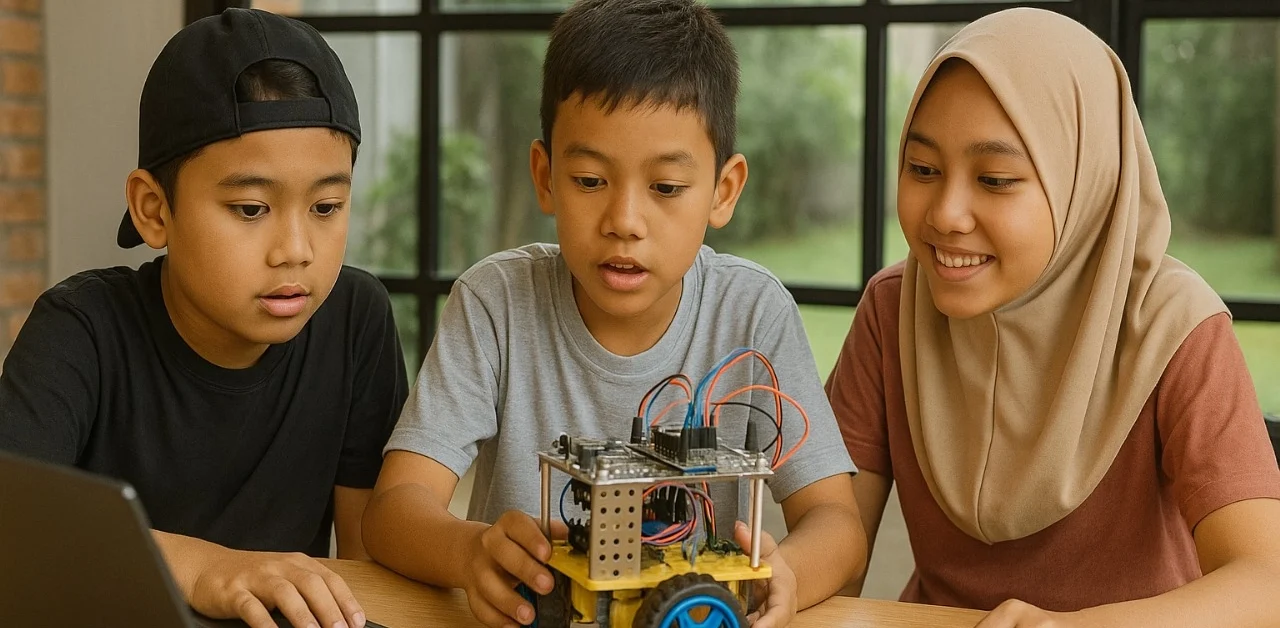
The event offered a variety of engaging activities, including trial booths for VR/AR, Robotics, Gaming, AI, and more. Visitors had the opportunity to experience these technologies firsthand, showcased by the students of Timedoor Academy. Additionally, the festival featured a student graduation ceremony for students from the Greater Jakarta area (Jabodetabek), along with an exhibition of student projects that reached the finals in the coding competition.

exhibitor-tech-festival

This event was a great opportunity for students to showcase their achievements in programming and technology. With a large turnout, Tech Festival 2024 aimed to provide a valuable experience for the people of Jakarta interested in education and technology. The event also demonstrated Timedoor Academy’s commitment to educating children and teens through innovative coding programs.


Keep Reading

What Is Doxing on Children and How to Prevent It in 2025
In today’s digital age, children are not only using the internet for play and learning but are also actively engaging with social media and online platforms. While the internet provides many benefits, it also presents serious threats, one of which is doxing on children. Doxing on children refers to the act of gathering and sharing a child’s personal information online without permission. This can include their full name, home address, school name, phone number, photos, or even their current location. This kind of exposure is highly dangerous because it can be used to intimidate, harass, or exploit the child.   How Doxing on Children Happens Many parents may not realize that their child’s private data can be easily exposed through seemingly harmless online activities. For example, when a child creates a social media account without strict privacy settings, or when parents themselves share too much about their kids online — a behavior often referred to as “sharenting.” Doxing on children can also occur through gaming forums, group chats, or video comment sections. Children often lack the awareness to differentiate between public and private information, and may unknowingly share details that bad actors can take advantage of.   The Psychological Impact of Doxing on Children Doxing on children can lead to severe psychological effects. Victims may experience stress, fear, anxiety, and even social trauma. Some children may become reluctant to use the internet again, while others might withdraw from their parents out of fear of being scolded. In more serious cases, doxing can lead to prolonged cyberbullying. It’s important for parents to understand that doxing is not just a technical issue. It also affects a child’s sense of safety and confidence. Recognizing behavioral changes — such as sudden mood shifts, isolation, or fear of using gadgets around adults — can help detect if a child is in distress due to online threats.   How to Prevent Doxing on Children Here are some important steps parents can take to prevent doxing on children: Educate EarlyTeach children what personal information is and why it should be protected online. Use real-life examples to help them understand the risks. Use Strong Privacy SettingsMake sure all of your child’s social media accounts have maximum privacy. Do not allow them to accept requests or follow people they do not know. Monitor Online Activity WiselyWithout invading their privacy, it’s still essential for parents to be aware of what platforms their children are using and who they’re interacting with. Consider using parental control tools to enhance digital safety. Be Mindful When Posting About Your ChildParents also need to be careful when sharing their child’s photos, locations, or personal stories online. Build Open CommunicationCreate a safe space where your child feels comfortable sharing if something online makes them uncomfortable. A child who trusts their parent is more likely to ask for help when needed.   The Role of Schools and Teachers Schools play a vital role in preventing doxing on children. Teachers can incorporate digital ethics and online safety lessons into the school curriculum. Schools can also host open discussions about students' online experiences and how to deal with digital threats. With strong collaboration between parents, teachers, and educational institutions, the effort to prevent doxing on children can be more effective and long-lasting. Doxing on children is a serious threat that cannot be ignored. As technology becomes more embedded in daily life, protecting a child’s digital identity must be a shared responsibility. Through education, active guidance, and honest communication, we can help children navigate the online world safely and responsibly.   Start Building Your Child’s Digital Awareness with Timedoor If you want your child to be better prepared for the digital world while learning important skills like online ethics and internet safety, Timedoor Academy offers kid-friendly coding and digital literacy classes. You can also try our free trial class today and see how fun and meaningful digital learning can begin from home.
<strong>5 Effective Strategies on How to Improve Children’s Focus</strong>
5 Effective Strategies on How to Improve Children’s Focus
The ability to focus is one of the most important foundations of a child’s learning process. Children with good concentration skills tend to absorb information better, complete tasks more efficiently, and perform well both at school and in daily life. However, improving focus is not something that happens overnight. It requires strategy, patience, and consistency from parents. That’s why it’s essential to understand how to improve children's focus from an early age. Not all children are naturally focused. Some are more easily distracted, especially by noisy environments or digital devices. But with the right approach, children can gradually build their ability to concentrate. 1. Build a Consistent Daily Routine The first step in understanding how to improve children's focus is by creating a structured daily routine. A predictable schedule helps children know what to expect throughout the day. Setting consistent times for learning, playing, eating, and sleeping helps their minds prepare for each activity, reducing distractions and enhancing focus. Routines also give children a sense of safety and stability. This sense of order supports their ability to concentrate because their brains are not constantly adjusting to unpredictable changes. 2. Limit Digital Distractions Excessive screen time is one of the biggest obstacles to concentration. A practical tip on how to improve children's focus is by limiting access to gadgets like tablets, smartphones, or television, especially during study or family interaction time. Encourage children to engage in physical or creative activities like drawing, building puzzles, or reading. These types of play stimulate the brain and teach children to complete tasks without being distracted by fast-paced digital entertainment. 3. Introduce Mindfulness Activities Mindfulness isn't just for adults. There are now many child-friendly mindfulness techniques that support how to improve children's focus. These exercises include deep breathing, listening to natural sounds, or observing objects closely to help kids become more aware of the present moment. For example, ask your child to sit quietly and listen to the sound of rain or birds for one full minute. It may seem simple, but it can help strengthen their attention span over time. 4. Use Focus-Enhancing Games Games can be a fun and effective way to teach concentration. Puzzle-solving, matching games, memory cards, or board games like chess and snakes and ladders are excellent tools for building attention skills. These games teach kids to stay on one task, follow rules, and think ahead. Integrating these activities into your child’s routine is a proven method on how to improve children's focus while keeping it enjoyable. 5. Start with Simple, Age-Appropriate Tasks Small, manageable tasks help train a child’s ability to focus. Whether it’s tidying up their toys, watering plants, or helping set the table, these tasks are a great way to build responsibility and concentration. When exploring how to improve children's focus, assigning simple chores can go a long way. It teaches kids to stick with one task until it’s done. Celebrate their success with specific praise, like “You finished the puzzle all by yourself. That’s awesome!” to boost their motivation. Challenges in Building Focus It’s normal for young children to have short attention spans. That’s why parents must be patient and avoid comparing their children to others. Each child has a different rhythm when it comes to learning and focusing. If focus issues continue over a long period, consider consulting a child psychologist for further insights. However, most children benefit significantly from consistent routines and structured guidance at home. Final Thoughts: Focus Can Be Learned Improving focus is not a talent that children are born with, but a skill that can be developed. It benefits not just their academic performance but also their emotional regulation, problem-solving, and ability to work independently. Understanding how to improve children's focus allows parents to guide their kids toward a stronger mental foundation for the future. As a complement to focus training, coding classes can be a great tool. At Timedoor Academy, children can explore technology in an engaging and structured environment. Coding requires logic, patience, and attention, making it a powerful way to enhance your child's concentration. Try a free coding class today and unlock your child’s potential in the digital age.
5 Must-Try Eid al Adha Food Recipes for a Delicious Family Celebration
Eid al-Adha is always associated with moments of togetherness and the tradition of sharing sacrificial meat. One of the best ways to celebrate this special day is by serving delicious homemade dishes for your loved ones. That’s why many people look for Eid al Adha food recipes that are unique, tasty, and different from previous years. This time, we’re sharing five Eid al Adha food recipes you can try at home. These recipes are not only practical and delicious, but they are also perfect for enjoying with the whole family. By using the sacrificial meat, you can explore a variety of Indonesian dishes that are rich in flavor and tradition. 1. Lamb Satay with Peanut Sauce Lamb satay is one of the most popular Eid al Adha food recipes and is always highly anticipated. Tender chunks of lamb, paired with a savory peanut sauce, create a taste that’s truly unforgettable. Ingredients: 500 grams lamb, cut into cubes 10 satay skewers 3 tablespoons sweet soy sauce 1 tablespoon cooking oil Peanut Sauce: 100 grams fried peanuts, ground 2 cloves garlic 2 large red chilies 3 tablespoons tamarind water Salt and sugar to taste How to make: Marinate the lamb with soy sauce and oil, let it sit for 30 minutes. Blend the peanut sauce ingredients, sauté until fragrant, then add tamarind water, salt, and sugar. Skewer the lamb and grill until cooked through. Serve with peanut sauce and fried shallots. 2. Special Beef Curry (Gulai Sapi) Beef curry is always a top choice among Eid al Adha food recipes. The rich yellow broth and tender beef are simply irresistible. Ingredients: 500 grams beef, cut as desired 500 ml coconut milk 1 stalk lemongrass 2 bay leaves Blended spices: 6 shallots 4 garlic cloves 2 cm ginger, turmeric, galangal 5 candlenuts 5 red chilies How to make: Sauté the blended spices, lemongrass, and bay leaves until fragrant. Add the beef, mix well. Pour in the coconut milk and simmer over low heat until the meat is tender and the broth thickens. Serve hot. 3. Sweet and Spicy Lamb Stew (Tongseng) Tongseng lamb is a wonderful alternative among Eid al Adha food recipes, especially if you love a soupy dish that’s rich in flavor. Ingredients: 400 grams lamb 1/2 small cabbage, roughly sliced 2 tomatoes 5 shallots, 3 garlic cloves 3 bird’s eye chilies (or to taste) 2 kaffir lime leaves, 1 stalk lemongrass How to make: Sauté shallots, garlic, and chilies until fragrant. Add the lamb, stir until the color changes. Add kaffir lime leaves, lemongrass, and tomatoes. Add cabbage and enough water. Cook until the meat and cabbage are tender. 4. Fresh Beef Soup Beef soup is a great Eid al Adha food recipe for children or elders because of its tender texture and refreshing broth. Ingredients: 500 grams beef, cut into small pieces 2 carrots, sliced 2 potatoes, diced 1 stalk each of scallion and celery 1 tomato How to make: Boil the beef until tender, remove the foam. Add carrots, potatoes, and other seasonings. Once everything is soft, add scallion, celery, and tomato. Serve the soup hot. 5. Purwakarta-style Maranggi Satay If you want to try something different among Eid al Adha food recipes, maranggi satay is a great choice. The combination of beef and special seasonings makes this satay a family favorite. Ingredients: 500 grams beef, cubed 2 tablespoons sweet soy sauce 1 tablespoon lime juice 1 tablespoon ground coriander How to make: Marinate the beef with soy sauce, lime juice, and coriander for 1 hour. Skewer the beef and grill over charcoal until cooked. Serve with spicy sambal or pickles. Tips for Cooking Tender Sacrificial Meat To make the most out of your Eid al Adha food recipes, here are a few simple tips for cooking meat: Cut the meat against the grain so it becomes more tender when cooked. Use grated pineapple or wrap the meat in papaya leaves during marination to soften it. Cook on low heat to let the spices soak in thoroughly. Making Eid al Adha More Meaningful and Educational Eid al Adha is not just about enjoying a variety of Eid al Adha food recipes with your family. It is also the perfect time to teach values of togetherness, sharing, and creativity to your children. Get them involved in the kitchen, let them help prepare ingredients, and introduce them to traditional Indonesian cuisine. Aside from cooking, family time like this can also be a great opportunity to introduce new skills to your children, such as learning to code. Coding encourages logical and creative thinking, which is highly valuable in today’s digital era. If you want your child to grow and thrive in the digital world, feel free to try the free trial coding class at Timedoor Academy. Make your family moments even more exciting, meaningful, and full of inspiration!
float button