May 19, 2025

Benefits of Coding for Kids: The Long-Term Advantages of Early Coding Education
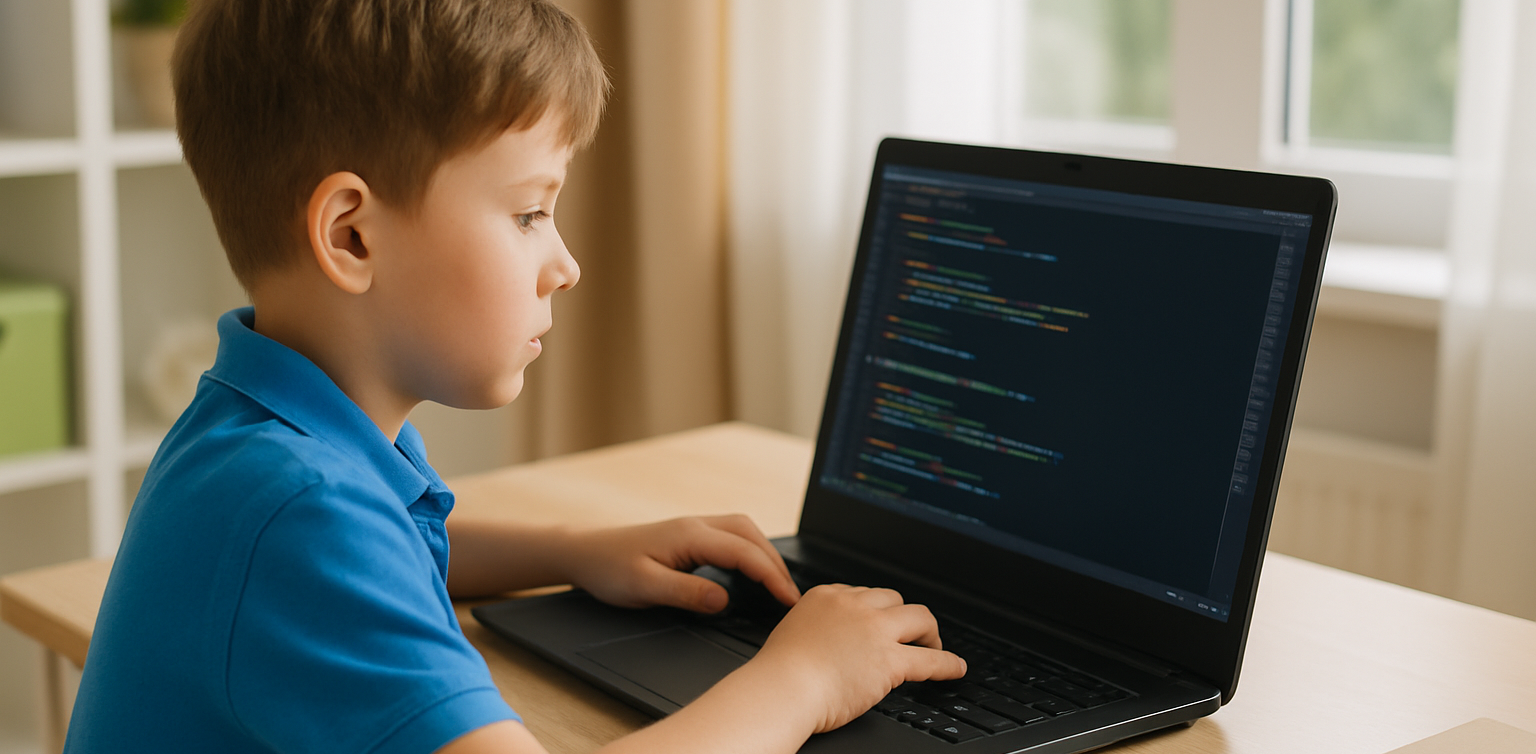
Benefits of Coding for Kids: The Long-Term Advantages of Early Coding Education image

In today’s digital era, coding skills are no longer just technical abilities—they have become essential assets for facing future challenges. That’s why many parents and educators are beginning to recognize the benefits of coding for kids from an early age. Coding education not only helps children understand technology but also offers numerous long-term advantages that are valuable for their development, both academically and in everyday life.

1. Enhancing Critical Thinking and Problem-Solving Skills

One of the most important benefits of coding for kids is its ability to train critical thinking and problem-solving skills. When learning to code, children are taught how to break down large problems into smaller, manageable parts and to find logical and systematic solutions. This process helps kids develop analytical and creative thinking, which proves useful across various life situations and academic fields.

2. Fostering Creativity and Self-Expression

benefits of coding for kids

Many people think of coding as a rigid activity filled with lines of code, but in reality, coding can be very creative. Through coding, kids can build exciting projects such as games, animations, and apps. This allows them to express their ideas and imagination in tangible ways using technology. This benefit of coding for kids is crucial so they become not only technology users but also creators.

3. Preparing Kids for the Future Job Market

With rapid technological advancements, many future jobs will require coding as a key skill. By introducing coding early, children will be better prepared to face changes in the world and global competition. The benefits of coding for kids here lie in giving them a competitive edge to adapt to an increasingly digital and automated workforce.

4. Improving Focus and Attention to Detail

Learning to code also demands that kids focus and pay attention to every line of code to ensure the program runs smoothly. This habit builds patience and sharpens their ability to notice details. With enhanced concentration, children can improve their performance in other subjects because they become accustomed to working carefully and systematically.

5. Strengthening Collaboration and Communication Skills
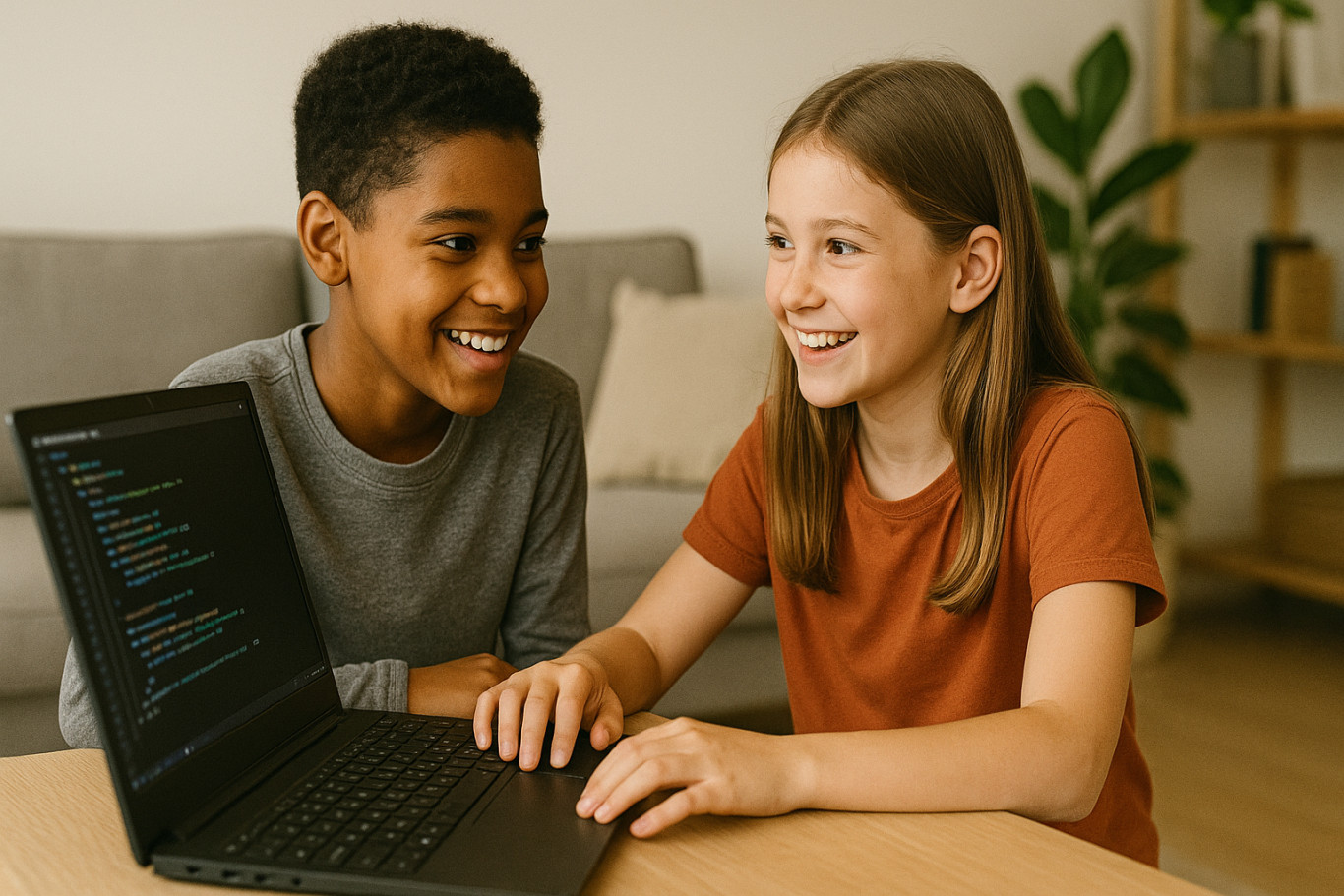
Although coding may seem like an individual activity, many coding projects require teamwork. Kids learn how to communicate clearly, share ideas, and collaborate to solve problems. This benefit of coding for kids helps them develop important social skills and prepares them to work in dynamic, collaborative environments.

6. Boosting Confidence and Independence

When children successfully complete a coding project, such as creating a simple game or application, they experience a sense of achievement that boosts their confidence. Moreover, coding teaches kids to learn independently, find solutions on their own when problems arise, and to persevere. These benefits of coding for kids are valuable in shaping strong character and resilience.

Start Coding Education for Kids at Timedoor Academy

With all these important benefits of coding for kids, there’s no reason to delay introducing coding early. Timedoor Academy offers the best solution for parents who want to provide quality coding education to their children. The learning programs at Timedoor Academy are designed to be fun and interactive, so kids don’t just learn coding—they enjoy the process.

 Image

We also offer free trial classes so your child can try and experience the benefits of coding for kids firsthand before making a commitment. Register your child now and help them develop skills that will be incredibly useful for their future!

By giving children the chance to learn coding as early as possible, you’re opening doors for them to maximize their potential and be ready for the challenges of the digital age. Remember, the benefits of coding for kids go beyond technical skills—they’re about shaping mindset, creativity, and strong character. So don’t wait any longer—take advantage of coding education at Timedoor Academy and see the positive changes in your child!


Keep Reading

<strong>From Customer to Partner: Over 70 Parents Joined the Parentpreneurship Webinar by Timedoor Academy</strong>
From Customer to Partner: Over 70 Parents Joined the Parentpreneurship Webinar by Timedoor Academy
On Saturday, May 17, 2025, Timedoor Academy held a webinar titled “Parentpreneurship: From Customer to Partner,” a special program aimed at active students’ parents who are interested in exploring business partnership opportunities with Timedoor Academy. This event successfully attracted more than 70 participants, reflecting the high enthusiasm for collaboration in technology education. The Parentpreneurship Timedoor Academy webinar was opened by Yutaka-san, CEO of Timedoor Academy, who presented Timedoor’s vision to expand access to quality IT education across Indonesia through strategic partnerships with various partners, including students’ parents. There were also two inspiring guests of Parentpreneurship Timedoor Academy who have already become partners with Timedoor Academy: Mr. George Purba, who has experience in the F&B industry, has now opened two Timedoor Academy branches and is currently preparing for his third branch. Mr. Iskandar, who has successfully brought Timedoor Academy to Gorontalo and Manado, and is now also preparing for his third branch. Both of them showed that this partnership can be undertaken by anyone, even without a background in education or technology business, as long as there is passion and commitment to grow together. The Parentpreneurship Timedoor Academy webinar concluded with an interactive Q&A session as well as a presentation of the business proposal and market analysis, providing a comprehensive overview for participants of Parentpreneurship Timedoor Academy interested in becoming part of the Timedoor Academy family as official partners. We would like to thank all participants for joining. We hope this event will be the starting point for impactful and sustainable collaboration. Missed this event? Don’t worry! You can contact our team directly via Chat on WhatsApp or find more complete information about Timedoor Academy’s partnership program at:🔗 https://timedooracademy.com/partnership-franchise-investment/
<strong>What Is Deepfake? The Impact on Children in 2025 and How to Respond Wisely</strong>
What Is Deepfake? The Impact on Children in 2025 and How to Respond Wisely
The rapid development of digital technology has brought about countless innovations, and one of the most talked-about today is deepfake technology. Recently, the term “deepfake” has been frequently discussed, especially as more and more fake videos that appear shockingly real circulate on social media. But what is deepfake exactly, and why do parents need to understand and be cautious about this technology, especially to protect their children? This article will explain what is deepfake, how it works, and the potential impact it can have on children. We’ll also cover practical steps parents can take to help their kids face digital challenges with confidence. What Is Deepfake? Understanding the Technology Behind Fake Faces Before exploring its impact, it’s important for both parents and children to know what is deepfake. Deepfake is a term used for videos, images, or audio created with artificial intelligence (AI) so convincingly that they appear real, even though they’re fake. This technology can swap faces, mimic voices, or even make someone say or do things that never actually happened. Originally, deepfake technology was developed for entertainment and cinema, such as creating special effects in movies. However, as technology has advanced, deepfakes are increasingly misused—for spreading hoaxes, scams, and even digital bullying. That’s why digital literacy and education about deepfake is now more crucial than ever for Indonesian families. How Does Deepfake Work? To help children and parents better understand what is deepfake, let’s look at the basics of how this technology operates. Deepfake uses machine learning, especially deep learning techniques, to analyze and mimic someone’s facial expressions, voice, and movements. Using sets of videos or photos of a target, AI “learns” unique patterns and then applies them to new videos to make them appear extremely realistic. The end result of a deepfake is often very difficult to distinguish from real footage, especially at a glance. This makes deepfake technology dangerous if misused, particularly for children who may not yet know how to verify what they see online. The Impact of Deepfake on Children After understanding what is deepfake, it’s essential to recognize the negative effects it can have on children in the digital era: 1. Spread of Hoaxes and MisinformationChildren can easily be convinced by a deepfake video or audio that looks and sounds real, making them vulnerable to fake news, slander, or provocative issues. 2. Cyberbullying and ExploitationDeepfake can be used to create fake content that humiliates or damages a child’s reputation, or even as a tool for online bullying and exploitation. 3. Fraud and Privacy ThreatsA child’s personal data can be stolen and used to create deepfakes, which could then be involved in scams, blackmail, or other crimes. 4. Self-Doubt and Mental Health IssuesIf a child becomes a victim of deepfake, they may experience stress, shame, and even trauma, which can affect their self-confidence and mental well-being. 5. Difficulty Distinguishing Fact from ManipulationAt a young age, children are not fully equipped to tell the difference between genuine and fake content. Lack of digital literacy can make them more susceptible to digital manipulation. The Role of Parents: Education and Protection Simply understanding what is deepfake isn’t enough. Parents must also actively educate and guide their children to stay safe in the digital world. Here are some practical steps: Teach Digital Literacy EarlyDiscuss with your child about what is deepfake, how to spot fake content, and the importance of not believing every piece of information encountered online. Build Open CommunicationEncourage children to talk if they come across suspicious content or feel uncomfortable with something online. Strengthen Data Privacy AwarenessHelp children understand the importance of keeping personal data—photos, videos, and identity information—private and protected. Be a Role ModelParents should use technology and social media wisely, and avoid sharing or spreading unverified content. Introduce Positive Digital ActivitiesRedirect children’s attention to educational and productive digital activities, such as learning coding, creating digital projects, or exploring new knowledge. Coding: A Smart Way to Protect Children in the Digital World One concrete way to equip children for the deepfake era is to introduce them to coding. By learning to code, children don’t just become technology users—they also gain an understanding of how technology works. Coding sharpens logic, analytical skills, and encourages critical and creative thinking. Children who learn coding are better able to recognize digital manipulation and understand how AI behind deepfake works. Timedoor Academy offers interactive, fun, and age-appropriate coding programs. Children can learn to build apps, simple games, and even understand basic AI concepts through friendly and easy-to-follow methods. Time to Outsmart Deepfake, Starting from Home In today’s digital age, understanding what is deepfake should be a priority for every family. With the right knowledge, digital literacy education, and technology skills such as coding, children will be better prepared to face the risks and opportunities of the online world. Don’t let your child fall victim to digital manipulation! Register your child for a free trial class at Timedoor Academy and introduce them to coding and digital safety from an early age.
The Importance of Soft Skills for Elementary School Kids
In today’s digital era, academic intelligence is no longer the only key to success. Soft skills are increasingly recognized as essential in building confidence, shaping character, and preparing children for global challenges. Among the many valuable soft skills to develop early on, one stands out as especially impactful: Skill Public Speaking. As parents, we naturally want our children to grow into confident individuals who can express themselves clearly. Public speaking is not just about standing on a stage and speaking to an audience. It is about communicating ideas with clarity, conviction, and confidence. This ability becomes a strong foundation for children in both their academic and social lives. Why Soft Skills Matter for Elementary School Kids During the elementary school years, children are at a stage of rapid cognitive and emotional development. They are learning to understand themselves, relate to others, and form habits that will carry into adulthood. Soft skills such as communication, empathy, leadership, and teamwork help children adapt more effectively to various situations. Among these, Skill Public Speaking plays a crucial role. The ability to speak clearly and confidently can help children in school presentations, competitions, and even everyday interactions with peers. More importantly, it trains them to listen to their audience, manage nervousness, and deliver messages in a structured way. Benefits of Developing Skill Public Speaking Early Boosting Confidence Children who regularly practice speaking in front of others gain more confidence in expressing their opinions. This confidence benefits them not only in school but also in everyday life. Encouraging Structured Thinking When preparing a presentation, children learn to organize their ideas systematically. This process sharpens their critical and analytical thinking skills. Improving Social Abilities Skill Public Speaking teaches children to maintain eye contact, observe audience reactions, and engage effectively with others. These habits strengthen their empathy and social connections. Preparing for the Future Strong communication skills are highly valued in higher education and the professional world. By learning public speaking in elementary school, children gain a long-lasting competitive advantage. The Role of Parents in Supporting Their Children Parents play a significant role in encouraging children to practice speaking confidently. Supportive gestures such as giving praise, providing opportunities to perform, and creating a safe environment free from harsh criticism help children feel more comfortable. Simple activities, like letting a child tell stories to the family, read aloud, or present a project, are excellent starting points. Parents can also guide their children toward structured learning programs. These programs not only teach techniques for effective Skill Public Speaking, but also help children manage nervousness, choose their words carefully, and engage with different audiences. How Timedoor Academy Supports Children Timedoor Academy recognizes the importance of developing soft skills at an early age. Through a well-designed curriculum, children can learn Skill Public Speaking in a fun and interactive environment. Experienced tutors provide guidance that helps students improve their speaking ability while also building self-confidence. Each session is designed to actively involve students, ensuring they not only learn the theory but also practice directly. Whether through presentations, role-plays, or group discussions, children gain valuable experience that prepares them for both academic and real-life situations. By practicing regularly in a safe and supportive environment, children gradually overcome their fears and discover the joy of expressing themselves clearly. This approach builds resilience and prepares them for greater challenges ahead. Building a Future-Ready Generation Soft skills are as important as academic abilities in preparing children for success. With Skill Public Speaking, children become more confident, thoughtful, and ready to engage in today’s dynamic world. The earlier they begin practicing these skills, the greater the positive impact on their development. For parents, investing in their child’s soft skills is a meaningful step toward long-term growth. With the right encouragement and proper guidance, children can grow not only academically strong but also emotionally resilient and socially capable. Ready to Support Your Child? If you want your child to grow into a confident individual who is ready to face future challenges, Timedoor Academy is here to help. Enroll them in a free trial program and let them experience the excitement of learning Skill Public Speaking in a fun, interactive, and supportive environment. Through this program, your child will discover new ways to express themselves while preparing to become part of a strong and capable future generation.
float button