Apr 30, 2025

How Virtual Reality in Kids Education Changes Learning
How Virtual Reality in Kids Education Changes Learning image

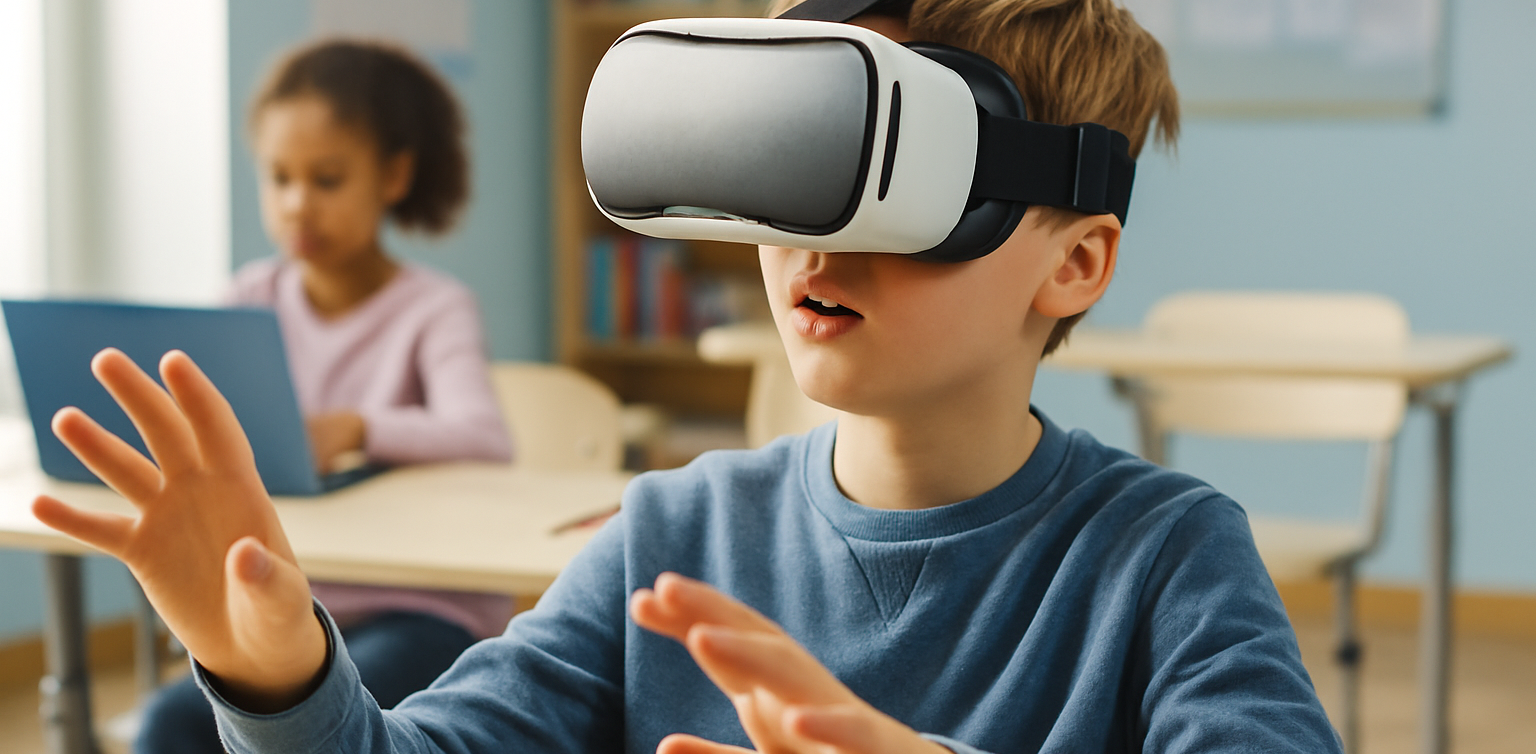
As technology becomes more embedded in daily life, education continues to evolve alongside it. One of the most exciting developments is the use of virtual reality in kids education, a concept that is no longer just futuristic. From classrooms to living rooms, VR is now used to enhance how children explore, understand, and retain knowledge.

This article explores how VR is transforming the way kids learn, its benefits, real-world applications, and how parents and schools can embrace this shift.

What Is Virtual Reality in an Educational Context?
virtual reality in kids education

Virtual reality is a digital simulation that allows users to interact with a 3D environment. In educational settings, it means that students can immerse themselves in topics such as history, science, art, and space in ways that were never possible before. Instead of reading about ancient civilizations, children can walk through virtual ruins. Rather than imagining the solar system, they can experience it in full scale.

This hands-on approach to learning is what makes virtual reality in kids education so impactful.

From Passive Learning to Immersive Exploration
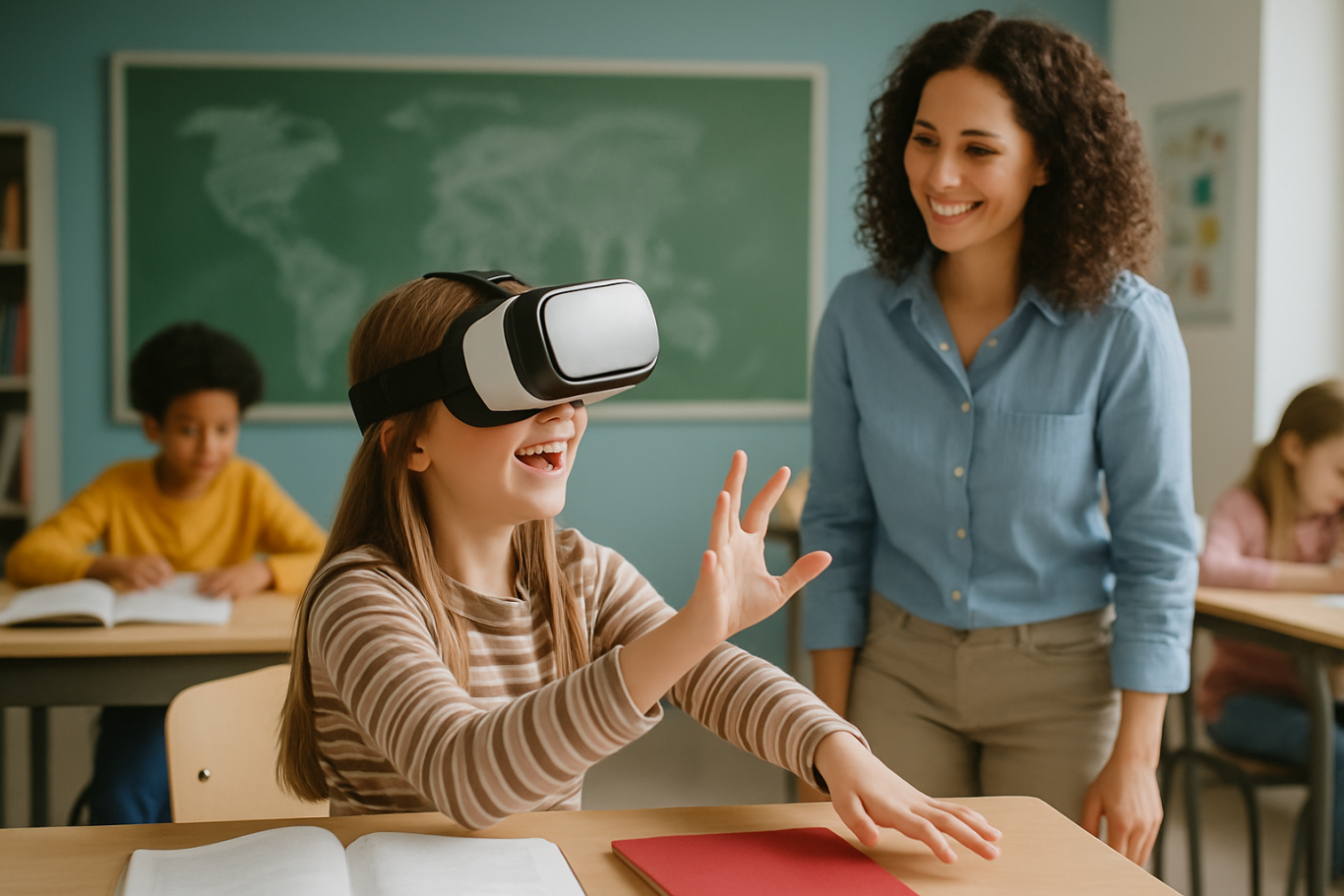
Traditional learning often relies on reading, note-taking, and static visuals. While these methods are effective, they are not always engaging for every type of learner. Virtual reality enables multisensory learning experiences that feel more like exploration than instruction.

For example, a child learning about volcanoes can virtually step inside one to see lava flow and tectonic plate movement. This type of experiential learning boosts curiosity and helps children grasp abstract or complex topics much faster.

Key Benefits of Virtual Reality in Kids Education
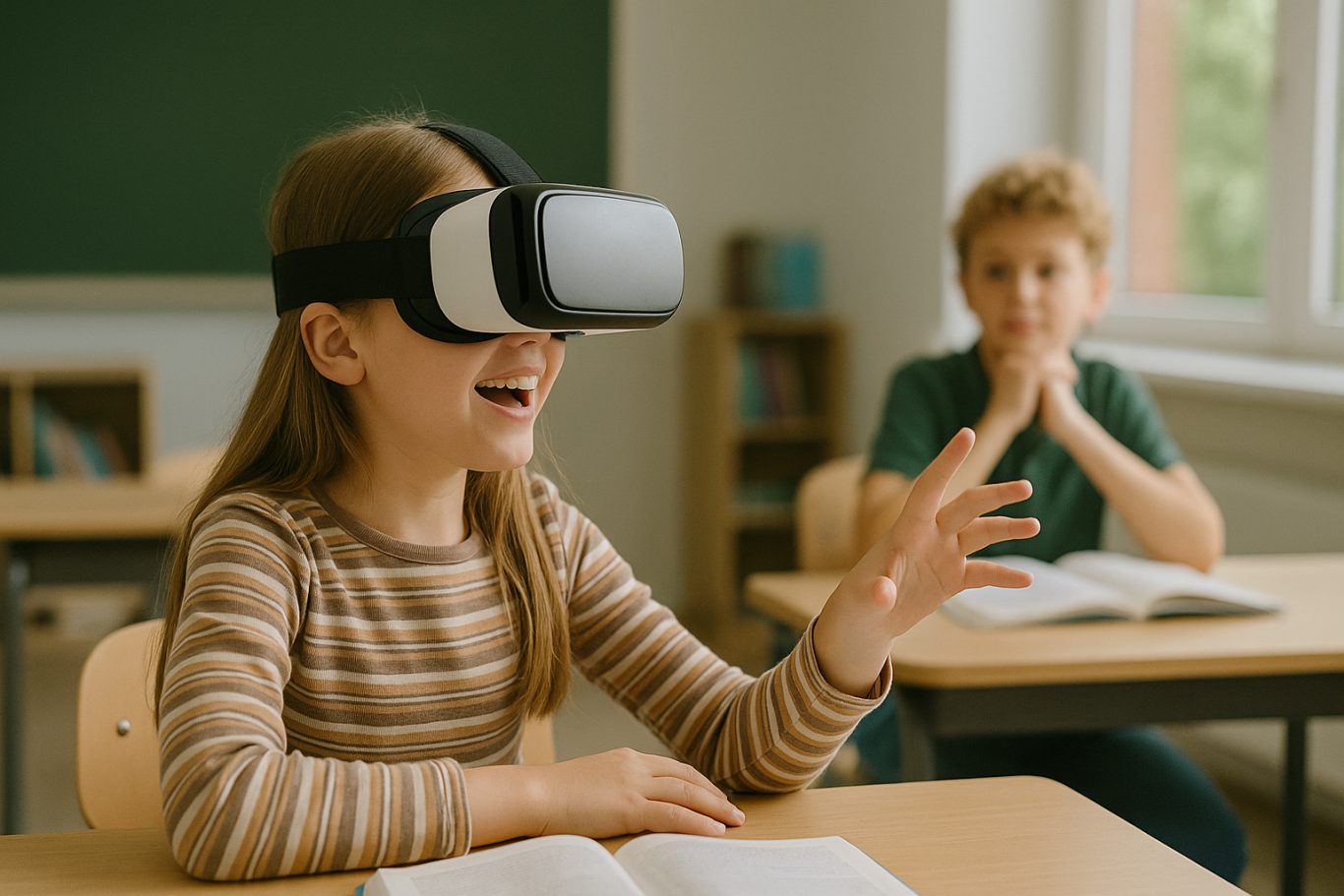
1. Increased Engagement and Motivation

VR transforms lessons into adventures. Children are naturally more engaged when learning feels like play. This makes it easier to hold their attention and deepen their focus on the subject matter.

2. Better Knowledge Retention

When children interact with content instead of simply reading or listening, their brains form stronger memory connections. VR helps students retain information through direct experience, not just memorization.

3. Safe Exploration of Real-World Concepts

Certain experiments or field trips may be too dangerous, expensive, or inaccessible in real life. Virtual reality allows students to simulate these experiences safely. From exploring deep ocean ecosystems to observing chemical reactions, VR enables safe and repeatable learning.

4. Encourages Independent Learning

Virtual reality in kids education supports autonomy. Children can learn at their own pace, repeat difficult lessons, and explore topics that interest them deeply. This fosters independent thinking and self-directed learning.

5. Inclusion for Different Learning Styles

Some children learn visually, others through movement or sound. VR incorporates multiple modes of learning, helping educators reach students who might otherwise struggle with standard teaching formats.

Examples of VR Use in Real Classrooms
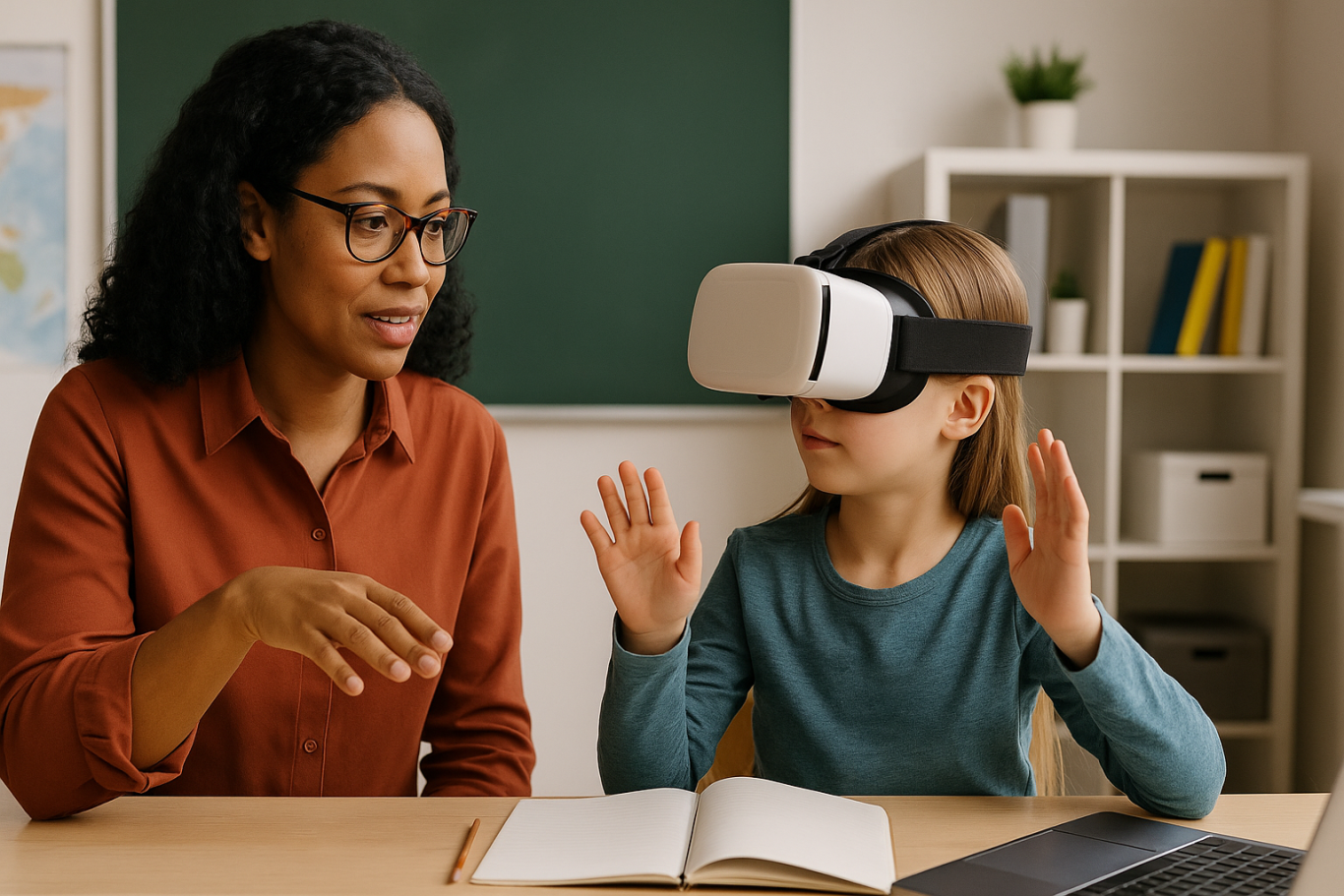
Many educational institutions and platforms are already applying virtual reality in kids education. Some noteworthy tools include:

  • Google Expeditions: Offers virtual field trips to locations such as the Great Wall of China or the surface of Mars.
  • VictoryXR: Creates full science labs and virtual classrooms where students can conduct experiments.
  • ClassVR: Provides ready-made curriculum-aligned content for schools to use with their students.

These examples demonstrate how virtual reality in kids education is already improving outcomes in subjects like science, history, and geography.

How Parents and Teachers Can Get Started
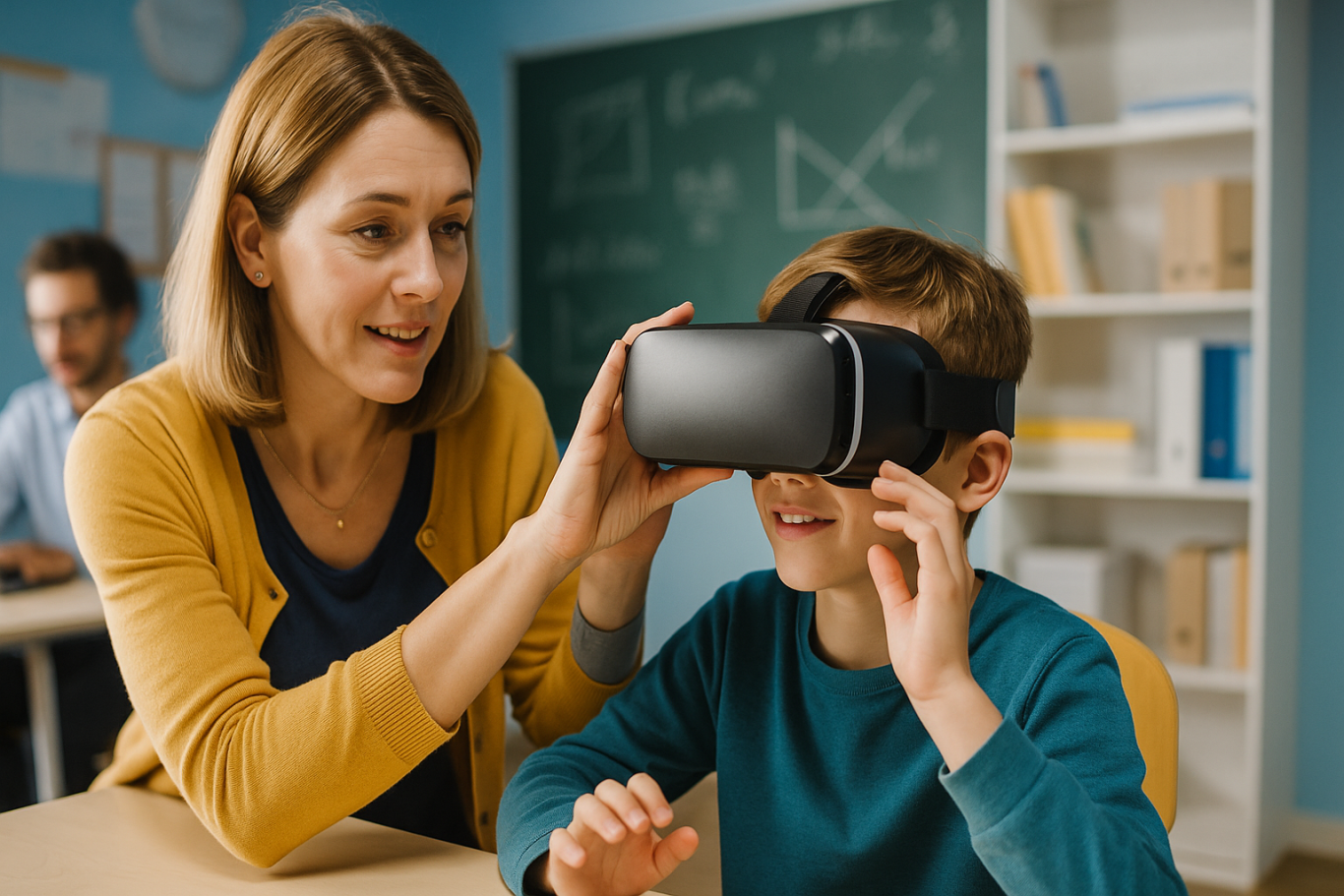
Adopting VR technology for learning doesn’t have to be expensive or difficult. Many educational VR platforms are compatible with smartphones and entry-level headsets. Parents can start by:

  • Downloading trusted educational VR apps
  • Using cardboard VR viewers with supported apps
  • Setting screen time guidelines and offering support during learning sessions

Teachers can integrate VR into their lesson plans by using tools that align with existing curriculum. It is important to ensure that content is age-appropriate and has clear learning objectives.

Things to Consider
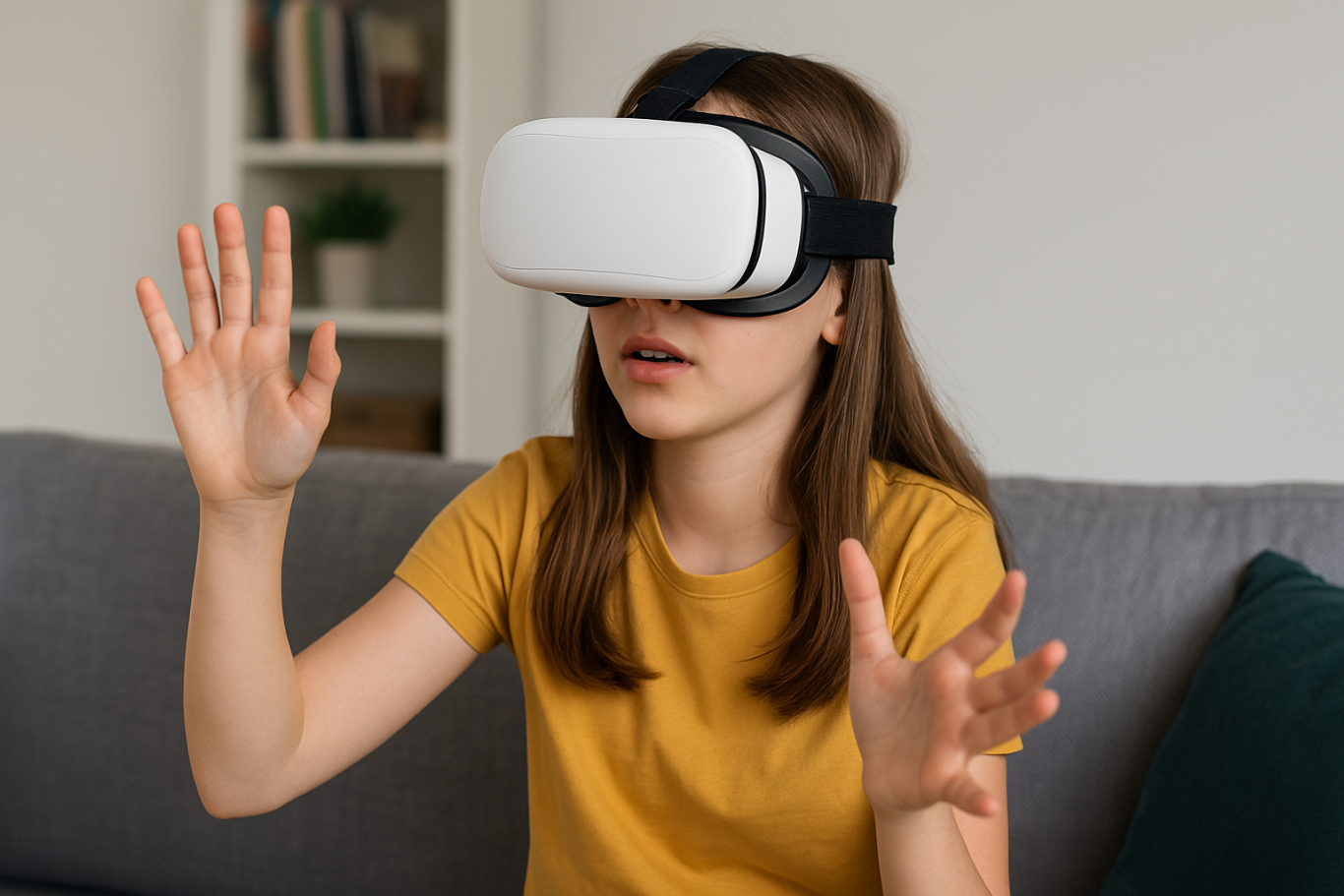
While the benefits are clear, there are a few considerations before adopting VR for children’s learning:

  • Supervision: Younger kids need adult guidance to navigate VR content safely.
  • Screen Time: Use VR as a supplement, not a replacement for human interaction or physical play.
  • Content Quality: Not all VR apps are educational. Review each platform and select those developed by educators or trusted publishers.
  • Equipment Requirements: Make sure devices are compatible and safe for children’s use.

With thoughtful implementation, virtual reality in kids education can be a highly positive tool for both home and school environments.

The Future of Learning Is Immersive
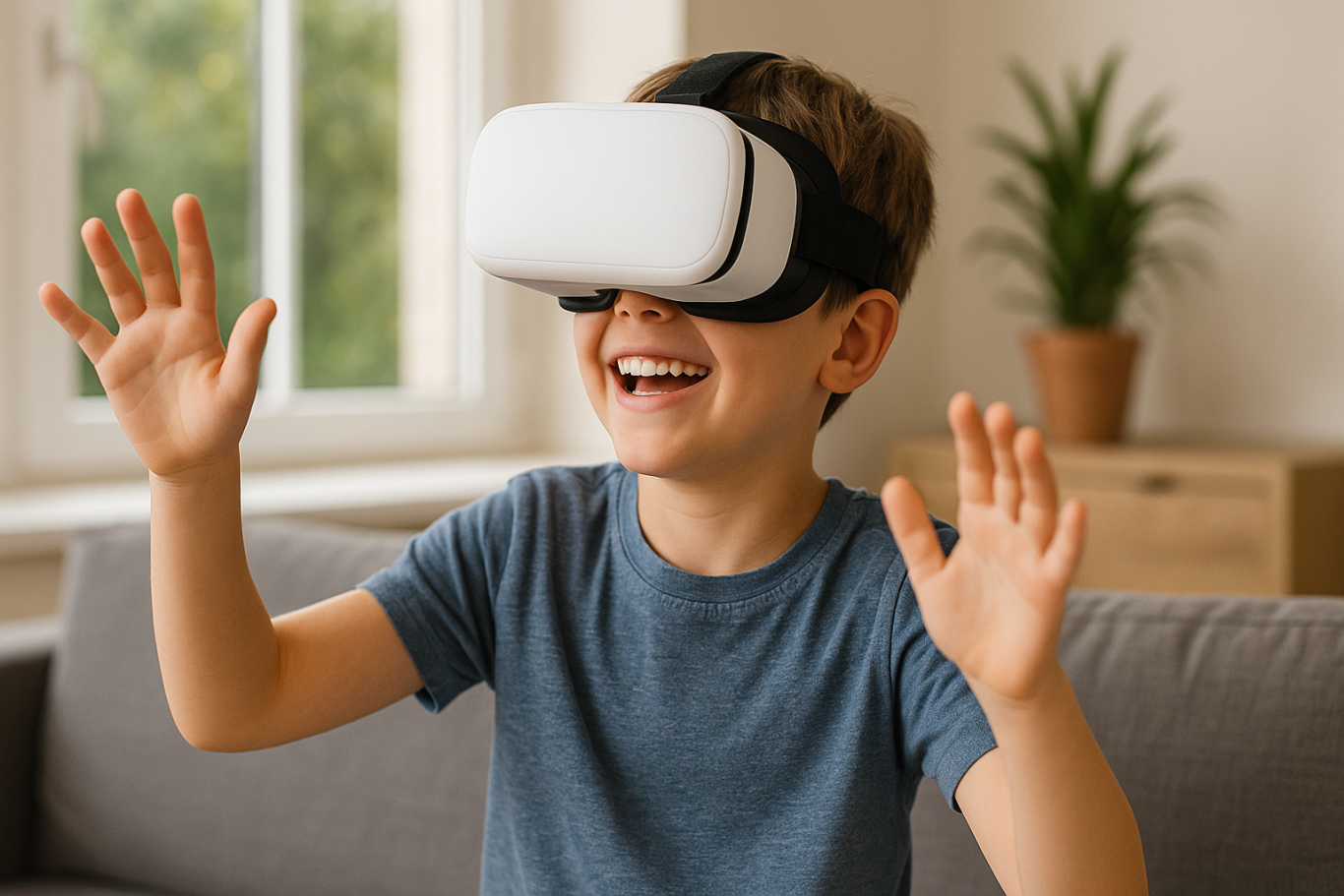
In 2025, virtual reality in kids education is no longer a novelty. It is becoming a core part of how children learn new skills, discover the world, and stay engaged in school. The technology is helping transform learning from something passive into something active, memorable, and exciting.

As the cost of VR continues to decrease and content improves, more families and schools will be able to offer students this immersive learning experience.

Support Your Child’s Learning Journey with Timedoor Academy

Looking for an engaging and tech-friendly way to support your child’s education? Timedoor Academy offers interactive online courses in coding, robotics, math, and digital creativity. While not all our classes use VR, they are designed with innovation and child engagement at the core.

Ingin tahu detail program? Image

Ingin tahu detail program?

Sign up for a free trial class today and see how your child can build future-ready skills in a fun and structured environment — all from the comfort of home.

Keep Reading

<strong>10 Best! Math Courses for Kids from Elementary to High School with Prices</strong>
10 Best! Math Courses for Kids from Elementary to High School with Prices
Finding the right math courses for kids is essential for helping students thrive in school and beyond. With so many available options, parents now have the flexibility to choose a program based on teaching style, accessibility, and affordability. Here are ten recommended places that offer math courses for kids, along with their benefits and pricing information. Matching Math Lessons to Every Stage of Learning Before choosing a course, it's important for parents to recognize that the learning needs of an elementary student differ greatly from those in middle or high school. Younger children benefit more from playful and visual learning methods, while older students need deeper explanations and more focus on solving problems. That’s why the list below includes a variety of math courses for kids that cater to different ages and academic goals. 1. h!sensei Price: Starting from IDR 130,000hisensei offers personalized, interactive math classes online for students from elementary to high school. The curriculum is tailored to each student’s pace and includes progress tracking and regular updates for parents.Try the free trial class here! 2. Brain Academy Price: Starting from IDR 1,200,000This hybrid learning center offers both online and offline classes, led by certified instructors. With branches across the country, Brain Academy is a reliable choice for accessible math courses for kids. 3. Zenius Price: Starting from IDR 150,000Zenius provides video-based lessons, interactive practice questions, and teacher consultations. The platform also partners with local learning centers, making it easier to find nearby math courses for kids. 4. Ganesha Operation Price: Starting from IDR 900,000With a long-standing reputation and widespread locations, Ganesha Operation is a top pick for families looking for a solid academic foundation through structured math courses for kids. 5. Ruangguru Premium Price: Starting from IDR 200,000This online platform offers live classes, recorded lessons, and teacher support. For families seeking flexible math courses for kids, Ruangguru is an accessible and affordable option. 6. Eduspace Price: Starting from IDR 300,000Focused on conceptual understanding and practice, Eduspace has conveniently located branches and offers courses tailored to students’ levels. 7. Kampung Inggris Math Price: Starting from IDR 500,000Known for intensive learning, this program offers daily math sessions with focused strategies. It’s available in several cities and suitable for children who thrive in immersive learning environments. 8. MathClub Kids Price: Starting from IDR 250,000Specifically designed for elementary students, MathClub Kids uses games and visuals to build math skills. It’s perfect for young learners in need of engaging math courses for kids. 9. Tryout Center Plus Price: Starting from IDR 600,000This center specializes in exam preparation and academic success. With several branches nationwide, it’s a reliable choice for structured math support. 10. Homeschooling Math Lab Price: Starting from IDR 350,000Offers thematic and hybrid learning in small groups. Students can attend in person or online depending on their location and needs. The Benefits of Learning Math from an Early Age Learning math early helps children develop logical thinking, problem-solving skills, and structured ways of approaching challenges. These skills don’t just help with academic success but are also useful in everyday life and future careers. Why Not Try Coding Too? If your child enjoys logic and structured thinking, coding can be a great next step. At Timedoor Academy, kids aged 5 to 18 can learn programming in a fun, project-based environment. Coding helps strengthen the same problem-solving mindset that math builds. Want to explore it? Try a free coding class today at Timedoor Academy.
How to Deal with Kids Addicted to Games Wisely and Effectively in 2025
In today's digital age, playing video games has become one of the most popular pastimes for kids. Many children can spend hours in front of a screen playing their favorite games, often losing track of time. While gaming is not always harmful, excessive screen time can lead to addiction. That’s why it’s essential for parents to understand how to deal with kids addicted to games in a balanced and constructive way. Game addiction can affect many areas of a child’s life, from declining academic performance and sleep issues to lack of physical activity and reduced social interaction. In this article, we’ll explore the causes of game addiction, signs to look out for, and practical steps parents can take to help their child break free from unhealthy gaming habits. Why Do Kids Get Addicted to Games? Digital games are designed to provide instant gratification and constant stimulation. The engaging visuals, evolving challenges, and reward systems make games highly addictive. If the game also offers online interaction with friends, it becomes even harder for kids to step away. In some cases, games become a form of escape from boredom, academic stress, or social difficulties. When a child lacks enjoyable alternatives or doesn’t receive enough emotional support at home, games can feel like their only reliable source of comfort. Signs Your Child Might Be Addicted to Games Here are some common signs that may indicate game addiction: Playing games excessively even after being told to stop Becoming angry or frustrated when asked to take a break Ignoring responsibilities like schoolwork or chores Losing interest in activities they used to enjoy Sleep issues or fatigue from late-night gaming sessions If you start noticing these signs, it’s time to explore how to deal with kids addicted to games with a calm yet firm approach. How to Deal with Kids Addicted to Games Using a Positive Approach Here are several effective strategies parents can apply: 1. Build Open and Empathetic Communication Start with a heart-to-heart conversation. Avoid jumping into blame or punishment. Ask your child why they enjoy gaming, and truly listen to their answers. This approach helps them feel heard and makes them more willing to change. 2. Set Clear and Consistent Limits Establish clear rules for game time—for example, no more than one hour a day after homework is finished. Consistency is key so children learn the value of self-discipline. 3. Offer Fun and Engaging Alternatives One of the best ways to reduce game time is by introducing other exciting activities. Consider enrolling them in a coding class, exploring creative hobbies like drawing or cooking, or encouraging them to play sports. The more positive outlets they have, the less likely they’ll fall back into excessive gaming. 4. Be a Role Model Children mimic what they see. If parents also spend hours glued to their screens, kids will assume it’s acceptable. Reduce your own screen time and actively participate in family activities to set a strong example. 5. Use Tech Tools Wisely Parental control features can help you manage your child’s game time and content. You can also use apps that track screen activity in a way that doesn’t feel intrusive. 6. Seek Professional Help if Needed If your child’s gaming habits become too difficult to manage and begin affecting their physical or emotional health, don’t hesitate to consult a child psychologist or family counselor. A Healthy Alternative: Learning to Code Coding can be a powerful alternative to reduce game addiction. It still provides a digital and stimulating experience—but in an educational and productive context. Kids can design their own games, learn logic, and challenge their creativity in a meaningful way. At Timedoor Academy, we offer interactive coding courses specifically designed for children. With a fun, hands-on approach and real-world projects, kids can feel both challenged and proud of what they create. Create a Healthy Daily Routine at Home To support these efforts, parents should establish a balanced daily routine. Make sure your child has time for study, outdoor play, rest, and meaningful family interaction. A well-structured day helps reduce dependency on games and boosts overall well-being. Take Action: Support Your Child with Understanding Helping a child break free from game addiction isn’t easy, but it’s far from impossible. The key to learning how to deal with kids addicted to games lies in consistent guidance, open communication, and offering more meaningful alternatives. If you're looking for an activity that’s both educational and enjoyable, try enrolling your child in a free coding class at Timedoor Academy. It’s a smart way to shift their screen time from passive consumption to active creation. Enroll your child today at Timedoor Academy and try a free coding class. Support your child in building healthy and positive digital habits from an early age.
Fun Science Experiments For Kids You Can Try at Home in 2025
Children are naturally curious. Unfortunately, that curiosity can fade when learning feels limited to books or school assignments. In reality, learning can be a fun activity you enjoy together at home. One of the best ways to keep your child engaged is through fun science experiments for kids. These experiments are not just for fun. They are also a simple and effective way to introduce basic concepts of logic, cause and effect, and help children develop structured thinking. Plus, they offer valuable quality time for parents and children to bond. Why Should You Try Science Experiments at Home? Before we dive into the examples, it is worth understanding why fun science experiments for kids are so beneficial. First, kids learn better when they can see and experience things directly, rather than just reading about them. Second, it shows children that learning is not always about sitting still at a desk. Third, it creates opportunities for meaningful parent-child interaction through shared learning moments. Simple and Fun Science Experiments For Kids No need for complicated tools. Most of these activities use everyday items you probably already have at home. 1. Baking Soda and Vinegar Volcano A timeless experiment that never fails to impress. Build a small “volcano” from clay or playdough around a container, add baking soda, then pour vinegar mixed with food coloring. The result is a small lava-like eruption that kids will love. 2. Walking Water Rainbow Line up cups filled with colored water, placing empty cups in between. Connect them with folded paper towels. Over time, the water will "walk" through the towels and mix colors, creating a rainbow effect. This is a fantastic visual example of capillary action and a perfect fun science experiment for kids. 3. DIY Lava Lamp Using a plastic bottle, add vegetable oil, water, food coloring, and an effervescent tablet. Watch as colorful bubbles rise and fall, mimicking a lava lamp. This teaches kids about density and simple chemical reactions. 4. Magic Milk Pour milk into a shallow dish, add drops of food coloring, then touch the surface with a cotton swab dipped in dish soap. The colors will swirl and move due to changes in surface tension. This fun experiment also sparks curiosity about how molecules interact. 5. Static Electricity Butterfly Cut a butterfly shape from tissue paper, rub a balloon on your hair, then bring it close to the paper. The butterfly wings will "lift" due to static electricity. This simple and entertaining activity helps children understand basic physics concepts. From Science to Coding: Training a Child’s Logical Thinking At first glance, these fun science experiments for kids might seem simple. However, they actually help develop logical thinking, patience, and step-by-step problem-solving. These are the same foundational skills used in coding. Coding teaches children to break down complex problems into smaller tasks, much like the scientific process in experiments. Both require focus, precision, and persistence. If children become familiar with structured thinking through simple science activities, transitioning to coding will feel like a natural and enjoyable next step. Tips to Keep Home Experiments Fun and Stress-Free To make sure your experiments go smoothly and your child stays excited, keep these tips in mind: Safety first. Always supervise, even when using everyday materials. Get your child involved from the start. Let them help prepare and take ownership. Do not fear failure. Mistakes are valuable learning opportunities. Relate experiments to everyday life. Show how science is all around them. Learning Can Be Fun and Practical By doing fun science experiments for kids, parents can make learning more enjoyable and hands-on. It allows children to experience cause and effect directly, beyond memorizing facts from a textbook. If you want to take it a step further, introducing your child to coding is another great way to develop structured thinking. Coding helps children stay focused, think logically, and persevere through challenges. Try a Free Coding Class with Timedoor Academy If you are looking for a way to combine fun and learning, Timedoor Academy offers free coding classes for kids. The lessons are interactive, engaging, and designed to match your child’s age and learning pace. Sign up today and help your child sharpen their logical thinking skills from an early age: Join Timedoor Academy's Free Coding Trial Class
float button