Jul 21, 2025

Building Positive Habits in Children on National Children’s Day

<strong>Building Positive Habits in Children on National Children’s Day</strong> image

Every year on July 23rd, Indonesia celebrates National Children’s Day to show appreciation for the next generation. It is a moment of reflection for parents, educators, and communities to prioritize the needs, safety, and development of children. One of the most impactful ways to invest in a child’s future is by building positive habits in children from an early age.

Habits are behaviors formed through repetition, and they often last a lifetime. Childhood is a critical phase in which values and patterns take root. That is why building positive habits in children during these formative years is so important.

Why Early Habits Matter
building positive habits in children

Simple routines like tidying up toys, saying “thank you,” or putting trash in the bin may seem minor. However, they lay the foundation for greater life skills such as responsibility, discipline, and empathy. On a broader level, building positive habits in children involves nurturing a mindset of honesty, teamwork, curiosity, and respect for learning.

Children who are raised with consistent, positive habits are more likely to grow into responsible, independent individuals with strong character. On the other hand, children who lack structure or guidance during their early years may adopt unhealthy behaviors that are difficult to change later.

The Role of Parents and the Environment

building positive habits in children

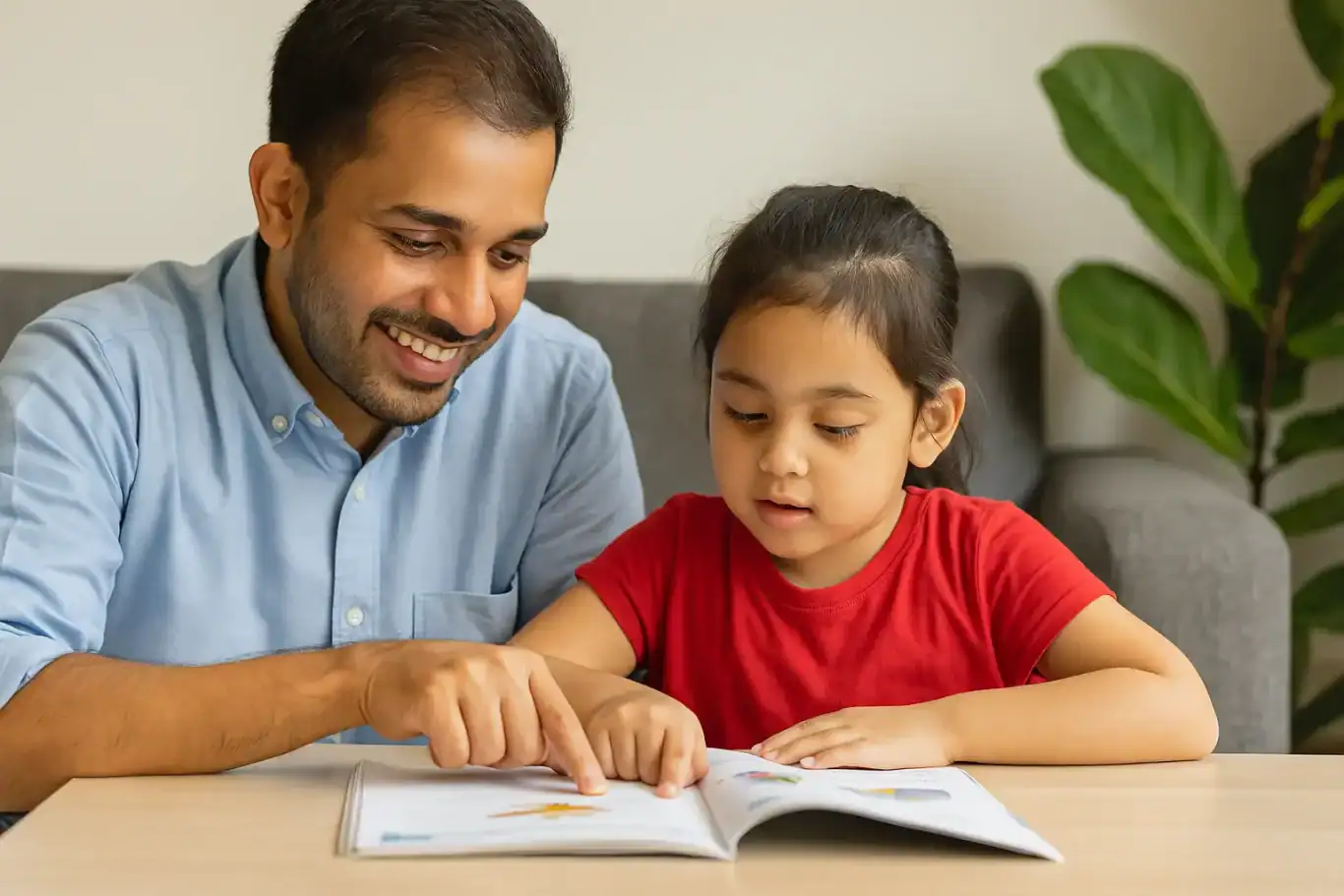
Parents play the central role in building positive habits in children. Kids learn more from what they see than from what they are told. That means parents must model the values they wish to pass on. Showing punctuality, gratitude, patience, and balanced screen time will speak louder than any instruction.

Beyond the home, children are shaped by their surroundings schools, peers, and community influences all matter. A supportive environment with positive reinforcement, teamwork, and structured activities helps strengthen the values instilled at home.

Practical Ways to Start Building Positive Habits in Children

  1. Be Consistent
    Change doesn’t happen overnight. Whether it’s encouraging your child to read each night or tidy up after playing, repetition is key. Even ten minutes of daily practice can make a long-term difference.
  2. Lead by Example
    Children mimic behavior. If you want your child to manage time well, show them how you do it. Let them see you following schedules, keeping promises, and avoiding distractions.
  3. Use Encouragement and Praise
    A simple “Great job!” or “Thank you for helping” goes a long way. Positive reinforcement helps motivate kids to repeat good behaviors.
  4. Allow Room for Mistakes
    When building positive habits in children, understand that mistakes are part of the learning process. Patience and guidance are more effective than punishment.
  5. Involve Children in Decision-Making
    Let your child help plan their daily routine or choose their afternoon activity. When they feel a sense of ownership, they are more likely to stick to their responsibilities.
  6. Integrate Technology Wisely
    In today’s world, technology cannot be separated from childhood. Instead of avoiding it, guide your child to use it for learning. Educational apps, coding platforms, and creative tools can help turn screen time into productive time.

National Children’s Day as a Moment for Reflection and Action

National Children’s Day is not just a celebration, but an opportunity for reflection. As a society, have we done enough to support and protect children? As parents, have we been present enough in guiding their development? And most importantly, are we truly committed to building positive habits in children that will prepare them for the future?

Positive habits are not built in a day. They take consistency, collaboration, and encouragement. Families, schools, and communities must work hand in hand to create environments that nurture growth and character.

Try a Free Coding Class at Timedoor Academy

Ingin tahu detail program? Image

Ingin tahu detail program?

The journey of parenting is filled with joy, challenge, and responsibility. National Children’s Day reminds us that every child deserves support, attention, and guidance. And one of the most meaningful forms of guidance we can offer is by consistently building positive habits in children.

At Timedoor Academy, we believe that technology and character education go hand in hand. Our online coding and digital literacy programs are designed not only to build skills, but also to nurture self-discipline, curiosity, and confidence.

Register your child for a free trial class today and take the first step in building habits that last a lifetime. Let’s shape a brighter future together one child at a time.

Keep Reading

Benefits of Coding for Kids: The Long-Term Advantages of Early Coding Education
In today’s digital era, coding skills are no longer just technical abilities—they have become essential assets for facing future challenges. That’s why many parents and educators are beginning to recognize the benefits of coding for kids from an early age. Coding education not only helps children understand technology but also offers numerous long-term advantages that are valuable for their development, both academically and in everyday life.   1. Enhancing Critical Thinking and Problem-Solving Skills One of the most important benefits of coding for kids is its ability to train critical thinking and problem-solving skills. When learning to code, children are taught how to break down large problems into smaller, manageable parts and to find logical and systematic solutions. This process helps kids develop analytical and creative thinking, which proves useful across various life situations and academic fields.   2. Fostering Creativity and Self-Expression Many people think of coding as a rigid activity filled with lines of code, but in reality, coding can be very creative. Through coding, kids can build exciting projects such as games, animations, and apps. This allows them to express their ideas and imagination in tangible ways using technology. This benefit of coding for kids is crucial so they become not only technology users but also creators.   3. Preparing Kids for the Future Job Market With rapid technological advancements, many future jobs will require coding as a key skill. By introducing coding early, children will be better prepared to face changes in the world and global competition. The benefits of coding for kids here lie in giving them a competitive edge to adapt to an increasingly digital and automated workforce.   4. Improving Focus and Attention to Detail Learning to code also demands that kids focus and pay attention to every line of code to ensure the program runs smoothly. This habit builds patience and sharpens their ability to notice details. With enhanced concentration, children can improve their performance in other subjects because they become accustomed to working carefully and systematically.   5. Strengthening Collaboration and Communication Skills Although coding may seem like an individual activity, many coding projects require teamwork. Kids learn how to communicate clearly, share ideas, and collaborate to solve problems. This benefit of coding for kids helps them develop important social skills and prepares them to work in dynamic, collaborative environments.   6. Boosting Confidence and Independence When children successfully complete a coding project, such as creating a simple game or application, they experience a sense of achievement that boosts their confidence. Moreover, coding teaches kids to learn independently, find solutions on their own when problems arise, and to persevere. These benefits of coding for kids are valuable in shaping strong character and resilience.   Start Coding Education for Kids at Timedoor Academy With all these important benefits of coding for kids, there’s no reason to delay introducing coding early. Timedoor Academy offers the best solution for parents who want to provide quality coding education to their children. The learning programs at Timedoor Academy are designed to be fun and interactive, so kids don’t just learn coding—they enjoy the process. We also offer free trial classes so your child can try and experience the benefits of coding for kids firsthand before making a commitment. Register your child now and help them develop skills that will be incredibly useful for their future! By giving children the chance to learn coding as early as possible, you’re opening doors for them to maximize their potential and be ready for the challenges of the digital age. Remember, the benefits of coding for kids go beyond technical skills—they’re about shaping mindset, creativity, and strong character. So don’t wait any longer—take advantage of coding education at Timedoor Academy and see the positive changes in your child!
Sharpening Children’s Logic and Creativity Through AI Coding
In today’s digital era, every individual, including children, needs adequate digital skills. One increasingly essential skill is understanding and using artificial intelligence, or AI. Children are not only taught to use technology but also encouraged to think critically, creatively, and solve problems systematically. Learning AI for Children has become an effective educational approach to develop logic and creativity from an early age. Why Children Should Start Learning AI Early AI is no longer just a future technology. Many applications in daily life now rely on AI, from digital assistants to interactive games and educational apps. By introducing Learning AI for Children early, kids become familiar with programming concepts, logic, and data analysis. This early exposure helps them adapt to technological advancements while strengthening critical thinking and creative skills that are crucial for their future. Moreover, understanding AI nurtures children’s curiosity about technology. They begin to ask questions about how systems work, how data is processed, and how technology can solve everyday problems. Thus, Learning AI for Children is not only about technical mastery but also about developing an analytical mindset that supports both formal and informal learning. The Benefits of Learning AI for Children Here are several key benefits children gain when they start Learning AI for Children: Enhances logical thinking and problem-solving skillsUnderstanding algorithms and sequences teaches children to tackle problems systematically. They learn how to break complex challenges into smaller steps and solve them one by one, a skill that is invaluable both academically and in daily life. Boosts creativityChildren can create simple AI projects, such as chatbots, interactive games, or digital animations. By combining creativity with technology, they can produce unique and meaningful outcomes. Prepares them for future careersEarly AI knowledge equips children for potential careers in technology and science. It opens opportunities in game development, robotics, and advanced technological research. Learning through playGamified learning makes AI lessons enjoyable and interactive. Children who are already engaged in gaming or digital exploration will adapt more easily to AI learning in a playful and practical way. Fosters collaboration skillsChildren learn to work in teams on AI projects, improving communication and teamwork skills. They experience discussing ideas, providing feedback, and completing projects collectively. Builds self-confidenceCompleting AI projects instills a sense of accomplishment in children. They understand that failure is part of learning and that success comes through practice and understanding. Effective Approaches for Learning AI for Children To make Learning AI for Children effective, teaching methods should align with the child’s age and skill level. Timedoor Academy offers an interactive, practical, and fun curriculum. Professional tutors guide students step by step, starting from basic concepts to creating simple AI projects. This approach ensures that children not only understand theory but also apply their knowledge in real projects. Furthermore, a personalized learning approach allows tutors to adjust lessons according to each child’s interests. For example, children who enjoy games can learn to create simple AI games, while those interested in animation can develop interactive AI characters. This approach makes learning relevant to daily life and interests, keeping it both engaging and effective. Integrating Hobbies with AI Learning One effective way to motivate children is by connecting AI learning to their hobbies. Children who love gaming can explore how AI applies in game design, while those interested in animation can create interactive AI characters. This makes Learning AI for Children more meaningful and fun, encouraging children to stay engaged. Beyond technical skills, linking hobbies with AI nurtures creativity and critical thinking. Children learn that technology is not just a source of entertainment but also a tool for expression and creating something meaningful. Parents’ Role in Supporting AI Learning Parents play a crucial role in supporting Learning AI for Children. They can help by: Providing supervision and guidance while children work on projects Offering praise and encouragement when children complete tasks Creating a comfortable learning environment and supplying the necessary tools With full parental support, children gain confidence and motivation to explore the world of AI. Learning AI from an Early Age: Fun, Creative, and Essential for Your Child’s Future Mastering AI at an early age offers numerous advantages for children. Besides developing technical skills, it cultivates critical thinking, creativity, and problem-solving abilities. Learning AI for Children at Timedoor Academy delivers an interactive, practical, and enjoyable experience. With a structured curriculum and professional tutors, children can explore AI safely and effectively. If you want your child to start developing AI skills in a fun and interactive way, register them for a free trial at Timedoor Academy today. Here, children will learn AI creatively and practically, guided by professional tutors who understand the needs of modern learners.
<strong>Is Coding Necessary for Kids? Let’s Find Out in 2025!</strong>
Is Coding Necessary for Kids? Let’s Find Out in 2025!
In today’s rapidly evolving digital era, many parents are asking, is coding necessary for kids to learn from an early age? Coding or programming is one of the skills increasingly in demand, but is it really necessary for children to learn coding? This article will explore whether coding is necessary for kids, its benefits, challenges, and how parents can start their children on the right path, especially through coding programs like those offered by Timedoor Academy. Is Coding Necessary for Kids? The question is coding necessary for kids has become more common, especially with advances in technology and digital education. Formally, coding is not yet a mandatory subject in all schools, but today’s job market and digital industries highly value tech and coding skills. Coding is the language behind almost every digital device we use today. Teaching coding early helps prepare children for future challenges that rely heavily on technology and digital innovation. So, while it may not be mandatory by regulation yet, coding is a crucial skill that should be introduced early. Benefits of Coding for Kids When considering is coding necessary for kids, it is important to understand the benefits of learning coding. Coding helps children develop logical and systematic thinking. They learn to break down big problems into smaller parts and solve them step by step. Coding also boosts creativity because children get to create digital projects such as games, animations, and apps. This makes learning coding fun and builds their confidence. Additionally, coding develops problem-solving skills and perseverance. Children need to be patient and precise to ensure their programs work correctly. These skills are valuable not only in tech but in many areas of life. Challenges in Learning Coding for Kids Even though there are many benefits, some challenges come with learning coding. This often leads parents to ask again, is coding necessary for kids, considering the learning process can be tough. Kids may struggle with abstract concepts or complex logic. Parents need to provide extra support and choose fun, age-appropriate methods so children stay engaged and don’t get frustrated. Programs like those at Timedoor Academy are designed to make coding interactive and enjoyable for kids. With the right approach, these challenges can be overcome, and children become more interested in technology. How to Start Learning Coding for Kids? If you still wonder is coding necessary for kids, the key is starting the right way. Begin with simple basics like visual block coding that’s easy to understand. Timedoor Academy offers coding classes tailored to kids’ age and skill level, from beginner to advanced. Children learn through fun projects that deepen their understanding. Timedoor Academy also provides free trial classes. These allow parents and kids to experience the learning method before fully committing. The Role of Parents in Supporting Coding Learning Parents play a crucial role in helping kids succeed in coding. They can set aside dedicated time for learning and accompany children while they work on assignments or projects. Discussing what children learn helps them feel supported and motivated. Good parent-child communication strengthens the learning process and helps kids overcome difficulties. Parents should also remind kids to balance study and rest to avoid fatigue and burnout. Conclusion: Is Coding Necessary for Kids? So, is coding necessary for kids? While coding isn’t mandatory in many schools yet, it is vital for children’s futures. Teaching coding early prepares kids for a digital workforce and develops critical thinking, creativity, and problem-solving skills. Timedoor Academy supports this by offering child-friendly, interactive, and accessible coding classes. With free trial classes available, parents and kids can try a free trial class before fully joining. Don’t wait! Register your child at Timedoor Academy and give them the chance to learn coding in a fun and effective way. With coding skills, your child will be ready to thrive in an advancing digital world full of opportunities.
float button