Sep 03, 2024

Timedoor Academy Coding Competition in Egypt!

Timedoor Academy Coding Competition in Egypt! image

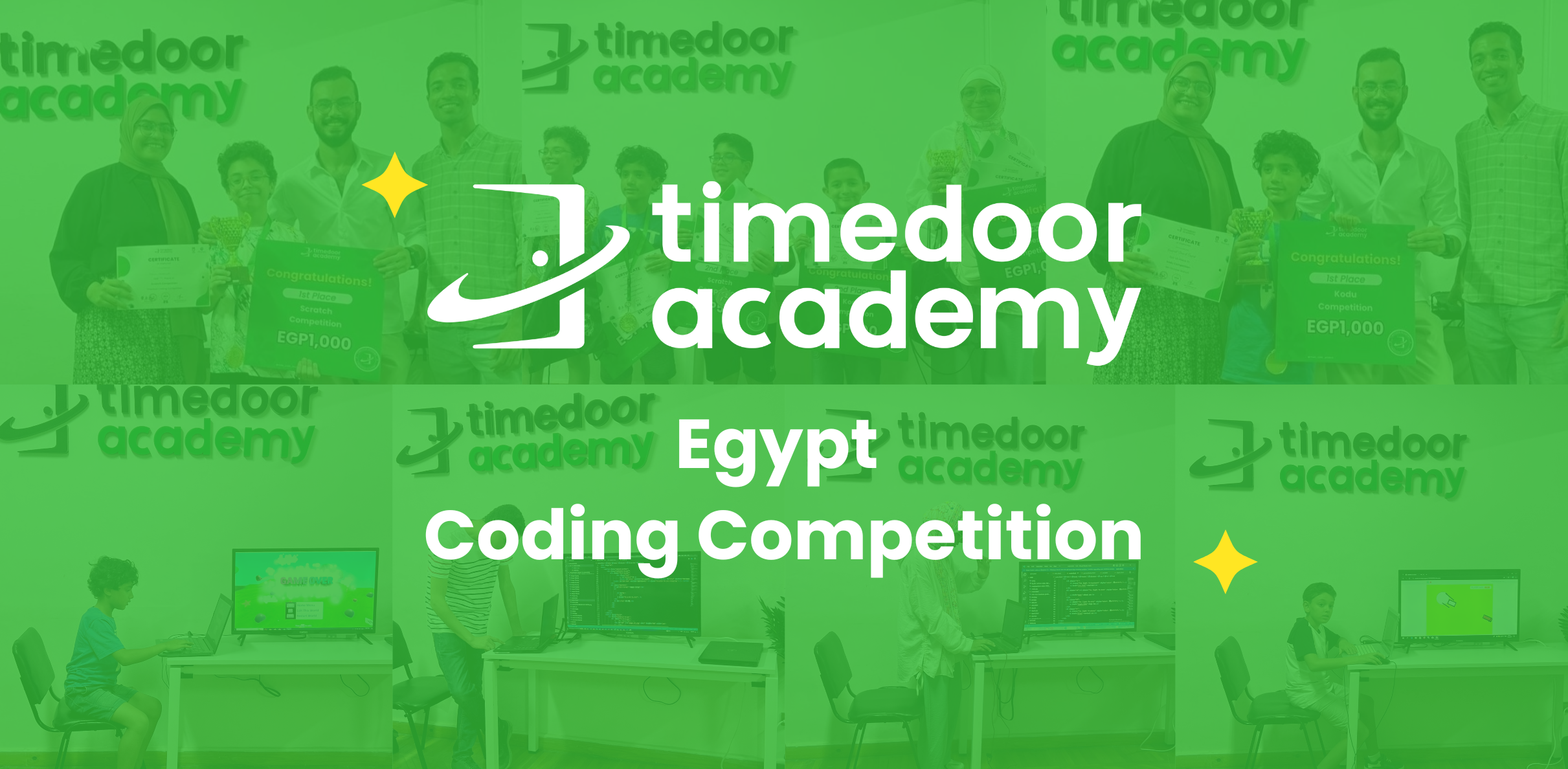
The youth showcase their impressive digital skills at the exciting Timedoor Academy Coding Competition in Egypt!

Timedoor Academy hosted its highly anticipated Coding Competition in Egypt from July 16th to July 31st, 2024. Exhibition of innovation and creativity. The event drew an impressive crowd accounting for 200+ bright participants from both online and offline classes in Egypt.

Timedoor Academy Coding Competition in Egypt

Overview of Coding Competition in Egypt!

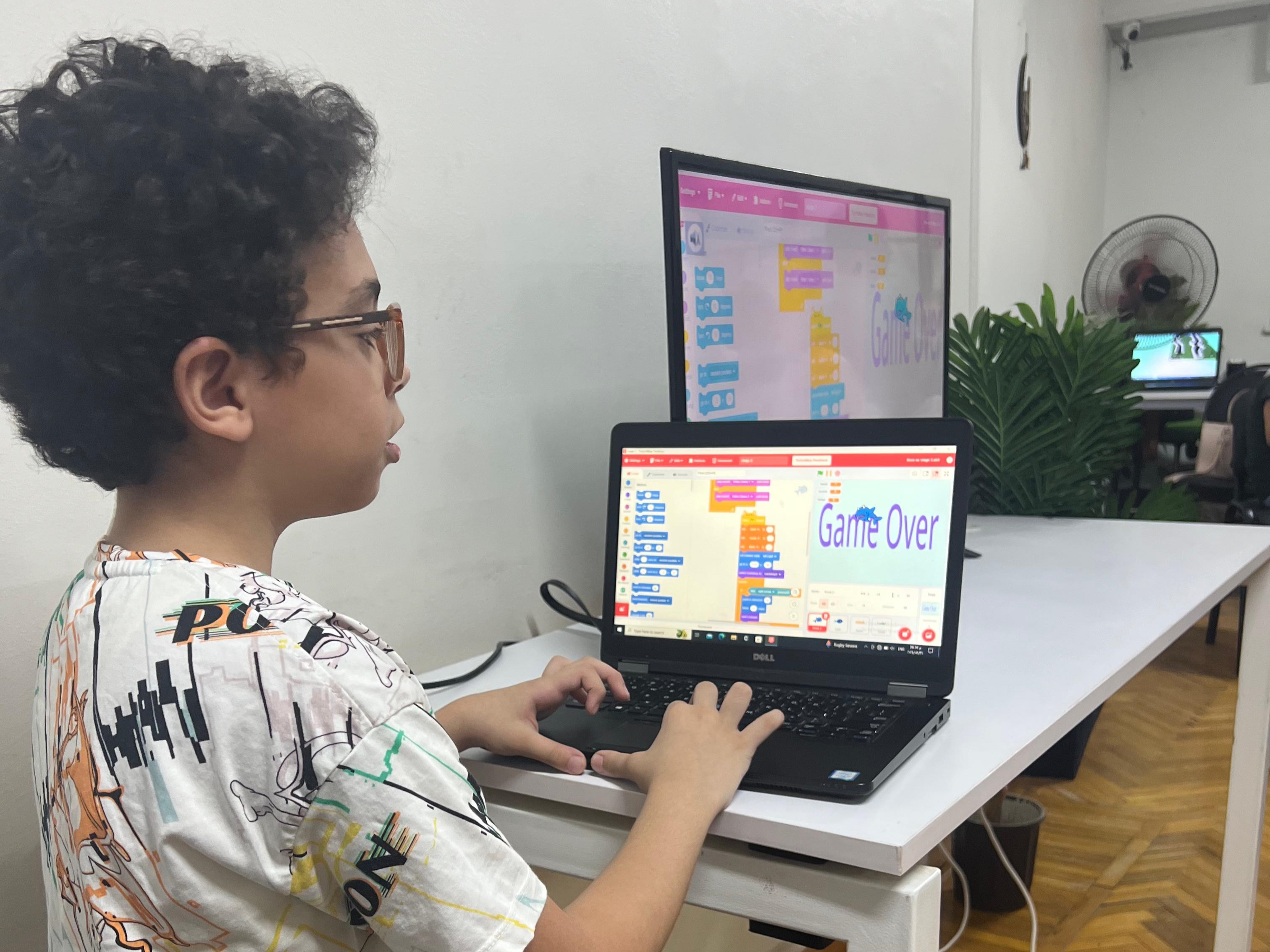
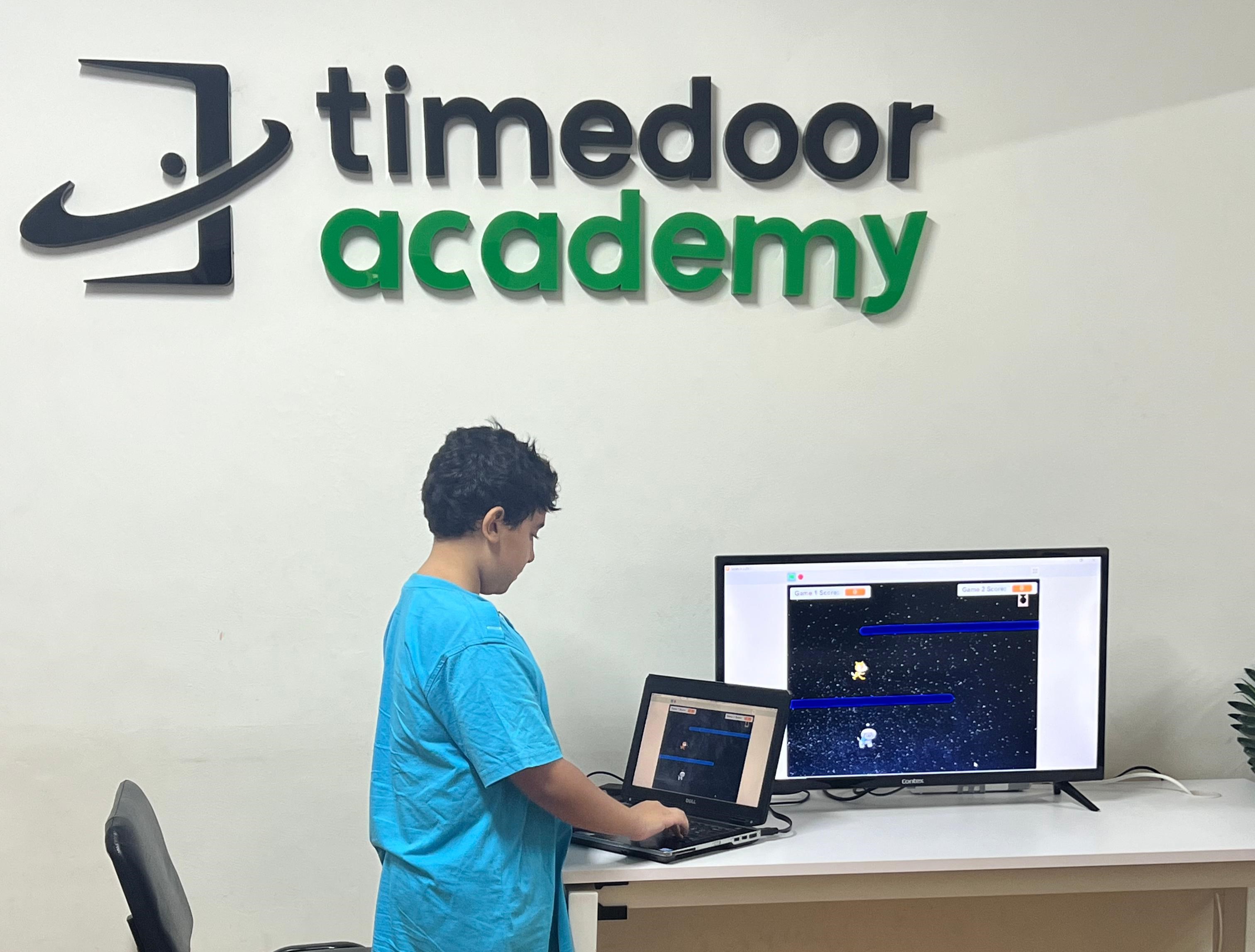
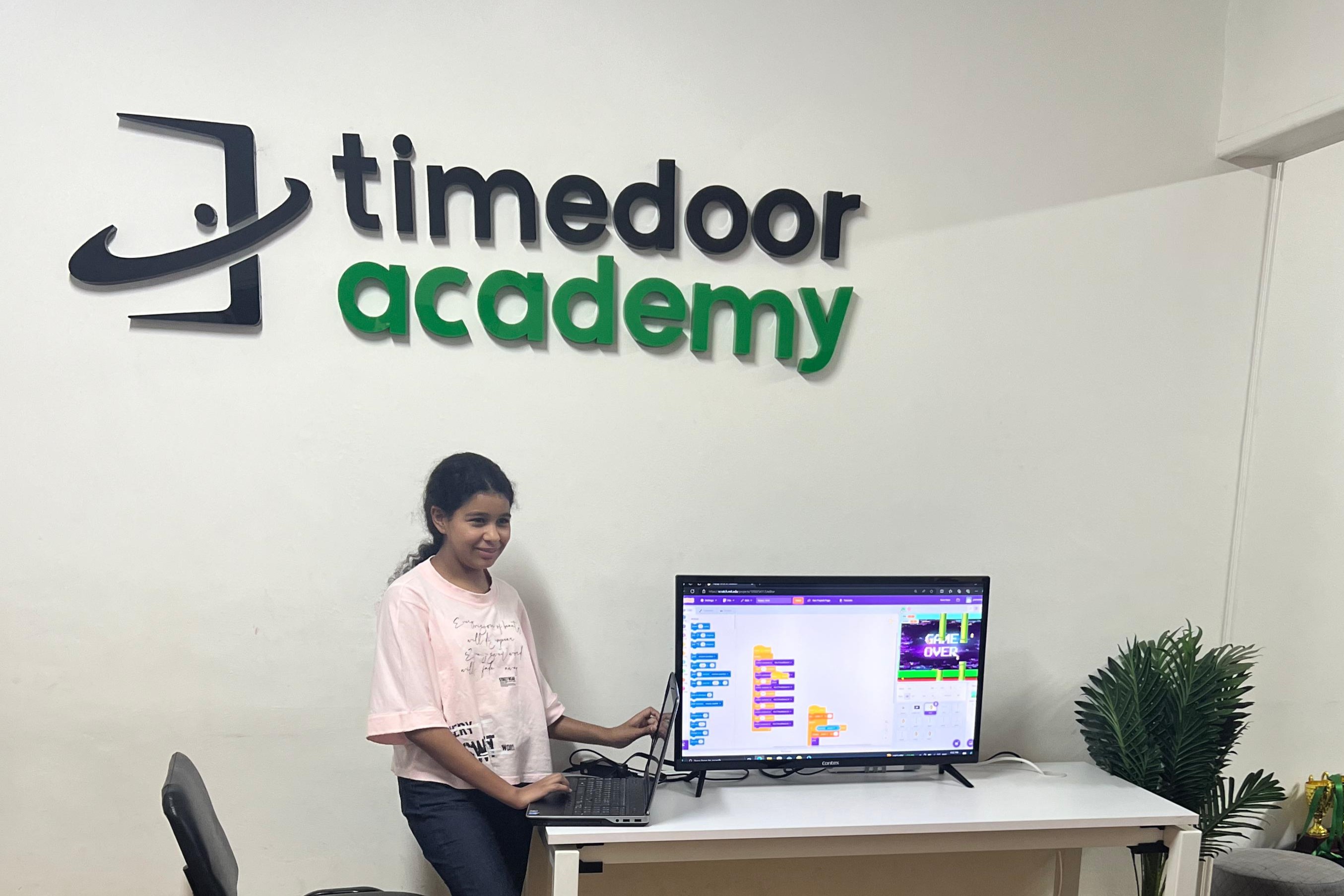
The competition is divided into two exciting phases, each phase allows participants to showcase their skills in the game creation and website design.

The initial round saw more than 50 enthusiastic coders putting their best foot forward. 

Coding Competition, kids coding

As the competition heated up, the top 20 participants from each category earned their spots in the final round, held at our branch in Misr Al-Gadeda.

Adding to the excitement, over 30 proud parents attended the finals to witness firsthand the incredible achievements of their children. This remarkable display of skill and creativity from Egypt’s young coders demonstrates promising talent emerging in technological aspects.

presenting coding result

This remarkable display of skill and creativity from Egypt’s young coders demonstrates promising talent emerging in technological aspects.

Highlights of The Event

At Timedoor Academy, we believe in nurturing the tech leaders of tomorrow. This competition was more than just an event but it was a celebration of young talent and bright future of technology in Egypt.

Winner of the Timedoor Academy Coding Competition in Egypt

To all our winners across categories: Bravo! Your hard work, creativity, and coding skills have truly set the bar high. 

Thank you to every participant who joined us on this journey with your passion and dedication have made this event truly special.

Stay tuned for more exciting updates and opportunities to shine at Timedoor Academy

Explore our cutting-edge courses and upcoming tech events by visiting our website. Don’t miss out – click here and start your digital adventure today!

Keep Reading

<strong>10 Best Sensory Play Ideas for Kids in 2025</strong>
10 Best Sensory Play Ideas for Kids in 2025
Sensory play for kids is a powerful way to support their motor, cognitive, and emotional development. Through hands-on sensory experiences, children explore textures, colors, sounds, and smells in a fun and educational way. Many parents are now looking for sensory activities that are easy to create at home using simple materials. In this article, you’ll discover 10 of the best sensory play ideas that are simple, effective, and perfect for kids aged 2 to 6. These activities help spark creativity while allowing children to engage with their surroundings using multiple senses. 10 Best Sensory Play Ideas for Kids in 2025 1. Dry and Wet Sand Play Fill a large container with dry sand on one side and damp sand on the other. Let children dig, scoop, and build. This classic activity provides textural contrast and is a great form of sensory play for kids. 2. Glitter Bottles Combine water, glitter, and a few drops of baby oil in a clear bottle. Shake and watch the glitter move slowly. This is a calming visual tool that supports focus and mindfulness. 3. Colored Flour Bin Mix flour with different food colorings. Kids can stir, shape, and play with the textures and colors. It's a simple way to introduce creativity and fine motor skills. 4. Texture Board Attach materials like velvet, cotton, bubble wrap, and sponge to a board. Kids can explore by touching and describing the textures. This supports descriptive language and sensory curiosity. 5. Frozen Fruit Cubes Freeze fruit pieces or colored water in small molds. Children can feel and taste the cubes as they melt. This is a cold, exciting, and safe sensory experience. 6. Soapy Swirl Mats Use a waterproof mat and add soapy water. Kids can use plastic tools to swirl, cut, and push bubbles around. This offers tactile fun with minimal mess. 7. Scented Dough Create homemade dough with added scents like vanilla or mint. Let kids shape the dough while enjoying the soothing smells. It’s one of the most engaging types of sensory play for kids. 8. Mystery Smell Boxes Fill small boxes with items like coffee grounds, orange peels, or herbs. Let kids sniff and guess what's inside. This builds their sense of smell and memory. 9. Magnetic Object Play Create a station with small metal objects and let children use magnets to move them. It combines touch with basic science exploration. 10. Vegetable Mud Mix vegetable peels with water and soil in a bin. Kids can squeeze and scoop the mixture. It’s messy, fun, and encourages curiosity through texture. Tips to Maximize Sensory Play Use a variety of sensesGreat sensory play for kids should involve at least two senses, such as sight and touch or smell and hearing. Keep it safeAlways use safe, non-toxic, and age-appropriate materials. Supervise activities closely, especially for toddlers. Encourage parent interactionJoin in the activities. Your presence helps guide the play while also strengthening your bond with your child. Keep it simple to cleanUse trays or bins to contain materials and make cleanup easy. Choose washable tools and surfaces. Adjust based on your child's reactionPay attention to what your child enjoys and be flexible. Not every texture will appeal to every child, and that’s perfectly normal. Why Sensory Play Supports Growth Sensory play for kids isn’t just fun, it supports language, motor skills, and early problem-solving. It allows children to explore, test, and learn about their environment in a hands-on way. Over time, this strengthens their ability to concentrate, follow instructions, and express themselves clearly. Blending Sensory with Digital Skills Once your child is engaged in sensory play for kids, it’s a great time to introduce digital learning tools like coding. At Timedoor Academy, kids learn programming in fun and interactive ways. Coding helps build logical thinking and creativity in a digital space. Sensory activities and digital literacy together create a well-rounded foundation for your child’s future. Try a free trial class at Timedoor Academy today!
8 Reasons Why Your Kids Should Join Coding Class
In today’s fast-moving digital world, coding is no longer just for tech professionals. It is quickly becoming a basic form of literacy, just like reading, writing, or math. Kids today are growing up surrounded by technology. From YouTube videos to online games and smart devices, digital tools play a major role in their daily lives. So instead of letting kids just consume technology, why not teach them how to create it? That is exactly what coding classes are all about. These programs help kids build valuable skills that go far beyond the screen. Let’s explore the top reasons why joining a coding class could be one of the smartest decisions for your kids future. Coding class improves kids problem-solving At its core, coding is all about solving problems. Kids learn how to break a big challenge into smaller steps, test different solutions, and try again when something goes wrong. This helps them think logically and become more patient. Imagine your child is building a simple game. The character is supposed to jump when they press a button, but it is not working. They start asking questions. Did they miss something? Is the command correct? This process of figuring things out helps develop critical thinking, a skill that will benefit them in school and beyond. Coding class boosts kids creativity Coding is not just about writing lines of code. It is a way for kids to tell stories, build games, animate characters, and design their own digital world. With platforms like Scratch or Roblox Studio, children can turn their wildest ideas into real, working projects. This kind of creativity builds confidence too. It shows kids that they can make something fun, interesting, and completely their own. Coding class builds kids persistence and confidence Coding teaches kids that it is okay to fail. In fact, failure is part of the process. When a code does not work, they are encouraged to try again. And again. Until they get it right. Over time, this builds resilience and confidence in their own abilities. They start to think, I can fix this or I know how to figure this out instead of giving up. This kind of mindset helps in school, sports, and even social situations. Coding class offer structured learning for kids Sure, your child could try learning from free videos online. But coding classes offer something more valuable. They provide a step-by-step structure that matches your child’s age and skill level. With experienced instructors guiding them, kids can ask questions, get support, and build their skills in a safe space. It is similar to learning music or swimming. Having a coach makes a huge difference. Coding class prepares kids for their future The job market is changing. Many of the careers our children will have one day do not even exist yet. But one thing is certain. Technology will be a big part of those jobs. By learning to code, your child gets a head start. Even if they do not become a programmer, they will understand how technology works. That knowledge is useful in almost every field, from medicine to business to the arts. Coding class encourages kids teamwork Many people think coding is a solo activity, but that is not always true. In coding classes, kids often work in teams. They share ideas, collaborate on projects, and give each other feedback. This helps improve their communication skills and teaches them how to work well with others. These are important skills no matter what career path they choose later on. Coding class is fun for kids Let us not forget the most important part. Coding is fun. When taught in a playful and engaging way, it becomes something kids actually look forward to. They get to build their own games, apps, and stories. They get to be creators, not just consumers. And when kids are having fun while learning, they are more likely to stick with it. Early exposure by coding class builds kids confidence Just like learning a new language or playing an instrument, it is easier to start coding when you are young. Kids are naturally curious and unafraid to experiment. They pick things up quickly and are not afraid to make mistakes. By introducing coding early, you help your child build digital confidence. They grow up not just comfortable with technology, but capable of using it in meaningful ways. How to get started in coding class for your kids You do not need to be a tech expert to support your child. Just look for beginner-friendly programs or platforms designed for kids. Start with block-based coding tools like Scratch, where they can drag and drop commands to make things happen. Even better, enroll them in a structured coding class that fits their age and learning style. Classes with real instructors give kids the guidance and support they need to succeed. Why Timedoor Academy is a great choice for your kids coding class At Timedoor Academy, we make coding fun and meaningful for kids. Our classes are designed to be beginner-friendly, with hands-on projects, supportive mentors, and lots of room for creativity. Kids build games, solve challenges, and most importantly, enjoy the learning process. Thousands of parents in Indonesia and beyond have already seen the benefits. Now it is your turn. Let your child explore, create, and grow with technology. Enroll in a coding class or free trial at Timedoor Academy today and give them the tools to thrive in a digital world!
Cara Meningkatkan Kepercayaan Diri Anak dengan Coding di 2025
How to Boost Kids Self-Confidence with Coding in 2025
Self-confidence is an important quality that needs to be developed early in every child. However, for introverted children, building self-confidence can be a unique challenge. Introverted children tend to be quieter, enjoy spending time alone, and may feel awkward in social situations. One effective way to boost children’s self-confidence is through coding activities. This article will discuss how coding can serve as a supportive medium for the development of introverted children, while also providing tips on how to boost kids self-confidence in general. Understanding Introverted Children and Their Self-Confidence Challenges Introverted children usually prefer to engage in activities alone or in small groups, and they enjoy quiet time to think and create. In larger social environments, they might feel uncomfortable or find it difficult to express themselves, which can affect their self-confidence. How to boost kids self-confidence in introverted kids does not mean forcing them to become extroverted, but helping them find ways to feel comfortable and believe in their own abilities. This is where coding can be a very useful tool. Coding as a Medium to Build Self-Confidence in Introverted Children Coding is an activity that allows children to learn and create in a controlled and pressure-free environment. Here are some ways coding can help parents apply methods on how to boost kids self-confidence: 1. A Creative Space for Self-Expression Coding gives children the chance to turn their ideas and imagination into tangible forms such as games, animations, or simple applications. Introverted children who may struggle to express themselves verbally can channel their creativity through coding. Seeing the results of their own work is very satisfying and boosts self-confidence. 2. Project-Based Learning with Clear Goals In coding, children learn through clear, measurable projects. Every successful coding step makes the child feel a real sense of achievement. This process builds the belief that they can overcome challenges and solve problems, which is an important part of how to boost kids self-confidence. 3. Focus on Individual Skills Coding allows introverted children to work independently with a focus on problem-solving. Without excessive social pressure, they can learn and grow in their own way. This strengthens self-confidence because the child knows they can succeed without following group pressure. This independence is key in how to boost kids self-confidence. 4. A Supportive Learning Environment Child-friendly coding platforms and small communities let introverted children feel safe and accepted. They can interact according to their ability and comfort without feeling burdened by high social expectations. General Ways to Boost Children’s Self-Confidence Besides using coding as a medium, there are other alternatives parents and educators can do as ways on how to boost kids self-confidence, especially for introverted children: 1. Recognize and Appreciate the Child’s Uniqueness Every child is different, and it is important to accept their character without forcing changes. Appreciating a child’s uniqueness helps them feel accepted and confident being themselves. 2. Give Positive Support and Appreciation Sincere praise for a child’s effort and achievements can boost motivation and self-confidence. Focus on the learning process, not just the final results. 3. Encourage the Child to Take Appropriate Risks Let children try new things in a safe environment. Experiences of successfully overcoming challenges will build their self-confidence and are practical examples of how to boost kids self-confidence. 4. Practice Social Skills Gradually Help introverted children practice interacting in comfortable and controlled social situations. For example, joining a small club or activities that match their interests. 5. Be a Good Role Model Parents who demonstrate confident and positive attitudes will serve as examples for children to imitate. Supporting Children with Fun Coding Programs To maximize the benefits of coding as a way on how to boost kids self-confidence, choose coding programs designed specifically for kids with fun and easy-to-understand methods. Timedoor Academy is one program that offers this kind of approach. Timedoor Academy provides coding classes tailored to the child’s age and ability, supporting learning in an interactive and enthusiastic way. Parents can also feel assured because the learning methods are very friendly, even for introverted children. Moreover, Timedoor Academy offers a free trial class so children and parents can try coding lessons without any commitment. This gives children the chance to experience fun coding activities that support the development of their self-confidence and demonstrate effective ways on how to boost kids self-confidence.
float button