Jun 03, 2025

7 Top Movie Recommendations for Kids: Best Family Films of 2024 – 2025!

7 Top Movie Recommendations for Kids: Best Family Films of 2024 – 2025! image

Watching movies with your children is not only a fun family activity, but also a meaningful way to teach important values, expand horizons, and spark their imagination. By choosing the right movie recommendations for kids, parents can introduce positive messages and exciting stories that stay with their children for years to come. Between 2024 and 2025, there are many new animated and live-action releases that are full of adventure and valuable lessons. Here are seven movie recommendations for kids that you should not miss for your next family movie night.

1. Jumbo (2025)
movie recommendations for kids

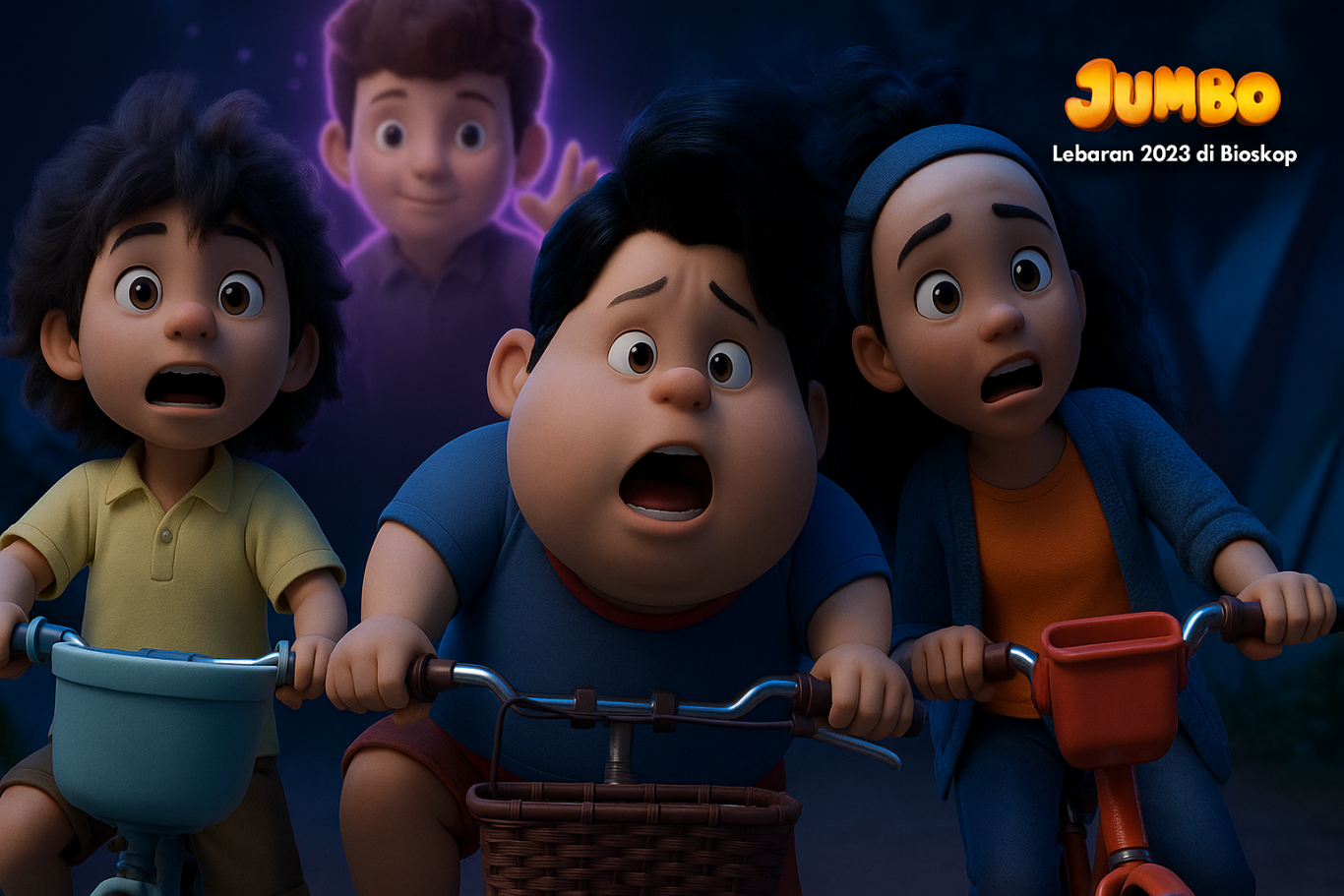
Released on March 31, 2025, Jumbo is an Indonesian animated film directed by Ryan Adriandhy. The story follows Don, an orphaned boy often underestimated because of his large size. With the help of a tiny fairy named Meri, Don embarks on a magical adventure to discover the meaning of friendship and courage. Jumbo quickly became Indonesia’s highest-grossing animated movie of all time, reaching more than two million viewers in just eleven days. This is a must-watch and one of the top movie recommendations for kids in 2025.

2. Inside Out 2 (2024)
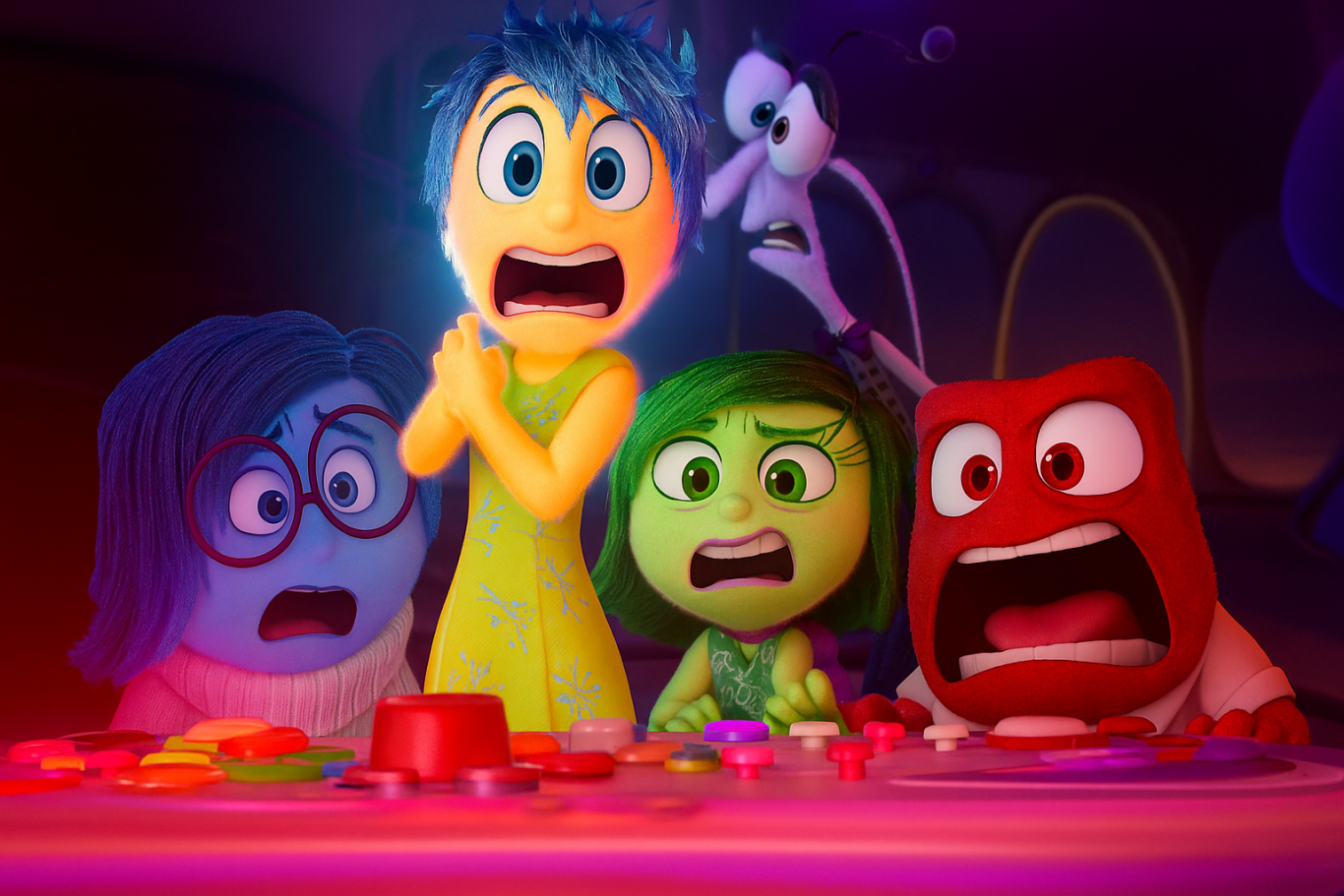
Inside Out 2, released on June 14, 2024, is the much-anticipated sequel to Pixar’s acclaimed film. The story continues with Riley as she enters her teenage years, experiencing new emotions such as anxiety and embarrassment. As one of the most talked-about movie recommendations for kids this year, Inside Out 2 provides deep insight into the importance of understanding and managing feelings, making it both entertaining and meaningful for children and parents alike.

3. Elio (2025)
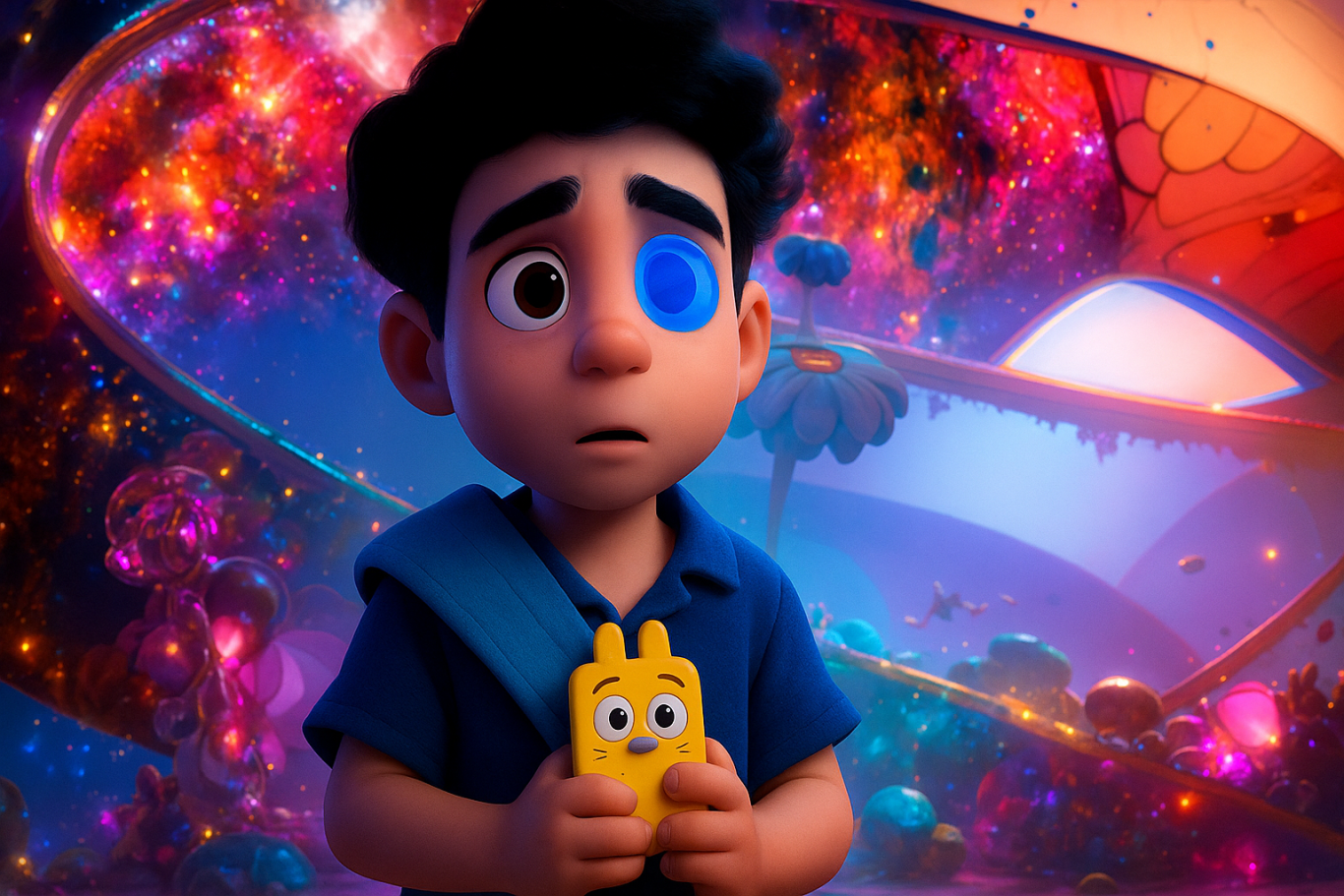
Set to premiere on June 13, 2025, Elio is Pixar’s next big animated release. The movie centers on Elio, a young boy who is accidentally abducted by an intergalactic organization and suddenly finds himself appointed as Earth’s ambassador. Packed with vibrant interstellar adventures and positive messages about courage and self-discovery, Elio stands out among the latest movie recommendations for kids for families seeking something unique and imaginative.

4. The Wild Robot (2024)
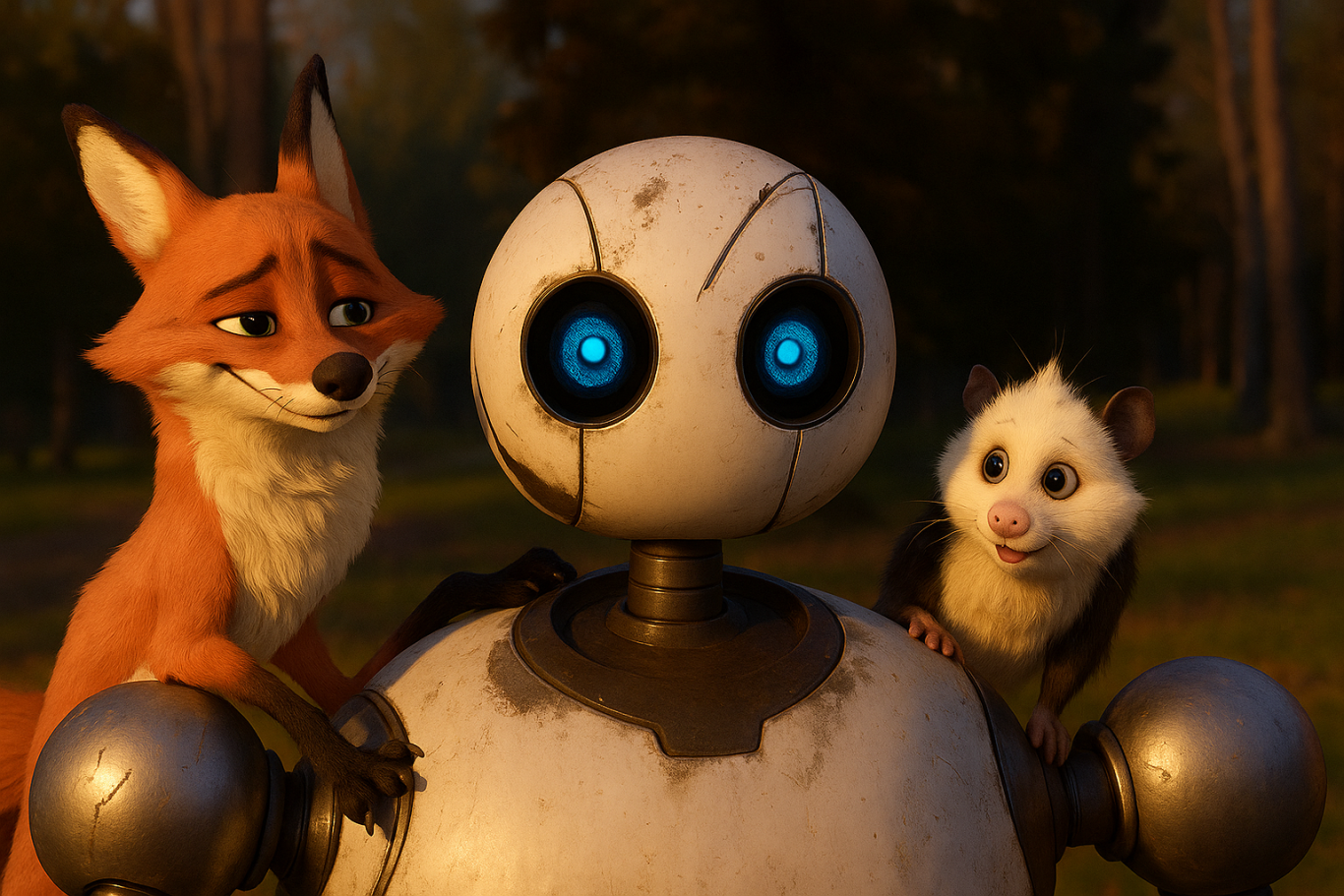
The Wild Robot was released on September 27, 2024, and tells the story of Roz, a robot who becomes stranded on a deserted island and must learn to adapt to the natural world and its inhabitants. This beautifully animated film is one of the most inspiring movie recommendations for kids, sharing heartfelt lessons about compassion, adaptation, and the importance of building relationships with others, no matter how different they may seem.

5. Zootopia 2 (2025)
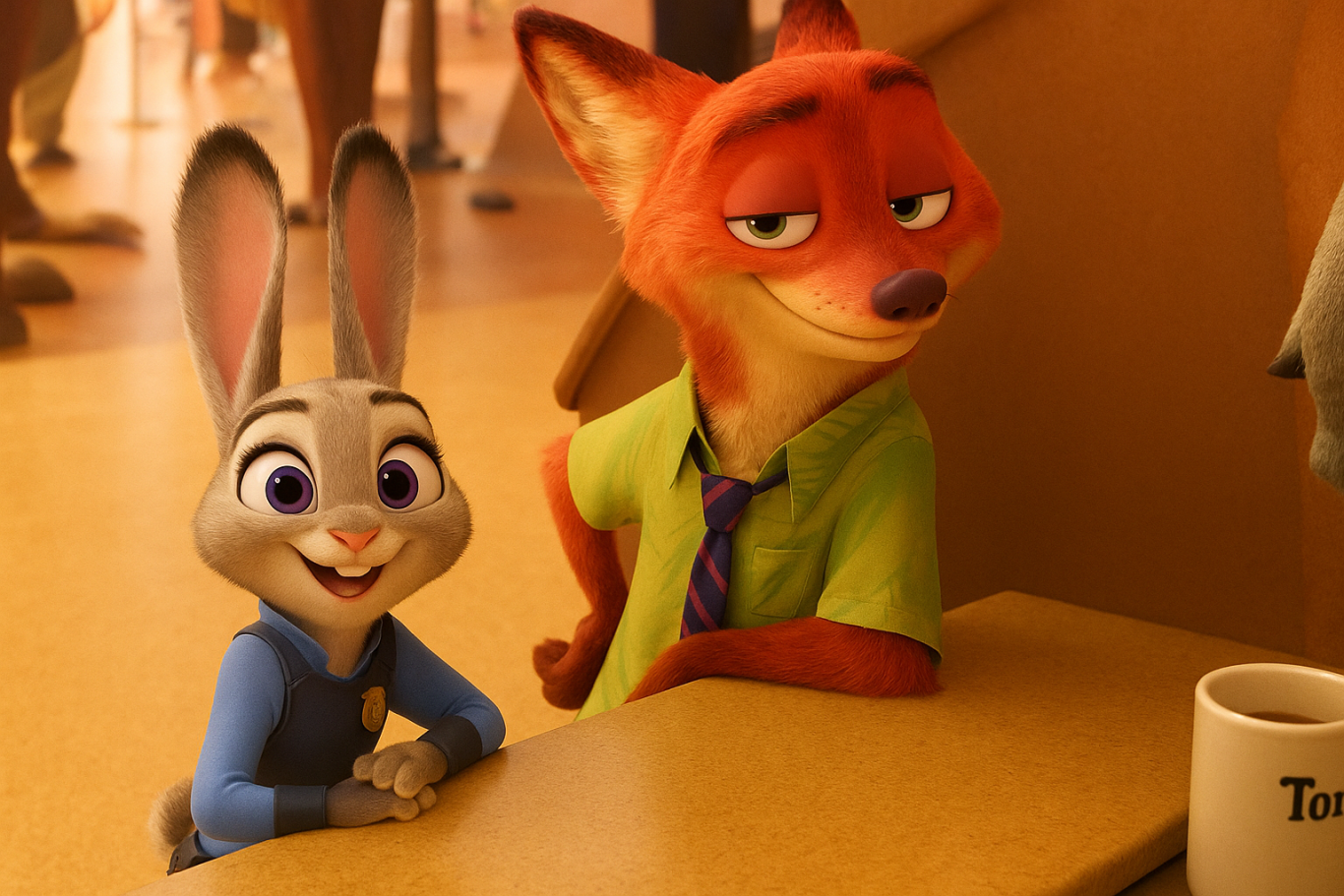
Zootopia 2 is scheduled for release on November 25, 2025, and brings back the beloved characters Judy Hopps and Nick Wilde as they solve new mysteries in the vibrant city of Zootopia. The movie is highly anticipated and is sure to be one of the top movie recommendations for kids next year, offering exciting stories and positive messages about diversity, teamwork, and justice.

6. Space Cadet (2025)
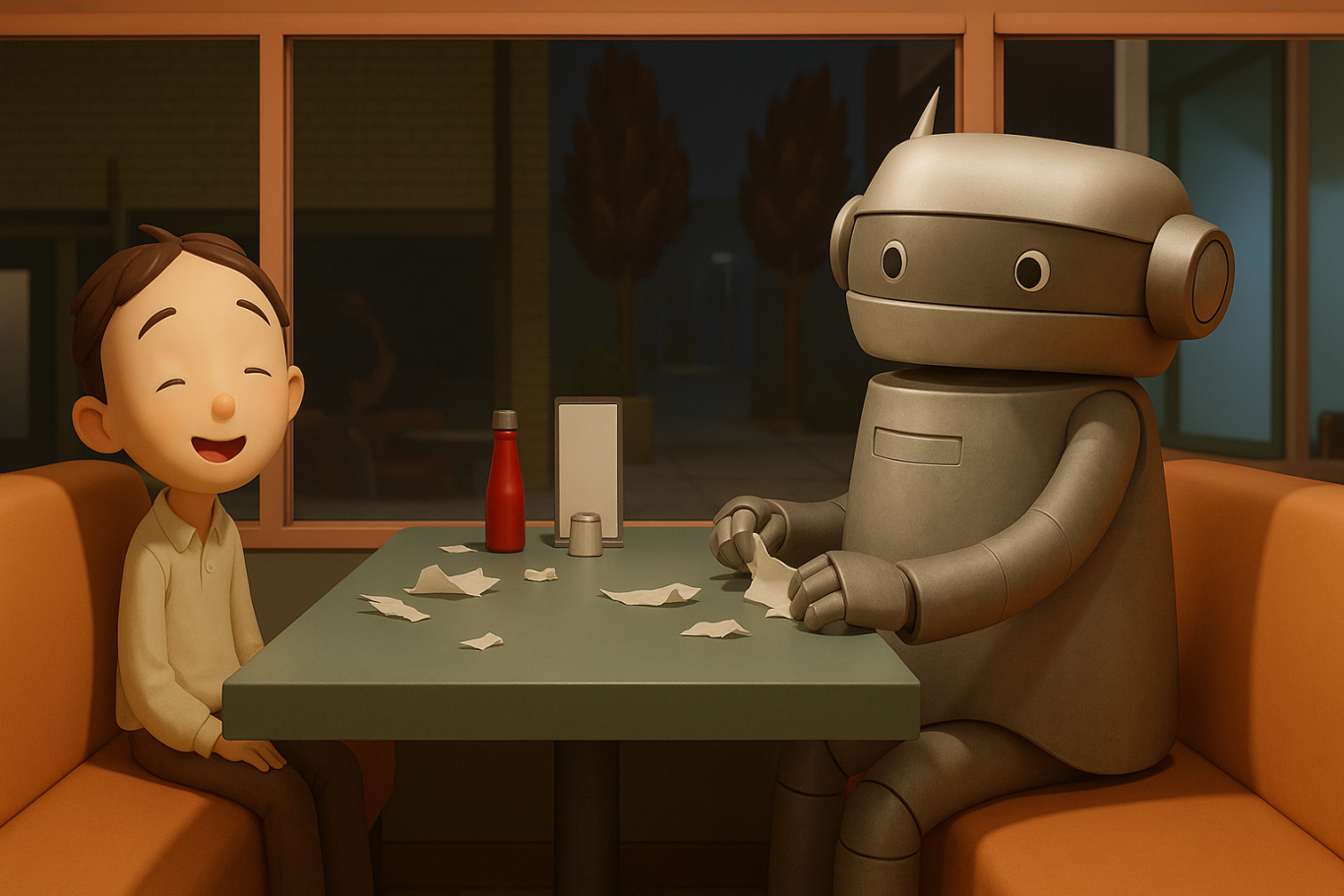
Space Cadet, a Canadian animated film, had its world premiere on February 16, 2025, at the Berlin International Film Festival. This dialogue-free movie tells the story of a young astronaut and her robot guardian, exploring themes of loss, love, and finding your place in the universe. With its stunning visuals and emotional depth, Space Cadet is a standout among movie recommendations for kids and offers a unique viewing experience for the whole family.

7. Sauvages (2024)
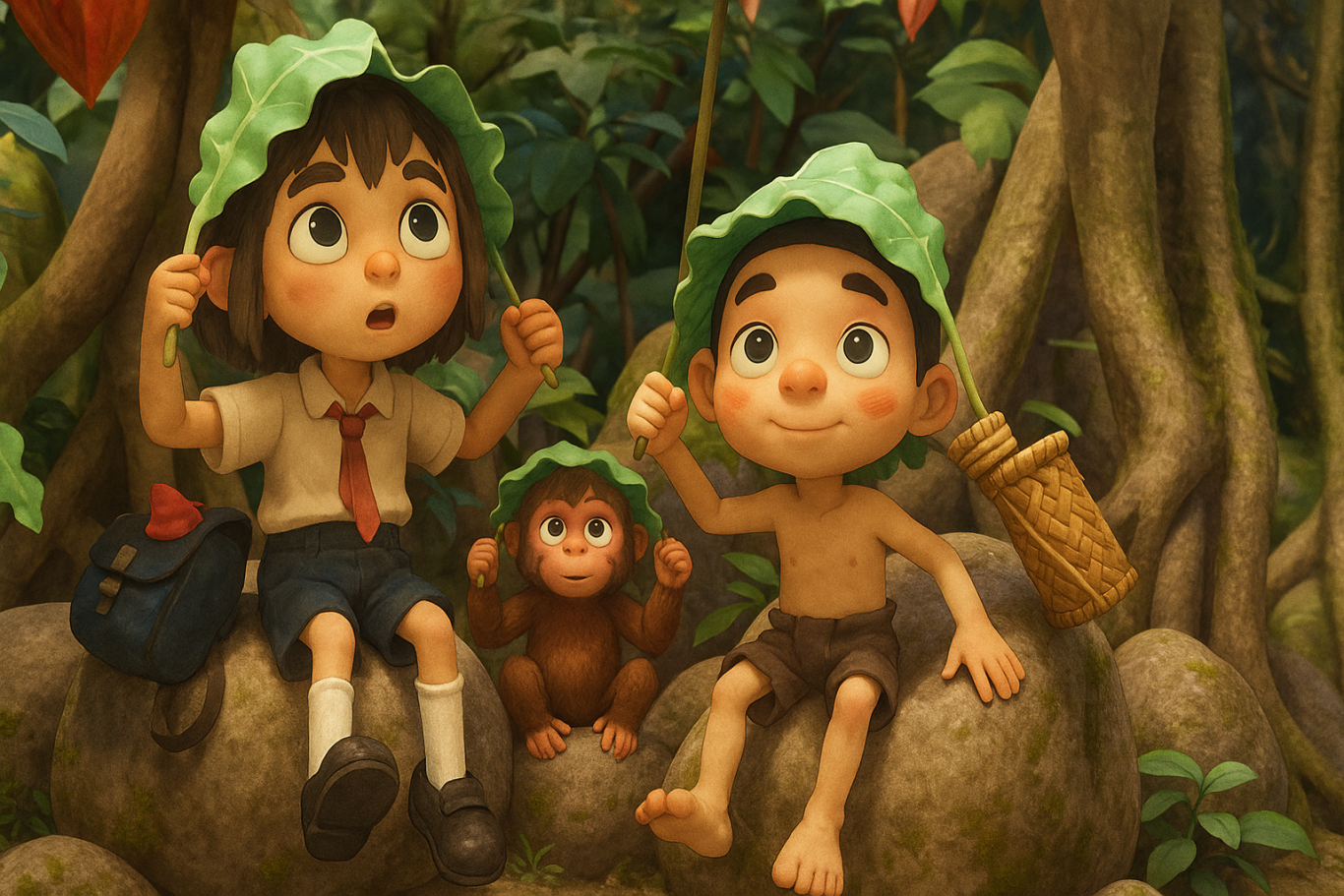
Released on May 18, 2024, Sauvages is a stop-motion animated film about Kéria, a young girl living in Borneo who teams up with her cousin and an orangutan to fight against deforestation. The movie addresses important themes of environmental conservation and cultural identity, making it one of the most educational and relevant movie recommendations for kids this year.

Tips for Enjoying Movies with Kids

To get the most out of these movie recommendations for kids, parents can try these simple tips:

  • Choose movies that are appropriate for your child’s age and always check reviews beforehand.
  • Discuss the story after watching, asking your child about their favorite characters and what lessons they learned.
  • Combine movie time with other activities, such as reading related books or doing crafts inspired by the film’s themes.
  • Limit screen time and balance it with physical activities and social interaction.
  • Make movie night a special bonding time for the family, not just entertainment.

By carefully selecting movie recommendations for kids, parents can help their children develop empathy, broaden their perspectives, and gain positive values from a young age.

Balancing Entertainment and Digital Learning

 Image

In today’s digital world, children need not only quality entertainment but also essential skills for the future. Along with watching the latest movie recommendations for kids, introduce them to the world of coding, creativity, and technology through fun educational activities.

If you want your child to develop logical thinking, creativity, and self-confidence, sign them up for a free trial coding class at Timedoor Academy. Make family time even more fun and meaningful by balancing great entertainment with digital learning opportunities.

Keep Reading

Why Scratch Games for Kids Are the Best Educational Tool
In today’s world, where digital technologies play a massive role, it’s important for children to develop the skills needed to thrive in an ever-evolving environment. One of the best ways to do this is through engaging, educational tools like Scratch games for kids. Scratch, a visual programming language, has become a go-to platform for introducing kids to the world of coding and game development. It offers a hands-on approach that encourages creativity, logical thinking, and problem-solving. Here’s why Scratch games for kids should be an essential part of your child’s learning journey.   1. Scratch Games for Kids Foster Creativity and Imagination One of the standout benefits of Scratch games for kids is their ability to spark creativity and imagination. Scratch allows children to design their own interactive stories, animations, and games. This creative freedom encourages kids to think beyond the box and develop their original ideas. With Scratch games for kids, your child can experiment with character designs, develop storylines, and even create custom sounds for their games. This is not only fun but also promotes a creative mindset that benefits them in other aspects of learning and life. By using Scratch games for kids, children can learn how to blend technology with creativity. Instead of simply consuming content, they actively engage with it, learning the process of making something unique. This helps them build a strong foundation for their future creative endeavors in digital media, game design, and beyond.   2. Scratch Games for Kids Boost Problem-Solving Skills Problem-solving is one of the key skills children can develop through Scratch games for kids. As children create their own games, they are often faced with challenges that require logical thinking. For instance, when designing a game, kids need to figure out how to make a character move, respond to certain actions, or interact with other game elements. These tasks require them to apply problem-solving strategies, breaking down complex tasks into smaller, manageable steps. The beauty of Scratch games for kids is that they provide a safe environment for children to experiment with different solutions, test their ideas, and make mistakes. This trial-and-error process not only improves problem-solving skills but also teaches kids how to approach challenges from various angles. By engaging with Scratch games for kids, children learn that failure is part of the learning process and develop resilience to overcome obstacles.   3. Scratch Games for Kids Teach Coding Fundamentals One of the most important reasons to incorporate Scratch games for kids into their learning routine is that they provide an accessible introduction to coding. Unlike traditional programming languages that might be too complex for beginners, Scratch uses a block-based visual interface, making it easy for kids to grasp coding concepts. By dragging and dropping blocks to create actions, children are learning the fundamentals of programming, such as loops, conditionals, events, and variables. With Scratch games for kids, children get to explore the basics of coding in a hands-on, interactive manner. These foundational skills will prepare them for more advanced programming languages as they grow older. Whether they choose to pursue Python, Java, or C++ in the future, the logical thinking and problem-solving skills learned from Scratch games for kids will provide a solid foundation for their programming journey.   4. Scratch Games for Kids Develop Logical Thinking At the heart of Scratch games for kids lies logical thinking. When creating a game, children need to structure their actions and events logically. For example, if a child wants their character to jump when a certain key is pressed, they must figure out how to implement that action through the right sequence of events. By working through this logical process, kids develop stronger critical thinking and reasoning skills. Engaging with Scratch games for kids encourages children to think step by step and organize their thoughts in a systematic way. These skills translate into better performance in subjects such as math, science, and even everyday problem-solving. By practicing logical thinking through Scratch games for kids, children will be more adept at making decisions and solving problems efficiently in the future.   5. Scratch Games for Kids Teach Persistence and Patience Creating Scratch games for kids can be challenging at times. Children might encounter bugs or unexpected behavior in their game, requiring them to troubleshoot and make adjustments. This process of debugging teaches kids the value of persistence and patience. Instead of getting frustrated or giving up when things don’t go as planned, children learn to approach the problem from different angles and keep trying until they find a solution. By working through these challenges, children develop a growth mindset, understanding that success often comes through perseverance. The ability to stick with a problem and find solutions is an invaluable skill that will serve kids well in all areas of life, from school projects to personal goals.   6. Scratch Games for Kids Foster Teamwork and Collaboration While Scratch games for kids can certainly be enjoyed individually, they also provide excellent opportunities for collaboration. In many cases, kids work together to share ideas, divide tasks, and support each other in game development. This teamwork aspect teaches kids how to communicate effectively, cooperate with others, and work towards a shared goal. When children collaborate on Scratch games for kids, they learn the importance of listening to others, respecting different viewpoints, and combining their strengths. These skills are vital for success in both academic and social settings, making Scratch games for kids a great way to promote collaboration and social learning.   7. Scratch Games for Kids Provide Real-World Skills One of the most significant benefits of Scratch games for kids is that they offer real-world skills that can translate into future careers. The coding concepts learned through Scratch are the same building blocks used in professional software development, game design, and digital content creation. By learning to create games and interactive projects, children gain practical skills that can open doors to future opportunities in the tech world. The skills developed through Scratch games for kids, such as coding, problem-solving, and logical thinking, are highly transferable and can be applied in various fields, including web development, app creation, and robotics. Early exposure to these skills will give children a head start in an increasingly digital world.   8. Scratch Games for Kids Make Learning Fun Above all, Scratch games for kids make learning enjoyable. Kids are naturally drawn to games, and by combining fun with education, Scratch turns learning into an engaging experience. As children create and play their own games, they get immediate feedback on their progress, which motivates them to continue exploring and learning. By integrating play with learning, Scratch games for kids foster a love for technology and education. This positive experience with coding can inspire children to explore other areas of technology, helping them become lifelong learners.   Start Your Child's Coding Journey with Timedoor Academy! If you're ready to introduce your child to the exciting world of Scratch games for kids, Timedoor Academy is here to help. Our interactive, beginner-friendly courses are designed to make coding fun and engaging. With a focus on creativity, problem-solving, and logical thinking, our classes ensure your child develops a strong foundation in programming. Join our free trial class today and see how much fun learning to code can be! Visit our website now to enroll!
<strong>5 Best Ways Understanding Introvert vs Antisocial Kids Difference</strong>
5 Best Ways Understanding Introvert vs Antisocial Kids Difference
Many parents still struggle to tell the difference between introverted and antisocial behavior in children. Both can seem quiet or withdrawn, but they have very different meanings. Understanding introvert vs antisocial kids is essential so parents can respond with the right support and approach. Discovering Difference of Introvert vs Antisocial Kids An introverted child is someone who feels more comfortable doing quiet activities alone or with one or two close friends. They are not afraid of people, but social settings can be draining for them. Meanwhile, antisocial kids may break rules, ignore others’ feelings, and show disruptive behavior that goes beyond shyness or quietness.In this article, we will look at how to recognize introvert vs antisocial kids by identifying key behaviors and needs. 1. Different Roots Behind the Behavior Introverted kids prefer calm and independent play because it makes them feel secure and happy. It is a personal preference, not a sign of trouble. On the other hand, kids with antisocial tendencies often act out because of emotional or behavioral challenges. They may show no guilt when they hurt others or ignore rules at home and school. In this case, parents need to understand that introvert vs antisocial kids is not just about social interest, but about deeper behavioral differences. 2. Social Comfort and Adaptation Introverted children can build healthy friendships, even if it takes time. They open up when they feel safe and are not pressured to socialize too much. In contrast, antisocial children often resist or act aggressively in social situations. They may have little interest in forming relationships or even behave in harmful ways. Recognizing this helps in understanding the core difference between introvert vs antisocial kids. 3. Empathy and Emotional Response Introverts are often very empathetic. They notice how others feel and avoid conflict when possible. Antisocial kids, however, may lack empathy. They might say or do things that hurt others and show no signs of remorse. This lack of emotional connection is one of the clearest signs when comparing introvert vs antisocial kids. 4. Relationships and Communication While introverted children may have fewer friends, their relationships are often deep and meaningful. They connect on a personal level and value trust. Antisocial kids, on the other hand, tend to have troubled relationships. They may lie, break trust, or reject others altogether. This makes it hard for them to build or maintain any lasting bond. Parents should observe these patterns carefully when thinking about introvert vs antisocial kids. 5. What Parents Can Do For introverted children, it's important to respect their need for personal space. Support them by encouraging quiet hobbies, reading, or art. They still need social interaction, but in smaller, more manageable doses. If your child shows signs of being antisocial, such as constant rule-breaking or hurting others without guilt, it is best to seek help from a child psychologist. Early intervention can prevent more serious problems in the future. Learning the true nature of introvert vs antisocial kids helps guide that support. Early Awareness Brings Better Support Understanding introvert vs antisocial kids is not about labeling, but about offering the right care. Each child is unique, and when we listen without judgment, we open the door for them to grow confidently. A calm, patient environment and strong communication will make it easier for children to express their thoughts and feelings, regardless of their personality type. Want to Boost Logic and Confidence Too? Besides supporting your child's emotional growth, you can also help them develop skills like problem-solving and focus. Coding is a fun way to improve these abilities. It teaches kids structure, creativity, and critical thinking. Timedoor Academy offers fun and age-appropriate coding classes for kids. Let your child try a free coding trial class today and explore a new world of learning.
How to Deal with Child Tantrums: Smart Tips for Calm and Confident Parenting
For many parents, figuring out how to deal with child tantrums is one of the toughest parts of raising young kids. One moment they are fine, and the next, they are crying, shouting, or throwing things across the room. It is a stressful and exhausting situation that can easily test your patience. That is why every parent needs to understand how to deal with child tantrums calmly and effectively. With the right approach, tantrums do not have to turn into a daily battle. In fact, they can be valuable opportunities for both children and parents to learn and grow together.   Why Do Children Have Tantrums? Before diving into how to deal with child tantrums, it is important to understand why they happen in the first place. Tantrums are a normal part of early childhood development, especially for children between the ages of one and four. At this stage, children are still learning how to express their feelings in words. When they feel tired, hungry, frustrated, or overwhelmed, they express those emotions through tantrums. It does not mean they are being naughty or trying to manipulate you. They simply have not yet learned how to manage big emotions in a more appropriate way.   How to Deal with Child Tantrums Without Losing Your Cool Here are some practical steps to help you manage tantrums and keep the situation under control: 1. Calm Yourself The first and most important step in how to deal with child tantrums is managing your own emotions. Children often mirror their parents' reactions. If you remain calm, you are setting an example of emotional control. If you panic or get angry, your child is likely to escalate even more.   2. Acknowledge Their Feelings Instead of immediately trying to stop the outburst, take a moment to validate their emotions. Simple phrases like "You are upset because we cannot buy that toy, right?" help your child feel understood. This small step is a key part of how to deal with child tantrums effectively.   3. Redirect Their Attention After acknowledging their feelings, gently guide your child toward another activity. Offer to play a game, read a book, or suggest something they enjoy. Redirecting attention is a practical and proven method in how to deal with child tantrums, especially with younger kids.   4. Be Consistent with Boundaries Giving in to tantrums just to stop the noise might bring short-term relief but teaches the wrong lesson. Children will learn that tantrums are a way to get what they want. Staying consistent and firm with rules is essential when learning how to deal with child tantrums in a healthy and constructive way.   5. Teach Simple Breathing Techniques Introducing basic breathing exercises can help children learn to self-regulate. Encourage them to take slow, deep breaths when they feel upset. This method is a valuable tool in how to deal with child tantrums and builds long-term emotional resilience.   Turning Tantrums into Positive Learning Opportunities One effective way to support emotional growth is by giving children constructive outlets for their energy and feelings. For example, simple coding activities can help children develop patience, focus, and logical thinking. While coding might seem unrelated to tantrums, the process of breaking down problems step by step helps children build important self-regulation skills. In many ways, teaching a child how to deal with frustration during coding challenges mirrors the lessons you want to teach when figuring out how to deal with child tantrums.   Patience and Consistency Are Key Learning how to deal with child tantrums is not about finding an instant solution. Emotional regulation is a life skill that takes time and practice. The real key is showing patience and maintaining consistency in your responses. This approach helps children gradually learn how to manage their own emotions more effectively. Tantrums are not a sign of failure. They are a chance to guide children toward healthier ways of expressing their feelings.   Supporting Emotional Growth Through Positive Activities While tantrums can be exhausting, handling them with empathy and patience teaches children valuable emotional skills. Additionally, engaging kids in structured activities like coding provides another opportunity to practice focus, problem-solving, and perseverance. Coding encourages children to approach challenges with a calm and logical mindset. These are the same qualities they need when learning how to deal with child tantrums in everyday life. Curious how coding can help your child develop these skills? Timedoor Academy offers a free coding class designed especially for kids. The lessons are fun, interactive, and tailored to your child's learning pace. Give your child a positive and engaging learning experience. Register now for a free trial class at Timedoor Academy!
float button