May 14, 2025

Preparing Kids for Future Tech Careers with a Coding Course for Kids in 2025

Preparing Kids for Future Tech Careers with a Coding Course for Kids in 2025 image

The world is evolving at a rapid pace, driven by advances in technology, automation, and artificial intelligence. While it is impossible to predict exactly what the job market will look like in 10 or 20 years, one thing is certain: digital skills will play a central role. That is why more parents are now exploring the value of a coding course for kids. Learning how to code does more than just prepare children to become programmers. It builds critical skills like problem-solving, creativity, and resilience.

This article will walk you through why a coding course for kids is one of the best investments you can make for your child’s future and how it can shape the next generation of tech-savvy thinkers and creators.

Technology Is No Longer Optional
coding course for kids

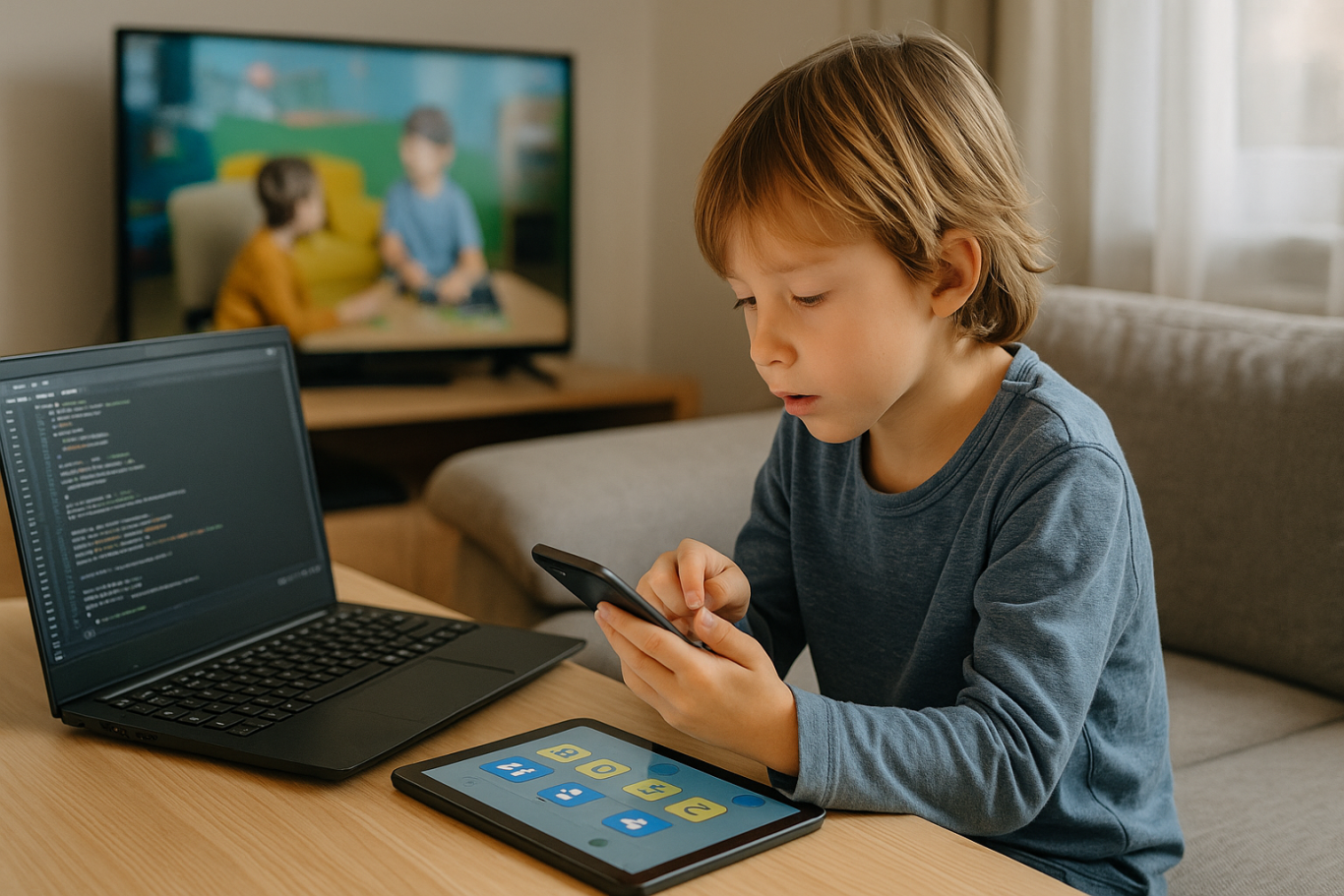
Children today grow up surrounded by technology. From smartphones and smart TVs to tablets and video games, digital devices are an everyday part of their lives. However, being a passive user of technology is different from understanding how it works. A coding course for kids transforms children from consumers into creators. They do not just play games or use apps. They learn how to build them.

Understanding basic programming concepts gives children confidence and opens their minds to the endless possibilities of tech careers. It shows them that technology is not a mysterious thing to fear. It is a tool they can use to solve problems and express themselves creatively.

Building Essential 21st Century Skills

One of the most underrated aspects of coding is the wide range of transferable skills it develops. A good coding course for kids goes beyond teaching syntax or how to use certain platforms. It teaches them to think in structured, logical ways. Kids learn how to break problems into smaller parts, test solutions, and improve their ideas through trial and error.

Coding also promotes persistence. When code does not work, children learn to troubleshoot and try again. This growth mindset builds resilience that applies to many areas of life, including academics and personal challenges.

In addition, coding encourages collaboration. Many programs today teach children to work in pairs or teams, sharing code, helping each other debug, and presenting their projects to classmates. These experiences enhance communication and teamwork.

Opening Doors to Future Careers

According to many labor market studies, careers in technology will remain in high demand for the foreseeable future. Roles like software developers, data analysts, UX designers, and cybersecurity experts are growing rapidly. Even non-tech industries are becoming increasingly digital, meaning that tech literacy is becoming a core requirement across professions.

Enrolling your child in a coding course for kids helps them build a strong foundation early. They do not have to decide now whether they want to be a developer. The important thing is that they understand the logic behind technology and feel comfortable exploring it. This early exposure can spark interest in STEM fields and set them up for further learning in middle school, high school, and beyond.

Coding Encourages Creativity and Confidence

Contrary to the myth that coding is purely technical or dry, it is actually a creative process. Kids can design interactive stories, develop simple games, animate characters, and even build websites. Every coding project is a chance to express ideas and bring imagination to life.

A well-structured coding course for kids allows children to experiment and innovate. When they see their code produce real results on the screen, it boosts their confidence. They feel a sense of ownership and achievement that motivates them to keep learning.

For children who struggle in more traditional subjects, coding can offer an alternative way to shine. It is not about memorizing formulas or facts. It is about building something with your own hands and mind.

Early Coding Education Reduces Future Intimidation

Another major benefit of a coding course for kids is that it helps demystify technology. Many adults feel overwhelmed by the rapid pace of digital change. By learning coding at a young age, kids grow up viewing technology as something they can understand and control.

This perspective empowers them. It also gives them a head start in a world where being digitally fluent is no longer a bonus but a basic expectation. Whether they end up working in a tech-related field or not, they will be better prepared to adapt to new tools, systems, and digital environments.

Join a Free Coding Course For Kids Today at Timedoor Academy

Ingin tahu detail program? Image

Ingin tahu detail program?

If you are ready to prepare your child for the tech-driven future, Timedoor Academy is here to help. We offer a structured, engaging, and age-appropriate coding course for kids that focuses on building real-world skills through fun and interactive lessons.

Our courses are designed for children aged 6 and up and are led by experienced mentors who know how to spark curiosity and encourage exploration. Kids learn at their own pace while developing confidence in coding, creativity, and communication.

Sign up today for a free trial class and let your child discover the excitement of learning to code. Timedoor Academy is committed to helping your child become a future-ready thinker and tech creator.


Keep Reading

Future-Ready Skills: Coding Education for Elementary School Students
In today’s digital era, technology skills are no longer optional but have become essential for the younger generation. Wise parents understand the importance of preparing their children for the future by equipping them with the right knowledge and mindset. One valuable skill to introduce early is coding. Through Coding Education for Elementary School Students, children not only learn how to use technology but also how it truly works. Many parents might wonder if coding is too complicated for young learners. In fact, when taught through interactive and enjoyable methods, children adapt quickly. Coding can be presented like solving puzzles, stacking blocks, or building a story. With the right approach, Coding Education for Elementary School Students becomes accessible and engaging for kids. Why Start Early? Introducing coding at an early age brings multiple benefits. First, children develop logical and structured thinking. When writing code, they learn to arrange steps in order and understand cause-and-effect relationships. Second, coding sparks creativity. Children can design simple games, animations, or applications that reflect their imagination. Third, it fosters persistence. When their programs do not run smoothly, they practice finding solutions until they succeed. Therefore, Coding Education for Elementary School Students is not just about computer knowledge, but also about shaping resilient, creative, and critical thinkers. The Connection Between Coding and Daily Life Coding is not a separate or abstract concept. Children encounter it daily through apps, digital games, and smart devices. By learning coding, they can understand the logic behind these technologies. For example, when playing a game, they can imagine how a character moves because of certain instructions happening in the background. This transforms children from passive consumers into future creators of technology. That is the true value of Coding Education for Elementary School Students compared to simply using gadgets. Challenges and the Role of Parents Of course, introducing coding to children comes with challenges. One of the biggest is keeping the learning process enjoyable. Children can lose focus if the lessons are too complicated or monotonous. This is why teaching methods must be designed specifically for their age group. Parents play a crucial role by providing encouragement and consistent support. Setting aside time, motivating children when they face difficulties, and choosing a trusted learning program are key to success. With proper guidance, Coding Education for Elementary School Students can be a meaningful and sustainable journey. Effective Learning Methods To ensure effective learning, methods must be child-friendly. One popular approach is visual programming, where children use drag-and-drop blocks to create instructions. This helps them grasp the basics without being overwhelmed by complex syntax. Another method is integrating hobbies into coding. A child who enjoys drawing can learn to create simple animations, while a child who loves games can experiment with building their own mini-games. Through these approaches, Coding Education for Elementary School Students feels natural and relevant to their daily experiences. Long-Term Impact The benefits of coding extend far beyond the present. Children who start coding early often perform better in subjects involving logic, such as mathematics and science. Moreover, they will be more competitive in the future as technology continues to shape industries worldwide. In this sense, Coding Education for Elementary School Students is a long-term investment. It nurtures innovative thinking, problem-solving abilities, and adaptability, all of which are essential for thriving in a globalized world. Fun and Safe Coding for Elementary School Kids For parents, introducing coding during the elementary school years is a forward-looking decision. With the right teaching methods, coding can be both fun and educational. Timedoor Academy offers a structured curriculum and experienced tutors to guide children in learning coding interactively and safely. If you want your child to be future-ready with strong digital skills, consider signing them up for a free trial at Timedoor Academy. With creative and enjoyable learning experiences, your child will discover the exciting world of coding while preparing for a brighter future.
7 Top Real Dangers of Roblox for Kids in 2025
Roblox has quickly become one of the most popular online games among children today. With its open-world design and endless possibilities for creating and playing games within the platform, it offers a fun and imaginative space for kids. But behind its colorful charm, parents need to be aware of the very real dangers of Roblox for kids that often go unnoticed. As an open and user-driven platform, Roblox allows players to interact, build content, and explore virtual worlds freely. Unfortunately, that same freedom also creates potential risks that can impact a child’s emotional, mental, and social well-being. Below are seven critical dangers of Roblox for kids that every parent should understand to better protect their child. 1. Exposure to Age-Inappropriate Content Although Roblox has parental controls and age restrictions, many games are created by users and don’t go through strict moderation. This can expose children to violence, harsh language, or mature themes. One of the most concerning dangers of Roblox for kids is how easily this content can influence their thoughts, speech, and behavior if not properly monitored. 2. Unsafe Online Chat Features Roblox includes chat functions that allow players to talk with others. Without restrictions, children may engage with strangers who could have bad intentions. In some instances, these chats have led to cyberbullying or inappropriate conversations. This makes the chat feature one of the more hidden yet dangerous dangers of Roblox for kids. 3. Risk of Gaming Addiction Roblox’s constantly evolving content and variety of mini-games make it highly addictive. Many children find themselves playing for hours without a break, leading to less time for schoolwork, sleep, and physical activity. One of the long-term dangers of Roblox for kids is the disruption of a healthy daily routine and the decline of important real-world habits. 4. In-App Purchases and Digital Spending While Roblox is free to download and play, it includes in-app purchases through its virtual currency, Robux. Kids may not fully understand the value of money and might make accidental purchases, sometimes using their parents’ payment methods. This financial risk is another example of the underestimated dangers of Roblox for kids. 5. Online Predators and Stranger Danger Some online predators disguise themselves as friendly players and use Roblox to connect with children. Over time, they may ask for personal information or manipulate trust. Among the most serious dangers of Roblox for kids is the possibility of them falling victim to online grooming or exploitation. 6. Decreased Interest in Physical and Social Activities Spending too much time on Roblox can lead to children losing interest in physical play or socializing with friends and family. Over time, this withdrawal can slow down their social development. One of the behavioral dangers of Roblox for kids is the reduction in offline experiences that build empathy, communication, and social skills. 7. Distraction from Learning and Lower Academic Focus Kids who spend too much time playing Roblox may struggle to concentrate in school. They often think about the game even during study time and may become restless or disinterested in learning. This drop in focus and motivation is a clear warning among the many dangers of Roblox for kids that affect their educational progress. What Can Parents Do? Rather than banning Roblox completely, a more effective approach is to guide your child’s digital use. Set clear screen time limits, use parental controls, and have open conversations about the dangers of Roblox for kids. It’s also a good idea to offer healthier tech-based alternatives that are just as fun, but more beneficial. One such activity is learning to code. Instead of just playing games, children can explore how games are made, which builds logic, creativity, and self-confidence. Try a Free Coding Class at Timedoor Academy Timedoor Academy offers free coding classes for children aged 5 to 18. With a project-based learning method and a fun, age-appropriate curriculum, kids get to create games, animations, and digital projects while learning valuable problem-solving skills. Guided by professional mentors, children can shift from being passive users of tech to creative thinkers and builders. Let’s help kids grow in a safe and inspiring digital space. Sign your child up today for a free coding class at Timedoor Academy!
<strong>10 Best! Math Courses for Kids from Elementary to High School with Prices</strong>
10 Best! Math Courses for Kids from Elementary to High School with Prices
Finding the right math courses for kids is essential for helping students thrive in school and beyond. With so many available options, parents now have the flexibility to choose a program based on teaching style, accessibility, and affordability. Here are ten recommended places that offer math courses for kids, along with their benefits and pricing information. Matching Math Lessons to Every Stage of Learning Before choosing a course, it's important for parents to recognize that the learning needs of an elementary student differ greatly from those in middle or high school. Younger children benefit more from playful and visual learning methods, while older students need deeper explanations and more focus on solving problems. That’s why the list below includes a variety of math courses for kids that cater to different ages and academic goals. 1. h!sensei Price: Starting from IDR 130,000hisensei offers personalized, interactive math classes online for students from elementary to high school. The curriculum is tailored to each student’s pace and includes progress tracking and regular updates for parents.Try the free trial class here! 2. Brain Academy Price: Starting from IDR 1,200,000This hybrid learning center offers both online and offline classes, led by certified instructors. With branches across the country, Brain Academy is a reliable choice for accessible math courses for kids. 3. Zenius Price: Starting from IDR 150,000Zenius provides video-based lessons, interactive practice questions, and teacher consultations. The platform also partners with local learning centers, making it easier to find nearby math courses for kids. 4. Ganesha Operation Price: Starting from IDR 900,000With a long-standing reputation and widespread locations, Ganesha Operation is a top pick for families looking for a solid academic foundation through structured math courses for kids. 5. Ruangguru Premium Price: Starting from IDR 200,000This online platform offers live classes, recorded lessons, and teacher support. For families seeking flexible math courses for kids, Ruangguru is an accessible and affordable option. 6. Eduspace Price: Starting from IDR 300,000Focused on conceptual understanding and practice, Eduspace has conveniently located branches and offers courses tailored to students’ levels. 7. Kampung Inggris Math Price: Starting from IDR 500,000Known for intensive learning, this program offers daily math sessions with focused strategies. It’s available in several cities and suitable for children who thrive in immersive learning environments. 8. MathClub Kids Price: Starting from IDR 250,000Specifically designed for elementary students, MathClub Kids uses games and visuals to build math skills. It’s perfect for young learners in need of engaging math courses for kids. 9. Tryout Center Plus Price: Starting from IDR 600,000This center specializes in exam preparation and academic success. With several branches nationwide, it’s a reliable choice for structured math support. 10. Homeschooling Math Lab Price: Starting from IDR 350,000Offers thematic and hybrid learning in small groups. Students can attend in person or online depending on their location and needs. The Benefits of Learning Math from an Early Age Learning math early helps children develop logical thinking, problem-solving skills, and structured ways of approaching challenges. These skills don’t just help with academic success but are also useful in everyday life and future careers. Why Not Try Coding Too? If your child enjoys logic and structured thinking, coding can be a great next step. At Timedoor Academy, kids aged 5 to 18 can learn programming in a fun, project-based environment. Coding helps strengthen the same problem-solving mindset that math builds. Want to explore it? Try a free coding class today at Timedoor Academy.
float button