Sep 12, 2025

7 Outstanding Recommendations for English Courses for Elementary School Kids
<strong>7 Outstanding Recommendations for English Courses for Elementary School Kids</strong> image

Finding the right place for English Courses for Elementary Kids can be challenging for many parents. With the growing importance of English as a global language, choosing the right institution becomes a crucial step in shaping your child’s future. In this article, we will explore several outstanding recommendations that you can consider.

Why English Courses Are Important for Elementary Kids

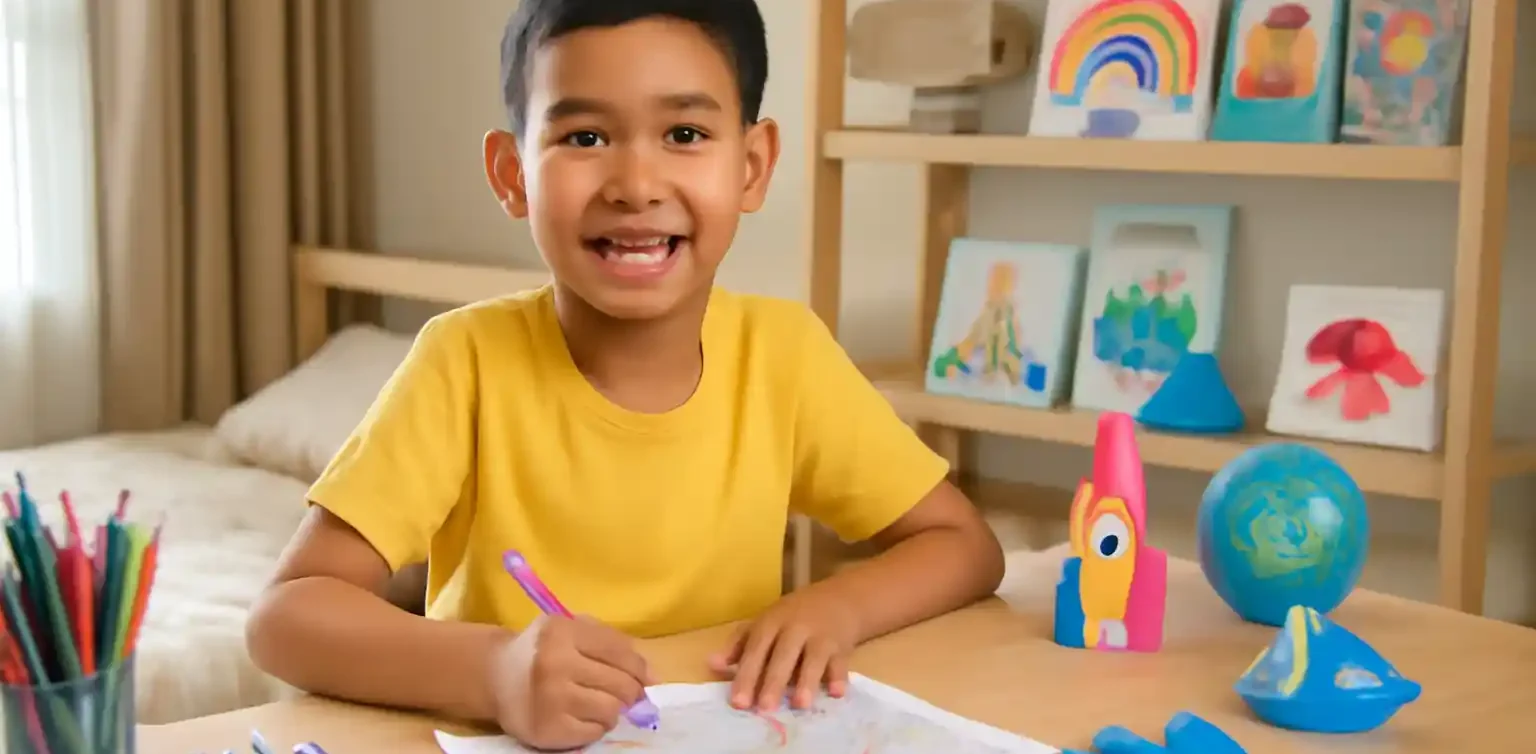
Elementary school is a golden stage where children can absorb new languages more easily. Enrolling them in English Courses for Elementary Kids allows them to build strong foundations in speaking, listening, reading, and writing. Beyond academics, mastering English can also open up wider opportunities both socially and educationally in the future.

Recommended English Courses for Elementary School Kids

Here are some trusted institutions to consider:

1. Timedoor Academy

English Courses for Elementary Kids

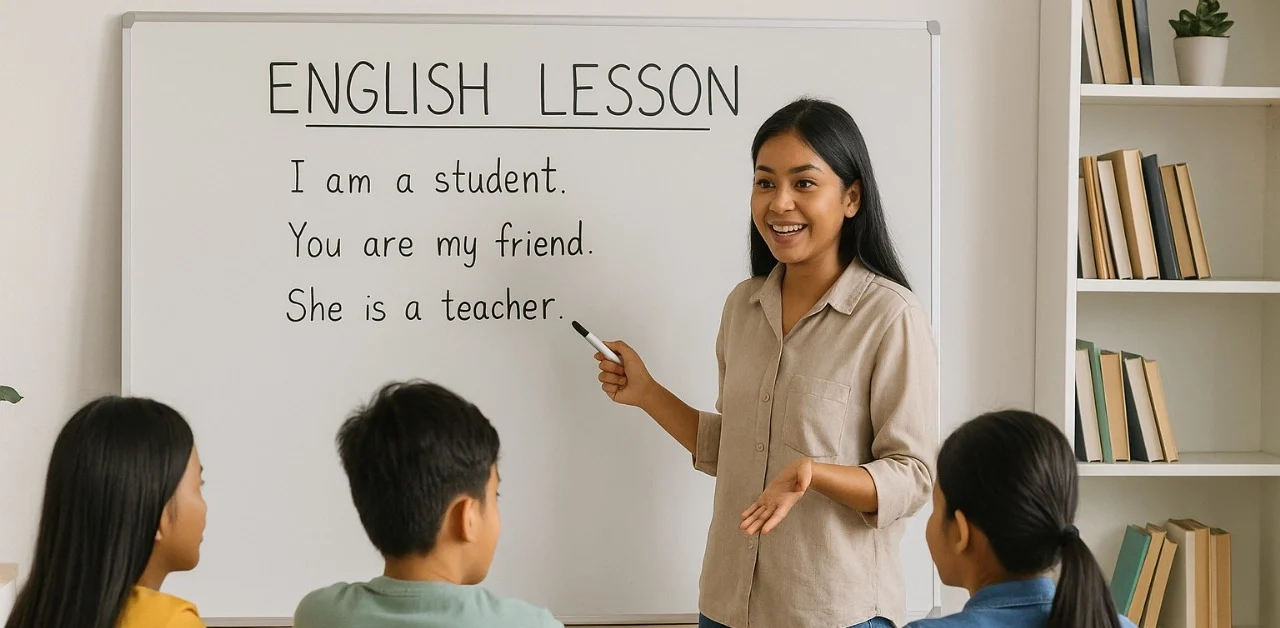
Timedoor Academy offers a modern and child-friendly approach. English Courses for Elementary Kids program is designed with interactive methods, using digital technology that makes learning both fun and engaging. Experienced teachers ensure that children not only memorize but also gain the confidence to communicate naturally.

2. EF (English First)

English Courses for Elementary Kids

EF is a globally recognized language school with a strong reputation. Their specialized kids’ programs follow an international curriculum, supported by small class sizes and highly trained teachers.

3. LIA (Lembaga Indonesia Amerika)

English Courses for Elementary Kids

LIA has long been a popular choice for Indonesian families. Their courses focus on everyday communication, helping children use English more naturally in conversations.

4. Wall Street English Kids

Although better known for adult learners, Wall Street English also provides special programs for kids. Modern facilities and technology-based learning materials make it an appealing choice.

5. Kumon English

Kumon, famous for its math program, also offers English courses. Their approach focuses on reading practice, which is suitable for kids who enjoy literacy-based learning.

6. English Bright Kids

This institution emphasizes fun learning through creative activities. Children learn English via games, songs, and group activities, which keeps them motivated and enthusiastic.

7. IALF (Indonesia Australia Language Foundation)

IALF is a trusted language center with a strong academic reputation. Their children’s program emphasizes active listening and speaking skills in a supportive environment.

Tips for Choosing the Right Course

Before enrolling your child, here are a few things you should take into account:

  • Location should be easily accessible.
  • Curriculum must suit your child’s needs.
  • Learning methods should be enjoyable.
  • Teachers must be certified and experienced.
  • Class size should be small enough for individual attention.

By considering these factors, you can ensure that your child gets the most out of their learning experience.

Register Your Child Now at Timedoor Academy!

Ingin tahu detail program? Image

Ingin tahu detail program?

Choosing English Courses for Elementary Kids is not just about academic performance but also about equipping children with essential communication skills for the future. Each institution above offers unique strengths that may suit different learning styles.

If you’re looking for a modern, interactive, and enjoyable course, Timedoor Academy is an excellent choice.

Sign your child up for a free trial at Timedoor Academy today and let them experience the joy of learning English in a whole new way!


Keep Reading

The Role of Parents in Kids Digital Learning: Practical Tips for 2025
Digital learning is now a core part of how kids learn. Since the pandemic, many have grown used to studying through screens, whether from school platforms or extra classes like coding, languages, or math. But behind the ease of technology, the role of parents in kids digital learning is still key to making learning effective. Some might think digital learning makes kids more independent, but not all are ready to manage time, stay focused, or understand lessons on their own. This is where the role of parents in kids digital learning remains essential. Parents are not just supervisors but active guides who support and respond to their kids’ needs. Setting a Healthy Learning Rhythm Time management is one of the biggest challenges in digital learning. Without a teacher physically present, kids can get distracted easily when learning at home. Parents can help by building a consistent routine that balances study and rest. This structure helps shape responsible habits early. It is one of the simplest ways to support the role of parents in kids digital learning and helps build long-term discipline. Creating a Supportive Learning Space Focus depends a lot on environment. At home, distractions like TV, traffic noise, or a younger sibling playing nearby can make learning harder. Parents should create a quiet, comfortable study spot where kids can focus better. Make sure tools like laptops, headphones, and internet connections are working properly. These technical basics matter more than they seem. Helping with this setup is a key part of the role of parents in kids digital learning at home. Offering Emotional Support Digital learning can feel isolating. Kids may feel stuck, frustrated, or unsure who to talk to when lessons are hard. That is why emotional support is just as important as helping with assignments. Simple questions like “Was today’s class fun?” or “Anything that confused you?” can make a big difference. Being emotionally available is a powerful part of the role of parents in kids digital learning, helping kids stay motivated and confident. Guiding Tech Use with Balance Technology can help learning, but it can also be distracting. Kids might be tempted to play games or watch videos during study time. That is why parents should stay involved by setting rules and limits that feel fair. Use screen timers, focus modes, or parental control tools. More importantly, explain why these rules exist so kids see them as helpful, not harsh. Balanced tech use is part of the role of parents in kids digital learning that keeps learning on track. Becoming a Learning Partner Parents do not have to know everything their kid is learning. Just being involved by listening to a project explanation or joining an online session shows support. Being a learning partner means exploring together and showing real interest. This shared effort makes learning more engaging and strengthens the role of parents in kids digital learning by building trust and motivation. Why Parents Still Matter in Kids' Digital Learning Technology has made learning more flexible, but the role of parents in kids digital learning is still irreplaceable. From setting routines to offering encouragement, parents help make learning not only effective but enjoyable. By staying engaged and present, you give your kid the best chance to succeed. You become the connection between digital tools and real growth. Support Your Kid’s Digital Learning with Timedoor Academy Looking for a better way to support your kid’s learning at home? Timedoor Academy offers fun and interactive online classes in coding, math, and robotics. All programs are designed specifically for kids. Try a free class today and discover how we make your role of parents in kids digital learning easier and more meaningful.
Free Coding Classes: A Golden Opportunity for Kids to Learn Technology in 2025
Free coding classes have become an attractive option for parents who want their children to gain technology skills without spending a lot of money. In today’s digital era, the ability to code or program is essential to master from an early age. This article will discuss why free coding classes are highly needed, the benefits of learning coding from a young age, and how Timedoor Academy offers fun and easy-to-follow free coding programs for children. Why Are Free Coding Classes Important for Kids? Technology has become an essential part of everyday life, especially for children growing up in the digital age. Almost every activity, from learning to entertainment and communication, involves digital technology. Therefore, the ability to understand and use technology—especially coding—has become a mandatory skill that kids need to prepare for the future. Unfortunately, not all parents can afford the often high costs of coding courses. With free coding classes, kids from various socioeconomic backgrounds can enjoy the opportunity to learn coding. This helps open up more equitable access to technology education, so children are no longer held back by financial barriers and can gain important skills for their future. Additionally, free coding classes give kids a chance to familiarize themselves with a technology language that is continuously evolving and serves as the foundation for many future careers. By understanding coding early, children gain a competitive edge as they enter the workforce. Benefits of Learning Coding from an Early Age Learning coding is more than just writing computer programs. The process trains kids to think logically, systematically, and creatively when solving problems. Children who start coding early tend to have better problem-solving abilities because they’re used to breaking down complex problems into smaller parts and solving them step-by-step. Moreover, learning to code helps improve kids’ focus and patience. They must carefully follow step-by-step instructions to make sure their programs run correctly—an excellent habit that benefits them in many areas of life and education. Beyond technical skills, coding builds confidence because children can see the results of their own work, such as simple games, animations, or apps they create. This motivates them to keep learning and innovating. What Does Timedoor Academy Offer in Its Free Coding Classes? Timedoor Academy deeply understands the importance of coding education for children but also recognizes that cost can be a barrier for many parents. That’s why Timedoor Academy provides free coding classes designed specifically for kids, with easy-to-understand materials and an interactive, fun learning approach. These free coding classes don’t just teach basic theory like using block coding and logic; they also encourage kids to create simple, engaging projects. This means children don’t just learn theory—they get hands-on practice, which strengthens their understanding and makes learning more lively. The teachers at Timedoor Academy are professionals experienced in teaching children, so they deliver materials in a language kids easily grasp while creating a comfortable classroom atmosphere. Their kid-friendly methods make learning fun and keep children motivated. Besides free coding classes, Timedoor Academy also offers free trial classes for paid coding programs. These trial classes give kids and parents a chance to experience the teaching method and see if the program suits them before fully committing. How to Join Free Coding Classes at Timedoor Academy Joining Timedoor Academy’s free coding classes is very easy. Parents just need to register through Timedoor Academy’s official website. The registration process is quick and simple, so kids can immediately start learning according to flexible schedules that fit their and their family’s time. Moreover, Timedoor Academy provides responsive support during the learning process. So parents and kids don’t need to worry if they face any difficulties or have questions related to the material. The Role of Parents in Supporting Children’s Coding Learning Parental support plays a crucial role in the success of children learning coding. Parents can help by setting aside special time for kids to focus on coding and by accompanying them while working on coding tasks or projects. Furthermore, parents can discuss the material their kids are learning and how it applies in everyday life. This approach can increase children’s motivation and understanding, making them even more enthusiastic about learning. Parents should also remind children to balance their learning with enough rest so they don’t get tired or bored during the coding learning process. Starting Your Child’s Digital Future with Free Coding Classes Free coding classes provide the best opportunity for children to start learning technology without financial burden. By learning coding from an early age, children get used to thinking critically and creatively, as well as developing problem-solving skills that will be very useful in their future. Timedoor Academy offers fun and interactive free coding classes supported by professional teachers who are experts at teaching kids. Don’t let your child miss out on this valuable opportunity! Register your child now for free coding classes at Timedoor Academy and also take advantage of free trial classes available for paid programs. Give your child the essential digital skills needed to face an increasingly advanced and digital world. Visit Timedoor Academy’s website today and start a fun and rewarding coding learning journey!
Future-Ready Skills: Coding Education for Elementary School Students
In today’s digital era, technology skills are no longer optional but have become essential for the younger generation. Wise parents understand the importance of preparing their children for the future by equipping them with the right knowledge and mindset. One valuable skill to introduce early is coding. Through Coding Education for Elementary School Students, children not only learn how to use technology but also how it truly works. Many parents might wonder if coding is too complicated for young learners. In fact, when taught through interactive and enjoyable methods, children adapt quickly. Coding can be presented like solving puzzles, stacking blocks, or building a story. With the right approach, Coding Education for Elementary School Students becomes accessible and engaging for kids. Why Start Early? Introducing coding at an early age brings multiple benefits. First, children develop logical and structured thinking. When writing code, they learn to arrange steps in order and understand cause-and-effect relationships. Second, coding sparks creativity. Children can design simple games, animations, or applications that reflect their imagination. Third, it fosters persistence. When their programs do not run smoothly, they practice finding solutions until they succeed. Therefore, Coding Education for Elementary School Students is not just about computer knowledge, but also about shaping resilient, creative, and critical thinkers. The Connection Between Coding and Daily Life Coding is not a separate or abstract concept. Children encounter it daily through apps, digital games, and smart devices. By learning coding, they can understand the logic behind these technologies. For example, when playing a game, they can imagine how a character moves because of certain instructions happening in the background. This transforms children from passive consumers into future creators of technology. That is the true value of Coding Education for Elementary School Students compared to simply using gadgets. Challenges and the Role of Parents Of course, introducing coding to children comes with challenges. One of the biggest is keeping the learning process enjoyable. Children can lose focus if the lessons are too complicated or monotonous. This is why teaching methods must be designed specifically for their age group. Parents play a crucial role by providing encouragement and consistent support. Setting aside time, motivating children when they face difficulties, and choosing a trusted learning program are key to success. With proper guidance, Coding Education for Elementary School Students can be a meaningful and sustainable journey. Effective Learning Methods To ensure effective learning, methods must be child-friendly. One popular approach is visual programming, where children use drag-and-drop blocks to create instructions. This helps them grasp the basics without being overwhelmed by complex syntax. Another method is integrating hobbies into coding. A child who enjoys drawing can learn to create simple animations, while a child who loves games can experiment with building their own mini-games. Through these approaches, Coding Education for Elementary School Students feels natural and relevant to their daily experiences. Long-Term Impact The benefits of coding extend far beyond the present. Children who start coding early often perform better in subjects involving logic, such as mathematics and science. Moreover, they will be more competitive in the future as technology continues to shape industries worldwide. In this sense, Coding Education for Elementary School Students is a long-term investment. It nurtures innovative thinking, problem-solving abilities, and adaptability, all of which are essential for thriving in a globalized world. Fun and Safe Coding for Elementary School Kids For parents, introducing coding during the elementary school years is a forward-looking decision. With the right teaching methods, coding can be both fun and educational. Timedoor Academy offers a structured curriculum and experienced tutors to guide children in learning coding interactively and safely. If you want your child to be future-ready with strong digital skills, consider signing them up for a free trial at Timedoor Academy. With creative and enjoyable learning experiences, your child will discover the exciting world of coding while preparing for a brighter future.
float button