Mar 31, 2023

Coding Workshop at SMP Taman Sastra March 2023

Coding Workshop at SMP Taman Sastra March 2023 image

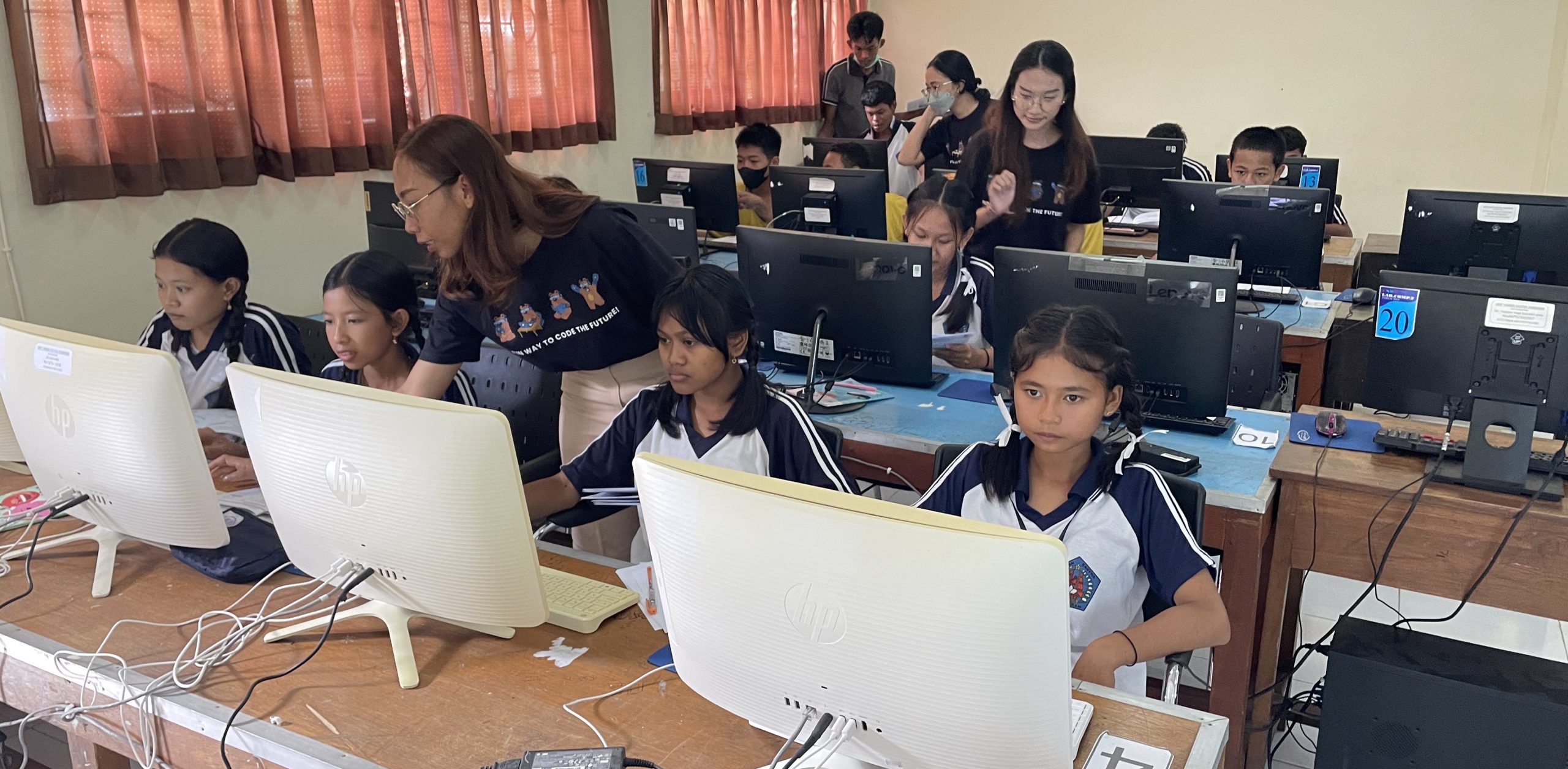
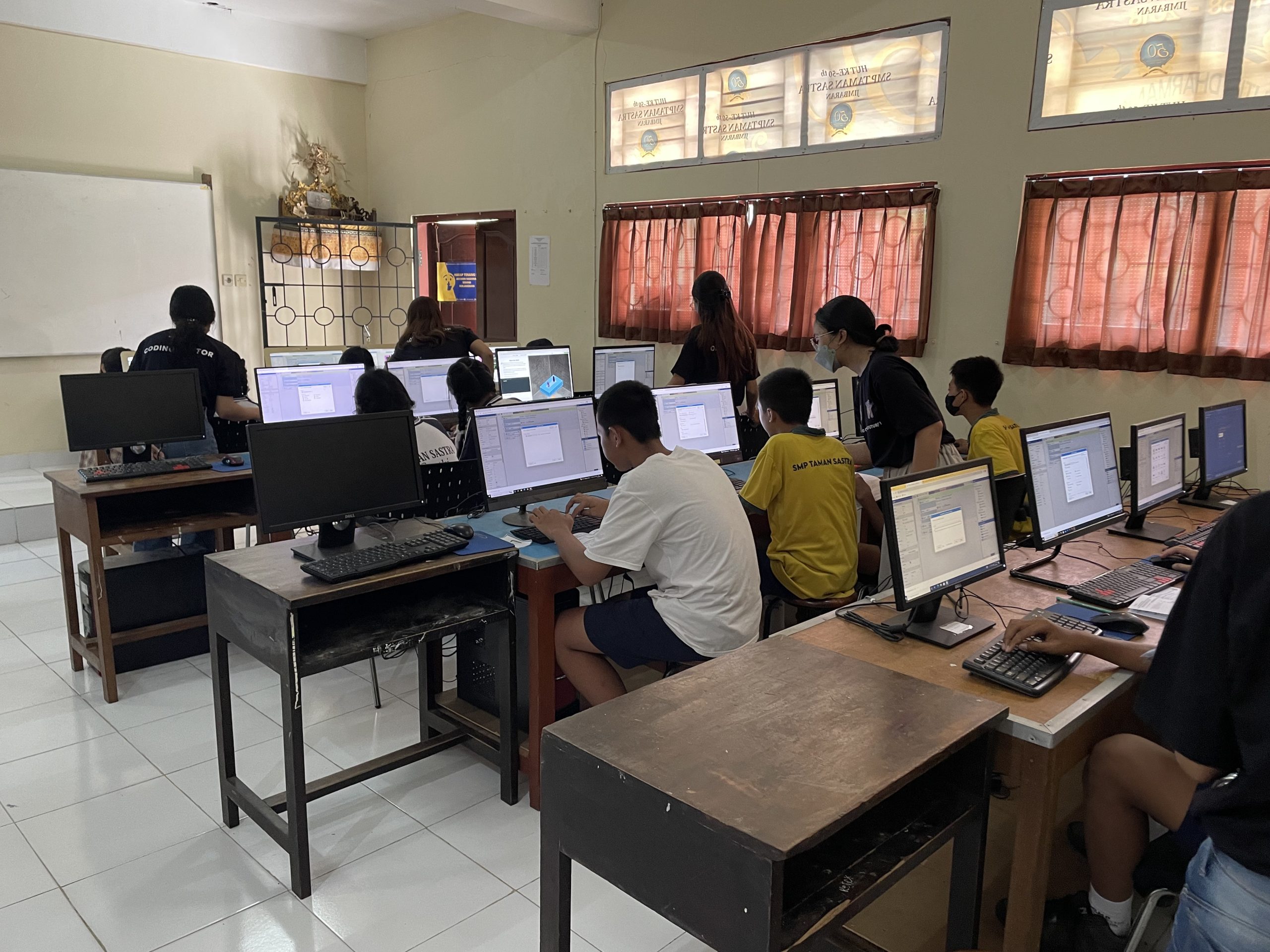
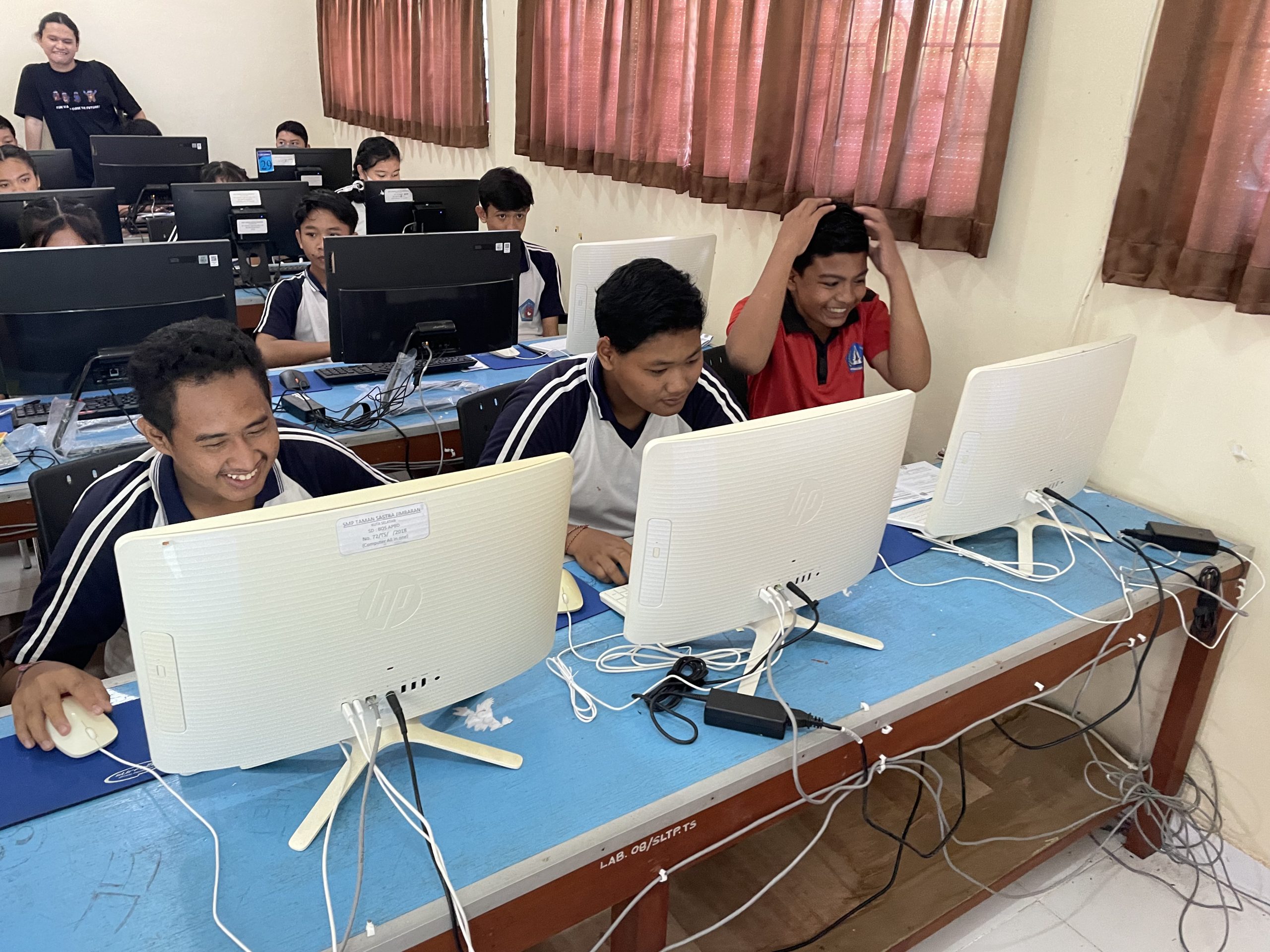
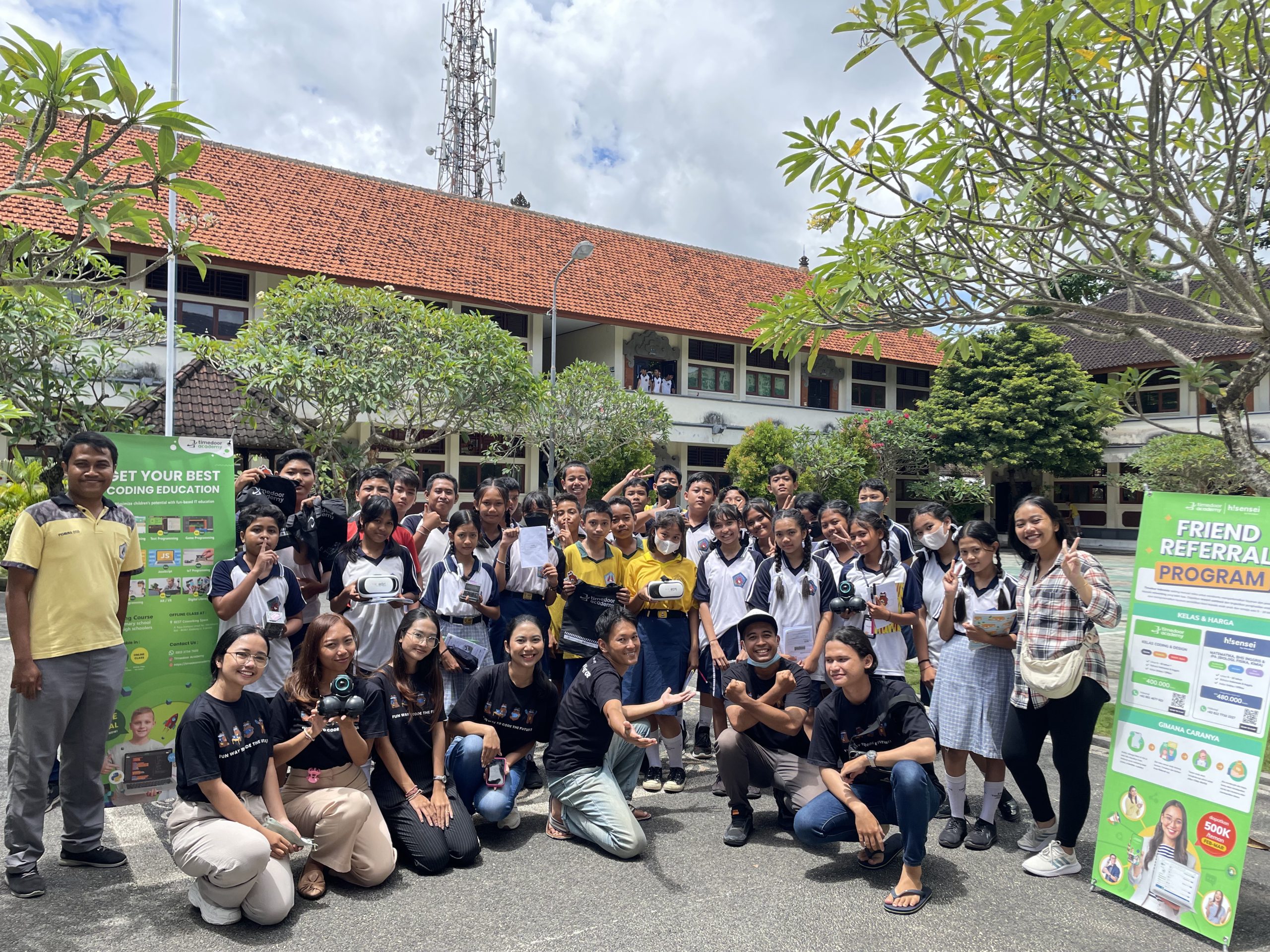
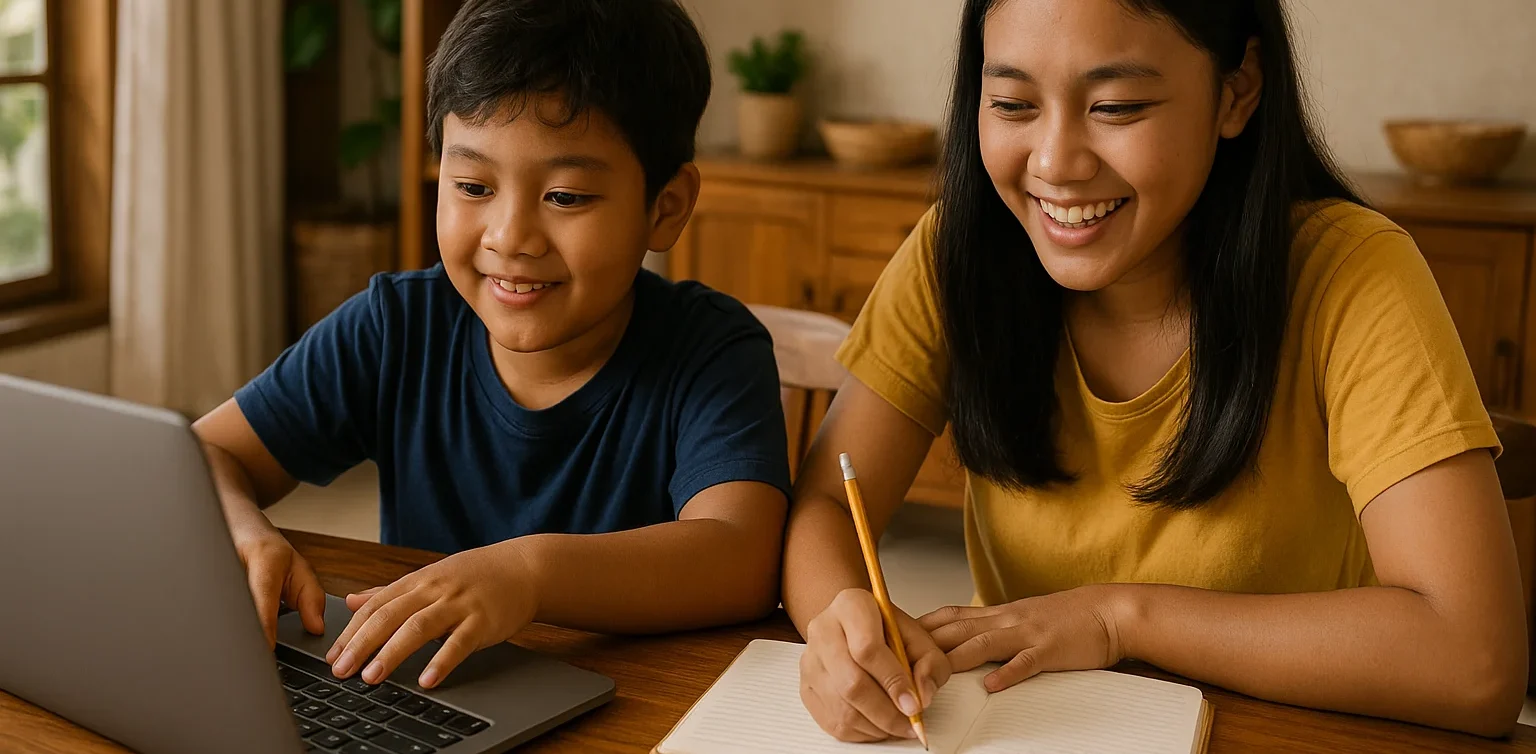
Timedoor Academy just held an educational activity called “Coding Workshop” at Taman Sastra Junior High School in Jimbaran, Bali on Thursday, March 30, 2023. The purpose of this activity was to educate the young generation about the importance of using technology in the modern era. The workshop was a great success and had a positive impact on more than 30 students who attended it.

The activity began by introducing the students to the basics of coding through a game. In this workshop, we learned how to create games, design player characters, and add scores using Construct 3. The students were excited about this workshop, and they were eager to learn more about coding and game design. Furthermore, the students were also introduced to website creation. They were taught the basics of web development and how to create their own website. This workshop was particularly interesting to the students as they were able to see how easy and fun it is to create a website.

For the next activity, the Timedoor Academy team introduced the students to robots, AR, and VR box. The students were able to experience first-hand how these technologies work and how they can be operated. This workshop was intended to raise the students’ enthusiasm for learning IT and coding.

By held such an activity, we believe that learning technology is not only important but also incredibly interesting and fun! Here at Timedoor Academy, we provide you coding workshop and school collaborations such as after-school curricula that can be a fun learning addition for your kids or your students.

Keep Reading

7 Top Dangers of Sweetened Condensed Milk for Children in 2025
Sweetened condensed milk is still widely considered by many parents as a substitute for regular milk or a nutritious drink for kids. Its sweet taste, low price, and appealing packaging often make it seem like a practical choice. However, the dangers of sweetened condensed milk for children are serious and often go unnoticed. Unlike regular milk, sweetened condensed milk is a processed product that is extremely high in sugar and contains very little protein or calcium. It is more accurately categorized as a sugary beverage with a milky flavor. Unfortunately, due to a lack of awareness, the dangers of sweetened condensed milk for children continue to be overlooked, especially in households with limited access to nutrition education. This article outlines seven key dangers of sweetened condensed milk for children that parents must be aware of in order to make healthier choices for their families. 1. Extremely High Sugar Content A single serving of sweetened condensed milk can contain more than 40 percent sugar. Children who consume it regularly are at high risk of excessive sugar intake. This is one of the primary dangers of sweetened condensed milk for children, as it can lead to obesity, tooth decay, and metabolic issues from a young age. 2. Increased Risk of Childhood Diabetes Too much sugar from sweetened condensed milk puts added stress on the pancreas to produce insulin. Over time, this can result in blood sugar regulation problems. One of the more alarming dangers of sweetened condensed milk for children is the rising number of cases of type 2 diabetes found in school-aged kids. 3. Lacks Essential Nutrients Though it may look like milk, the nutritional content of sweetened condensed milk is significantly lower than that of UHT milk or formula. Children need protein, healthy fats, and calcium, all of which are lacking in this product. The danger of sweetened condensed milk for children in this context is that it can make kids feel full without providing the nutrients needed for healthy growth. 4. Develops a Sweet Tooth Drinking sweetened condensed milk regularly can condition children to prefer overly sweet foods. This can lead them to reject healthier options like vegetables or natural foods. One of the dangers of sweetened condensed milk for children is that it creates unbalanced eating habits that are hard to reverse later in life. 5. Digestive Discomfort Some children may experience diarrhea or constipation after consuming large amounts of sweetened condensed milk. Its high sugar and processed fat content can disrupt the balance of gut bacteria. This is one of the more overlooked dangers of sweetened condensed milk for children, but it can significantly affect their daily activities. 6. Causes Tooth Decay Sweetened condensed milk is sticky and tends to cling to teeth. If not brushed away properly, the leftover sugar becomes a breeding ground for cavity-causing bacteria. This danger of sweetened condensed milk for children can manifest quickly, especially if they brush infrequently or still use bottles. 7. Lowers Overall Family Nutrition Quality Many families serve sweetened condensed milk as a daily drink, which can lower the overall standard of nutrition in the household. Children may miss out on better sources of calcium and protein. The dangers of sweetened condensed milk for children go beyond individual health and can negatively impact the entire family’s eating habits. What Can Parents Do? The first step is recognizing that not all milky-looking drinks are healthy for kids. Always read labels, seek reliable information, and consult with a pediatric nutritionist if needed. Replace sugary drinks with water, fresh milk, or natural fruit juices with no added sugar. Guide Children Toward Positive, Productive Activities In addition to managing nutrition, parents can support their children by encouraging activities that promote growth and learning. One excellent option is coding. Coding is not just fun, it also boosts focus, logic, and creativity from an early age. Try a Free Coding Class at Timedoor Academy Timedoor Academy offers free coding classes for children ages 5 to 18. Kids can learn to build games, animations, and digital projects tailored to their age and interests. With project-based learning and the guidance of professional mentors, children will be engaged in creating and thinking, not just consuming screen time. Invite your child to try a free coding class at Timedoor Academy today. Help them build a future that is healthy, smart, and filled with creativity!
aplikasi python untuk anak
10 Best Python Apps for Kids to Learn Coding in 2025
In 2025, programming has become one of the most important skills for children to learn. With the rise of digital education, more parents and educators are introducing coding at an early age. Among the many programming languages, Python stands out for its readability and beginner-friendly structure, making it an ideal language for young learners. Today, there are plenty of Python apps for kids that make learning fun, interactive, and suitable for different age groups. These Python apps for kids are designed to simplify complex concepts and teach children how to think logically and solve problems creatively. Many of these apps use games, animation, and step-by-step challenges to help children build a strong foundation in Python coding. Whether your child is new to programming or already curious about how games and websites work, these apps will help them take their first steps into the world of technology. Here are the 10 best Python apps for kids that you can explore in 2025!   10 Best Python Apps for Kids to Learn Coding in 2025   1. Tynker Focus: Learn Python through games and puzzlesTynker is a highly recommended platform that offers a range of beginner to advanced courses, including Python. Its game-based lessons make learning Python enjoyable for kids and easy for parents to follow. How to Use It: Kids can choose a Python learning path, solve challenges, and build their own mini projects with guided instructions and instant feedback. 2. CodeCombat Focus: Coding adventure game with real Python codeCodeCombat combines learning with adventure. Kids control characters in a game by writing actual Python code. It’s one of the best Python apps for kids who enjoy storytelling and gaming. How to Use It: Children choose their characters, learn spells (code), and battle through levels by solving real coding problems using Python. 3. Trinket Focus: Write and share live Python code onlineTrinket is a coding tool that allows kids to write, run, and share Python code directly from their browser without installing anything. It’s simple and ideal for beginners. How to Use It: Children can explore beginner-friendly Python projects, experiment with code, and instantly see the output. Great for school use or homeschooling. 4. SoloLearn Focus: Mobile learning app for Python basicsSoloLearn is a mobile app that provides bite-sized Python lessons. While it’s suitable for learners of all ages, kids who are in upper elementary or middle school can benefit from its beginner courses. How to Use It: Kids can log in daily, go through short lessons, take quizzes, and interact with a global community of learners. 5. Pythonista (iOS Only) Focus: Real coding in Python for iPad usersPythonista is one of the more advanced Python apps for kids who are ready to try real-world coding environments. It features a full Python IDE on iOS. How to Use It: Young learners can build small apps, run scripts, and explore how Python works on mobile devices. Best for kids with prior coding experience. 6. EduBlocks Focus: Visual to text-based Python codingEduBlocks bridges the gap between block-based coding and text-based Python. It is perfect for transitioning from platforms like Scratch to actual Python code. How to Use It: Kids drag and drop visual blocks that automatically translate into real Python code, helping them understand syntax while building confidence. 7. PyGame Focus: Build games using Python If your child loves gaming, PyGame is one of the most engaging Python apps for kids. It is a set of Python modules used to make video games, and kids can create their own projects from scratch. How to Use It: Children can follow tutorials to build simple games such as pong or snake and then level up to more advanced interactive games. 8. Programming Hero Focus: Gamified learning and storytelling in PythonProgramming Hero teaches Python through colorful storytelling and missions. This makes it a great tool for children who enjoy visuals and creativity. How to Use It: Kids complete quests and unlock achievements while learning Python concepts like variables, loops, and functions in a game-like environment. 9. Blockly for Python Focus: Visual blocks to learn Python syntaxBlockly is a drag-and-drop visual coding app that helps kids learn the syntax of Python before they start writing the actual code. How to Use It: Kids create Python programs by dragging and arranging blocks to represent Python code, gradually transitioning to actual text-based coding. 10. Timedoor Academy’s Python Course for Kids Focus: Structured online classes with live mentorshipTimedoor Academy offers a fun and guided learning experience for kids who want to master Python. Lessons are designed by expert instructors who make programming fun and practical. How to Use It: Kids can join a free trial class, explore Python basics, and build real projects such as games and animations with a mentor’s help.   Why Use Python Apps for Kids? Python apps for kids are more than just learning tools. They are platforms that encourage curiosity, support creativity, and teach valuable skills in problem-solving, logic, and digital literacy. Unlike traditional learning methods, these apps allow children to experiment, make mistakes, and learn through interactive challenges. Python also offers a clean and easy-to-read syntax, which makes it perfect for beginners. Many schools and educators now include Python in their curriculum because it provides a strong foundation for learning other programming languages and STEM subjects in the future. By using Python apps for kids, your child can learn at their own pace, explore their interests, and even develop confidence in tech-related skills that may become essential in their careers later on.   Join a Free Trial with Timedoor Academy Looking for a structured yet fun way to help your child learn Python? Timedoor Academy provides interactive online coding classes that are tailored for kids. With live mentorship and project-based learning, children can build their own games, websites, and animations while learning real Python skills. Try a free trial class today and start your child’s coding journey with one of the best tech education platforms in Asia.
5 Easy Ways in Teaching Kids to Save Money from an Early Age
Teaching kids to save money is one of the most important lessons parents can give. While many focus on academic learning, financial literacy is a life skill that is just as crucial. Instilling habits like saving and managing money early on helps children grow into responsible and independent adults. However, teaching kids how to save is not always easy. It requires fun, age-appropriate methods and plenty of patience. In this article, we’ll explore five practical ways to teach kids to save money in their daily lives. 1. Explain the Value of Money in Simple Terms The first step in teaching kids to save money is helping them understand what money is and how it works. You can start by showing them the difference between coins and bills, and explaining how money is used to buy things and pay for services. Use real-life situations, like shopping, to provide context. For example, tell your child that one ice cream costs around $2, but if they want a toy, they need to save up. Children between the ages of 4 and 7 can begin to understand these concepts better with visual aids or through role-playing games. 2. Teach the Difference Between Needs and Wants Another key lesson in teaching kids to save money is helping them recognize the difference between needs and wants. Needs include essentials like food, clothing, and school supplies. Wants are things like new toys or extra snacks that can be delayed or skipped. When your child asks for something, use the opportunity to talk. Ask them, “Do you need this, or do you just want it?” Over time, kids will learn to think before making purchases and develop a sense of mindful spending. 3. Give Them a Piggy Bank or Open a Savings Account One great way to introduce saving habits is by giving your child a piggy bank or setting up a dedicated children’s savings account. You can encourage them to save part of their pocket money or birthday gifts regularly. For older kids, set simple goals together. If they want a $20 toy, show them how to save $5 per week until they reach it. This approach not only teaches kids to save money but also introduces the idea of goal-setting and planning. 4. Be a Role Model with Your Own Saving Habits Children are natural imitators. They often learn more from what their parents do than what they say. That’s why one of the most effective ways to teach kids to save money is to show them your own responsible habits. Let them see you making a shopping list, comparing prices, or choosing not to buy something that is not necessary. When kids watch their parents make smart financial decisions, they are more likely to adopt the same mindset. 5. Involve Kids in Simple Financial Decisions Including your child in small financial choices at home can help them understand the reasoning behind spending and saving. Let them help you plan meals on a budget or choose between two similar items while grocery shopping. These hands-on experiences not only teach kids how to save money, but also help them build confidence and a sense of responsibility. As they grow older, they’ll be better prepared to handle money independently. Why Saving Habits Matter for Your Child’s Future Teaching children to save is more than just helping them stash away a few coins. It builds character, discipline, and long-term thinking. Kids who learn to delay gratification, set priorities, and understand the value of money early on are more prepared to manage their finances later in life. Saving also teaches children that they cannot always have everything instantly, which is an important life lesson. They learn that effort and planning are key to achieving their goals, whether financial or personal. Saving Is Important, but So Are Digital Skills While saving money is a valuable habit, introducing children to digital skills is also essential. Learning things like coding from a young age helps kids develop logical thinking, creativity, and problem-solving abilities. Timedoor Academy offers fun, interactive online coding classes for kids, making it easy to explore the world of programming in a child-friendly way. Try a free class today at Timedoor Academy!
float button