Apr 28, 2025

How to Build Confidence for Kids: Fun Activities Using Technology and Coding
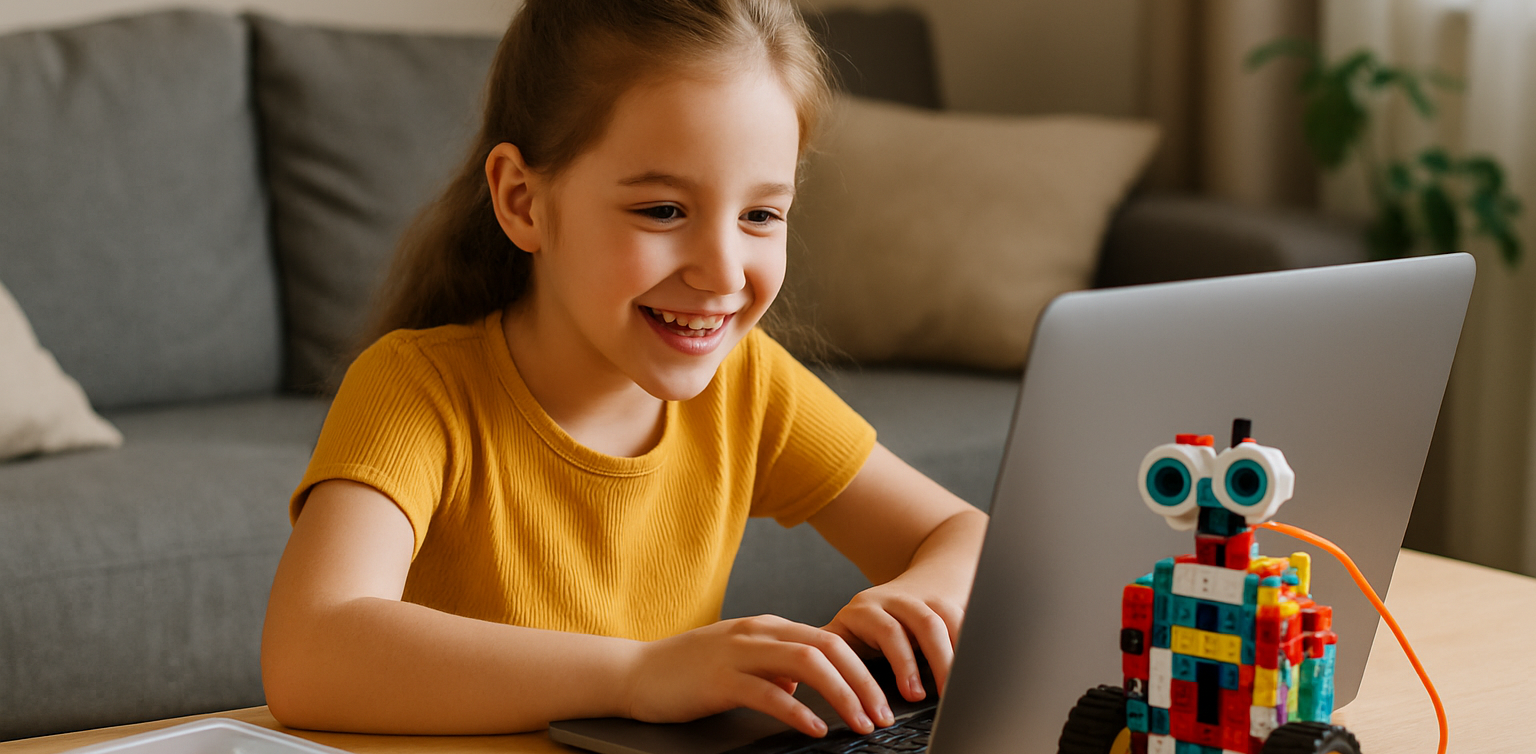
How to Build Confidence for Kids: Fun Activities Using Technology and Coding image

Learning how to build confidence for kids is one of the most important things parents and educators can do today. Confidence helps children try new activities, solve problems, and handle challenges with resilience. When we focus on how to build confidence for kids early, we prepare them to succeed in a rapidly changing, technology-driven world. In this article, we explore practical ways on how to build confidence for kids, especially by introducing technology and coding as fun, valuable tools.

1. Encourage Participation in Sports and Tech Competitions

How to Build Confidence for Kids

One of the proven ways on how to build confidence for kids is through healthy competition. Sports teach teamwork and leadership, while technology competitions like coding contests, robotics challenges, and game design tournaments also foster self-belief and perseverance. Participating in both physical sports and tech-based activities strengthens how to build confidence for kids by showing them their hard work can lead to real achievements, whether on the field or in the digital world.

2. Introduce Creative Arts and Digital Creation

How to Build Confidence for Kids

Creative expression plays a major role in how to build confidence for kids. Traditional arts like painting and music are important, but digital creativity is just as powerful. Kids can design digital art, create animations, or develop their own simple apps. Coding empowers them to build real projects they can proudly share. By blending creative arts with technology, we make how to build confidence for kids even more exciting and relevant to today’s world.

3. Promote Public Speaking and Tech Presentations

How to Build Confidence for Kids

Another essential strategy for how to build confidence for kids is encouraging them to present ideas, especially tech-related projects. Whether it’s demonstrating a coding project, showcasing a simple game they built, or explaining a robotics experiment, these presentations strengthen communication skills. When kids explain technology in their own words, they not only become more confident but also realize the value of their knowledge — an important part of how to build confidence for kids.

4. Teach Coding to Build Problem-Solving Skills

How to Build Confidence for Kids

Teaching coding is a highly effective method on how to build confidence for kids. Through coding, kids learn to break down complex problems, experiment with solutions, and celebrate successes when they see their projects come to life. Every error they fix and every program they build adds to their sense of achievement. Platforms like Scratch, Minecraft Education, and beginner coding classes allow children to experience firsthand how to build confidence for kids in a way that’s fun, interactive, and empowering.

5. Celebrate Tech-Driven Small Achievements

How to Build Confidence for Kids

Celebrating small wins is key to how to build confidence for kids. This could mean finishing their first coding project, debugging a tricky error, or creating their first animation. Recognizing achievements in the tech space shows kids that every step counts. Praising their effort in technology projects builds a habit of perseverance and reinforces how to build confidence for kids even when challenges arise.

6. Provide Leadership Opportunities in Technology

Leadership experiences are essential when thinking about how to build confidence for kids. Letting kids mentor others in coding clubs, lead a small tech workshop, or present a group project boosts their self-esteem and teaches valuable collaboration skills. Being seen as a “tech leader” among their peers strengthens how to build confidence for kids and encourages them to take pride in their abilities.

7. Encourage Independent Tech Projects

Encouraging kids to explore independent technology projects is another way on how to build confidence for kids. Whether it’s coding their own mini-game, building a basic website, or programming a simple robot, independent projects help children develop critical thinking and ownership. Solving problems without heavy adult assistance shows them they are capable and resourceful — a huge part of how to build confidence for kids.

Building Lifelong Confidence Through Technology and Experiences

Understanding how to build confidence for kids means offering opportunities across many areas, especially in the digital world. Technology and coding empower kids to think creatively, solve problems, and take pride in their achievements. Whether it’s through sports, public speaking, creative arts, or tech projects, helping kids see their own potential is crucial. By focusing on how to build confidence for kids early, we prepare them to face the future with strength, curiosity, and joy.

 Image

At Timedoor Academy, we specialize in helping children build confidence through fun coding and technology programs. If you want your child to experience firsthand how to build confidence for kids with exciting tech activities, sign up for a free trial class today!

Keep Reading

<strong>Understanding Learning Disability in Children: Signs, Causes, and How to Handle It</strong>
Understanding Learning Disability in Children: Signs, Causes, and How to Handle It
Every child has their own unique way of learning. However, some children face significant challenges in learning, even when they have access to proper education and support. This condition is commonly referred to as a learning disability in children. It is essential for parents and educators to recognize early signs of this issue so that children can receive the help they need as soon as possible. What Is a Learning Disability in Children? A learning disability in children is a neurological condition that affects how a child processes information. Children with this condition may have difficulty reading, writing, counting, or following instructions. It is not related to intelligence, as many children with learning disabilities have normal or even high IQs. They simply need a different learning approach. There are several types of learning disability in children, including dyslexia (difficulty reading), dyscalculia (difficulty with numbers), and dysgraphia (difficulty writing). Each type presents its own challenges that can affect a child’s academic performance. Signs You Shouldn’t Ignore The signs of a learning disability in children vary depending on the type and severity, but some general indicators include: Struggling to read, spell, or recognize letters despite repeated practice Difficulty following simple instructions or frequently forgetting directions Inconsistent academic performance, especially in language or math subjects Frustration during study time, reluctance to learn, or lack of focus Difficulty expressing ideas in writing If these symptoms persist over time and impact learning progress, parents should consider the possibility of a learning disability in children and consult with a professional. What Causes Learning Disability in Children? The exact causes of a learning disability in children are not fully understood, but several contributing factors are believed to include: Genetics: Children with a family history of learning disabilities are at greater risk. Birth complications: Lack of oxygen at birth or premature delivery may affect brain development. Environmental influences: Exposure to toxins, poor nutrition, or early trauma can increase the risk. Neurological differences: Some children’s brain structures or functions differ slightly, affecting how they absorb information. It is important to understand that a learning disability in children is not caused by laziness or lack of parental care. It is a real condition that requires proper educational support. Supporting Children with Learning Disabilities When a child is diagnosed with a learning disability, the first and most important step is for parents to accept the condition calmly. Emotional support from the family helps build the child’s confidence. Here are a few helpful strategies: Seek professional helpPsychologists or special education therapists can design a learning plan suited to the child’s needs and conduct regular evaluations to track progress. Try alternative learning methodsSome children respond better to visual, auditory, or movement-based teaching. Use multisensory learning tools to make material easier to understand. Create a structured learning routineA consistent schedule and a quiet study environment will help children focus. Reduce distractions that are not related to learning. Make learning fun and interactiveChildren with a learning disability in children often lose motivation easily. Use games, visuals, and videos to keep them engaged. Praise their effort, not just the resultRecognizing small achievements helps boost their confidence. Avoid comparing them to other children. When Should You See a Specialist? If you notice signs of a learning disability in children and have tried different learning approaches with little improvement, it’s time to consult a child psychologist or a certified learning center. Early diagnosis allows for early intervention, leading to better academic and emotional outcomes for your child. Final Thoughts: Discover Their Strengths in Different Ways A learning disability in children may present challenges, but it does not define their future. With the right educational approach, a supportive environment, and emotional guidance, children with learning difficulties can thrive and achieve great things. The key is early detection and consistent support. As an alternative learning method, coding can be a fun and empowering way to develop logic, creativity, and confidence. Timedoor Academy offers free trial coding classes for children to explore the world of technology in a playful and interactive way. Give your child a chance to shine in a different way by registering for a free coding class today.
Membangun Kesehatan Mental Anak Sejak Dini di Era Digital 2025
Building Kids Mental Health Early in the Digital Age of 2025
In today’s fast-moving world, awareness around kids mental health has become more important than ever. Many parents now realize that emotional and psychological well-being is just as essential as physical health. In the digital age, kids are constantly exposed to information, social pressure, and expectations that may affect their mental balance. Recognizing early signs of mental challenges, creating a supportive environment, and guiding children through confidence-boosting activities are crucial steps to protect kids mental health. This article explores the key factors that influence emotional well-being, how to recognize potential warning signs, and practical steps parents can take at home. Why Kids Mental Health Matters Kids mental health affects how children think, feel, and behave on a daily basis. When their emotional well-being is supported, kids are more likely to adapt well to challenges, develop strong relationships, and solve problems effectively. However, if a child experiences ongoing emotional stress without adequate support, the impact can last into adulthood—affecting learning, social life, and even physical health. According to the World Health Organization, one in seven children and adolescents experiences a mental health disorder. This number highlights how essential it is for families to offer a nurturing environment where children feel safe, accepted, and understood. Signs Your Child Might Be Struggling As a parent or educator, recognizing early signs of emotional struggle can make a big difference. Some common indicators include: Sudden mood swings such as frequent anger or unexplained crying Withdrawal from friends, family, or favorite activities Difficulty sleeping or recurring nightmares Decreased concentration or loss of motivation Physical complaints like headaches or stomachaches without a medical cause Of course, not all behavioral changes mean your child has a serious problem. But if these signs persist and interfere with daily life, it’s best to consult with a mental health professional. The Parent’s Role in Supporting Kids Mental Health Parents play a central role in creating a safe, loving, and open environment. One of the most effective ways to support kids mental health is through healthy communication. Listen without judgment, ask caring questions, and create space for your child to express their emotions in a healthy way. It’s also important for parents to model good emotional habits. The way you manage stress, resolve conflicts, and balance daily life serves as a powerful example for your child. Positive Activities to Strengthen Mental Well-Being There are many simple activities that families can do together to support kids mentally and emotionally, such as: Spending time outdoors, giving kids space to explore and release energy Engaging in arts and crafts like drawing, dancing, or building things Encouraging journaling or storytelling as a way to process emotions Teaching mindfulness techniques like breathing exercises or light meditation Exploring new skills like coding, which helps build confidence and logical thinking At Timedoor Academy, we believe that digital education like coding doesn’t just develop technical skills—it also supports kids emotionally. Completing a small coding project can give children a sense of pride and achievement, making a real difference in their overall emotional growth. Creating Balanced Routines at Home A well-balanced daily routine is another key to maintaining kids mental health. Make sure your child has time not just for learning, but also for play, rest, and social interaction. Avoid overloading them with academic pressure, and allow space for relaxation and hobbies they genuinely enjoy. Also, limit excessive exposure to social media or overwhelming digital content. Guide your child toward age-appropriate, educational, and positive media. Always try to be present when they use digital devices. Taking Action: Support Starts at Home Building and maintaining kids mental health is not a quick fix—it’s an ongoing process that requires attention, patience, and consistency. With a loving home environment, healthy communication, and positive activities, parents can help kids grow into emotionally strong and resilient individuals. If you’re looking for a fun yet meaningful way to support your child’s development, interactive coding classes at Timedoor Academy could be a great fit. Our programs are designed not only to educate but also to build confidence through hands-on learning. Sign up today and try a free coding class and see how technology can play a role in nurturing your child’s emotional and mental growth!
Future-Ready Skills: Coding Education for Elementary School Students
In today’s digital era, technology skills are no longer optional but have become essential for the younger generation. Wise parents understand the importance of preparing their children for the future by equipping them with the right knowledge and mindset. One valuable skill to introduce early is coding. Through Coding Education for Elementary School Students, children not only learn how to use technology but also how it truly works. Many parents might wonder if coding is too complicated for young learners. In fact, when taught through interactive and enjoyable methods, children adapt quickly. Coding can be presented like solving puzzles, stacking blocks, or building a story. With the right approach, Coding Education for Elementary School Students becomes accessible and engaging for kids. Why Start Early? Introducing coding at an early age brings multiple benefits. First, children develop logical and structured thinking. When writing code, they learn to arrange steps in order and understand cause-and-effect relationships. Second, coding sparks creativity. Children can design simple games, animations, or applications that reflect their imagination. Third, it fosters persistence. When their programs do not run smoothly, they practice finding solutions until they succeed. Therefore, Coding Education for Elementary School Students is not just about computer knowledge, but also about shaping resilient, creative, and critical thinkers. The Connection Between Coding and Daily Life Coding is not a separate or abstract concept. Children encounter it daily through apps, digital games, and smart devices. By learning coding, they can understand the logic behind these technologies. For example, when playing a game, they can imagine how a character moves because of certain instructions happening in the background. This transforms children from passive consumers into future creators of technology. That is the true value of Coding Education for Elementary School Students compared to simply using gadgets. Challenges and the Role of Parents Of course, introducing coding to children comes with challenges. One of the biggest is keeping the learning process enjoyable. Children can lose focus if the lessons are too complicated or monotonous. This is why teaching methods must be designed specifically for their age group. Parents play a crucial role by providing encouragement and consistent support. Setting aside time, motivating children when they face difficulties, and choosing a trusted learning program are key to success. With proper guidance, Coding Education for Elementary School Students can be a meaningful and sustainable journey. Effective Learning Methods To ensure effective learning, methods must be child-friendly. One popular approach is visual programming, where children use drag-and-drop blocks to create instructions. This helps them grasp the basics without being overwhelmed by complex syntax. Another method is integrating hobbies into coding. A child who enjoys drawing can learn to create simple animations, while a child who loves games can experiment with building their own mini-games. Through these approaches, Coding Education for Elementary School Students feels natural and relevant to their daily experiences. Long-Term Impact The benefits of coding extend far beyond the present. Children who start coding early often perform better in subjects involving logic, such as mathematics and science. Moreover, they will be more competitive in the future as technology continues to shape industries worldwide. In this sense, Coding Education for Elementary School Students is a long-term investment. It nurtures innovative thinking, problem-solving abilities, and adaptability, all of which are essential for thriving in a globalized world. Fun and Safe Coding for Elementary School Kids For parents, introducing coding during the elementary school years is a forward-looking decision. With the right teaching methods, coding can be both fun and educational. Timedoor Academy offers a structured curriculum and experienced tutors to guide children in learning coding interactively and safely. If you want your child to be future-ready with strong digital skills, consider signing them up for a free trial at Timedoor Academy. With creative and enjoyable learning experiences, your child will discover the exciting world of coding while preparing for a brighter future.
float button