Jul 09, 2025

7 Top Real Dangers of Roblox for Kids in 2025

7 Top Real Dangers of Roblox for Kids in 2025 image

Roblox has quickly become one of the most popular online games among children today. With its open-world design and endless possibilities for creating and playing games within the platform, it offers a fun and imaginative space for kids. But behind its colorful charm, parents need to be aware of the very real dangers of Roblox for kids that often go unnoticed.

As an open and user-driven platform, Roblox allows players to interact, build content, and explore virtual worlds freely. Unfortunately, that same freedom also creates potential risks that can impact a child’s emotional, mental, and social well-being. Below are seven critical dangers of Roblox for kids that every parent should understand to better protect their child.

1. Exposure to Age-Inappropriate Content
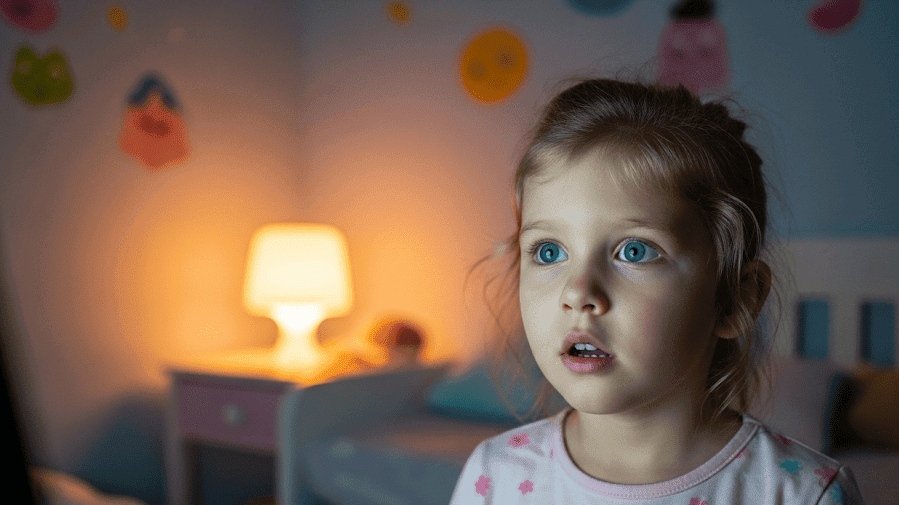
dangers-of-roblox-for-kids-2025

Although Roblox has parental controls and age restrictions, many games are created by users and don’t go through strict moderation. This can expose children to violence, harsh language, or mature themes. One of the most concerning dangers of Roblox for kids is how easily this content can influence their thoughts, speech, and behavior if not properly monitored.

2. Unsafe Online Chat Features

Roblox includes chat functions that allow players to talk with others. Without restrictions, children may engage with strangers who could have bad intentions. In some instances, these chats have led to cyberbullying or inappropriate conversations. This makes the chat feature one of the more hidden yet dangerous dangers of Roblox for kids.

3. Risk of Gaming Addiction

Roblox’s constantly evolving content and variety of mini-games make it highly addictive. Many children find themselves playing for hours without a break, leading to less time for schoolwork, sleep, and physical activity. One of the long-term dangers of Roblox for kids is the disruption of a healthy daily routine and the decline of important real-world habits.

4. In-App Purchases and Digital Spending

bahaya roblox untuk anak

While Roblox is free to download and play, it includes in-app purchases through its virtual currency, Robux. Kids may not fully understand the value of money and might make accidental purchases, sometimes using their parents’ payment methods. This financial risk is another example of the underestimated dangers of Roblox for kids.

5. Online Predators and Stranger Danger

Some online predators disguise themselves as friendly players and use Roblox to connect with children. Over time, they may ask for personal information or manipulate trust. Among the most serious dangers of Roblox for kids is the possibility of them falling victim to online grooming or exploitation.

6. Decreased Interest in Physical and Social Activities

Spending too much time on Roblox can lead to children losing interest in physical play or socializing with friends and family. Over time, this withdrawal can slow down their social development. One of the behavioral dangers of Roblox for kids is the reduction in offline experiences that build empathy, communication, and social skills.

7. Distraction from Learning and Lower Academic Focus

Kids who spend too much time playing Roblox may struggle to concentrate in school. They often think about the game even during study time and may become restless or disinterested in learning. This drop in focus and motivation is a clear warning among the many dangers of Roblox for kids that affect their educational progress.

What Can Parents Do?

Rather than banning Roblox completely, a more effective approach is to guide your child’s digital use. Set clear screen time limits, use parental controls, and have open conversations about the dangers of Roblox for kids. It’s also a good idea to offer healthier tech-based alternatives that are just as fun, but more beneficial.

One such activity is learning to code. Instead of just playing games, children can explore how games are made, which builds logic, creativity, and self-confidence.

Try a Free Coding Class at Timedoor Academy

Ingin tahu detail program? Image

Ingin tahu detail program?

Timedoor Academy offers free coding classes for children aged 5 to 18. With a project-based learning method and a fun, age-appropriate curriculum, kids get to create games, animations, and digital projects while learning valuable problem-solving skills.

Guided by professional mentors, children can shift from being passive users of tech to creative thinkers and builders. Let’s help kids grow in a safe and inspiring digital space. Sign your child up today for a free coding class at Timedoor Academy!


Keep Reading

Pemrograman Java untuk anak SMA
Java Programming for High School Students: Unlock the World of Coding
In today's fast-paced, technology-driven world, programming skills have become essential for young minds. For high school students looking to dive into the world of coding, Java programming for high school students is an excellent starting point. Java is one of the most widely used programming languages, known for its versatility, reliability, and ease of learning. It is used in everything from mobile apps to large-scale enterprise applications. Whether your child is interested in creating mobile games, building websites, or exploring artificial intelligence, Java programming for high school students provides a solid foundation. In this article, we will explore the importance of Java programming for high school students, how it can benefit their future, and why enrolling in a Java programming class for high school students is a smart choice. Why Java Programming is a Great Choice for High School Students Java programming for high school students offers a wide range of advantages for young learners: Universal Language: Java is a language that can run on any platform without needing to be re-written, which is known as its platform independence. This means students can write code once and run it anywhere, whether on Windows, macOS, or Linux. This cross-platform compatibility is a big advantage for aspiring developers. Foundation for Other Languages: Learning Java programming for high school students provides a strong foundation for other programming languages. Once students are comfortable with Java, transitioning to other languages like Python, C++, or JavaScript becomes much easier. Java introduces students to core programming concepts such as variables, loops, conditionals, and object-oriented programming. Job Opportunities: Java programming for high school students is one of the most in-demand skills in the job market. By learning Java early on, students set themselves up for future opportunities in fields such as software development, game design, web development, and even machine learning. Problem-Solving Skills: Java programming for high school students helps develop logical thinking and problem-solving skills. By learning to write code, students practice breaking down problems into manageable pieces and finding efficient solutions. These skills are not only valuable for coding but also essential in various other aspects of life. Real-World Applications: Java is used in numerous industries, from finance to entertainment. It powers Android mobile apps, large-scale enterprise systems, cloud-based applications, and much more. By learning Java programming for high school students, they gain exposure to real-world applications and can apply their knowledge to projects with practical uses. Benefits of Java Programming for High School Students Enrolling in a Java programming class for high school students can provide several key benefits: Structured Learning Path: While there are plenty of online tutorials and resources available, taking a formal Java programming class for high school students provides a structured approach. Students learn from experienced instructors who guide them through the fundamentals and advanced topics, ensuring they build a strong understanding of the language. Hands-On Experience: Programming is best learned through practice. Java programming classes for high school students typically involve hands-on coding exercises, allowing students to apply their knowledge in real-time. Whether it's building a simple calculator or creating a basic game, students get to experience the thrill of bringing their ideas to life. Access to Expert Guidance: Learning a programming language can be challenging, especially for beginners. Having access to expert instructors in a classroom setting allows students to ask questions, get feedback, and receive help when they encounter difficulties. This can boost their confidence and keep them motivated throughout the learning process. Collaborative Environment: Many Java programming classes for high school students encourage teamwork and collaboration. Students often work on group projects, where they can learn from one another, share ideas, and tackle challenges together. Collaboration enhances their communication skills and prepares them for future careers that require teamwork. Portfolio Building: One of the most valuable aspects of taking a Java programming class for high school students is the opportunity to build a programming portfolio. Students can showcase their projects, whether it's a simple game or a web application, to potential employers or universities. A strong portfolio can set them apart from others in the competitive tech industry. What Students Will Learn in Java Programming Classes A typical Java programming class for high school students covers a wide range of topics, including: Introduction to Java: Students learn the basics of Java programming for high school students, including how to install and set up the Java development environment. They'll also learn about the syntax of Java and how to write simple programs. Variables and Data Types: Students learn how to use variables to store data and how to work with different data types such as integers, strings, and booleans. They'll also learn how to perform operations on variables. Control Flow: Students are introduced to control flow concepts such as conditionals (if-else statements) and loops (for, while), which help in making decisions and repeating actions within a program. Object-Oriented Programming (OOP): One of the key features of Java is its object-oriented nature. Students learn how to create and work with classes and objects, which is essential for developing complex applications. Functions and Methods: Students learn how to define and call functions (or methods) to perform specific tasks within their programs. This is essential for organizing code and making programs more efficient. Arrays and Collections: Students learn how to store and manage collections of data, such as arrays and lists, which are essential for building more advanced programs. Exception Handling: Java programming classes for high school students introduce students to the concept of error handling, teaching them how to anticipate and manage potential errors in their programs. GUI Development: Students may also learn the basics of creating graphical user interfaces (GUIs), allowing them to build user-friendly applications with buttons, text fields, and other interactive elements. Project Development: As a final step, students often work on a larger project, applying everything they've learned to create a complete Java application. This could be a simple game, a calculator, or a more complex system. Why Timedoor Academy’s Java Programming Class Is Perfect for High School Students At Timedoor Academy, we offer Java programming classes for high school students specifically designed to help young learners succeed. Our classes provide a well-rounded curriculum that covers everything from the basics to advanced topics. Our experienced instructors are passionate about teaching and helping students succeed, and our hands-on approach ensures that students gain practical coding experience. We believe in making coding fun and accessible, and our classes are designed to engage students with interactive lessons, real-world projects, and collaborative work. Whether your child is new to programming or has some experience, our Java programming classes for high school students will help them develop their coding skills and prepare them for future success in the tech industry. The Power of Java Programming for High School Students Java programming for high school students is a valuable skill that can open doors to numerous career opportunities in the technology field. By enrolling in a Java programming class for high school students, they gain a solid foundation in coding that can serve as a stepping stone for future endeavors. The skills they acquire will not only help them in their academic journey but also prepare them for a bright future in the ever-evolving world of technology. Start your child’s coding journey today with Timedoor Academy in free trial class and watch them unlock their potential in the world of programming!
Pengumuman Resmi Penghargaan Holiday Camp Juni - Juli 2025
Official Announcement of Holiday Camp Awards June to July 2025
Holiday Camp 2025 was successfully held from June 9 to July 11, 2025, with over 500 participants from all over Indonesia!This year was even more special with the launch of a new program: English Camp, which made the learning experience even more fun and comprehensive. The 5-day Holiday Camp at Timedoor Academy was designed for students who wanted to learn coding or design based on their interests. Various programs were available, such as Python Development, Roblox Development, Artificial Intelligence, UI/UX Design, and Comic Making. With guidance from professional instructors and exciting, challenging projects, participants were able to improve their digital skills according to the subject they chose. Today, we are proud to announce the participants who are entitled to receive awards for Best Project and Best Participant.Please see the list of winners below: JUNIOR ANIMATOR CATEGORY PARTICIPANT’S NAME BRANCH Best Project Rafie Dhanapati Tang Jambi Best Participant Adifa Khairisa Hamdel Pekanbaru JUNIOR 3D GAME CATEGORY PARTICIPANT’S NAME BRANCH Best Project Albercio Javier Zafran Green Lake City Best Participant Feni Chandra Kirana Cikarang JUNIOR CONSTRUCT CATEGORY PARTICIPANT’S NAME BRANCH Best Project Aira Meta Letisha Jambi Best Participant Raditya Alvarendra Ramadhan Cikarang KIDS CONSTRUCT BEGINNER + WEBSITE CATEGORY PARTICIPANT’S NAME BRANCH Best Project Komang Tribuana Devi Danu Asri Gatsu Bali Best Participant Nyoman Ngurah Reyndra Devananta Gatsu Bali KIDS MACHINE LEARNING CATEGORY PARTICIPANT’S NAME BRANCH Best Project Altair Jordan Wiryadhika Palembang Best Participant Nathanael Gusti Ngurah Gyanendra Raditya Cikarang KIDS ANDROID APP DEVELOPER CATEGORY PARTICIPANT’S NAME BRANCH Best Project Andi Kayla Fatmah Jambi Best Participant Marvella Alexa Jambi KIDS ROBLOX FIND THE PIZZA (V1 & V2) CATEGORY PARTICIPANT’S NAME BRANCH Best Project Joanna Glory Celia Tampubolon Pontianak Best Participant Mikaela Larasatiningrum Widharto Cikarang KIDS PYTHON CATEGORY PARTICIPANT’S NAME BRANCH Best Project Muhammad Nabhan Rinaldi Makassar Best Participant Dhiyo Lucas Iswantoro Manado KIDS AI DEVELOPER CATEGORY PARTICIPANT’S NAME BRANCH Best Project Rafael Lorenzo Citraland Best Participant Felix Parulian Kurniawan Online ID TEENS PHASER CATEGORY PARTICIPANT’S NAME BRANCH Best Project I Putu Abyakta Dhika Kurniawan Renon Best Participant Addo Darian Peejaya Renon TEENS WEB DEVELOPER CATEGORY PARTICIPANT’S NAME BRANCH Best Project Quraisy Aqila Rafif Cikarang Best Participant Awwalun Tangguh Firjatullah Citraland TEENS ROBLOX NEVERLAND SURVIVAL (V1 & V2) CATEGORY PARTICIPANT’S NAME BRANCH Best Project Rafael Geovanni Kelapa Gading Best Participant Ignasius Tristan Widharto Cikarang TEENS PYTHON CATEGORY PARTICIPANT’S NAME BRANCH Best Project Arkaan Fatih Safaraz Pekanbaru Best Participant M. Izyan Adly A Gayungan TEENS APP DEV CATEGORY PARTICIPANT’S NAME BRANCH Best Project Vannesa Feryan William Medan Maimun Best Participant TEENS AI DEV CATEGORY PARTICIPANT’S NAME BRANCH Best Project Udara Alouin Arauna Situngkir Kelapa Gading Best Participant Callie Angeline Sutanto Online ID  TEENS IoT CATEGORY PARTICIPANT’S NAME BRANCH Best Project Darren Hanzel Kelapa Gading Best Participant Jonathan Isaac Santoso Citraland  COMIC KIDS CATEGORY PARTICIPANT’S NAME BRANCH Best Project Alyaa Kunaziza Werdaya Online ID Best Participant Malika Della Sachanda Online ID  COMIC TEENS CATEGORY PARTICIPANT’S NAME BRANCH Best Project Arisha Qurrotua'yunina Online ID Best Participant Raphaella Generosa Simanjuntak Gatsu Bali  DESIGN ANIMATION CATEGORY PARTICIPANT’S NAME BRANCH Best Project Amos Gracio Immanuel Harapan Indah Bekasi Best Participant Regina Sayo Harapan Indah Bekasi  UI/UX APPS CATEGORY PARTICIPANT’S NAME BRANCH Best Project Sherin Magdalena langelo Cikarang Best Participant Daffa Muhammad Cikarang ENGLISH CAMP CATEGORY PARTICIPANT’S NAME BRANCH Best Participant I Gede Bagus Aksara Abinaya Gatsu Bali
<strong>Top 5 Love Language in Children and How to Understand Them in 2025</strong>
Top 5 Love Language in Children and How to Understand Them in 2025
Every child has a unique way of feeling and receiving love from their parents. Some feel deeply cared for through hugs, while others light up when given quality time or small gifts. This is what we call the love language in children — the main way they recognize affection and connection from the people closest to them. Understanding the love language in children is key to building a strong and secure bond. Sometimes, even when parents feel they’ve done everything right, their child may still seem distant or unsatisfied. In many cases, it's not about doing more, but about expressing love in the way the child truly understands. Here are the five types of love language in children and how to recognize and respond to them. 1. Physical Touch For children whose love language in children is physical touch, simple acts like hugs, kisses, or holding hands carry deep emotional meaning. These children feel safe and loved when their parents are physically present and affectionate. You’ll often find them climbing into laps, cuddling during storytime, or reaching for your hand even in small moments. To connect with them, try starting and ending the day with a hug, offer a gentle pat on the back for encouragement, or simply hold their hand while walking together. These gestures can mean more than a thousand words. 2. Words of Affirmation Children with this love language in children respond strongly to kind, encouraging words. Phrases like “I’m proud of you,” “You did great,” or “I appreciate your help” fill their emotional tank quickly. These children are likely to light up when praised and often repeat words that meant something to them. If this sounds like your child, make an effort to offer sincere praise, both verbally and through small notes. Your words can build their confidence and sense of self-worth in powerful ways. 3. Quality Time If your child frequently asks you to play, talk, or spend time together, they may have a love language in children that centers on quality time. These kids don’t need expensive toys or grand gestures — they simply want your full attention. Put your phone down, turn off the TV, and engage in activities they enjoy. Whether it's drawing, baking together, or just chatting before bed, what matters most is your undivided presence. 4. Receiving Gifts Some children feel most loved when they receive something tangible, even something small. It could be a favorite snack, a hand-drawn card, or a flower picked from the yard. For children with this love language in children, gifts represent love, attention, and thoughtfulness. Watch how your child reacts when they receive something. Do they treasure it for days or show it to everyone? These signs may indicate that small, meaningful tokens help them feel valued and remembered. 5. Acts of Service Children with this love language in children feel loved when others help them. It could be tying their shoelaces, fixing a broken toy, or assisting with homework. These acts of care show the child that someone is paying attention to their needs and willing to support them. Pay attention to how your child reacts when you help without being asked. A bright smile or a sigh of relief may mean they see these acts not as obligations, but as signs of deep love. Why Understanding the Love Language in Children Matters When parents understand the love language in children, emotional connections grow stronger. Communication becomes more meaningful, and children are less likely to feel ignored or misunderstood. They become more secure, open, and confident in expressing themselves. By tuning in to your child's emotional needs, you're not just parenting — you're building a relationship that lasts a lifetime. Encourage Healthy Growth Through Positive Activities One way to express love meaningfully is to support your child's development with fun and enriching activities. In today’s digital world, introducing your child to something like coding is a smart step. It’s fun, engaging, and helps them build logic and confidence. At Timedoor Academy, your child can try a free coding class tailored to their age and learning style. With hands-on projects and interactive lessons, children learn to solve problems creatively and collaborate effectively. Let them explore technology in a positive way that supports both their emotional and intellectual growth.
float button