Apr 21, 2025

10 Best Python Apps for Kids to Learn Coding in 2025
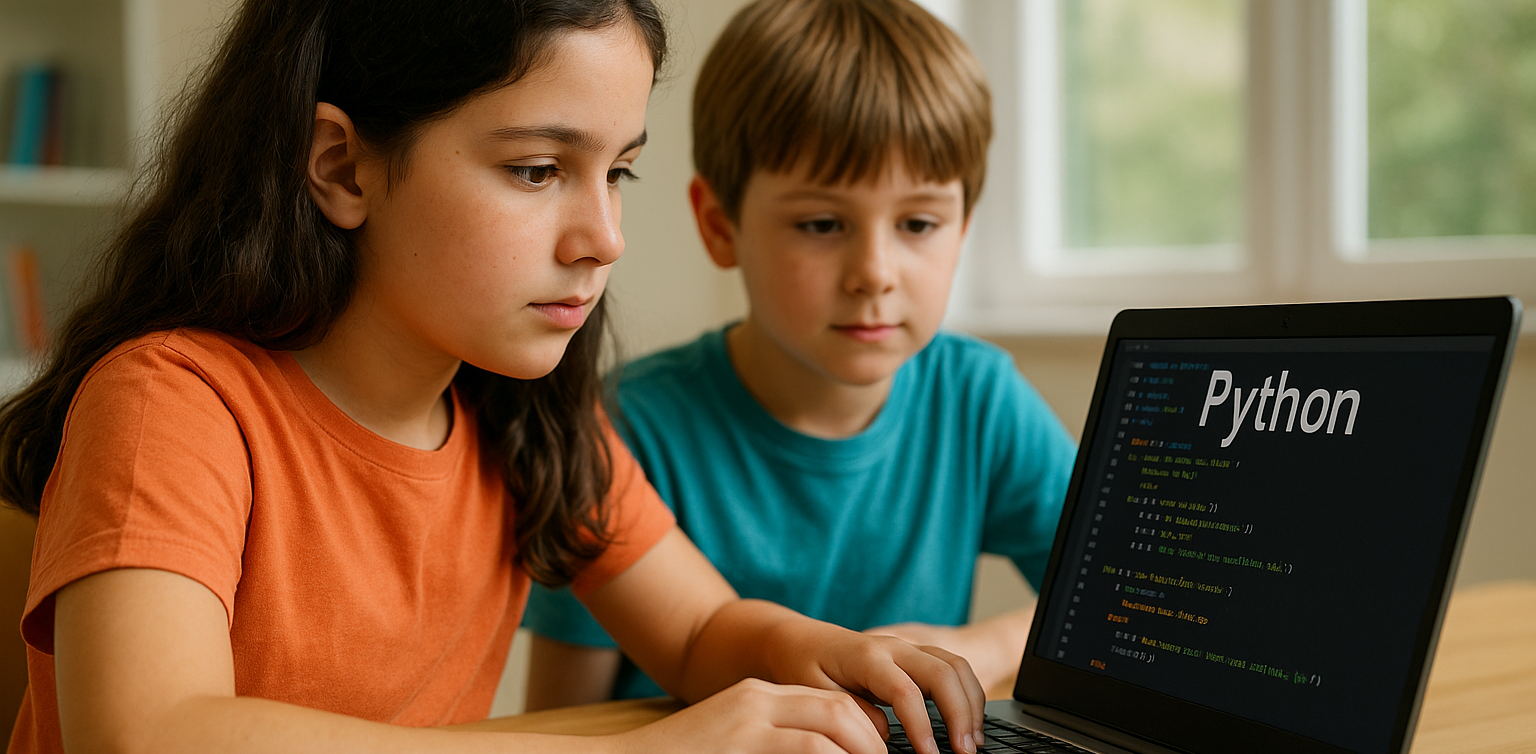
10 Best Python Apps for Kids to Learn Coding in 2025 image

In 2025, programming has become one of the most important skills for children to learn. With the rise of digital education, more parents and educators are introducing coding at an early age. Among the many programming languages, Python stands out for its readability and beginner-friendly structure, making it an ideal language for young learners. Today, there are plenty of Python apps for kids that make learning fun, interactive, and suitable for different age groups.

These Python apps for kids are designed to simplify complex concepts and teach children how to think logically and solve problems creatively. Many of these apps use games, animation, and step-by-step challenges to help children build a strong foundation in Python coding. Whether your child is new to programming or already curious about how games and websites work, these apps will help them take their first steps into the world of technology.

Here are the 10 best Python apps for kids that you can explore in 2025!

10 Best Python Apps for Kids to Learn Coding in 2025

1. Tynker
python apps for kids

Focus: Learn Python through games and puzzles
Tynker is a highly recommended platform that offers a range of beginner to advanced courses, including Python. Its game-based lessons make learning Python enjoyable for kids and easy for parents to follow.

How to Use It: Kids can choose a Python learning path, solve challenges, and build their own mini projects with guided instructions and instant feedback.

2. CodeCombat

Focus: Coding adventure game with real Python code
CodeCombat combines learning with adventure. Kids control characters in a game by writing actual Python code. It’s one of the best Python apps for kids who enjoy storytelling and gaming.

How to Use It: Children choose their characters, learn spells (code), and battle through levels by solving real coding problems using Python.

3. Trinket

Focus: Write and share live Python code online
Trinket is a coding tool that allows kids to write, run, and share Python code directly from their browser without installing anything. It’s simple and ideal for beginners.

How to Use It: Children can explore beginner-friendly Python projects, experiment with code, and instantly see the output. Great for school use or homeschooling.

4. SoloLearn

Focus: Mobile learning app for Python basics
SoloLearn is a mobile app that provides bite-sized Python lessons. While it’s suitable for learners of all ages, kids who are in upper elementary or middle school can benefit from its beginner courses.

How to Use It: Kids can log in daily, go through short lessons, take quizzes, and interact with a global community of learners.

5. Pythonista (iOS Only)

Focus: Real coding in Python for iPad users
Pythonista is one of the more advanced Python apps for kids who are ready to try real-world coding environments. It features a full Python IDE on iOS.

How to Use It: Young learners can build small apps, run scripts, and explore how Python works on mobile devices. Best for kids with prior coding experience.

6. EduBlocks

Focus: Visual to text-based Python coding
EduBlocks bridges the gap between block-based coding and text-based Python. It is perfect for transitioning from platforms like Scratch to actual Python code.

How to Use It: Kids drag and drop visual blocks that automatically translate into real Python code, helping them understand syntax while building confidence.

7. PyGame

Focus: Build games using Python If your child loves gaming, PyGame is one of the most engaging Python apps for kids. It is a set of Python modules used to make video games, and kids can create their own projects from scratch.

How to Use It: Children can follow tutorials to build simple games such as pong or snake and then level up to more advanced interactive games.

8. Programming Hero

Focus: Gamified learning and storytelling in Python
Programming Hero teaches Python through colorful storytelling and missions. This makes it a great tool for children who enjoy visuals and creativity.

How to Use It: Kids complete quests and unlock achievements while learning Python concepts like variables, loops, and functions in a game-like environment.

9. Blockly for Python

Focus: Visual blocks to learn Python syntax
Blockly is a drag-and-drop visual coding app that helps kids learn the syntax of Python before they start writing the actual code.

How to Use It: Kids create Python programs by dragging and arranging blocks to represent Python code, gradually transitioning to actual text-based coding.

10. Timedoor Academy’s Python Course for Kids
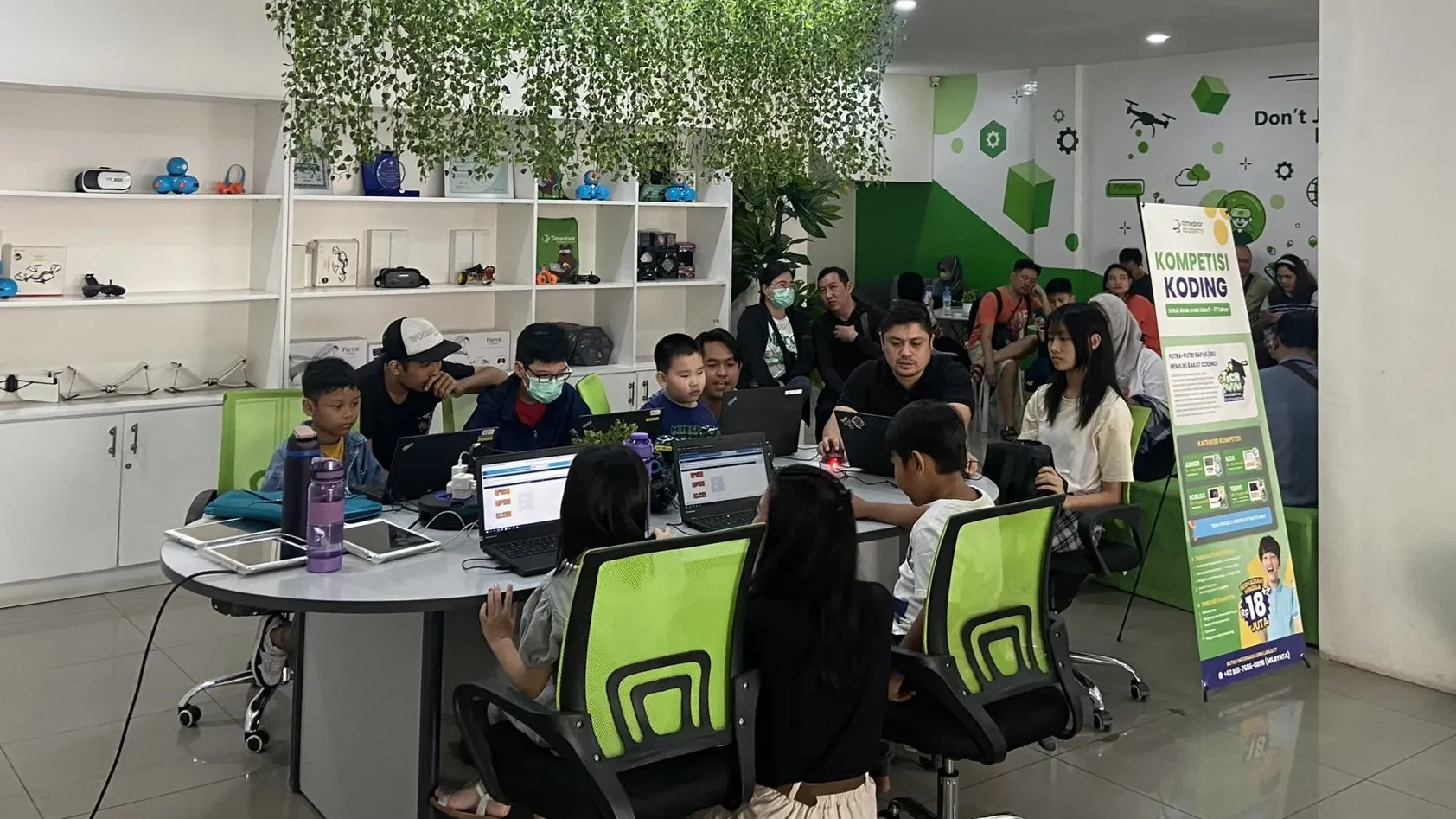
Focus: Structured online classes with live mentorship
Timedoor Academy offers a fun and guided learning experience for kids who want to master Python. Lessons are designed by expert instructors who make programming fun and practical.

How to Use It: Kids can join a free trial class, explore Python basics, and build real projects such as games and animations with a mentor’s help.

Why Use Python Apps for Kids?

Python apps for kids are more than just learning tools. They are platforms that encourage curiosity, support creativity, and teach valuable skills in problem-solving, logic, and digital literacy. Unlike traditional learning methods, these apps allow children to experiment, make mistakes, and learn through interactive challenges.

Python also offers a clean and easy-to-read syntax, which makes it perfect for beginners. Many schools and educators now include Python in their curriculum because it provides a strong foundation for learning other programming languages and STEM subjects in the future.

By using Python apps for kids, your child can learn at their own pace, explore their interests, and even develop confidence in tech-related skills that may become essential in their careers later on.

Join a Free Trial with Timedoor Academy

 Image

Looking for a structured yet fun way to help your child learn Python? Timedoor Academy provides interactive online coding classes that are tailored for kids. With live mentorship and project-based learning, children can build their own games, websites, and animations while learning real Python skills.

Try a free trial class today and start your child’s coding journey with one of the best tech education platforms in Asia.

Keep Reading

5 Top Recommended Children Books for Kids Ages 5–10
Choosing recommended children books for kids ages 5–10 is a wonderful way to nurture their love for reading and support their personal growth. Reading does much more than entertain. It helps develop imagination, empathy, curiosity, and problem-solving skills. In this digital age, making recommended children books a regular part of your child’s life can have a lasting positive impact on their development. Of course, not every book will fit every child’s needs. Parents should look for stories with clear, engaging language, relatable themes, and illustrations that spark interest. With so many options available, it can be tough to choose the right titles. Below are five recommended children books that have earned worldwide popularity and are ideal for children ages 5 to 10. These selections are both enjoyable and educational, making them excellent companions for your child’s reading journey. 1. “The Tale of Peter Rabbit” by Beatrix Potter A true classic among recommended children books, “The Tale of Peter Rabbit” has been loved by generations. The story follows the adventures of Peter Rabbit, a curious and mischievous bunny who gets into trouble in Mr. McGregor’s garden. Children are gently introduced to important lessons about listening, making choices, and facing the consequences of their actions. The charming watercolor illustrations and timeless story make this book a favorite for bedtime or early readers. 2. “Where the Wild Things Are” by Maurice Sendak Among the most imaginative and beloved recommended children books is “Where the Wild Things Are.” It tells the story of Max, a spirited boy whose adventure with wild creatures leads him to discover the comfort of home and the power of imagination. The expressive illustrations and creative storyline help children process their feelings and encourage them to dream big. This book is perfect for sparking conversations about emotions and the magic of storytelling. 3. “Charlotte’s Web” by E.B. White “Charlotte’s Web” is an essential pick for families searching for recommended children books with depth and heart. This classic novel tells the touching tale of Wilbur, a pig, and Charlotte, a wise and caring spider who devises a clever plan to save her friend. The themes of friendship, loyalty, and the natural cycles of life are explored in gentle, thoughtful ways. Reading this book together provides parents and children with opportunities to discuss empathy, kindness, and courage. 4. The “Magic Tree House” Series by Mary Pope Osborne If you’re looking for recommended children books that blend adventure and learning, the “Magic Tree House” series is an excellent choice. Jack and Annie, the main characters, travel through time and around the world, exploring history, science, and culture. Each book presents a new topic, from ancient Egypt to dinosaurs, in a format that is accessible and engaging for young readers. Short chapters and lively illustrations make these books ideal for independent reading or reading aloud together. 5. “The Day the Crayons Quit” by Drew Daywalt & Oliver Jeffers A creative modern addition to the list of recommended children books is “The Day the Crayons Quit.” Through witty letters written by a box of crayons to their owner, this book encourages kids to appreciate different perspectives and to think outside the box. The humor, clever illustrations, and unique characters inspire creativity and understanding. This story is both fun and thought-provoking, perfect for children with active imaginations. Tips to Grow a Reading Habit in Children Ages 5–10 To make the most of these recommended children books, parents can use a few simple strategies: Set aside a daily reading time, such as before bed or after dinner. Allow your child to pick out books that match their interests, even if it means rereading favorites. Visit libraries or bookstores together and make reading an exciting shared activity. Talk about the stories you read and ask questions to encourage discussion and deeper thinking. Keep reading enjoyable and pressure-free, creating positive memories around books. With encouragement and the right approach, your child can become a confident reader who loves to discover new worlds and ideas. Connecting Reading and Digital Skills In addition to introducing recommended children books, parents should also help their children develop important digital skills like coding and logical thinking. A balanced approach to literacy and technology will prepare children for a future full of opportunities. Reading helps grow imagination and comprehension, while coding develops critical thinking and problem-solving abilities. If you want your child to gain both literacy and digital skills, consider enrolling them in a free trial coding class at Timedoor Academy. With engaging, age-appropriate lessons, your child can enjoy learning about technology while still developing a passion for books. Visit Timedoor Academy’s website to find out more about this fun and valuable learning experience.
<strong>The Importance of Tutoring for Children: An Investment in Their Educational Future</strong>
The Importance of Tutoring for Children: An Investment in Their Educational Future
Tutoring for children has become an increasingly popular method of supplementary education among parents in Indonesia. This activity not only helps children catch up on school subjects but also provides a fun and interactive learning experience. The importance of tutoring for children is now widely recognized as an integral part of supporting both academic and personal development. Academic Benefits of Tutoring One of the main reasons parents choose tutoring is to improve their child’s understanding of school subjects. With guidance from experienced tutors, children can revisit concepts they have not fully understood and deepen their knowledge. The importance of tutoring for children in academic terms is also reflected in enhanced problem-solving skills, stronger fundamentals in mathematics, and improved language proficiency. Children who regularly attend tutoring sessions tend to be more confident when facing exams or completing school assignments. Developing Discipline and Study Habits Beyond academic advantages, tutoring also helps children develop discipline and regular study habits. A consistent tutoring schedule teaches children how to manage their time, prioritize tasks, and focus on their learning. The importance of tutoring for children extends beyond academic achievement to character development, fostering responsibility and self-discipline from an early age. Tutoring as a Platform for Creativity and Skills Tutoring is not limited to core subjects such as mathematics or languages. Many tutoring programs now offer creative classes, such as coding, arts, music, or science experiments. These activities provide children the opportunity to explore their talents and interests. The importance of tutoring for children in this context is evident in their ability to develop creativity, critical thinking, and problem-solving skills. Children who are encouraged to learn creatively often adapt better to different situations and challenges. Encouraging Independence Tutoring also plays a role in fostering independence. During sessions, children are encouraged to complete tasks on their own with appropriate guidance from their tutors. This approach helps children learn to take responsibility for their own learning. The importance of tutoring for children in promoting independence lays the foundation for building confidence, resilience, and decision-making skills. The Role of Parents The success of tutoring is closely linked to the involvement of parents. Support, motivation, and effective communication between parents and tutors can greatly enhance a child’s learning experience. Parents who actively participate in their child’s education provide positive reinforcement and encourage continuous growth. The importance of tutoring for children becomes more meaningful when parents actively support this additional learning at home. Choosing the Right Tutoring Program Not all tutoring programs are equal in quality. Selecting the right program that aligns with a child’s needs is essential. Parents should consider the teaching methods, tutor experience, facilities, and approaches that allow children to learn comfortably. The importance of tutoring for children also depends on how well the program matches the child’s learning style, making the experience both effective and enjoyable. Register your child at Timedoor Academy now! Overall, tutoring for children offers numerous benefits, from improved academic performance and discipline to enhanced creativity, independence, and character development. The importance of tutoring for children continues to grow as educational demands become more complex and children need to be prepared for the future. By selecting the right program and actively supporting their child’s learning, parents can ensure that children gain the maximum benefit from every tutoring session. To provide the best learning experience for your child, Timedoor Academy offers engaging and effective tutoring programs. Sign up now for a free trial and witness firsthand how your child can thrive in a supportive, creative, and interactive learning environment. Take this opportunity to support your child’s educational journey in a way that is both enjoyable and structured.
How to Help Kids Stay Focused While Studying at Home in 2025
Many parents struggle with children who find it hard to stay focused while studying at home. School assignments pile up, but their attention often drifts elsewhere — whether to gadgets, television, or simply daydreaming. This situation can be frustrating for parents. That is why it is important to understand how to help kids stay focused while studying with realistic and effective approaches. This article will explore the common reasons why children struggle with concentration and offer practical strategies that parents can apply at home. With simple yet targeted steps, parents can help build better study habits and support their child's focus.   Why Do Kids Struggle to Focus While Studying? Before diving into how to help kids stay focused while studying, it is essential to understand the root causes. Several common factors can affect a child's ability to concentrate: Disruptive EnvironmentNoise from the television, younger siblings playing, or constant gadget notifications can easily distract children during study time. Lack of Interest in the SubjectWhen learning materials feel boring or irrelevant, it becomes difficult for kids to stay engaged and focused. Poor Timing for StudyingForcing children to study when they are tired, hungry, or mentally drained will only make it harder for them to concentrate. Age-Appropriate Attention SpanEvery child has a different capacity for concentration, especially at a young age. Sometimes, parents expect too much in this regard. Early Habit of MultitaskingChildren who are used to playing games while watching videos or listening to music may struggle to develop the ability to focus on a single task.   Practical Ways to Help Kids Stay Focused While Studying at Home Once you understand the underlying issues, here are some practical steps on how to help kids stay focused while studying: 1. Create a Comfortable and Distraction-Free Study Space Ensure your child has a dedicated study area that is well-lit, quiet, and free from distractions like television or unnecessary gadgets. 2. Adjust Study Time to Match Their Rhythm Pay attention to when your child is most alert and ready to learn, such as after a nap or a healthy breakfast. Avoid study sessions when they are visibly tired. 3. Break Study Time into Short, Manageable Sessions Younger children are more likely to stay focused with 20 to 30-minute study sessions, followed by short breaks. This helps maintain their concentration without overwhelming them. 4. Use Interactive Learning Methods Switch from monotonous study routines to more engaging approaches. Visual aids, educational games, and hands-on activities can make learning more interesting. 5. Support Without Hovering Be present to guide your child without micromanaging. Give them space to try solving tasks on their own and step in only when they truly need help. 6. Appreciate Effort, Not Just Results Recognize and praise your child's effort to focus, no matter how small. Emphasizing the learning process rather than only the final outcome encourages a healthier attitude toward studying.   How Coding Can Help Improve Kids' Focus One effective way to help kids stay focused while studying is by introducing them to coding activities. Learning to code teaches children how to break down problems into smaller, manageable steps. This process helps develop focus, logical thinking, and patience. Coding is often presented in the form of interactive games, making it fun and engaging for children. Without realizing it, they practice maintaining concentration and structured thinking — skills that are valuable not only for school but also for everyday life.   The Key: Consistency and Patience Helping kids stay focused while studying is a gradual process. There are no instant solutions. Consistency and patience from parents are crucial in developing better learning habits. Every child learns at their own pace, so it is important for parents to adjust their approach to fit their child's personality. It is natural for children to get bored, frustrated, or easily distracted. However, with the right support and strategies, they can gradually build stronger focus without feeling pressured.   From Struggling to Focus to Becoming Independent Learners Dealing with a child who struggles to stay focused while studying is not easy. But with patience, the right approach, and continuous encouragement, parents can help their children develop better concentration skills. Creating a conducive learning environment, understanding the child's needs, and choosing engaging study methods are essential steps in this journey. In addition, activities like learning coding can serve as an effective way to train children’s focus and logical thinking. Coding teaches them to solve problems step by step and stay patient throughout the process. Timedoor Academy offers free coding trial classes for children, designed with fun and easy-to-follow methods. Enroll now and help your child become more focused and engaged in their learning journey.
float button