Apr 10, 2025

DIY Coding Projects You Can Do with Your Kids at Home – Fun & Creative Learning Together!
DIY Coding Projects You Can Do with Your Kids at Home – Fun & Creative Learning Together! image

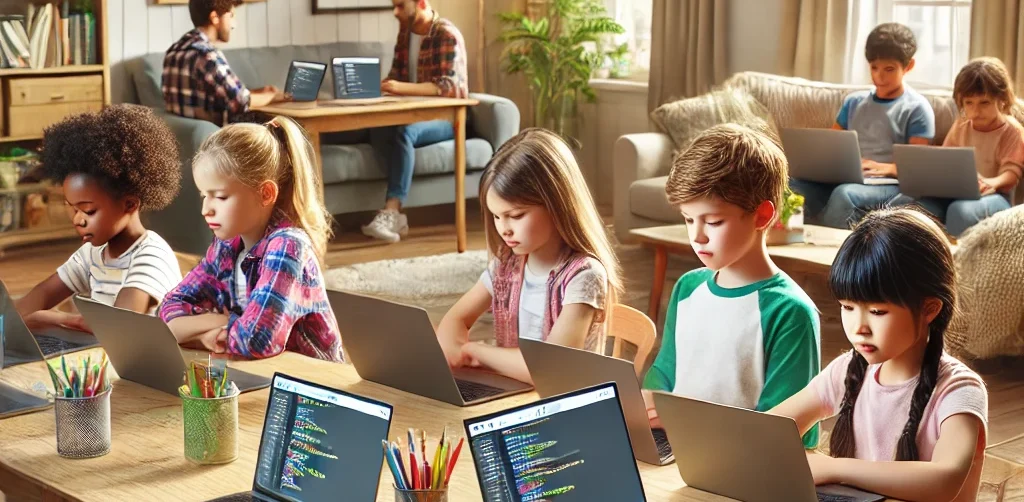
If your kids are fascinated by the world of technology, they’ll be excited to explore coding and create something they can interact with. And guess what? Coding isn’t as intimidating as it may seem! It’s a fun and educational learning experience that both you and your kids can enjoy together.

At Timedoor Academy, we believe in the power of hands-on learning. DIY coding projects not only teach kids essential coding skills but also spark creativity, problem-solving, and teamwork. Why not dive into the world of coding and engage your child in exciting learning activities today?

To get started, we’ve compiled a list of fun coding activities that are perfect for kids aged 6 to 12. Let’s make learning and coding an adventure right at home!

1. Create a Simple Animation Using Scratch Learning by Coding

Scratch is a beginner-friendly visual programming language that allows kids to create their own stories, games, and animations. This coding tool uses blocks of code that kids can drag and drop, making it easy to build interactive projects.

Project Idea:

• Create a simple animation where characters move across the screen or interact with one another. For example, you can create a story where a cat talks to a dog, or have a dancing sprite!

Why It’s Great?

• Scratch teaches kids basic concepts like sequencing, loops, and event handling. Plus, it’s a fun way to let their imagination run wild!

2. Build Your Own Interactive Coding Website with HTML & CSS Learning
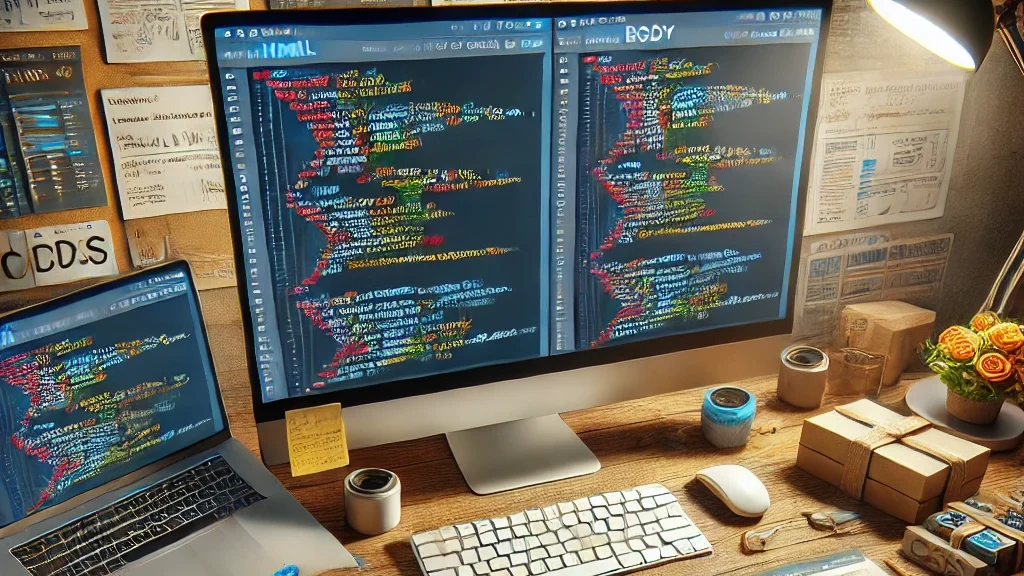
Want to introduce your child to the world of web development? Start with the basics of HTML (the structure of websites) and CSS (the styling). These simple tools lay the foundation for most websites and are an excellent way to teach coding while building something tangible.

Project Idea:

• Help your child design their first interactive website—perhaps a personal homepage, a family blog, or a site about their favorite hobbies. Add fun elements like color changes, buttons, and images to make it unique!

Why It’s Great?

• HTML and CSS are easy to learn and give kids a sense of accomplishment once they see their website live. It’s also a practical skill that could inspire future web development projects.

3. Create a Virtual Pet Game with Scratch or Python Coding Learning
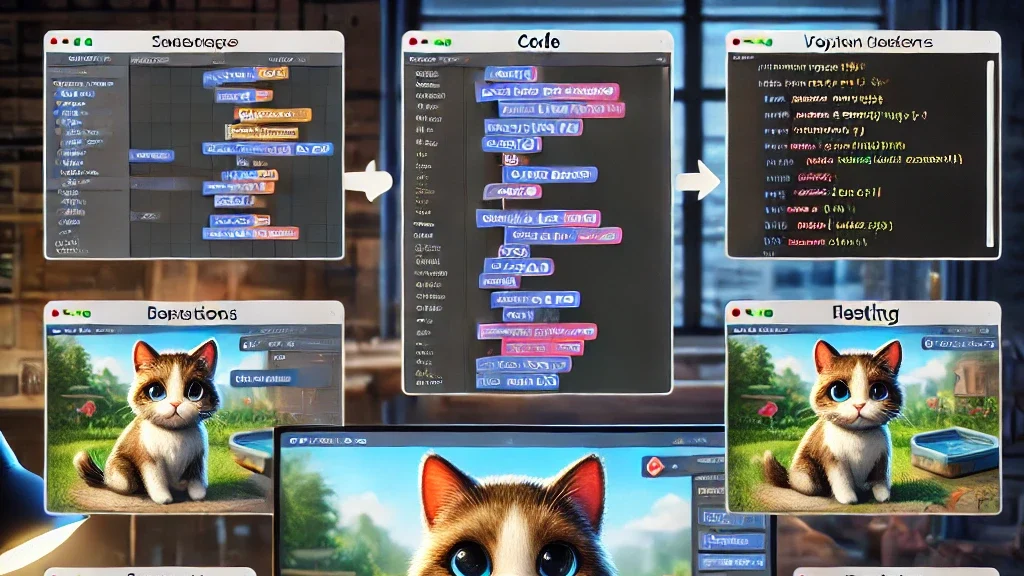
For a more advanced project, you can introduce your child to a text-based or graphical game. You can either start with Scratch for a simpler, drag-and-drop experience or move to Python for a more detailed, code-based game.

Project Idea:

• Make a simple virtual pet game where players can feed, play with, and take care of their pet. The game could involve a timer for pet care and scoring points for actions completed correctly.

Why It’s Great?

• This project teaches game design, logic, and conditionals (e.g., “If you feed the pet, it gets happier”). It’s a perfect introduction to more complex programming concepts, all while having fun creating a game!

4. Make a Digital Art Project by Coding with Tynker Learning

Tynker is another great coding platform that teaches kids how to code using fun, interactive lessons. It’s perfect for visual learners and offers a wide range of activities, including digital art creation.

Project Idea:

• Use Tynker to create your own digital drawing or animation. You can have your child make a picture come to life by using basic coding blocks to animate shapes or objects.

Why It’s Great?

• Tynker makes learning coding feel like a creative art project. It’s also a wonderful way for children to combine their interest in drawing with coding!

5. Make a DIY Robot with Coding Kits Learning
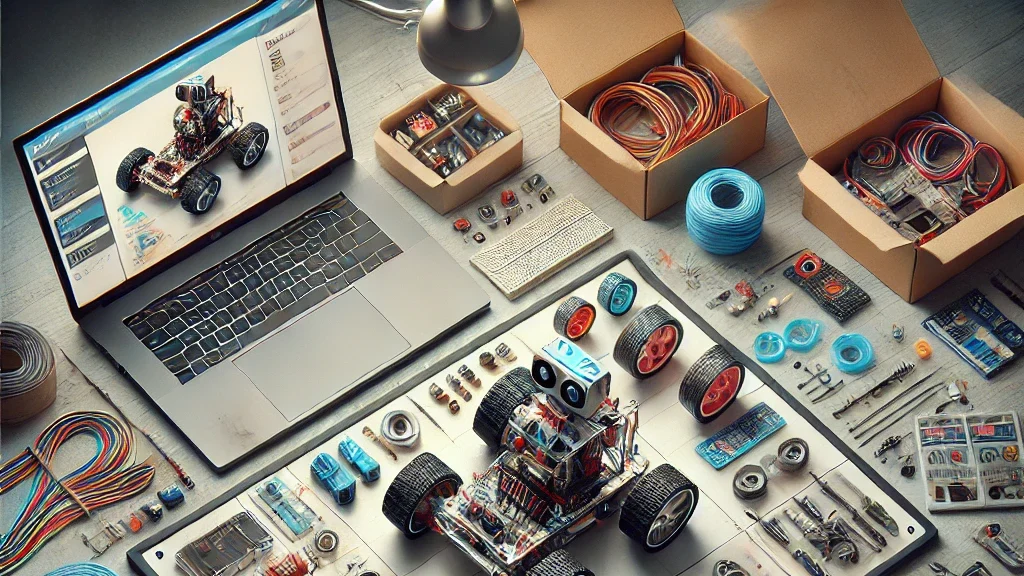
If you have access to coding kits such as LEGO Mindstorms, LittleBits, or other programmable robotics kits, this is a fantastic hands-on project to get kids into coding.

Project Idea:

• Build and program a robot that can move, detect objects, or follow simple commands. You can even create a challenge where the robot has to navigate a maze or complete a task, like picking up small objects.

Why It’s Great?

• Robotics introduces kids to both hardware and software, bridging the gap between the physical and digital worlds. It encourages problem-solving, critical thinking, and teamwork.

6. Create a Music Maker with Coding Learning
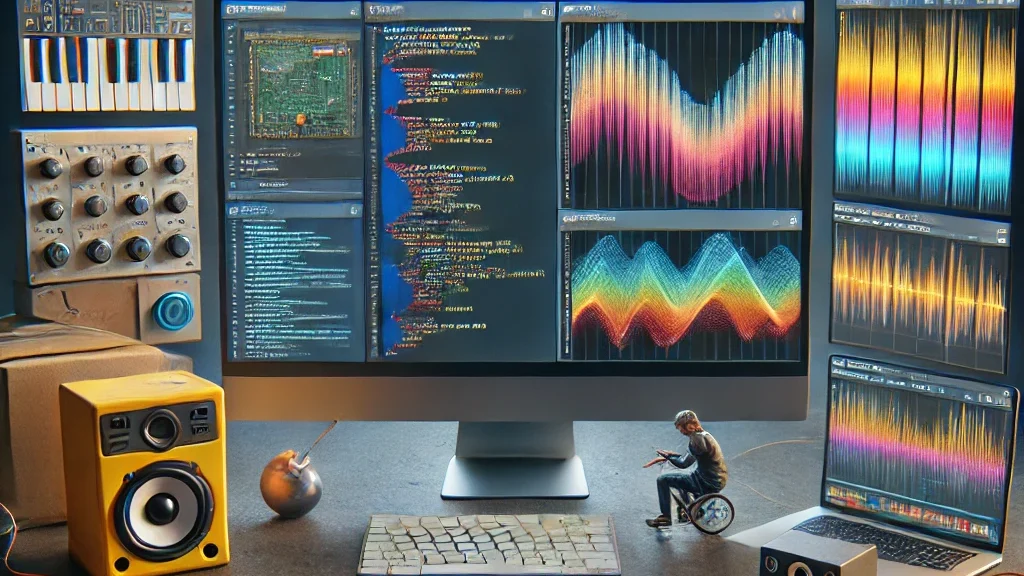
If your child loves music, why not combine it with coding? There are several tools and platforms that allow kids to make music through programming.

Project Idea:

• Help your child create a simple music generator where different sounds or beats are played based on certain inputs. Platforms like Sonic Pi let kids create music with code, and they can even create rhythms and melodies!

Why It’s Great?

• This project combines creativity with coding and gives kids a fun way to engage with both music and technology.

7. Design a Choose-Your-Own-Adventure Story by Coding Learning
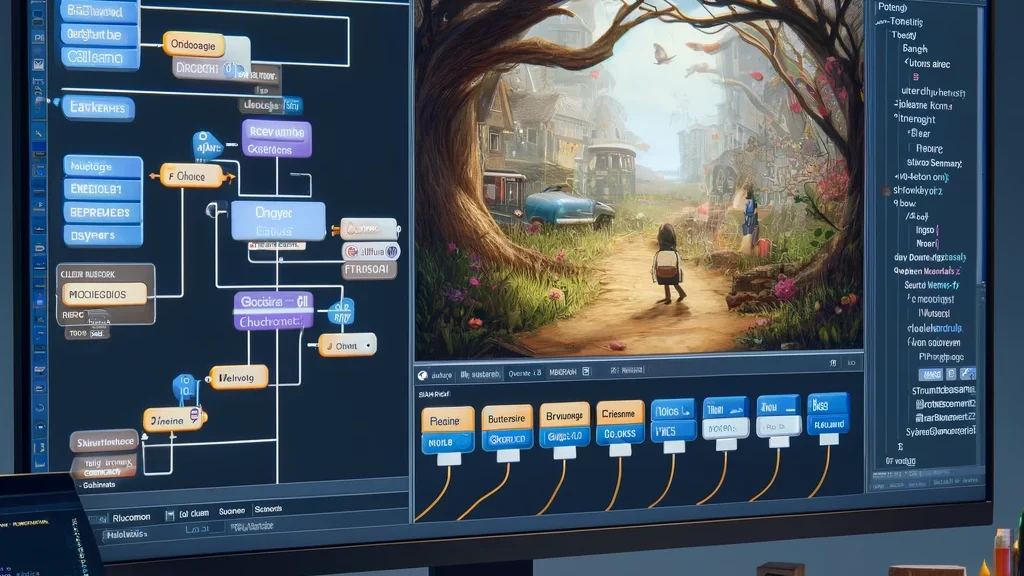
A fun way to learn coding is by creating an interactive story, like a “Choose Your Own Adventure” game. You can use simple platforms like Twine, which allows kids to write stories with code-based choices.

Project Idea:

• Write an interactive story where the reader can make choices, and each choice leads to different outcomes. For example, “Should the character go left or right?” The story branches out from there!

Why It’s Great?

• This teaches kids logic, sequencing, and how their decisions in coding can affect the outcome. Plus, it’s a great way for kids to practice their writing and storytelling skills.

Coding is Fun and Rewarding Learning!

At Timedoor Academy, we believe that learning to code is not only about the technical skills—it’s also about sparking curiosity, creativity, and critical thinking. By taking on these DIY coding projects, you’ll not only teach your child valuable programming skills but also bond through shared, creative experiences.

So, gather your tools, start coding, and most importantly, have fun with your child! Remember, the best way to learn is by doing—and what better way to learn together than through fun, hands-on projects?

Ready to dive deeper into coding learning?

Join one of Timedoor Academy‘s online coding classes and support your child’s learning journey in a structured, fun and supportive environment. We offer a Free Trial to provide a no-cost first learning experience, so your child can try our classes before deciding to continue. 

Our courses are designed to help children develop their coding skills while still enjoying every step of the way. Visit our website for more information here!


Keep Reading

Fun and Easy Coding Lessons for Kids in 2025
In today’s fast-moving digital world, coding has become an essential skill for children. It’s not just about preparing them to become future programmers, but also about helping them build logic, improve critical thinking, and solve problems in a structured way. That’s why introducing coding lessons for kids at an early age is a smart move for both parents and educators. Teaching coding to children, especially those in elementary school, requires a different approach than teaching older students or adults. The material must be adapted to their level of understanding and presented in a way that is fun and interactive, so they stay engaged and motivated. So, what kind of coding lessons for kids are best suited for young learners? Let’s explore the options. Why Kids Should Learn Coding Before diving into the types of coding lessons for kids, it’s important to understand why coding is valuable from a young age. Some of the key benefits include: 1. Strengthening logical thinkingCoding teaches kids how to think in steps and solve problems using logic. This helps develop structured and organized thought patterns. 2. Encouraging creativityThrough coding, children can build their own games, animations, and digital stories. It sparks imagination and creative expression. 3. Preparing for the digital futureAs technology becomes more integrated into everyday life and future careers, understanding coding gives kids a head start and builds a strong foundation. 4. Building resilienceWhen something in their code doesn’t work, kids are encouraged to find solutions and try again. This helps develop patience and problem-solving skills. Recommended Coding Lessons for Kids There are many ways to introduce coding lessons for kids, depending on their age and learning style. Here are some great starting points: 1. Understanding Basic Logic and Algorithms Before learning a programming language, kids need to grasp simple concepts like sequences, conditionals (if-then statements), and loops. These can be taught using hands-on activities like card games, unplugged coding puzzles, or guided problem-solving exercises. 2. Block-Based Programming Block-based platforms are one of the most effective ways to start coding lessons for kids. Kids drag and drop visual blocks that represent code to complete tasks. Some popular platforms include: Scratch: Designed for children to build animations, games, and interactive projects. Code.org: Offers beginner-friendly lessons with characters and stories that keep kids engaged. Blockly: Similar to Scratch and great for easing the transition into text-based programming. These tools make learning to code intuitive, visual, and fun. 3. Beginner Programming Languages Once children are comfortable with block-based coding, they can begin to explore simple programming languages such as: Python: Known for its readability and simplicity, perfect for beginners. HTML & CSS: Great for kids interested in web design and layout. Basic JavaScript: Helps kids understand interactivity and logic on websites. These coding lessons for kids should be introduced slowly and supported by mentors who understand how to guide young learners. 4. Real-Life Coding Applications To make learning more meaningful, kids can be shown how coding is used in real life. They can build educational games, simulate everyday systems like traffic lights, create interactive calendars, or program basic robots using tools like Micro:bit or LEGO Robotics. These hands-on applications show that coding can be both fun and useful. Tips for Teaching Kids to Code For coding lessons for kids to be effective, the teaching method is just as important as the content. Here are a few tips: Use interactive visualsChildren understand and retain more when they see how things work. Use videos, animations, and coding games. Make learning funIncorporate games, challenges, and reward systems to keep kids motivated and engaged. Celebrate small winsRecognizing achievements helps build confidence and encourages progress. Keep it gradualAvoid overwhelming kids by focusing on one concept at a time and allowing them to master it before moving on. Start Early, Build Strong Foundations The best coding lessons for kids are those that suit their developmental level, encourage creativity, and support essential skills like logical thinking and problem-solving. By starting early, children are not only introduced to the world of technology, but they also gain confidence in exploring and understanding how digital systems work around them. If you’re looking for a program that makes coding accessible, fun, and age-appropriate, Timedoor Academy offers interactive lessons led by experienced instructors. Sign your child up for one of our engaging classes and take advantage of our free trial session. It’s the perfect way to introduce coding lessons for kids in a positive and meaningful way!
<strong>Building Positive Habits in Children on National Children’s Day</strong>
Building Positive Habits in Children on National Children’s Day
Every year on July 23rd, Indonesia celebrates National Children’s Day to show appreciation for the next generation. It is a moment of reflection for parents, educators, and communities to prioritize the needs, safety, and development of children. One of the most impactful ways to invest in a child’s future is by building positive habits in children from an early age. Habits are behaviors formed through repetition, and they often last a lifetime. Childhood is a critical phase in which values and patterns take root. That is why building positive habits in children during these formative years is so important. Why Early Habits Matter Simple routines like tidying up toys, saying “thank you,” or putting trash in the bin may seem minor. However, they lay the foundation for greater life skills such as responsibility, discipline, and empathy. On a broader level, building positive habits in children involves nurturing a mindset of honesty, teamwork, curiosity, and respect for learning. Children who are raised with consistent, positive habits are more likely to grow into responsible, independent individuals with strong character. On the other hand, children who lack structure or guidance during their early years may adopt unhealthy behaviors that are difficult to change later. The Role of Parents and the Environment Parents play the central role in building positive habits in children. Kids learn more from what they see than from what they are told. That means parents must model the values they wish to pass on. Showing punctuality, gratitude, patience, and balanced screen time will speak louder than any instruction. Beyond the home, children are shaped by their surroundings schools, peers, and community influences all matter. A supportive environment with positive reinforcement, teamwork, and structured activities helps strengthen the values instilled at home. Practical Ways to Start Building Positive Habits in Children Be Consistent Change doesn’t happen overnight. Whether it’s encouraging your child to read each night or tidy up after playing, repetition is key. Even ten minutes of daily practice can make a long-term difference. Lead by Example Children mimic behavior. If you want your child to manage time well, show them how you do it. Let them see you following schedules, keeping promises, and avoiding distractions. Use Encouragement and Praise A simple “Great job!” or “Thank you for helping” goes a long way. Positive reinforcement helps motivate kids to repeat good behaviors. Allow Room for Mistakes When building positive habits in children, understand that mistakes are part of the learning process. Patience and guidance are more effective than punishment. Involve Children in Decision-Making Let your child help plan their daily routine or choose their afternoon activity. When they feel a sense of ownership, they are more likely to stick to their responsibilities. Integrate Technology Wisely In today’s world, technology cannot be separated from childhood. Instead of avoiding it, guide your child to use it for learning. Educational apps, coding platforms, and creative tools can help turn screen time into productive time. National Children’s Day as a Moment for Reflection and Action National Children’s Day is not just a celebration, but an opportunity for reflection. As a society, have we done enough to support and protect children? As parents, have we been present enough in guiding their development? And most importantly, are we truly committed to building positive habits in children that will prepare them for the future? Positive habits are not built in a day. They take consistency, collaboration, and encouragement. Families, schools, and communities must work hand in hand to create environments that nurture growth and character. Try a Free Coding Class at Timedoor Academy The journey of parenting is filled with joy, challenge, and responsibility. National Children’s Day reminds us that every child deserves support, attention, and guidance. And one of the most meaningful forms of guidance we can offer is by consistently building positive habits in children. At Timedoor Academy, we believe that technology and character education go hand in hand. Our online coding and digital literacy programs are designed not only to build skills, but also to nurture self-discipline, curiosity, and confidence. Register your child for a free trial class today and take the first step in building habits that last a lifetime. Let’s shape a brighter future together one child at a time.
Preparing Kids for Future Tech Careers with a Coding Course for Kids in 2025
The world is evolving at a rapid pace, driven by advances in technology, automation, and artificial intelligence. While it is impossible to predict exactly what the job market will look like in 10 or 20 years, one thing is certain: digital skills will play a central role. That is why more parents are now exploring the value of a coding course for kids. Learning how to code does more than just prepare children to become programmers. It builds critical skills like problem-solving, creativity, and resilience. This article will walk you through why a coding course for kids is one of the best investments you can make for your child’s future and how it can shape the next generation of tech-savvy thinkers and creators. Technology Is No Longer Optional Children today grow up surrounded by technology. From smartphones and smart TVs to tablets and video games, digital devices are an everyday part of their lives. However, being a passive user of technology is different from understanding how it works. A coding course for kids transforms children from consumers into creators. They do not just play games or use apps. They learn how to build them. Understanding basic programming concepts gives children confidence and opens their minds to the endless possibilities of tech careers. It shows them that technology is not a mysterious thing to fear. It is a tool they can use to solve problems and express themselves creatively. Building Essential 21st Century Skills One of the most underrated aspects of coding is the wide range of transferable skills it develops. A good coding course for kids goes beyond teaching syntax or how to use certain platforms. It teaches them to think in structured, logical ways. Kids learn how to break problems into smaller parts, test solutions, and improve their ideas through trial and error. Coding also promotes persistence. When code does not work, children learn to troubleshoot and try again. This growth mindset builds resilience that applies to many areas of life, including academics and personal challenges. In addition, coding encourages collaboration. Many programs today teach children to work in pairs or teams, sharing code, helping each other debug, and presenting their projects to classmates. These experiences enhance communication and teamwork. Opening Doors to Future Careers According to many labor market studies, careers in technology will remain in high demand for the foreseeable future. Roles like software developers, data analysts, UX designers, and cybersecurity experts are growing rapidly. Even non-tech industries are becoming increasingly digital, meaning that tech literacy is becoming a core requirement across professions. Enrolling your child in a coding course for kids helps them build a strong foundation early. They do not have to decide now whether they want to be a developer. The important thing is that they understand the logic behind technology and feel comfortable exploring it. This early exposure can spark interest in STEM fields and set them up for further learning in middle school, high school, and beyond. Coding Encourages Creativity and Confidence Contrary to the myth that coding is purely technical or dry, it is actually a creative process. Kids can design interactive stories, develop simple games, animate characters, and even build websites. Every coding project is a chance to express ideas and bring imagination to life. A well-structured coding course for kids allows children to experiment and innovate. When they see their code produce real results on the screen, it boosts their confidence. They feel a sense of ownership and achievement that motivates them to keep learning. For children who struggle in more traditional subjects, coding can offer an alternative way to shine. It is not about memorizing formulas or facts. It is about building something with your own hands and mind. Early Coding Education Reduces Future Intimidation Another major benefit of a coding course for kids is that it helps demystify technology. Many adults feel overwhelmed by the rapid pace of digital change. By learning coding at a young age, kids grow up viewing technology as something they can understand and control. This perspective empowers them. It also gives them a head start in a world where being digitally fluent is no longer a bonus but a basic expectation. Whether they end up working in a tech-related field or not, they will be better prepared to adapt to new tools, systems, and digital environments. Join a Free Coding Course For Kids Today at Timedoor Academy If you are ready to prepare your child for the tech-driven future, Timedoor Academy is here to help. We offer a structured, engaging, and age-appropriate coding course for kids that focuses on building real-world skills through fun and interactive lessons. Our courses are designed for children aged 6 and up and are led by experienced mentors who know how to spark curiosity and encourage exploration. Kids learn at their own pace while developing confidence in coding, creativity, and communication. Sign up today for a free trial class and let your child discover the excitement of learning to code. Timedoor Academy is committed to helping your child become a future-ready thinker and tech creator.
float button