Sep 12, 2025

7 Outstanding Recommendations for English Courses for Elementary School Kids
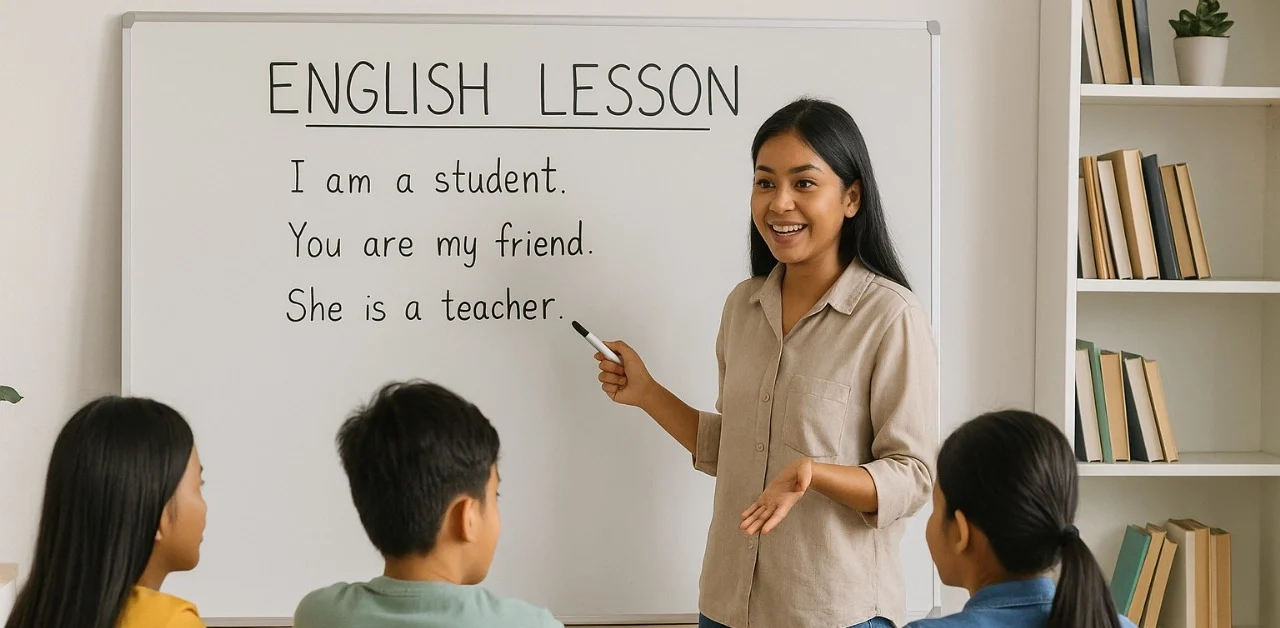
<strong>7 Outstanding Recommendations for English Courses for Elementary School Kids</strong> image

Finding the right place for English Courses for Elementary Kids can be challenging for many parents. With the growing importance of English as a global language, choosing the right institution becomes a crucial step in shaping your child’s future. In this article, we will explore several outstanding recommendations that you can consider.

Why English Courses Are Important for Elementary Kids

Elementary school is a golden stage where children can absorb new languages more easily. Enrolling them in English Courses for Elementary Kids allows them to build strong foundations in speaking, listening, reading, and writing. Beyond academics, mastering English can also open up wider opportunities both socially and educationally in the future.

Recommended English Courses for Elementary School Kids

Here are some trusted institutions to consider:

1. Timedoor Academy

English Courses for Elementary Kids

Timedoor Academy offers a modern and child-friendly approach. English Courses for Elementary Kids program is designed with interactive methods, using digital technology that makes learning both fun and engaging. Experienced teachers ensure that children not only memorize but also gain the confidence to communicate naturally.

2. EF (English First)

English Courses for Elementary Kids

EF is a globally recognized language school with a strong reputation. Their specialized kids’ programs follow an international curriculum, supported by small class sizes and highly trained teachers.

3. LIA (Lembaga Indonesia Amerika)

English Courses for Elementary Kids

LIA has long been a popular choice for Indonesian families. Their courses focus on everyday communication, helping children use English more naturally in conversations.

4. Wall Street English Kids

Although better known for adult learners, Wall Street English also provides special programs for kids. Modern facilities and technology-based learning materials make it an appealing choice.

5. Kumon English

Kumon, famous for its math program, also offers English courses. Their approach focuses on reading practice, which is suitable for kids who enjoy literacy-based learning.

6. English Bright Kids

This institution emphasizes fun learning through creative activities. Children learn English via games, songs, and group activities, which keeps them motivated and enthusiastic.

7. IALF (Indonesia Australia Language Foundation)

IALF is a trusted language center with a strong academic reputation. Their children’s program emphasizes active listening and speaking skills in a supportive environment.

Tips for Choosing the Right Course

Before enrolling your child, here are a few things you should take into account:

  • Location should be easily accessible.
  • Curriculum must suit your child’s needs.
  • Learning methods should be enjoyable.
  • Teachers must be certified and experienced.
  • Class size should be small enough for individual attention.

By considering these factors, you can ensure that your child gets the most out of their learning experience.

Register Your Child Now at Timedoor Academy!

Ingin tahu detail program? Image

Ingin tahu detail program?

Choosing English Courses for Elementary Kids is not just about academic performance but also about equipping children with essential communication skills for the future. Each institution above offers unique strengths that may suit different learning styles.

If you’re looking for a modern, interactive, and enjoyable course, Timedoor Academy is an excellent choice.

Sign your child up for a free trial at Timedoor Academy today and let them experience the joy of learning English in a whole new way!
Keep Reading

The Importance of Teaching Basic Manner for Kids from an Early Age in 2025
Teaching basic manner for kids from an early age is one of the best investments parents can make in shaping their child’s character and future. Good manners, courtesy, and positive behavior not only help kids socialize more easily but also provide a solid foundation for navigating an increasingly complex and digital world. This article explores why basic manner is so important, the long-term benefits, and practical tips for consistently building polite habits at home and in daily life. Why Is Basic Manner for Kids So Important? In today’s fast-paced and digital era, a child’s ability to communicate respectfully and value others is more crucial than ever. Basic manner for kids includes simple acts like saying “please” and “thank you,” greeting others politely, asking for permission, listening attentively, and waiting their turn to speak. While these habits may seem small, they are the backbone of healthy, harmonious social interaction. Kids who are raised with basic manner for kids tend to adapt more easily at school, in their community, and later in the workplace. They often have higher empathy, adjust well to new environments, and form positive relationships with both peers and adults. Positive Impact of Basic Manner for Kids Teaching basic manner for kids can lead to a wide range of positive outcomes, including: Boosting self-confidence: Kids who understand the value of politeness are often more confident in social situations. Easier social adaptation: Well-mannered kids are more readily accepted in new settings because they know how to behave appropriately. Reducing conflict: They are better at managing emotions and understanding social boundaries. Increasing chances of future success: Modern education and workplaces truly value ethics and good manners. Effective Ways to Teach Basic Manner for Kids If you want your child to grow into a polite and respectful person, here are some effective ways to teach basic manner for kids: 1. Be a Role Model Children learn by example. Parents should consistently show basic manner for kids in daily life. Make it a habit to use polite words, ask permission, and say sorry when needed, both to your child and to others at home. 2. Give Simple Explanations Help kids understand why basic manner is important. Tell short stories about why saying “thank you” makes people feel appreciated. 3. Use Games and Role Play Practice basic manner for kids through fun role-playing, such as family mealtime simulations, “shopkeeper and customer” games, or acting out everyday situations to help kids apply good manners. 4. Praise and Positive Reinforcement Praise your child whenever they show basic manner for kids, no matter how small the gesture. Positive feedback motivates kids to repeat good behavior. 5. Be Consistent and Gentle Consistency matters. Parents should gently but firmly remind children if they start to neglect manners, always with kindness and understanding. 6. Use Educational Content Read storybooks, watch cartoons, or use apps that teach basic manner for kids in a fun way. Many digital platforms now offer engaging content that helps kids build good manners. Basic Manner for Kids in the Digital World In the digital age, basic manner for kids also means knowing how to behave online. Teach your child to: Be polite in online chats, games, and on social media. Never share personal information carelessly. Respect other people’s opinions and creations on the internet. Parents can also introduce kids to productive digital activities, like learning coding, creating digital projects, or joining online classes that emphasize teamwork and respect. Everyday Activities to Instill Basic Manner for Kids Here are some daily activities to help instill basic manner for kids: Encourage your child to greet family or guests politely. Teach table manners, like not talking with their mouth full. Remind kids to clean up toys after playing and thank friends who help. Practice asking for permission before borrowing something from others. Long-Term Benefits of Basic Manner for Kids Children raised with basic manner for kids are better prepared to face life’s challenges. They are more comfortable socializing, are more trusted in school and work, and are more likely to succeed both academically and in their careers. Building character through basic manner for kids is a crucial investment with benefits that last a lifetime. Nurturing Manners and Future Skills Teaching basic manner for kids is a lifelong process that requires parental example, consistency, and support. With a strong foundation in manners, children grow into confident, adaptable, and respected individuals wherever they go. Alongside teaching manners, don’t hesitate to give your child future-ready skills like coding. One positive and educational digital activity is learning coding at Timedoor Academy. Here, kids can build logic, creativity, and teamwork—all while developing good character. Sign your child up for a free trial class at Timedoor Academy and let them experience the fun, interactive world of coding while building strong manners and life skills from an early age.
<strong>What Is Deepfake? The Impact on Children in 2025 and How to Respond Wisely</strong>
What Is Deepfake? The Impact on Children in 2025 and How to Respond Wisely
The rapid development of digital technology has brought about countless innovations, and one of the most talked-about today is deepfake technology. Recently, the term “deepfake” has been frequently discussed, especially as more and more fake videos that appear shockingly real circulate on social media. But what is deepfake exactly, and why do parents need to understand and be cautious about this technology, especially to protect their children? This article will explain what is deepfake, how it works, and the potential impact it can have on children. We’ll also cover practical steps parents can take to help their kids face digital challenges with confidence. What Is Deepfake? Understanding the Technology Behind Fake Faces Before exploring its impact, it’s important for both parents and children to know what is deepfake. Deepfake is a term used for videos, images, or audio created with artificial intelligence (AI) so convincingly that they appear real, even though they’re fake. This technology can swap faces, mimic voices, or even make someone say or do things that never actually happened. Originally, deepfake technology was developed for entertainment and cinema, such as creating special effects in movies. However, as technology has advanced, deepfakes are increasingly misused—for spreading hoaxes, scams, and even digital bullying. That’s why digital literacy and education about deepfake is now more crucial than ever for Indonesian families. How Does Deepfake Work? To help children and parents better understand what is deepfake, let’s look at the basics of how this technology operates. Deepfake uses machine learning, especially deep learning techniques, to analyze and mimic someone’s facial expressions, voice, and movements. Using sets of videos or photos of a target, AI “learns” unique patterns and then applies them to new videos to make them appear extremely realistic. The end result of a deepfake is often very difficult to distinguish from real footage, especially at a glance. This makes deepfake technology dangerous if misused, particularly for children who may not yet know how to verify what they see online. The Impact of Deepfake on Children After understanding what is deepfake, it’s essential to recognize the negative effects it can have on children in the digital era: 1. Spread of Hoaxes and MisinformationChildren can easily be convinced by a deepfake video or audio that looks and sounds real, making them vulnerable to fake news, slander, or provocative issues. 2. Cyberbullying and ExploitationDeepfake can be used to create fake content that humiliates or damages a child’s reputation, or even as a tool for online bullying and exploitation. 3. Fraud and Privacy ThreatsA child’s personal data can be stolen and used to create deepfakes, which could then be involved in scams, blackmail, or other crimes. 4. Self-Doubt and Mental Health IssuesIf a child becomes a victim of deepfake, they may experience stress, shame, and even trauma, which can affect their self-confidence and mental well-being. 5. Difficulty Distinguishing Fact from ManipulationAt a young age, children are not fully equipped to tell the difference between genuine and fake content. Lack of digital literacy can make them more susceptible to digital manipulation. The Role of Parents: Education and Protection Simply understanding what is deepfake isn’t enough. Parents must also actively educate and guide their children to stay safe in the digital world. Here are some practical steps: Teach Digital Literacy EarlyDiscuss with your child about what is deepfake, how to spot fake content, and the importance of not believing every piece of information encountered online. Build Open CommunicationEncourage children to talk if they come across suspicious content or feel uncomfortable with something online. Strengthen Data Privacy AwarenessHelp children understand the importance of keeping personal data—photos, videos, and identity information—private and protected. Be a Role ModelParents should use technology and social media wisely, and avoid sharing or spreading unverified content. Introduce Positive Digital ActivitiesRedirect children’s attention to educational and productive digital activities, such as learning coding, creating digital projects, or exploring new knowledge. Coding: A Smart Way to Protect Children in the Digital World One concrete way to equip children for the deepfake era is to introduce them to coding. By learning to code, children don’t just become technology users—they also gain an understanding of how technology works. Coding sharpens logic, analytical skills, and encourages critical and creative thinking. Children who learn coding are better able to recognize digital manipulation and understand how AI behind deepfake works. Timedoor Academy offers interactive, fun, and age-appropriate coding programs. Children can learn to build apps, simple games, and even understand basic AI concepts through friendly and easy-to-follow methods. Time to Outsmart Deepfake, Starting from Home In today’s digital age, understanding what is deepfake should be a priority for every family. With the right knowledge, digital literacy education, and technology skills such as coding, children will be better prepared to face the risks and opportunities of the online world. Don’t let your child fall victim to digital manipulation! Register your child for a free trial class at Timedoor Academy and introduce them to coding and digital safety from an early age.
7 Powerful Benefits of Digital Security Literacy Training for Students in the Modern Era
In today’s fast-paced digital era, children’s ability to use technology must be balanced with an understanding of online safety. Many children are skilled at using gadgets, yet they often lack awareness of the potential risks they may face on the internet. This is why digital security literacy for students has become an essential skill to teach from an early age, helping them explore the digital world safely, wisely, and responsibly. Timedoor Academy understands how important this is. Through interactive learning programs, students not only learn about technology but also understand how to protect themselves online. Therefore, digital security literacy for students is not just theoretical knowledge but also a practical skill they can apply in their everyday lives. What Is Digital Security Literacy for Students? Digital security literacy for students is the ability to understand, identify, and manage risks in the digital world. It includes knowing how to protect personal data, avoid online scams, and communicate ethically on the internet. In education, this literacy goes beyond how to use technology. It also involves developing critical thinking skills about online information. For example, recognizing fake news, understanding data privacy, and using social media wisely. Training of this kind serves as an important foundation for students to grow into responsible and ethical digital users. Why Is Digital Security Literacy Important? While internet access offers great advantages in education, it also opens the door to risks such as cyberbullying, data theft, and exposure to inappropriate content. Children often do not yet have the ability to distinguish between safe and unsafe online spaces. Through digital security literacy for students, they learn to recognize warning signs in the digital world. For example, how to avoid suspicious links, refrain from sharing personal information, and understand the consequences of their online actions. Once students gain this knowledge, they become more confident in using technology in a positive and responsible way. Benefits of Digital Security Literacy Training for Students Digital security literacy for students provides many meaningful benefits for both children and parents. Here are some of the main advantages: 1. Increases Online Safety Awareness Children learn to recognize online threats such as fraud, hacking, and cyberbullying. They also understand preventive measures to keep themselves safe. 2. Builds Responsibility in the Digital World With good literacy, students understand that online actions have real consequences. They become more careful and thoughtful in their digital interactions. 3. Encourages Critical Thinking About Information This training helps children distinguish between accurate and false information so they do not easily fall for hoaxes or misleading content. 4. Develops a Positive Digital Reputation Students learn how to maintain a good digital footprint and understand the importance of building a positive online reputation that can impact their future. 5. Supports Safe Online Collaboration While using online learning platforms, students become aware of the importance of data protection, strong passwords, and teamwork ethics in digital environments. 6. Protects Privacy and Personal Data Children learn not to share personal information such as home addresses, phone numbers, or private photos on social media. 7. Encourages Positive Digital Character Growth Digital security literacy for students teaches not only safety but also respect, kindness, and using technology for meaningful purposes. The Role of Parents in Digital Security Literacy Parents play a major role in supporting the success of digital security literacy for students. Open communication between parents and children is key. Parents should discuss online boundaries and serve as good role models in practicing responsible digital behavior. Timedoor Academy also promotes parental involvement in the learning process. This ensures that digital safety education continues at home as well as in the classroom. Through positive engagement, parents can help children realize that the internet is an incredible tool when used wisely. How Timedoor Academy Implements Digital Security Literacy Timedoor Academy integrates digital security literacy for students into every learning program. Each class not only focuses on technical skills like coding or design but also includes lessons on digital ethics and safety values. Students are encouraged to understand that technology is not only about creating something new but also about using it responsibly. The learning process is interactive, using case studies, simulations, and group discussions that help children better understand real-world online risks. Register Now in Timedoor Academy! Digital security literacy for students is a crucial step in shaping a young generation ready to face the challenges of the digital age. With this ability, children can become not only smart technology users but also ethical and responsible ones. As parents, providing your children with the right training is a valuable investment in their future. Would you like your child to be digitally smart and safe online? Sign up now for a Free Trial Class at Timedoor Academy! Experience an interactive learning journey that not only teaches coding but also builds strong digital security literacy for students to prepare them for a safer and smarter future.
float button