Mar 09, 2026

Why was Roblox banned in Indonesia? Here is Komdigi’s explanation and how children can remain creative without risk!
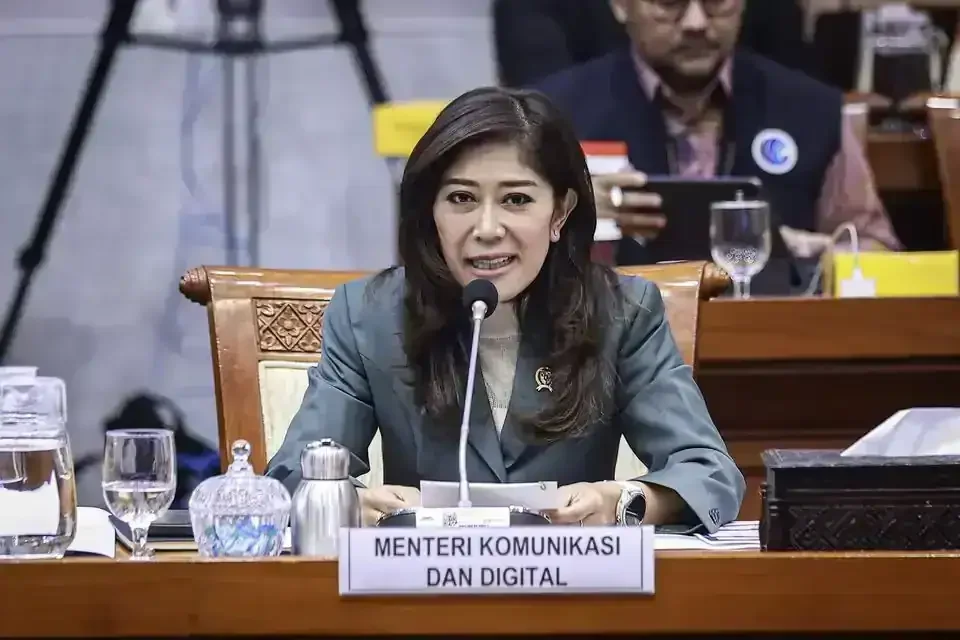
Why was Roblox banned in Indonesia? Here is Komdigi’s explanation and how children can remain creative without risk! image

Source: katadata.co.id

Shocking news has come from the Ministry of Communication and Digital Affairs (Komdigi). On social media, official statements regarding restrictions on access to digital platforms for minors have begun to be widely discussed. Many parents are asking, ‘Is it true that Roblox will be banned?’

Through its official statement, the government has reaffirmed its commitment to protecting children from digital risks. Komdigi stated that starting on 28 March 2026, access to social media (such as TikTok and Instagram) and gaming platforms such as Roblox will be restricted for children under the age of 16. This is because these platforms are classified as high risk in terms of exposure to age-inappropriate content.

Why is the Government Concerned?

We must acknowledge that child safety in the virtual world is a major challenge. As a very popular platform, Roblox does pose risks if used without strict supervision, especially in relation to interactions with strangers or user-generated content that has not been fully filtered. This is what underpins the government’s decisive action to minimise the negative impact on the mental health and safety of our children.

Good News: Roblox Continues to Tighten Security

Despite the blocking issue, it is important for parents to know that globally, Roblox itself continues to make major updates to its security system. Based on information from Internet Matters and The Guardian, Roblox has launched new features to give parents greater control:

  1. Parental Accounts: Parents can now link their accounts to their children’s accounts to monitor their activities directly.
  2. Age Restrictions for Children Under 13: Children under the age of 13 are now restricted from accessing chat features outside of the game and are prohibited from entering social hangout categories that are considered less educational.
  3. Content Maturity Labels: A clearer rating system to ensure children only play content appropriate for their age category.

Don’t Let Children Be Sad, Turn Them Into ‘Creators’ 

Looking at this issue, we need to see it from a broader perspective. The main problem is not with Roblox itself, but with how children use it. At Timedoor Academy, we help children transition from being passive Players (Users) to productive Creators through Roblox Studio.  

Why is learning in Roblox Studio safe and beneficial?

  1. Productive Platform: Roblox Studio is not a place to play games, but a professional game development tool. To date, there are no regulations prohibiting the use of Roblox Studio because its function is for education and creativity.
  2. Learning Future Skills: Through our curriculum, children learn programming logic (coding), mathematics, and even English in a very enjoyable way.
  3. Educational Games: The games we teach at Timedoor Academy focus on educational content, enabling children to build a positive digital world.

Safety Commitment at Timedoor Academy

Parents, don’t worry! At Timedoor Academy, we are fully committed to ensuring the safety and comfort of your children’s learning experience. We prioritise a safe learning environment, especially when teaching coding through Roblox Studio. Here are the concrete steps we take to protect our students:

  1. Full Supervision: Our main focus is to develop children’s productive skills through coding. Therefore, we will continue to supervise students in using Roblox Studio as long as there is no official ban from the government. This ensures that students’ learning continues to run smoothly.
  2. Identity Verification: If new regulations require stricter verification, we will ask for your consent as parents to use official IDs. The goal? To ensure that your child’s account remains legal, safe, and fully compliant with government regulations, so you can rest assured while your child creates.
  3. Total Transparency for Parents: We believe in complete openness. You can always access and check all the details of your child’s activities during class, from coding projects to any interactions.

With this approach, Timedoor Academy is not just a place to learn coding, but also a trusted partner in educating children safely.

Conclusion for Parents Instead of focusing our energy on our children’s disappointment over restricted access to play, let’s encourage them to see new opportunities. Turn their sense of ‘loss’ into motivation to create. With Timedoor Academy, children are no longer just spending time in front of a screen, but are building their own future as technology creators.

Want more advice on how to channel your child’s interest in technology in a more positive way? Join our community at Timedoor Academy!

Prepare your little one for the future through exciting learning experiences. Sign up for a free trial  session now!
Keep Reading

10 Unhealthy Foods for Kids That Parents Should Watch Out For
Every parent wants their child to grow up healthy and full of energy. But in today’s world, where processed foods are everywhere, it’s easy to overlook how much of what kids eat is actually harmful to their health. Many of the snacks and meals kids love are considered unhealthy foods for kids — tasty, yes, but loaded with ingredients that can cause serious health problems down the line. In this article, we’ll walk through 10 common unhealthy foods for kids that should be limited, along with why building healthy eating habits early is so important.   1. Fast Food Burgers, fries, chicken nuggets — these fast food favorites are high in saturated fat, calories, and sodium. They may be convenient, but eating them too often can lead to weight gain and increase the risk of heart disease later in life. Fast food is one of the most recognizable unhealthy foods for kids and should be enjoyed only occasionally.   2. Instant Noodles Quick and easy to prepare, instant noodles are a go-to for busy families. However, they’re loaded with salt, unhealthy fats, and preservatives. Regularly eating instant noodles can raise blood pressure and put unnecessary strain on children’s kidneys, making them one of the most problematic unhealthy foods for kids.   3. Packaged Snacks Potato chips, cheese puffs, and other bagged snacks might be tasty, but they’re often full of artificial flavors, trans fats, and excessive salt. With little to no nutritional value, these snacks are classic examples of unhealthy foods for kids that can easily be replaced with healthier alternatives.   4. Sugary Candy and Sweets Most kids love sweets, but too much sugar leads to tooth decay, weight gain, and even a higher risk of developing type 2 diabetes. Whether it’s candy, chocolate bars, or gummy treats, sugary snacks are firmly in the category of unhealthy foods for kids.   5. Soda and Sugary Drinks Soft drinks and sugary juices pack an enormous amount of added sugar and artificial additives. Not only do they contribute to obesity, but they also weaken bones and harm dental health. It’s no surprise that sugary drinks are among the most well-known unhealthy foods for kids.   6. Sweetened Breakfast Cereals Many cereals marketed toward children are more dessert than breakfast, containing high levels of sugar and very little fiber. Starting the day with these sugary options can cause energy crashes and unhealthy snacking habits later on. Despite clever advertising, sweetened cereals are undoubtedly unhealthy foods for kids.   7. Store-Bought Ice Cream While an occasional scoop of ice cream is fine, commercially produced varieties are often loaded with sugar and unhealthy fats. When consumed too frequently, ice cream becomes yet another source of unnecessary calories and one more item on the list of unhealthy foods for kids.   8. Bubble Tea and Flavored Beverages Bubble tea and flavored milk drinks have become trendy among kids worldwide. Unfortunately, they’re typically packed with sugar, syrups, and calorie-dense toppings. These drinks are fun but should be considered occasional treats, as they’re definitely unhealthy foods for kids.   9. Deep-Fried Street Food Fried snacks sold by street vendors are often cooked in reused oil and prepared in less-than-hygienic conditions. Consuming these foods regularly increases the intake of harmful fats and raises the risk of digestive issues, making them one of the most dangerous unhealthy foods for kids.   10. Packaged Cakes and Pastries Mass-produced cakes, donuts, and pastries are high in refined sugars, unhealthy fats, and preservatives. Regularly eating these sweet treats can contribute to weight gain, disrupt hormone balance, and increase the risk of chronic diseases. Without a doubt, they belong on the list of unhealthy foods for kids.   Why Should You Limit Unhealthy Foods for Kids? The effects of unhealthy foods for kids go far beyond weight gain. Poor eating habits can affect children’s physical growth, learning abilities, mood, and immunity. Kids who frequently consume high-sugar, high-fat, and heavily processed foods may struggle with focus, experience low energy, and be more prone to illness. That’s why it’s essential for parents to guide their children towards healthier food choices early on. Teaching kids about nutrition helps them develop lifelong habits that support their overall well-being.   Don’t Forget Digital Literacy: A Key Skill for Today’s Kids While promoting healthy eating is vital, fostering digital skills is equally important. Introducing kids to coding, for example, helps develop logical thinking, creativity, and problem-solving abilities that are crucial in the digital age. Timedoor Academy offers fun, interactive coding classes specifically designed for kids. It’s a great way to support your child’s overall growth — mind and body. Ready to give your child a head start? Sign up for a free coding trial class with Timedoor Academy today and help them build essential skills for the future.
Top 10 Educational Apps For Kids
Top 10 Educational Apps for Kids in 2025 – Learning Meets Fun!
How often do your kids ask, 'Mom, can I play with your phone?' It’s a question many parents hear daily. But what if that screen time could be transformed into a chance for kids to learn, grow, and explore through educational apps? At Timedoor Academy, we believe fun learning shouldn’t end when the school day does. With the right fun learning apps, your child can develop new skills, spark curiosity, and fall in love with education—all while having fun. To help you make the most of screen time, we’ve curated a list of the Top 10 Educational Apps for Kids in 2025—designed for children ages 4 to 12! Top 10 Educational Fun Learning Apps for Kids in 2025 1. Khan Academy Kids: Best Educational App for Kids’ Fun Learning • Age: 2–8 | Free - This all-time favorite keeps growing smarter. In 2025, Khan Academy Kids features more personalized learning paths and emotional learning tools, helping kids improve not just academically—but socially too. The app offers a broad range of subjects, from math and reading to social-emotional skills, making it ideal for holistic development. • Timedoor Tip: Great for early learners who enjoy story-based learning! 2. Duolingo ABC: Best Educational App for Kids’ Fun Learning • Age: 3–7 | Free - A charming spin-off from Duolingo, this app is now powered by AI-driven reading tutors. It helps young kids master the alphabet, phonics, and basic reading skills through interactive play. The app’s bright and engaging visuals keep children interested as they learn essential language skills step by step. • Encourages early literacy in both native and foreign languages. 3. Toca Life World: Best Educational App for Kids’ Fun Learning • Age: 6–12 | Freemium - More than just a game, Toca Life is a creative sandbox for storytelling, roleplaying, and problem-solving. In 2025, it includes educational missions designed by child psychologists and educators to foster creativity and teach key skills like emotional intelligence, cooperation, and critical thinking. • Great for building creativity and emotional intelligence. 4. Prodigy Math Game: Best Educational App for Kids’ Fun Learning • Age: 6–12 | Free with premium option - Prodigy gamifies math using an RPG-style format. The 2025 version introduces adaptive difficulty, so kids are constantly challenged at the right level. With multiplayer features, kids can “battle” with friends while solving math problems, turning learning into an interactive adventure. • Fun, fantasy, and fractions—all rolled into one! 5. CodeSpark Academy: Best Educational App for Kids’ Fun Learning • Age: 5–9 | Subscription - A coding app with no words! Kids learn the logic behind coding through puzzles, games, and story creation. In 2025, CodeSpark Academy introduces collaborative coding projects, allowing kids to work together and solve problems, making it even more engaging for young digital creators. • Perfect for young digital creators and future programmers! Read our another articles:https://timedooracademy.com/blog/winners-announcement-of-bootcamp-december-2024https://timedooracademy.com/blog/timedoor-academy-sea-coding-competition 6. Sago Mini World: Best Educational App for Kids’ Fun Learning • Age: 2–5 | Subscription - This charming app bundle includes over 40 educational games designed for toddlers, each focused on foundational concepts such as shapes, colors, and problem-solving. In 2025, the app adds new science and nature-themed adventures to spark curiosity and introduce environmental awareness. • Ideal for learning through play—especially in early childhood. 7. Elmo Loves ABCs: Best Educational App for Kids’ Fun Learning • Age: 2–5 | Paid - Beloved Elmo helps kids learn alphabets and counting through songs, games, and drawing. A timeless favorite, Elmo’s cheerful presence makes learning numbers fun and accessible for even the youngest learners. The app offers age-appropriate challenges that promote early math skills. • A great bonding activity for parents and toddlers. 8. Endless Alphabet: Best Educational App for Kids’ Fun Learning • Age: 3–7 | Paid - This delightful app uses playful animations and adorable characters to teach kids the alphabet and vocabulary. Each word is brought to life through fun puzzles, with vibrant visuals and friendly creatures that help reinforce each letter and its sound. It’s an excellent way to build literacy skills in young children. • Great for early literacy and word recognition skills. 9. Monkey Preschool Lunchbox: Best Educational App for Kids’ Fun Learning • Age: 2–5 | Paid - This app introduces young children to a variety of foundational concepts such as colors, shapes, numbers, and letters, all through engaging mini-games. The app’s friendly characters make the learning process playful and entertaining, providing a fun, hands-on way to practice essential skills. • Perfect for toddlers to build early math and reading skills in a fun way. 10. Epic!: Best Educational App for Kids’ Fun Learning • Age: 3–12 | Subscription - Epic! offers an extensive digital library of books, audiobooks, and educational videos, making reading more exciting for kids. The app adapts to your child’s interests and reading level, providing them with personalized recommendations and a wide variety of reading material that encourages independent learning. • Ideal for developing reading habits and expanding vocabulary. Turn Kids Curiosity Into Capable Fun Learning In 2025, the world of educational apps is more exciting than ever. Whether your child wants to build stories, solve puzzles, explore new languages, or code their first game—there’s an app waiting to spark that passion. As parents, we don’t just want our kids to be tech-savvy—we want them to be thoughtful, creative learners. The right apps, used with guidance, can be powerful tools for just that. Want to take your kids learning to the next level? Join one of Timedoor Academy's online coding classes and support their development in a structured, fun, and nurturing Llearning environment. Visit our website or contact our team to find the best course for your child.
cara mengurangi screen time pada anak
How to Reduce Screen Time for Kids and Encourage More Physical Activity
Screens are everywhere, from TVs and tablets to smartphones and laptops. While digital devices can support learning and creativity, many parents today are asking the same question: how to reduce screen time for kids without starting a daily argument. With more classes, entertainment, and social interaction happening online, children are spending more time in front of screens than ever before. But excessive screen time can affect their physical health, sleep quality, and even emotional well-being. So how can we find the right balance? This article shares practical tips for reducing screen time while promoting more physical activity, helping children grow in a healthy, well-rounded way.   Why Reducing Screen Time Matters Understanding how to reduce screen time for kids starts with knowing why it is important. According to the American Academy of Pediatrics, screen time (excluding educational use) should be limited to no more than two hours per day for children over age five. Excessive screen time can lead to: Eye strain and poor posture Trouble falling asleep Weight gain and low energy Reduced attention span and creativity Meanwhile, regular physical activity supports: Healthy growth and stronger bones Improved mood and focus Better sleep patterns Social development and teamwork skills   1. Set Consistent Rules and Daily Limits The first step in learning how to reduce screen time for kids is to set clear boundaries. Children thrive with structure, and having a consistent schedule helps them develop discipline and independence. Alternatives: Set device-free hours in the morning and evening Use timers or apps to manage screen duration Keep screens out of bedrooms, especially before bedtime Create a reward system for non-screen activities 2. Replace Passive Screen Time with Active Choices Not all screen time is bad, but it is important to guide children toward more active or creative screen use, or replace it with something physical. Alternatives: Encourage drawing, puzzles, or hands-on crafts Swap cartoons for interactive learning videos Use music apps for dancing or movement-based play Sign up for extracurriculars like swimming, martial arts, or team sports 3. Be a Role Model for Healthy Screen Habits Children mimic adult behavior. If you are always on your phone, it becomes harder to convince them to turn off their devices. Modeling a balanced tech routine is one of the most effective ways to teach how to reduce screen time for kids. Alternatives: Read a book while your child plays Keep your phone out of sight during meals Suggest family walks instead of watching TV Join your kids in outdoor games or activities 4. Involve Your Kids in Planning Screen-Free Time When children feel involved in the process, they are more likely to follow the rules. Let them help plan fun screen-free activities for the week. Alternatives: Create a weekly activity jar with ideas like bike rides, baking, or hide and seek Use sticker charts to track screen-free time Allow them to choose the family game or weekend adventure 5. Create Fun Physical Routines Balancing movement with screen time does not mean forcing kids into sports they do not enjoy. Find what excites them and build around that. Alternatives: Backyard obstacle courses Dance breaks between homework sessions Family yoga or stretching challenges Short fitness videos designed for kids Chores with a twist such as turning tasks into a timed race 6. Use Tech Wisely with Movement-Based Apps If completely removing screen time is not realistic, try using apps that blend movement with tech. This way, kids remain active while staying engaged. Alternatives: Dance apps like GoNoodle Augmented Reality (AR) games that require walking Fitness video games like Ring Fit Adventure Educational platforms that include movement breaks 7. Establish Tech-Free Family Traditions Make family time more meaningful by building rituals that do not involve screens. This strengthens your bond and shows that fun does not always require a device. Alternatives: Family cooking nights Nature walks or park visits Gardening or DIY projects Volunteering together in local events Learning how to reduce screen time for kids is not about removing devices entirely. It is about creating healthier, more balanced routines. When screen habits are paired with regular movement, children become more focused, creative, and emotionally strong. By staying involved, setting clear limits, and offering fun alternatives, parents can guide kids toward a lifestyle that blends the best parts of technology with the joys of being active.   Try a Healthy Digital Routine with Timedoor Academy Looking for another way how to reduce screen time for kids and turn them into learning time? At Timedoor Academy, your child can explore the world of coding, animation, and creative digital projects in a structured, kid-friendly environment. With live teachers and flexible schedules, our courses encourage healthy online habits and critical thinking. A free trial is available so you can see how your child can enjoy screen time the smart and balanced way. Visit our website to learn more and get started!
float button