Aug 27, 2025

Sharpening Children’s Logic and Creativity Through AI Coding
Sharpening Children’s Logic and Creativity Through AI Coding image

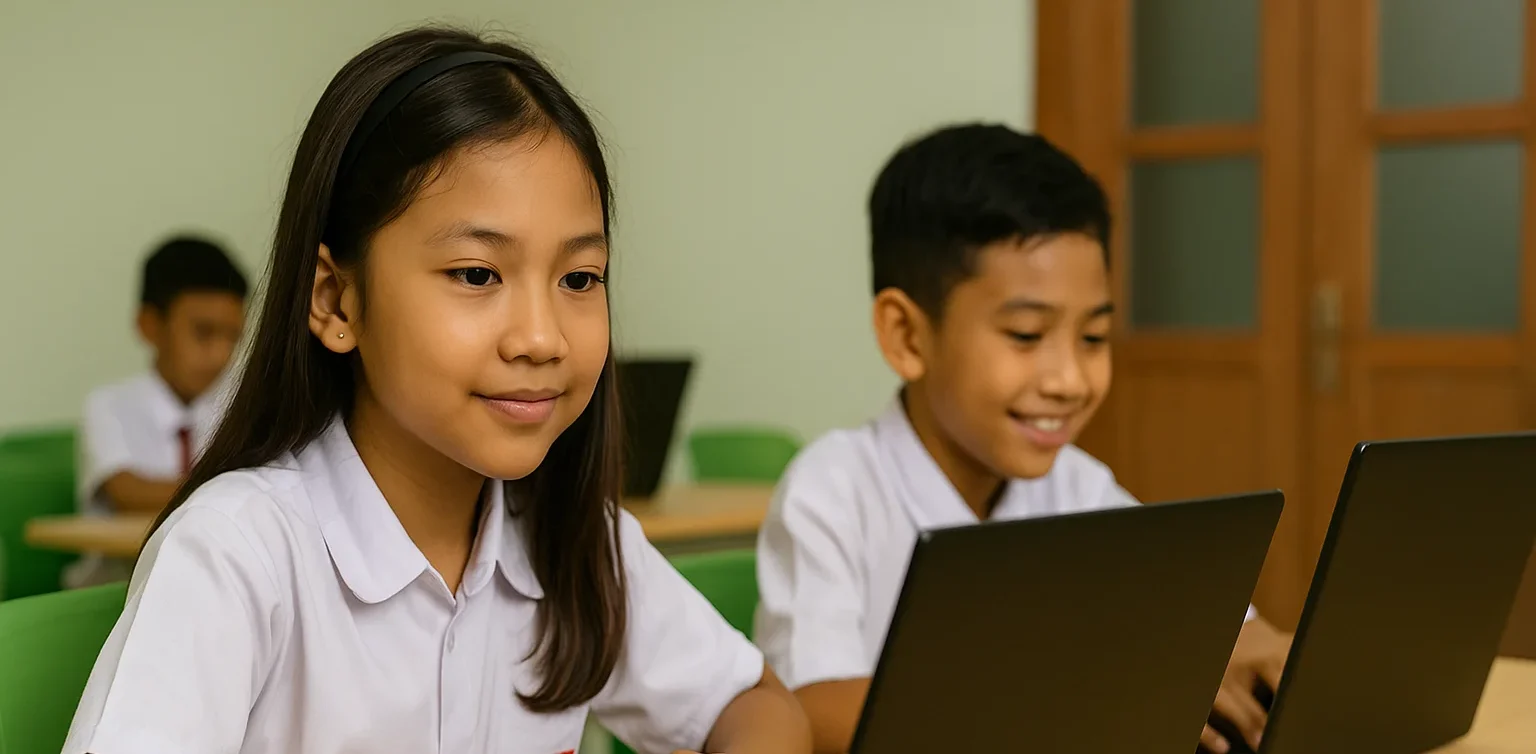
In today’s digital era, every individual, including children, needs adequate digital skills. One increasingly essential skill is understanding and using artificial intelligence, or AI. Children are not only taught to use technology but also encouraged to think critically, creatively, and solve problems systematically. Learning AI for Children has become an effective educational approach to develop logic and creativity from an early age.

Why Children Should Start Learning AI Early
Learning AI for Children

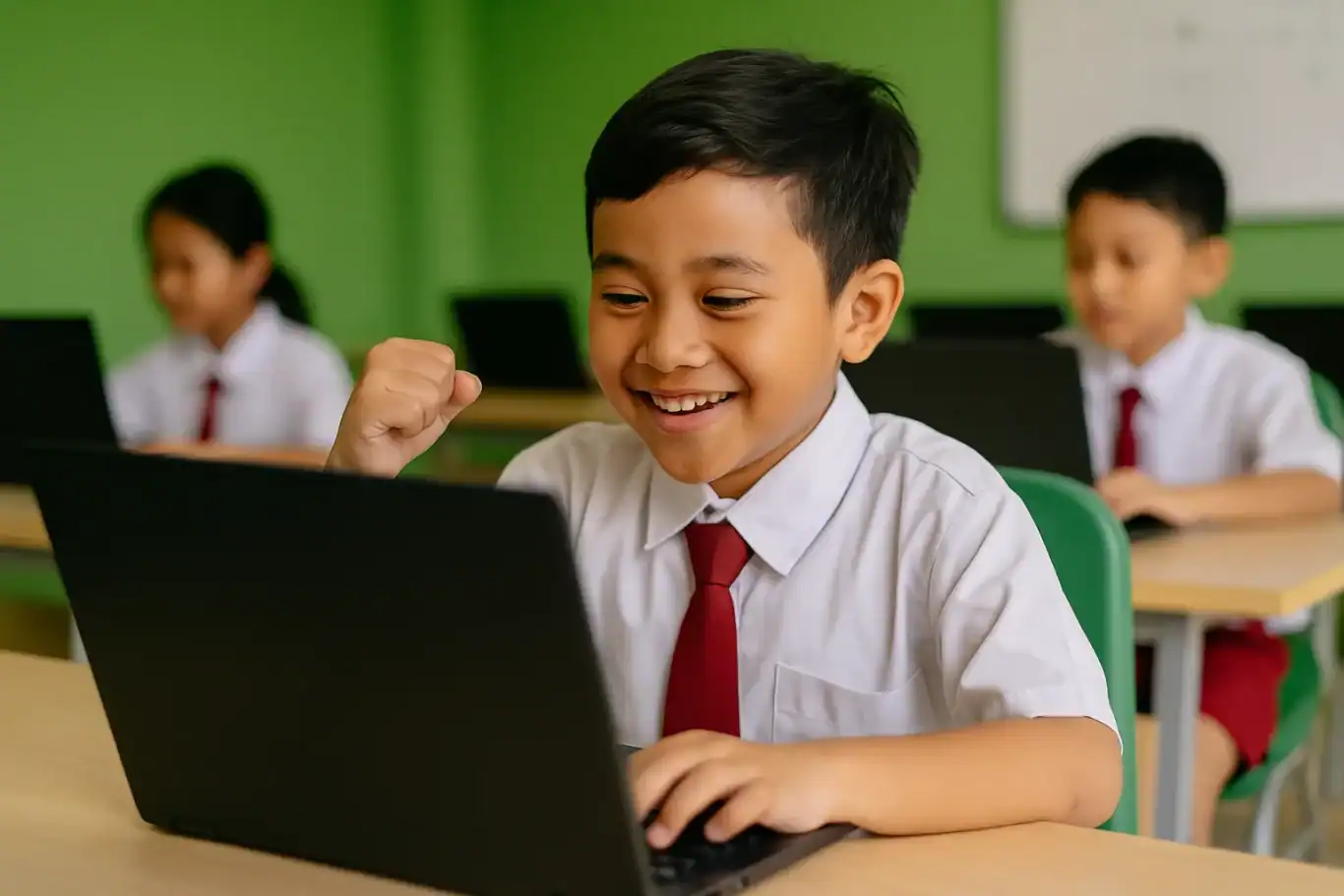
AI is no longer just a future technology. Many applications in daily life now rely on AI, from digital assistants to interactive games and educational apps. By introducing Learning AI for Children early, kids become familiar with programming concepts, logic, and data analysis. This early exposure helps them adapt to technological advancements while strengthening critical thinking and creative skills that are crucial for their future.

Moreover, understanding AI nurtures children’s curiosity about technology. They begin to ask questions about how systems work, how data is processed, and how technology can solve everyday problems. Thus, Learning AI for Children is not only about technical mastery but also about developing an analytical mindset that supports both formal and informal learning.

The Benefits of Learning AI for Children

Here are several key benefits children gain when they start Learning AI for Children:

  1. Enhances logical thinking and problem-solving skills
    Understanding algorithms and sequences teaches children to tackle problems systematically. They learn how to break complex challenges into smaller steps and solve them one by one, a skill that is invaluable both academically and in daily life.
  2. Boosts creativity
    Children can create simple AI projects, such as chatbots, interactive games, or digital animations. By combining creativity with technology, they can produce unique and meaningful outcomes.
  3. Prepares them for future careers
    Early AI knowledge equips children for potential careers in technology and science. It opens opportunities in game development, robotics, and advanced technological research.
  4. Learning through play
    Gamified learning makes AI lessons enjoyable and interactive. Children who are already engaged in gaming or digital exploration will adapt more easily to AI learning in a playful and practical way.
  5. Fosters collaboration skills
    Children learn to work in teams on AI projects, improving communication and teamwork skills. They experience discussing ideas, providing feedback, and completing projects collectively.
  6. Builds self-confidence
    Completing AI projects instills a sense of accomplishment in children. They understand that failure is part of learning and that success comes through practice and understanding.

Effective Approaches for Learning AI for Children

To make Learning AI for Children effective, teaching methods should align with the child’s age and skill level. Timedoor Academy offers an interactive, practical, and fun curriculum. Professional tutors guide students step by step, starting from basic concepts to creating simple AI projects. This approach ensures that children not only understand theory but also apply their knowledge in real projects.

Furthermore, a personalized learning approach allows tutors to adjust lessons according to each child’s interests. For example, children who enjoy games can learn to create simple AI games, while those interested in animation can develop interactive AI characters. This approach makes learning relevant to daily life and interests, keeping it both engaging and effective.

Integrating Hobbies with AI Learning
Learning AI for Children

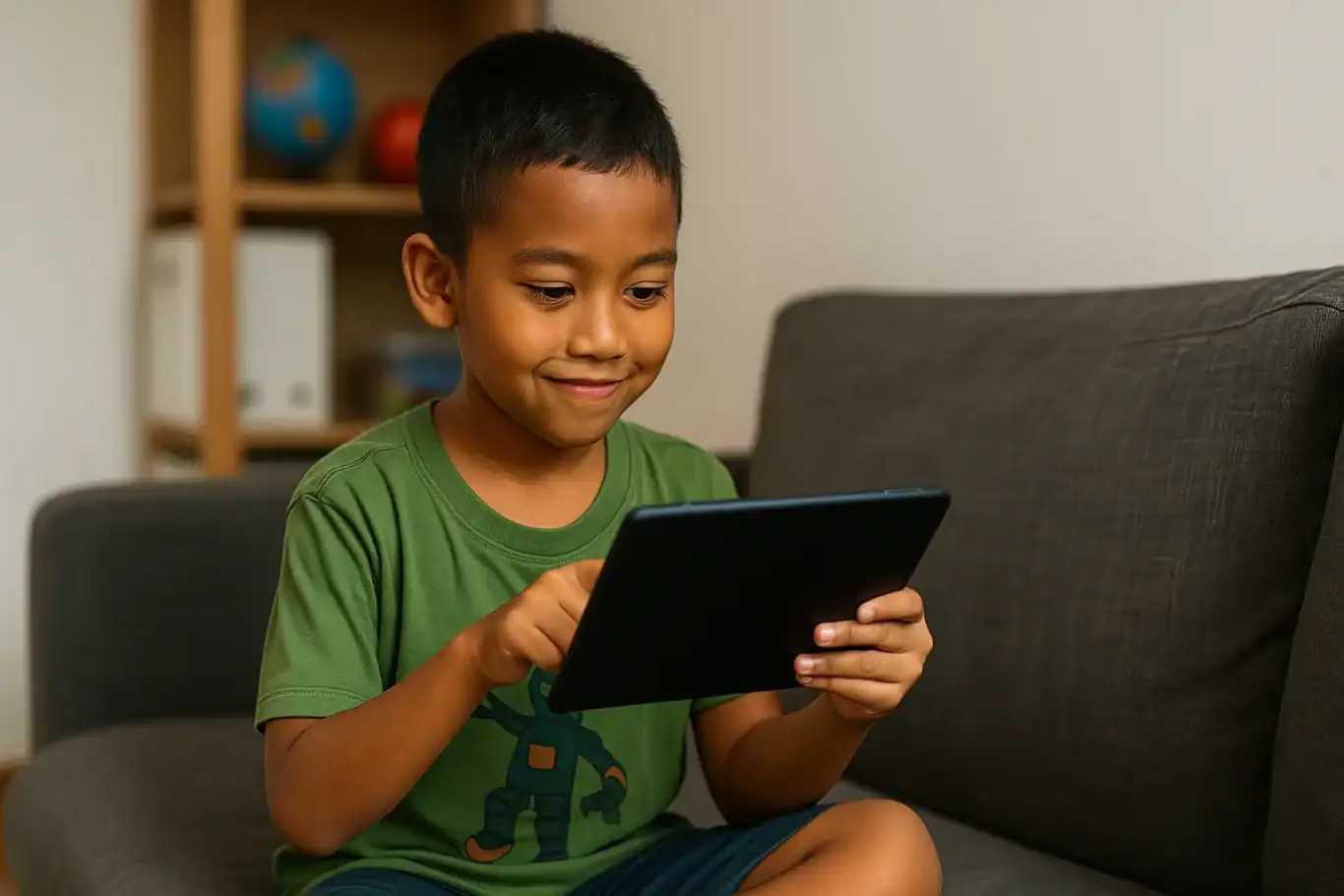
One effective way to motivate children is by connecting AI learning to their hobbies. Children who love gaming can explore how AI applies in game design, while those interested in animation can create interactive AI characters. This makes Learning AI for Children more meaningful and fun, encouraging children to stay engaged.

Beyond technical skills, linking hobbies with AI nurtures creativity and critical thinking. Children learn that technology is not just a source of entertainment but also a tool for expression and creating something meaningful.

Parents’ Role in Supporting AI Learning

Learning AI for Children

Parents play a crucial role in supporting Learning AI for Children. They can help by:

  • Providing supervision and guidance while children work on projects
  • Offering praise and encouragement when children complete tasks
  • Creating a comfortable learning environment and supplying the necessary tools

With full parental support, children gain confidence and motivation to explore the world of AI.

Learning AI from an Early Age: Fun, Creative, and Essential for Your Child’s Future

Ingin tahu detail program? Image

Ingin tahu detail program?

Mastering AI at an early age offers numerous advantages for children. Besides developing technical skills, it cultivates critical thinking, creativity, and problem-solving abilities. Learning AI for Children at Timedoor Academy delivers an interactive, practical, and enjoyable experience. With a structured curriculum and professional tutors, children can explore AI safely and effectively.

If you want your child to start developing AI skills in a fun and interactive way, register them for a free trial at Timedoor Academy today. Here, children will learn AI creatively and practically, guided by professional tutors who understand the needs of modern learners.


Keep Reading

Cara Meningkatkan Kepercayaan Diri Anak dengan Coding di 2025
How to Boost Kids Self-Confidence with Coding in 2025
Self-confidence is an important quality that needs to be developed early in every child. However, for introverted children, building self-confidence can be a unique challenge. Introverted children tend to be quieter, enjoy spending time alone, and may feel awkward in social situations. One effective way to boost children’s self-confidence is through coding activities. This article will discuss how coding can serve as a supportive medium for the development of introverted children, while also providing tips on how to boost kids self-confidence in general. Understanding Introverted Children and Their Self-Confidence Challenges Introverted children usually prefer to engage in activities alone or in small groups, and they enjoy quiet time to think and create. In larger social environments, they might feel uncomfortable or find it difficult to express themselves, which can affect their self-confidence. How to boost kids self-confidence in introverted kids does not mean forcing them to become extroverted, but helping them find ways to feel comfortable and believe in their own abilities. This is where coding can be a very useful tool. Coding as a Medium to Build Self-Confidence in Introverted Children Coding is an activity that allows children to learn and create in a controlled and pressure-free environment. Here are some ways coding can help parents apply methods on how to boost kids self-confidence: 1. A Creative Space for Self-Expression Coding gives children the chance to turn their ideas and imagination into tangible forms such as games, animations, or simple applications. Introverted children who may struggle to express themselves verbally can channel their creativity through coding. Seeing the results of their own work is very satisfying and boosts self-confidence. 2. Project-Based Learning with Clear Goals In coding, children learn through clear, measurable projects. Every successful coding step makes the child feel a real sense of achievement. This process builds the belief that they can overcome challenges and solve problems, which is an important part of how to boost kids self-confidence. 3. Focus on Individual Skills Coding allows introverted children to work independently with a focus on problem-solving. Without excessive social pressure, they can learn and grow in their own way. This strengthens self-confidence because the child knows they can succeed without following group pressure. This independence is key in how to boost kids self-confidence. 4. A Supportive Learning Environment Child-friendly coding platforms and small communities let introverted children feel safe and accepted. They can interact according to their ability and comfort without feeling burdened by high social expectations. General Ways to Boost Children’s Self-Confidence Besides using coding as a medium, there are other alternatives parents and educators can do as ways on how to boost kids self-confidence, especially for introverted children: 1. Recognize and Appreciate the Child’s Uniqueness Every child is different, and it is important to accept their character without forcing changes. Appreciating a child’s uniqueness helps them feel accepted and confident being themselves. 2. Give Positive Support and Appreciation Sincere praise for a child’s effort and achievements can boost motivation and self-confidence. Focus on the learning process, not just the final results. 3. Encourage the Child to Take Appropriate Risks Let children try new things in a safe environment. Experiences of successfully overcoming challenges will build their self-confidence and are practical examples of how to boost kids self-confidence. 4. Practice Social Skills Gradually Help introverted children practice interacting in comfortable and controlled social situations. For example, joining a small club or activities that match their interests. 5. Be a Good Role Model Parents who demonstrate confident and positive attitudes will serve as examples for children to imitate. Supporting Children with Fun Coding Programs To maximize the benefits of coding as a way on how to boost kids self-confidence, choose coding programs designed specifically for kids with fun and easy-to-understand methods. Timedoor Academy is one program that offers this kind of approach. Timedoor Academy provides coding classes tailored to the child’s age and ability, supporting learning in an interactive and enthusiastic way. Parents can also feel assured because the learning methods are very friendly, even for introverted children. Moreover, Timedoor Academy offers a free trial class so children and parents can try coding lessons without any commitment. This gives children the chance to experience fun coding activities that support the development of their self-confidence and demonstrate effective ways on how to boost kids self-confidence.
Positive Impact of Multimedia Training for Teenagers Every Parent Must Know
In today’s digital era, teenagers are not only using technology for entertainment but also for learning and creating. One of the most effective ways to help them grow is through multimedia training for teenagers. This program allows young learners to understand creative content production while developing skills that are highly relevant to their future. What Is Multimedia Training? Multimedia training is a learning program that covers a wide range of creative skills such as graphic design, photo editing, video production, animation, and interactive presentations. By joining multimedia training for teenagers, students gain fundamental knowledge of creative technology while also learning how to apply it to produce real projects. Key Benefits of Multimedia Training There are many reasons why parents choose multimedia training for teenagers for their children. Some of the main benefits include: Boosting Creativity Teenagers learn how to express their ideas through visual and audio works. Improving Technical Skills They are introduced to design and editing software widely used in the creative industry. Encouraging Critical Thinking In the process of creating content, they learn to plan, evaluate, and refine their work. Preparing for Future Careers With these skills, teenagers are better equipped for opportunities in design, communication, and technology. Relevance of Multimedia Training in the Digital Age Digital content is now an essential part of everyday life. Social media, YouTube, and other online platforms rely on engaging and high-quality content. Through multimedia training for teenagers, young people are not only consumers but also creators who can produce positive and valuable works. Enhancing Communication Skills Another important aspect is how multimedia training helps improve communication skills. In multimedia training for teenagers, students learn to deliver messages effectively through images, videos, or audio. This ability is useful not only for academic purposes but also for building strong social interactions. Building Confidence Through Achievement When teenagers successfully complete a multimedia project, such as a poster, a short video, or an animation, they experience a sense of accomplishment. This process naturally boosts their self-confidence. Therefore, multimedia training for teenagers contributes to positive character development as well. The Role of Parents in Supporting the Process Parental involvement plays a big role in the success of this journey. Supporting them with time, a comfortable learning environment, and appreciation for their creations will keep them motivated. With this encouragement, multimedia training for teenagers becomes an enjoyable and rewarding experience. Why Choose Timedoor Academy? Timedoor Academy provides multimedia training for teenagers designed to meet today’s learning needs. The curriculum emphasizes practical experience, ensuring that students not only understand theory but also produce real projects. With guidance from experienced mentors, every class is engaging, challenging, and inspiring for teenagers. Support Children’s Creativity with Multimedia Training As a parent, you surely want your child to gain skills that will benefit their future. Giving them the opportunity to join multimedia training is a wise decision. Enroll your child in a Free Trial at Timedoor Academy and see how their creativity grows into real abilities.
Why Coding for Kids Is Necessary in 2025?
With the rapid growth of technology, many parents are beginning to wonder if learning to code is becoming as essential as reading or math. As we approach 2025, nearly every aspect of life is increasingly connected to the digital world. That brings up a big question for families: is coding for kids something they really need to prioritize? We all want to prepare our children for the future. In this context, coding for kids is not just about preparing them for careers in tech. It’s also about helping them build useful life skills like critical thinking, problem-solving, and digital confidence. Coding for Kids Is Not Just for Future Programmers One common misconception is that only kids who want to become programmers should learn to code. In reality, coding helps children develop logical thinking and structured problem-solving skills. When kids learn coding, they are training their brains to approach problems step by step and think clearly. These skills are useful far beyond technology. Children who think in an organized way often do better in school subjects like math and science. So when we talk about the benefits of coding for kids, we’re also talking about building stronger thinking habits for life. The Future Job Market Will Rely on Technology We may not know exactly what jobs will look like in the future. But one thing is certain—technology will be part of nearly every profession. Understanding coding for kids means giving them a foundation that allows them to adapt to change and take advantage of new opportunities. Even in creative or non-tech careers, basic digital literacy is essential. Teaching coding for kids at a young age gives them a strong foundation that can apply across a wide range of future possibilities. Coding Builds Patience and Resilience Learning to code involves lots of trial and error. Children learn how to fix problems, try again, and improve their work. These are real-life lessons in patience and resilience. Through coding for kids, they develop the ability to stay calm and focused even when things don’t work perfectly. These soft skills are just as important as academic ones. Children who code learn to accept mistakes as part of the process, and they become better problem solvers because of it. Start with Simple and Fun Activities Not every child has to start writing complex code right away. There are many playful and creative ways to introduce coding for kids, especially at early ages. It can begin with games, logic puzzles, or interactive apps that teach the basics in an enjoyable way. The key is to create positive experiences. When coding feels fun and engaging, kids are more likely to continue learning. Parents don’t need to be tech experts—they just need to be supportive and encouraging as their kids explore. Coding for Kids Doesn’t Have to Be Expensive A big myth about learning to code is that it requires expensive tools or lessons. Today, there are many online platforms that offer quality coding for kids programs at affordable prices, or even for free. Timedoor Academy, for example, provides online classes designed specifically for children, with friendly mentors and fun projects. It’s a simple and effective way to introduce kids to the world of coding from the comfort of home. Why Coding for Kids Is a Smart Investment More than a trend, coding for kids is a long-term investment in your child’s development. It strengthens both technical and personal skills. From building logic to growing confidence, the value goes far beyond the screen. As technology continues to evolve, helping kids understand it early on will empower them to not just consume digital tools, but also create and innovate with them. Make Learning to Code Fun with Timedoor Academy If you’re ready to get your child started on a fun and meaningful tech journey, Timedoor Academy offers engaging online classes tailored for kids. With hands-on projects and expert guidance, your child will learn to code in a way that is exciting and age-appropriate. Try a free class today and explore how coding for kids can open the door to a confident and creative future.
float button