Sep 15, 2023

Free Coding Class for Children in Orphanage

Free Coding Class for Children in Orphanage image

Introduction

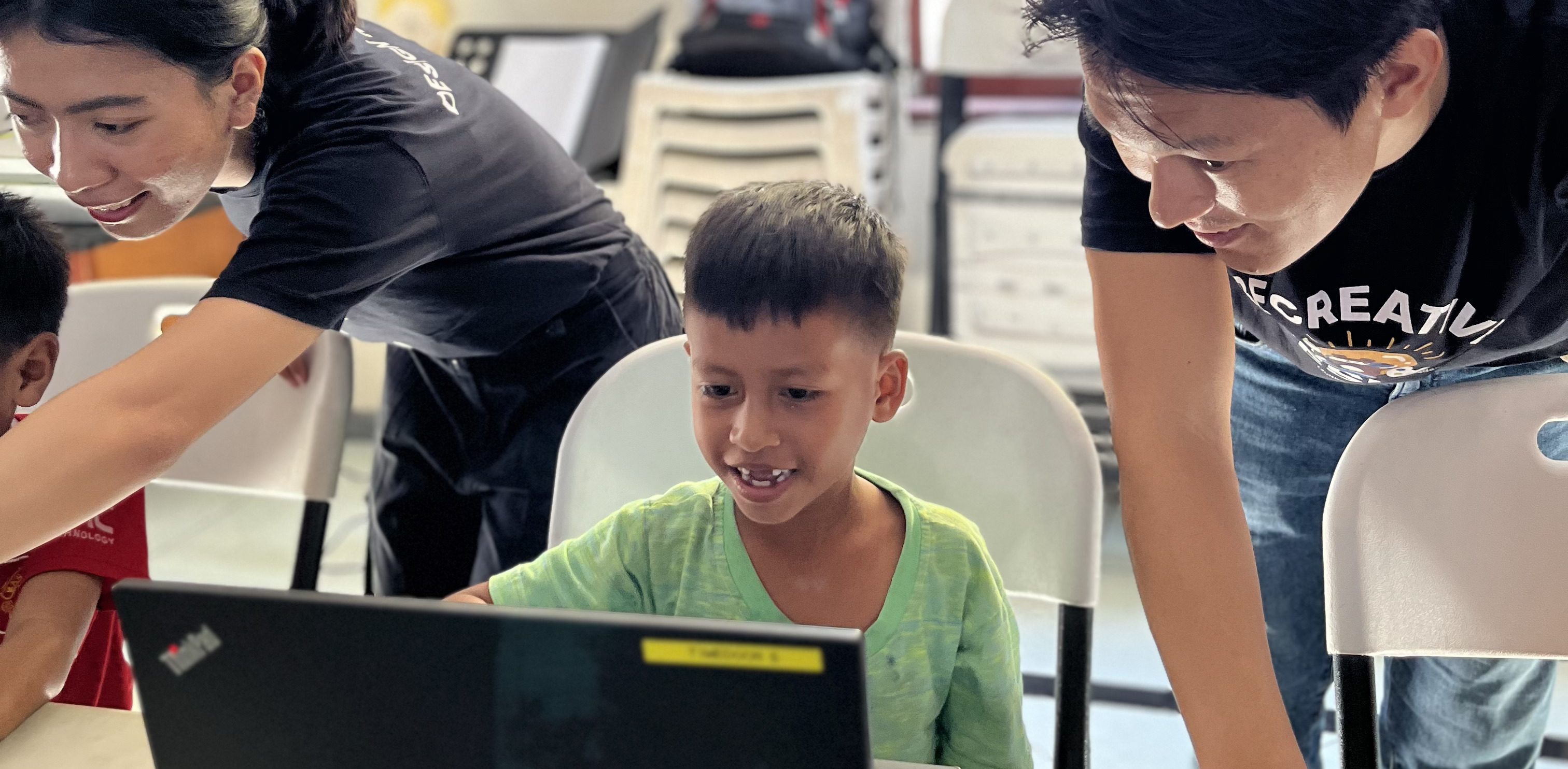
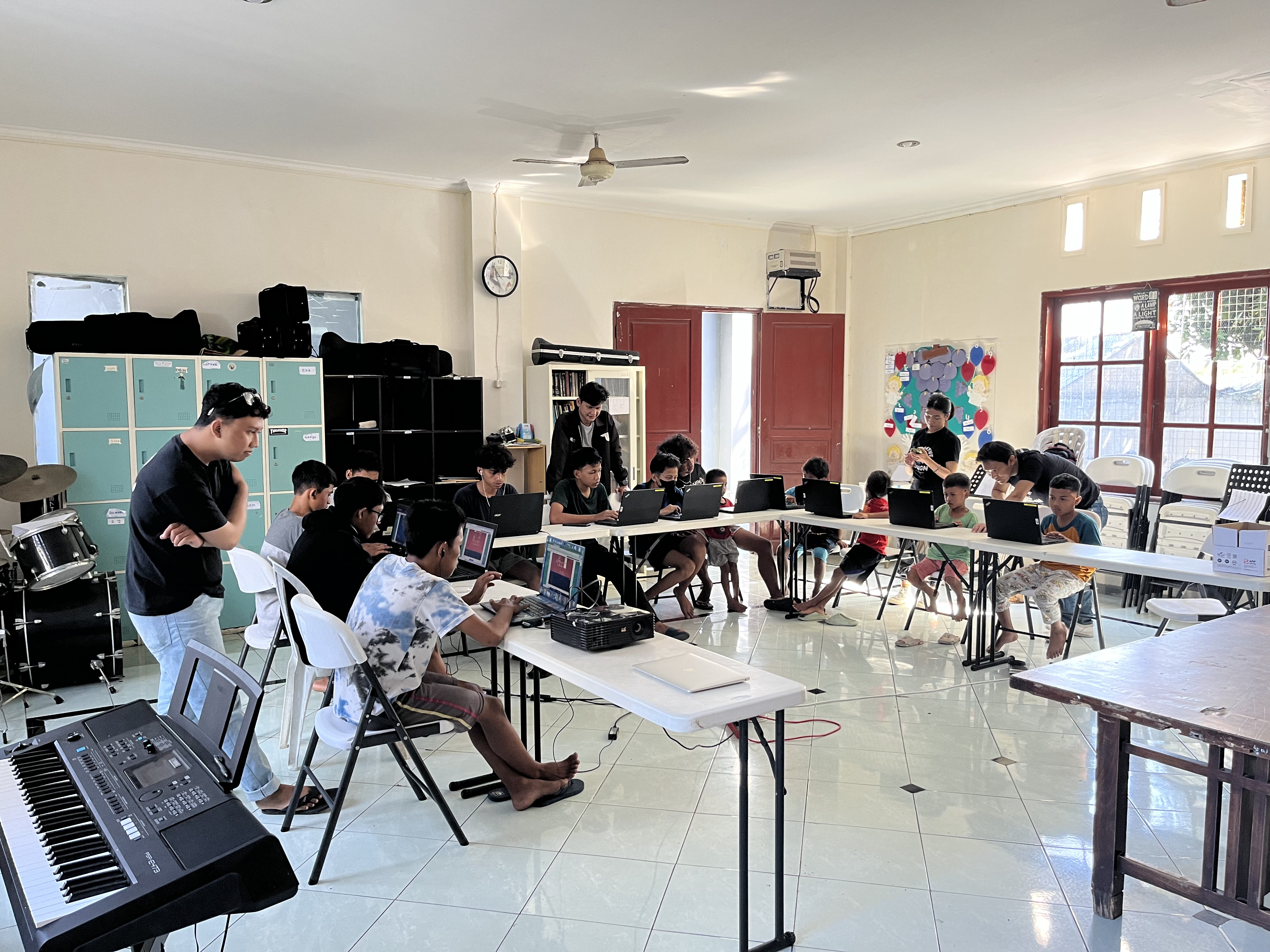
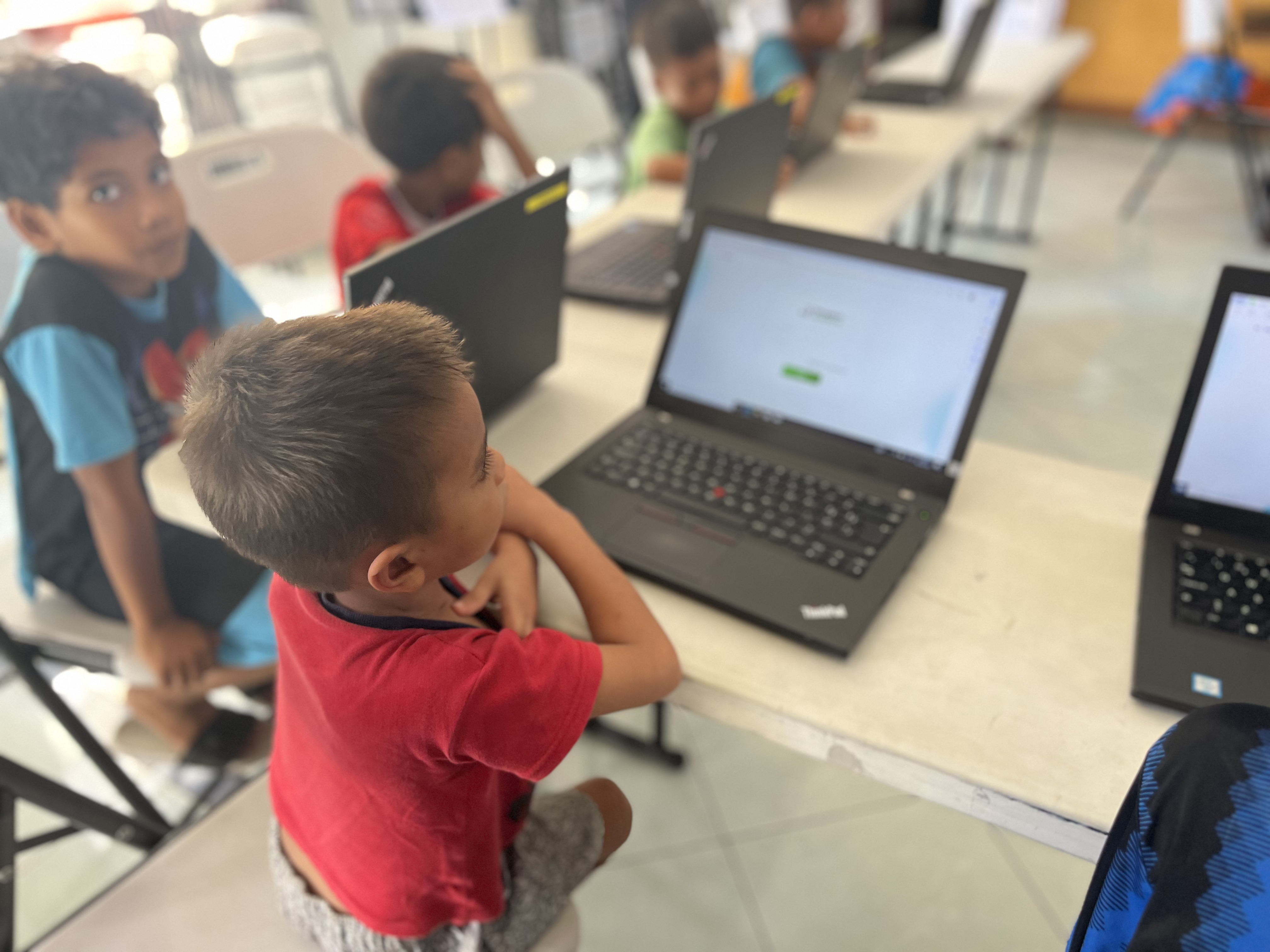
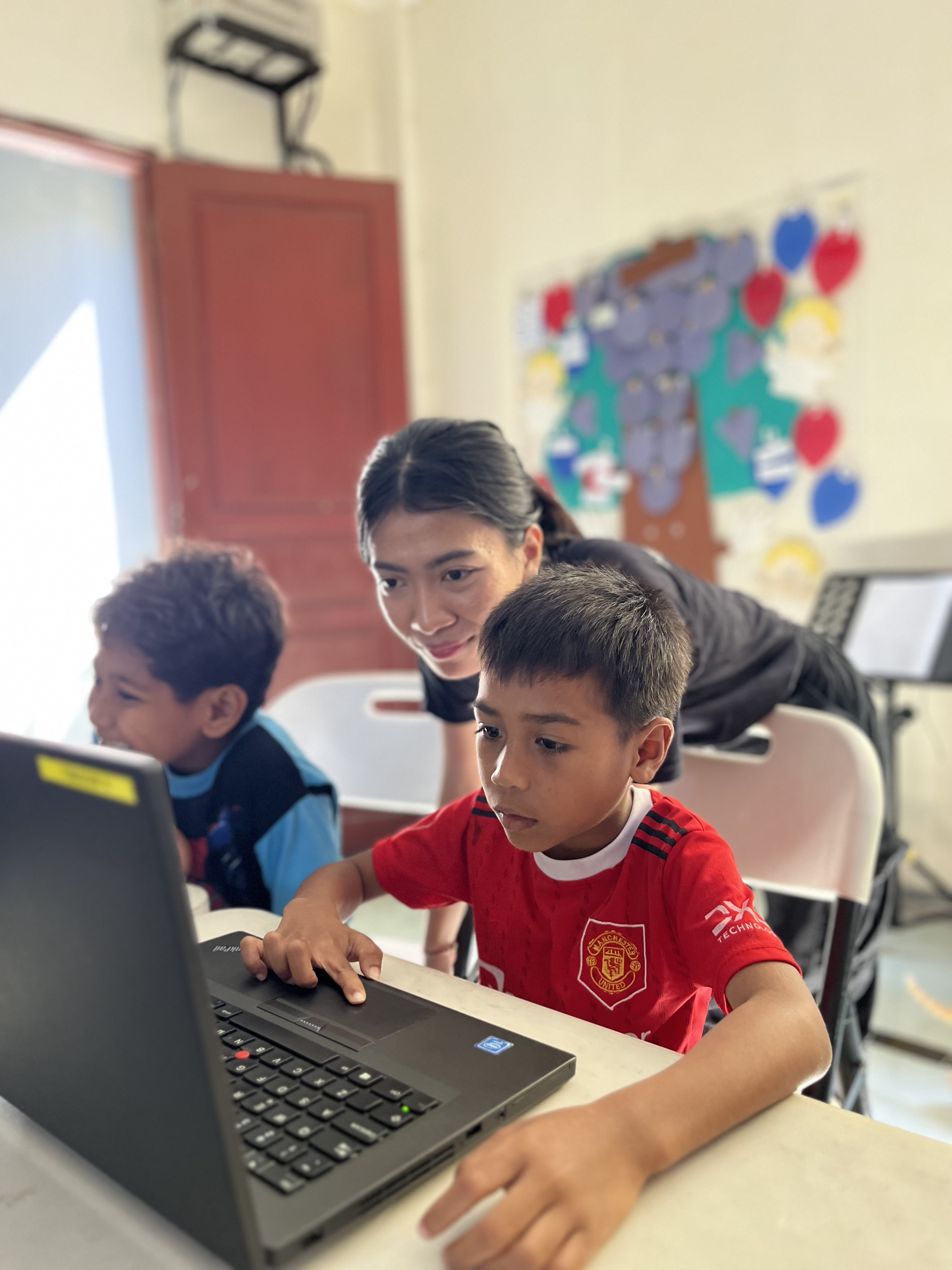
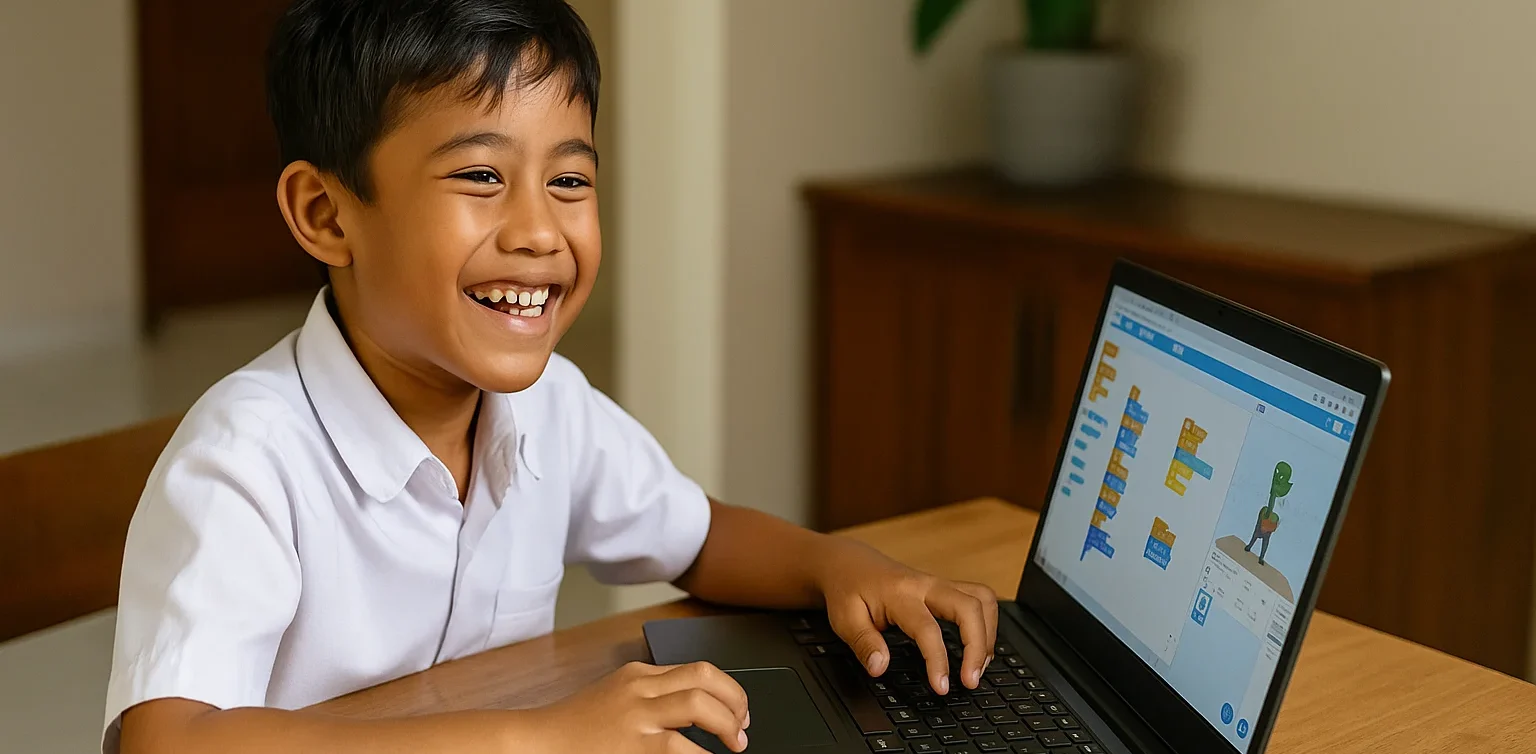
Timedoor Academy has proudly launched a free educational initiative dedicated to the children of the “Rumah Impian” orphanage. As part of our commitment to fostering skill development in underserved communities, we are offering comprehensive coding classes at no cost. Additionally, to facilitate this learning, we are providing them with computers. This endeavor aims to equip these children with valuable digital skills, paving the way for broader job opportunities in their future.


Background

Children in orphanages don’t have parents and live a limited simple life. They often face limited money and opportunities. Upon completing their high schooling, they might encounter challenges in securing rewarding employment due to a lack of specialized skills, knowledge, and educational background.


Message from CEO

Our CEO, Yutaka, emphasizes the significance of coding in today’s world. He mentions, “Coding is everywhere in your game, mobile app, etc. it’s a tool for innovation and creativity.” Yutaka envisions these children not just as users of digital platforms but as creators, shaping their own destinies. He believes this skill will help them get better jobs in the future.


What We Teach

Children and teenagers, ranging from 6 to 19 years, are all welcome in our program. We have tailored coding lessons suitable for each age bracket. The younger ones might begin with foundational coding concepts through engaging game activities, while the older participants delve into more advanced tasks like text coding game development. The enthusiasm and rapid progress of these students have been truly inspiring.


What’s Next?

Our dedication to this cause doesn’t end with a few lessons. We intend to consistently teach and mentor these children on a weekly basis. By instilling coding knowledge now, we are optimistic about expanding their future employment prospects.

Through this initiative, Timedoor Academy aims to empower these children, ensuring they have the skills and confidence to navigate the digital future ahead.


This is part of our CSR Project “Tech for Leap”. If you are interested in supporting our project, please kindly contact us.

Tech for Leap – Charity Coding Project for Unprivileged Children

Keep Reading

How to Deal with Kids Addicted to Games Wisely and Effectively in 2025
In today's digital age, playing video games has become one of the most popular pastimes for kids. Many children can spend hours in front of a screen playing their favorite games, often losing track of time. While gaming is not always harmful, excessive screen time can lead to addiction. That’s why it’s essential for parents to understand how to deal with kids addicted to games in a balanced and constructive way. Game addiction can affect many areas of a child’s life, from declining academic performance and sleep issues to lack of physical activity and reduced social interaction. In this article, we’ll explore the causes of game addiction, signs to look out for, and practical steps parents can take to help their child break free from unhealthy gaming habits. Why Do Kids Get Addicted to Games? Digital games are designed to provide instant gratification and constant stimulation. The engaging visuals, evolving challenges, and reward systems make games highly addictive. If the game also offers online interaction with friends, it becomes even harder for kids to step away. In some cases, games become a form of escape from boredom, academic stress, or social difficulties. When a child lacks enjoyable alternatives or doesn’t receive enough emotional support at home, games can feel like their only reliable source of comfort. Signs Your Child Might Be Addicted to Games Here are some common signs that may indicate game addiction: Playing games excessively even after being told to stop Becoming angry or frustrated when asked to take a break Ignoring responsibilities like schoolwork or chores Losing interest in activities they used to enjoy Sleep issues or fatigue from late-night gaming sessions If you start noticing these signs, it’s time to explore how to deal with kids addicted to games with a calm yet firm approach. How to Deal with Kids Addicted to Games Using a Positive Approach Here are several effective strategies parents can apply: 1. Build Open and Empathetic Communication Start with a heart-to-heart conversation. Avoid jumping into blame or punishment. Ask your child why they enjoy gaming, and truly listen to their answers. This approach helps them feel heard and makes them more willing to change. 2. Set Clear and Consistent Limits Establish clear rules for game time—for example, no more than one hour a day after homework is finished. Consistency is key so children learn the value of self-discipline. 3. Offer Fun and Engaging Alternatives One of the best ways to reduce game time is by introducing other exciting activities. Consider enrolling them in a coding class, exploring creative hobbies like drawing or cooking, or encouraging them to play sports. The more positive outlets they have, the less likely they’ll fall back into excessive gaming. 4. Be a Role Model Children mimic what they see. If parents also spend hours glued to their screens, kids will assume it’s acceptable. Reduce your own screen time and actively participate in family activities to set a strong example. 5. Use Tech Tools Wisely Parental control features can help you manage your child’s game time and content. You can also use apps that track screen activity in a way that doesn’t feel intrusive. 6. Seek Professional Help if Needed If your child’s gaming habits become too difficult to manage and begin affecting their physical or emotional health, don’t hesitate to consult a child psychologist or family counselor. A Healthy Alternative: Learning to Code Coding can be a powerful alternative to reduce game addiction. It still provides a digital and stimulating experience—but in an educational and productive context. Kids can design their own games, learn logic, and challenge their creativity in a meaningful way. At Timedoor Academy, we offer interactive coding courses specifically designed for children. With a fun, hands-on approach and real-world projects, kids can feel both challenged and proud of what they create. Create a Healthy Daily Routine at Home To support these efforts, parents should establish a balanced daily routine. Make sure your child has time for study, outdoor play, rest, and meaningful family interaction. A well-structured day helps reduce dependency on games and boosts overall well-being. Take Action: Support Your Child with Understanding Helping a child break free from game addiction isn’t easy, but it’s far from impossible. The key to learning how to deal with kids addicted to games lies in consistent guidance, open communication, and offering more meaningful alternatives. If you're looking for an activity that’s both educational and enjoyable, try enrolling your child in a free coding class at Timedoor Academy. It’s a smart way to shift their screen time from passive consumption to active creation. Enroll your child today at Timedoor Academy and try a free coding class. Support your child in building healthy and positive digital habits from an early age.
How to Choose a College Major: Why IT Major Is One of the Best Options in 2025
Deciding on how to choose a college major is one of the most important decisions for any student. The major you pick can shape your future career, skills, and opportunities. With so many options available, it can feel overwhelming to decide which path to take. Among the many fields, an IT major (Information Technology) stands out as a strong choice for students looking to enter a fast-growing, dynamic industry with global opportunities. This article will help you understand why an IT major could be the right fit and offer tips on how to choose a college major wisely. Why Choosing the Right College Major Matters Deciding on how to choose a college major is more than just picking a subject to study. It determines the skills you will develop, the network you build, and the kind of career path you might follow. A well-chosen major aligns with your interests and the demands of the job market, giving you a better chance at success after graduation. Many students struggle with this choice because they want to balance passion with practicality. You want to enjoy what you study but also ensure that your skills will be valuable in the real world. Understanding the current and future job market trends can guide you to make an informed decision. Why Consider an IT Major? High Demand and Job SecurityThe IT industry is growing rapidly worldwide. Businesses, governments, and organizations of all sizes rely on IT professionals to maintain systems, secure data, and develop new technologies. Roles like software developer, network administrator, cybersecurity analyst, and data scientist are in high demand and expected to grow for years to come. Versatile Skills Applicable Across IndustriesAn IT major equips you with technical skills that apply in various sectors such as healthcare, finance, education, entertainment, and more. Whether you want to build apps, manage cloud infrastructure, or analyze big data, the skills from an IT major open doors in many fields. Attractive Salaries and Career GrowthBecause of the specialized skills required, IT careers often come with competitive salaries. Plus, the tech industry is known for offering career advancement opportunities, certifications, and the chance to work in innovative environments. Continuous Learning and InnovationIT is an ever-evolving field. If you enjoy learning new technologies and solving problems creatively, an IT major offers a dynamic and stimulating career path. Tips for How to Choose a College Major Assess Your Interests and StrengthsThink about what subjects excite you and where your skills lie. Passion combined with aptitude often leads to success. Research Job Market TrendsLook into which majors have strong job prospects both locally and globally. The IT field, for example, shows consistent growth worldwide. Consider Your Long-Term GoalsWhere do you see yourself in 5 or 10 years? Choose a major that aligns with your vision. Talk to Professionals and AlumniConnect with people who have studied or work in your fields of interest to get real-world insights. Explore Related Courses or WorkshopsTry online courses, coding bootcamps, or workshops in IT or other areas you’re curious about. This can help you get a feel for what you like. How Online Learning Can Boost Your IT Journey Choosing an IT major doesn’t mean you only learn in classrooms. Many successful IT professionals supplement their studies with online courses and coding bootcamps. Platforms like Timedoor Academy offer interactive and beginner-friendly coding classes that can help you build practical skills alongside your college education. Timedoor also provides free trial classes, so you can explore if coding and IT are right for you before fully committing. This kind of hands-on experience can give you an edge when entering the job market. Making an Informed Choice How to choose a college major is a question many students face. By reflecting on your interests, researching industries, and exploring fields like IT major, you can make a choice that benefits both your passion and career prospects. If you’re leaning towards technology and innovation, an IT major is definitely worth considering. And remember, learning doesn’t stop with your degree. Using resources like Timedoor Academy to build real skills can set you up for success in the competitive global job market. Start your learning journey today with a free trial class and see where IT can take you!
Belajar Coding Pemula Anak dan Remaja
How to Learn Coding for Beginners Kids and Teens
In today’s increasingly digital world, coding has become an essential skill that opens up many opportunities for the future. For kids and teens, learning coding for beginners is a great first step to understanding how technology works and starting to build their own digital creations. Why Should Kids and Teens Learn Coding for Beginners? Starting to learn coding for beginners at a young age offers many benefits, not only technical ones, but also for personal development and social skills. Some key benefits include: Improving logical thinking and problem-solving skills Boosting creativity and imagination Building a structured way of thinking Gaining confidence through creating real projects Understanding the technology they use every day First Steps to Learn Coding for Beginners To make the learning process more effective, it’s important to use a fun, engaging approach that matches the child’s learning level. Here are some steps to get started: Introduce basic concepts with interactive gamesApps like Scratch Junior or Code.org help kids understand the logic behind programming through visuals and games. Choose the right programming language based on ageAges 5–9: Scratch Junior, BlocklyAges 10–14: Scratch, basic PythonAges 15 and above: Python, HTML/CSS, JavaScript Start small with simple, fun projectsFor example, making a basic game or an animated story on Roblox or Minecraft Education Kid-Friendly Platforms to Learn Coding for Beginners There are many online platforms available to help children understand programming step by step. Recommended platforms include: Scratch – A visual programming tool perfect for beginners Code.org – Educational coding challenges with fun themes Tynker – A subscription-based platform with interactive content Minecraft Education – Learn coding through building and playing Timedoor Academy – Project-based coding courses available online and offline, perfect for kids and teens across the world! Make Learning to Code Fun and Enjoyable Kids are more likely to stick with coding if it’s connected to things they already enjoy. Here are some project ideas that make learning to code more exciting: Create interactive games using Scratch Build a short animation or digital comic Design a personal website with HTML and CSS Make a basic app using Python When children can see and share what they’ve created, they’ll feel proud and motivated to keep learning. Combine Kids' Interests with Learning to Code One effective way to encourage your child to learn coding for beginners is by tying it to their hobbies and interests. For example: Kids who love drawing can try digital animation Kids who enjoy gaming can learn to create their own games Kids who like writing can make interactive stories or visual novels This personalized approach makes the learning process feel more natural and enjoyable. Learning to Code is Better with Mentors Although self-learning is possible, coding for beginners is often more effective with a mentor and a supportive environment. At Timedoor Academy, kids and teens can join: Coding for Kids (ages 5 to 12) Coding for Teens (ages 13 to 18) Courses in Scratch, Python, HTML/CSS, and more All classes focus on hands-on practice through age-appropriate digital projects. Parents Play a Big Role in the Learning Journey Parental support is key, especially when children face challenges or lose motivation. What parents can do: Set aside time and space for learning Celebrate their child’s achievements, big or small Have conversations about the projects they’re working on Enroll them in a trusted program with the right learning style When parents show interest and encouragement, kids feel supported and excited to learn. Tips for Choosing the Right Coding Course for Beginners With so many options available, how do you choose the best one? Here are some factors to consider: Age and skill levelMake sure the course matches the child’s stage of development. It should be challenging but not overwhelming. Teaching methodProject-based, interactive learning is often more engaging than memorizing theory. Mentor availabilityHaving a mentor helps children when they get stuck or need guidance. Flexible schedulesA flexible program works well with school and other activities. Parent reviewsLook for testimonials or reviews to get a sense of the course’s quality and impact. At Timedoor Academy, every aspect is carefully designed to help kids learn coding for beginners in a way that’s fun, meaningful, and future-ready. Ready to Start Your Child's Coding Journey? Learning coding for beginners is an investment in the future, and it can start today. With the right approach, kids and teens won’t just understand technology, they’ll be able to shape it with their own ideas. Looking for a fun, project-based, and child-friendly place to start? Join Timedoor Academy’s free trial class available offline all around the world!
float button