May 21, 2025

When Is Eid al Adha 2025? Check the Official Date and How to Make the Most of the Holiday with Your Kids

<strong>When Is Eid al Adha 2025? Check the Official Date and How to Make the Most of the Holiday with Your Kids</strong> image

As one of the most significant Islamic holidays approaches, many people worldwide ask, when is Eid al Adha 2025? Knowing the exact date is essential for proper planning—from preparing for the religious sacrificial rituals to organizing family gatherings. Beyond religious observance, the holiday provides an excellent opportunity for parents to engage their children in positive and productive activities, such as learning coding, which is becoming an increasingly valuable skill in today’s digital age.

When Is Eid al Adha 2025?

Since Islamic holidays are based on lunar observations, the exact date of Eid al Adha can vary depending on the sighting of the moon and geographical location. However, according to astronomical calculations, Eid al Adha 2025 is expected to fall on Friday, June 6, 2025.

Knowing when Eid al Adha 2025 will occur allows families to prepare their festivities, plan travel, and participate in religious duties with ease. Early knowledge of the date also helps in organizing community events and coordinating time off from work or school.

The Importance of Eid al Adha Holiday and Extended Breaks

when is eid al adha 2025

In many countries where Eid al Adha is observed, it is recognized as a public holiday. Additionally, the days surrounding the holiday are often designated as extended breaks or long weekends. This gives families a rare chance to enjoy uninterrupted time together, making the holiday an ideal moment for bonding and relaxation.

Understanding when is Eid al Adha 2025 also helps parents plan meaningful activities for their children during the holiday. With several days off, parents can balance religious observance with opportunities for education and personal growth.

Encouraging Positive Activities for Children During Eid al Adha

The holiday season is not only for spiritual reflection and family reunions but can also be a wonderful time to introduce children to new skills and hobbies. One such valuable skill is coding. As digital technology increasingly shapes the future, learning to code can empower children to become creators, not just consumers, of technology.

When parents know when Eid al Adha 2025 falls, they can strategically incorporate coding lessons into holiday plans, ensuring children stay engaged in productive learning while enjoying the festivities.

Why Coding Is a Valuable Skill for Kids

Coding teaches children how to think critically and solve complex problems step by step. It fosters logical reasoning, creativity, and perseverance—skills that are beneficial far beyond computer science.

By learning coding at an early age, kids gain confidence in their ability to tackle challenges and create new solutions. These skills open doors to a variety of future careers in technology, science, and many other fields.

Interactive and Engaging Coding Programs for Kids
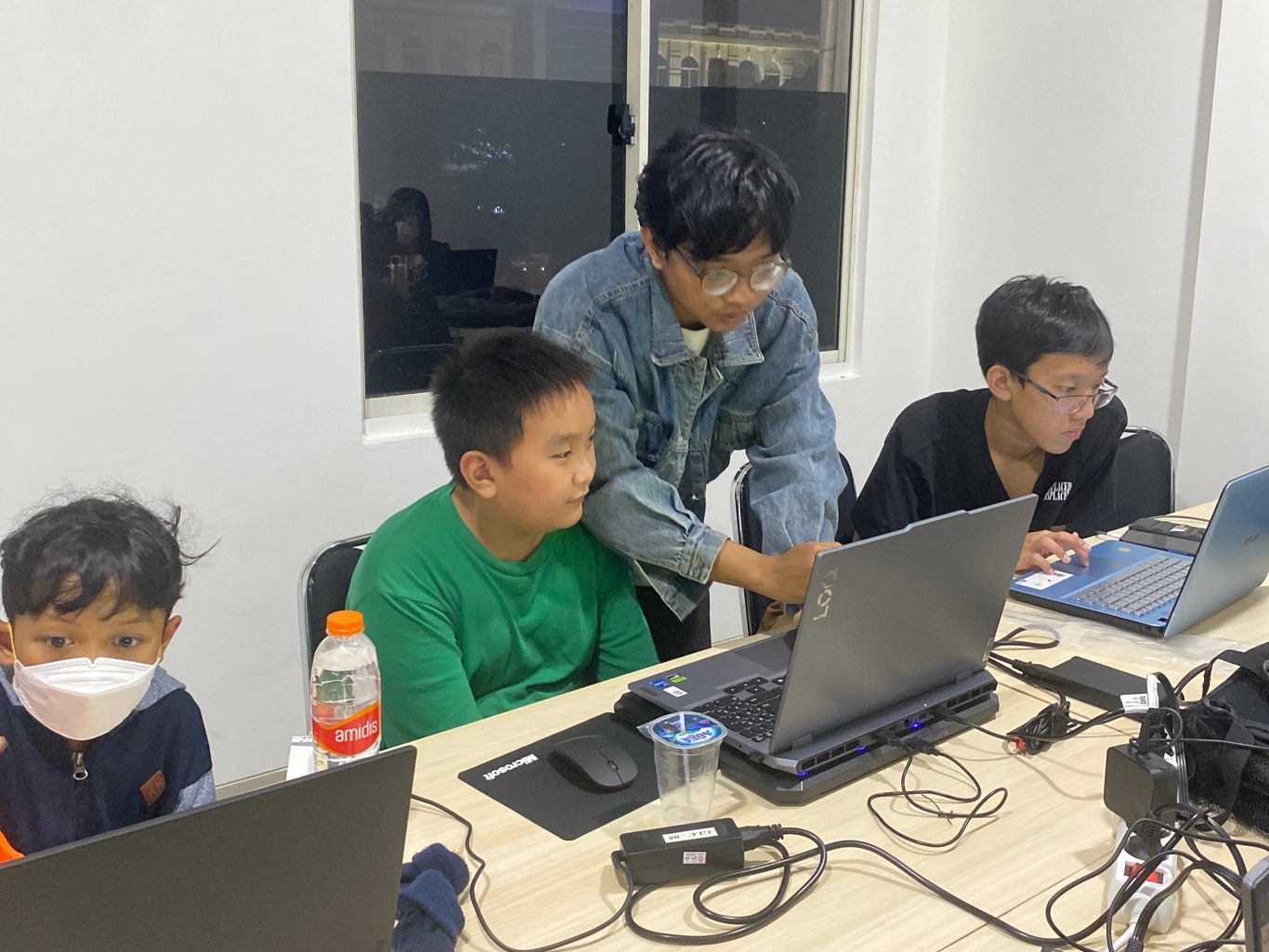
Timedoor Academy Green Lake City

Many online platforms offer coding classes designed specifically for children. These classes are structured to be interactive, fun, and suitable for different age groups. They often use project-based learning where kids can build games, animations, or simple apps, making the experience tangible and rewarding.

Parents wondering when is Eid al Adha 2025 can use the holiday to enroll their children in such programs, turning holiday downtime into a chance for valuable skill development.

Tips for Parents to Balance Holiday Fun and Learning

Here are some ways parents can maximize the Eid al Adha holiday by blending tradition with education:

  • Schedule light coding sessions that complement holiday activities without overwhelming the child
  • Integrate coding projects with cultural and religious themes to make learning more meaningful
  • Use the holiday break to explore free trial classes and identify programs that best fit the child’s interests and learning style

Try Before You Commit: Free Trial Coding Classes

To ease the decision-making process, numerous coding education providers offer free trial classes. This allows children and their parents to experience the learning environment, teaching style, and course content firsthand without any initial cost or commitment.

Taking advantage of free trial classes by Timedoor Academy during Eid al Adha holidays can be a smart way to explore coding options while the family enjoys their extended break.

Preparing for Eid al Adha 2025 and Your Child’s Future

 Image

Knowing when is Eid al Adha 2025 helps families prepare for a smooth and fulfilling celebration. It also opens the door to integrating modern learning opportunities such as coding into holiday plans.

By encouraging children to learn coding, parents help build a foundation for future success. Coding is not just about programming computers; it teaches essential skills that prepare children to thrive in a digital, technology-driven world.

Don’t miss this chance to provide your children with meaningful and skill-building holiday activities. Discover engaging coding programs online with Timedoor Academy, explore free trials, and get your kids ready for the exciting future ahead.


Keep Reading

Educating Children in the Digital Age 2025: Practical Tips for Modern Parents
In today’s hyper-connected world, educating children in the digital age has become a new challenge for parents. It’s no longer just about limiting screen time but also teaching digital etiquette, online safety, and emotional intelligence when navigating the internet. The digital world offers endless learning opportunities for children but also comes with risks if not guided properly. This is why educating children in the digital age requires a more adaptive and tech-aware approach from parents. Why Is It Important to Educate Children in the Digital Age? Children today grow up with gadgets in their hands. From online learning to gaming and social media, their daily activities often revolve around screens. Without proper guidance, they are vulnerable to negative content, cyberbullying, social media addiction, and even identity theft. Therefore, educating children in the digital age is not optional — it’s a necessity. Parents play a crucial role as both mentors and role models in helping children use technology in a healthy and productive way. Digital literacy is also essential, equipping children with the skills to discern accurate information and avoid misinformation or fake news. With the right foundation, children will be better prepared to face the challenges of the digital world. Challenges Parents Face in Educating Children in the Digital Age While technology brings many benefits, it can be overwhelming for parents to keep up. Common challenges include: Struggling to control children’s screen time due to the abundance of entertainment like YouTube and TikTok. Limited understanding of the ever-evolving digital apps and platforms. Children’s exposure to inappropriate content not suited to their age. Generational gaps that make discussions about technology difficult. Educating children in the digital age requires extra effort from parents to continually learn and adapt. Not to become tech experts, but to stay relevant and effectively guide their children. Practical Tips for Educating Children in the Digital Age To help parents navigate this journey, here are some practical tips for educating children in the digital age: Be a Digital Role ModelChildren naturally imitate their parents. By demonstrating responsible gadget use, parents set a positive example for their children to follow. Set Clear RulesEstablish clear agreements about screen time, allowed content, and designated times for offline activities to help children develop a balanced routine. Discuss Digital EtiquetteHave open conversations about online manners, the importance of privacy, and how to handle negative comments or interactions. Leverage Educational AppsInstead of banning gadgets, direct children towards educational apps that support learning, such as coding platforms and interactive games. Balance with Offline ActivitiesEncourage children to engage in outdoor play, exercise, and creative activities away from screens to reduce gadget dependency. Educating children in the digital age is not about restricting their interaction with technology. It’s about equipping them with the skills to use it responsibly and healthily. Recommended Apps for Educating Children in the Digital Age To support parents in this journey, here are some recommended apps: Google Family LinkHelps parents monitor and manage their child’s device usage, including screen time limits and app filters. Khan Academy KidsA free educational platform with interactive learning materials designed for young children and elementary school students. Duolingo ABCAn app dedicated to helping young children learn to read through bite-sized lessons and interactive activities. Perfect for building early literacy skills in a digital format. By utilizing these apps, parents can more easily accompany their children in exploring the digital world safely and educationally. The Parent’s Role Remains Crucial in the Digital Era Educating children in the digital age is undoubtedly challenging but far from impossible. With an open mindset, good communication, and responsible use of technology, parents can help their children grow into digitally literate individuals. Remember, technology is merely a tool. What matters most is how we guide our children to use that tool for positive purposes. Help your child make the most of technology in a smart and safe way with Timedoor Academy. Try our free coding class today and see the positive impact on your child’s future.
9 Key Differences Between the 2013 Curriculum and the Merdeka Curriculum Today (2025 Update)
The differences between the 2013 curriculum and the Merdeka curriculum today have become an essential topic for parents to understand. This shift in educational approach is more than just a name change. It directly affects how children learn in school. With the right understanding, parents can better support their children’s learning process at home. The 2013 curriculum has been used for over a decade. However, ongoing evaluations showed a need for a more flexible and student-centered approach. This led to the introduction of the Merdeka curriculum as a major refresh to the national education system. So, what are the real differences between the 2013 curriculum and the Merdeka curriculum today? Below are nine key differences that parents need to know and how they impact children's education. 1. Curriculum Goals The 2013 curriculum aims to balance character, knowledge, and skills. In contrast, the Merdeka curriculum focuses more on developing each student's unique potential based on their interests and talents. This is one of the main differences between the 2013 curriculum and the Merdeka curriculum today in terms of how educational goals are designed and delivered in the classroom. 2. Learning Structure In the 2013 curriculum, all learning content is determined centrally, leaving teachers with limited flexibility. The Merdeka curriculum gives schools more freedom to adapt the structure based on local context and student needs. This flexibility is one of the most appreciated differences between the 2013 curriculum and the Merdeka curriculum today. 3. Learning Approach The 2013 curriculum uses a scientific approach that involves observation, questioning, data collection, analysis, and communication. Meanwhile, the Merdeka curriculum adopts a differentiated approach, allowing teachers to adjust teaching methods based on each student’s learning style and needs. 4. Lesson Content Another clear difference between the 2013 curriculum and the Merdeka curriculum today is the amount of learning material. The Merdeka curriculum simplifies content so students aren’t overwhelmed. It focuses on mastering key concepts instead of covering a large volume of topics, allowing for deeper understanding. 5. Assessment Method The 2013 curriculum relies heavily on administrative and quantitative assessments, which many teachers find complex and time-consuming. On the other hand, the Merdeka curriculum promotes formative assessments that help track a student’s progress and improve the learning process. 6. Role of Teachers Teachers in the 2013 curriculum function mainly as content deliverers. In the Merdeka curriculum, they take on the role of facilitators, guiding students through their learning journey. This shift in teaching roles is another major difference between the 2013 curriculum and the Merdeka curriculum today, reflecting a more student-centered learning experience. 7. Pancasila Student Profile Projects (P5) The 2013 curriculum didn’t include thematic projects. The Merdeka curriculum introduces P5 activities that help build student character through relevant themes like collaboration, creativity, and global diversity. This is one of the most visible differences between the 2013 curriculum and the Merdeka curriculum today in daily school activities. 8. Flexibility in Time and Learning Activities The 2013 curriculum tends to have rigid and packed schedules. In contrast, the Merdeka curriculum allows schools to organize learning time more flexibly. Lessons can happen outside the classroom through experiments, discussions, or even community-based learning. 9. Readiness for the Future The Merdeka curriculum is designed to meet 21st-century demands. It emphasizes critical thinking, communication, collaboration, and digital literacy. One of the most forward-looking differences between the 2013 curriculum and the Merdeka curriculum today is its focus on preparing students for technological and societal changes. The Role of Parents in the Merdeka Curriculum Era Parents are not just supporters but active partners in the Merdeka curriculum. Children need consistent support and involvement from home. One meaningful way to align with the spirit of this curriculum is by introducing your child to positive, skill-based activities like learning coding. Try a Free Coding Class at Timedoor Academy Timedoor Academy offers free trial coding classes specifically designed for kids based on their age and interests. These classes go beyond teaching technology. They help build logical thinking, creativity, and self-confidence. Each lesson is project-based, perfectly in line with the Merdeka curriculum. Kids will create games, animations, or basic apps while developing problem-solving skills and collaboration. With the support of experienced mentors, learning becomes fun, interactive, and meaningful. Let your child experience the joy of coding and build a stronger foundation for the future starting today.
Amazing Benefits of Robotics Course for Elementary Students Every Parent Should Know
Technology is advancing rapidly year by year. Children who are currently in elementary school will face a future filled with innovation, automation, and artificial intelligence. Therefore, equipping them with relevant skills from an early age is crucial. One of the best ways to prepare them is through a robotics course for elementary students. With engaging and practical methods, children can learn to understand technology while also developing their creativity. What Is a Robotics Course? A robotics course is a learning program that introduces children to the process of designing, assembling, and programming simple robots. Through a robotics course for elementary students, children can explore the basic principles of science, technology, engineering, and mathematics, often referred to as STEM. These activities are designed to be fun and interactive, so children feel like they are playing while actually building valuable skills. The Benefits of Robotics Course for Children Many parents are choosing a robotics course for elementary students because of its wide-ranging benefits. First, children learn to think logically and systematically. Each robot component must be installed in the correct order, helping them understand cause-and-effect relationships. Second, they develop problem-solving skills. When the robot does not work as expected, children are encouraged to find creative solutions. Third, the course teaches patience and perseverance since building a robot requires time and dedication. Boosting Creativity and Imagination Beyond technical aspects, a robotics course for elementary students also nurtures creativity. Children are not limited to simply following instructions, but are encouraged to design and test their own ideas. For instance, they can build robots that walk, light up, or even play simple music. This process shows children that technology is not only something to use, but also something they can create themselves. Developing Social Skills Many robotics course for elementary students programs are conducted in groups. This allows children to collaborate with peers, exchange ideas, and solve challenges together. Learning how to work in a team will benefit them not only in school, but also in their personal and professional lives later on. Building a Strong Foundation for the Future In today’s world, technology skills are key to future success. By taking a robotics course for elementary students, children are not only prepared for academic challenges but also given a strong foundation for careers in technology-related fields. Areas such as artificial intelligence, data science, and mechanical engineering will be easier to grasp because they have already been introduced to the basics of robotics at a young age. The Role of Parents in Supporting Learning Parental support plays a major role in a child’s learning journey. Celebrating small achievements, assisting them during robot-building sessions, or simply listening to their stories about class experiences can boost their confidence. With such support, every session in a robotics course for elementary students will become even more meaningful. Why Choose Timedoor Academy? Timedoor Academy offers a robotics program tailored specifically for elementary school students. Its curriculum goes beyond technical knowledge by also focusing on creative thinking and collaboration. Each class is guided by experienced mentors who understand how to introduce technology to young learners effectively. With a fun and interactive environment, children will be excited to join every session. Enroll Your Child at Timedoor Academy! If you want your child to develop future-ready skills, now is the perfect time to take action. Register them for a Free Trial at Timedoor Academy and discover how robotics courses can transform curiosity into real abilities. Click the registration button today and give your child the best opportunity to grow and succeed.
float button