Sep 12, 2025

Importance of Learning English for Elementary School Children

Importance of Learning English for Elementary School Children image

Importance of learning English is a doorway to understanding the world. In today’s era of globalization, mastering more than one language is no longer just an advantage but a necessity. One of the most essential languages to learn is English. Encouraging children at the elementary school level to start learning English brings countless benefits that will shape their future. In this article, we will explore the importance of learning English for young learners and how it supports their academic and social growth.

Why Should Children Learn English Early?

Children in elementary school are at the perfect age to absorb new knowledge quickly. Their brains are still very flexible, making it easier for them to pick up vocabulary, pronunciation, and grammar structures. By starting early, children build a strong foundation that will benefit their language development in the long term. This is one of the clearest reasons behind the importance of learning English for young learners.

Access to a Wider World of Knowledge
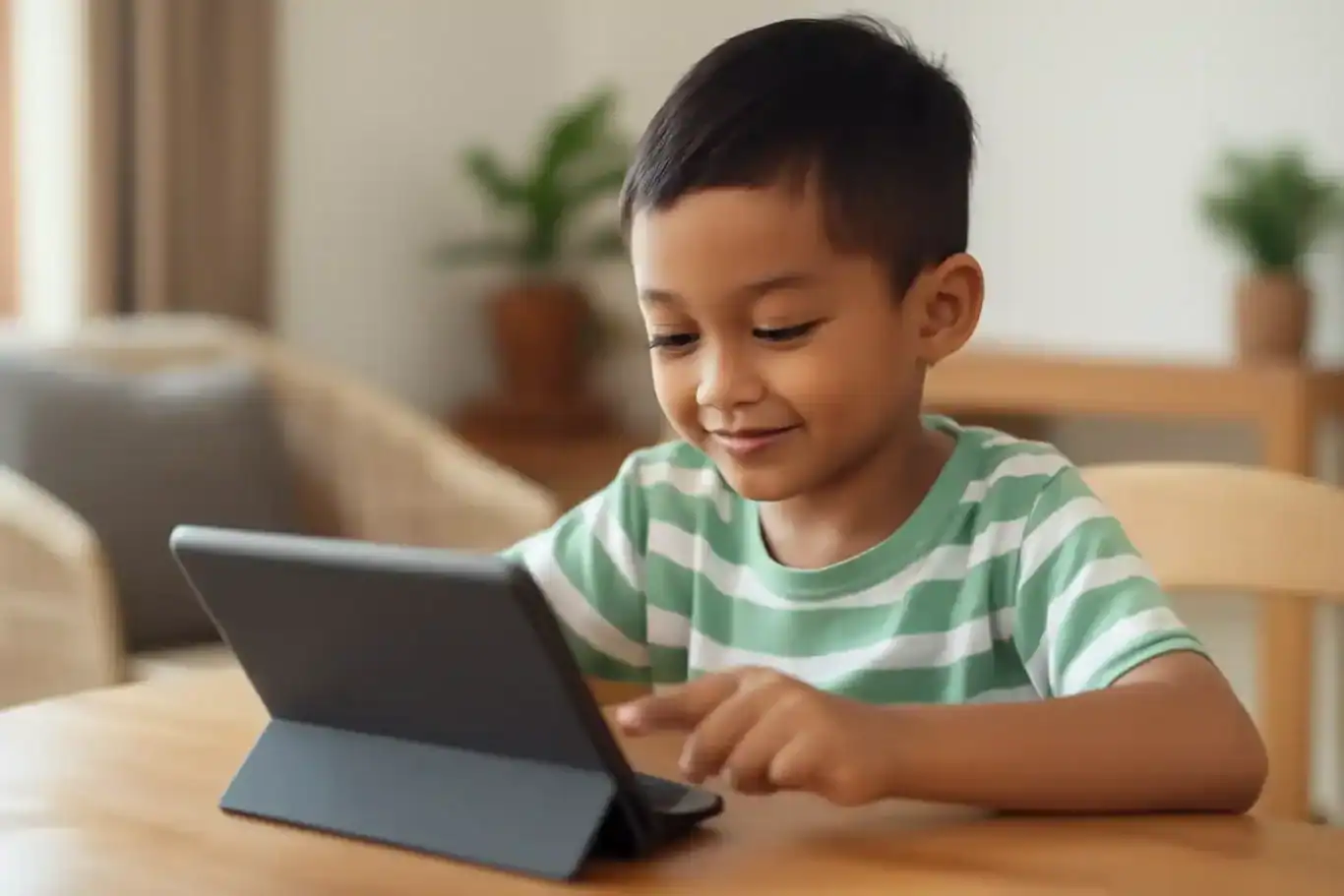
importance of learning English

A significant portion of educational resources, such as textbooks, videos, and online materials, are available in English. When children are comfortable with English, they can access these resources more easily. They can read articles, watch educational videos, or participate in international programs that expand their horizons. This highlights the importance of learning English in broadening children’s access to knowledge.

Building Self-Confidence

Being able to communicate in English can boost a child’s confidence. For example, when they meet tourists or join competitions involving participants from different countries, their ability to speak English becomes a valuable skill. They feel more prepared and assured in international settings. This again demonstrates the importance of learning English in nurturing confident and independent individuals.

Supporting Academic Success

importance of learning English

English proficiency is increasingly required in schools and universities, whether for exams, entrance tests, or scholarship opportunities. Children who start learning English in elementary school are better prepared to face these challenges. Furthermore, their performance in other subjects can also improve since many scientific and technical terms are presented in English. This proves the importance of learning English in supporting academic achievements.

Preparing for Future Careers

The job market is becoming more competitive, and many employers look for individuals who are fluent in English. Children who have learned English from an early age will stand out when they grow up. Whether applying to international companies or pursuing education abroad, strong English skills open countless doors. Here, the importance of learning English extends beyond school years to long-term career opportunities.

Developing a Global Mindset

Children who learn English are better able to connect with peers from diverse cultural backgrounds. This encourages them to respect differences and think with a global perspective. In today’s interconnected world, such an outlook is invaluable. Once again, we see the importance of learning English in helping children grow into globally minded citizens.

How Can Parents Encourage English Learning?

importance of learning English

Parents play a key role in supporting children’s English learning journey. Some simple yet effective steps include:

  • Watching movies or listening to songs in English together.
  • Reading English storybooks before bedtime.
  • Using interactive apps or online courses.
  • Enrolling children in fun and engaging English classes.

Consistency is key. With regular practice and encouragement, children will become more comfortable with English. These daily efforts make the importance of learning English more visible in their everyday lives.

Building a Future-Ready Generation

Ingin tahu detail program? Image

Ingin tahu detail program?

Learning English from a young age gives children lifelong benefits, from academic success and confidence to future career readiness. As parents, guiding children to start early is a wise investment in their future. By recognizing the importance of learning English, we are equipping them with the best tools to thrive in an ever-changing world.

Would you like your child to become more confident and skilled in English? Enroll them in Timedoor Academy, where classes are designed to be interactive, fun, and effective. Sign up for a free trial today and see your child grow with Timedoor Academy!


Keep Reading

Why Coding Games for Elementary School Kids Matter in the Digital Era 2025
In today’s digital era, children grow up surrounded by technology. They are familiar with using gadgets to play, watch, or even learn. Instead of being only passive users, children should also be equipped with the skills to create with technology. One of the most valuable skills is coding. Specifically, coding games for elementary school kids can serve as a fun entry point to introduce programming logic from an early age. Learning Through Play For children, learning while playing has always been the most effective approach. The concept of coding games for elementary school kids combines learning and play, allowing children to absorb knowledge without feeling pressured. By creating simple games, they can learn to think logically, solve problems, and understand how programs work. As a result, they are not only playing games but also building their own digital creations. The Benefits of Teaching Coding in Elementary School Introducing coding games for elementary school kids provides children with many advantages that go far beyond technical skills. Some of the key benefits include: Boosting creativity Children can express their imagination by designing characters, stories, and challenges within the games they build. Sharpening critical thinking Every game follows a set of rules. Through coding, children learn how to structure and organize these rules so the game works properly. Encouraging teamwork Many coding platforms allow kids to collaborate on projects, teaching them the importance of working with others. Preparing for the future Digital skills are becoming increasingly important. By learning coding games for elementary school kids, children are better prepared to face the demands of tomorrow. Child-Friendly Coding Platforms There are many platforms designed specifically for children. Some use colorful block-based coding that is easy to understand, while others introduce basic text-based commands gradually. Platforms like Scratch and Tynker, along with educational apps developed by learning institutions, make coding interactive and enjoyable. With this kind of approach, coding games for elementary school kids can be explored without overwhelming or intimidating young learners. The Role of Parents in Supporting Learning Parents play a vital role in supporting their children’s journey into coding. Providing time, access, and encouragement helps children grow more confident. When a child shows interest in creating a simple game, parents should appreciate their efforts and celebrate small achievements. With consistent support, learning coding games for elementary school kids becomes an engaging and meaningful activity rather than just another lesson. Teaching coding from an early age is an invaluable investment in a child’s future. With the right methods, coding goes beyond technical knowledge and becomes a way to develop creativity, logical reasoning, and resilience. Through coding games for elementary school kids, children can learn while playing and at the same time build essential skills that will serve them well in the digital era How Timedoor Academy Helps As an institution focused on technology education for children, Timedoor Academy offers a curriculum specifically designed for elementary school students. With a project-based learning method, children not only grasp concepts but also produce real outcomes such as simple games they can proudly share and play. The classes are interactive, age-appropriate, and most importantly fun. This makes coding games for elementary school kids approachable and exciting, turning challenges into enjoyable learning opportunities. Would you like your child to experience the joy of creating their own games while learning valuable skills? Sign them up for a free trial class at Timedoor Academy. Let your child discover how fun and empowering it can be to build their own digital creations. Click here to register and start their exciting journey in coding today.
Beware of Social Media Platforms Children Should Avoid in 2025
In today’s digital age, social media is part of everyday life — even for children. Many kids have social media accounts before they even reach their teenage years, whether to play games, watch videos, or stay in touch with friends. But not all platforms are safe or appropriate. There are several social media platforms children should avoid due to the high risks they pose to their safety and psychological development. Why Should Children’s Access to Social Media Be Limited? Children are still in the process of developing cognitive and emotional maturity. They often don’t fully understand privacy boundaries, long-term consequences of online posts, or how to handle harmful digital interactions. Without proper supervision, children can be exposed to inappropriate content, online predators, cyberbullying, and even social media addiction. That’s why parents need to be aware of the social media platforms children should avoid, and replace them with safer, age-appropriate alternatives. List of Social Media Platforms Children Should Avoid Here are several platforms that are not recommended for children, especially without parental supervision: TikTok (without child restrictions)While TikTok offers “Family Pairing” and “Restricted Mode,” the reality is that explicit content, dangerous challenges, and toxic comments are still easily accessible. The platform’s algorithm quickly delivers viral content, some of which may not be suitable for kids. X (formerly Twitter)X is an open platform where anyone can post opinions and information, often without filters. Harmful content, hate speech, and misinformation are rampant. The DM (Direct Message) feature also allows strangers to contact users directly — a big risk for children. DiscordInitially created for gaming communities, Discord has expanded into all kinds of chat servers. Many are public and unmoderated, making it easy for children to encounter inappropriate language, adult content, or strangers with bad intentions. InstagramInstagram often pressures kids to focus on appearance, popularity, and curated lifestyles. Its comment and DM features can become avenues for cyberbullying or unhealthy social comparisons. FacebookThough no longer a favorite among younger users, Facebook is still widely used by adults. The platform exposes kids to hoaxes, extreme content in groups, and unwanted interactions, making it one of the social media platforms children should avoid. Recognizing which social media platforms children should avoid allows parents to take control of their child's digital environment and redirect their attention to safer spaces. Psychological and Social Risks Allowing children to use social media platforms children should avoid can lead to serious consequences. Children may experience low self-esteem from comparing themselves to others, feel pressure to maintain a certain online image, or face emotional distress from negative comments. Exposure to violent or sexual content can disrupt emotional growth and affect how children view relationships and self-worth. In the long run, it can lead to mental health issues and strained social development offline. How to Protect Children from Harmful Social Media Parents can take the following steps to protect children from risky digital exposure: Delay social media access until they are readyRespect the minimum age requirements of each platform. Make sure your child is mentally and emotionally ready before allowing them to join. Use parental control apps and settingsMany platforms offer tools that help monitor and limit what kids can access. Enable privacy and safety settings wherever possible. Check in on your child’s digital activity regularlyThis isn’t about spying but ensuring that your child’s online space is safe and healthy. Open up conversations about online content and friendshipsEncourage children to share what they see and experience online. Building trust is key to early problem detection. Introduce educational and kid-friendly platformsSafer alternatives like YouTube Kids or interactive learning platforms are better choices than social media platforms children should avoid. A Safer Digital Experience Starts with Awareness Understanding which social media platforms children should avoid is a crucial step in developing healthy digital habits. The online world can be fun and enriching — but only when children are equipped with the right tools, knowledge, and adult guidance. If you're looking for a way to introduce your child to the digital world safely and meaningfully, Timedoor Academy offers kid-friendly coding and digital literacy classes. You can also try a free trial class today and discover how digital learning can be both safe and fun from the start.
<strong>10 Best Sensory Play Ideas for Kids in 2025</strong>
10 Best Sensory Play Ideas for Kids in 2025
Sensory play for kids is a powerful way to support their motor, cognitive, and emotional development. Through hands-on sensory experiences, children explore textures, colors, sounds, and smells in a fun and educational way. Many parents are now looking for sensory activities that are easy to create at home using simple materials. In this article, you’ll discover 10 of the best sensory play ideas that are simple, effective, and perfect for kids aged 2 to 6. These activities help spark creativity while allowing children to engage with their surroundings using multiple senses. 10 Best Sensory Play Ideas for Kids in 2025 1. Dry and Wet Sand Play Fill a large container with dry sand on one side and damp sand on the other. Let children dig, scoop, and build. This classic activity provides textural contrast and is a great form of sensory play for kids. 2. Glitter Bottles Combine water, glitter, and a few drops of baby oil in a clear bottle. Shake and watch the glitter move slowly. This is a calming visual tool that supports focus and mindfulness. 3. Colored Flour Bin Mix flour with different food colorings. Kids can stir, shape, and play with the textures and colors. It's a simple way to introduce creativity and fine motor skills. 4. Texture Board Attach materials like velvet, cotton, bubble wrap, and sponge to a board. Kids can explore by touching and describing the textures. This supports descriptive language and sensory curiosity. 5. Frozen Fruit Cubes Freeze fruit pieces or colored water in small molds. Children can feel and taste the cubes as they melt. This is a cold, exciting, and safe sensory experience. 6. Soapy Swirl Mats Use a waterproof mat and add soapy water. Kids can use plastic tools to swirl, cut, and push bubbles around. This offers tactile fun with minimal mess. 7. Scented Dough Create homemade dough with added scents like vanilla or mint. Let kids shape the dough while enjoying the soothing smells. It’s one of the most engaging types of sensory play for kids. 8. Mystery Smell Boxes Fill small boxes with items like coffee grounds, orange peels, or herbs. Let kids sniff and guess what's inside. This builds their sense of smell and memory. 9. Magnetic Object Play Create a station with small metal objects and let children use magnets to move them. It combines touch with basic science exploration. 10. Vegetable Mud Mix vegetable peels with water and soil in a bin. Kids can squeeze and scoop the mixture. It’s messy, fun, and encourages curiosity through texture. Tips to Maximize Sensory Play Use a variety of sensesGreat sensory play for kids should involve at least two senses, such as sight and touch or smell and hearing. Keep it safeAlways use safe, non-toxic, and age-appropriate materials. Supervise activities closely, especially for toddlers. Encourage parent interactionJoin in the activities. Your presence helps guide the play while also strengthening your bond with your child. Keep it simple to cleanUse trays or bins to contain materials and make cleanup easy. Choose washable tools and surfaces. Adjust based on your child's reactionPay attention to what your child enjoys and be flexible. Not every texture will appeal to every child, and that’s perfectly normal. Why Sensory Play Supports Growth Sensory play for kids isn’t just fun, it supports language, motor skills, and early problem-solving. It allows children to explore, test, and learn about their environment in a hands-on way. Over time, this strengthens their ability to concentrate, follow instructions, and express themselves clearly. Blending Sensory with Digital Skills Once your child is engaged in sensory play for kids, it’s a great time to introduce digital learning tools like coding. At Timedoor Academy, kids learn programming in fun and interactive ways. Coding helps build logical thinking and creativity in a digital space. Sensory activities and digital literacy together create a well-rounded foundation for your child’s future. Try a free trial class at Timedoor Academy today!
float button