May 19, 2025

Tips for Managing Your Child’s Screen Time: How to Wisely Handle Kids’ Screen Time in 2025

Tips for Managing Your Child’s Screen Time: How to Wisely Handle Kids’ Screen Time in 2025 image

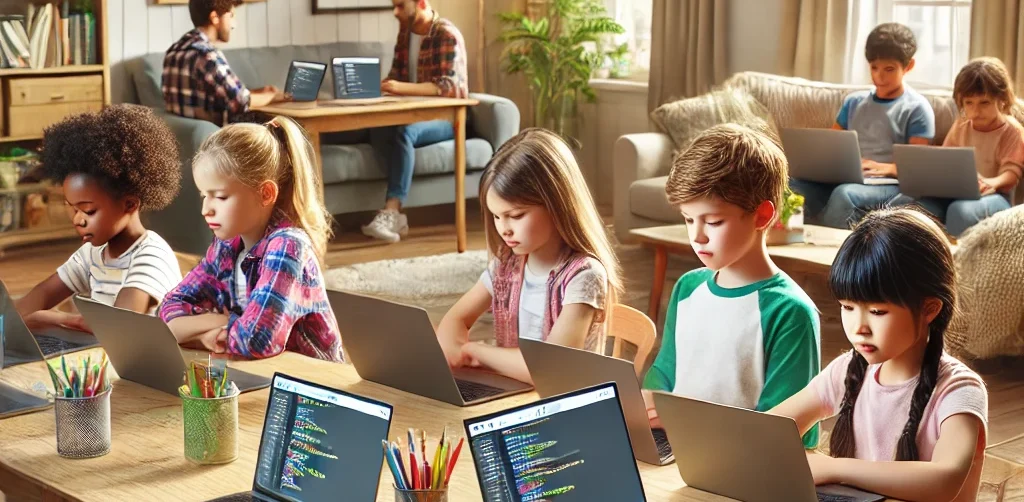
In today’s digital era, screen time for kids has become a regular part of their daily lives. Devices like smartphones, tablets, and laptops are often used for playing, watching, and learning. However, many parents find it challenging to manage screen time so that their children stay healthy while maximizing its benefits. This article shares practical tips on managing your child’s screen time so it can be used wisely and productively.

Why Is Managing Screen Time for Kids Important?

screen time for kids

Excessive screen time without proper supervision can lead to problems such as eye strain, reduced physical activity, and sleep issues. By properly managing screen time for kids, parents help safeguard their children’s physical and mental health while supporting effective learning.

Effective Tips to Manage Screen Time for Kids

1. Set Clear Time Limits

Create rules about when and how long your child can use gadgets daily. For example, limit usage to 1-2 hours a day, adjusted based on age and needs. Consistency is key so kids understand and follow the rules.

2. Choose Educational and Age-Appropriate Content

Ensure your child accesses apps, videos, or games that support learning and fit their age group. Educational content turns screen time into enjoyable learning moments.

3. Accompany Your Child During Screen Time

Parents should stay with their children while they use gadgets, especially for younger kids. This helps monitor content and provide explanations to maximize benefits.

4. Create a Balanced Screen Time Schedule

Balance screen time with other activities, such as after completing homework or physical play. Avoid letting screen time replace outdoor play or social interaction.

5. Use Parental Control Features

Take advantage of device settings to restrict access to inappropriate content and manage usage duration.

6. Set a Good Example

Children tend to imitate their parents’ behavior. Use gadgets responsibly yourself to teach by example.

Benefits of Properly Managing Screen Time for Kids

With proper management, screen time for kids not only avoids negative effects but also:

  • Improves focus and concentration in learning
  • Encourages independent learning through technology
  • Strengthens parent-child relationships through shared screen time
  • Develops digital skills from an early age

Challenges in Managing Kids’ Screen Time

Managing screen time is not always easy. Common challenges include:

  • Children resisting or struggling to follow screen time limits
  • Parents lacking time to supervise gadget use consistently
  • Difficulty finding engaging and educational content
  • Devices often being used more for entertainment than education

To overcome these, parents need patience and creativity in setting and enforcing rules. Open communication and involving children in rule-making can improve compliance.

Supporting Your Child’s Digital Growth Through Coding

Beyond managing screen time, introducing children to coding is a positive step. Timedoor Academy offers fun and easy-to-understand coding programs designed specifically for kids.

 Image

With this program, your child’s screen time becomes more meaningful—not just entertainment but also time spent learning creativity and critical thinking. Timedoor Academy also offers free trial classes, allowing parents and kids to explore coding stress-free before committing.

How to Effectively Manage Screen Time for a More Meaningful Experience

Managing your child’s screen time is key to ensuring healthy and productive gadget use. By setting limits, choosing educational content, supervising usage, and balancing with other activities, screen time can become an effective learning tool.

Equally important is supporting your child’s digital development through coding education, which is a valuable investment for their future. Timedoor Academy’s child-friendly methods and free trial classes provide an excellent opportunity for kids to explore the tech world in a fun, pressure-free way.

Keep Reading

dampak positif dan negatif ai terhadap anak
Positive & Negative Effects of AI on Kids
Artificial Intelligence (AI) is becoming a regular part of children's lives, from voice assistants and learning apps to smart toys and educational platforms. As this technology continues to shape the way children learn and interact with the world, parents and educators are beginning to ask an important question: what are the positive & negative effects of AI on kids? While AI can provide engaging and personalized learning experiences, it also raises concerns about screen time, privacy, and social development. In this article, we’ll explore both sides of the story and help you better understand how to manage AI in your child’s life. What Are the Positive & Negative Effects of AI on Kids? Understanding the positive & negative effects of AI on kids starts with identifying how AI is used in their daily routines. Many children today interact with AI-powered tools at home, in school, or even while playing. AI helps personalize lessons based on learning speed and style. It can adjust content difficulty, give instant feedback, and keep children motivated with gamified progress tracking. However, relying too much on AI can reduce face-to-face interactions and lead to excessive screen exposure. As we explore each aspect, keep in mind that moderation and parental guidance are essential to maximizing the benefits of AI while avoiding its downsides. Positive Effects of AI on Kids’ Learning and Development One of the major positive effects of AI on kids is how it transforms the learning process. AI can create personalized learning paths that help students progress at their own pace. This is especially useful for children who need more time with certain subjects or want to advance beyond the standard curriculum. Some common benefits include: Personalized education: Platforms like Duolingo, Khan Academy Kids, and Google’s Read Along adapt to a child’s learning speed and interests. Interactive engagement: AI-powered tools can make learning fun. Children feel like they are playing a game, which boosts motivation and retention. Support for special needs: AI can assist children with learning difficulties, such as dyslexia or ADHD, by providing tailored content and feedback. Language development: Tools like ChatGPT or AI-powered story apps can help kids practice conversation skills, learn vocabulary, and explore creative writing. When used thoughtfully, AI can support cognitive development, encourage independent learning, and make education more accessible to all children. Negative Effects of AI on Kids’ Behavior and Health While the benefits are impressive, the negative effects of AI on kids should not be overlooked. Increased screen time and constant engagement with digital devices can affect children in many ways. Here are some of the concerns: Reduced social interaction: Over-reliance on AI tools can limit kids' real-world communication and collaboration with peers. Privacy and data concerns: AI tools often collect personal data. Parents must stay aware of how and where their child’s information is stored and used. Impaired creativity: When kids rely too much on automated answers or suggestions, it may reduce their problem-solving and critical thinking skills. Health risks: Excessive screen time is linked to eye strain, poor posture, and decreased physical activity. These negative effects of AI on kids highlight the importance of setting boundaries and ensuring that AI is used as a supplement, not a replacement, for real-life experiences. Balancing the Positive & Negative Effects of AI on Kids at Home and School Finding the right balance between the positive & negative effects of AI on kids is the key to ensuring that technology supports rather than harms their development. Here are some strategies: Set clear screen time limits: Encourage breaks and schedule offline activities like outdoor play or reading. Choose high-quality apps: Use tools that offer educational value and avoid those filled with ads or mindless content. Stay involved: Talk to your child about what they’re learning, and encourage them to ask questions or reflect on what they discover. Encourage a mix of learning methods: Combine AI-based tools with traditional learning and hands-on activities. Teach digital responsibility: Help kids understand the importance of online privacy, respectful communication, and balanced usage. By creating a healthy digital environment at home and working with educators to do the same in schools, we can maximize the positive impact of AI while reducing the risks. Managing the Positive & Negative Effects of AI on Kids AI is here to stay, and its role in children's lives will only continue to grow. As with any technology, the key is to use it intentionally. When guided properly, the positive & negative effects of AI on kids can be managed in a way that supports learning, creativity, and healthy development. Parents, teachers, and caregivers all have a role in helping kids develop strong digital habits and a balanced approach to technology. With the right support, AI can be a powerful tool for growth rather than a source of distraction or harm. Make AI Work for Your Child at Timedoor Academy At Timedoor Academy, we believe in using technology the smart way. Our live, interactive coding and digital classes are designed to help kids explore AI, robotics, and programming while developing communication and critical thinking skills. Looking for a healthy way to introduce tech into your child’s routine? Try our free class and see how we guide students to grow in a structured and inspiring environment. Visit our website to learn more and start your child’s smart tech journey today!
Why Scratch Games for Kids Are the Best Educational Tool
In today’s world, where digital technologies play a massive role, it’s important for children to develop the skills needed to thrive in an ever-evolving environment. One of the best ways to do this is through engaging, educational tools like Scratch games for kids. Scratch, a visual programming language, has become a go-to platform for introducing kids to the world of coding and game development. It offers a hands-on approach that encourages creativity, logical thinking, and problem-solving. Here’s why Scratch games for kids should be an essential part of your child’s learning journey.   1. Scratch Games for Kids Foster Creativity and Imagination One of the standout benefits of Scratch games for kids is their ability to spark creativity and imagination. Scratch allows children to design their own interactive stories, animations, and games. This creative freedom encourages kids to think beyond the box and develop their original ideas. With Scratch games for kids, your child can experiment with character designs, develop storylines, and even create custom sounds for their games. This is not only fun but also promotes a creative mindset that benefits them in other aspects of learning and life. By using Scratch games for kids, children can learn how to blend technology with creativity. Instead of simply consuming content, they actively engage with it, learning the process of making something unique. This helps them build a strong foundation for their future creative endeavors in digital media, game design, and beyond.   2. Scratch Games for Kids Boost Problem-Solving Skills Problem-solving is one of the key skills children can develop through Scratch games for kids. As children create their own games, they are often faced with challenges that require logical thinking. For instance, when designing a game, kids need to figure out how to make a character move, respond to certain actions, or interact with other game elements. These tasks require them to apply problem-solving strategies, breaking down complex tasks into smaller, manageable steps. The beauty of Scratch games for kids is that they provide a safe environment for children to experiment with different solutions, test their ideas, and make mistakes. This trial-and-error process not only improves problem-solving skills but also teaches kids how to approach challenges from various angles. By engaging with Scratch games for kids, children learn that failure is part of the learning process and develop resilience to overcome obstacles.   3. Scratch Games for Kids Teach Coding Fundamentals One of the most important reasons to incorporate Scratch games for kids into their learning routine is that they provide an accessible introduction to coding. Unlike traditional programming languages that might be too complex for beginners, Scratch uses a block-based visual interface, making it easy for kids to grasp coding concepts. By dragging and dropping blocks to create actions, children are learning the fundamentals of programming, such as loops, conditionals, events, and variables. With Scratch games for kids, children get to explore the basics of coding in a hands-on, interactive manner. These foundational skills will prepare them for more advanced programming languages as they grow older. Whether they choose to pursue Python, Java, or C++ in the future, the logical thinking and problem-solving skills learned from Scratch games for kids will provide a solid foundation for their programming journey.   4. Scratch Games for Kids Develop Logical Thinking At the heart of Scratch games for kids lies logical thinking. When creating a game, children need to structure their actions and events logically. For example, if a child wants their character to jump when a certain key is pressed, they must figure out how to implement that action through the right sequence of events. By working through this logical process, kids develop stronger critical thinking and reasoning skills. Engaging with Scratch games for kids encourages children to think step by step and organize their thoughts in a systematic way. These skills translate into better performance in subjects such as math, science, and even everyday problem-solving. By practicing logical thinking through Scratch games for kids, children will be more adept at making decisions and solving problems efficiently in the future.   5. Scratch Games for Kids Teach Persistence and Patience Creating Scratch games for kids can be challenging at times. Children might encounter bugs or unexpected behavior in their game, requiring them to troubleshoot and make adjustments. This process of debugging teaches kids the value of persistence and patience. Instead of getting frustrated or giving up when things don’t go as planned, children learn to approach the problem from different angles and keep trying until they find a solution. By working through these challenges, children develop a growth mindset, understanding that success often comes through perseverance. The ability to stick with a problem and find solutions is an invaluable skill that will serve kids well in all areas of life, from school projects to personal goals.   6. Scratch Games for Kids Foster Teamwork and Collaboration While Scratch games for kids can certainly be enjoyed individually, they also provide excellent opportunities for collaboration. In many cases, kids work together to share ideas, divide tasks, and support each other in game development. This teamwork aspect teaches kids how to communicate effectively, cooperate with others, and work towards a shared goal. When children collaborate on Scratch games for kids, they learn the importance of listening to others, respecting different viewpoints, and combining their strengths. These skills are vital for success in both academic and social settings, making Scratch games for kids a great way to promote collaboration and social learning.   7. Scratch Games for Kids Provide Real-World Skills One of the most significant benefits of Scratch games for kids is that they offer real-world skills that can translate into future careers. The coding concepts learned through Scratch are the same building blocks used in professional software development, game design, and digital content creation. By learning to create games and interactive projects, children gain practical skills that can open doors to future opportunities in the tech world. The skills developed through Scratch games for kids, such as coding, problem-solving, and logical thinking, are highly transferable and can be applied in various fields, including web development, app creation, and robotics. Early exposure to these skills will give children a head start in an increasingly digital world.   8. Scratch Games for Kids Make Learning Fun Above all, Scratch games for kids make learning enjoyable. Kids are naturally drawn to games, and by combining fun with education, Scratch turns learning into an engaging experience. As children create and play their own games, they get immediate feedback on their progress, which motivates them to continue exploring and learning. By integrating play with learning, Scratch games for kids foster a love for technology and education. This positive experience with coding can inspire children to explore other areas of technology, helping them become lifelong learners.   Start Your Child's Coding Journey with Timedoor Academy! If you're ready to introduce your child to the exciting world of Scratch games for kids, Timedoor Academy is here to help. Our interactive, beginner-friendly courses are designed to make coding fun and engaging. With a focus on creativity, problem-solving, and logical thinking, our classes ensure your child develops a strong foundation in programming. Join our free trial class today and see how much fun learning to code can be! Visit our website now to enroll!
How to Perform Eid al-Adha Prayer 2025: Steps, Meaning, and Inspiring Activities for Children
How to perform Eid al-Adha prayer is one of the most common questions for Muslim families as Eid al-Adha approaches. Understanding how to perform Eid al-Adha prayer correctly is essential to ensure your worship is meaningful and in accordance with the sunnah. In this article, we’ll guide you through how to perform Eid al-Adha prayer in 2025, the recommended intentions in Arabic and English, the official prayer schedule, and positive activities for your children during the Eid holiday—including gently introducing them to coding with Timedoor Academy. How to Perform Eid al-Adha Prayer 2025: Intention (Niyyah), Meaning, and Pronunciation Before performing the prayer, it’s important to know how to perform Eid al-Adha prayer with the proper intention (niyyah), whether as an imam (leader) or as a follower (makmum). The intention is made in your heart at the moment you begin with the opening takbir (takbiratul ihram). Below are the intentions for both roles, with the Arabic text, transliteration, and meaning: Intention as a Follower (Makmum): Arabic:اُصَلِّي سُنَّةً لِعِيْدِ الأَضْحَى رَكْعَتَيْنِ مَأْمُوْمًا ِللهِ تَعَالَىTransliteration:Ushalli sunnatan li 'iidil adha rak‘ataini ma’muuman lillaahi ta‘aalaaMeaning:“I intend to perform two units of Eid al-Adha sunnah prayer as a follower, for the sake of Allah Ta’ala.” Intention as an Imam (Leader): Arabic:اُصَلِّي سُنَّةً لِعِيْدِ الأَضْحَى رَكْعَتَيْنِ إِمَامًا ِللهِ تَعَالَىTransliteration:Ushalli sunnatan li 'iidil adha rak‘ataini imaaman lillaahi ta‘aalaaMeaning:“I intend to perform two units of Eid al-Adha sunnah prayer as a leader, for the sake of Allah Ta’ala.” Teaching your children how to perform Eid al-Adha prayer, including how to recite the intention in Arabic, is a great way to build good prayer habits from an early age. Step-by-Step: How to Perform Eid al-Adha Prayer Once you have learned the intention, the next step in how to perform Eid al-Adha prayer is understanding the movements and recitations. Here’s a simple step-by-step guide: Silently recite the intention for Eid al-Adha prayer in your heart at the same time as you begin the opening takbir. In the first unit (rak’ah), after the opening takbir, perform seven additional takbirs. Recite Al-Fatihah and a short surah (such as Surah Qaf or Surah Al-A’la). Continue with bowing (rukuk), standing (i’tidal), and prostrating (sujud) as in regular prayer. In the second unit, after standing up, perform five additional takbirs. Recite Al-Fatihah and another short surah (such as Surah Al-Ghashiyah). Complete the prayer as usual and finish with salam. After the prayer, it is recommended to listen to the Eid sermon (khutbah). Knowing how to perform Eid al-Adha prayer ensures your worship is in line with the prophetic tradition and brings deeper meaning to your Eid celebration. Eid al-Adha Prayer Schedule 2025 Eid al-Adha in 2025 is expected to fall on Friday, June 6, 2025. The prayer is usually held in the morning, between 6:00 and 7:00 a.m. local time, but always confirm with your local mosque or Islamic authority for the exact timing in your area. The Eid holiday is a wonderful opportunity for families to grow closer and help children experience the values and beauty of Eid. The Meaning of Eid al-Adha for Families and Children Eid al-Adha is more than just a ritual of sacrifice—it is also a time to strengthen family bonds and teach the spirit of worship. Demonstrate to your children how to perform Eid al-Adha prayer and involve them in meaningful holiday activities, such as distributing qurban meat or joining community events. Positive Activities During the Eid al-Adha Holiday To make Eid al-Adha 2025 even more memorable, here are a few positive activity ideas for your children: Learning How to Perform Eid al-Adha Prayer TogetherPractice the intention and steps at home before going to the mosque, so your child feels confident and included in the communal prayer. Teaching the Value of Sharing and CooperationInvite children to help distribute qurban meat or participate in community clean-up activities. Filling the Holiday with Educational ActivitiesBesides worship, use this time to introduce children to new skills such as coding. Coding: A Positive Holiday Activity for Your Child’s Future In addition to learning how to perform Eid al-Adha prayer, spending time on fun, educational activities like coding helps children develop critical thinking, creativity, and problem-solving skills. Timedoor Academy offers interactive online coding classes that children can join from home during the Eid holiday. The lessons are designed for all age levels, with practical projects that make learning enjoyable. There is also a free trial class available, so your child can experience coding first-hand—no commitment required—making the most of the Eid al-Adha break. Tips to Maximize the Eid al-Adha Holiday for Children Create a balanced daily schedule including prayer, play, learning, and rest. Support children to try new things, such as coding, in addition to practicing how to perform Eid al-Adha prayer. Join your child in activities to help them feel more confident and motivated. Eid al-Adha Holiday, a Precious Moment for Family and Learning Understanding how to perform Eid al-Adha prayer is a meaningful first step in preparing your child for worship. The 2025 Eid al-Adha holiday is also the perfect chance to teach both spiritual values and important future skills, like coding. Strengthen your family bond, help your child learn how to perform Eid al-Adha prayer, and explore educational activities together with Timedoor Academy. Don’t miss this chance to make Eid al-Adha 2025 a memorable, positive experience for your children and family!
float button