Sep 26, 2025

7 Positive Impacts of Online Programming Classes for Beginners
7 Positive Impacts of Online Programming Classes for Beginners image

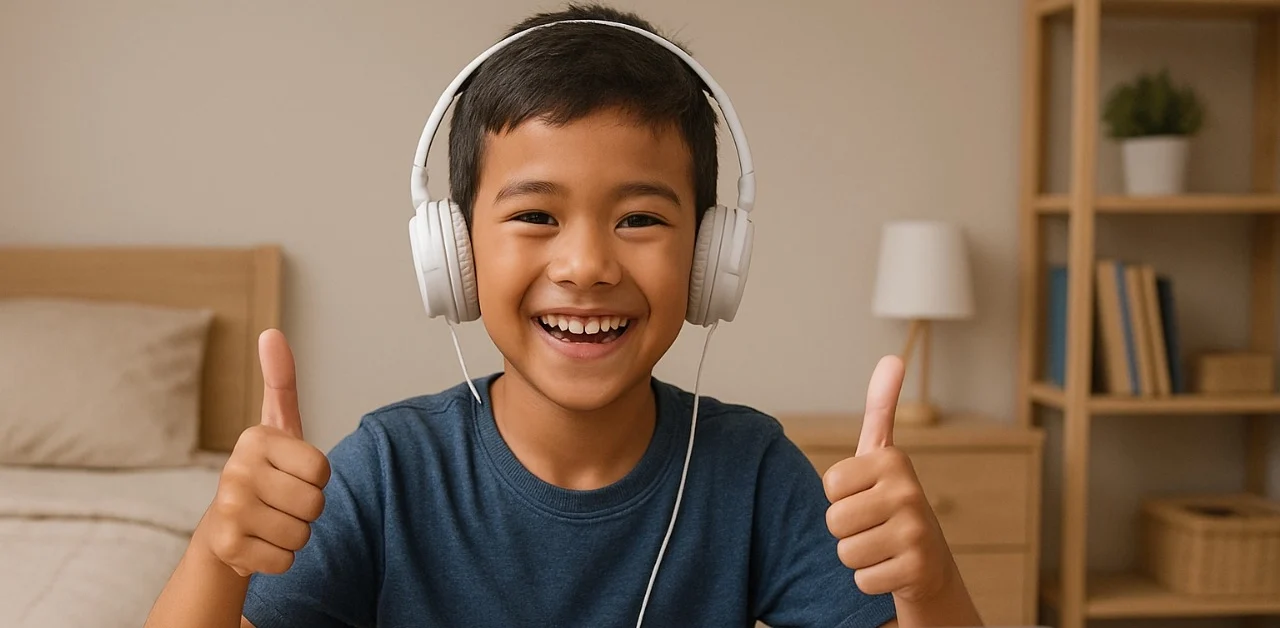
In today’s digital era, programming skills have become one of the most in-demand abilities. Not only for those aiming to work in the tech field, but also as a valuable foundation to face modern challenges. By joining an online programming classes for beginners, kids and teens can learn logic, systematic thinking, and creativity in solving problems.

Many parents still hesitate whether their children are ready to start programming lessons. In reality, the earlier they get introduced to programming, the greater their chances to grow into creative and innovative individuals.

1. Flexibility to Learn Anywhere
online programming classes for beginners

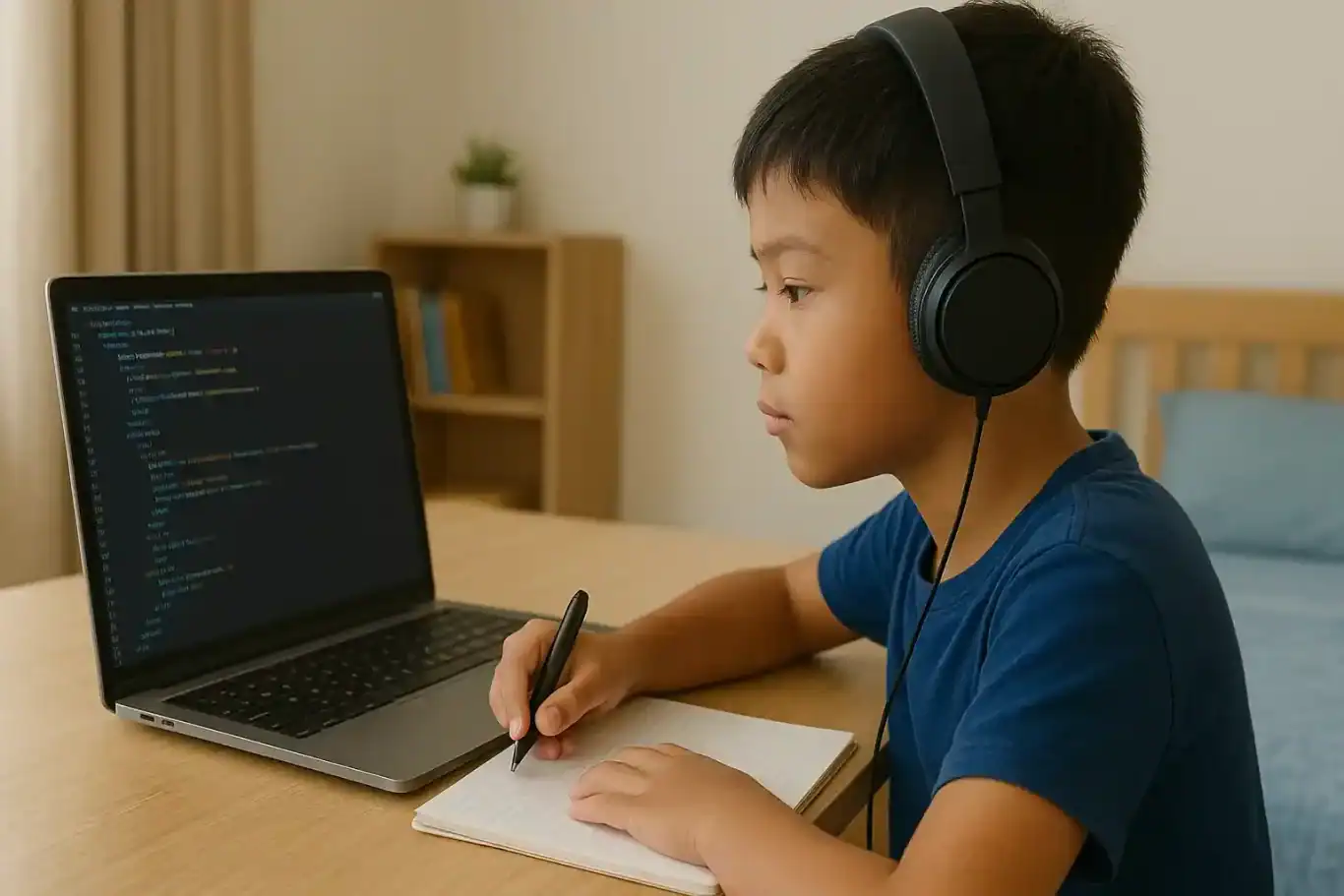
One of the main advantages of an online programming classes for beginners is its flexibility. Kids don’t need to travel to a specific course location. With just a laptop or tablet, they can learn from home, the library, or even while traveling. This helps parents manage their child’s schedule without interfering with school or other main activities.

2. Beginner-Friendly Curriculum

Many parents worry that programming is too difficult to understand. However, in an online programming classes for beginners, the curriculum is designed step by step. Children are introduced to basic concepts, such as simple logic, building small programs, and even creating simple games or applications. This approach builds confidence and motivates them to keep learning.

3. Enhances Problem-Solving Skills

online programming classes for beginners

Every programming lesson encourages students to find solutions to challenges. By joining an online programming class for beginners, kids will get used to facing obstacles, trying different methods, and not giving up easily. This problem-solving mindset is useful not only in technology but also in their daily lives.

4. Fun and Interactive Learning

Many programming programs for kids combine game elements with learning. For example, they can create simple games or fun animations. This makes online programming classes for beginners enjoyable. Children don’t feel pressured—instead, they have fun with interactive and engaging lessons.

5. Preparing for Future Careers

With rapid technological growth, the demand for digitally literate talent keeps rising. By joining an online programming classes for beginners, kids gain valuable skills for their future. Whether they dream of becoming programmers, game designers, or digital entrepreneurs, these skills will always be relevant.

6. Boosting Children’s Creativity

online programming classes for beginners

Programming is not just about numbers and codes—it’s also about imagination. In an online programming classes for beginners, kids are encouraged to turn their creative ideas into reality, such as interactive apps or animations. This nurtures their creativity and builds self-confidence.

7. Building Discipline and Responsibility

Online classes still require commitment. Kids must learn to manage their study time and complete assignments. Through an online programming classes for beginners, they develop discipline and responsibility for their own learning process. This positively contributes to their character development.

The Role of Parents in Supporting Kids

Even though children join an online programming classes for beginners, parents still play an important role. Moral support, screen-time supervision, and encouragement can boost their motivation. Parents can also track their kids’ progress by observing the projects they create during the lessons.

Why Choose Timedoor Academy?

Timedoor Academy offers online programming classes for beginners specially designed for kids and teens. With experienced instructors, interactive curriculum, and fun teaching methods, Timedoor Academy is the right choice for parents who want to invest in their child’s education.

A Great Investment for Children’s Future

Ingin tahu detail program? Image

Ingin tahu detail program?

Joining an online programming classes for beginners is not only about learning technology but also about building essential life skills. Kids learn discipline, creativity, and resilience in facing challenges with a positive mindset. All these benefits serve as valuable assets for their future.If you want your child to have a meaningful yet enjoyable learning experience, register them now at Timedoor Academy. Schedule a free trial class and let them experience the excitement of learning programming from an early age.

Keep Reading

9 Parenting Tips for Children That Help Shape Their Future
Being a parent is more than just meeting your child’s physical needs. It is a lifelong responsibility to nurture their character, emotional well-being, and future readiness. In today’s fast-paced and digital world, parenting requires a more adaptive and thoughtful approach. That is why understanding effective parenting tips for children is crucial to providing meaningful support. 1. Understand Your Child’s Personality Every child is unique. Some are highly active and outgoing, while others may be quiet and reserved. Getting to know your child’s personality helps you adjust your communication style and parenting strategy. One of the most important parenting tips for children is observing without judgment and giving your child the space to express themselves freely. 2. Build Open Communication Communication is the foundation of a strong parent-child relationship. Children who feel heard and respected tend to develop greater self-confidence. Simple daily moments, like meals or car rides, can be perfect for building open and honest conversations. One of the essential parenting tips for children is to listen actively, avoid harsh judgment, and respond with empathy. 3. Set Clear and Consistent Boundaries While freedom is important, children also need boundaries to feel secure and learn responsibility. Parents who consistently apply clear rules help children develop a sense of discipline. Within the framework of parenting tips for children, boundaries are not meant to control but to guide healthy behavior and build self-regulation. 4. Be a Role Model Children learn more from what they see than what they are told. If you want your child to be respectful, honest, and responsible, you need to model those behaviors yourself. One of the most powerful yet often overlooked parenting tips for children is leading by example through everyday actions. 5. Guide Technology Use with Care Children today are exposed to technology from a very early age. Instead of banning gadgets, parents should guide their use wisely. Introduce children to educational apps and creative digital tools that encourage productive learning. Among modern parenting tips for children, teaching digital responsibility is crucial. 6. Offer Emotional Support Children who feel emotionally supported are more resilient and confident. Be there for your child during difficult moments, celebrate their achievements, and show them unconditional love. Emotional support is one of the most valuable parenting tips for children, as it fosters inner strength and emotional intelligence. 7. Create Healthy Daily Routines Consistent routines for sleeping, eating, studying, and playing give children a sense of structure and security. These routines also help develop time management skills. Simple, repeated habits are a vital part of effective parenting tips for children, laying a solid foundation for future growth. 8. Involve Children in Decision-Making Give your child opportunities to participate in everyday decisions, such as choosing their clothes or planning family meals. This empowers them to think critically and express their preferences. From a list of practical parenting tips for children, allowing children to make choices builds independence and self-esteem. 9. Keep Learning as a Parent No parent is perfect, and every child is different. Staying open to learning helps you adapt to your child’s changing needs. Attending parenting workshops, reading educational books, or seeking professional advice can strengthen your parenting skills. Among all parenting tips for children, the willingness to grow with your child may be the most important. Shaping the Future Begins at Home Parenting is a long-term investment filled with joys and challenges. By applying proven parenting tips for children, we create a supportive environment that allows our children to thrive emotionally, socially, and intellectually. Small actions today can build the future we dream of for our kids. If you’re looking to enhance your child’s learning journey, Timedoor Academy offers an engaging platform where children can explore the world of technology in a safe, structured, and exciting way. Sign your child up for a free trial at Timedoor Academy today and see how fun, guided tech learning can boost their confidence, creativity, and future readiness.
21st Century Skills for Children: Preparing the Next Generation
In today’s fast-paced world, the demands for relevant skills are constantly evolving. For parents, ensuring that children acquire 21st century skills for children is essential so they can adapt, compete, and thrive in the future. This article will explore what these skills are and how parents can actively support their children in developing them effectively. What Are 21st Century Skills? 21st century skills refer to abilities that children need to face global challenges and technological advancement. These skills include critical thinking, creativity, communication, collaboration, digital literacy, and self-management. By mastering these competencies, children are not only able to learn efficiently but also solve problems creatively and innovate in various aspects of life. It is crucial for parents to understand that 21st century skills for children extend beyond academics. For example, the ability to collaborate and communicate effectively helps children form strong relationships, while creativity and critical thinking equip them to tackle complex problems. These skills lay the foundation for lifelong learning and resilience. Why Are 21st Century Skills Important for Children? In an increasingly digital world, children face different opportunities and challenges compared to previous generations. They require more than basic knowledge—they need the ability to navigate information wisely, adapt to change, and work effectively with others. Therefore, 21st century skills for children are vital in establishing a strong foundation for future success. Moreover, these skills foster lifelong learning. Critical and creative thinking enable children to explore their surroundings, generate innovative ideas, and develop solutions to emerging problems. Digital literacy is also a key component, as technology continues to play a central role in everyday life and the workforce. Core 21st Century Skills for Children Here are some essential competencies included in 21st century skills for children: 1. Critical Thinking and Problem Solving The ability to analyze information, evaluate solutions, and make informed decisions is crucial. Children trained in critical thinking can approach challenges calmly and wisely. 2. Creativity and Innovation Creativity allows children to generate new ideas and innovate. Through art, science experiments, and technology, parents can nurture creativity in their children. This aspect of 21st century skills for children is closely linked to innovation. 3. Communication and Collaboration Effectively expressing ideas and working within a team are key for success. Children accustomed to group work are more capable of sharing ideas and learning from others. 4. Digital Literacy Children must understand how to use technology effectively and safely. Digital literacy helps them access information responsibly, create positive content, and avoid risks online. Digital competence is an essential component of 21st century skills for children. 5. Self-Management Time management, emotional regulation, and goal setting are parts of self-management. Children who develop these skills become more disciplined and confident in facing challenges. Parents’ Role in Developing 21st Century Skills Parents play a critical role in supporting the development of 21st century skills for children. Some steps include: Providing opportunities for children to experiment and explore their interests. Facilitating safe access to technology and educational resources. Encouraging teamwork and participation in creative projects. Modeling self-management and effective communication. With proper guidance, children will naturally develop skills that are beneficial not only academically but also in daily life and future careers. Developing 21st Century Skills at Timedoor Academy Timedoor Academy offers programs designed to help children master 21st century skills for children through engaging and interactive methods. By combining technology, coding, and creative activities, children can learn while playing, developing creativity, critical thinking, and teamwork abilities. These programs ensure every child has the opportunity to explore their talents, innovate, and build confidence. With parental support and the right learning environment, children will be well-prepared to face the challenges of a modern world. Preparing Children for the Future Developing 21st century skills for children is not optional—it is essential. Equipping children with critical thinking, creativity, communication, collaboration, digital literacy, and self-management prepares them to succeed in a global environment.If you want your child to learn 21st century skills in an engaging and effective way, sign up for a free trial at Timedoor Academy today and let them start exploring, creating, and growing for a bright future.
The Importance of Teaching Basic Manner for Kids from an Early Age in 2025
Teaching basic manner for kids from an early age is one of the best investments parents can make in shaping their child’s character and future. Good manners, courtesy, and positive behavior not only help kids socialize more easily but also provide a solid foundation for navigating an increasingly complex and digital world. This article explores why basic manner is so important, the long-term benefits, and practical tips for consistently building polite habits at home and in daily life. Why Is Basic Manner for Kids So Important? In today’s fast-paced and digital era, a child’s ability to communicate respectfully and value others is more crucial than ever. Basic manner for kids includes simple acts like saying “please” and “thank you,” greeting others politely, asking for permission, listening attentively, and waiting their turn to speak. While these habits may seem small, they are the backbone of healthy, harmonious social interaction. Kids who are raised with basic manner for kids tend to adapt more easily at school, in their community, and later in the workplace. They often have higher empathy, adjust well to new environments, and form positive relationships with both peers and adults. Positive Impact of Basic Manner for Kids Teaching basic manner for kids can lead to a wide range of positive outcomes, including: Boosting self-confidence: Kids who understand the value of politeness are often more confident in social situations. Easier social adaptation: Well-mannered kids are more readily accepted in new settings because they know how to behave appropriately. Reducing conflict: They are better at managing emotions and understanding social boundaries. Increasing chances of future success: Modern education and workplaces truly value ethics and good manners. Effective Ways to Teach Basic Manner for Kids If you want your child to grow into a polite and respectful person, here are some effective ways to teach basic manner for kids: 1. Be a Role Model Children learn by example. Parents should consistently show basic manner for kids in daily life. Make it a habit to use polite words, ask permission, and say sorry when needed, both to your child and to others at home. 2. Give Simple Explanations Help kids understand why basic manner is important. Tell short stories about why saying “thank you” makes people feel appreciated. 3. Use Games and Role Play Practice basic manner for kids through fun role-playing, such as family mealtime simulations, “shopkeeper and customer” games, or acting out everyday situations to help kids apply good manners. 4. Praise and Positive Reinforcement Praise your child whenever they show basic manner for kids, no matter how small the gesture. Positive feedback motivates kids to repeat good behavior. 5. Be Consistent and Gentle Consistency matters. Parents should gently but firmly remind children if they start to neglect manners, always with kindness and understanding. 6. Use Educational Content Read storybooks, watch cartoons, or use apps that teach basic manner for kids in a fun way. Many digital platforms now offer engaging content that helps kids build good manners. Basic Manner for Kids in the Digital World In the digital age, basic manner for kids also means knowing how to behave online. Teach your child to: Be polite in online chats, games, and on social media. Never share personal information carelessly. Respect other people’s opinions and creations on the internet. Parents can also introduce kids to productive digital activities, like learning coding, creating digital projects, or joining online classes that emphasize teamwork and respect. Everyday Activities to Instill Basic Manner for Kids Here are some daily activities to help instill basic manner for kids: Encourage your child to greet family or guests politely. Teach table manners, like not talking with their mouth full. Remind kids to clean up toys after playing and thank friends who help. Practice asking for permission before borrowing something from others. Long-Term Benefits of Basic Manner for Kids Children raised with basic manner for kids are better prepared to face life’s challenges. They are more comfortable socializing, are more trusted in school and work, and are more likely to succeed both academically and in their careers. Building character through basic manner for kids is a crucial investment with benefits that last a lifetime. Nurturing Manners and Future Skills Teaching basic manner for kids is a lifelong process that requires parental example, consistency, and support. With a strong foundation in manners, children grow into confident, adaptable, and respected individuals wherever they go. Alongside teaching manners, don’t hesitate to give your child future-ready skills like coding. One positive and educational digital activity is learning coding at Timedoor Academy. Here, kids can build logic, creativity, and teamwork—all while developing good character. Sign your child up for a free trial class at Timedoor Academy and let them experience the fun, interactive world of coding while building strong manners and life skills from an early age.
float button