Jun 05, 2025

5 Best! Online Quran Classes for Kids with Prices in 2025

5 Best! Online Quran Classes for Kids with Prices in 2025 image

As technology evolves and family routines become more hectic, many parents are now turning to online quran lessons for kids as a flexible and effective way to introduce their children to the fundamentals of Islamic learning. Thanks to online platforms, children can now learn to read the Quran from home in a fun, engaging, and structured environment.

Well-known institutions across Indonesia now offer quran classes for kids that cover various programs such as Iqro reading, Quran recitation with proper tajweed, basic memorization, and character-building through Islamic values. These classes are not only about recitation. They also support personal growth through patience, discipline, and kindness.

To help you choose the right program, here are 5 of the most reputable and trusted online quran classes for kids to explore in 2025.

5 Best! Online Quran Classes for Kids with Prices in 2025

1. Rumah Quran Salman
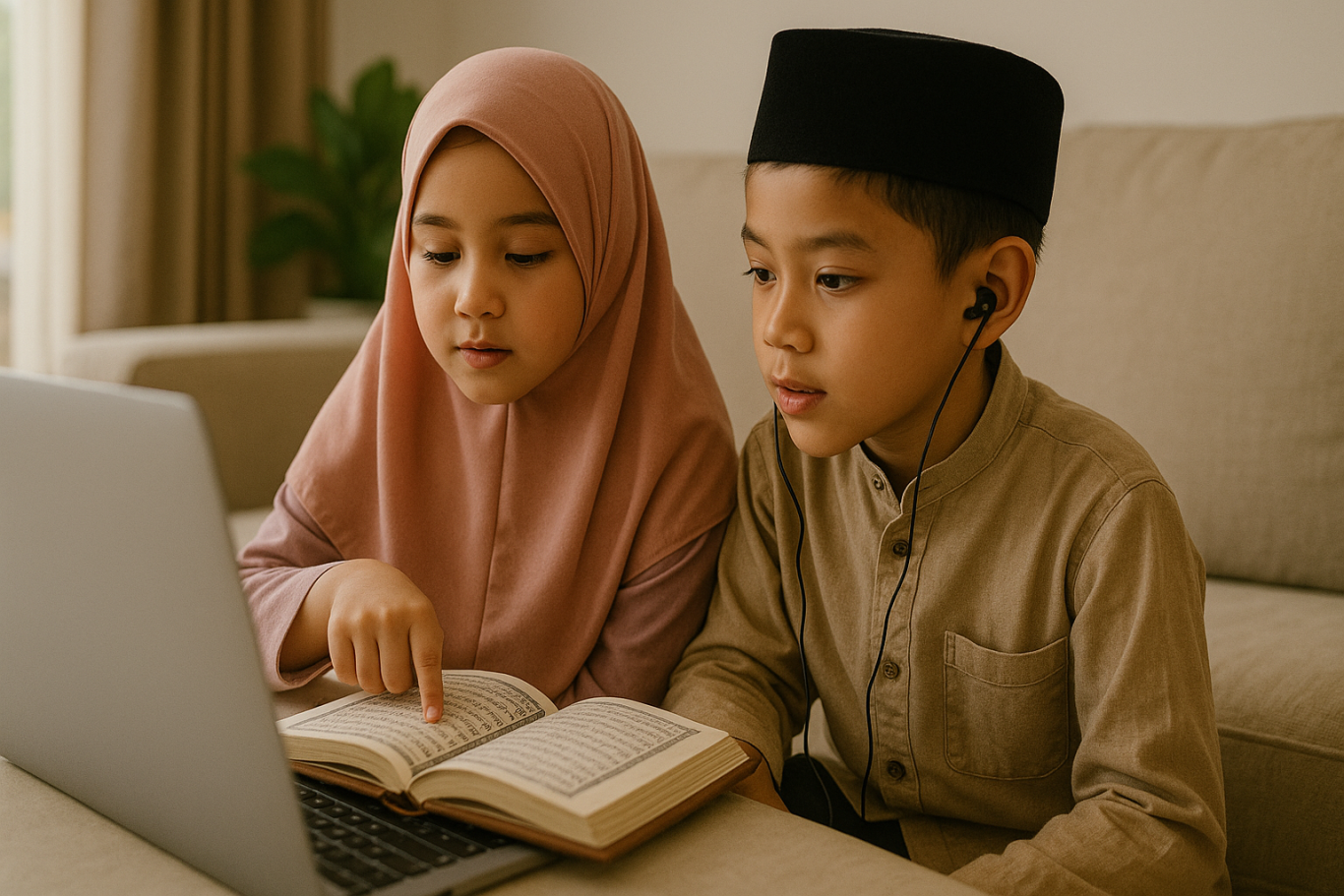
online quran classes for kids

Price: Starting from IDR 400,000 per month

Rumah Quran Salman is a well-known Islamic learning center that offers structured quran classes for kids with certified teachers. Their programs include Iqro reading, tajweed, and Quran memorization for children aged 4 and above.

Key Features:

  • Step-by-step Iqro to Quran progression
  • Private and small group classes
  • Monthly progress reports for parents
  • Professional teachers with Islamic education backgrounds

Platform: Zoom and WhatsApp Parent Group
 

2. AQL Islamic School – Ngaji Online
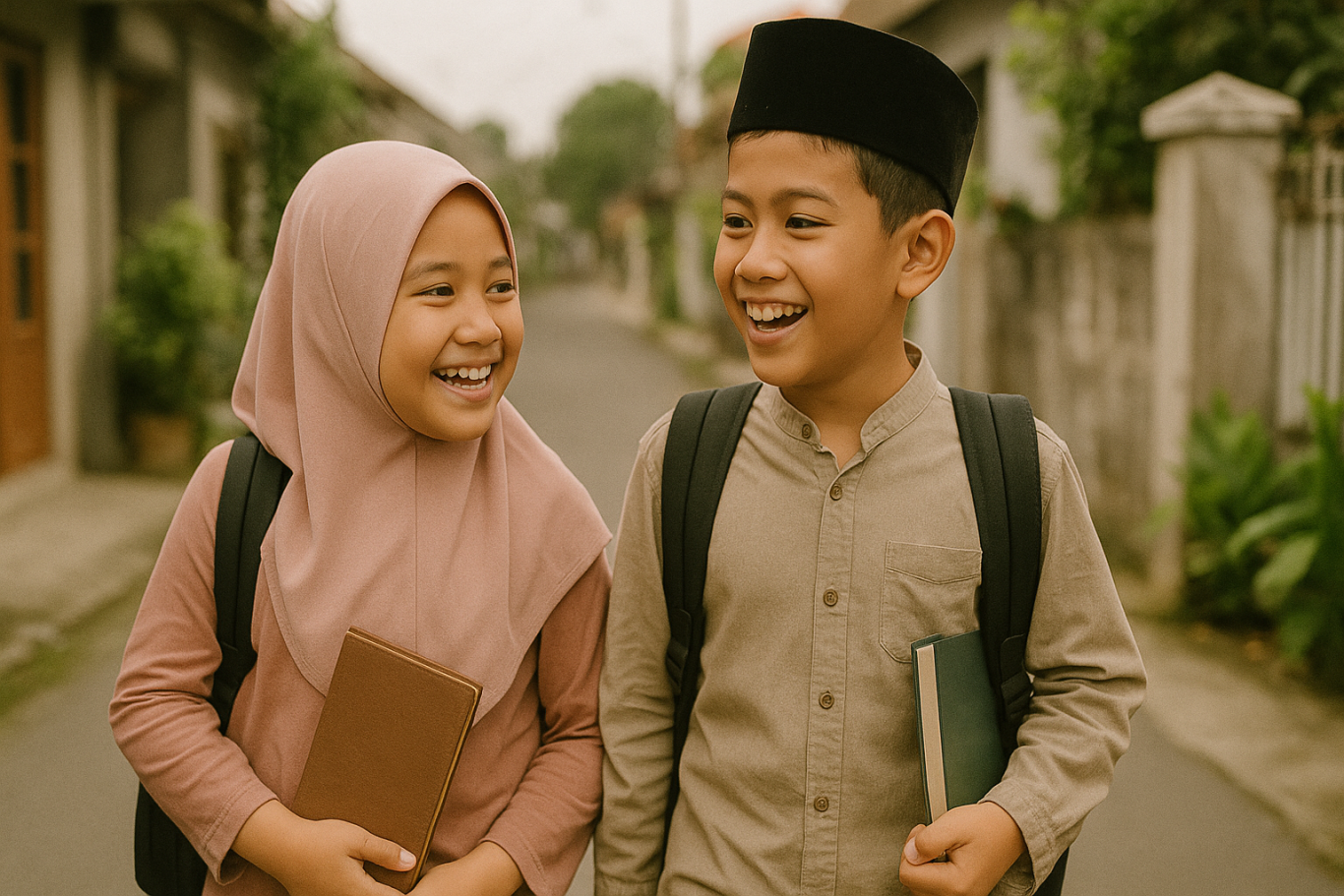
quran classes for kids

Price: Starting from IDR 500,000 per month

AQL is led by Ustadz Bachtiar Nasir and is known for its Islamic education programs. Their online quran lessons for kids focus on improving recitation, memorization, and instilling Islamic values such as tawheed and good character.

Key Features:

  • Talaqqi and memorization-based teaching
  • Curriculum includes adab and basic Islamic beliefs
  • Live Zoom classes with recordings available
  • Certificates for each level completed

Platform: Zoom and AQL Learning Portal
 

3. Zaidan Quranic Center – Ngaji Online

les ngaji anak

Price: Starting from IDR 350,000 per month

Zaidan Quranic Center offers fun, personalized quran classes for kids. They are known for adapting lessons to each child’s pace and making the experience enjoyable and motivating.

Key Features:

  • Programs for memorization and tajweed
  • One-on-one learning with chosen instructors
  • Monthly progress assessments
  • Flexible schedule options

Platform: Google Meet and WhatsApp

4. Tilawati Online

kursus ngaji anak

Price: Starting from IDR 375,000 per month

Tilawati is one of the most widely used Quran learning methods in Indonesia. Their online quran lessons for kids are led by certified instructors using the official Tilawati curriculum and books.

Key Features:

  • Nationally standardized materials
  • Official Tilawati certified teachers
  • Programs for Iqro, Quran reading, and memorization
  • Ongoing parent-teacher communication

Platform: Zoom and Tilawati App

5. Rumah Belajar Quran Ummu Habibah

Price: Starting from IDR 300,000 per month

This learning center focuses on girls and younger children. Their quran classes for kids are designed to be nurturing and interactive using songs, stories, and positive reinforcement.

Key Features:

  • Story-based lessons and Islamic songs
  • Experienced and patient female teachers
  • Teaches daily prayers and short surahs
  • Printable and digital study materials

Platform: Zoom and Google Meet

Quran Time Over? Time for Coding

Ingin tahu detail program? Image

Ingin tahu detail program?

After building a solid spiritual foundation through quran classes for kids, introducing children to digital skills like coding can be the next exciting step. Learning to code helps children develop logical thinking, focus, and creativity. These are values that align well with what they learn through online quran lessons for kids.

Timedoor Academy provides coding classes specifically designed for kids. The learning is interactive, project-based, and tailored to make technology approachable and fun. From creating games to designing animations, children can grow both intellectually and spiritually.

Balance your child’s education by supporting both their spiritual and digital growth. Sign up for a free trial class today at Timedoor Academy!


Keep Reading

<strong>The Best Sports for Children Ages 3–17</strong>
The Best Sports for Children Ages 3–17
In today’s modern era, one of the biggest challenges for parents is making sure their children stay physically active amid the dominance of gadgets and digital activities. Many children prefer playing games at home rather than running or playing outdoors. In reality, choosing the best sports for children is very important to support their growth, health, and happiness. Through the right physical activities, children can develop healthy habits that last into adulthood. Every child has different interests and abilities. That’s why it is important for parents to understand what types of sports are best for their child, based on age, interest, and health conditions. By introducing physical activity from an early age, children will get to know their bodies, learn teamwork, and build self-confidence. Recommended Sports for Children by Age To maximize the benefits, here are some recommendations for the best sports for children, grouped by age: Ages 3–6:At this stage, children need simple and fun physical activities. Some of the best sports for young children include playing ball, riding a tricycle, swimming, gymnastics, and dancing. Games like hide and seek or jumping rope are also great for developing gross motor skills. Ages 7–12:Children can start joining more structured and competitive sports. Recommended sports for this age group include soccer, basketball, badminton, athletics, martial arts, and swimming. At this age, children also begin to learn teamwork and sportsmanship. Teenagers:As they enter their teenage years, children can choose sports that match their interests and talents, whether in teams or individually. They can also try more specific sports such as volleyball, table tennis, pencak silat, or archery. Teenagers are usually more motivated if sports are done together with friends. Tips to Keep Children Excited About Sports To help children stay enthusiastic and consistent about sports, parents can try these tips: Make sports a family routine, such as exercising together every weekend. Give children the opportunity to try various types of sports until they find what they enjoy most. Avoid comparing your child’s abilities with others; focus on their progress and efforts. Offer praise and support for every effort and achievement. Keep the sports environment fun, so that sports never feel like a burden or punishment. Balancing Sports and Digital Activities Besides introducing the best sports for children, it is also important to teach children how to manage their time between physical and digital activities. In the technology era, it’s true that children need to become familiar with the digital world, but physical health should always be a priority. Parents can create a daily schedule that balances study time, screen time, and physical exercise. This will help build healthy habits and prevent children from becoming too attached to their devices. Developing Children’s Potential Through Sports and Coding Nurturing a child’s potential goes beyond just finding the best sports for children. It also involves introducing them to 21st-century skills such as coding. Balancing a healthy body with an active mind is essential in this digital age. Coding trains children to think logically, creatively, and to solve problems, while sports help them develop discipline and self-confidence. Parents can blend physical and digital activities so that children can grow optimally, both physically and mentally. Try a Free Trial Coding Class at Timedoor Academy To help your child be even more prepared for future challenges, encourage them to join a free trial coding class at Timedoor Academy. In this class, children learn coding in an interactive and creative way, guided by professional mentors. Make your child’s screen time more meaningful with educational digital activities, without neglecting the importance of finding the best sports for children. Visit our website or social media pages, Timedoor Academy, to register for a free trial coding class that can be attended online from home. Finding the best sports for children does take time, but the benefits are enormous for their future. Active support and involvement from parents is essential so children can grow up healthy, happy, and confident to face the modern world.
Tips for Managing Your Child’s Screen Time: How to Wisely Handle Kids’ Screen Time in 2025
In today’s digital era, screen time for kids has become a regular part of their daily lives. Devices like smartphones, tablets, and laptops are often used for playing, watching, and learning. However, many parents find it challenging to manage screen time so that their children stay healthy while maximizing its benefits. This article shares practical tips on managing your child’s screen time so it can be used wisely and productively.   Why Is Managing Screen Time for Kids Important? Excessive screen time without proper supervision can lead to problems such as eye strain, reduced physical activity, and sleep issues. By properly managing screen time for kids, parents help safeguard their children’s physical and mental health while supporting effective learning.   Effective Tips to Manage Screen Time for Kids 1. Set Clear Time Limits Create rules about when and how long your child can use gadgets daily. For example, limit usage to 1-2 hours a day, adjusted based on age and needs. Consistency is key so kids understand and follow the rules. 2. Choose Educational and Age-Appropriate Content Ensure your child accesses apps, videos, or games that support learning and fit their age group. Educational content turns screen time into enjoyable learning moments. 3. Accompany Your Child During Screen Time Parents should stay with their children while they use gadgets, especially for younger kids. This helps monitor content and provide explanations to maximize benefits. 4. Create a Balanced Screen Time Schedule Balance screen time with other activities, such as after completing homework or physical play. Avoid letting screen time replace outdoor play or social interaction. 5. Use Parental Control Features Take advantage of device settings to restrict access to inappropriate content and manage usage duration. 6. Set a Good Example Children tend to imitate their parents’ behavior. Use gadgets responsibly yourself to teach by example.   Benefits of Properly Managing Screen Time for Kids With proper management, screen time for kids not only avoids negative effects but also: Improves focus and concentration in learning Encourages independent learning through technology Strengthens parent-child relationships through shared screen time Develops digital skills from an early age   Challenges in Managing Kids’ Screen Time Managing screen time is not always easy. Common challenges include: Children resisting or struggling to follow screen time limits Parents lacking time to supervise gadget use consistently Difficulty finding engaging and educational content Devices often being used more for entertainment than education To overcome these, parents need patience and creativity in setting and enforcing rules. Open communication and involving children in rule-making can improve compliance.   Supporting Your Child’s Digital Growth Through Coding Beyond managing screen time, introducing children to coding is a positive step. Timedoor Academy offers fun and easy-to-understand coding programs designed specifically for kids. With this program, your child’s screen time becomes more meaningful—not just entertainment but also time spent learning creativity and critical thinking. Timedoor Academy also offers free trial classes, allowing parents and kids to explore coding stress-free before committing.   How to Effectively Manage Screen Time for a More Meaningful Experience Managing your child’s screen time is key to ensuring healthy and productive gadget use. By setting limits, choosing educational content, supervising usage, and balancing with other activities, screen time can become an effective learning tool. Equally important is supporting your child’s digital development through coding education, which is a valuable investment for their future. Timedoor Academy’s child-friendly methods and free trial classes provide an excellent opportunity for kids to explore the tech world in a fun, pressure-free way.
Sharpening Children’s Logic and Creativity Through AI Coding
In today’s digital era, every individual, including children, needs adequate digital skills. One increasingly essential skill is understanding and using artificial intelligence, or AI. Children are not only taught to use technology but also encouraged to think critically, creatively, and solve problems systematically. Learning AI for Children has become an effective educational approach to develop logic and creativity from an early age. Why Children Should Start Learning AI Early AI is no longer just a future technology. Many applications in daily life now rely on AI, from digital assistants to interactive games and educational apps. By introducing Learning AI for Children early, kids become familiar with programming concepts, logic, and data analysis. This early exposure helps them adapt to technological advancements while strengthening critical thinking and creative skills that are crucial for their future. Moreover, understanding AI nurtures children’s curiosity about technology. They begin to ask questions about how systems work, how data is processed, and how technology can solve everyday problems. Thus, Learning AI for Children is not only about technical mastery but also about developing an analytical mindset that supports both formal and informal learning. The Benefits of Learning AI for Children Here are several key benefits children gain when they start Learning AI for Children: Enhances logical thinking and problem-solving skillsUnderstanding algorithms and sequences teaches children to tackle problems systematically. They learn how to break complex challenges into smaller steps and solve them one by one, a skill that is invaluable both academically and in daily life. Boosts creativityChildren can create simple AI projects, such as chatbots, interactive games, or digital animations. By combining creativity with technology, they can produce unique and meaningful outcomes. Prepares them for future careersEarly AI knowledge equips children for potential careers in technology and science. It opens opportunities in game development, robotics, and advanced technological research. Learning through playGamified learning makes AI lessons enjoyable and interactive. Children who are already engaged in gaming or digital exploration will adapt more easily to AI learning in a playful and practical way. Fosters collaboration skillsChildren learn to work in teams on AI projects, improving communication and teamwork skills. They experience discussing ideas, providing feedback, and completing projects collectively. Builds self-confidenceCompleting AI projects instills a sense of accomplishment in children. They understand that failure is part of learning and that success comes through practice and understanding. Effective Approaches for Learning AI for Children To make Learning AI for Children effective, teaching methods should align with the child’s age and skill level. Timedoor Academy offers an interactive, practical, and fun curriculum. Professional tutors guide students step by step, starting from basic concepts to creating simple AI projects. This approach ensures that children not only understand theory but also apply their knowledge in real projects. Furthermore, a personalized learning approach allows tutors to adjust lessons according to each child’s interests. For example, children who enjoy games can learn to create simple AI games, while those interested in animation can develop interactive AI characters. This approach makes learning relevant to daily life and interests, keeping it both engaging and effective. Integrating Hobbies with AI Learning One effective way to motivate children is by connecting AI learning to their hobbies. Children who love gaming can explore how AI applies in game design, while those interested in animation can create interactive AI characters. This makes Learning AI for Children more meaningful and fun, encouraging children to stay engaged. Beyond technical skills, linking hobbies with AI nurtures creativity and critical thinking. Children learn that technology is not just a source of entertainment but also a tool for expression and creating something meaningful. Parents’ Role in Supporting AI Learning Parents play a crucial role in supporting Learning AI for Children. They can help by: Providing supervision and guidance while children work on projects Offering praise and encouragement when children complete tasks Creating a comfortable learning environment and supplying the necessary tools With full parental support, children gain confidence and motivation to explore the world of AI. Learning AI from an Early Age: Fun, Creative, and Essential for Your Child’s Future Mastering AI at an early age offers numerous advantages for children. Besides developing technical skills, it cultivates critical thinking, creativity, and problem-solving abilities. Learning AI for Children at Timedoor Academy delivers an interactive, practical, and enjoyable experience. With a structured curriculum and professional tutors, children can explore AI safely and effectively. If you want your child to start developing AI skills in a fun and interactive way, register them for a free trial at Timedoor Academy today. Here, children will learn AI creatively and practically, guided by professional tutors who understand the needs of modern learners.
float button