Jun 12, 2025

7 Early Signs of Autism in Children That Parents Often Miss
<strong>7 Early Signs of Autism in Children That Parents Often Miss</strong> image

Every child grows and develops at their own pace. However, some parents begin to worry when their child shows behaviors that seem different from others their age. One of the most important things to recognize early is the signs of autism in children, because early detection increases the chances of receiving the right support.

Autism, or Autism Spectrum Disorder (ASD), is a neurodevelopmental condition that affects how children interact, communicate, and behave. The symptoms can range from mild to more complex. Because it is a spectrum, many parents may not immediately realize their child is showing signs of autism.

Here are some common signs of autism in children that parents should not ignore:

1. Limited Eye Contact

signs of autism in children

One of the earliest signs is that a child rarely makes eye contact. For example, when being spoken to or played with, the child avoids looking at the other person’s face. This can be an early sign of autism in children and is often mistaken for shyness or lack of focus.

2. Not Responding When Called by Name

By around one year old, most children will respond when their name is called. However, children with autism often do not react at all. They may seem lost in their own world, not because of hearing issues, but due to differences in how their brains process social information.

3. Lack of Social Expressions and Gestures

Children usually express emotions through smiles, waving, or pointing at things that catch their interest. If your child rarely shows these behaviors, it could be one of the signs of autism in children. Autistic children often have flat facial expressions and show limited interest in social interactions.

4. Delayed Speech or Lack of Functional Language

Many children with autism experience speech delays. Some may say words but not use them for communication. Others prefer to use gestures rather than words to express their needs. This is one of the most common signs of autism in children, especially noticeable by the preschool years.

5. Unusual Play Patterns

Most children enjoy role-playing or interacting with peers. But children with autism may fixate on certain parts of toys, like spinning wheels or lining up objects in repetitive ways. This kind of rigid play pattern is a typical sign of autism in children.

6. Over or Under Sensitivity to Senses

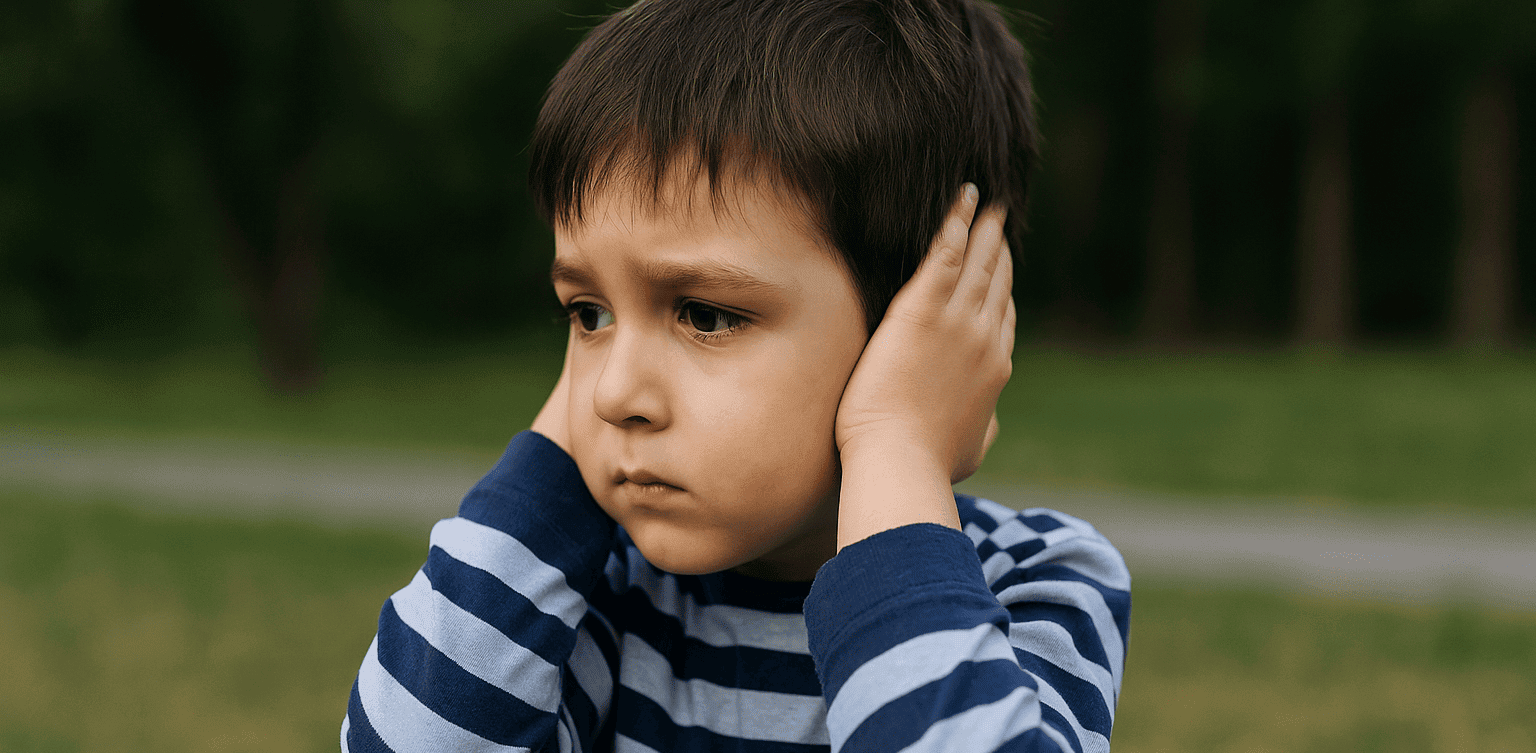
Autistic children may show extreme reactions to loud noises, light touches, or bright lights. On the other hand, some may not respond at all to such stimuli. These unusual sensory responses are one of the signs of autism in children that can confuse many parents.

7. Repetitive Movements or Speech

Children with autism often repeat specific movements or words, such as hand-flapping, jumping, or echoing phrases over and over. These behaviors provide comfort or stimulation and are a recognizable sign of autism in children.

Should Parents Be Worried?

Noticing several signs of autism in children does not mean you should panic. What matters most is observing consistently and consulting with professionals such as child psychologists or developmental pediatricians. A proper diagnosis requires thorough evaluation, and not every child with delays or unique behaviors is on the autism spectrum.

Early identification helps children receive targeted interventions and therapies. Whether it is speech therapy, occupational therapy, or social skills support, these can help children reach their full potential.

Bonus: How Technology Can Help Children Learn

Ingin tahu detail program? Image

Ingin tahu detail program?

In addition to nurturing emotional and social development, parents can also introduce their children to structured and engaging activities that build focus and logic, such as coding. Coding teaches kids how to think logically, solve problems, and follow sequences.

Timedoor Academy offers child-friendly coding courses tailored to different learning styles, including children who thrive in visual or structured environments. Try a free coding class today and discover how technology can support your child’s learning in a fun and meaningful way.

Keep Reading

Complete Guide How to Make a Roblox Skin for Your Child
For many children, gaming has evolved beyond entertainment. It has become a creative outlet and a way to express themselves. One of the most popular platforms among kids and teens today is Roblox. This game allows users to create virtual worlds and customize their avatars to reflect their unique personalities. That’s why learning how to make a Roblox skin can be both fun and educational for your child. What Is a Roblox Skin? In Roblox, a skin refers to the appearance of a player’s avatar. Children can personalize their avatars by changing clothing, skin tones, hairstyles, accessories, and more. These skins aren’t just for looks. They’re tools for creativity and learning, especially when kids use Roblox Studio to explore deeper customization options. Why Should Kids Learn to Make Their Own Skins? Introducing children to how to make a Roblox skin has numerous benefits. First, it encourages creativity. Kids get to explore color combinations, design themes, and styles. Second, they gain exposure to basic digital tools and visual design principles. This process also supports problem-solving skills. Children often need to experiment and refine their designs to achieve the result they envision. Best of all, it transforms screen time into something more productive and purposeful. What Tools Are Needed? To help your child get started with how to make a Roblox skin, you’ll need just a few basic items: An active Roblox account A computer or laptop Access to Roblox Studio (available free on Roblox’s official site) A downloadable Roblox skin template Roblox provides flat skin templates that show the layout of each part of the avatar, including the head, torso, arms, and legs. These templates serve as the base for customization. Step-by-Step Instructions on How to Make a Roblox Skin Here’s a simple guide that parents and children can follow together: Download the official template from the Roblox Developer site. This template helps with precise customization. Use a graphic editing tool such as Paint.NET, GIMP, or even Pixlr. Choose software that’s beginner-friendly and age-appropriate. Design the skin by adding colors, patterns, logos, or any details your child enjoys. Let them express their personality. Save the file in PNG format without altering the original dimensions. Upload the skin to Roblox Studio and preview how it looks in the game. These steps are not just technical but also developmental. Kids will become familiar with software tools, layout concepts, and creative thinking. Tips to Make the Experience More Enjoyable To ensure your child has fun while learning how to make a Roblox skin, here are a few practical tips: Encourage creative freedom. Allow children to explore their ideas without strict limitations. Turn it into a shared project. Parents can join the process to build stronger connections with their kids. Celebrate their creations. Offering praise builds self-confidence and motivates kids to keep learning. Making a Roblox skin is not just a hobby. It’s a gateway into the world of design and digital literacy. Connecting Hobbies with Digital Learning Exploring how to make a Roblox skin can be an entry point into broader tech skills. Roblox Studio even allows users to add scripts using Lua, a programming language. If your child shows an interest in going further, this could be an ideal time to introduce them to structured learning in technology. Through this hobby, children get a hands-on introduction to digital tools, design logic, and maybe even a little coding. It’s an excellent way to turn a pastime into a valuable learning experience. Try a Free Coding Class at Timedoor Academy Helping your child discover how to make a Roblox skin is more than just a gaming activity. It nurtures creativity, boosts digital confidence, and introduces the basics of design and technology. With the right guidance, what begins as a simple customization project can lead to a deeper interest in tech-based learning. If you’re looking for a fun and structured way for your child to explore coding, creativity, and digital tools, Timedoor Academy offers coding classes specially designed for kids. These programs are interactive, age-appropriate, and focus on building skills for the future.Sign up today for a free trial at Timedoor Academy and support your child’s journey into the world of technology in a fun and meaningful way.
<strong>Innovation in Elementary School Education for a Better Future</strong>
Innovation in Elementary School Education for a Better Future
Elementary education plays a crucial role in shaping the foundation of skills, character, and mindset of children. In today’s digital era, parents want to ensure that their children not only master basic knowledge but are also ready to face future challenges. One of the best ways to achieve this is by introducing innovation in elementary school education that matches the needs of the modern world. Why Innovation Matters in Elementary School Elementary school is not just a place where children learn reading, writing, and arithmetic. It is also where they start to develop social values, creativity, and critical thinking skills. Without innovation in elementary school education, learning risks becoming monotonous and less effective in preparing students for a constantly changing world. Innovation does not mean abandoning traditional teaching methods entirely. Instead, it combines proven approaches with new technologies and strategies that are more suitable for children. This way, students can enjoy a learning process that is both engaging and effective. Forms of Innovation in Elementary School Some forms of innovation in elementary school education that have already been implemented in various schools include: Technology Integration in the Classroom Children can better understand lessons when interactive tools such as apps, videos, and Learning Management Systems (LMS) are used to support learning. Coding and Artificial Intelligence Coding is no longer an exclusive skill. By starting in elementary school, children are trained to think logically, creatively, and in problem-solving ways. This is a practical example of innovation in elementary school education that directly prepares them for the future. Collaborative Learning Methods Students are encouraged to work in groups to complete assignments, helping them practice teamwork and communication skills. Personalized Learning Approaches Every child learns differently. With technology, teachers can tailor lessons to suit the learning style and pace of each student. The Role of Parents in Innovation No matter how advanced schools become, parents remain an essential part of the learning journey. Supporting children as they use technology, practice coding, or study English at home ensures that innovation in elementary school education produces the best results. When parents actively participate, children feel more supported and motivated, which strengthens the overall impact of the school’s innovation. Positive Impacts on Children The implementation of innovation in elementary school education offers many benefits, including: Children feel more motivated as lessons become more enjoyable. Critical thinking and problem-solving skills develop more quickly. Early exposure to technology gives them confidence in digital tools. Creativity flourishes through varied teaching methods. With the right innovation, children grow not only in academics but also in their social and emotional abilities. Timedoor Academy and Educational Innovation Timedoor Academy believes that preparing children for the future starts with relevant education. By providing programs in coding, technology, and English for elementary students, Timedoor Academy helps bring innovation in elementary school education into real classrooms. Through interactive lessons, children can learn while having fun and at the same time train future-ready skills. Experienced instructors also ensure that learning is enjoyable, inspiring curiosity and confidence in every child. For a Better Future Innovation is the key to making elementary education not just a routine but a meaningful experience. With innovation in elementary school education, children are better prepared to face future challenges. Schools, teachers, and parents must work together to ensure that innovation brings the greatest benefit to students. If you want your child to experience fun, engaging, and future-focused learning, now is the time to take action. Register your child for a Free Trial at Timedoor Academy and see how innovation in education can boost their confidence and passion for learning.
Preparing Kids for Future Tech Careers with a Coding Course for Kids in 2025
The world is evolving at a rapid pace, driven by advances in technology, automation, and artificial intelligence. While it is impossible to predict exactly what the job market will look like in 10 or 20 years, one thing is certain: digital skills will play a central role. That is why more parents are now exploring the value of a coding course for kids. Learning how to code does more than just prepare children to become programmers. It builds critical skills like problem-solving, creativity, and resilience. This article will walk you through why a coding course for kids is one of the best investments you can make for your child’s future and how it can shape the next generation of tech-savvy thinkers and creators. Technology Is No Longer Optional Children today grow up surrounded by technology. From smartphones and smart TVs to tablets and video games, digital devices are an everyday part of their lives. However, being a passive user of technology is different from understanding how it works. A coding course for kids transforms children from consumers into creators. They do not just play games or use apps. They learn how to build them. Understanding basic programming concepts gives children confidence and opens their minds to the endless possibilities of tech careers. It shows them that technology is not a mysterious thing to fear. It is a tool they can use to solve problems and express themselves creatively. Building Essential 21st Century Skills One of the most underrated aspects of coding is the wide range of transferable skills it develops. A good coding course for kids goes beyond teaching syntax or how to use certain platforms. It teaches them to think in structured, logical ways. Kids learn how to break problems into smaller parts, test solutions, and improve their ideas through trial and error. Coding also promotes persistence. When code does not work, children learn to troubleshoot and try again. This growth mindset builds resilience that applies to many areas of life, including academics and personal challenges. In addition, coding encourages collaboration. Many programs today teach children to work in pairs or teams, sharing code, helping each other debug, and presenting their projects to classmates. These experiences enhance communication and teamwork. Opening Doors to Future Careers According to many labor market studies, careers in technology will remain in high demand for the foreseeable future. Roles like software developers, data analysts, UX designers, and cybersecurity experts are growing rapidly. Even non-tech industries are becoming increasingly digital, meaning that tech literacy is becoming a core requirement across professions. Enrolling your child in a coding course for kids helps them build a strong foundation early. They do not have to decide now whether they want to be a developer. The important thing is that they understand the logic behind technology and feel comfortable exploring it. This early exposure can spark interest in STEM fields and set them up for further learning in middle school, high school, and beyond. Coding Encourages Creativity and Confidence Contrary to the myth that coding is purely technical or dry, it is actually a creative process. Kids can design interactive stories, develop simple games, animate characters, and even build websites. Every coding project is a chance to express ideas and bring imagination to life. A well-structured coding course for kids allows children to experiment and innovate. When they see their code produce real results on the screen, it boosts their confidence. They feel a sense of ownership and achievement that motivates them to keep learning. For children who struggle in more traditional subjects, coding can offer an alternative way to shine. It is not about memorizing formulas or facts. It is about building something with your own hands and mind. Early Coding Education Reduces Future Intimidation Another major benefit of a coding course for kids is that it helps demystify technology. Many adults feel overwhelmed by the rapid pace of digital change. By learning coding at a young age, kids grow up viewing technology as something they can understand and control. This perspective empowers them. It also gives them a head start in a world where being digitally fluent is no longer a bonus but a basic expectation. Whether they end up working in a tech-related field or not, they will be better prepared to adapt to new tools, systems, and digital environments. Join a Free Coding Course For Kids Today at Timedoor Academy If you are ready to prepare your child for the tech-driven future, Timedoor Academy is here to help. We offer a structured, engaging, and age-appropriate coding course for kids that focuses on building real-world skills through fun and interactive lessons. Our courses are designed for children aged 6 and up and are led by experienced mentors who know how to spark curiosity and encourage exploration. Kids learn at their own pace while developing confidence in coding, creativity, and communication. Sign up today for a free trial class and let your child discover the excitement of learning to code. Timedoor Academy is committed to helping your child become a future-ready thinker and tech creator.
float button