Jul 23, 2025

Shaping Your Child’s Future Through Early Education

<strong>Shaping Your Child’s Future Through Early Education</strong> image

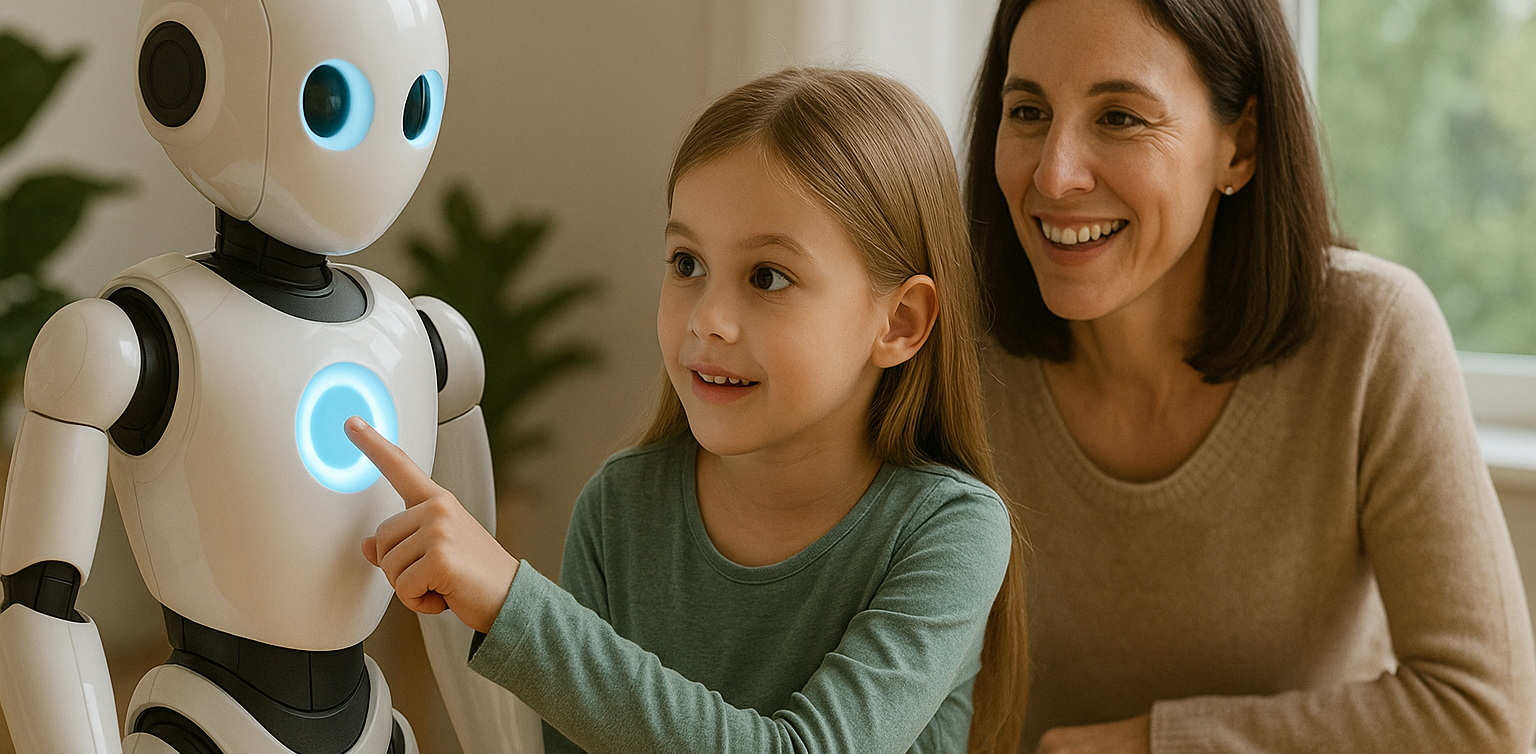
Shaping your child future is one of the most important concerns for every parent. Every decision we make from choosing the right school to enrolling our children in extracurricular activities plays a significant role in shaping your child future. As parents, we all want to give our children the best, but the path to doing so is not always clear.

Building a strong foundation from an early age is the key to guiding children toward a bright and successful future. This includes not just formal education, but also character development, 21st-century skills, and digital literacy in an ever-evolving world.

Why Early Education Matters

shaping your child future

Research consistently shows that early childhood is a golden period for brain development. During this time, children absorb information rapidly and form lifelong habits. That’s why shaping your child future must start with providing quality learning experiences from a young age.

Early education goes beyond teaching reading and math. It involves nurturing logical thinking, creativity, communication skills, and critical thinking. These are the essential building blocks for future success.

Technology and Modern-Day Challenges
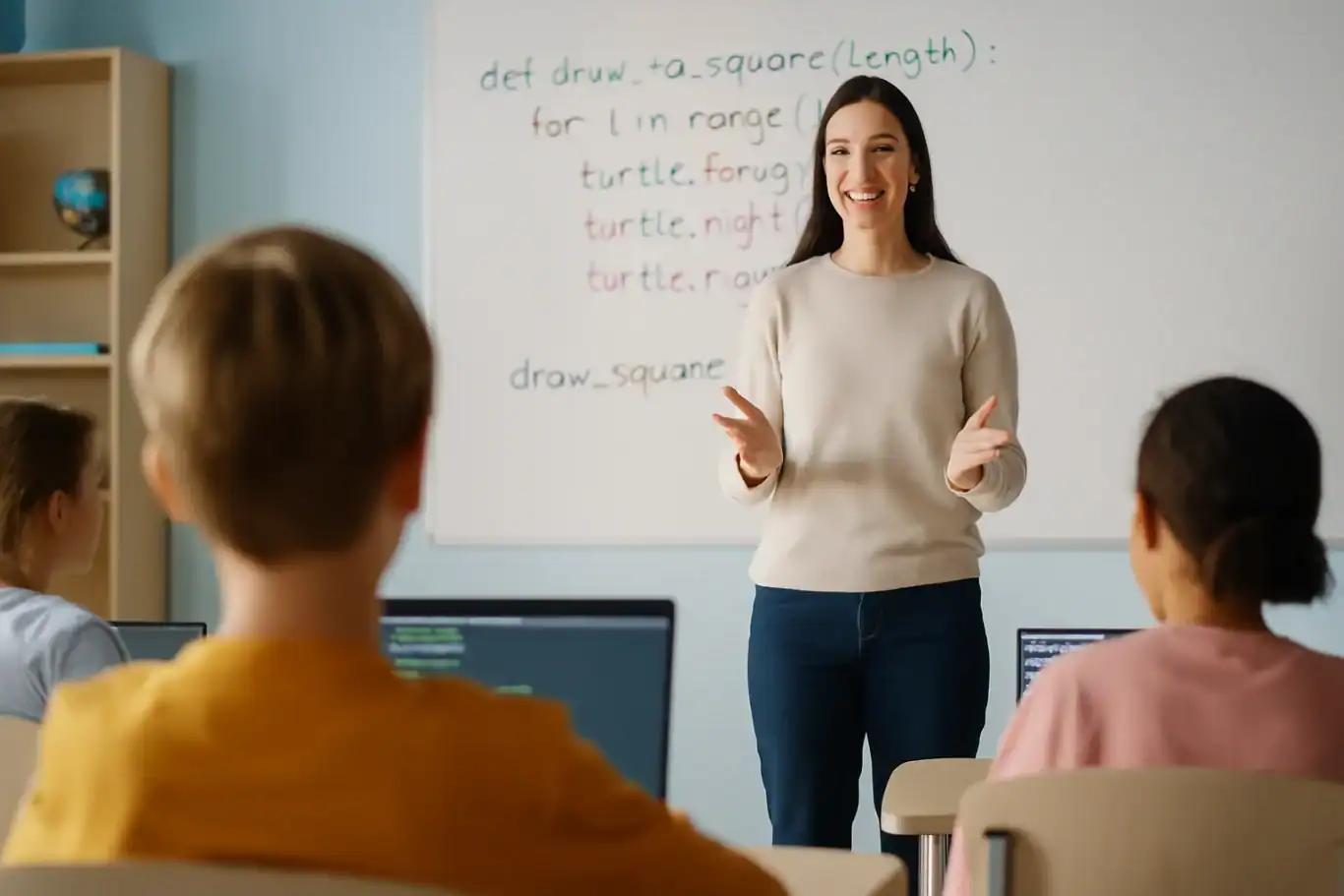
In today’s fast-paced digital era, children need to be familiar with technology to keep up. Without the right exposure, they risk falling behind in skills and confidence. On the other hand, unrestricted use of technology without guidance can lead to negative outcomes. This is where parents play a vital role in ensuring that their children use technology wisely and constructively.

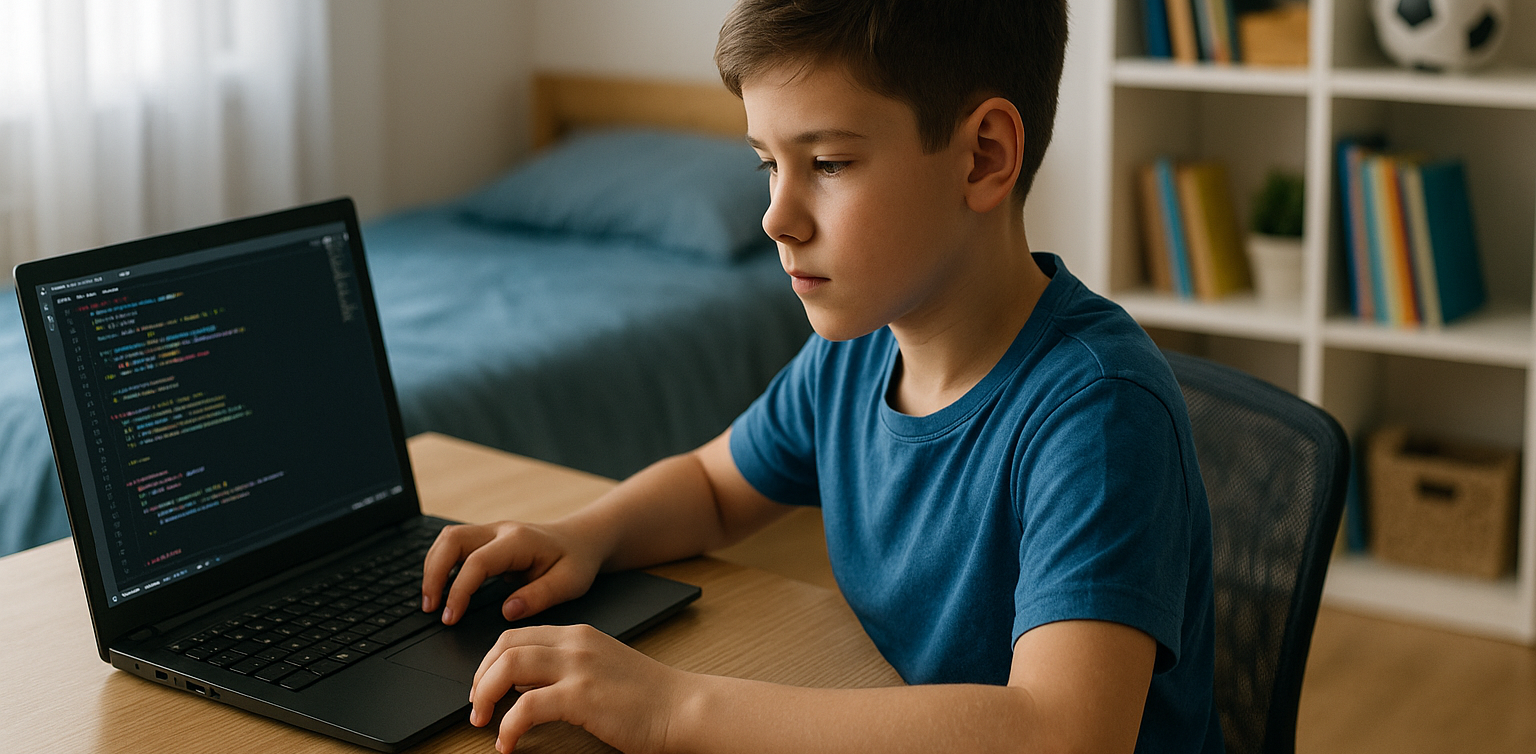
One proven way to shaping your child future is by introducing them to the world of coding and digital literacy early. Learning to code is more than just programming it teaches children how to think systematically, solve problems independently, and create useful digital projects.

The Importance of 21st-Century Skills

In shaping your child future, parents must look beyond academics. Success in the future workforce will require skills such as collaboration, adaptability, innovation, and digital fluency. Thus, children need a holistic education that prepares them to thrive in a dynamic world.

These 21st-century skills can be nurtured through engaging activities like digital projects, educational games, and coding classes. A project-based learning approach helps children learn by doing, which fosters curiosity, initiative, and real-world understanding.

The Parent’s Role in Guiding Their Child’s Future

Parents can’t leave their children’s future entirely in the hands of schools. Active involvement in a child’s learning journey is crucial. Parents who participate in their child’s learning process are better positioned to identify their child’s talents, interests, and individual needs.

This involvement also builds the child’s confidence, strengthens their motivation, and reinforces their belief that they are supported. A key aspect of shaping your child future is fostering a strong partnership between the home, the school, and the broader community.

Creating a Supportive Learning Environment

Children thrive in safe, encouraging, and engaging environments. They need spaces where they feel free to explore, express themselves, and try new things. This is the mission of Timedoor Academy to create inspiring digital learning environments that fuel creativity, exploration, and innovation.

With a modern, fun, and forward-looking approach to education, Timedoor Academy has helped thousands of children across the globe discover technology, think critically, and build meaningful projects. Through interactive classes and expert mentorship, children gain the confidence to turn ideas into action.

Let’s Invest in Their Future Today

 Image

Shaping your child future is a long-term commitment. It requires consistent effort, patience, and the right strategy. But the most important step is to start now. By giving children access to relevant education and the skills they’ll need in the future, we’re laying a solid foundation for the lives they will lead.

Sign your child up for a free trial at Timedoor Academy today and see how they can begin exploring the world of technology in a way that’s fun, educational, and empowering. Together, let’s support our children as they take confident steps toward shaping their future.

Keep Reading

Anak BeLajar coding di Rumah
DIY Coding Projects You Can Do with Your Kids at Home – Fun & Creative Learning Together!
If your kids are fascinated by the world of technology, they’ll be excited to explore coding and create something they can interact with. And guess what? Coding isn’t as intimidating as it may seem! It’s a fun and educational learning experience that both you and your kids can enjoy together. At Timedoor Academy, we believe in the power of hands-on learning. DIY coding projects not only teach kids essential coding skills but also spark creativity, problem-solving, and teamwork. Why not dive into the world of coding and engage your child in exciting learning activities today? To get started, we’ve compiled a list of fun coding activities that are perfect for kids aged 6 to 12. Let’s make learning and coding an adventure right at home! 1. Create a Simple Animation Using Scratch Learning by Coding Scratch is a beginner-friendly visual programming language that allows kids to create their own stories, games, and animations. This coding tool uses blocks of code that kids can drag and drop, making it easy to build interactive projects. Project Idea: • Create a simple animation where characters move across the screen or interact with one another. For example, you can create a story where a cat talks to a dog, or have a dancing sprite! Why It’s Great? • Scratch teaches kids basic concepts like sequencing, loops, and event handling. Plus, it’s a fun way to let their imagination run wild! 2. Build Your Own Interactive Coding Website with HTML & CSS Learning Want to introduce your child to the world of web development? Start with the basics of HTML (the structure of websites) and CSS (the styling). These simple tools lay the foundation for most websites and are an excellent way to teach coding while building something tangible. Project Idea: • Help your child design their first interactive website—perhaps a personal homepage, a family blog, or a site about their favorite hobbies. Add fun elements like color changes, buttons, and images to make it unique! Why It’s Great? • HTML and CSS are easy to learn and give kids a sense of accomplishment once they see their website live. It’s also a practical skill that could inspire future web development projects. 3. Create a Virtual Pet Game with Scratch or Python Coding Learning For a more advanced project, you can introduce your child to a text-based or graphical game. You can either start with Scratch for a simpler, drag-and-drop experience or move to Python for a more detailed, code-based game. Project Idea: • Make a simple virtual pet game where players can feed, play with, and take care of their pet. The game could involve a timer for pet care and scoring points for actions completed correctly. Why It’s Great? • This project teaches game design, logic, and conditionals (e.g., “If you feed the pet, it gets happier”). It’s a perfect introduction to more complex programming concepts, all while having fun creating a game! 4. Make a Digital Art Project by Coding with Tynker Learning Tynker is another great coding platform that teaches kids how to code using fun, interactive lessons. It’s perfect for visual learners and offers a wide range of activities, including digital art creation. Project Idea: • Use Tynker to create your own digital drawing or animation. You can have your child make a picture come to life by using basic coding blocks to animate shapes or objects. Why It’s Great? • Tynker makes learning coding feel like a creative art project. It’s also a wonderful way for children to combine their interest in drawing with coding! 5. Make a DIY Robot with Coding Kits Learning If you have access to coding kits such as LEGO Mindstorms, LittleBits, or other programmable robotics kits, this is a fantastic hands-on project to get kids into coding. Project Idea: • Build and program a robot that can move, detect objects, or follow simple commands. You can even create a challenge where the robot has to navigate a maze or complete a task, like picking up small objects. Why It’s Great? • Robotics introduces kids to both hardware and software, bridging the gap between the physical and digital worlds. It encourages problem-solving, critical thinking, and teamwork. 6. Create a Music Maker with Coding Learning If your child loves music, why not combine it with coding? There are several tools and platforms that allow kids to make music through programming. Project Idea: • Help your child create a simple music generator where different sounds or beats are played based on certain inputs. Platforms like Sonic Pi let kids create music with code, and they can even create rhythms and melodies! Why It’s Great? • This project combines creativity with coding and gives kids a fun way to engage with both music and technology. 7. Design a Choose-Your-Own-Adventure Story by Coding Learning A fun way to learn coding is by creating an interactive story, like a “Choose Your Own Adventure” game. You can use simple platforms like Twine, which allows kids to write stories with code-based choices. Project Idea: • Write an interactive story where the reader can make choices, and each choice leads to different outcomes. For example, “Should the character go left or right?” The story branches out from there! Why It’s Great? • This teaches kids logic, sequencing, and how their decisions in coding can affect the outcome. Plus, it’s a great way for kids to practice their writing and storytelling skills. Coding is Fun and Rewarding Learning! At Timedoor Academy, we believe that learning to code is not only about the technical skills—it’s also about sparking curiosity, creativity, and critical thinking. By taking on these DIY coding projects, you’ll not only teach your child valuable programming skills but also bond through shared, creative experiences. So, gather your tools, start coding, and most importantly, have fun with your child! Remember, the best way to learn is by doing—and what better way to learn together than through fun, hands-on projects? Ready to dive deeper into coding learning? Join one of Timedoor Academy's online coding classes and support your child's learning journey in a structured, fun and supportive environment. We offer a Free Trial to provide a no-cost first learning experience, so your child can try our classes before deciding to continue.  Our courses are designed to help children develop their coding skills while still enjoying every step of the way. Visit our website for more information here!
6 Best Free Coding Resources for Kids in 2025
In today’s digital era, coding is becoming one of the most essential skills kids can learn for the future. It is not just about creating computer programs, but also about building logical thinking, creativity, and problem-solving abilities. Fortunately, there are now many free coding resources for kids that can be accessed easily from home. For parents who want to introduce programming early on, this article shares a variety of platforms, apps, and websites that offer free, fun, and kid-friendly coding lessons. Why Should Kids Learn to Code Early? Learning to code is not only for those who want to become programmers. It helps sharpen important cognitive skills like critical thinking, persistence, and collaboration. In addition, coding teaches kids how to face failure and try again, as they learn to troubleshoot and improve their work. Introducing coding at an early age also gives kids a chance to explore their interests in technology and create things they can be proud of, such as simple games, animations, or interactive stories. What Makes a Coding Resource Kid-Friendly? When choosing a free coding resource for kids, it is important to look for the following: Clear, simple language that is easy to understand Engaging and interactive visuals Gradual, age-appropriate learning paths Gamified elements to keep kids motivated Safe and ad-free learning environments Here are some great platforms and tools to try out. 6 Best Free Coding Resources for Kids in 2025 1. Scratch Scratch is an introductory coding platform developed by MIT for kids ages 8 and up. Using colorful code blocks, kids can create animations, stories, or interactive games without needing to write code. Scratch encourages creativity and features a global community where kids can safely share their projects. It is also available in Bahasa Indonesia, making it even more accessible for Indonesian families. 2. Code.org Code.org is one of the best free coding resources for kids worldwide. It offers a wide range of free courses with varying difficulty levels, from beginner to advanced. Kids can even learn with their favorite characters like Elsa from Frozen or Steve from Minecraft. The platform also provides age-specific curriculums for elementary to high school students, with a fun, project-based approach. 3. Tynker Tynker is another popular platform recommended for kids. While the premium version is paid, Tynker offers free access to several well-structured introductory modules. Kids can learn basic coding concepts through games, build animations, and even get a taste of drones and robotics in a simplified way. 4. Khan Academy – Computer Programming Khan Academy is widely recognized for offering free educational content, and its programming section is no exception. It provides beginner-friendly coding lessons, especially for older kids and teens who are starting to understand text-based programming logic. The videos are interactive and well-paced, making Khan Academy a great choice for slightly more advanced learners. 5. Blockly Games Blockly Games is a collection of educational games that teach basic coding concepts using block-based visual programming. It is perfect for kids who are just starting out and want to learn while having fun. With a simple and functional interface, Blockly Games is a solid first step into the world of coding for elementary-aged kids. 6. Timedoor Academy In addition to these global platforms, there is also a great local option: Timedoor Academy. Timedoor offers interactive online coding classes for kids, using a fun and structured approach guided by experienced instructors. Timedoor Academy understands the unique needs of children potential. It tailors its lessons to local language, uses project-based learning, and provides flexible schedules. A free trial class is also available, making it easy for parents and kids to try it out before committing. Tips for Supporting Kids Coding at Home To make the most of your child’s coding journey, here are a few helpful tips for parents: Be there to guide them when they try a new platform, especially younger kids Set a regular learning schedule, like 30 minutes per day Give small creative challenges, such as making a simple game or animation Celebrate their achievements, no matter how small Keep screen time balanced with physical and social activities Ready to Start Coding from Home? Here’s the First Step: Learning to code has never been more accessible, thanks to the growing number of free coding resources for kids. Parents can introduce programming in a fun, engaging way through platforms designed with kids in mind. But to make learning more structured and effective, it helps to choose the right method and guidance. Timedoor Academy offers kid-focused online coding classes with a creative and organized approach. Led by experienced instructors and adapted to different age levels, Timedoor is ready to support your child’s coding journey. Try a free class today and help your child start learning to code from home in a fun and meaningful way.
10 Powerful Reasons Why Understanding The Importance of Digital Safety for Kids Matters Today
In the digital era, kids are growing up surrounded by screens, the internet, and endless online interactions. While technology offers many advantages, it also introduces new challenges that parents cannot ignore. From social media exposure to online gaming and digital learning, kids face potential risks that may affect their privacy, safety, and mental well-being. That is why understanding the importance of digital safety for kids has become a vital aspect of modern parenting. As technology becomes an inseparable part of daily life, the need to educate kids about online behavior, privacy protection, and responsible technology use becomes more urgent. Digital literacy is no longer just an option; it is an essential skill for every child in the 21st century. 1. Building Awareness About Online Threats Many kids use the internet without understanding its potential dangers. Parents and educators need to guide them to recognize harmful websites, suspicious links, or strangers who might have bad intentions. Teaching kids about the importance of digital safety for kids helps them develop awareness from an early age, making them more cautious when navigating the online world. 2. Protecting Personal Information One of the key components of the importance of digital safety for kids is teaching them how to protect their personal information. Many websites and apps ask for details such as names, photos, and locations. Without proper knowledge, kids may share private data that could be misused by others. Parents must teach their kids never to share personal information without permission and to use privacy settings responsibly. 3. Preventing Cyberbullying Cyberbullying is a growing concern in today’s society. Kids who spend time on social media or online games may face bullying, harassment, or exclusion. By understanding the importance of digital safety for kids, both parents and kids can learn how to prevent, identify, and handle cyberbullying effectively. Encouraging open communication and emotional support is key to protecting a child’s mental health online. 4. Encouraging Responsible Social Media Use Social media platforms are a popular space for kids to express themselves and connect with friends. However, it is also a place where misinformation, inappropriate content, and privacy issues can occur. Educating kids about the importance of digital safety for kids means guiding them to use social media responsibly, think before they post, and understand the consequences of sharing personal content publicly. 5. Managing Screen Time Wisely Digital safety also includes managing how much time kids spend online. Excessive screen time can lead to fatigue, distraction, and reduced focus in learning. Understanding the importance of digital safety for kids helps parents and kids create healthy boundaries between study time, online entertainment, and offline activities. Balanced screen time supports both mental and physical well-being. 6. Strengthening Digital Literacy Skills Digital literacy goes beyond knowing how to use gadgets. It involves critical thinking, information evaluation, and problem-solving skills. Through programs like coding or digital creativity classes, kids can learn how to use technology safely and productively. Learning the importance of digital safety for kids empowers them to become responsible digital citizens who use technology for positive purposes. 7. Avoiding Scams and Online Manipulation Kids can easily fall for online scams, such as fake giveaways or misleading ads. They may also be influenced by manipulative content designed to collect data or promote harmful behavior. Teaching them the importance of digital safety for kids helps prevent these incidents. They learn to identify suspicious behavior and make smarter online choices. 8. Promoting Positive Online Communication Online communication can be beneficial when used positively. Kids can learn, share ideas, and collaborate across cultures. However, they must also understand the ethics of digital communication, such as respecting others’ opinions and avoiding hurtful language. Incorporating the importance of digital safety for kids into their learning encourages empathy and respect in every online interaction. 9. Preparing for a Digital Future As technology continues to evolve, digital safety becomes an essential foundation for every future career. Kids who understand the importance of digital safety for kids will grow into professionals who value data protection, cybersecurity, and ethical technology use. Early exposure to these concepts prepares them to thrive in a world where digital skills are in high demand. 10. Empowering Parents and Schools to Collaborate Lastly, promoting the importance of digital safety for kids requires collaboration between parents, teachers, and institutions. Schools can integrate digital safety education into the curriculum, while parents can apply these lessons at home. Together, they create a safe and supportive environment where kids can explore technology without fear. How Timedoor Academy Helps Strengthen Digital Safety Education Timedoor Academy understands that technology can be both exciting and challenging for kids. Through structured learning programs, students not only develop coding and digital skills but also gain awareness about online safety, privacy, and responsible internet use. Each class is designed to help kids understand the importance of digital safety for kids in practical and engaging ways. By joining Timedoor Academy, your child will be guided by professional mentors who are committed to creating a positive and secure learning environment. Parents can feel confident knowing that their kids are developing both technical knowledge and safe digital habits. Ready to Help Your Child Explore Technology Safely? Digital safety begins with knowledge. If you want your child to grow up as a confident, creative, and responsible digital user, now is the perfect time to take the first step. Register your child for a free trial class at Timedoor Academy today! Discover how our expert mentors can help shape your child’s understanding of technology while ensuring their safety in the digital world.
float button