Sep 19, 2025

Here are 5 Reasons Why Do Children Like Playing Games
Here are 5 Reasons Why Do Children Like Playing Games image

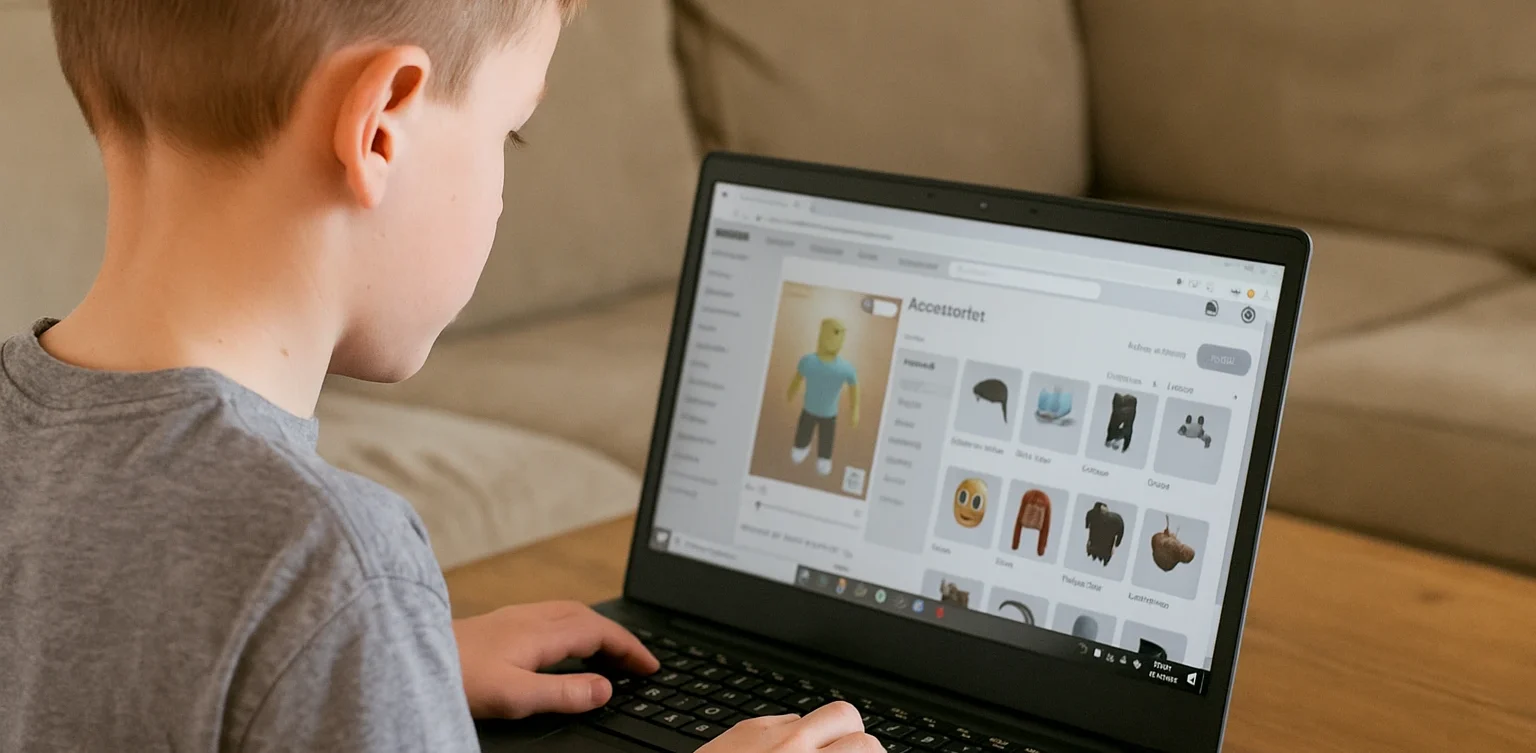
Why do Children Like Playing Games? Playing games has become a very popular activity among children today. From mobile devices and tablets to consoles, games come in many forms that easily capture their attention. Parents often worry about the amount of time spent gaming, especially when it leads to concerns about children addicted to games. However, before judging too quickly, it is important for parents to understand why children are so attracted to the world of digital games.

Games Provide Challenges and a Sense of Achievement

One of the main reasons children love games is the clear challenges they offer. Games often feature levels or missions that must be completed. When children succeed, they feel proud and accomplished. This feeling can be very motivating, encouraging them to keep playing. Without proper guidance, though, this motivation may grow into children addicted to games as they constantly seek satisfaction from virtual victories.

Games as a Source of Entertainment

Why Do Children Like Playing Games

Games provide easily accessible entertainment anytime. With engaging graphics, exciting music, and compelling storylines, children can enjoy spending hours in front of a screen. For many, this is a way to relax after school. Yet, without boundaries, this entertainment can turn into overindulgence, leading to children addicted to games.

Social Factors and Interaction with Friends

Many modern games are designed with multiplayer features, allowing children to communicate and play with their peers. This social aspect makes gaming more exciting, as children can cooperate or compete with others. However, this interaction can also lead to children addicted to games if they become too comfortable in virtual socializing instead of real-life interactions.

Games as Exploration and Imagination

children addicted to games

Some games are built with vast fantasy worlds ready to be explored. This stimulates children’s imagination, making them feel as if they are adventuring into new worlds. For children with high curiosity, games offer a safe space to experiment. Even so, parents must remain cautious, as such exploration can be the entry point toward children addicted to games.

Lack of Alternative Engaging Activities

Often, children spend long hours playing games simply because they lack other engaging activities. Without opportunities to explore creativity, talents, or new skills, gaming becomes their main escape. This makes them more vulnerable to becoming children addicted to games.

How Parents Can Respond

Why Do Children Like Playing Games

Blaming games entirely is not the best solution. Parents should recognize that games are simply a modern form of entertainment. The key lies in supervision and guidance. Some practical steps include:

  • Limiting gaming time with consistent rules.
  • Introducing alternative activities such as sports, arts, or enrichment programs.
  • Having open communication about the content of the games children play.
  • Encouraging educational games that combine fun with learning.

With the right approach, children can still enjoy games without becoming addicted to games.

The Role of Digital Education in Overcoming Challenges

An effective way to redirect children’s interest in technology is through digital education. By joining the right courses, children can channel their interests into something productive. For example, learning coding, digital design, or animation not only provides enjoyment but also equips them with valuable future skills. This way, children are not only spending time on games but also building their potential, reducing the risks of children addicted to games.

Building a Future-Ready Generation

 Image

Playing games is a natural part of children’s lives in today’s digital age. There are many reasons behind their interest, ranging from entertainment and challenges to social interaction. Still, parents must remain vigilant to ensure that this fun activity does not turn into a serious issue like children addicted to games. Guidance, communication, and providing positive alternatives are the keys to maintaining balance.If you want to help your child channel their interests into something more meaningful, consider enrolling them at Timedoor Academy. Through fun and educational courses, children can learn digital skills that prepare them for the future. Sign up now for a free trial at Timedoor Academy and give your child the chance to grow in a positive and enjoyable way.

Keep Reading

How to Deal with Child Tantrums: Smart Tips for Calm and Confident Parenting
For many parents, figuring out how to deal with child tantrums is one of the toughest parts of raising young kids. One moment they are fine, and the next, they are crying, shouting, or throwing things across the room. It is a stressful and exhausting situation that can easily test your patience. That is why every parent needs to understand how to deal with child tantrums calmly and effectively. With the right approach, tantrums do not have to turn into a daily battle. In fact, they can be valuable opportunities for both children and parents to learn and grow together.   Why Do Children Have Tantrums? Before diving into how to deal with child tantrums, it is important to understand why they happen in the first place. Tantrums are a normal part of early childhood development, especially for children between the ages of one and four. At this stage, children are still learning how to express their feelings in words. When they feel tired, hungry, frustrated, or overwhelmed, they express those emotions through tantrums. It does not mean they are being naughty or trying to manipulate you. They simply have not yet learned how to manage big emotions in a more appropriate way.   How to Deal with Child Tantrums Without Losing Your Cool Here are some practical steps to help you manage tantrums and keep the situation under control: 1. Calm Yourself The first and most important step in how to deal with child tantrums is managing your own emotions. Children often mirror their parents' reactions. If you remain calm, you are setting an example of emotional control. If you panic or get angry, your child is likely to escalate even more.   2. Acknowledge Their Feelings Instead of immediately trying to stop the outburst, take a moment to validate their emotions. Simple phrases like "You are upset because we cannot buy that toy, right?" help your child feel understood. This small step is a key part of how to deal with child tantrums effectively.   3. Redirect Their Attention After acknowledging their feelings, gently guide your child toward another activity. Offer to play a game, read a book, or suggest something they enjoy. Redirecting attention is a practical and proven method in how to deal with child tantrums, especially with younger kids.   4. Be Consistent with Boundaries Giving in to tantrums just to stop the noise might bring short-term relief but teaches the wrong lesson. Children will learn that tantrums are a way to get what they want. Staying consistent and firm with rules is essential when learning how to deal with child tantrums in a healthy and constructive way.   5. Teach Simple Breathing Techniques Introducing basic breathing exercises can help children learn to self-regulate. Encourage them to take slow, deep breaths when they feel upset. This method is a valuable tool in how to deal with child tantrums and builds long-term emotional resilience.   Turning Tantrums into Positive Learning Opportunities One effective way to support emotional growth is by giving children constructive outlets for their energy and feelings. For example, simple coding activities can help children develop patience, focus, and logical thinking. While coding might seem unrelated to tantrums, the process of breaking down problems step by step helps children build important self-regulation skills. In many ways, teaching a child how to deal with frustration during coding challenges mirrors the lessons you want to teach when figuring out how to deal with child tantrums.   Patience and Consistency Are Key Learning how to deal with child tantrums is not about finding an instant solution. Emotional regulation is a life skill that takes time and practice. The real key is showing patience and maintaining consistency in your responses. This approach helps children gradually learn how to manage their own emotions more effectively. Tantrums are not a sign of failure. They are a chance to guide children toward healthier ways of expressing their feelings.   Supporting Emotional Growth Through Positive Activities While tantrums can be exhausting, handling them with empathy and patience teaches children valuable emotional skills. Additionally, engaging kids in structured activities like coding provides another opportunity to practice focus, problem-solving, and perseverance. Coding encourages children to approach challenges with a calm and logical mindset. These are the same qualities they need when learning how to deal with child tantrums in everyday life. Curious how coding can help your child develop these skills? Timedoor Academy offers a free coding class designed especially for kids. The lessons are fun, interactive, and tailored to your child's learning pace. Give your child a positive and engaging learning experience. Register now for a free trial class at Timedoor Academy!
Why Coding for Kids Is Ideal Starting at Age 5
Many parents wonder if young children are ready to learn programming. The answer is absolutely yes, and it is highly encouraged. In recent years, coding for kids as young as five has become increasingly popular. It has been shown to support the development of logical thinking, creativity, and confidence from an early age. Learning to code doesn’t mean children have to type lines of complex code like adults. In fact, the methods used for teaching coding for kids are designed to be fun and visual, often using colorful blocks or interactive games. This makes the learning process feel more like play than work. 1. Age 5 Is a Golden Window for Brain Development Research shows that age 5 is a critical period for brain development. At this stage, children rapidly build their ability to think, absorb information, and recognize patterns. Coding for kids at age 5 takes advantage of this window to introduce logical and systematic thinking. As they solve simple coding challenges, children begin to develop strong problem-solving habits without even realizing it. 2. Builds Focus and Concentration One of the biggest challenges for parents is helping children stay focused during learning. Coding engages children in logical sequences and hands-on tasks like programming a character to move. These activities gradually strengthen concentration. Coding for kids at this age can be an effective way to improve attention span through playful and interactive tasks. 3. Enhances Communication and Collaboration Skills Coding isn’t always a solo activity. Many programs offering coding for kids at age 5 are built around collaboration. Children work in pairs or groups, share ideas, and express their thoughts. These moments naturally boost communication and teamwork, helping kids build social skills early on that will benefit them for years to come. 4. Introduces Technology in a Positive Way Today’s children are no strangers to gadgets and the internet. Instead of completely restricting screen time, parents can guide their kids to use technology for educational purposes. Coding for kids is a smart way to shift them from passive digital consumption to active understanding of how tech works. It fosters digital creativity and responsibility from a young age. 5. Opens Up Future Career Opportunities The future job market will be deeply rooted in technology. By introducing programming concepts early, parents give their children a head start. Coding for kids helps them develop not only technical skills, but also essential soft skills like perseverance, logical reasoning, and adaptability, all of which are vital for future success. Try a Free Coding Class at Timedoor Academy If you're curious to see the benefits of coding for kids firsthand, Timedoor Academy offers a free trial class you can join from home. With a project-based curriculum and engaging visual materials, children are encouraged to explore technology in a way that’s fun and age-appropriate. Timedoor’s curriculum is specially designed for young learners. Guided by professional mentors, children learn through play while building critical thinking skills and confidence. Don’t miss the chance to introduce your child to a positive and educational tech environment.
How to Help Kids Stay Focused While Studying at Home in 2025
Many parents struggle with children who find it hard to stay focused while studying at home. School assignments pile up, but their attention often drifts elsewhere — whether to gadgets, television, or simply daydreaming. This situation can be frustrating for parents. That is why it is important to understand how to help kids stay focused while studying with realistic and effective approaches. This article will explore the common reasons why children struggle with concentration and offer practical strategies that parents can apply at home. With simple yet targeted steps, parents can help build better study habits and support their child's focus.   Why Do Kids Struggle to Focus While Studying? Before diving into how to help kids stay focused while studying, it is essential to understand the root causes. Several common factors can affect a child's ability to concentrate: Disruptive EnvironmentNoise from the television, younger siblings playing, or constant gadget notifications can easily distract children during study time. Lack of Interest in the SubjectWhen learning materials feel boring or irrelevant, it becomes difficult for kids to stay engaged and focused. Poor Timing for StudyingForcing children to study when they are tired, hungry, or mentally drained will only make it harder for them to concentrate. Age-Appropriate Attention SpanEvery child has a different capacity for concentration, especially at a young age. Sometimes, parents expect too much in this regard. Early Habit of MultitaskingChildren who are used to playing games while watching videos or listening to music may struggle to develop the ability to focus on a single task.   Practical Ways to Help Kids Stay Focused While Studying at Home Once you understand the underlying issues, here are some practical steps on how to help kids stay focused while studying: 1. Create a Comfortable and Distraction-Free Study Space Ensure your child has a dedicated study area that is well-lit, quiet, and free from distractions like television or unnecessary gadgets. 2. Adjust Study Time to Match Their Rhythm Pay attention to when your child is most alert and ready to learn, such as after a nap or a healthy breakfast. Avoid study sessions when they are visibly tired. 3. Break Study Time into Short, Manageable Sessions Younger children are more likely to stay focused with 20 to 30-minute study sessions, followed by short breaks. This helps maintain their concentration without overwhelming them. 4. Use Interactive Learning Methods Switch from monotonous study routines to more engaging approaches. Visual aids, educational games, and hands-on activities can make learning more interesting. 5. Support Without Hovering Be present to guide your child without micromanaging. Give them space to try solving tasks on their own and step in only when they truly need help. 6. Appreciate Effort, Not Just Results Recognize and praise your child's effort to focus, no matter how small. Emphasizing the learning process rather than only the final outcome encourages a healthier attitude toward studying.   How Coding Can Help Improve Kids' Focus One effective way to help kids stay focused while studying is by introducing them to coding activities. Learning to code teaches children how to break down problems into smaller, manageable steps. This process helps develop focus, logical thinking, and patience. Coding is often presented in the form of interactive games, making it fun and engaging for children. Without realizing it, they practice maintaining concentration and structured thinking — skills that are valuable not only for school but also for everyday life.   The Key: Consistency and Patience Helping kids stay focused while studying is a gradual process. There are no instant solutions. Consistency and patience from parents are crucial in developing better learning habits. Every child learns at their own pace, so it is important for parents to adjust their approach to fit their child's personality. It is natural for children to get bored, frustrated, or easily distracted. However, with the right support and strategies, they can gradually build stronger focus without feeling pressured.   From Struggling to Focus to Becoming Independent Learners Dealing with a child who struggles to stay focused while studying is not easy. But with patience, the right approach, and continuous encouragement, parents can help their children develop better concentration skills. Creating a conducive learning environment, understanding the child's needs, and choosing engaging study methods are essential steps in this journey. In addition, activities like learning coding can serve as an effective way to train children’s focus and logical thinking. Coding teaches them to solve problems step by step and stay patient throughout the process. Timedoor Academy offers free coding trial classes for children, designed with fun and easy-to-follow methods. Enroll now and help your child become more focused and engaged in their learning journey.
float button