Apr 29, 2025

The Future of Work: Top Tech Skills for Kids to Succeed Tomorrow

The Future of Work: Top Tech Skills for Kids to Succeed Tomorrow image

As we move deeper into the digital age, tech skills for kids are no longer optional. They are becoming just as essential as reading, writing, and math. With industries increasingly relying on technology, children need to be equipped with the right digital tools and knowledge to stay ahead. By learning tech skills early, kids can prepare for a future filled with opportunities in science, engineering, design, and other fast-growing fields.

Why Tech Skills for Kids Are More Important Than Ever

Technology is rapidly changing how we work, learn, and communicate. In the past, children could grow up and find stable jobs without needing much technical knowledge. Today, even non-technical fields expect basic digital literacy. Professions such as marketing, healthcare, logistics, and education all require some level of tech fluency. That is why building strong tech skills for kids should be a priority in every household.

Children who develop a comfort with technology early on are more likely to adapt quickly to new systems, think critically, and solve problems creatively. These are not just technical skills but life skills that will help them thrive in a variety of careers.

Essential Tech Skills for Kids in 2025 and Beyond

Here are some of the most valuable tech skills for kids that parents and educators should focus on:

1. Coding and Programming

tech skills for kids

Learning to code is like learning a new language, and children are especially good at picking up languages when they start young. Platforms like Scratch, Blockly, and Python-based tools make coding fun and engaging. These tools teach kids how to build games, apps, and websites while developing logical thinking and problem-solving abilities.

2. Typing and Computer Literacy

tech skills for kids

Before diving into more advanced skills, kids need to master the basics. This includes proper typing, navigating operating systems, using a keyboard and mouse, and understanding file structures. These fundamental tech skills for kids help them complete school assignments efficiently and prepare them for more complex tech learning.

3. Digital Creativity and Design
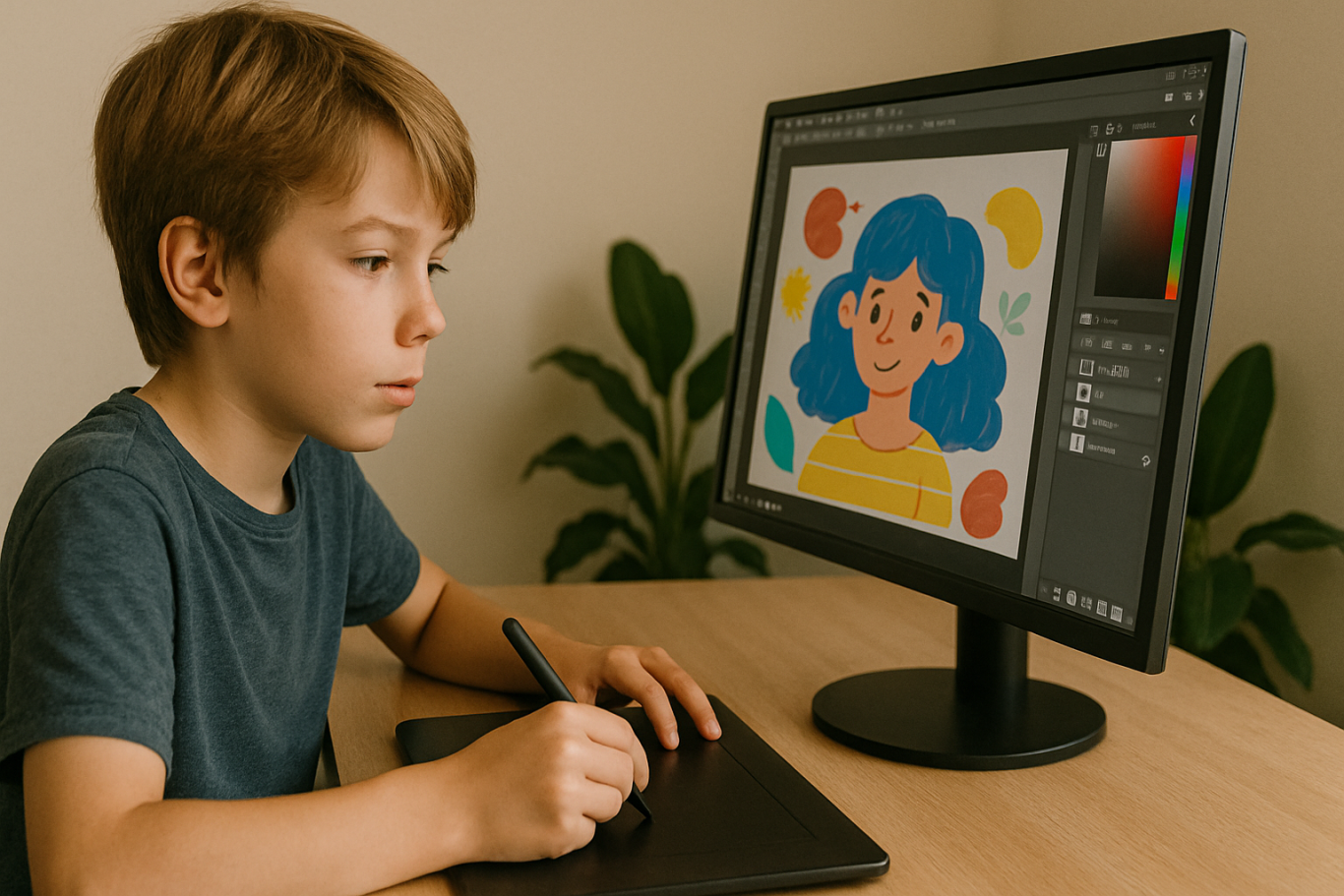
Children love to create, and today’s digital tools offer endless possibilities. Whether it is designing graphics, editing videos, or making simple animations, creative platforms like Canva, Tinkercad, and iMovie allow kids to express themselves while building useful tech abilities. Encouraging digital creativity is one of the most fun ways to improve tech skills for kids.

4. Internet Safety and Digital Citizenship

Tech skills go beyond using devices. Kids must also learn how to stay safe online, recognize reliable information, and communicate respectfully in digital spaces. Teaching internet safety and digital ethics is crucial for preparing responsible future digital citizens.

5. Robotics and Engineering Basics
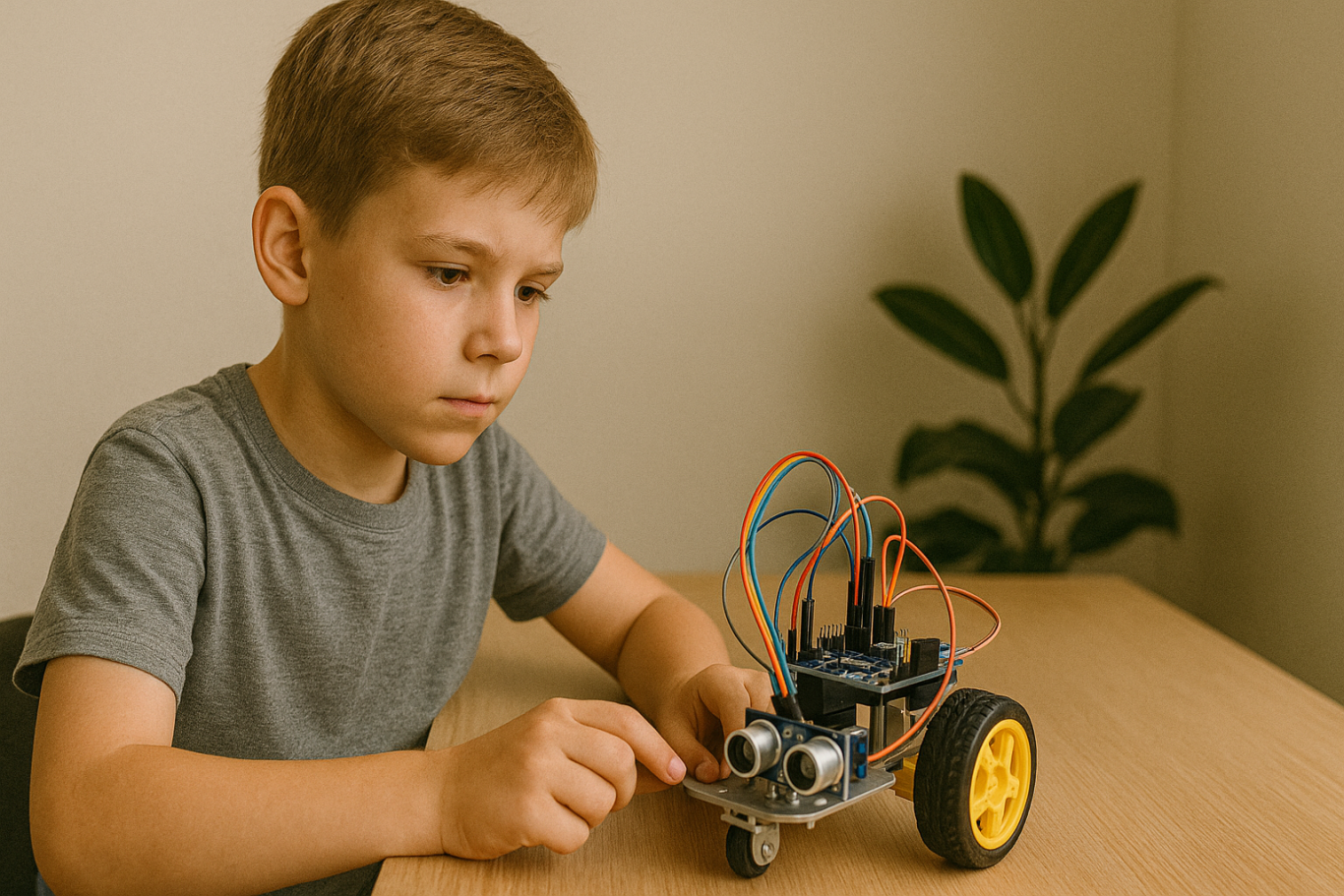
Robotics introduces kids to mechanical thinking, sensors, automation, and problem-solving. With kid-friendly kits like LEGO Mindstorms or VEX Robotics, children can explore how real-world machines work. These hands-on experiences provide engaging ways to build tech skills for kids and spark interest in STEM careers.

6. Data Handling and Logical Thinking

Understanding how to collect, analyze, and interpret data is becoming a key skill in both tech and non-tech fields. Kids can learn data basics through games or classroom projects. Introducing simple concepts like charts, graphs, or patterns enhances their analytical thinking and boosts their overall digital confidence.

How Parents Can Support Tech Skills Development

Even if you are not tech-savvy yourself, there are many ways to help your child build strong tech skills for kids at home:

  • Set up learning time: Create a routine that includes tech learning alongside play and study time.
  • Choose the right tools: Use age-appropriate apps, games, and websites designed for tech education.
  • Encourage exploration: Let kids experiment and learn by doing, even if they make mistakes.
  • Sign up for courses: Platforms like Timedoor Academy offer coding, animation, and digital literacy classes tailored for kids.
  • Model healthy screen habits: Teach children how to use technology responsibly by demonstrating balance and purpose in your own digital behavior.

The Future Job Market Is Digital

The future of work is likely to include jobs that do not even exist today. Careers in virtual reality, artificial intelligence, environmental tech, and other advanced fields will become common. The one thing they will all have in common is the need for strong tech skills for kids. Preparing your child now will not only boost their academic performance but also set them up for lifelong success.

Empowering the Next Generation Through Tech Skills for Kids

Investing in tech skills for kids is one of the smartest moves parents can make today. As technology continues to evolve, children who are comfortable using digital tools, thinking critically, and adapting to change will have a clear advantage in school and in the workplace. Whether your child dreams of becoming a game developer, an engineer, or even a digital artist, the journey starts with the right skills and encouragement.

Ready to Help Your Child Build Strong Tech Skills?

If you’re looking for a fun and structured way to introduce tech skills for kids, Timedoor Academy offers engaging online courses designed for young learners. From coding and game development to digital creativity, our expert instructors make learning tech both fun and educational.

 Image

By enrolling in Timedoor Academy, your child will have the opportunity to build essential skills that will prepare them for future success. Start their learning journey today by signing up for a free trial class. Give them the tools to thrive in the digital world and beyond.


Join Timedoor Academy Now

Keep Reading

Here are 5 Reasons Why Do Children Like Playing Games
Why do Children Like Playing Games? Playing games has become a very popular activity among children today. From mobile devices and tablets to consoles, games come in many forms that easily capture their attention. Parents often worry about the amount of time spent gaming, especially when it leads to concerns about children addicted to games. However, before judging too quickly, it is important for parents to understand why children are so attracted to the world of digital games. Games Provide Challenges and a Sense of Achievement One of the main reasons children love games is the clear challenges they offer. Games often feature levels or missions that must be completed. When children succeed, they feel proud and accomplished. This feeling can be very motivating, encouraging them to keep playing. Without proper guidance, though, this motivation may grow into children addicted to games as they constantly seek satisfaction from virtual victories. Games as a Source of Entertainment Games provide easily accessible entertainment anytime. With engaging graphics, exciting music, and compelling storylines, children can enjoy spending hours in front of a screen. For many, this is a way to relax after school. Yet, without boundaries, this entertainment can turn into overindulgence, leading to children addicted to games. Social Factors and Interaction with Friends Many modern games are designed with multiplayer features, allowing children to communicate and play with their peers. This social aspect makes gaming more exciting, as children can cooperate or compete with others. However, this interaction can also lead to children addicted to games if they become too comfortable in virtual socializing instead of real-life interactions. Games as Exploration and Imagination Some games are built with vast fantasy worlds ready to be explored. This stimulates children’s imagination, making them feel as if they are adventuring into new worlds. For children with high curiosity, games offer a safe space to experiment. Even so, parents must remain cautious, as such exploration can be the entry point toward children addicted to games. Lack of Alternative Engaging Activities Often, children spend long hours playing games simply because they lack other engaging activities. Without opportunities to explore creativity, talents, or new skills, gaming becomes their main escape. This makes them more vulnerable to becoming children addicted to games. How Parents Can Respond Blaming games entirely is not the best solution. Parents should recognize that games are simply a modern form of entertainment. The key lies in supervision and guidance. Some practical steps include: Limiting gaming time with consistent rules. Introducing alternative activities such as sports, arts, or enrichment programs. Having open communication about the content of the games children play. Encouraging educational games that combine fun with learning. With the right approach, children can still enjoy games without becoming addicted to games. The Role of Digital Education in Overcoming Challenges An effective way to redirect children’s interest in technology is through digital education. By joining the right courses, children can channel their interests into something productive. For example, learning coding, digital design, or animation not only provides enjoyment but also equips them with valuable future skills. This way, children are not only spending time on games but also building their potential, reducing the risks of children addicted to games. Building a Future-Ready Generation Playing games is a natural part of children’s lives in today’s digital age. There are many reasons behind their interest, ranging from entertainment and challenges to social interaction. Still, parents must remain vigilant to ensure that this fun activity does not turn into a serious issue like children addicted to games. Guidance, communication, and providing positive alternatives are the keys to maintaining balance.If you want to help your child channel their interests into something more meaningful, consider enrolling them at Timedoor Academy. Through fun and educational courses, children can learn digital skills that prepare them for the future. Sign up now for a free trial at Timedoor Academy and give your child the chance to grow in a positive and enjoyable way.
<strong>6 Best Kids-Friendly Holiday Destinations in Bali</strong>
6 Best Kids-Friendly Holiday Destinations in Bali
Bali is not just famous as a romantic getaway or a paradise for nature lovers—it’s also a dream destination for families looking to treat their children to a memorable vacation. There are so many kids-friendly holiday destinations in Bali that offer exciting, educational, and truly child-friendly experiences. From adventure playgrounds and natural wonders to interactive learning centers, the Island of the Gods has it all. If you’re planning a family trip, here are some must-visit kids-friendly holiday destinations in Bali. Not only will your children have a blast, but these places also provide valuable bonding moments and opportunities for meaningful learning. 1. Bali Safari & Marine Park One of the most popular kids-friendly holiday destinations in Bali is Bali Safari & Marine Park. Here, children can see a variety of animals from around the world, watch entertaining and educational animal shows, and even take a thrilling Safari Journey. There’s also a mini water park and special children’s area for close-up encounters with friendly animals. This experience is not only fun, but also teaches kids the importance of protecting wildlife and nature. 2. Waterbom Bali No Bali holiday is complete without some fun in the water. Waterbom Bali is a favorite kids-friendly holiday destination in Bali, offering water rides and attractions for all ages. From lazy rivers and water slides to toddler zones, Waterbom is always bustling with families. The facilities are safe, clean, and equipped with dining areas and family rest zones. Children can burn energy and enjoy the Bali sunshine while staying active. 3. Bali Bird Park For kids who love animals, Bali Bird Park is an unforgettable kids-friendly holiday destination in Bali. The park is home to hundreds of exotic bird species from Indonesia and beyond. Children can feed the birds, take photos, and learn about biodiversity. Interactive experiences like this help foster a love for the environment and empathy toward living creatures. 4. Finns Recreation Club Looking for an all-in-one kids-friendly holiday destination in Bali? Finns Recreation Club has it all—water park, bowling, trampoline park, kids club, and indoor playgrounds. Every activity is designed to support children’s growth while also giving parents some well-deserved relaxation. Located in the heart of Canggu, it’s perfect for a full day of family fun. 5. 3D Trick Art Museum Learning through play? The 3D Trick Art Museum is a great educational and Instagrammable kids-friendly holiday destination in Bali. Kids can use their imagination and snap photos with realistic three-dimensional art. This activity encourages creativity, builds confidence, and lets children express themselves in fun ways. The whole family will surely enjoy the laughs and memories made here. 6. Bali Botanic Garden (Kebun Raya Bali) Bali isn’t just about beaches—kids-friendly holiday destinations in Bali can also include mountain nature retreats. Bali Botanic Garden in Bedugul offers cool air, flower gardens, and spacious picnic areas. Children can learn about various plants, explore mini forests, and go biking with the family. It’s a fantastic place to introduce kids to Indonesia’s rich natural heritage and nurture a love for the environment. Tips for a Memorable Kids’ Holiday in Bali To make your trip to kids-friendly holiday destinations in Bali even more meaningful, consider these tips: Plan your itinerary according to your child’s age and interests. Bring personal essentials such as extra clothes, sunblock, and healthy snacks. Make the most of the holiday by combining fun with learning, like visiting educational attractions. Don’t forget to capture family memories for keepsakes. Use Holiday Time to Develop New Skills Besides exploring different kids-friendly holiday destinations in Bali, parents can also fill the holiday with educational activities at home, such as learning to code. Coding is not just about computers; it strengthens logic, creativity, and problem-solving skills. If your child has never tried it, the holidays are the perfect time to introduce them to the world of technology in a fun and interactive way. Fun and Educational Holidays with Timedoor Academy A Bali vacation doesn’t have to be just about beaches or outdoor adventures. You can enrich your child’s holiday experience by giving them access to digital learning activities, such as coding classes at Timedoor Academy. Here, children can learn to code in a fun, interactive, age-appropriate way. No worries—Timedoor Academy offers a free trial class so your child can try coding for free before joining regular classes. So, make the most of your holiday in Bali by exploring these amazing kids-friendly holiday destinations in Bali and at the same time, empower your child’s future by learning to code with Timedoor Academy!
Effects of Internet on Children in 2025: Positive Impacts, Risks, and the Role of Coding in Preparing for the Future
The effects of internet on children is an increasingly important topic for parents and educators to understand. In today’s fast-growing digital world, the internet provides unparalleled access to information but also presents significant challenges, especially in children’s development. This article explores in detail the various effects of internet on children, both positive and negative, and explains how learning coding can help children become smart and responsible technology users. Positive Effects of Internet on Children The internet offers many important benefits for children’s learning and growth. Through the internet, children can independently access digital learning resources such as educational videos, interactive games, and informative articles available anytime. These positive effects of internet on children help broaden their knowledge and enhance their critical and creative thinking skills. In addition, the internet enables children to communicate and collaborate with peers and teachers remotely. This has greatly supported education, especially in situations like remote learning which is increasingly common. Access to diverse information allows children to explore their interests and talents more widely than ever before. Risks and Negative Effects of Internet on Children Despite many benefits, the effects of internet on children also come with risks that must be managed carefully. Without proper supervision or guidance, children may be exposed to inappropriate content such as violence, pornography, or misinformation. Such exposure can harm their psychological well-being and moral development. Gadget addiction is another serious concern resulting from unlimited internet use. Prolonged screen time can cause health problems like eye strain, poor sleep, and reduced real-life social interactions. Moreover, digital security threats such as cyberbullying and data theft continue to rise. Therefore, parents and educators must actively supervise and guide children to ensure their internet use remains safe and positive. The Importance of Coding Education to Address the Effects of Internet One effective way to prepare children for the effects of internet on children is by equipping them with digital skills through coding education. Coding not only teaches children how to develop software but also strengthens logical thinking, problem-solving, and creativity. Understanding technology fundamentals enables children to become critical thinkers rather than passive internet users. They become more cautious of harmful content and can utilize technology for positive and productive purposes. Learning coding also boosts children’s confidence in navigating the digital world. Timedoor Academy offers coding programs designed specifically for children, using fun and interactive teaching methods. Children can start coding early with professional teachers’ guidance, learning to use technology responsibly. How Parents Can Support Children Facing the Effects of Internet Parents play a crucial role in managing the effects of internet on children to ensure positive outcomes. Here are ways parents can help: Limit screen time and internet use based on the child’s age. Monitor and control the content children access to ensure age-appropriateness. Discuss the benefits and dangers of the internet to foster digital awareness. Encourage participation in coding classes to build solid tech skills. With active parental involvement and proper education, children can become smart, responsible internet users. Preparing Children’s Future with Digital Literacy and Coding The effects of internet on children present both opportunities and risks. To navigate these challenges, coding education is an effective solution that helps children develop critical, creative, and responsible technology habits. By learning coding, children acquire valuable technology skills alongside critical thinking and problem-solving abilities useful throughout life. Parents aiming to give their children the best foundation can enroll them in Timedoor Academy’s coding programs, which feature experienced instructors and a free trial class option. Don’t miss the chance to equip your child with essential digital skills for a bright future. Register now at Timedoor Academy and start a fun, rewarding coding journey!
float button