Jul 21, 2025

National Children’s Day and the Dream of Indonesia’s Golden Generation

<strong>National Children’s Day and the Dream of Indonesia’s Golden Generation</strong> image

Every year on July 23rd, Indonesia celebrates National Children’s Day, a reminder of our responsibility to nurture, protect, and empower the nation’s children. While this day is filled with joy and celebration, it also serves a deeper purpose: to reflect on the kind of future we want to build. That future begins today, with the steps we take to raise what we hope will become Indonesia Golden Generation.

The term Indonesia Golden Generation refers to the generation of children who are expected to lead the nation by the year 2045, as Indonesia marks its centennial of independence. This vision is not just aspirational. It is a long-term national goal that requires thoughtful, coordinated action—starting with how we raise and educate children today.

Why National Children’s Day Matters
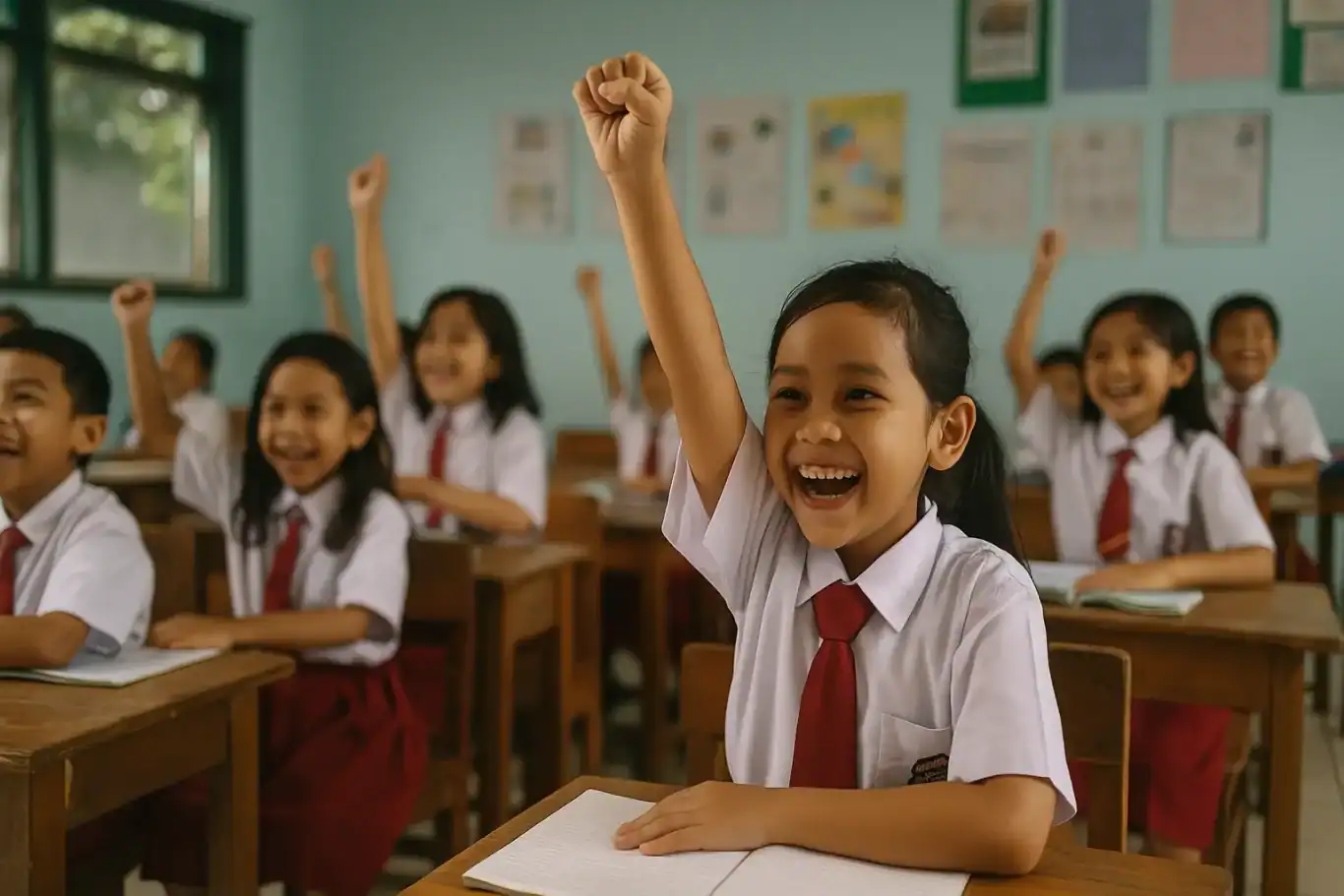
Indonesia’s Golden Generation

National Children’s Day is more than just a date on the calendar. It’s a national call to ensure children are growing up in a safe, inclusive, and empowering environment. It reminds us to examine whether every child in the country has access to quality education, supportive family environments, and the resources needed to thrive in a fast-changing world.

Creating Indonesia Golden Generation is not the sole responsibility of the government. It requires shared commitment from families, educators, communities, and the private sector. Collaboration across these sectors is essential to providing meaningful learning experiences that will shape the values, character, and abilities of tomorrow’s leaders.

The Characteristics of Indonesia Golden Generation

To prepare today’s children for leadership in 2045, we must understand the traits that define Indonesia’s Golden Generation:

  1. Strong Character
    Children must be raised with values such as honesty, responsibility, empathy, and respect.
  2. Tech-Savvy and Globally Minded
    They need to understand digital tools and how to interact with the world critically and ethically.
  3. Collaborative and Adaptive
    Skills like teamwork, open communication, and problem-solving will be essential in every aspect of life.
  4. Leadership and Initiative
    Children should be encouraged to make decisions, take responsibility, and learn from mistakes with confidence.

All of these characteristics begin with early education and life experiences. A nurturing environment filled with curiosity, exploration, and guidance helps lay the foundation for Indonesia Golden Generation.

The Role of Parents and Education

Parents play the most influential role in a child’s development. A loving home where children feel heard and supported is the starting point. But schools and educators must also serve as true partners, not just in academic development but also in teaching life values.

Modern education must be more flexible and future-oriented than ever before. Memorization alone is no longer enough. Children must be taught to think, analyze, innovate, and apply their learning to real-world challenges. This is how we prepare them to become part of Indonesia Golden Generation.

Introducing Technology Early, Wisely
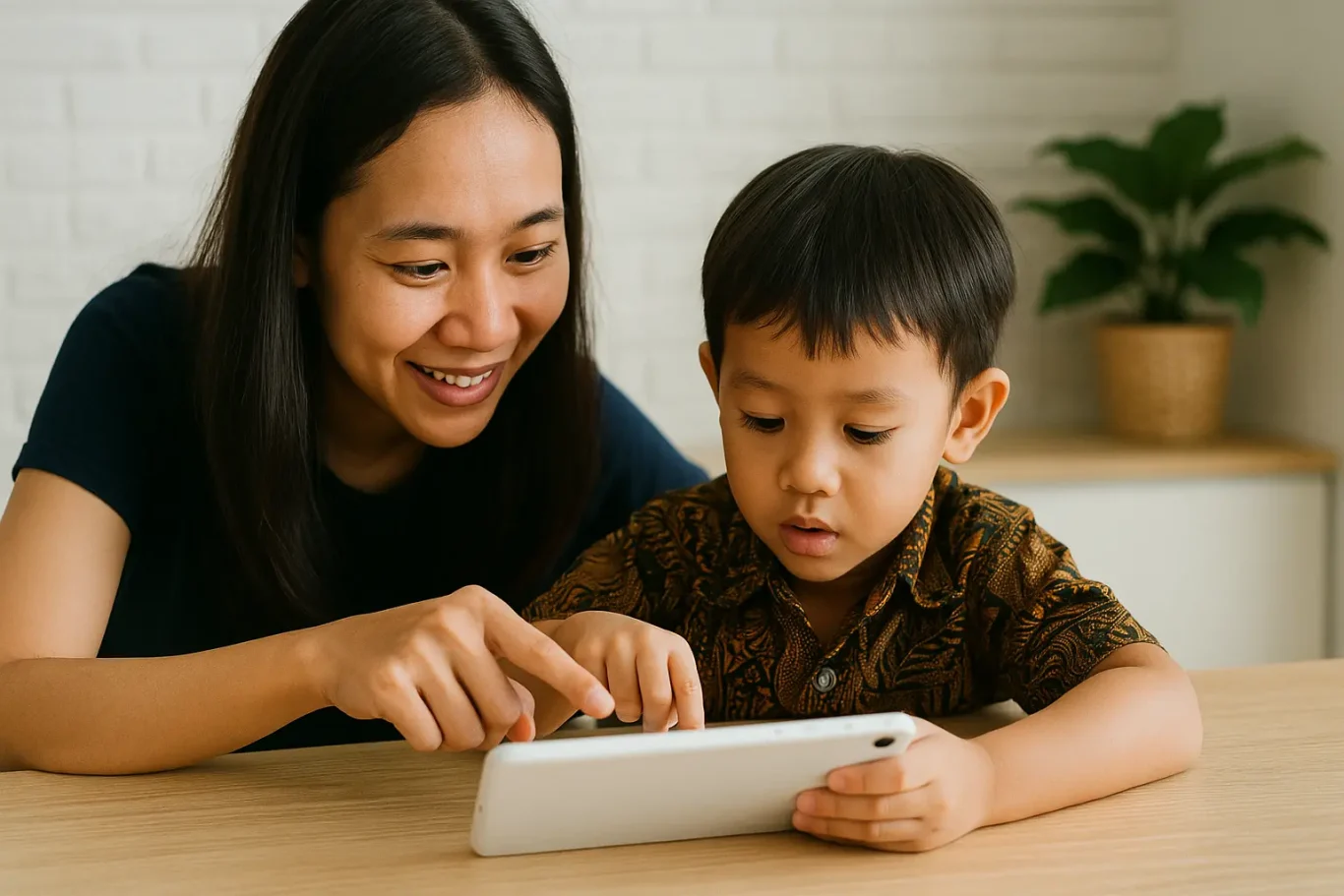
In the digital age, technology is not a luxury. It’s a necessity. Children should not only learn how to use technology, but also how to create with it. Teaching coding, digital art, and even AI basics early on helps them become not just consumers, but contributors to the digital world.

This approach supports the broader vision of Indonesia Golden Generation, where children are empowered to build and lead in a world that demands both technical skills and strong ethics.

From Celebration to Action

National Children’s Day should inspire more than decorations and ceremonies. It should drive real efforts to improve how we support and prepare our children. This includes better education systems, inclusive programs, and access to tools that promote digital literacy and critical thinking.

Raising Indonesia Golden Generation is not an overnight project. It is a journey that must begin today. Every act whether reading a book together, teaching a new skill, or simply spending quality time contributes to that long-term goal.

Try a Free Coding Class at Timedoor Academy

 Image

National Children’s Day is a celebration of hope and possibility. It invites us to see children not only as the future, but also as the foundation of what Indonesia can become. With love, care, and the right kind of education, we are shaping the future Indonesia Golden Generation deserves.

At Timedoor Academy, we believe in preparing children for a future filled with both opportunities and challenges. Through digital education programs that focus on both skills and values, we’re helping to build strong, capable young people who are ready to thrive.

Sign your child up for a free trial class today at Timedoor Academy and take a meaningful step toward building Indonesia Golden Generation starting right at home.

Keep Reading

Cheap Laptops For Kids
10 Best Cheap Laptops for Kids in 2025: Specs and Prices
As digital learning becomes more integrated into daily education, laptops have become an essential tool for kids. From joining online classes to completing homework and exploring creative projects like coding or animation, a laptop can be a child’s gateway to limitless learning. In this article, we’ll share 10 best cheap laptops for kids in 2025 that strike the perfect balance between affordability, durability, and performance. Whether your child is in elementary or junior high school, these devices can support their learning journey without breaking your budget.   What to Look for in Cheap Laptops for Kids Before buying a laptop for your child, make sure you check the essentials: 1. Budget-friendly price Look for options ranging from $150 to $400 that still offer smooth performance for daily school needs. 2. RAM and Storage A minimum of 4 GB RAM and at least 64 GB storage is ideal for online learning, browsing, and video conferencing. 3. Battery Life Long battery life (6 to 10 hours) ensures your child can use the laptop for long school sessions without constantly needing to recharge. 4. Screen Size and Portability Laptops with 11 to 14 inch screens are the best for kids, offering a balance between portability and screen real estate for learning. 5. Operating System Windows 10 or 11 or ChromeOS laptops tend to support the widest range of educational apps and tools.   10 Best Cheap Laptops for Kids in 2025 Here are 10 cheap laptops for kids that are recommended based on their specifications and friendly prices as of April 2025:   1. ASUS Chromebook C204 Price: Around $220Display: 11.6-inch HDProcessor: Intel Celeron N4000RAM & Storage: 4 GB RAM, 32 GB eMMCBattery: Up to 10 hours This laptop is durable and perfect for younger kids who need something that can withstand a little rough handling. 2. Lenovo IdeaPad Slim 1 Price: Around $280Display: 14-inch HDProcessor: AMD 3020eRAM & Storage: 4 GB RAM, 64 GB eMMCBattery: Up to 8 hours An affordable laptop that packs just enough power for everyday school activities. 3. Acer Aspire 3 Slim A314 Price: Around $300Display: 14-inch HDProcessor: Intel Celeron N4500RAM & Storage: 4 GB RAM, 256 GB SSDBattery: Up to 9 hours This budget-friendly model is suitable for kids starting to experiment with design and coding. 4. HP Chromebook 11A G8 Price: Around $230Display: 11.6-inch HDProcessor: AMD A4RAM & Storage: 4 GB RAM, 32 GB eMMCBattery: Up to 10 hours Great for younger kids thanks to its simple design and intuitive ChromeOS. 5. Zyrex Sky 232 S2 Price: Around $210Display: 14-inch Full HDProcessor: Intel Celeron N3350RAM & Storage: 4 GB RAM, 128 GB SSDBattery: Up to 7 hours A local option that combines affordability with decent performance for online school activities. 6. Axioo MyBook 14E Price: Around $250Display: 14-inch HDProcessor: Intel Celeron N4020RAM & Storage: 4 GB RAM, 128 GB SSDBattery: Up to 8 hours This lightweight laptop is perfect for active kids who need to take their learning on the go. 7. Samsung Chromebook 4 Price: Around $240Display: 11.6-inch HDProcessor: Intel Celeron N4000RAM & Storage: 4 GB RAM, 32 GB eMMCBattery: Up to 12.5 hours A highly affordable energy-efficient device with an easy-to-use interface. 8. Dell Inspiron 11 3180 Price: Around $280Display: 11.6-inch HDProcessor: AMD A9RAM & Storage: 4 GB RAM, 64 GB eMMCBattery: Up to 9 hours Compact and sleek this laptop is perfect for light schoolwork and web browsing. 9. Lenovo Chromebook 3 14 Price: Around $300Display: 14-inch HDProcessor: MediaTek MT8183RAM & Storage: 4 GB RAM, 64 GB eMMCBattery: Up to 10 hours Perfect for kids using Google Classroom and other school apps. 10. HP Stream 11 Price: Around $260Display: 11.6-inch HDProcessor: Intel Celeron N4020RAM & Storage: 4 GB RAM, 64 GB eMMCBattery: Up to 10 hours Affordable portable and designed for basic school tasks and entertainment.   Cheap Laptops For Kids as Kids Learning Journey Support Giving laptops for kids is not just a financial decision. It’s an investment in their confidence independence and future potential. These cheap laptops for kids and affordable laptops for kids are not just tools. They’re a stepping stone into digital exploration. But to truly make the most of these tools your child also needs the right guidance. At Timedoor Academy we offer online classes in coding animation game development and more tailored for kids ages 7 to 18. Let your child explore the tech world with the support of expert mentors and interactive learning methods. Best of all you can try it out first. Sign up now for a free trial class and take the first step toward your child’s digital future.
Why Learning Programming Is So Valuable for Children’s Future: The Secret to Digital Success
In today’s fast-growing digital world, technological skills have become one of the most essential assets for the next generation. Children are growing up surrounded by technology that continues to evolve every day. As parents, we naturally want to prepare our children with the best possible skills for their future. One of the most recommended abilities to learn today is programming or coding.Yet many parents still wonder, “programming is good for children future?” The answer is yes, and the reasons go far beyond just technical skills. Programming Builds Logical and Systematic Thinking Learning programming is not only about writing code, but also about thinking logically, creatively, and systematically. Children who learn to code develop problem-solving skills step by step. They learn how to analyze a challenge, find solutions, and test their ideas until they work effectively.This kind of structured thinking benefits them not only in technology but also in daily life. That is why programming is good for children future, as it builds a strong foundation for logical reasoning and critical thinking. Programming Teaches Perseverance and Independence When children write programs, they will often encounter errors or bugs. However, these moments teach them persistence and problem-solving resilience. They learn not to give up easily, to try different methods, and to find satisfaction in fixing mistakes.This process nurtures independence and patience—skills that will serve them in many aspects of life. So if someone asks why programming is good for children future, one of the main reasons is that it teaches them confidence and determination. Developing Creativity in the Digital Era Programming encourages children to be creative thinkers. They can design simple games, create educational apps, or build digital animations. Coding transforms imagination into reality, making it both logical and artistic.This creativity will set them apart as future innovators. The world increasingly needs individuals who do not only use technology but also create new technologies. That is another strong reason why programming is good for children future. Preparing for a Promising Career Path It is undeniable that the future job market will be dominated by digital professions. From app developers to cybersecurity experts, data analysts, and digital designers—technology will be at the heart of almost every career.Children who learn coding early have a competitive advantage. They will understand how technology works and how to use it to solve real-world problems. Simply put, programming is good for children future because it opens the door to endless career opportunities. Improving Collaboration and Communication Skills Programming projects often involve teamwork. By working together, children learn to share ideas, value different opinions, and communicate effectively. At Timedoor Academy, for instance, students are encouraged to work in teams to solve coding challenges.Through this experience, they learn that success depends not only on individual skills but also on teamwork and empathy—two essential soft skills for the future. Programming Builds Digital Awareness and Safety Programming also helps children understand how the digital world works. They learn about data privacy, online ethics, and the importance of cybersecurity.In a time when children frequently interact online, this knowledge becomes crucial. This is another reason why programming is good for children future, as it helps them become responsible and mindful digital citizens. Enhancing Academic and Mathematical Skills Studies show that children who learn programming tend to perform better in analytical and mathematical reasoning. Coding requires logical thinking and pattern recognition, which are both useful in understanding subjects like math, science, and even languages.No wonder many schools around the world are now including coding as part of their official curriculum. Why Parents Should Support Their Children in Learning Programming As parents, your role is vital in guiding and supporting your child’s journey in learning programming. Encouraging them to explore coding means helping them unlock future potential.You do not have to be a tech expert yourself—what matters most is providing encouragement and access to quality learning programs that make the experience fun and meaningful. Timedoor Academy offers a great opportunity for children to learn programming in an interactive, engaging, and age-appropriate way. Its curriculum is designed by experts to help children develop not only technical knowledge but also creativity, discipline, and digital responsibility. Register Now in Timedoor Academy! From logical thinking to creativity, teamwork, and character building, there is no doubt that programming is good for children future. Coding equips children with essential 21st-century skills that will help them adapt and thrive in a world driven by innovation. By introducing programming early, parents are giving their children a strong foundation to become capable, creative, and confident individuals. Want to prepare your child for a bright digital future? Enroll them now in Timedoor Academy and join our Free Trial Class! Through interactive lessons and real-world projects, children will not only learn coding but also develop creativity, confidence, and responsible digital habits. Start today, because the future begins with the first line of code.
<strong>Authoritarian Parenting vs Gentle Parenting: Weighing Parenting Styles for Children in 2025</strong>
Authoritarian Parenting vs Gentle Parenting: Weighing Parenting Styles for Children in 2025
As society evolves, so do parenting trends both in Indonesia and worldwide. While authoritarian parenting was once the standard, gentle parenting is now gaining popularity among many modern families. The debate about authoritarian parenting vs gentle parenting raises an important question: which approach is more effective for shaping a child's character in today’s digital age? This article explores the core differences between authoritarian parenting and gentle parenting, discusses the strengths and weaknesses of each, and offers guidance on how parents can choose or even blend these approaches to best suit their children and family needs. What is Authoritarian Parenting? Authoritarian parenting is rooted in traditional values where discipline, obedience, and clear hierarchy are emphasized within the family. Parents take on a leadership role that is to be respected, while children are expected to follow rules and instructions with minimal negotiation. This style is characterized by strict rules, consequences for disobedience, and one-way communication, where the child’s opinion often holds little weight. Key features include: Non-negotiable rules set by parents Punishments or consequences for breaking rules Limited space for children to express their opinions A strong focus on achievement, independence, and resilience Gentle Parenting: A Contrasting Approach On the other hand, gentle parenting centers on empathy, open communication, and emotional support. Parents act as guides and companions rather than strict authority figures. Gentle parenting encourages children to be confident, expressive, and emotionally intelligent. This approach still involves boundaries, but they are established through understanding and dialogue rather than rigid control. Consistency, emotional validation, and positive reinforcement are the pillars of gentle parenting. Strengths and Weaknesses of Authoritarian Parenting As a classic style, authoritarian parenting is still used by many because it is believed to foster discipline and independence. Children raised with this approach often adapt well to rules and cope under pressure. However, there are risks: this method can make children afraid to make their own decisions, less self-confident, and reluctant to express their feelings or opinions. Gentle parenting, meanwhile, is often seen as more suitable for today’s tech-savvy generation. However, if not balanced with clear boundaries, it can leave children uncertain about rules and appropriate behavior. Authoritarian Parenting in the Digital Age: Challenges and Adaptation In this era of instant information, social media, and rapid cultural shifts, authoritarian parenting faces new challenges. Today’s children are exposed to more ideas and influences than ever before. While discipline and boundaries remain essential, parents also need to update their communication style so that children feel heard and understood. A blended approach—combining the structure of authoritarian parenting with the empathy and communication of gentle parenting—can help children become both resilient and emotionally healthy. Tips for Balancing Parenting Styles Here are some tips for keeping parenting effective in the modern age: Create Rules Together: Involve your child in setting family rules and explain the reasons behind them. Be Consistent but Open: Stick to important rules but be willing to adapt as your child grows. Validate Emotions: Listen to your child’s feelings and help them understand their emotions, even when maintaining discipline. Encourage Two-Way Dialogue: Give space for your child to share thoughts and concerns, not just receive instructions. Lead by Example: Show discipline, honesty, and responsibility in your own actions. Preparing Children for the Future When adapted thoughtfully, authoritarian parenting can help children develop the discipline, responsibility, and independence they’ll need for success in school, friendships, and future careers. However, don’t forget to also nurture their emotional and creative sides for a well-rounded upbringing. Nurture Future Skills with Timedoor Academy No matter which parenting style you choose, giving your child valuable skills for the future is essential. Coding, for example, is now a foundation for many modern professions. At Timedoor Academy, children can learn coding in a fun and interactive way, building logic, creativity, and problem-solving skills. Timedoor Academy offers a free trial class so your child can experience coding before joining the regular program. With expert teachers and a child-friendly curriculum, your child will be ready to adapt and thrive in the world ahead. Start a new adventure with Timedoor Academy today—sign up your child and help open the door to a brighter, opportunity-filled future.!
float button