Apr 14, 2025

Top 4 Programming Languages for Kids
Top 4 Programming Languages for Kids image

In today’s digital-first world, teaching children how to code is becoming just as essential as teaching them math, reading, or science. Coding builds logical thinking, creativity, and problem-solving skills. These are abilities that are crucial for success in any future career. But with so many programming languages out there, many parents wonder: Where should my child start?

The answer depends on your child’s age, interests, and learning style. Some languages are visual and beginner-friendly, while others offer more complexity for older or advanced learners. In this article, we’ll break down the top 4 programming languages for kids, explaining what makes each of them great and how to choose the right one for your child’s coding journey.

Why Should Kids Learn Programming Language In Coding?

Before we jump into the list, let’s quickly look at why coding is so valuable for children:

  • Boosts logical thinking and analytical skills
  • Strengthens creativity and imagination
  • Improves academic performance, especially in STEM subjects
  • Builds persistence and resilience through problem-solving
  • Prepares them for a future in a tech-driven world

Coding also helps children become creators of technology, not just passive users.

1. Programming Language In Coding: Scratch
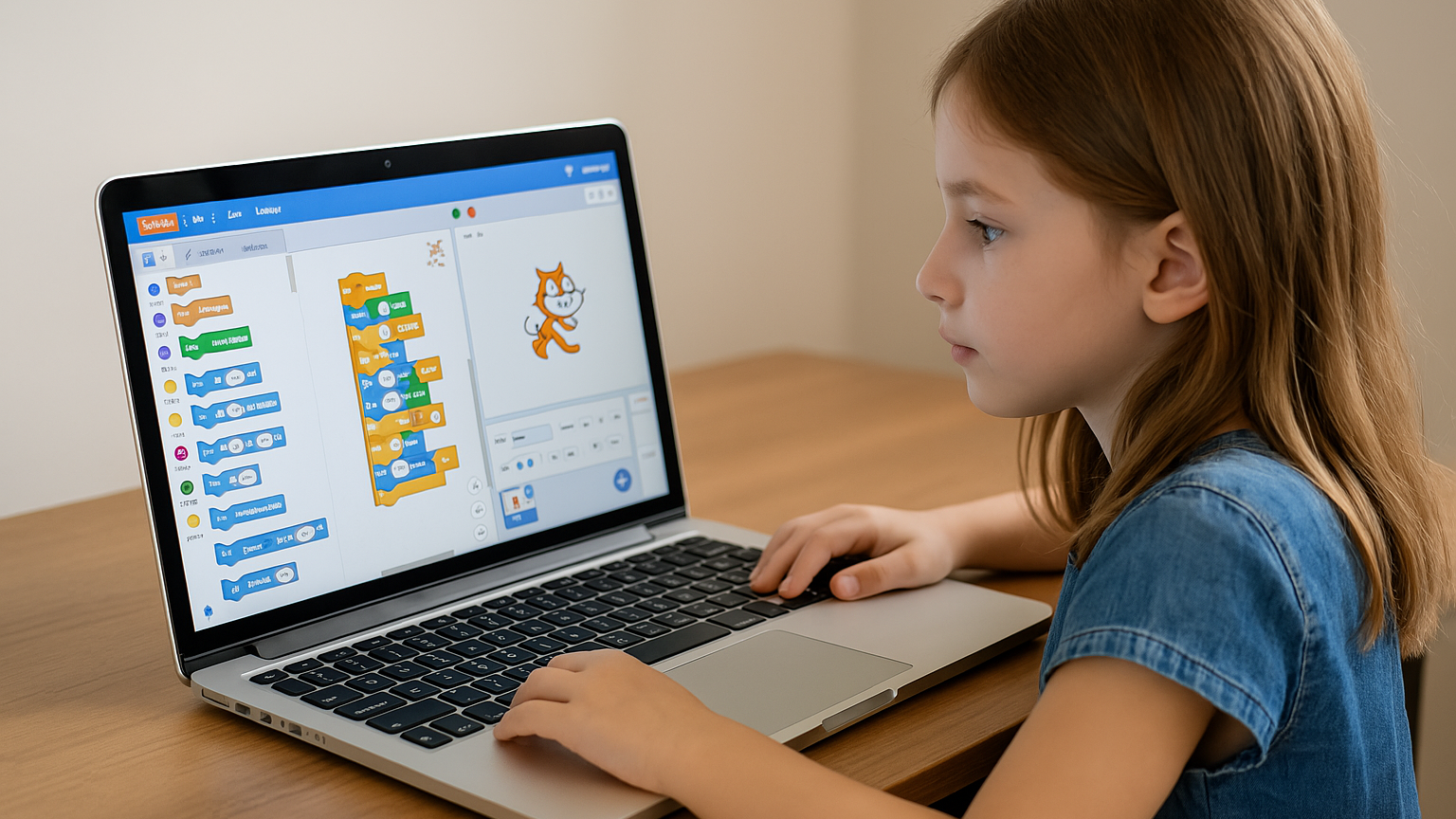
Best for Kids Aged 6 to 12

Scratch is a block-based programming language developed by MIT, specifically for children and beginners. Instead of typing code, kids drag and drop visual blocks to build animations, games, and interactive stories.

Why it’s great:

  • No previous coding knowledge needed
  • Highly visual and engaging
  • Encourages storytelling, creativity, and experimentation
  • Free and web-based

Scratch is ideal for young learners who enjoy art, games, or creative play. It’s fun, easy to understand, and extremely rewarding.

2. Programming Language In Coding: Python
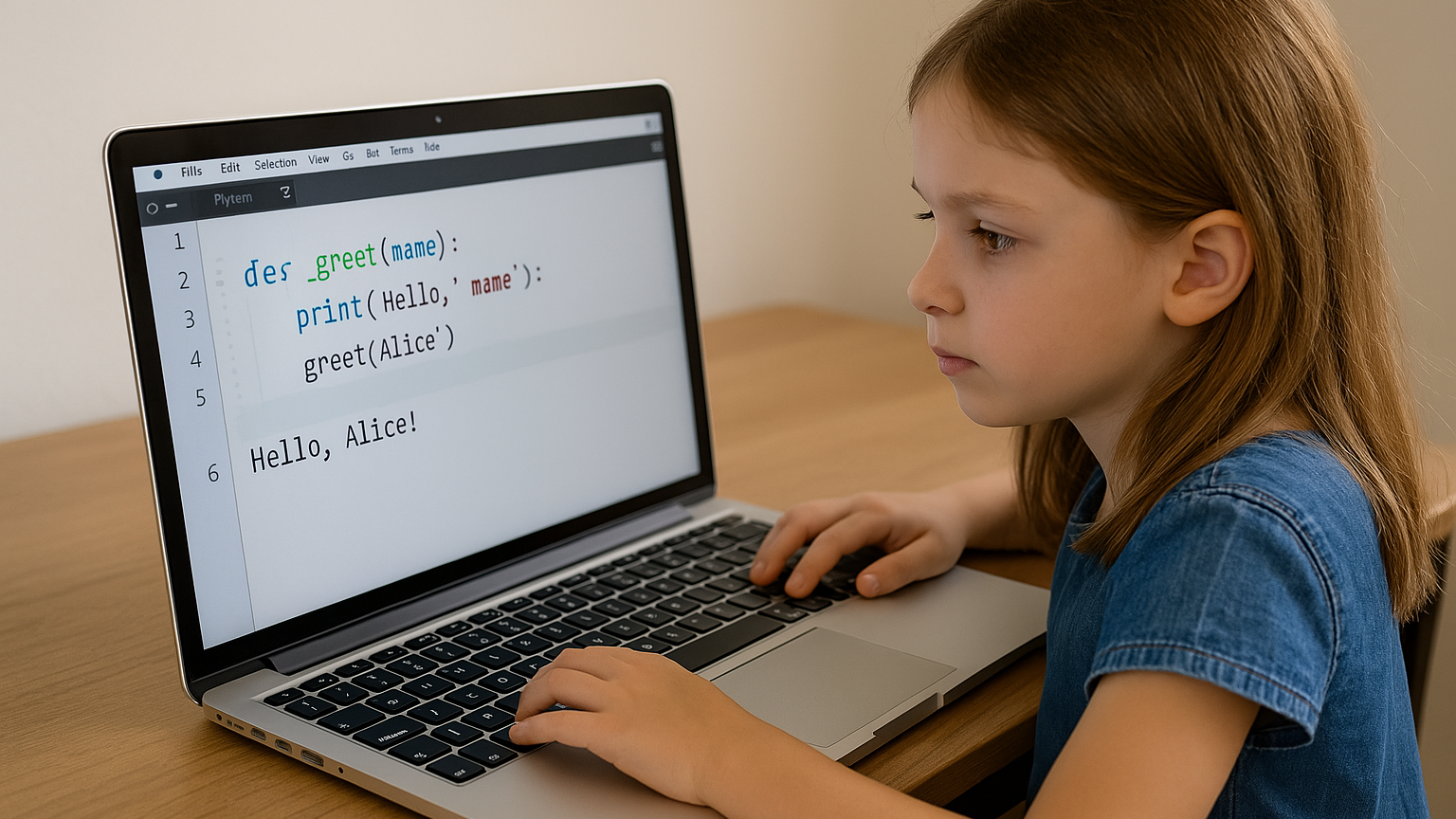
Best for Kids Aged 10 and Up

Python is one of the world’s most popular programming languages and a great choice for kids who are ready to move beyond visual coding. Its syntax is clean and readable, making it one of the easiest text-based languages to learn.

Why it’s great:

  • Beginner-friendly with real-world applications
  • Used in data science, AI, game development, and automation
  • Loads of free resources and tutorials available
  • Great for building games, quizzes, and mini apps

Python is perfect for curious kids who enjoy solving problems and want to dive deeper into the tech world.

3. Programming Language In Coding: JavaScript

Best for Kids Aged 11 and Up

JavaScript is the go-to language for web development. If your child is interested in how websites work or wants to build their own online games or tools, JavaScript is an exciting and rewarding option.

Why it’s great:

  • Teaches how to make websites interactive
  • Encourages real-time experimentation in the browser
  • Can be combined with HTML and CSS for full website building
  • Great for creative projects like online games and visual effects

JavaScript is ideal for tweens and teens who are internet-savvy and want to bring their ideas to life on the web.

4. Programming Language In Coding: Blockly
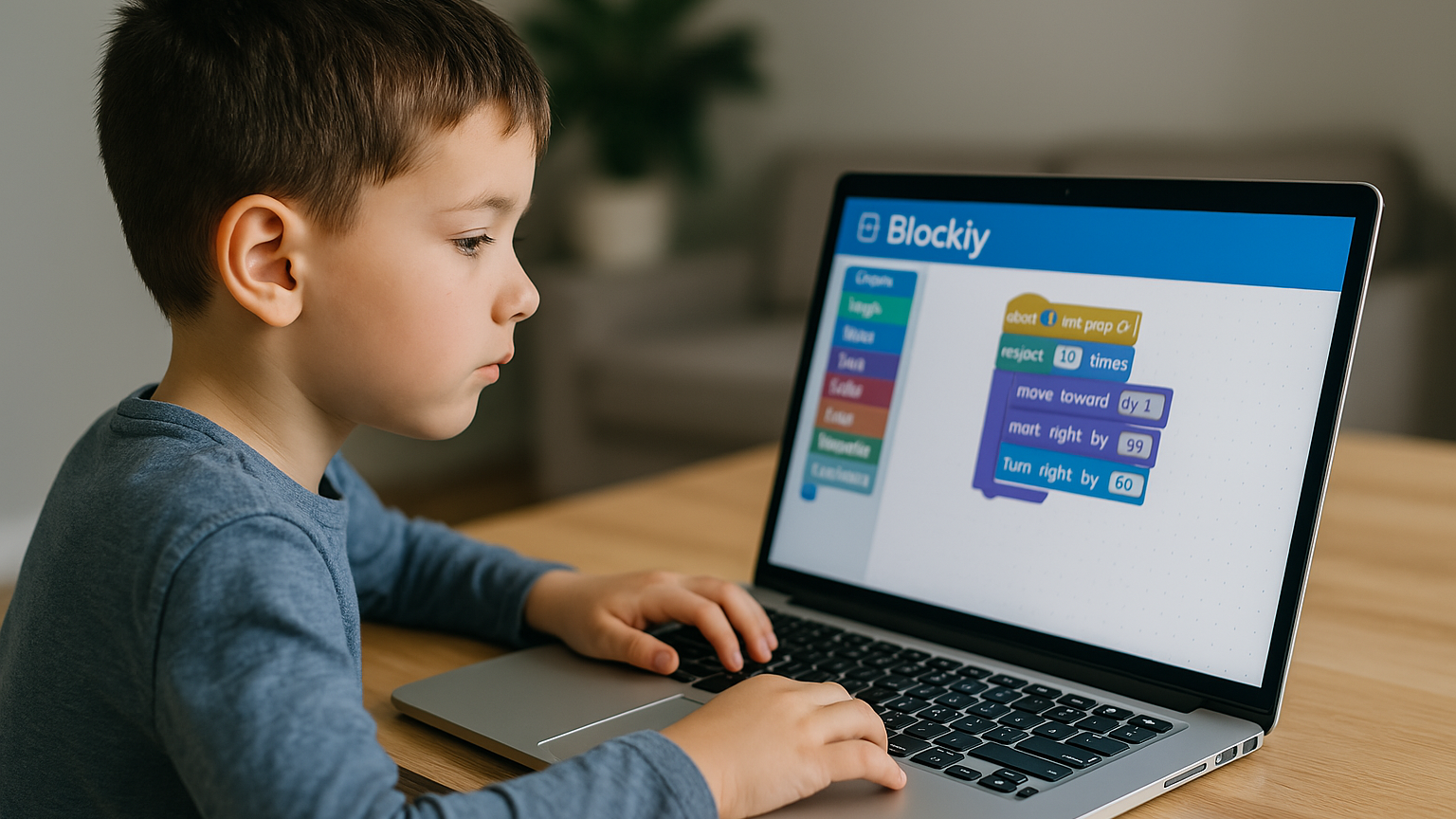
Best for Kids Aged 7 to 10

Blockly is a visual coding language like Scratch but with a twist. It also shows the actual code behind the blocks. It’s designed to help children transition from block-based programming to real text-based coding.

Why it’s great:

  • Easy to use with a visual interface
  • Builds understanding of programming logic
  • Bridges the gap between Scratch and Python
  • Often used in educational robots and coding kits

Blockly is excellent for kids who are ready to go beyond simple blocks but not quite ready for full typing-based code.

Quick Guide by Age For Kids To Choose Programming Language

Age Group Recommended Language
6 to 8 Scratch or Blockly
9 to 12 Scratch, then Python
12+ Python or JavaScript

How Can Parents Support Their Kids Coding Journey?

  • Explore coding platforms together such as Timedoor Academy
  • Choose fun, project-based learning activities
  • Encourage creativity by allowing your child to build what they love
  • Celebrate progress at every step, no matter how small

Ready to Help Your Kids Start Coding?

The best programming language for your child is the one that fits their age, interest, and learning pace. Whether they’re creating their first animation in Scratch or developing a game in Python, every coding experience empowers them with skills for the future.

At Timedoor Academy, we provide structured and engaging online coding classes for children of all ages. Our programs are designed to turn beginners into confident young coders through hands-on learning and creative projects.

Ready to start your child’s coding journey? Check out our courses and free trial at Timedoor Academy and unlock your child’s potential in tech.


Keep Reading

<strong>Ascension Day 2025: Dates, Official Holiday Schedule, and Positive Activity Ideas for Children</strong>
Ascension Day 2025: Dates, Official Holiday Schedule, and Positive Activity Ideas for Children
Ascension Day 2025 is one of the most anticipated national holidays in Indonesia, especially for the Christian community. This year, Ascension Day 2025 falls on Thursday, May 29, 2025, and is a significant occasion not only for spiritual reflection but also as valuable family time. With an additional collective leave on Friday, May 30, 2025, the Ascension Day 2025 holiday brings a long weekend that families can use for a variety of positive activities with their children. In this article, we’ll discuss the official dates, the meaning behind the celebration, the holiday schedule, and inspiring activity ideas—including introducing children to coding. Dates and Official Holiday Schedule for Ascension Day 2025 The Indonesian government has declared that Ascension Day 2025 will be observed on Thursday, May 29, 2025, as stated in the Joint Ministerial Decree. The following day, Friday, May 30, 2025, has also been designated as a collective leave day, allowing Indonesians to enjoy a four-day holiday from Thursday through Sunday, June 1, 2025. This long weekend gives families plenty of opportunity to plan meaningful activities, especially for children enjoying their school break. The Meaning and Traditions of Ascension Day Ascension Day itself commemorates the ascension of Jesus Christ into heaven, which is celebrated 40 days after Easter. For Christians, this is a sacred event, typically marked by special church services. Many families also use this holiday to gather, share stories, and strengthen family bonds. Ascension Day 2025 is a perfect opportunity to instill spiritual values, love, and togetherness in children from an early age. The Benefits of a Long Holiday for Children A long holiday like Ascension Day 2025 brings unique benefits for children. They have the chance to take a break from their school routines, explore hobbies, and gain new experiences outside the classroom. However, instead of spending the entire holiday on passive activities like watching TV or playing with gadgets, parents can make the most of this time by involving their children in educational activities, such as learning coding. Learning Coding: Educational and Enjoyable Introducing your child to the world of coding during Ascension Day 2025 can be extremely beneficial. Coding not only helps children understand technology, but also builds critical thinking, logical reasoning, creativity, and problem-solving skills. Children who learn coding early are often better prepared for the challenges of the digital age. Timedoor Academy offers a fun and interactive way for children to learn coding. With a curriculum tailored to various age groups, kids can join online coding classes during the Ascension Day 2025 holiday. Timedoor Academy also provides a free trial class so children can experience coding before enrolling in regular classes. Positive Activity Ideas for Ascension Day 2025 To make the long weekend truly meaningful, here are some activity ideas you can try with your children during Ascension Day 2025: Create a flexible coding scheduleSet up a light and fun coding routine, such as 30 minutes each day during the holiday. Choose age-appropriate coding materials to keep children motivated. Combine worship and technologyThis holiday can be filled with both spiritual and educational activities. After attending morning church, encourage your child to participate in a coding session with you. This way, they strengthen both their spiritual values and practical skills. Family coding projectGet your child involved in a simple coding project, such as making a basic game or animation. This boosts creativity and family closeness. Join free coding classes at Timedoor AcademyTake advantage of the free trial class at Timedoor Academy during Ascension Day 2025. It’s a great opportunity for children to experience coding and technology in a fun, supportive environment. Casual discussions about technologySpend some holiday time having relaxed conversations about new technology trends, online safety, or how children can become creators—not just consumers—of technology. Tips to Maximize the Ascension Day 2025 Holiday To ensure children get the most out of the Ascension Day 2025 break, parents can: Involve children in planning the holiday activities Balance learning, playtime, and rest Choose activities that build character and practical skills, like coding Offer support and encouragement when children face learning challenges Preparing Children with Digital Skills During Ascension Day 2025 Ascension Day 2025 is more than just a long holiday—it’s a special opportunity to strengthen family ties and equip children with essential digital skills. By taking part in educational activities, especially coding with Timedoor Academy, your child will be better prepared for a future full of challenges and opportunities. Don’t miss this chance—sign up your child for a free trial class at Timedoor Academy and use the Ascension Day 2025 holiday for positive, memorable experiences!
<strong>5 Top Recommendations for Saving Accounts for Kids: Safe and Educational Options</strong>
5 Top Recommendations for Saving Accounts for Kids: Safe and Educational Options
Teaching children to save from an early age is a smart move to help them build healthy financial habits. One of the most effective steps parents can take is to open saving accounts for kids with a trusted bank. Through these special products, parents can introduce financial concepts, help children manage their allowance, and encourage a sense of responsibility about money management right from the start. Today, many banks around the world offer saving accounts for kids that are both attractive and educational. Parents can easily keep an eye on the balance and guide their children toward reaching their savings goals, whether it’s for a new toy, a book, or something they need for school. However, choosing saving accounts for kids should not be done on a whim. There are several factors to consider, including minimum deposit requirements, fees, as well as features like debit cards, mobile banking apps, and educational resources. Here are five of the best saving accounts for kids from globally recognized banks that are worth considering this year. 1. HSBC MySavings Youth Account The HSBC MySavings Youth Account is a popular choice among saving accounts for kids. Designed for children and teens (typically ages 7 to 17, though age requirements vary by country), this account helps kids understand banking basics and offers competitive interest rates with parental oversight. Highlights: No monthly fees Low minimum deposit Optional debit card with parental approval Online banking access for both parents and kids HSBC’s strong global network and easy-to-use digital services make it a reliable choice for families everywhere. 2. Santander 123 Mini Account The Santander 123 Mini Account is an excellent example of saving accounts for kids that are accessible internationally, especially in the UK and Spain. Suitable for children up to 17 years old, this account focuses on developing smart savings habits through a simple interface. Highlights: No monthly maintenance fees No minimum deposit Optional contactless debit card for older kids Online and mobile banking for parents and children This account lets parents supervise transactions while helping children learn the importance of saving and budgeting. 3. Capital One Kids Savings Account For families in the United States, the Capital One Kids Savings Account is an easy and fee-free way to get children started with saving accounts for kids. This account offers robust parental controls and is designed to be managed entirely online. Highlights: No monthly or annual fees No minimum balance requirement Competitive interest rates User-friendly mobile banking app Capital One also provides helpful resources for parents and kids to learn about money management together. 4. Revolut <18 (Under 18 Account) Revolut <18 is a digital solution for saving accounts for kids, available across Europe, the UK, Australia, Singapore, and other regions. Designed for children ages 6 to 17, it provides a digital wallet and a prepaid debit card under the supervision of a parent. Highlights: Instant app-based notifications Parental controls and spending limits Prepaid debit card for safe transactions Budgeting tools and goal setting Revolut <18 is ideal for families who want a modern, digital approach to teaching kids about saving and spending safely. 5. Chase First Banking Chase First Banking is one of the latest saving accounts for kids in the United States, created in partnership with Greenlight. It combines checking and savings features with strong parental controls and educational tools. Highlights: No monthly service fees Customizable saving, spending, and earning features Parental approval for key transactions Access to a large network of ATMs and branches Chase’s mobile app is intuitive and helps children learn to set goals, manage money, and track their progress in real time. Tips for Choosing the Right Saving Accounts for Kids To maximize the benefits, here are some useful tips for selecting saving accounts for kids: Choose an account that suits your child’s age and offers strong parental oversight. Look for low fees, reasonable minimum deposits, and attractive interest rates. Consider extra features such as mobile banking, debit cards, and educational content. Prefer banks with programs that reward good saving habits and offer financial education. Involve your child in the process of opening the account to build a sense of responsibility and motivation. Saving, Financial Literacy, and Digital Skills for the Future Introducing saving accounts for kids is not just about putting money away; it’s about building a foundation for lifelong financial literacy. In our increasingly digital world, it’s also wise to introduce children to essential digital skills like coding, preparing them for tomorrow’s challenges. If you want your child to become both financially responsible and tech-savvy, sign them up for a free trial coding class at Timedoor Academy. Kids can learn money management while developing logical thinking and creativity, helping them grow into a wise and innovative generation.
Effects of Internet on Children in 2025: Positive Impacts, Risks, and the Role of Coding in Preparing for the Future
The effects of internet on children is an increasingly important topic for parents and educators to understand. In today’s fast-growing digital world, the internet provides unparalleled access to information but also presents significant challenges, especially in children’s development. This article explores in detail the various effects of internet on children, both positive and negative, and explains how learning coding can help children become smart and responsible technology users. Positive Effects of Internet on Children The internet offers many important benefits for children’s learning and growth. Through the internet, children can independently access digital learning resources such as educational videos, interactive games, and informative articles available anytime. These positive effects of internet on children help broaden their knowledge and enhance their critical and creative thinking skills. In addition, the internet enables children to communicate and collaborate with peers and teachers remotely. This has greatly supported education, especially in situations like remote learning which is increasingly common. Access to diverse information allows children to explore their interests and talents more widely than ever before. Risks and Negative Effects of Internet on Children Despite many benefits, the effects of internet on children also come with risks that must be managed carefully. Without proper supervision or guidance, children may be exposed to inappropriate content such as violence, pornography, or misinformation. Such exposure can harm their psychological well-being and moral development. Gadget addiction is another serious concern resulting from unlimited internet use. Prolonged screen time can cause health problems like eye strain, poor sleep, and reduced real-life social interactions. Moreover, digital security threats such as cyberbullying and data theft continue to rise. Therefore, parents and educators must actively supervise and guide children to ensure their internet use remains safe and positive. The Importance of Coding Education to Address the Effects of Internet One effective way to prepare children for the effects of internet on children is by equipping them with digital skills through coding education. Coding not only teaches children how to develop software but also strengthens logical thinking, problem-solving, and creativity. Understanding technology fundamentals enables children to become critical thinkers rather than passive internet users. They become more cautious of harmful content and can utilize technology for positive and productive purposes. Learning coding also boosts children’s confidence in navigating the digital world. Timedoor Academy offers coding programs designed specifically for children, using fun and interactive teaching methods. Children can start coding early with professional teachers’ guidance, learning to use technology responsibly. How Parents Can Support Children Facing the Effects of Internet Parents play a crucial role in managing the effects of internet on children to ensure positive outcomes. Here are ways parents can help: Limit screen time and internet use based on the child’s age. Monitor and control the content children access to ensure age-appropriateness. Discuss the benefits and dangers of the internet to foster digital awareness. Encourage participation in coding classes to build solid tech skills. With active parental involvement and proper education, children can become smart, responsible internet users. Preparing Children’s Future with Digital Literacy and Coding The effects of internet on children present both opportunities and risks. To navigate these challenges, coding education is an effective solution that helps children develop critical, creative, and responsible technology habits. By learning coding, children acquire valuable technology skills alongside critical thinking and problem-solving abilities useful throughout life. Parents aiming to give their children the best foundation can enroll them in Timedoor Academy’s coding programs, which feature experienced instructors and a free trial class option. Don’t miss the chance to equip your child with essential digital skills for a bright future. Register now at Timedoor Academy and start a fun, rewarding coding journey!
float button