Sep 25, 2025

Amazing Benefits of Robotics Course for Elementary Students Every Parent Should Know
Amazing Benefits of Robotics Course for Elementary Students Every Parent Should Know image

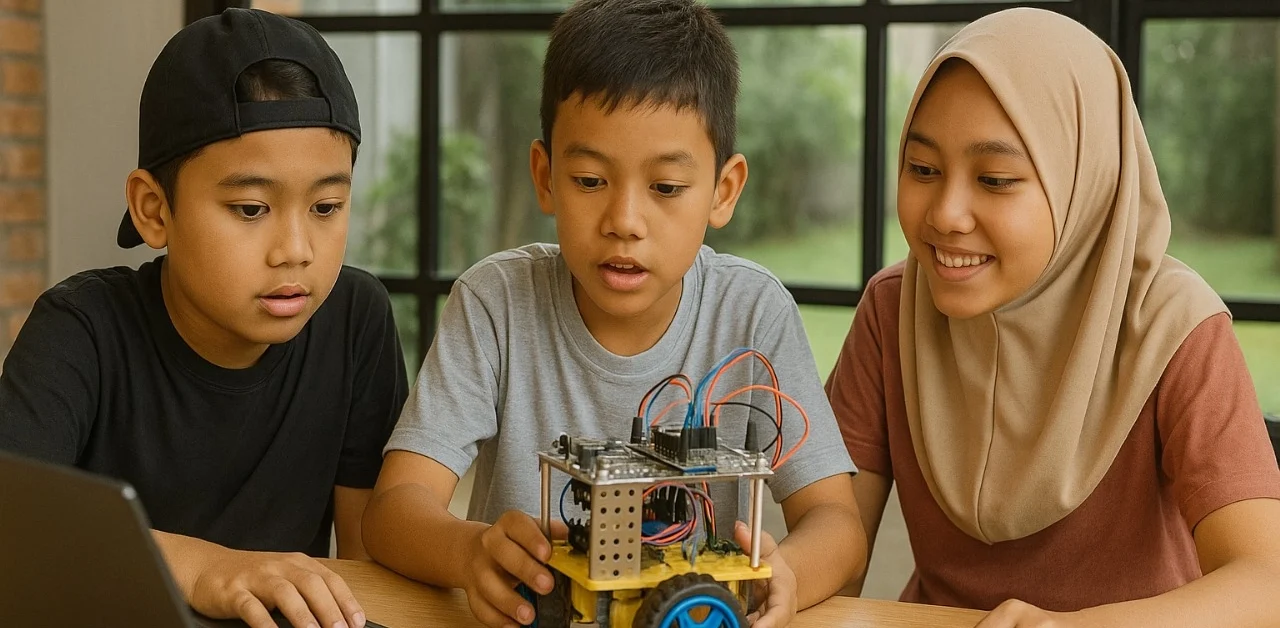
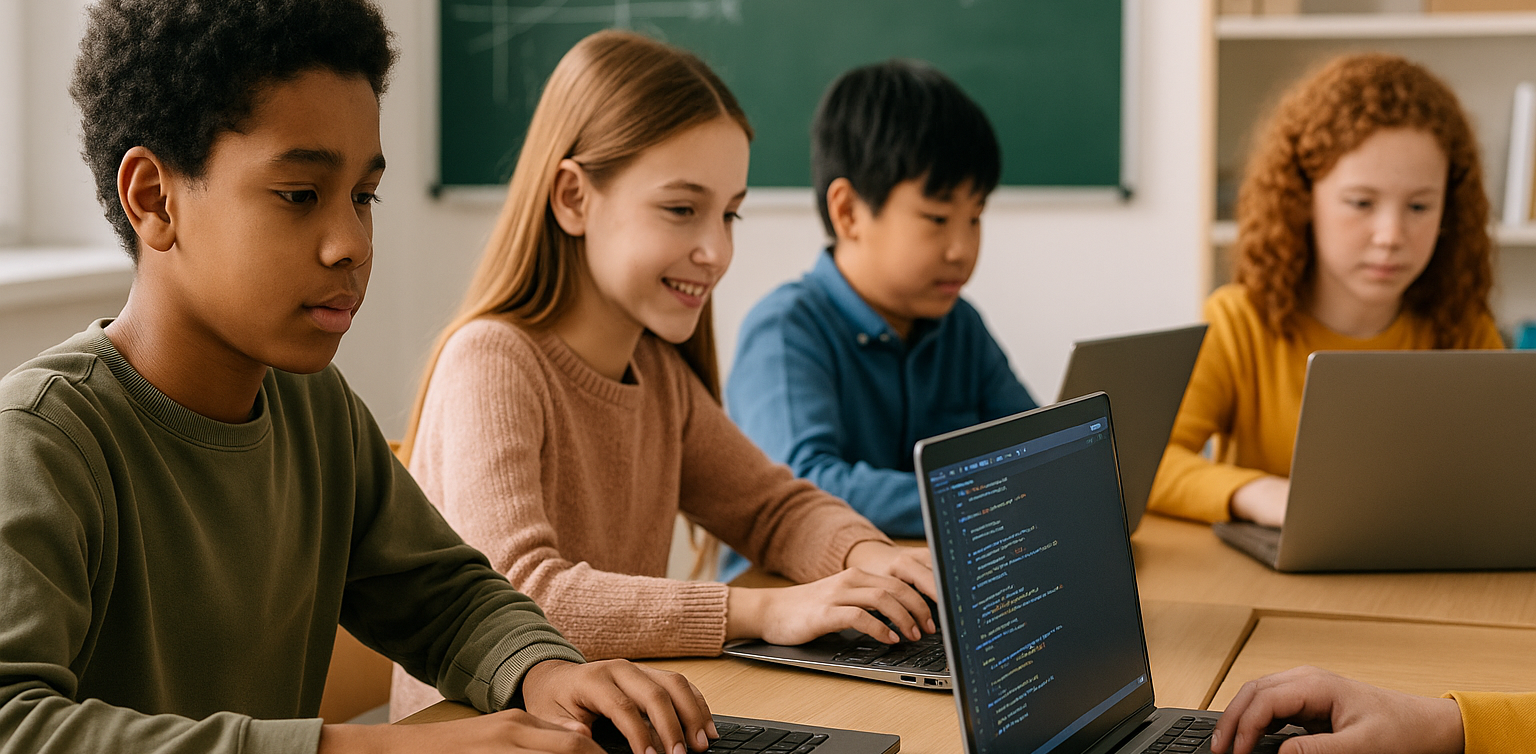
Technology is advancing rapidly year by year. Children who are currently in elementary school will face a future filled with innovation, automation, and artificial intelligence. Therefore, equipping them with relevant skills from an early age is crucial. One of the best ways to prepare them is through a robotics course for elementary students. With engaging and practical methods, children can learn to understand technology while also developing their creativity.

What Is a Robotics Course?
robotics course for elementary students

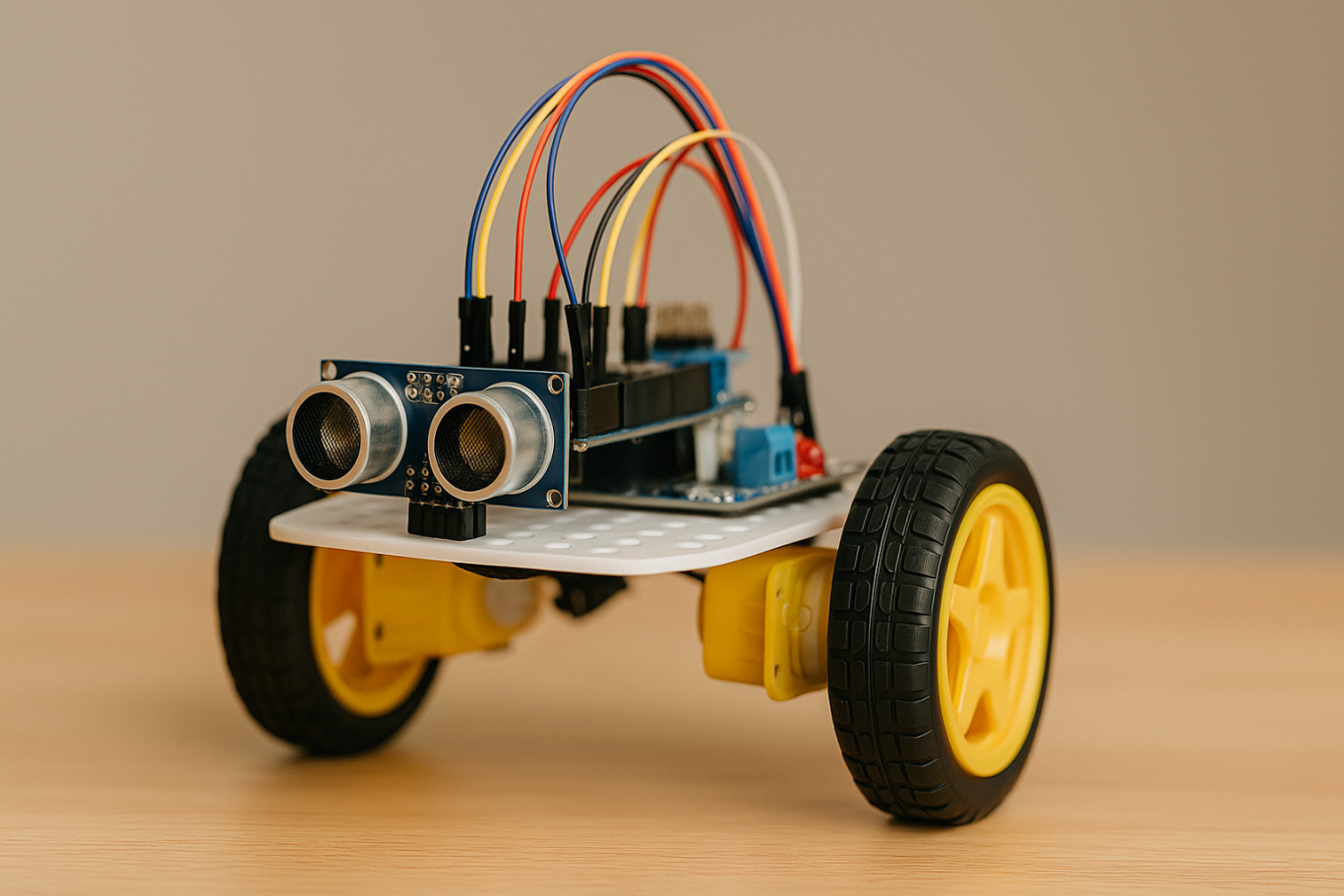
A robotics course is a learning program that introduces children to the process of designing, assembling, and programming simple robots. Through a robotics course for elementary students, children can explore the basic principles of science, technology, engineering, and mathematics, often referred to as STEM. These activities are designed to be fun and interactive, so children feel like they are playing while actually building valuable skills.

The Benefits of Robotics Course for Children

Many parents are choosing a robotics course for elementary students because of its wide-ranging benefits. First, children learn to think logically and systematically. Each robot component must be installed in the correct order, helping them understand cause-and-effect relationships. Second, they develop problem-solving skills. When the robot does not work as expected, children are encouraged to find creative solutions. Third, the course teaches patience and perseverance since building a robot requires time and dedication.

Boosting Creativity and Imagination
robotics course for elementary students

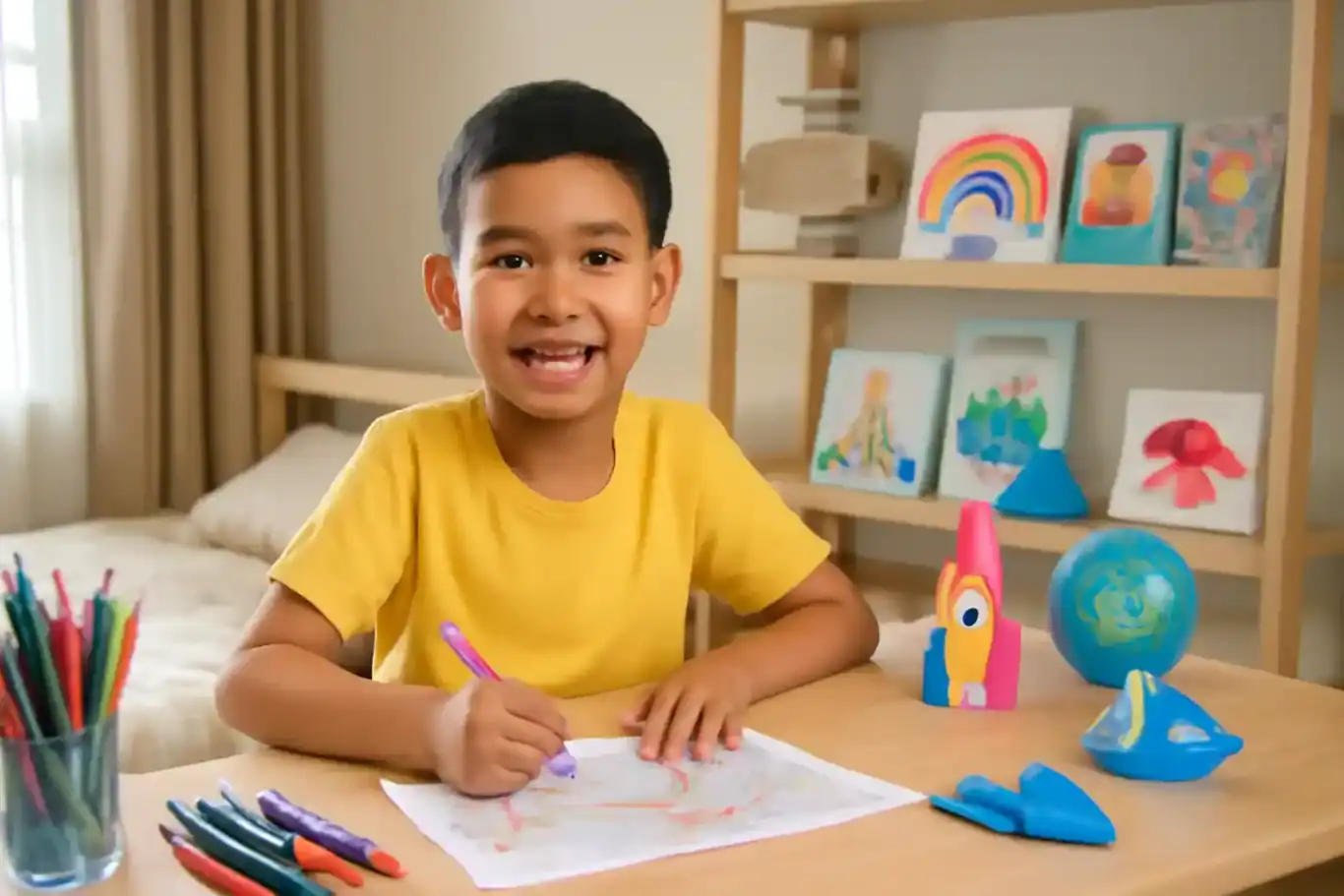
Beyond technical aspects, a robotics course for elementary students also nurtures creativity. Children are not limited to simply following instructions, but are encouraged to design and test their own ideas. For instance, they can build robots that walk, light up, or even play simple music. This process shows children that technology is not only something to use, but also something they can create themselves.

Developing Social Skills

Many robotics course for elementary students programs are conducted in groups. This allows children to collaborate with peers, exchange ideas, and solve challenges together. Learning how to work in a team will benefit them not only in school, but also in their personal and professional lives later on.

Building a Strong Foundation for the Future
robotics course for elementary students

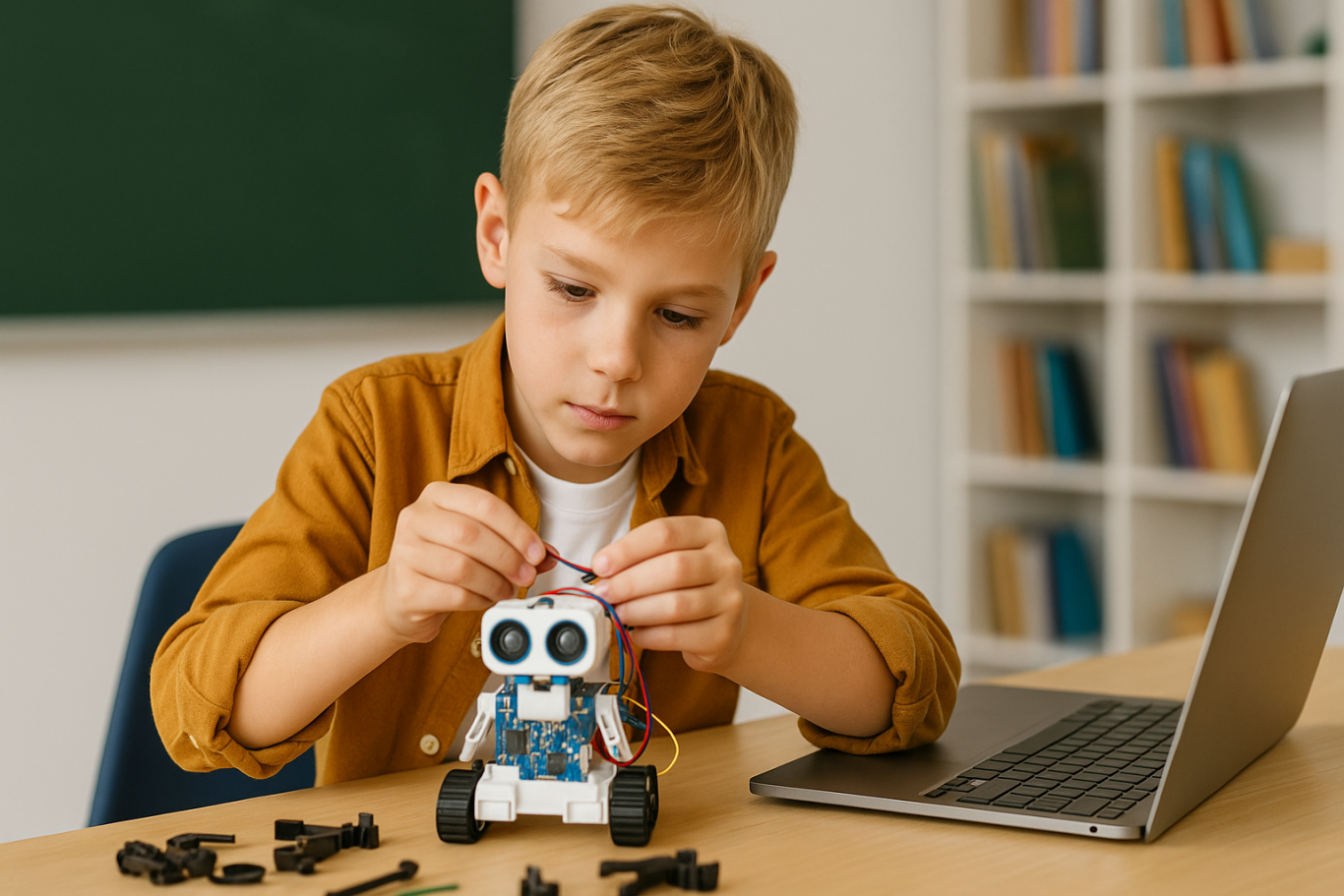
In today’s world, technology skills are key to future success. By taking a robotics course for elementary students, children are not only prepared for academic challenges but also given a strong foundation for careers in technology-related fields. Areas such as artificial intelligence, data science, and mechanical engineering will be easier to grasp because they have already been introduced to the basics of robotics at a young age.

The Role of Parents in Supporting Learning

Parental support plays a major role in a child’s learning journey. Celebrating small achievements, assisting them during robot-building sessions, or simply listening to their stories about class experiences can boost their confidence. With such support, every session in a robotics course for elementary students will become even more meaningful.

Why Choose Timedoor Academy?

Timedoor Academy offers a robotics program tailored specifically for elementary school students. Its curriculum goes beyond technical knowledge by also focusing on creative thinking and collaboration. Each class is guided by experienced mentors who understand how to introduce technology to young learners effectively. With a fun and interactive environment, children will be excited to join every session.

Enroll Your Child at Timedoor Academy!

Ingin tahu detail program? Image

Ingin tahu detail program?

If you want your child to develop future-ready skills, now is the perfect time to take action. Register them for a Free Trial at Timedoor Academy and discover how robotics courses can transform curiosity into real abilities. Click the registration button today and give your child the best opportunity to grow and succeed.
Keep Reading

How to Help Kids Stay Focused While Studying at Home in 2025
Many parents struggle with children who find it hard to stay focused while studying at home. School assignments pile up, but their attention often drifts elsewhere — whether to gadgets, television, or simply daydreaming. This situation can be frustrating for parents. That is why it is important to understand how to help kids stay focused while studying with realistic and effective approaches. This article will explore the common reasons why children struggle with concentration and offer practical strategies that parents can apply at home. With simple yet targeted steps, parents can help build better study habits and support their child's focus.   Why Do Kids Struggle to Focus While Studying? Before diving into how to help kids stay focused while studying, it is essential to understand the root causes. Several common factors can affect a child's ability to concentrate: Disruptive EnvironmentNoise from the television, younger siblings playing, or constant gadget notifications can easily distract children during study time. Lack of Interest in the SubjectWhen learning materials feel boring or irrelevant, it becomes difficult for kids to stay engaged and focused. Poor Timing for StudyingForcing children to study when they are tired, hungry, or mentally drained will only make it harder for them to concentrate. Age-Appropriate Attention SpanEvery child has a different capacity for concentration, especially at a young age. Sometimes, parents expect too much in this regard. Early Habit of MultitaskingChildren who are used to playing games while watching videos or listening to music may struggle to develop the ability to focus on a single task.   Practical Ways to Help Kids Stay Focused While Studying at Home Once you understand the underlying issues, here are some practical steps on how to help kids stay focused while studying: 1. Create a Comfortable and Distraction-Free Study Space Ensure your child has a dedicated study area that is well-lit, quiet, and free from distractions like television or unnecessary gadgets. 2. Adjust Study Time to Match Their Rhythm Pay attention to when your child is most alert and ready to learn, such as after a nap or a healthy breakfast. Avoid study sessions when they are visibly tired. 3. Break Study Time into Short, Manageable Sessions Younger children are more likely to stay focused with 20 to 30-minute study sessions, followed by short breaks. This helps maintain their concentration without overwhelming them. 4. Use Interactive Learning Methods Switch from monotonous study routines to more engaging approaches. Visual aids, educational games, and hands-on activities can make learning more interesting. 5. Support Without Hovering Be present to guide your child without micromanaging. Give them space to try solving tasks on their own and step in only when they truly need help. 6. Appreciate Effort, Not Just Results Recognize and praise your child's effort to focus, no matter how small. Emphasizing the learning process rather than only the final outcome encourages a healthier attitude toward studying.   How Coding Can Help Improve Kids' Focus One effective way to help kids stay focused while studying is by introducing them to coding activities. Learning to code teaches children how to break down problems into smaller, manageable steps. This process helps develop focus, logical thinking, and patience. Coding is often presented in the form of interactive games, making it fun and engaging for children. Without realizing it, they practice maintaining concentration and structured thinking — skills that are valuable not only for school but also for everyday life.   The Key: Consistency and Patience Helping kids stay focused while studying is a gradual process. There are no instant solutions. Consistency and patience from parents are crucial in developing better learning habits. Every child learns at their own pace, so it is important for parents to adjust their approach to fit their child's personality. It is natural for children to get bored, frustrated, or easily distracted. However, with the right support and strategies, they can gradually build stronger focus without feeling pressured.   From Struggling to Focus to Becoming Independent Learners Dealing with a child who struggles to stay focused while studying is not easy. But with patience, the right approach, and continuous encouragement, parents can help their children develop better concentration skills. Creating a conducive learning environment, understanding the child's needs, and choosing engaging study methods are essential steps in this journey. In addition, activities like learning coding can serve as an effective way to train children’s focus and logical thinking. Coding teaches them to solve problems step by step and stay patient throughout the process. Timedoor Academy offers free coding trial classes for children, designed with fun and easy-to-follow methods. Enroll now and help your child become more focused and engaged in their learning journey.
<strong>5 Best! Recommendations for Effective Diarrhea Medicine for Kids</strong>
5 Best! Recommendations for Effective Diarrhea Medicine for Kids
Diarrhea is one of the most common health issues among children worldwide. It can quickly lead to dehydration if not managed properly, making it important for parents to find reliable diarrhea medicine for kids to help them recover safely and quickly. It is important to understand that managing diarrhea in children is not just about giving diarrhea medicine for kids, but also ensuring proper hydration, balanced nutrition, and attentive care. Diarrhea in kids can be triggered by viral or bacterial infections, food intolerance, or even stress. If not addressed promptly, diarrhea can develop into a serious health risk. Today, there are many options for diarrhea medicine for kids available both over the counter and as prescribed by doctors. However, not every solution is appropriate for every child, and parents should always consult a healthcare professional before starting any treatment. This is especially crucial if the child experiences severe diarrhea, ongoing vomiting, high fever, or blood in the stool. Below are five globally recognized options for diarrhea medicine for kids that are both safe and effective, plus some important tips for supporting your child’s recovery. 1. Oral Rehydration Solution (ORS) Oral Rehydration Solution, or ORS, is the gold standard diarrhea medicine for kids recommended by organizations like the World Health Organization (WHO) and the American Academy of Pediatrics. ORS replaces fluids and electrolytes lost during diarrhea, helping prevent dehydration. Main benefits: Quickly restores hydration and electrolyte balance Simple to prepare and use at home No harmful side effects ORS can be offered after every loose stool and alongside regular meals and breastfeeding. It is the primary treatment for mild to moderate diarrhea and should be used as a first step in home care. 2. Probiotics Probiotics are supplements containing beneficial bacteria that help restore the balance of healthy gut flora. As a diarrhea medicine for kids, probiotics such as Lactobacillus rhamnosus GG and Saccharomyces boulardii are often recommended by pediatricians to shorten the duration and lessen the severity of diarrhea, especially if the cause is infection or antibiotic use. Probiotics are available as powders, chewable tablets, or drops. Always use pediatric formulas and consult your doctor for the correct type and dosage for your child. 3. Zinc Supplements Zinc is another essential diarrhea medicine for kids, particularly for children under five. Taking zinc for 10 to 14 days during an episode of diarrhea has been proven to speed up recovery and help prevent future diarrhea. Zinc comes in various forms, including syrup, tablets, and dissolvable tablets. Your pediatrician can recommend the best dosage based on your child’s age and weight. 4. Smectite (Diosmectite/Smecta) Smectite, widely sold under brand names like Smecta, is a natural clay-based product that acts as a physical barrier in the intestines. This diarrhea medicine for kids works by binding to toxins, bacteria, and viruses, helping to safely remove them from the digestive tract. Smectite is usually available as a powder that can be mixed with water or milk. It is safe for children, but always follow package instructions or your healthcare provider’s guidance. 5. Rice-Based Oral Rehydration Solution Rice-based ORS is an alternative type of oral rehydration recommended in some parts of the world, especially for kids who may be lactose intolerant or experiencing persistent diarrhea. Rice-based solutions provide both hydration and extra calories from the rice starch. You can purchase commercial rice-based ORS or make it at home by boiling rice and using the starchy water. For best results, check with a healthcare professional to ensure your child is getting the hydration and nutrition they need. Home Care Tips for Children with Diarrhea In addition to providing diarrhea medicine for kids, these supportive steps are crucial: Keep your child hydrated: Regularly offer ORS or other rehydration fluids. Serve bland, easy-to-digest foods: Consider bananas, rice, applesauce, and toast (the BRAT diet). Practice good hand hygiene: Always wash hands before and after caring for your child. Continue breastfeeding: For infants, breastfeeding helps speed recovery and maintain hydration. Watch for dehydration signs: Seek medical attention if your child is lethargic, has a dry mouth, produces little urine, or cries without tears. Why Health and Digital Education Both Matter Using the right diarrhea medicine for kids is a vital step, but it’s also important to teach your child good health habits and personal hygiene for long-term wellness. In today’s digital age, it is equally valuable to help children develop skills like coding, problem-solving, and logical thinking. If you want your child to grow up healthy, confident, and digitally skilled, try a free coding class at Timedoor Academy. Here, children can develop logical thinking and creativity while also learning essential health basics. Visit the Timedoor Academy website for an engaging and educational free trial coding class.
How Much Do Coders Make Per Hour? A Guide for Parents Raising Digital-Ready Kids in 2025
In a world increasingly shaped by digital technology, many parents are exploring the idea of preparing their children for tech-oriented careers. One profession that consistently ranks high in both opportunity and income potential is coding. But the real question for many is this: how much do coders make per hour? And more importantly, is learning to code truly a worthwhile investment in a child’s future? Why Coding for Kids Is Gaining Popularity Today, coding is not just for software engineers or tech professionals. It is becoming a foundational skill much like reading or math. Through coding, children learn how to think logically, solve problems creatively, and build confidence in their own ideas. As a result, coding for kids has become a fast-growing trend in modern education. Parents are enrolling their children in fun and interactive programs that teach how technology works and how to create digital solutions, not just consume them. Even if a child does not end up becoming a coder, learning to code can strengthen cognitive and soft skills that are transferable to many future careers. Kids coding classes provide a safe, structured way to develop those skills early. So, How Much Do Coders Make Per Hour? The answer to how much do coders make per hour depends on several factors, including geography, experience, and specialization. Below is an approximate breakdown of how much coders make per hour in different markets: United States: USD 35 to 75 per hour Western Europe: EUR 25 to 60 per hour Global remote freelancers: USD 10 to 50 per hour depending on skill level and reputation High-skill niches such as AI or cybersecurity: USD 70 or more per hour In general, coders with advanced technical skills or niche expertise like machine learning or blockchain earn significantly higher hourly rates. This makes understanding how much do coders make per hour important not only for career planning, but also for setting realistic expectations. How Freelance and Full-Time Coder Salaries Compare Freelancers usually charge per hour or per project, and their income can vary from month to month. On the other hand, full-time coders are typically paid monthly or annually, with benefits such as health insurance, paid leave, and ongoing training. Globally, many entry-level full-time coders earn around USD 2,500 to 4,000 per month depending on the country and company. Senior-level coders or tech leads, especially in major cities or remote-first companies, can earn significantly more. Whether freelance or full-time, understanding how much do coders make per hour helps parents evaluate the earning potential of this profession in both local and global markets. How Parents Can Support Their Child’s Interest in Technology If your child shows interest in technology, here are a few ways you can support their journey into coding: Start with fun, age-appropriate toolsUse beginner platforms like Scratch or Blockly that make coding feel like play. Many of these tools are specially designed for kids coding and require no prior experience. Follow your child’s pace and interestsLet curiosity lead. Some kids love creating games, others enjoy building animations or solving puzzles. Balance screen time with creativityEncourage your child to apply what they learn through small projects. This helps them see coding as a tool for creation, not just consumption. Join a community or online classCoding for kids becomes more enjoyable when children can learn together with peers. Look for clubs or live online classes tailored for children. Being involved as a supporter rather than a teacher helps keep your child motivated and confident. Is Coding a Guarantee of Future Success? Not always. But it is one of the most valuable skills a child can learn today. Coding teaches problem-solving, systems thinking, and resilience, which are important across almost all future jobs. So while how much do coders make per hour can be a strong motivator, the real value of coding is in preparing children to adapt and thrive in a tech-driven world. Introduce Your Child to the World of Technology with Timedoor If you want your child to explore digital skills in a fun and age-appropriate way, Timedoor Academy offers interactive online classes designed for children. Try a free trial coding class today and see how kids coding can become a meaningful part of your child’s learning journey.
float button