Mar 09, 2026

Why did Indonesia ban Roblox but Australia did not? A thorough look at children’s digital safety
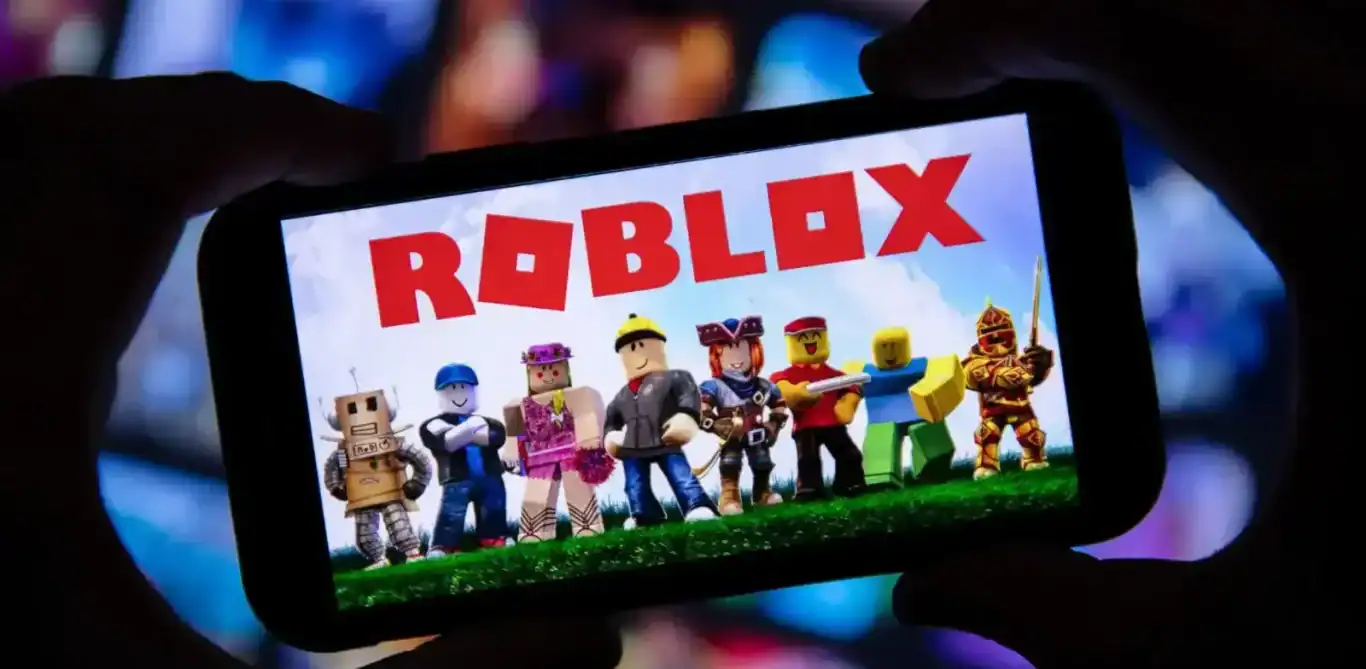
Why did Indonesia ban Roblox but Australia did not? A thorough look at children’s digital safety image

Source: marketing-interactive.com

Recently, the government’s policy to restrict or even block access to Roblox for children under the age of 16 has become a hot topic among parents. This move was triggered by the rampant cases of grooming (online child sexual abuse) and the spread of age-inappropriate content on the platform.

As parents, it is natural to feel concerned. However, let us examine this phenomenon from a global perspective. In Australia, despite facing the same level of cybercrime risks, Roblox continues to operate without any restrictions. Why is the approach so different?

Different Perspectives: Gaming Platform vs Social Media

There are two main reasons why the Australian government did not take extreme measures such as a total block:

Viewed as a Creative Ecosystem Platform, Not Just Social Media The Australian government and its digital regulatory agency view Roblox primarily as a gaming platform where children can learn to be creative, not just social media. Their regulatory focus is on the responsibility of game developers to create a safe environment, not on blocking access for users.

Default Private Policy for Children’s Accounts Through the Safety by Design initiative, the Australian government urges platforms to provide automatic protection. As a result, children’s accounts there are set to private mode by default. This means that the chat feature with strangers and profile visibility are closed from the moment they register.

So, what about children in Indonesia? The main control currently lies in the hands of parents. Parents must proactively activate security features manually. It’s quite easy to do: go to the Settings menu, then select Parental Controls. There, parents can activate the Parent PIN so that children cannot change the settings, as well as turn off the chat feature to close two-way communication with strangers.

Is Blocking Enough?

The answer: No. Blocking one application may provide a temporary sense of security, but it does not solve the root of the problem.

The digital world is vast. Currently, almost all online games have two-way communication features. If access to Roblox is closed, potential digital crimes such as cyberbullying or grooming can still lurk around children through other games or platforms. Closing one door will not stop ‘uninvited guests’ from looking for an open window.

The only strong defence that children can take with them wherever they surf is digital literacy. Children must be equipped with critical thinking skills when communicating online. They must understand stranger danger (the danger of strangers in the virtual world), game literacy, and mindful messaging (thinking before responding to messages).

Turning Concerns into Potential

Teaching children technical digital literacy can sometimes be confusing. The language we use is often difficult for them to understand, or even comes across as lecturing.

If parents are unsure where to start, entrusting this education to the experts is the wisest choice. At Timedoor Academy, children are not only taught to be passive consumers of games, but are guided to be productive creators. They can learn to make their own games using Roblox Studio in a 100% safe and monitored environment.

Moreover, the Timedoor Academy curriculum incorporates digital literacy material in a fun and age-appropriate way. They will learn to recognise the characteristics of cyberbullying, understand privacy boundaries, and how to protect themselves online.

In this era of artificial intelligence and rapidly advancing technology, limiting children’s exploration risks leaving them far behind their peers. Children who are not equipped with technological skills and digital literacy from an early age will miss out on many opportunities in the future.

Ensure your little ones are ready to face the challenges of the digital world with their full potential. Parents can secure their first steps by consulting for free at Timedoor Academy. The opportunity to provide protection while developing your child’s talents is right before your eyes, do not delay in making a decision.

Reading References for Parents:

Prepare your little one for the future through exciting learning experiences. Sign up for a free trial  session now!
Keep Reading

Top 5! How to Limit YouTube for Kids Effectively
In today’s digital world, YouTube has become one of the most popular entertainment platforms for children. While it offers a wide variety of educational content, it also exposes kids to videos that may not be suitable for their age. That’s why many parents are searching for a clear and practical solution: how to limit YouTube for kids. Ensuring your child’s safety while exploring the internet is no easy task. YouTube’s algorithm often suggests videos based on watch history, not necessarily on age-appropriateness. This makes it even more critical for parents to learn how to limit YouTube for kids as part of responsible digital parenting. Why It’s Important to Monitor Kids on YouTube While YouTube can be a great source of learning—offering science experiments, storytime videos, and creative tutorials—it can also lead kids down a rabbit hole of violent, inappropriate, or misleading content. Without proper supervision, your child may unintentionally view content that contradicts the values you are trying to instill. That’s why understanding how to limit YouTube for kids is not just a parenting option, but an essential digital safety measure. How to Limit YouTube for Kids: Practical Steps Here are some concrete steps you can take as a parent: 1. Use YouTube Kids App YouTube offers a child-friendly version of its platform called YouTube Kids. This app is designed with automatic filters to block inappropriate content and provide age-appropriate viewing. It’s a strong first step in your approach to how to limit YouTube for kids. 2. Enable Restricted Mode If your child uses the standard YouTube app, you can enable “Restricted Mode” in the settings. This feature helps filter out videos flagged as unsuitable. It adds an extra layer of protection in your efforts to control what your child watches. 3. Set Parental Controls Both YouTube Kids and the regular app allow you to set screen time limits and control the types of content your child can access. These built-in parental controls are crucial in enforcing how to limit YouTube for kids without needing constant supervision. 4. Establish Viewing Schedules Create specific times for when your child is allowed to watch YouTube, such as after completing homework or during weekends. Clear time restrictions encourage discipline and help children value their screen time. 5. Watch Together Spend time watching YouTube with your child. It’s not just about monitoring—it’s an opportunity to bond, understand their interests, and gently guide them toward more enriching content. 6. Educate Your Child on Good Content Choices Teach your child how to recognize content that is inappropriate or makes them uncomfortable. Encourage them to speak up if they come across something they don’t understand or that feels wrong. This empowers them to be responsible digital citizens. 7. Use Third-Party Monitoring Apps Tools like Google Family Link can provide more detailed control over your child’s online behavior. You can view their activity, set time limits, and even approve or block apps. These tools are highly effective in supporting your journey in how to limit YouTube for kids. Common Challenges Parents May Face Setting limits is not always easy. Children may resist new rules or attempt to find workarounds to access restricted content. That’s why consistency, patience, and open communication are key. Involve your child in creating these rules so they feel included and understand the reasons behind them. It’s also important to strike a balance. Remember, the goal of learning how to limit YouTube for kids is not to ban access entirely but to guide children toward safe and meaningful digital experiences. Limiting is Not Banning, It’s Redirecting When done right, how to limit YouTube for kids becomes a way of redirecting your child’s screen time toward educational and creative growth. There are countless videos that can inspire innovation, critical thinking, and even spark a passion for science, art, or coding—when chosen wisely. As parents, we have the power to shape how children interact with technology. By combining digital tools with parental guidance and open conversations, we prepare them for a safer and smarter future online. Try a Free Coding Class at Timedoor Academy Parenting in the digital era requires new tools and strategies. With the right knowledge and support, you can protect your child from harmful content while encouraging their curiosity and creativity. If you're looking for a positive and productive way to introduce your child to the digital world, consider enrolling them in a fun and educational tech program. Timedoor Academy offers free trial courses in coding, tailored for children aged 5 to 19.
<strong>5 Top Recommendations for Child Psychologists and How to Choose the Right One</strong>
5 Top Recommendations for Child Psychologists and How to Choose the Right One
Supporting a child’s mental health is one of the most important responsibilities of modern parents. Children do not only grow physically. They also need emotional development to help them deal with challenges in school, social environments, and family life. One effective way to support their emotional growth is by consulting with a child psychologist when needed. A child psychologist is a professional trained to address emotional, behavioral, and developmental issues in children from toddlers to teenagers. Some parents may still feel hesitant to take their children to a psychologist due to social stigma. However, early consultation can actually prevent bigger problems and provide helpful strategies for long-term well-being. Here are five trusted services that offer quality support from child psychologists. These include in-person sessions and online consultations for more flexible access. 1. Child Development Clinic at RSAB Harapan Kita This clinic is part of the Harapan Kita Women and Children's Hospital. It is known for its experienced child psychologists who help children with speech delays, behavioral disorders, and learning difficulties. Services: Observation and therapy sessions Developmental psychological testing Parent counseling Price: Starting from IDR 300,000 per sessionLocation: West JakartaAvailability: Monday to Saturday 2. UI Center for Applied Psychology (LPT UI) LPT UI is operated by the Faculty of Psychology at Universitas Indonesia. It offers professional child psychology services at affordable rates. Children with academic, emotional, or social issues can get personalized support here. Services: IQ and emotional intelligence testing Play therapy sessions Family and parental consultations Price: Starting from IDR 200,000Location: Depok (online sessions available)Availability: Monday to Friday 3. Personal Growth Personal Growth is a psychological clinic that offers child therapy services with a focus on emotional recovery and safe communication. Their psychologists take a warm and structured approach that makes children feel more at ease. Services: Cognitive behavioral therapy for children Talent and interest assessments Support sessions for parents Price: Starting from IDR 500,000 per sessionLocation: South JakartaAvailability: Flexible by appointment 4. TigaGenerasi TigaGenerasi is known for its family-oriented services and offers a wide range of psychology support for children. They use storytelling, art, and play-based methods to help children express their thoughts and feelings. Services: Play and art therapy Educational support for parents Parenting webinars and group programs Price: Starting from IDR 450,000 per sessionLocation: Jakarta (also offers online sessions)Availability: Monday to Saturday 5. Riliv for Kids Riliv is a well-known online mental health platform that also offers psychological services for children. It is ideal for families who prefer flexible access from home. Children can talk to certified psychologists using video or chat features. Services: Virtual therapy via video call In-app chat with professional psychologists Mental wellness programs for kids Price: Starting from IDR 150,000 per sessionPlatform: Riliv appAvailability: Schedule-based, flexible options How to Choose the Right Child Psychologist Choosing a psychologist for your child requires attention to a few important factors: Professional qualifications and experience: Make sure the psychologist has the proper license and is trained in child development. Comfort and trust: Your child should feel safe and able to communicate with the psychologist. Observe how they respond during the first session. Access and schedule: Choose a service that is easy to reach and can accommodate your preferred times. Online options can help if travel is difficult. Boosting Emotional Growth with Positive Learning Aside from professional help, children can benefit from positive activities that improve focus, confidence, and problem-solving skills. One example is learning to code. Coding helps children develop logical thinking while having fun through creative projects. Timedoor Academy offers engaging online coding courses designed for kids between the ages of 5 and 18. The programs are project-based and suitable for beginners. Try a free trial class at Timedoor Academy today!
<strong>What Is Deepfake? The Impact on Children in 2025 and How to Respond Wisely</strong>
What Is Deepfake? The Impact on Children in 2025 and How to Respond Wisely
The rapid development of digital technology has brought about countless innovations, and one of the most talked-about today is deepfake technology. Recently, the term “deepfake” has been frequently discussed, especially as more and more fake videos that appear shockingly real circulate on social media. But what is deepfake exactly, and why do parents need to understand and be cautious about this technology, especially to protect their children? This article will explain what is deepfake, how it works, and the potential impact it can have on children. We’ll also cover practical steps parents can take to help their kids face digital challenges with confidence. What Is Deepfake? Understanding the Technology Behind Fake Faces Before exploring its impact, it’s important for both parents and children to know what is deepfake. Deepfake is a term used for videos, images, or audio created with artificial intelligence (AI) so convincingly that they appear real, even though they’re fake. This technology can swap faces, mimic voices, or even make someone say or do things that never actually happened. Originally, deepfake technology was developed for entertainment and cinema, such as creating special effects in movies. However, as technology has advanced, deepfakes are increasingly misused—for spreading hoaxes, scams, and even digital bullying. That’s why digital literacy and education about deepfake is now more crucial than ever for Indonesian families. How Does Deepfake Work? To help children and parents better understand what is deepfake, let’s look at the basics of how this technology operates. Deepfake uses machine learning, especially deep learning techniques, to analyze and mimic someone’s facial expressions, voice, and movements. Using sets of videos or photos of a target, AI “learns” unique patterns and then applies them to new videos to make them appear extremely realistic. The end result of a deepfake is often very difficult to distinguish from real footage, especially at a glance. This makes deepfake technology dangerous if misused, particularly for children who may not yet know how to verify what they see online. The Impact of Deepfake on Children After understanding what is deepfake, it’s essential to recognize the negative effects it can have on children in the digital era: 1. Spread of Hoaxes and MisinformationChildren can easily be convinced by a deepfake video or audio that looks and sounds real, making them vulnerable to fake news, slander, or provocative issues. 2. Cyberbullying and ExploitationDeepfake can be used to create fake content that humiliates or damages a child’s reputation, or even as a tool for online bullying and exploitation. 3. Fraud and Privacy ThreatsA child’s personal data can be stolen and used to create deepfakes, which could then be involved in scams, blackmail, or other crimes. 4. Self-Doubt and Mental Health IssuesIf a child becomes a victim of deepfake, they may experience stress, shame, and even trauma, which can affect their self-confidence and mental well-being. 5. Difficulty Distinguishing Fact from ManipulationAt a young age, children are not fully equipped to tell the difference between genuine and fake content. Lack of digital literacy can make them more susceptible to digital manipulation. The Role of Parents: Education and Protection Simply understanding what is deepfake isn’t enough. Parents must also actively educate and guide their children to stay safe in the digital world. Here are some practical steps: Teach Digital Literacy EarlyDiscuss with your child about what is deepfake, how to spot fake content, and the importance of not believing every piece of information encountered online. Build Open CommunicationEncourage children to talk if they come across suspicious content or feel uncomfortable with something online. Strengthen Data Privacy AwarenessHelp children understand the importance of keeping personal data—photos, videos, and identity information—private and protected. Be a Role ModelParents should use technology and social media wisely, and avoid sharing or spreading unverified content. Introduce Positive Digital ActivitiesRedirect children’s attention to educational and productive digital activities, such as learning coding, creating digital projects, or exploring new knowledge. Coding: A Smart Way to Protect Children in the Digital World One concrete way to equip children for the deepfake era is to introduce them to coding. By learning to code, children don’t just become technology users—they also gain an understanding of how technology works. Coding sharpens logic, analytical skills, and encourages critical and creative thinking. Children who learn coding are better able to recognize digital manipulation and understand how AI behind deepfake works. Timedoor Academy offers interactive, fun, and age-appropriate coding programs. Children can learn to build apps, simple games, and even understand basic AI concepts through friendly and easy-to-follow methods. Time to Outsmart Deepfake, Starting from Home In today’s digital age, understanding what is deepfake should be a priority for every family. With the right knowledge, digital literacy education, and technology skills such as coding, children will be better prepared to face the risks and opportunities of the online world. Don’t let your child fall victim to digital manipulation! Register your child for a free trial class at Timedoor Academy and introduce them to coding and digital safety from an early age.
float button