Jan 06, 2022

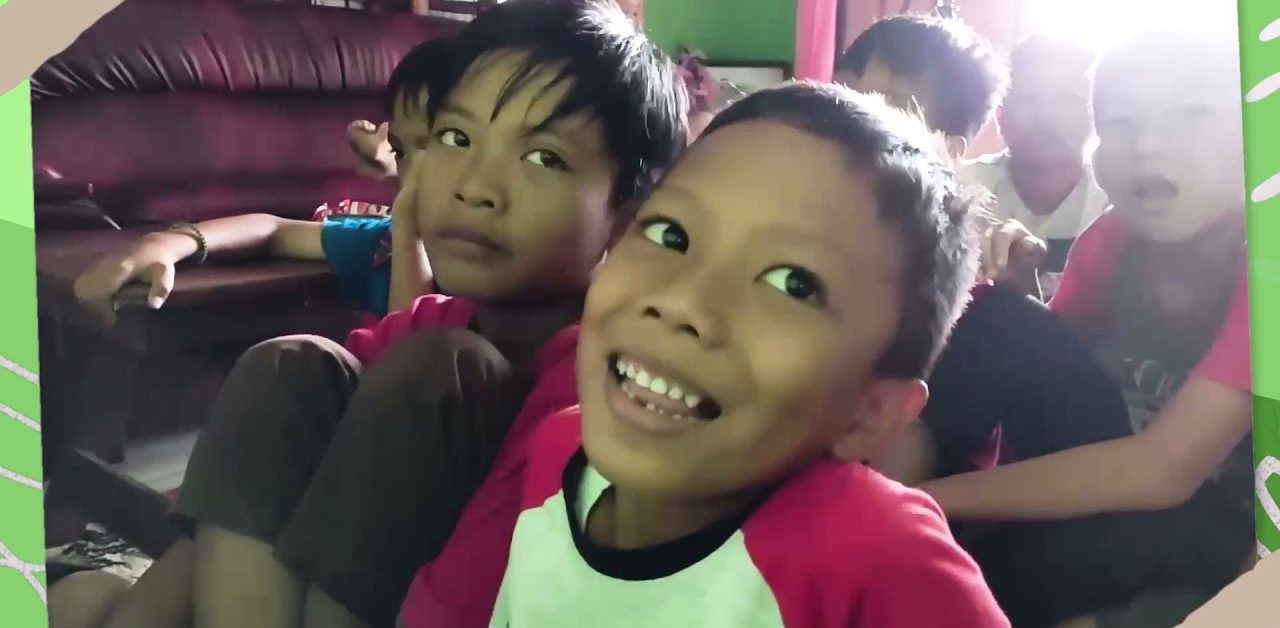
Coding workshops for over 1000 people in rural villages

Coding workshops for over 1000 people in rural villages image

Coding workshops for over 1000 people in rural villages

Keep Reading

Is Coding for Kids Worth It in 2025?
As technology continues to shape the way we live, learn, and work, many parents are asking the important question: is coding for kids worth it in 2025? With the growing digital economy and increasing reliance on technology, coding skills have become highly valuable. But for children, is learning to code truly beneficial? This article explores why coding for kids is a worthy investment, what skills they gain, and how it prepares them for the future.   Why Parents Ask: Is Coding for Kids Worth It? In the past, coding was seen as a skill for specialists working in IT companies. Today, however, coding has become a fundamental literacy, much like reading and writing. Parents naturally wonder if investing time and resources into coding classes for their children will pay off. Is coding for kids worth it given the demands of modern education and the job market? The answer depends on how coding education is approached and what children stand to gain beyond just writing lines of code. Coding teaches logical thinking, problem-solving, creativity, and resilience — skills that apply across many areas of life.   Coding Builds Problem-Solving and Logical Thinking One of the main benefits of coding is that it helps children develop strong problem-solving skills. When kids learn to code, they break down complex problems into smaller steps. This kind of logical thinking improves their ability to analyze situations and find solutions, a skill valuable in school and daily life. Understanding the structure of coding also improves sequencing and attention to detail. Kids learn to debug and fix errors, which encourages patience and persistence. So, if you ask is coding for kids worth it for developing critical thinking, the answer is a resounding yes.   Coding Encourages Creativity and Innovation Coding is not just about rules and algorithms; it also allows kids to be creative. When children code games, animations, or simple apps, they use their imagination to design and build unique projects. This process fosters innovative thinking and gives kids a sense of accomplishment. Many coding platforms designed for children encourage experimentation and playful learning, which makes coding fun and engaging. This creative aspect answers another part of the question: is coding for kids worth it because it helps nurture creativity from an early age.   Preparing for a Tech-Driven Future The job market is rapidly evolving, with many careers requiring at least a basic understanding of technology and coding. Even professions not directly related to programming benefit from coding knowledge because it improves digital literacy. By learning to code early, children gain a competitive advantage in their future education and career paths. They become comfortable with technology and adaptable to new digital tools. Hence, is coding for kids worth it for future readiness? Absolutely, since coding equips children with skills that will be essential in almost every industry.   Enhancing Collaboration and Communication Coding projects often involve teamwork and sharing ideas, especially in classroom or club settings. Kids learn how to collaborate, communicate their thoughts clearly, and work towards common goals. These social skills are as important as technical skills. So when considering is coding for kids worth it, remember that coding also helps children develop interpersonal skills that benefit them throughout life.   How to Make Coding Fun and Accessible for Kids For coding to be truly worth it, the learning process must be enjoyable and age-appropriate. Many educational programs today use games, visual programming languages like Scratch, and interactive tools that make coding accessible to young learners. Parents and educators should look for programs that emphasize creativity, problem-solving, and gradual skill-building rather than rote memorization. With the right approach, kids are more likely to stay motivated and develop a lasting interest in coding.   Supporting Your Child’s Coding Journey If you are wondering is coding for kids worth it in your child’s case, the best way to find out is to let them try it. Many coding academies and online platforms offer free trials or beginner courses for children. Timedoor Academy, for example, offers tailored coding programs that are fun and easy to follow for kids of various ages. They also provide free trial classes so parents and children can explore coding without commitment. Is Coding for Kids Worth It in 2025? The answer to is coding for kids worth it in 2025 is a confident yes. Coding education equips children with critical thinking, creativity, and essential digital skills that will serve them well in the future. Beyond just learning programming, kids develop problem-solving abilities, collaboration skills, and adaptability needed in today’s fast-changing world. To support your child’s coding journey, consider enrolling them in programs like Timedoor Academy, which offers engaging and age-appropriate coding lessons. They also provide a free trial class so your child can explore coding in a fun and pressure-free environment before committing. Starting coding early could be one of the best investments for your child’s future success.
<strong>5 Best! Recommendations for Effective Diarrhea Medicine for Kids</strong>
5 Best! Recommendations for Effective Diarrhea Medicine for Kids
Diarrhea is one of the most common health issues among children worldwide. It can quickly lead to dehydration if not managed properly, making it important for parents to find reliable diarrhea medicine for kids to help them recover safely and quickly. It is important to understand that managing diarrhea in children is not just about giving diarrhea medicine for kids, but also ensuring proper hydration, balanced nutrition, and attentive care. Diarrhea in kids can be triggered by viral or bacterial infections, food intolerance, or even stress. If not addressed promptly, diarrhea can develop into a serious health risk. Today, there are many options for diarrhea medicine for kids available both over the counter and as prescribed by doctors. However, not every solution is appropriate for every child, and parents should always consult a healthcare professional before starting any treatment. This is especially crucial if the child experiences severe diarrhea, ongoing vomiting, high fever, or blood in the stool. Below are five globally recognized options for diarrhea medicine for kids that are both safe and effective, plus some important tips for supporting your child’s recovery. 1. Oral Rehydration Solution (ORS) Oral Rehydration Solution, or ORS, is the gold standard diarrhea medicine for kids recommended by organizations like the World Health Organization (WHO) and the American Academy of Pediatrics. ORS replaces fluids and electrolytes lost during diarrhea, helping prevent dehydration. Main benefits: Quickly restores hydration and electrolyte balance Simple to prepare and use at home No harmful side effects ORS can be offered after every loose stool and alongside regular meals and breastfeeding. It is the primary treatment for mild to moderate diarrhea and should be used as a first step in home care. 2. Probiotics Probiotics are supplements containing beneficial bacteria that help restore the balance of healthy gut flora. As a diarrhea medicine for kids, probiotics such as Lactobacillus rhamnosus GG and Saccharomyces boulardii are often recommended by pediatricians to shorten the duration and lessen the severity of diarrhea, especially if the cause is infection or antibiotic use. Probiotics are available as powders, chewable tablets, or drops. Always use pediatric formulas and consult your doctor for the correct type and dosage for your child. 3. Zinc Supplements Zinc is another essential diarrhea medicine for kids, particularly for children under five. Taking zinc for 10 to 14 days during an episode of diarrhea has been proven to speed up recovery and help prevent future diarrhea. Zinc comes in various forms, including syrup, tablets, and dissolvable tablets. Your pediatrician can recommend the best dosage based on your child’s age and weight. 4. Smectite (Diosmectite/Smecta) Smectite, widely sold under brand names like Smecta, is a natural clay-based product that acts as a physical barrier in the intestines. This diarrhea medicine for kids works by binding to toxins, bacteria, and viruses, helping to safely remove them from the digestive tract. Smectite is usually available as a powder that can be mixed with water or milk. It is safe for children, but always follow package instructions or your healthcare provider’s guidance. 5. Rice-Based Oral Rehydration Solution Rice-based ORS is an alternative type of oral rehydration recommended in some parts of the world, especially for kids who may be lactose intolerant or experiencing persistent diarrhea. Rice-based solutions provide both hydration and extra calories from the rice starch. You can purchase commercial rice-based ORS or make it at home by boiling rice and using the starchy water. For best results, check with a healthcare professional to ensure your child is getting the hydration and nutrition they need. Home Care Tips for Children with Diarrhea In addition to providing diarrhea medicine for kids, these supportive steps are crucial: Keep your child hydrated: Regularly offer ORS or other rehydration fluids. Serve bland, easy-to-digest foods: Consider bananas, rice, applesauce, and toast (the BRAT diet). Practice good hand hygiene: Always wash hands before and after caring for your child. Continue breastfeeding: For infants, breastfeeding helps speed recovery and maintain hydration. Watch for dehydration signs: Seek medical attention if your child is lethargic, has a dry mouth, produces little urine, or cries without tears. Why Health and Digital Education Both Matter Using the right diarrhea medicine for kids is a vital step, but it’s also important to teach your child good health habits and personal hygiene for long-term wellness. In today’s digital age, it is equally valuable to help children develop skills like coding, problem-solving, and logical thinking. If you want your child to grow up healthy, confident, and digitally skilled, try a free coding class at Timedoor Academy. Here, children can develop logical thinking and creativity while also learning essential health basics. Visit the Timedoor Academy website for an engaging and educational free trial coding class.
Sharpening Children’s Logic and Creativity Through AI Coding
In today’s digital era, every individual, including children, needs adequate digital skills. One increasingly essential skill is understanding and using artificial intelligence, or AI. Children are not only taught to use technology but also encouraged to think critically, creatively, and solve problems systematically. Learning AI for Children has become an effective educational approach to develop logic and creativity from an early age. Why Children Should Start Learning AI Early AI is no longer just a future technology. Many applications in daily life now rely on AI, from digital assistants to interactive games and educational apps. By introducing Learning AI for Children early, kids become familiar with programming concepts, logic, and data analysis. This early exposure helps them adapt to technological advancements while strengthening critical thinking and creative skills that are crucial for their future. Moreover, understanding AI nurtures children’s curiosity about technology. They begin to ask questions about how systems work, how data is processed, and how technology can solve everyday problems. Thus, Learning AI for Children is not only about technical mastery but also about developing an analytical mindset that supports both formal and informal learning. The Benefits of Learning AI for Children Here are several key benefits children gain when they start Learning AI for Children: Enhances logical thinking and problem-solving skillsUnderstanding algorithms and sequences teaches children to tackle problems systematically. They learn how to break complex challenges into smaller steps and solve them one by one, a skill that is invaluable both academically and in daily life. Boosts creativityChildren can create simple AI projects, such as chatbots, interactive games, or digital animations. By combining creativity with technology, they can produce unique and meaningful outcomes. Prepares them for future careersEarly AI knowledge equips children for potential careers in technology and science. It opens opportunities in game development, robotics, and advanced technological research. Learning through playGamified learning makes AI lessons enjoyable and interactive. Children who are already engaged in gaming or digital exploration will adapt more easily to AI learning in a playful and practical way. Fosters collaboration skillsChildren learn to work in teams on AI projects, improving communication and teamwork skills. They experience discussing ideas, providing feedback, and completing projects collectively. Builds self-confidenceCompleting AI projects instills a sense of accomplishment in children. They understand that failure is part of learning and that success comes through practice and understanding. Effective Approaches for Learning AI for Children To make Learning AI for Children effective, teaching methods should align with the child’s age and skill level. Timedoor Academy offers an interactive, practical, and fun curriculum. Professional tutors guide students step by step, starting from basic concepts to creating simple AI projects. This approach ensures that children not only understand theory but also apply their knowledge in real projects. Furthermore, a personalized learning approach allows tutors to adjust lessons according to each child’s interests. For example, children who enjoy games can learn to create simple AI games, while those interested in animation can develop interactive AI characters. This approach makes learning relevant to daily life and interests, keeping it both engaging and effective. Integrating Hobbies with AI Learning One effective way to motivate children is by connecting AI learning to their hobbies. Children who love gaming can explore how AI applies in game design, while those interested in animation can create interactive AI characters. This makes Learning AI for Children more meaningful and fun, encouraging children to stay engaged. Beyond technical skills, linking hobbies with AI nurtures creativity and critical thinking. Children learn that technology is not just a source of entertainment but also a tool for expression and creating something meaningful. Parents’ Role in Supporting AI Learning Parents play a crucial role in supporting Learning AI for Children. They can help by: Providing supervision and guidance while children work on projects Offering praise and encouragement when children complete tasks Creating a comfortable learning environment and supplying the necessary tools With full parental support, children gain confidence and motivation to explore the world of AI. Learning AI from an Early Age: Fun, Creative, and Essential for Your Child’s Future Mastering AI at an early age offers numerous advantages for children. Besides developing technical skills, it cultivates critical thinking, creativity, and problem-solving abilities. Learning AI for Children at Timedoor Academy delivers an interactive, practical, and enjoyable experience. With a structured curriculum and professional tutors, children can explore AI safely and effectively. If you want your child to start developing AI skills in a fun and interactive way, register them for a free trial at Timedoor Academy today. Here, children will learn AI creatively and practically, guided by professional tutors who understand the needs of modern learners.
float button