Jan 06, 2022

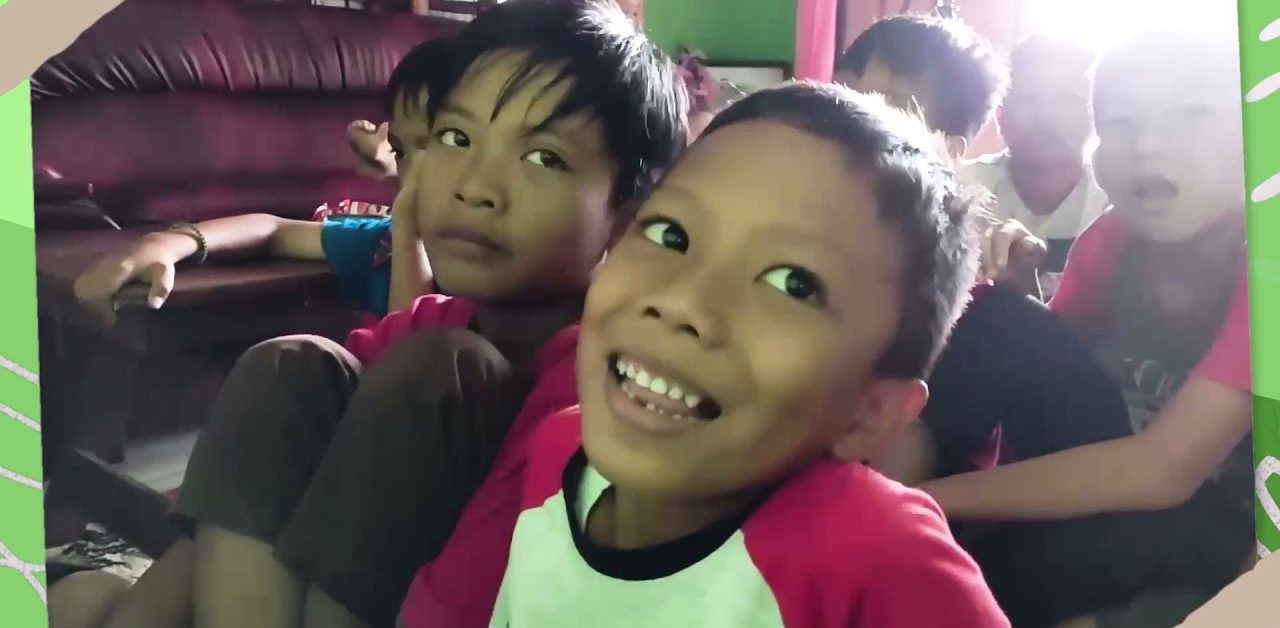
Coding workshops for over 1000 people in rural villages

Coding workshops for over 1000 people in rural villages image

Coding workshops for over 1000 people in rural villages

Keep Reading

Bagaimana Teknologi Meningkatkan Kreativitas Anak
How Technology Boosts Creativity for Kids
In today's digital age, technology plays a significant role in shaping children's lives, offering them not only entertainment but also endless opportunities to enhance their creativity. How technology boosts creativity for kids is not just about playing games or watching videos; it's about engaging with tools that encourage children to explore new ideas, express themselves through various forms of art, and solve complex problems in innovative ways. In this article, we’ll dive into the many ways how technology boosts creativity for kids, helping parents and educators harness the power of technology for creative development.   1. Digital Tools That Boost Creativity for Kids Technology offers a vast array of digital tools designed to stimulate creativity in children. Drawing apps like Procreate or Tayasui Sketches, for example, allow kids to create beautiful artworks on tablets, pushing their imagination and skills. Music production software, such as GarageBand, is another fantastic tool to help children explore their musical creativity by composing songs and learning about sound design. These tools don’t just teach technical skills; they encourage kids to think creatively. The immediate feedback and flexibility offered by these apps allow children to experiment with different styles and techniques, making it a fun and educational way how technology boosts creativity for kids.   2. Problem-Solving and Critical Thinking One of the most impactful ways how technology boosts creativity for kids is by enhancing their problem-solving and critical thinking abilities. Educational games and apps that challenge children to solve puzzles, plan strategies, and make decisions help develop their cognitive skills. Apps like Scratch or Tynker, which teach coding and logic, are excellent examples of how technology boosts creativity for kids. By engaging with these platforms, children not only learn to code but also learn to think critically, test solutions, and refine their ideas. This helps them become creative problem-solvers who are capable of thinking outside the box, which is an essential skill for both academic success and life in general.   3. Access to a Wealth of Creative Learning Resources The internet is a treasure trove of creative learning resources that can help how technology boosts creativity for kids. Platforms like YouTube, TED-Ed, and Khan Academy provide a wide variety of content that can spark children’s imaginations. From DIY craft tutorials to science experiments, there is no shortage of material to engage kids and fuel their creativity. Moreover, eBooks and audiobooks offer children new ways to experience stories that stimulate their imagination. These resources allow kids to engage with the arts, explore new concepts, and learn new skills in creative and interactive ways.   4. Collaborative Creativity and Social Interaction Technology also offers unique opportunities for kids to collaborate on creative projects with others. Online platforms and apps designed for group work allow children to share ideas, co-create, and provide feedback to one another, fostering both creativity and social skills. By working together, kids not only boost creativity but also learn how to communicate effectively, manage team dynamics, and develop empathy. For instance, children can participate in group art projects, write collaborative stories, or join virtual hackathons. These shared creative experiences are a great way to help children enhance their creativity while also developing valuable interpersonal skills.   5. Digital Storytelling for Creative Expression Digital storytelling is another powerful way how technology boosts creativity for kids. With easy-to-use platforms like Storybird, Adobe Spark, and even Instagram, children can write, illustrate, and share their stories in engaging ways. These platforms allow kids to take control of their narratives, helping them express their thoughts, ideas, and emotions creatively. Storytelling is not only a fun way to engage with creativity but also a valuable skill that supports literacy, critical thinking, and emotional development. By using digital tools to tell their stories, children can learn how to organize their ideas, use technology to enhance their creations, and communicate their thoughts in new and innovative ways.   6. Immersive Technologies: Virtual and Augmented Reality Virtual Reality (VR) and Augmented Reality (AR) technologies are increasingly being used to enhance creativity for kids. These immersive technologies provide children with the opportunity to engage with creative environments in ways that are not possible in the real world. With VR and AR, children can design virtual spaces, explore interactive 3D models, and engage in hands-on creative activities. For example, using VR headsets, children can participate in virtual learning experiences that incorporate art, design, and creativity. They can create 3D models, design virtual sculptures, or explore complex architectural structures. AR apps like Quiver bring children’s drawings to life, allowing them to see their artwork come to life in augmented spaces. These tools give kids a whole new world to explore, further showing how technology boosts creativity for kids.   7. Technology as a Gateway to STEM Creativity Another way how technology boosts creativity for kids is by inspiring them to pursue STEM (Science, Technology, Engineering, and Mathematics) fields, where creativity is a crucial component. Coding platforms, robotics kits, and 3D printing tools all encourage kids to create, innovate, and design in the realms of engineering and technology. Tools like LEGO Mindstorms or robotics kits allow kids to build and program their own creations, providing them with hands-on experience in both technology and design. These activities encourage kids to think creatively about how to solve problems, design solutions, and bring their ideas to life.   How Technology Boosts Creativity for Kids in Countless Ways Incorporating technology into your child’s life can have a profound impact on their creative development. From digital art and music tools to coding apps and immersive experiences, technology offers a vast range of opportunities for kids to explore, create, and learn. By using these tools, parents and educators can help nurture creativity, problem-solving skills, and innovation in children, setting them up for future success. At Timedoor Academy, we provide various online resources and learning tools designed to help your child develop their creativity through technology. Whether it’s interactive coding classes, virtual workshops, or personalized learning materials, we’re here to support your child’s creative journey. Start a free trial today and explore how technology can boost creativity for kids in exciting and engaging ways!
10 Practical Tips to Set Up a Comfortable and Productive Home Learning Space for Kids
In today’s digital age, children are not only learning at school but also through various online platforms from the comfort of home. That’s why setting up a home learning space for kids that is both comfortable and productive has become increasingly important. A well-organized learning environment supports better focus, enhances motivation, and encourages independent study habits from an early age. Here are ten simple yet effective tips to help parents create an ideal home learning space that supports both comfort and academic success. 10 Practical Tips to Set Up a Comfortable and Productive Home Learning Space for Kids 1. Choose a Quiet Spot with Minimal Distractions Start by picking a location that isn’t heavily trafficked throughout the day. Ideally, a home learning space for kids should be away from TVs, the kitchen, or play areas. If you don’t have a dedicated room, convert a quiet corner of the bedroom or living room into a learning zone. Use a bookshelf or lightweight divider to create a clear separation between study time and leisure time. 2. Ensure Good Lighting Lighting has a direct impact on mood and focus. Make sure the home learning space for kids has access to natural light during the day. For evening sessions, provide a desk lamp with bright but soft white lighting. Avoid dim lights, as they can cause drowsiness and reduce attention. 3. Provide Ergonomic Furniture A comfortable setup goes a long way. Use a chair and desk that match your child’s height to encourage proper posture. Add cushions or a footrest if needed, so your child can sit comfortably for longer study sessions. 4. Minimize Visual and Audio Distractions Overly bright or busy decor can be distracting in home learning space for kids. Stick to neutral or calming colors for the walls and furniture. Keep toys and unrelated devices out of reach during study hours. If noise from outside interrupts your child’s focus, consider using noise-cancelling headphones, especially during online classes. 5. Keep All Learning Materials Within Reach Equip the space with all the essentials: stationery, books, a laptop or tablet, headphones, and a reliable internet connection. Having everything nearby prevents unnecessary movement and keeps the child focused. Use storage bins or small shelves to keep the desk tidy and clutter-free. 6. Display a Daily Schedule Help your child develop a routine by creating a visual schedule. Post it on the wall near their desk using colorful charts or illustrations. The schedule can include study time, breaks, meals, and creative activities. Visual structure supports time management and builds responsibility. 7. Involve Your Child in the Setup Let your child have a say in how the space looks. Allow them to choose the colors, arrange the desk, or decorate with their favorite items. When kids feel ownership over their home learning space, they are more likely to use it enthusiastically and keep it tidy. 8. Ensure Good Air Circulation and Room Temperature A cool, fresh room helps maintain energy and concentration. Open windows regularly or use a fan or air conditioner if needed. Scent can also influence mood — try light, calming scents like lavender to create a relaxed environment. 9. Match the Setup to Your Child’s Digital Learning Needs If your child is involved in digital learning, make sure the equipment works smoothly. Check the laptop or tablet, webcam, microphone, and internet connection before class begins. Also, make sure their chair and desk setup supports good posture for screen-based learning. 10. Add Motivational Personal Touches Showcase your child’s artwork, awards, or inspiring quotes on the wall. Personal touches can boost confidence and make the space feel more welcoming and meaningful to them. Maximize Your Child’s Home Learning Space with the Right Learning Program Creating a home learning space for kids is a strong start, but it becomes truly effective when paired with the right learning content. Timedoor Academy offers a wide range of interactive online classes to help children grow academically and creatively — all from their home learning space. With subjects like coding, robotics, math, and digital creativity, your child can explore their interests in a fun and structured way. Sign up for a free trial class at Timedoor Academy today and give your child the opportunity to build skills for the future while learning comfortably at home.
<strong>7 Early Signs of Autism in Children That Parents Often Miss</strong>
7 Early Signs of Autism in Children That Parents Often Miss
Every child grows and develops at their own pace. However, some parents begin to worry when their child shows behaviors that seem different from others their age. One of the most important things to recognize early is the signs of autism in children, because early detection increases the chances of receiving the right support. Autism, or Autism Spectrum Disorder (ASD), is a neurodevelopmental condition that affects how children interact, communicate, and behave. The symptoms can range from mild to more complex. Because it is a spectrum, many parents may not immediately realize their child is showing signs of autism. Here are some common signs of autism in children that parents should not ignore: 1. Limited Eye Contact One of the earliest signs is that a child rarely makes eye contact. For example, when being spoken to or played with, the child avoids looking at the other person's face. This can be an early sign of autism in children and is often mistaken for shyness or lack of focus. 2. Not Responding When Called by Name By around one year old, most children will respond when their name is called. However, children with autism often do not react at all. They may seem lost in their own world, not because of hearing issues, but due to differences in how their brains process social information. 3. Lack of Social Expressions and Gestures Children usually express emotions through smiles, waving, or pointing at things that catch their interest. If your child rarely shows these behaviors, it could be one of the signs of autism in children. Autistic children often have flat facial expressions and show limited interest in social interactions. 4. Delayed Speech or Lack of Functional Language Many children with autism experience speech delays. Some may say words but not use them for communication. Others prefer to use gestures rather than words to express their needs. This is one of the most common signs of autism in children, especially noticeable by the preschool years. 5. Unusual Play Patterns Most children enjoy role-playing or interacting with peers. But children with autism may fixate on certain parts of toys, like spinning wheels or lining up objects in repetitive ways. This kind of rigid play pattern is a typical sign of autism in children. 6. Over or Under Sensitivity to Senses Autistic children may show extreme reactions to loud noises, light touches, or bright lights. On the other hand, some may not respond at all to such stimuli. These unusual sensory responses are one of the signs of autism in children that can confuse many parents. 7. Repetitive Movements or Speech Children with autism often repeat specific movements or words, such as hand-flapping, jumping, or echoing phrases over and over. These behaviors provide comfort or stimulation and are a recognizable sign of autism in children. Should Parents Be Worried? Noticing several signs of autism in children does not mean you should panic. What matters most is observing consistently and consulting with professionals such as child psychologists or developmental pediatricians. A proper diagnosis requires thorough evaluation, and not every child with delays or unique behaviors is on the autism spectrum. Early identification helps children receive targeted interventions and therapies. Whether it is speech therapy, occupational therapy, or social skills support, these can help children reach their full potential. Bonus: How Technology Can Help Children Learn In addition to nurturing emotional and social development, parents can also introduce their children to structured and engaging activities that build focus and logic, such as coding. Coding teaches kids how to think logically, solve problems, and follow sequences. Timedoor Academy offers child-friendly coding courses tailored to different learning styles, including children who thrive in visual or structured environments. Try a free coding class today and discover how technology can support your child’s learning in a fun and meaningful way.
float button