Sep 15, 2023

Free Coding Class for Children in Orphanage

Free Coding Class for Children in Orphanage image

Introduction

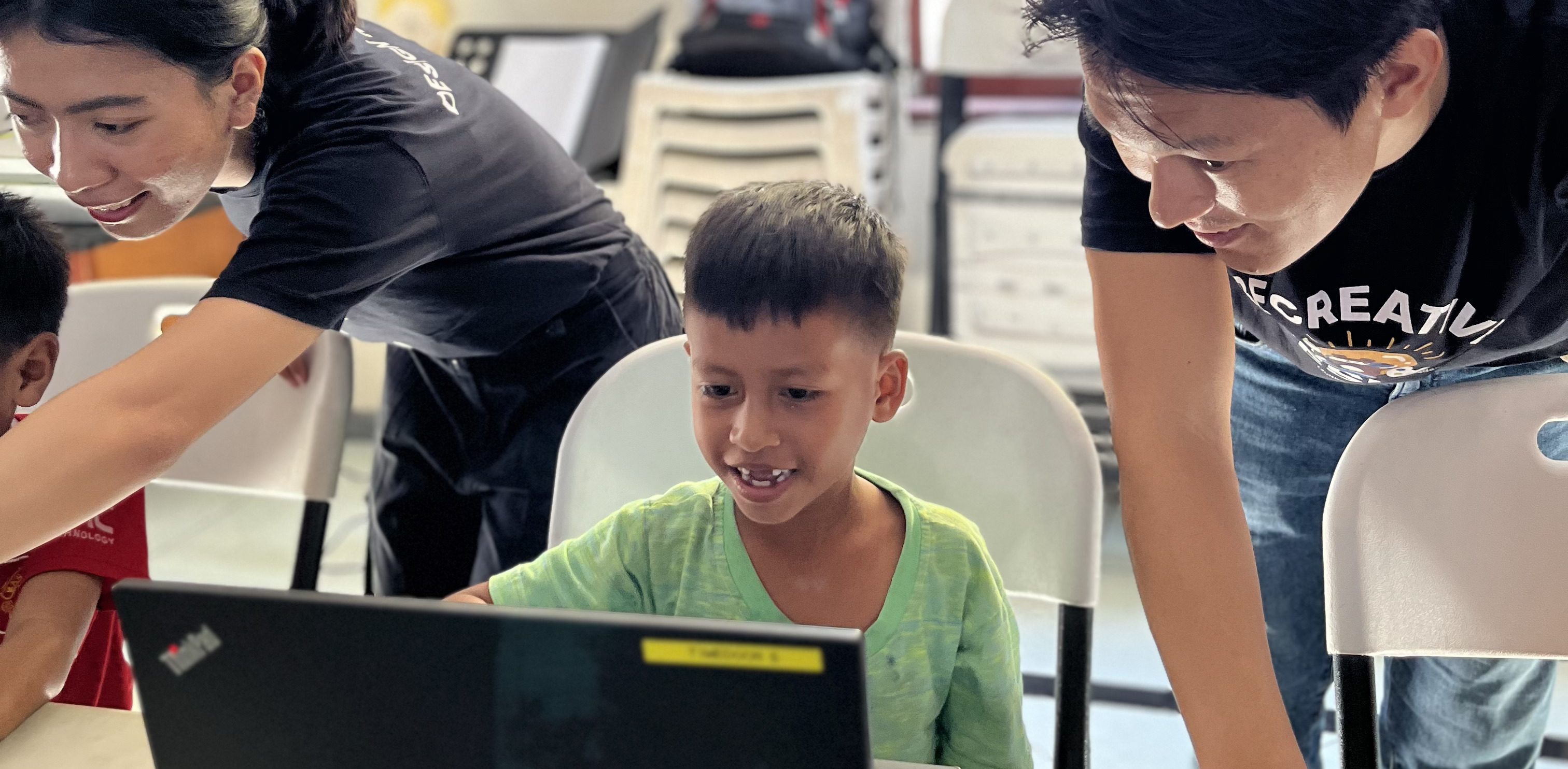
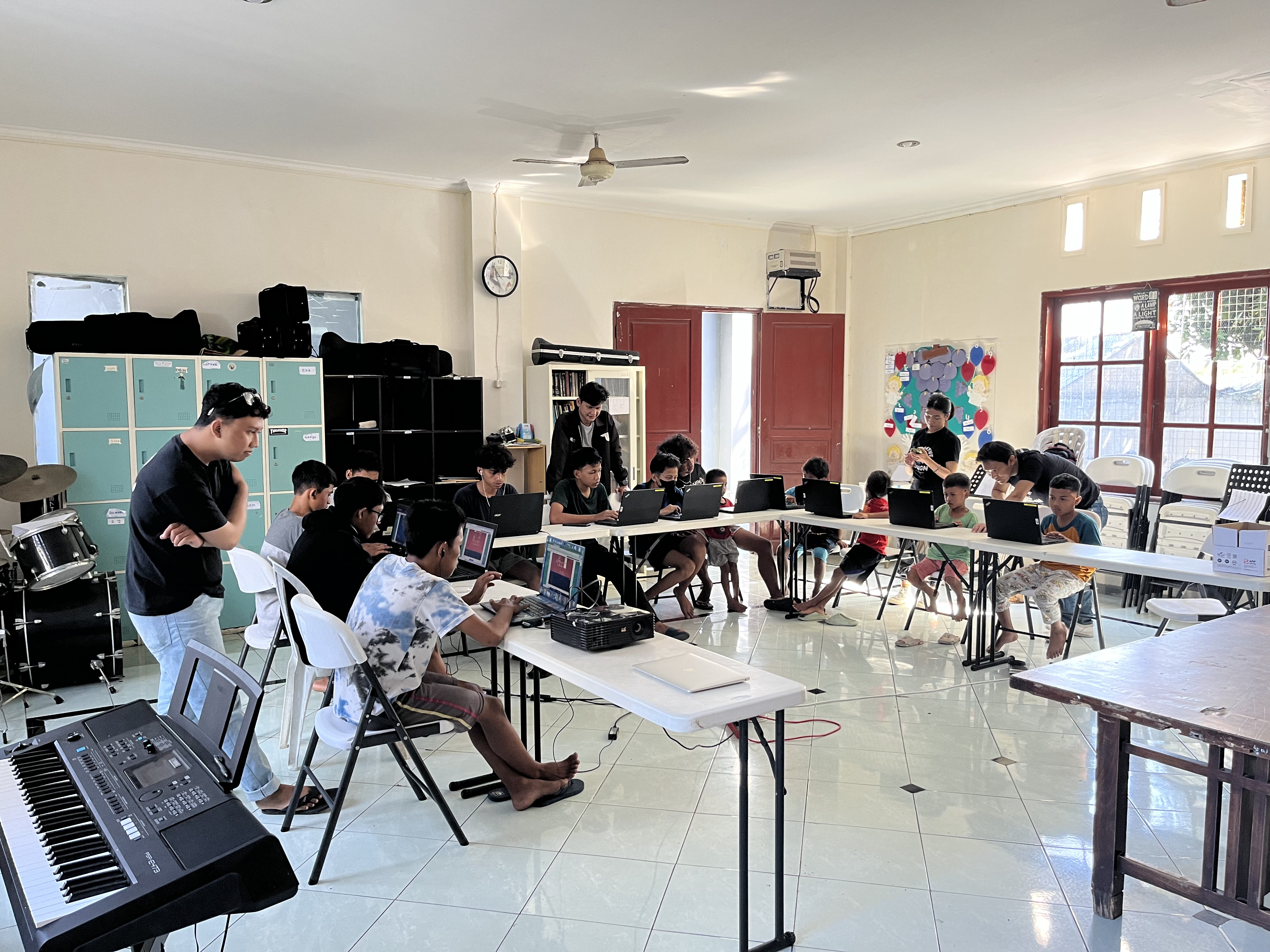
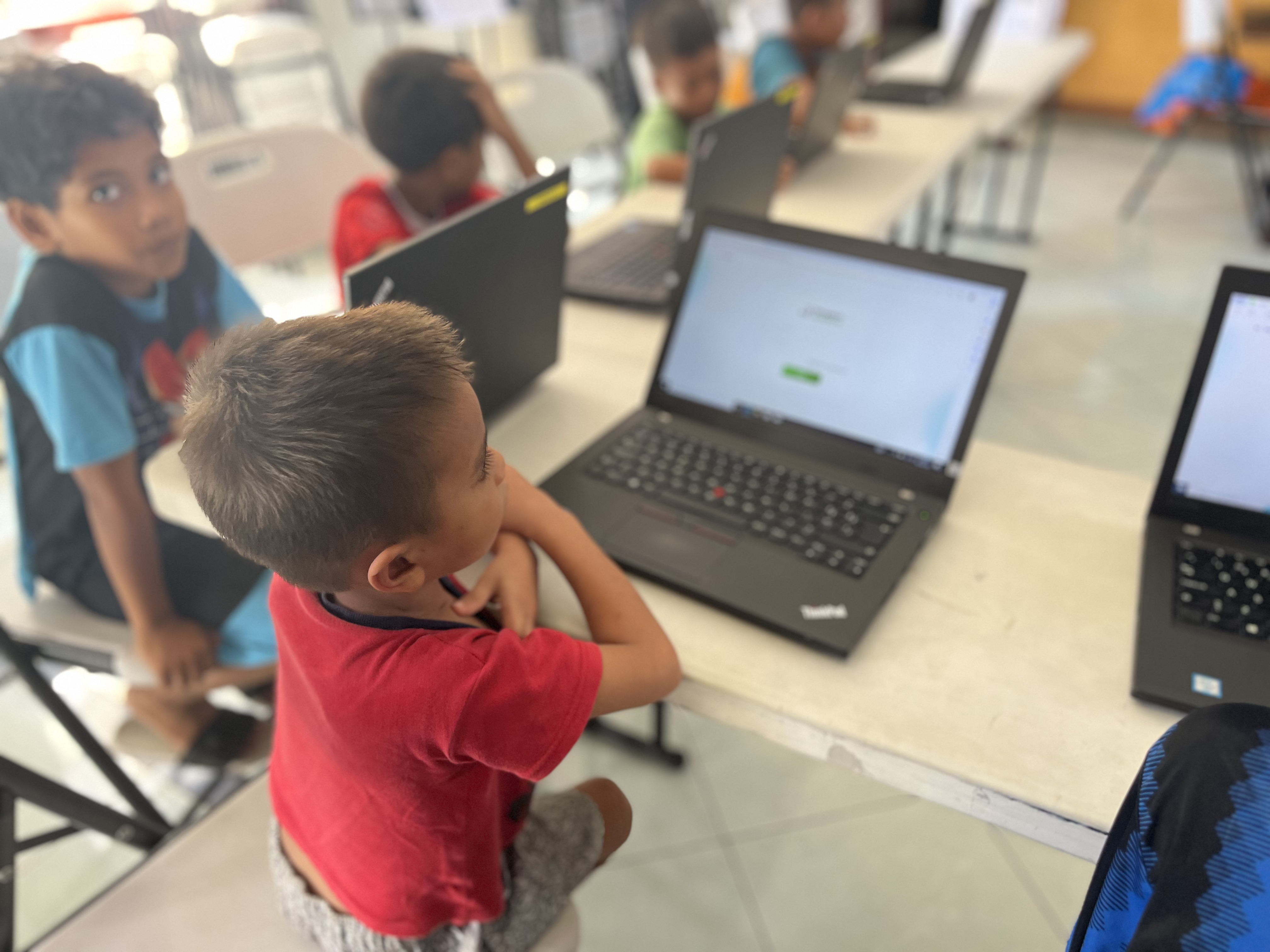
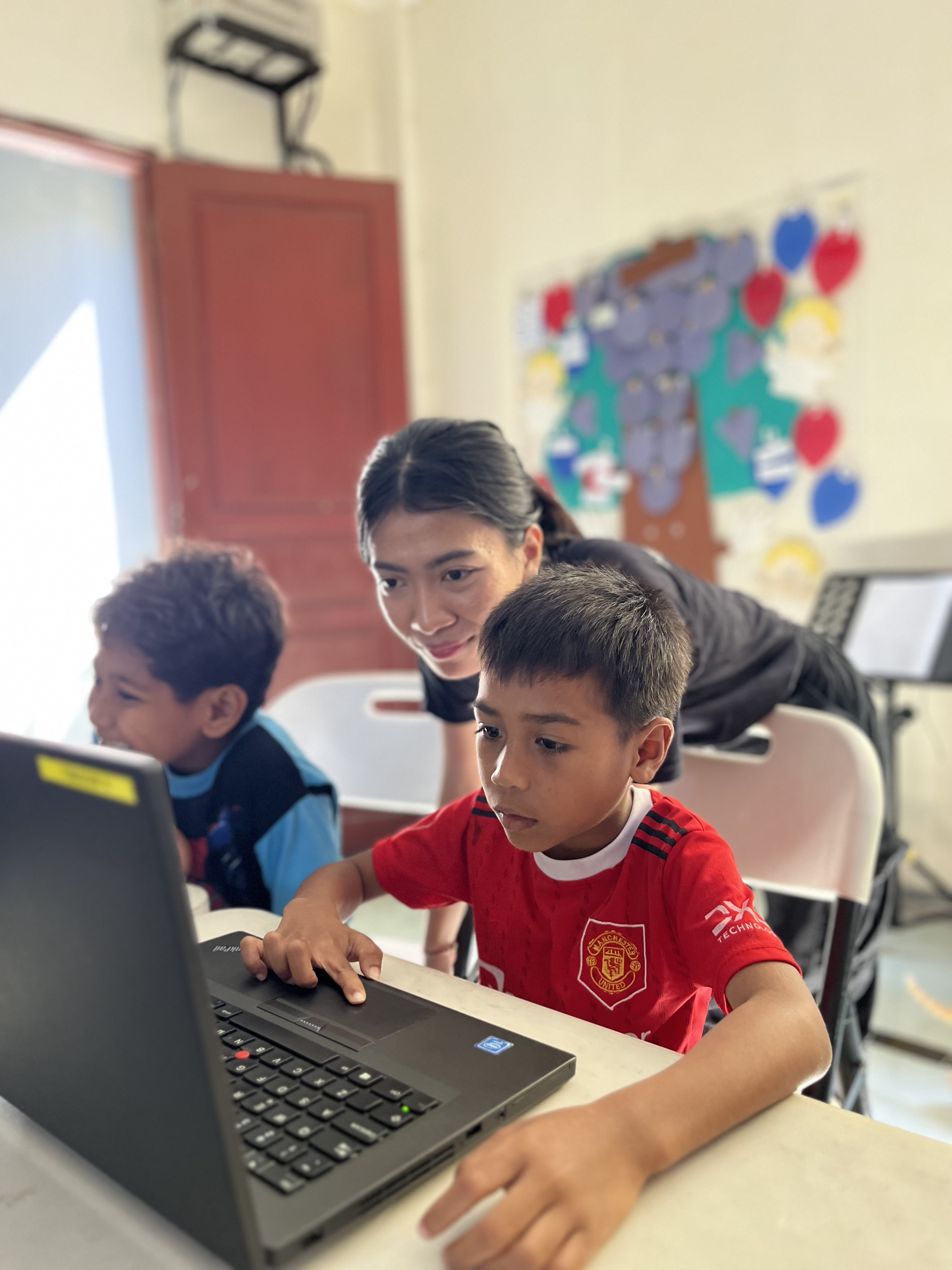
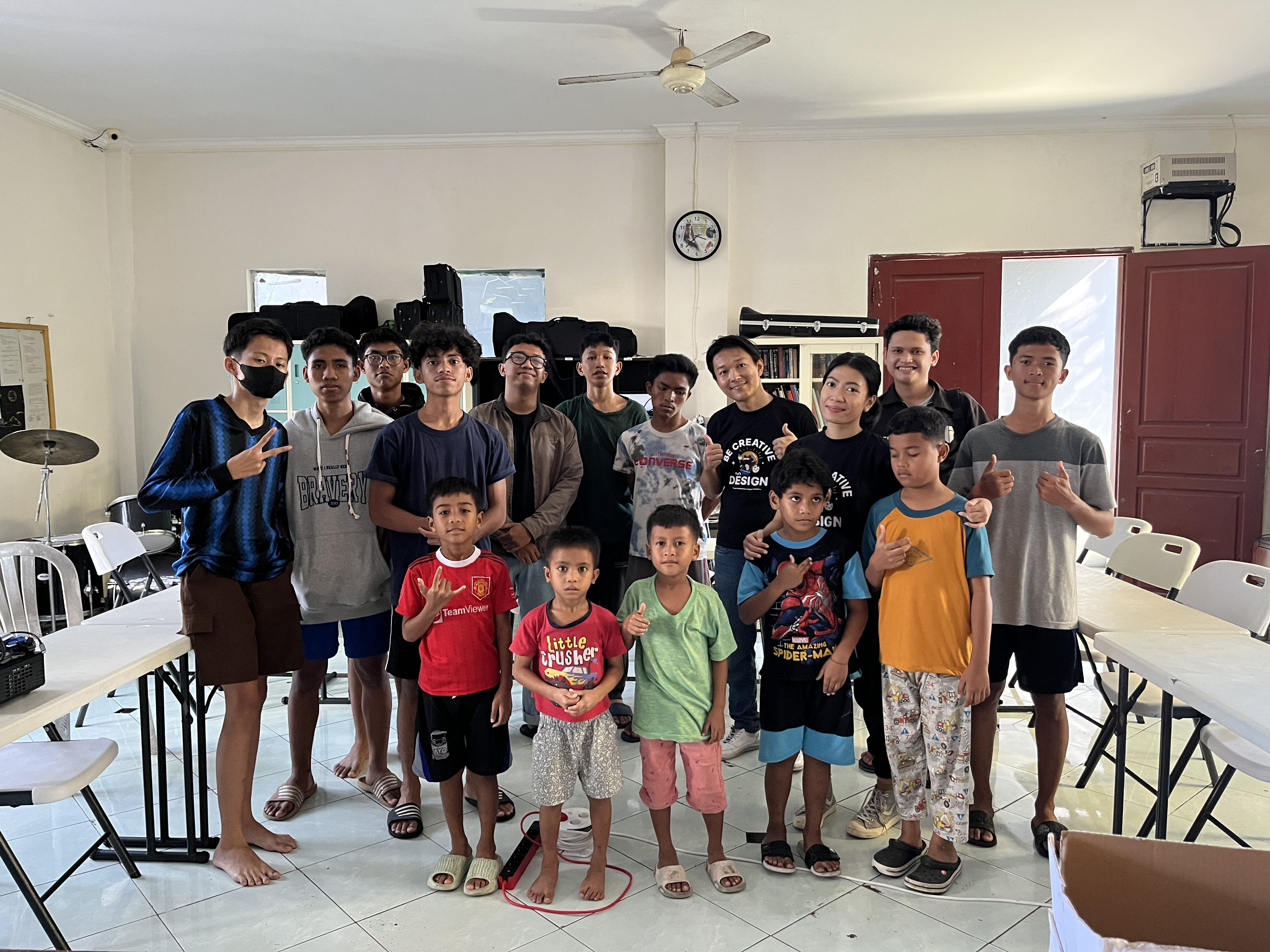
Timedoor Academy has proudly launched a free educational initiative dedicated to the children of the “Rumah Impian” orphanage. As part of our commitment to fostering skill development in underserved communities, we are offering comprehensive coding classes at no cost. Additionally, to facilitate this learning, we are providing them with computers. This endeavor aims to equip these children with valuable digital skills, paving the way for broader job opportunities in their future.


Background

Children in orphanages don’t have parents and live a limited simple life. They often face limited money and opportunities. Upon completing their high schooling, they might encounter challenges in securing rewarding employment due to a lack of specialized skills, knowledge, and educational background.


Message from CEO

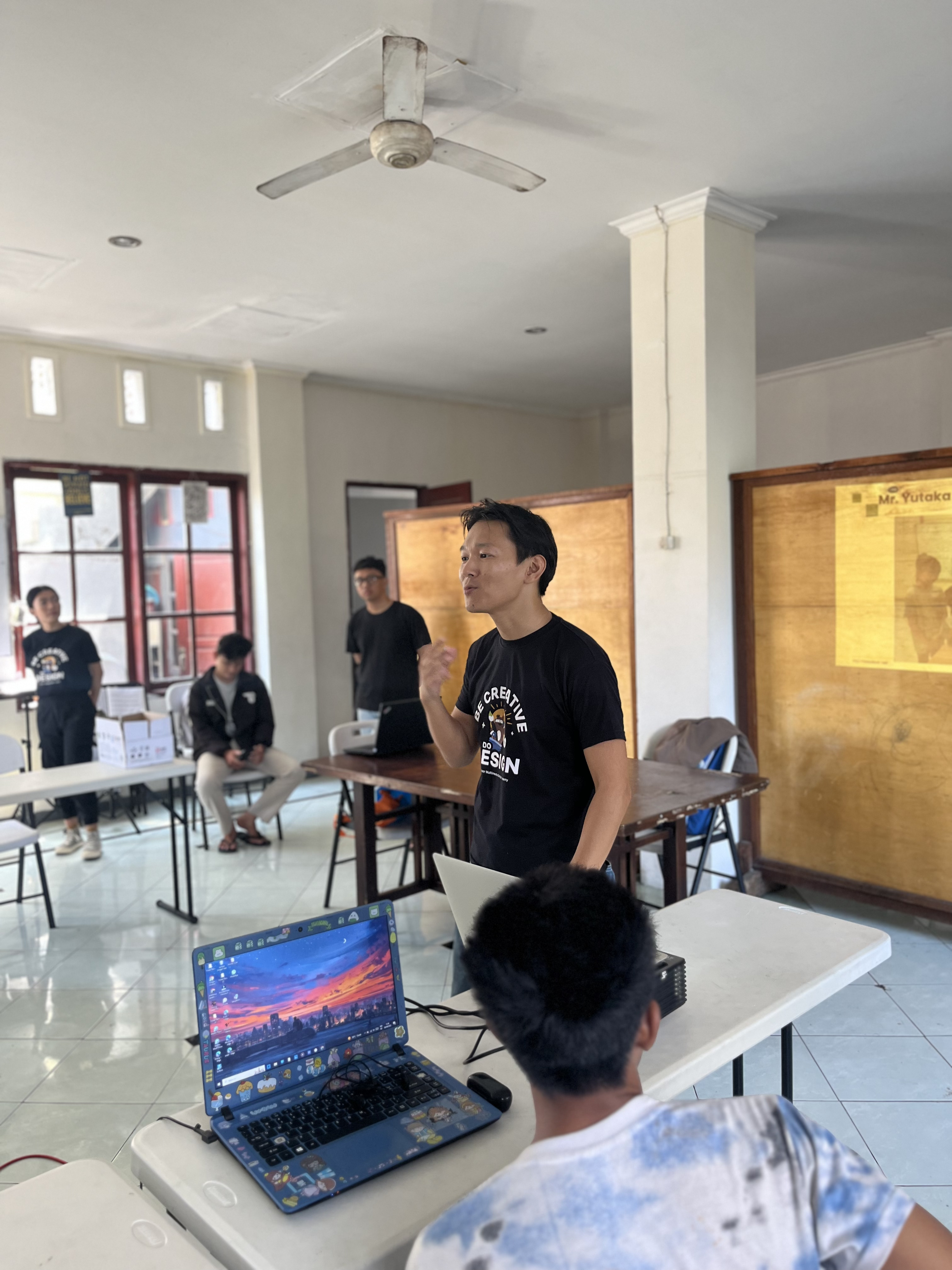
Our CEO, Yutaka, emphasizes the significance of coding in today’s world. He mentions, “Coding is everywhere in your game, mobile app, etc. it’s a tool for innovation and creativity.” Yutaka envisions these children not just as users of digital platforms but as creators, shaping their own destinies. He believes this skill will help them get better jobs in the future.


What We Teach

Children and teenagers, ranging from 6 to 19 years, are all welcome in our program. We have tailored coding lessons suitable for each age bracket. The younger ones might begin with foundational coding concepts through engaging game activities, while the older participants delve into more advanced tasks like text coding game development. The enthusiasm and rapid progress of these students have been truly inspiring.


What’s Next?

Our dedication to this cause doesn’t end with a few lessons. We intend to consistently teach and mentor these children on a weekly basis. By instilling coding knowledge now, we are optimistic about expanding their future employment prospects.

Through this initiative, Timedoor Academy aims to empower these children, ensuring they have the skills and confidence to navigate the digital future ahead.


This is part of our CSR Project “Tech for Leap”. If you are interested in supporting our project, please kindly contact us.

Tech for Leap – Charity Coding Project for Unprivileged Children

Keep Reading

Indonesia’s Golden Generation
National Children’s Day and the Dream of Indonesia’s Golden Generation
Every year on July 23rd, Indonesia celebrates National Children’s Day, a reminder of our responsibility to nurture, protect, and empower the nation’s children. While this day is filled with joy and celebration, it also serves a deeper purpose: to reflect on the kind of future we want to build. That future begins today, with the steps we take to raise what we hope will become Indonesia Golden Generation. The term Indonesia Golden Generation refers to the generation of children who are expected to lead the nation by the year 2045, as Indonesia marks its centennial of independence. This vision is not just aspirational. It is a long-term national goal that requires thoughtful, coordinated action—starting with how we raise and educate children today. Why National Children’s Day Matters National Children’s Day is more than just a date on the calendar. It’s a national call to ensure children are growing up in a safe, inclusive, and empowering environment. It reminds us to examine whether every child in the country has access to quality education, supportive family environments, and the resources needed to thrive in a fast-changing world. Creating Indonesia Golden Generation is not the sole responsibility of the government. It requires shared commitment from families, educators, communities, and the private sector. Collaboration across these sectors is essential to providing meaningful learning experiences that will shape the values, character, and abilities of tomorrow’s leaders. The Characteristics of Indonesia Golden Generation To prepare today’s children for leadership in 2045, we must understand the traits that define Indonesia’s Golden Generation: Strong Character Children must be raised with values such as honesty, responsibility, empathy, and respect. Tech-Savvy and Globally Minded They need to understand digital tools and how to interact with the world critically and ethically. Collaborative and Adaptive Skills like teamwork, open communication, and problem-solving will be essential in every aspect of life. Leadership and Initiative Children should be encouraged to make decisions, take responsibility, and learn from mistakes with confidence. All of these characteristics begin with early education and life experiences. A nurturing environment filled with curiosity, exploration, and guidance helps lay the foundation for Indonesia Golden Generation. The Role of Parents and Education Parents play the most influential role in a child’s development. A loving home where children feel heard and supported is the starting point. But schools and educators must also serve as true partners, not just in academic development but also in teaching life values. Modern education must be more flexible and future-oriented than ever before. Memorization alone is no longer enough. Children must be taught to think, analyze, innovate, and apply their learning to real-world challenges. This is how we prepare them to become part of Indonesia Golden Generation. Introducing Technology Early, Wisely In the digital age, technology is not a luxury. It’s a necessity. Children should not only learn how to use technology, but also how to create with it. Teaching coding, digital art, and even AI basics early on helps them become not just consumers, but contributors to the digital world. This approach supports the broader vision of Indonesia Golden Generation, where children are empowered to build and lead in a world that demands both technical skills and strong ethics. From Celebration to Action National Children’s Day should inspire more than decorations and ceremonies. It should drive real efforts to improve how we support and prepare our children. This includes better education systems, inclusive programs, and access to tools that promote digital literacy and critical thinking. Raising Indonesia Golden Generation is not an overnight project. It is a journey that must begin today. Every act whether reading a book together, teaching a new skill, or simply spending quality time contributes to that long-term goal. Try a Free Coding Class at Timedoor Academy National Children’s Day is a celebration of hope and possibility. It invites us to see children not only as the future, but also as the foundation of what Indonesia can become. With love, care, and the right kind of education, we are shaping the future Indonesia Golden Generation deserves. At Timedoor Academy, we believe in preparing children for a future filled with both opportunities and challenges. Through digital education programs that focus on both skills and values, we’re helping to build strong, capable young people who are ready to thrive. Sign your child up for a free trial class today at Timedoor Academy and take a meaningful step toward building Indonesia Golden Generation starting right at home.
bahasa pemrograman terbaik untuk anak
7 Top Programming Languages for Kids: A Comprehensive Guide for Young Learners
In today’s tech-driven world, learning how to code is an essential skill, especially for young learners. The best programming languages for kids help introduce coding concepts in an engaging and accessible way. When choosing the best programming languages for kids, it’s important to focus on languages that are easy to understand, fun to learn, and open up opportunities for creative projects. In this guide, we will explore some of the best programming languages for kids and why they are excellent choices for young learners eager to start coding. Why Should Kids Learn Programming? Programming isn’t just about learning to code; it’s about developing problem-solving skills, creativity, and logical thinking. The best programming languages for kids teach children how to think critically and break down problems into smaller, manageable tasks. Additionally, coding offers children the opportunity to build their own games, websites, and apps, providing a sense of accomplishment as they bring their ideas to life. Let’s look at some of the best programming languages for kids that can help them begin their coding journey. 1. Scratch Scratch is often considered one of the best programming languages for kids due to its visual interface and simple drag-and-drop functionality. It allows children to create animations, games, and interactive stories without needing to write any complex code. Scratch introduces children to programming logic, such as loops, conditionals, and variables, while keeping things fun and creative. The best programming languages for kids should focus on visual learning, and Scratch is a perfect example. It’s an excellent stepping stone for kids who are new to coding and want to explore the basics of programming in an interactive and playful way. 2. Python Python is one of the best programming languages for kids because it has simple syntax and is very readable, making it easier for young learners to pick up. Python is used in many real-world applications, including web development, data analysis, and game design, which makes it a versatile language to learn. With its broad use in the tech industry, learning Python at a young age gives kids a valuable skill that they can build upon as they grow older. Among the best programming languages for kids, Python stands out for its flexibility and ease of use, allowing children to start building more complex projects as they advance in their coding journey. 3. JavaScript For kids interested in creating websites and online games, JavaScript is one of the best programming languages for kids. It’s the primary language used for adding interactivity to websites, and learning it will allow kids to create dynamic and engaging online experiences. JavaScript is a bit more advanced than Scratch or Python, but it’s still one of the best programming languages for kids because it’s in high demand and offers a hands-on way to build real-world applications. By learning JavaScript, kids gain the foundational knowledge needed to work in web development and understand how websites function, making it a great choice among the best programming languages for kids. 4. Swift Playgrounds Swift Playgrounds is a unique app that teaches children how to code in Swift, which is Apple’s programming language used to build iOS and macOS apps. As one of the best programming languages for kids, Swift is powerful yet accessible, allowing kids to learn coding while solving fun, interactive puzzles. Swift Playgrounds offers an exciting, game-like experience that keeps kids engaged while learning how to code. For kids interested in app development, Swift Playgrounds is one of the best programming languages for kids to learn, as it provides a hands-on way to create mobile apps for iPhones and iPads. 5. HTML/CSS HTML (HyperText Markup Language) and CSS (Cascading Style Sheets) are fundamental languages for web development, and they’re also some of the best programming languages for kids to learn. HTML is used to structure content on the web, while CSS is used to style that content and make it look visually appealing. By learning HTML and CSS, kids can start building their own websites from scratch, gaining a deeper understanding of how the internet works. As two of the best programming languages for kids, HTML and CSS provide kids with a solid foundation in web development that will be useful if they want to learn more advanced languages in the future. 6. Blockly Blockly is a visual programming language developed by Google that teaches programming concepts through a drag-and-drop interface. Blockly is an excellent choice among the best programming languages for kids because it allows kids to focus on logic and problem-solving without worrying about complex syntax. It’s perfect for young learners who want to understand the fundamentals of coding before transitioning to text-based programming languages. For a fun introduction to coding, Blockly is one of the best programming languages for kids, helping kids develop the skills needed to progress to more advanced languages like Python or JavaScript. 7. Roblox Studio Roblox Studio is one of the best programming languages for kids who are passionate about gaming. It uses Lua, a scripting language that’s easy to learn and widely used in game development. With Roblox Studio, kids can create their own games, design interactive environments, and even monetize their creations. It’s an ideal platform for young learners interested in both coding and game design, making it one of the best programming languages for kids. Roblox Studio provides an engaging way for kids to learn programming while also fostering creativity, teamwork, and critical thinking. Kickstart Your Coding Journey with the Best Programming Languages for Kids Choosing the best programming languages for kids is an important step in setting them on the path to learning how to code. Whether they start with Scratch for simple game creation, move on to Python for general programming, or dive into JavaScript for web development, there are plenty of options to explore. Each of the best programming languages for kids offers unique learning opportunities and allows kids to create exciting projects while developing essential problem-solving skills. At Timedoor Academy, we offer coding courses designed specifically for kids, teaching them the best programming languages for kids in a fun and interactive way. Help your child discover the exciting world of coding by signing up for a free trial class at Timedoor Academy!
<strong>7 Top Facts About the Danger of YouTube Shorts for Kids in 2025</strong>
7 Top Facts About the Danger of YouTube Shorts for Kids in 2025
In today’s digital age, YouTube is no longer just an entertainment platform for adults. It has become part of many children’s daily routines. One of the most popular features among kids today is YouTube Shorts — short-form videos lasting between 15 to 60 seconds that auto-play in endless succession. While this feature may seem fun and harmless, parents should be aware of the growing danger of YouTube Shorts for kids. YouTube Shorts are designed to keep users engaged for as long as possible. They are particularly captivating to children, who are naturally drawn to fast, colorful, and funny content. However, beneath the surface of quick entertainment lies a range of hidden risks that could seriously affect a child’s mental, emotional, and social development. Here are seven critical facts that explain the danger of YouTube Shorts for kids, and why it’s important for parents to take action early. 1. Instant Content Builds Impatience in Children One major danger of YouTube Shorts for kids is the way it encourages instant gratification. Since the content is so short and constantly changing, kids become less capable of sustaining attention or focus. They are trained to expect quick entertainment without needing to think deeply. Over time, this can harm their concentration and patience when learning or completing tasks. 2. Algorithm Traps Kids in an Endless Loop YouTube Shorts uses an algorithm that adjusts content based on user preferences. If a child watches a funny or exciting video, the system will keep serving similar clips. This creates a cycle that’s hard to break. Without realizing it, the danger of YouTube Shorts for kids increases as they spend hours watching, neglecting social interaction or physical activities that are crucial for healthy growth. 3. Age-Inappropriate Content Slips Through While YouTube offers parental controls, they are far from foolproof. Many kids are still exposed to content that isn’t age-appropriate — from foul language and violence to questionable values. This is a serious danger of YouTube Shorts for kids that many parents overlook. Kids may start mimicking language or behaviors they don’t fully understand or know how to handle. 4. Decline in Imagination and Creativity Excessive exposure to passive visual content can weaken a child’s imagination. Instead of creating their own stories or games, they become consumers rather than creators. One long-term danger of YouTube Shorts for kids is the potential drop in creativity and problem-solving skills, both of which are essential in today’s evolving world. 5. Disruption of Daily Routines Children who frequently watch YouTube Shorts often lose track of time. What starts as watching “just one video” turns into hours of screen time, disrupting sleep, meals, and study schedules. This danger of YouTube Shorts for kids can interfere with healthy routines and habits that should be formed at a young age. 6. Increased Anxiety and FOMO Even kids are now experiencing fear of missing out (FOMO). They feel pressured to keep up with trends so they can relate to their peers. This constant need to stay updated leads to anxiety and social stress. If left unchecked, the danger of YouTube Shorts for kids can turn into issues with self-esteem and dependency on social media for validation. 7. Reduced Interest in Learning and Physical Play When children prefer watching short videos over reading books, playing outdoors, or spending time with family, it’s a red flag. They may lose interest in vital developmental activities. The danger of YouTube Shorts for kids here lies in reduced motivation to learn and a lack of physical exercise, both of which are essential for their overall health and development. What Can Parents Do About It? The first step is recognizing that banning technology altogether is not a realistic solution. Instead, children should be taught how to use it responsibly. Open communication, empathetic guidance, and clear boundaries are key to managing their digital habits. One effective approach is to redirect their attention to more productive digital activities, like learning to code. Coding helps children shift from passive consumption to active creation. It boosts their confidence, strengthens their focus, and opens doors to a bright future. Try a Free Coding Class at Timedoor Academy To counter the danger of YouTube Shorts for kids, Timedoor Academy offers specially designed coding classes that are fun, visual, and age-appropriate. Children are guided to create games, animations, and digital projects that build both creativity and logic. You can sign up for a free coding class at Timedoor Academy as a great first step. With an engaging, project-based curriculum and the support of professional mentors, your child can transition from passive viewer to empowered creator. Help your child grow into a tech-savvy learner with healthy digital habits today.
float button