Sep 26, 2024

How to Keep Children Safe Online? – Internet Usage Guideline

How to Keep Children Safe Online? – Internet Usage Guideline image

Have you ever been concerned about your child’s safety online? and how to keep children safe online.

In today’s age, children are growing up with unprecedented access to the internet and various online platforms. Just like other people, children are getting more comfortable and used to doing things through the internet. 

While this internet connectivity offers incredible opportunities for learning and social interaction, the digital world can be a maze of challenges for an individual who lacks awareness of its potential dangers. From cyberbullying, inappropriate content, online predators, scammers, and many more. Thus, ensuring our children’s online safety has become a crucial aspect of modern parenting.

This guide aims to provide you with practical strategies and insights to help keep your child safe in the digital landscape, allowing them to enjoy the positives of the online world while minimizing potential dangers.

Keep Children Safe Online Guideline

Set Clear Boundaries and Rules

In the modern age, everyone can access the Internet including people with good and bad intentions. Establishing clear guidelines for internet use is fundamental to keeping your child safe online. These rules should be age-appropriate and evolve as your child grows and becomes more tech-savvy. The guidelines serve multiple purposes including providing a framework for healthy internet habits and content consumption.

Ethical Online Behavior 

Teaching your child about ethical online behavior is essential for digital citizenship. The main highlight is the need to teach them to be a responsible user. As parents, we need to help them either in real life or online where children also need to be respectful, supportive, and kind because this will maintain or create a positive habit user.

Appropriate Use

Every website and application has its own set of rules that users must follow, typically two types including Privacy Policy and Terms and Conditions (T&Cs). These are like house rules for each online platform. It is crucial for children and adults to be aware of these guidelines before using any online services.

One of these is age restrictions because many platforms for users with the purpose of protecting children from content not suitable for their age group. This is also to ensure compliance with data protection laws for minors and safeguard children from potential online risks. Also, ensure age-appropriate experiences and maintain the intended purpose of the platform. These rules also serve as behavioral guidelines to outline expected user conduct on the platform. It aims to maintain a safe and positive environment for all users. 

The consequence of violating the rules can lead to warnings, temporary restrictions, or even permanent bans. However, it is crucial to understand the rules for personal safety, digital citizenship, and legal compliance. Thus, it is important for both children and parents to be aware of the app’s policies that are being used by the children to protect them from exposure to inappropriate content or dangerous situations.

Read Our Other Articles:

Can Screen Time be Educational Learning for Kids? Coding Course Could Be The Answer

Freelance or Agency? Cost or Quality? Check Pros and Cons Before Ordering Website Development

Educate About Online Risks and Safety

Unfortunately, the digital landscape can be a complex and sometimes dangerous territory, especially for young people with a higher chance of being inexperienced users. The widespread function of the internet comes with numerous and ever-evolving threats. This is where education about online risks and safety becomes crucial. By equipping children, teenagers, and even adults with the knowledge of digital can ensure that everyone can reap the benefits of the internet while minimizing its potential harms. It is also to empower them with the tools that they need to make informed decisions, protect themselves, and contribute positively to the online community. \

The Permanence of Online Actions

Unlike spoken words that fade away, or physical documents that can be destroyed, digital information can persist indefinitely. It is called a digital footprint which refers to the trail of data that the user created while using the internet. Several footprints including posts, comments, photos, browsing history, and even IP addresses. 

Children need to know the basic concept of the internet, where any information that is online can be copied, accessed, and stored on multiple servers. It means truly erasing online information is challenging even information posted years ago could resurface. This digital footprint is easily accessible data to anyone and might be used maliciously in the future. Thus, it could affect their online safety and future well-being.

Responsible Information Sharing

The Internet was created to share information. However, with the ease of sharing information nowadays comes the responsibility to share information wisely and ethically. Responsible information sharing involves understanding the potential impacts of what we share, respecting others’ privacy, and contributing positively to the online community. 

Children already need to know how to be cautious about sharing personally identifiable information, location data, sensitive personal information, and even other people’s information. Encourage them to always have discussions with parents or reliable family members before sharing those types of information either online or in real life. It can be done by making children mindful of what to share, which can enhance safer online usage. 

Use Parental Controls or Monitoring Tools

parental guidance, internet usage guide for children, family spending time together

While setting clear boundaries, education about online risks, and promoting responsible behavior are essential strategies, sometimes additional measures are necessary to protect our children from potential online dangers. Having an extra layer of protection and oversight to ensure the safety of children online is also crucial. 

Safe Search Settings 

Safe search settings are features or tools that are filters designed to block potentially harmful material from search results. When being turned on, it can ensure that explicit, violent, and inappropriate content is not displayed on the page. They are particularly useful for preventing accidental exposure to mature content. 

These settings can be found in several search engines such as Google, Bing, and YouTube, including other platforms that can hide sensitive content like Instagram, X, Facebook, and others. When children search for information or images, safe search features ensure that the displayed results are also suitable for their age group while also reducing the risk of exposure to disturbing content. Other than that, there are also third-party applications other than built-in settings that allow parents to monitor online activity. 

Screen Time Management

Through this method, parents need to control the amount of time their children can spend interacting with screens including smartphones, tablets, and computers. Excessive screen time can have detrimental effects on children’s physical, mental, and emotional well-being. They can disrupt sleep quality, limit social interaction, and health problems like obesity and eye strain. 

Fortunately, several devices offer features that allow parents to set daily limits for app or device usage and usually this feature is attributed to activity reports that can be used to track usage patterns. Examples of these are Apple’s screen time, Google’s family link, and Microsoft’s family safety. These screen time management tools help balance a child’s online and offline activities with the hope of promoting healthier digital habit activities.

Introduce Them to Educational and Creative Online Spaces

Keep children safe online, safe online environment for children

After all, the internet offers a wealth of opportunities for children to learn, create, and grow and that is the reason it needed to introduce children to educational and creative online spaces. Parents can harness the power of technology for positive development while simultaneously promoting safer internet usage. 

Educational and Creative online spaces can provide children with access to a vast array of knowledge and skills, often in engaging and interactive formats. These spaces can supplement traditional education, introduce children to a more relevant modern environment, and foster adaptability.

Coding and Technology Skills

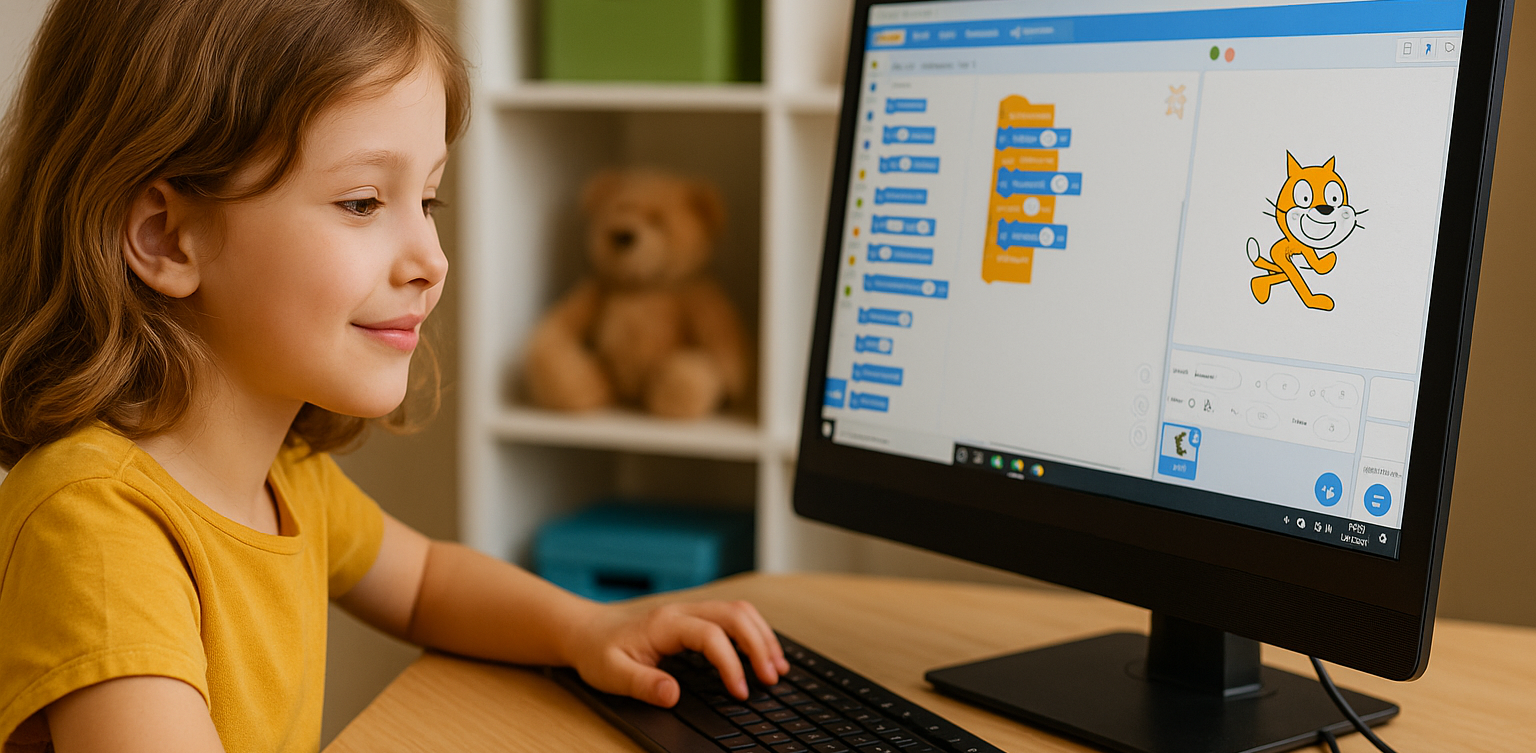
One particularly valuable area for children to be more aware of internet safety is through educational material about technology skills and coding. In our increasingly digital world, these skills are becoming as important as reading and writing, coding is the modern language, and useful skills in the future.

Benefits of Coding for Children

  • Problem-Solving Skills, there will always be mistakes that make errors in the journey of coding and it teaches children how to break down complex problems into smaller and manageable parts. 
  • Thinking Logically, the errors in their code are needed to be found and solved. When children have seen the code result and there are errors, they need to think logically and systematically about what made the errors, where is the mistake code, and how to solve it.
  • Creativity, coding can also allow children to think creatively and bring those ideas to life through coding. Examples would be making animation, designing the web, or even creating artificial intelligence, where coding skills are needed.
  • Future Career Preparation, technology skills like coding are in high demand across various industries because of the digital transformation that is ongoing and it will always be needed in the future modern era.

Guide Children

Timedoor Academy

Imagine a place where your young minds flourish, where curiosity is nurtured, and where the digital landscape becomes a safe playground for learning. Embark your child on a transformative journey with Timedoor Academy, where we’re revolutionizing the way children interact with technology. In today’s digital landscape, it’s crucial to introduce young minds to educational and creative online spaces that nurture growth and foster innovation. We’ve crafted an environment that harnesses the internet’s vast potential to create a safe, engaging, and enriching experience for your child. At Timedoor, we understand that the future speaks the language of code, and we’re here to ensure your child is fluent in it.

Join our free trial class and witness your child’s thrill with future technology innovation.

Check out Timedoor Academy‘s site for further information.

Keep Reading

5 Top Recommended Children Books for Kids Ages 5–10
Choosing recommended children books for kids ages 5–10 is a wonderful way to nurture their love for reading and support their personal growth. Reading does much more than entertain. It helps develop imagination, empathy, curiosity, and problem-solving skills. In this digital age, making recommended children books a regular part of your child’s life can have a lasting positive impact on their development. Of course, not every book will fit every child’s needs. Parents should look for stories with clear, engaging language, relatable themes, and illustrations that spark interest. With so many options available, it can be tough to choose the right titles. Below are five recommended children books that have earned worldwide popularity and are ideal for children ages 5 to 10. These selections are both enjoyable and educational, making them excellent companions for your child’s reading journey. 1. “The Tale of Peter Rabbit” by Beatrix Potter A true classic among recommended children books, “The Tale of Peter Rabbit” has been loved by generations. The story follows the adventures of Peter Rabbit, a curious and mischievous bunny who gets into trouble in Mr. McGregor’s garden. Children are gently introduced to important lessons about listening, making choices, and facing the consequences of their actions. The charming watercolor illustrations and timeless story make this book a favorite for bedtime or early readers. 2. “Where the Wild Things Are” by Maurice Sendak Among the most imaginative and beloved recommended children books is “Where the Wild Things Are.” It tells the story of Max, a spirited boy whose adventure with wild creatures leads him to discover the comfort of home and the power of imagination. The expressive illustrations and creative storyline help children process their feelings and encourage them to dream big. This book is perfect for sparking conversations about emotions and the magic of storytelling. 3. “Charlotte’s Web” by E.B. White “Charlotte’s Web” is an essential pick for families searching for recommended children books with depth and heart. This classic novel tells the touching tale of Wilbur, a pig, and Charlotte, a wise and caring spider who devises a clever plan to save her friend. The themes of friendship, loyalty, and the natural cycles of life are explored in gentle, thoughtful ways. Reading this book together provides parents and children with opportunities to discuss empathy, kindness, and courage. 4. The “Magic Tree House” Series by Mary Pope Osborne If you’re looking for recommended children books that blend adventure and learning, the “Magic Tree House” series is an excellent choice. Jack and Annie, the main characters, travel through time and around the world, exploring history, science, and culture. Each book presents a new topic, from ancient Egypt to dinosaurs, in a format that is accessible and engaging for young readers. Short chapters and lively illustrations make these books ideal for independent reading or reading aloud together. 5. “The Day the Crayons Quit” by Drew Daywalt & Oliver Jeffers A creative modern addition to the list of recommended children books is “The Day the Crayons Quit.” Through witty letters written by a box of crayons to their owner, this book encourages kids to appreciate different perspectives and to think outside the box. The humor, clever illustrations, and unique characters inspire creativity and understanding. This story is both fun and thought-provoking, perfect for children with active imaginations. Tips to Grow a Reading Habit in Children Ages 5–10 To make the most of these recommended children books, parents can use a few simple strategies: Set aside a daily reading time, such as before bed or after dinner. Allow your child to pick out books that match their interests, even if it means rereading favorites. Visit libraries or bookstores together and make reading an exciting shared activity. Talk about the stories you read and ask questions to encourage discussion and deeper thinking. Keep reading enjoyable and pressure-free, creating positive memories around books. With encouragement and the right approach, your child can become a confident reader who loves to discover new worlds and ideas. Connecting Reading and Digital Skills In addition to introducing recommended children books, parents should also help their children develop important digital skills like coding and logical thinking. A balanced approach to literacy and technology will prepare children for a future full of opportunities. Reading helps grow imagination and comprehension, while coding develops critical thinking and problem-solving abilities. If you want your child to gain both literacy and digital skills, consider enrolling them in a free trial coding class at Timedoor Academy. With engaging, age-appropriate lessons, your child can enjoy learning about technology while still developing a passion for books. Visit Timedoor Academy’s website to find out more about this fun and valuable learning experience.
<strong>5 Effective Strategies on How to Improve Children’s Focus</strong>
5 Effective Strategies on How to Improve Children’s Focus
The ability to focus is one of the most important foundations of a child’s learning process. Children with good concentration skills tend to absorb information better, complete tasks more efficiently, and perform well both at school and in daily life. However, improving focus is not something that happens overnight. It requires strategy, patience, and consistency from parents. That’s why it’s essential to understand how to improve children's focus from an early age. Not all children are naturally focused. Some are more easily distracted, especially by noisy environments or digital devices. But with the right approach, children can gradually build their ability to concentrate. 1. Build a Consistent Daily Routine The first step in understanding how to improve children's focus is by creating a structured daily routine. A predictable schedule helps children know what to expect throughout the day. Setting consistent times for learning, playing, eating, and sleeping helps their minds prepare for each activity, reducing distractions and enhancing focus. Routines also give children a sense of safety and stability. This sense of order supports their ability to concentrate because their brains are not constantly adjusting to unpredictable changes. 2. Limit Digital Distractions Excessive screen time is one of the biggest obstacles to concentration. A practical tip on how to improve children's focus is by limiting access to gadgets like tablets, smartphones, or television, especially during study or family interaction time. Encourage children to engage in physical or creative activities like drawing, building puzzles, or reading. These types of play stimulate the brain and teach children to complete tasks without being distracted by fast-paced digital entertainment. 3. Introduce Mindfulness Activities Mindfulness isn't just for adults. There are now many child-friendly mindfulness techniques that support how to improve children's focus. These exercises include deep breathing, listening to natural sounds, or observing objects closely to help kids become more aware of the present moment. For example, ask your child to sit quietly and listen to the sound of rain or birds for one full minute. It may seem simple, but it can help strengthen their attention span over time. 4. Use Focus-Enhancing Games Games can be a fun and effective way to teach concentration. Puzzle-solving, matching games, memory cards, or board games like chess and snakes and ladders are excellent tools for building attention skills. These games teach kids to stay on one task, follow rules, and think ahead. Integrating these activities into your child’s routine is a proven method on how to improve children's focus while keeping it enjoyable. 5. Start with Simple, Age-Appropriate Tasks Small, manageable tasks help train a child’s ability to focus. Whether it’s tidying up their toys, watering plants, or helping set the table, these tasks are a great way to build responsibility and concentration. When exploring how to improve children's focus, assigning simple chores can go a long way. It teaches kids to stick with one task until it’s done. Celebrate their success with specific praise, like “You finished the puzzle all by yourself. That’s awesome!” to boost their motivation. Challenges in Building Focus It’s normal for young children to have short attention spans. That’s why parents must be patient and avoid comparing their children to others. Each child has a different rhythm when it comes to learning and focusing. If focus issues continue over a long period, consider consulting a child psychologist for further insights. However, most children benefit significantly from consistent routines and structured guidance at home. Final Thoughts: Focus Can Be Learned Improving focus is not a talent that children are born with, but a skill that can be developed. It benefits not just their academic performance but also their emotional regulation, problem-solving, and ability to work independently. Understanding how to improve children's focus allows parents to guide their kids toward a stronger mental foundation for the future. As a complement to focus training, coding classes can be a great tool. At Timedoor Academy, children can explore technology in an engaging and structured environment. Coding requires logic, patience, and attention, making it a powerful way to enhance your child's concentration. Try a free coding class today and unlock your child’s potential in the digital age.
How Much Do Coders Make Per Hour? A Guide for Parents Raising Digital-Ready Kids in 2025
In a world increasingly shaped by digital technology, many parents are exploring the idea of preparing their children for tech-oriented careers. One profession that consistently ranks high in both opportunity and income potential is coding. But the real question for many is this: how much do coders make per hour? And more importantly, is learning to code truly a worthwhile investment in a child’s future? Why Coding for Kids Is Gaining Popularity Today, coding is not just for software engineers or tech professionals. It is becoming a foundational skill much like reading or math. Through coding, children learn how to think logically, solve problems creatively, and build confidence in their own ideas. As a result, coding for kids has become a fast-growing trend in modern education. Parents are enrolling their children in fun and interactive programs that teach how technology works and how to create digital solutions, not just consume them. Even if a child does not end up becoming a coder, learning to code can strengthen cognitive and soft skills that are transferable to many future careers. Kids coding classes provide a safe, structured way to develop those skills early. So, How Much Do Coders Make Per Hour? The answer to how much do coders make per hour depends on several factors, including geography, experience, and specialization. Below is an approximate breakdown of how much coders make per hour in different markets: United States: USD 35 to 75 per hour Western Europe: EUR 25 to 60 per hour Global remote freelancers: USD 10 to 50 per hour depending on skill level and reputation High-skill niches such as AI or cybersecurity: USD 70 or more per hour In general, coders with advanced technical skills or niche expertise like machine learning or blockchain earn significantly higher hourly rates. This makes understanding how much do coders make per hour important not only for career planning, but also for setting realistic expectations. How Freelance and Full-Time Coder Salaries Compare Freelancers usually charge per hour or per project, and their income can vary from month to month. On the other hand, full-time coders are typically paid monthly or annually, with benefits such as health insurance, paid leave, and ongoing training. Globally, many entry-level full-time coders earn around USD 2,500 to 4,000 per month depending on the country and company. Senior-level coders or tech leads, especially in major cities or remote-first companies, can earn significantly more. Whether freelance or full-time, understanding how much do coders make per hour helps parents evaluate the earning potential of this profession in both local and global markets. How Parents Can Support Their Child’s Interest in Technology If your child shows interest in technology, here are a few ways you can support their journey into coding: Start with fun, age-appropriate toolsUse beginner platforms like Scratch or Blockly that make coding feel like play. Many of these tools are specially designed for kids coding and require no prior experience. Follow your child’s pace and interestsLet curiosity lead. Some kids love creating games, others enjoy building animations or solving puzzles. Balance screen time with creativityEncourage your child to apply what they learn through small projects. This helps them see coding as a tool for creation, not just consumption. Join a community or online classCoding for kids becomes more enjoyable when children can learn together with peers. Look for clubs or live online classes tailored for children. Being involved as a supporter rather than a teacher helps keep your child motivated and confident. Is Coding a Guarantee of Future Success? Not always. But it is one of the most valuable skills a child can learn today. Coding teaches problem-solving, systems thinking, and resilience, which are important across almost all future jobs. So while how much do coders make per hour can be a strong motivator, the real value of coding is in preparing children to adapt and thrive in a tech-driven world. Introduce Your Child to the World of Technology with Timedoor If you want your child to explore digital skills in a fun and age-appropriate way, Timedoor Academy offers interactive online classes designed for children. Try a free trial coding class today and see how kids coding can become a meaningful part of your child’s learning journey.
float button