Aug 29, 2024

Can Screen Time be Educational Learning for Kids? Coding Course Could Be The Answer.

Can Screen Time be Educational Learning for Kids? Coding Course Could Be The Answer. image

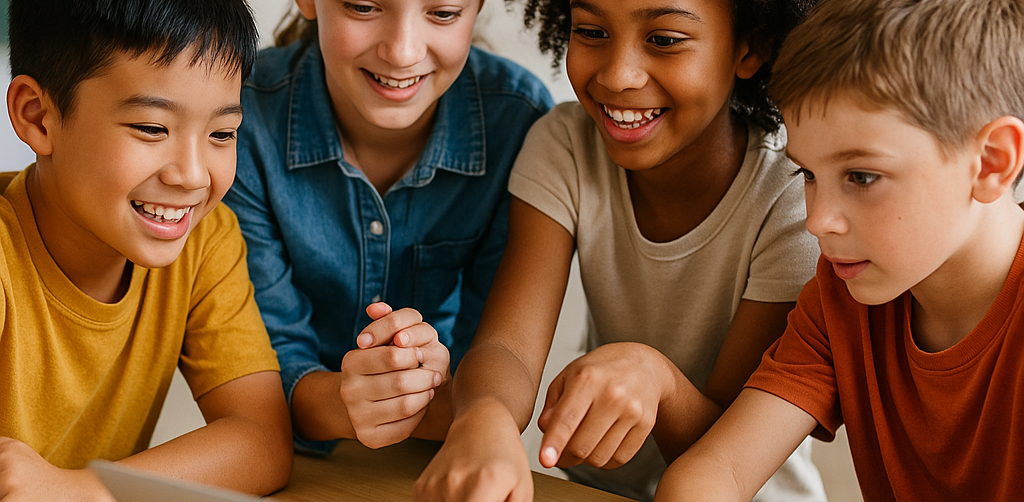
Allowing kids to have digital devices is important for several convenience reasons, but excessive or uncontrolled screen time can have negative impacts. Parents are getting confused about how to control it and whether they should take away the devices or try an innovative way and make screen time be educational learning for kids.


Understanding Screen Time

In general, screen time is a term used to describe the amount of time spent using and looking at electronic screens, such as mobile phones, tablets, laptops, or televisions. 

Current Concern about Screen Time

In recent years, digital devices have become an integral part of our daily lives of all ages, including even children. While these technologies offer educational and entertainment benefits, their widespread utilization has sparked both enthusiasm and concern. To better understand the impact of screen time, it’s crucial to differentiate between passive and active screen time.

Passive screen time typically involves spending on time-consuming content without significant interaction. An example would be like watching a TV show or a movie, where you mostly just sit and watch. On the other hand, active screen time requires more engagement. It requires kids to think and participate while using screens, such as playing educational games or creating digital art.

Parents generally don’t want their children to spend excessive time on screen, especially in a passive and unproductive way. While some passive screen time is not inherently harmful, too much can potentially hinder a child’s development. The rationale behind this is it does not necessarily engage a child’s mind as actively as other activities.


Screen Time be Educational

Learning in The Digital Age

As a result, involving children in interactive educational screen time content can allow them to develop digital literacy skills that are essential and can be useful in the future. Nowadays, many educational games and apps are designed to enhance skills that are valuable in both academic and real-world contexts. Early positive exposure to the digital world can be critically advantageous in preparing children for future careers in an increasingly technology-driven job market.

Coding Learning for Children

Among the various forms of active educational screen time, one area that has gained significant attention and importance in recent years is coding education for children. Coding skills have a rise in prominence due to the increasing digitalization of society. It is one of the ways to make screen time educational learnings for kids. 

Coding requires children’s constant engagement and active involvement to ensure their programs function correctly. If a program doesn’t run correctly, they must identify and fix the issue which needs a cycle of continuous learning and improvement. Besides, kids will gain a deeper understanding of how digital technologies work by learning to code, making them more informed and capable technology users. 

Thus, learning to code offers children a transformative way to engage with technology, turning the usual passive screen time into an active, creative, and intellectually stimulating experience. Another purpose is to shift them from being mere consumers of digital content to becoming active creators. With coding, screen time becomes an opportunity for growth and eventually, screen time be educational learning for kids.


Read Our Other Articles:

Benefits of Coding: How Can Children Overcome Challenges Through Coding?

Adaptive Theme in iOS native


Benefits of Coding as Educational Screen Time

screen time be educational

Throughout the process, kids will get used to having more productive and educational screen time and it could lead to an enhancement of kids’ skills that will benefit them both now and in the future. Continuous challenges arise on the coding projects creating a dynamic platform for acquiring new skills and thrilled to have a sense of accomplishment. 

Cognitive Development

Programming has a process that needs to be assessed carefully. A mistake in coding will affect the result directly and cause the code not to work appropriately. Coders are required to think and pay attention so that they can learn and point out where the mistake is located as well as how to solve it. They need to break down their written code so that the visual results are as expected. Hence, they are going to learn, think, and take action based on reasons.

Creativity

In coding, they learn to create and realize their expected imagination through code, empowering them to bring their ideas to life in the digital realm. By creating games, animations, or interactive stories, children engage in a hands-on learning experience that is only limited by their imagination. Moreover, they learn to translate abstract concepts into function code, developing problem-solving skills and logical thinking in the process. 


Preparation for Future Careers

In today’s rapidly evolving world, adaptability is crucial and this principle applies to a larger aspect. Nearly every industry is undergoing digital transformation nowadays, making digital literacy a fundamental requirement across various fields. The ability to understand digital technologies is no longer just an advantage skill but it become a fundamental requirement to staying relevant and competitive in the modern workplace.

Coding allows children to know more about the modern world and even gives them more opportunities to have a wider job market. Valuable skills gained from learning coding are transferable and applicable to other realms, which benefits various aspects of life and work. Hence, coding is a way to make screen time be educational learning for kids. Writing code can be presented as an interactive and productive activity, making educational screen time more appealing to kids.


Guide Children’s Growth in A Positive Education Context

Unleash your children’s capabilities and cultivate their analytical abilities through our innovative coding classes. Transform screen time be educational learning opportunities with Timedoor Academy, serving as your children’s entrance to the exciting technology realm. We provide coding courses to empower the next bright generation. At Timedoor, expert educators offer dynamic lessons that easily transform challenging concepts into entertaining experiences for children, making educational screen time not just beneficial but truly engaging.

Join our free trial class and witness your child’s thrill with future technology innovation.

Check out Timedoor Academy‘s site for further information.

Keep Reading

Sharpening Children’s Logic and Creativity Through AI Coding
In today’s digital era, every individual, including children, needs adequate digital skills. One increasingly essential skill is understanding and using artificial intelligence, or AI. Children are not only taught to use technology but also encouraged to think critically, creatively, and solve problems systematically. Learning AI for Children has become an effective educational approach to develop logic and creativity from an early age. Why Children Should Start Learning AI Early AI is no longer just a future technology. Many applications in daily life now rely on AI, from digital assistants to interactive games and educational apps. By introducing Learning AI for Children early, kids become familiar with programming concepts, logic, and data analysis. This early exposure helps them adapt to technological advancements while strengthening critical thinking and creative skills that are crucial for their future. Moreover, understanding AI nurtures children’s curiosity about technology. They begin to ask questions about how systems work, how data is processed, and how technology can solve everyday problems. Thus, Learning AI for Children is not only about technical mastery but also about developing an analytical mindset that supports both formal and informal learning. The Benefits of Learning AI for Children Here are several key benefits children gain when they start Learning AI for Children: Enhances logical thinking and problem-solving skillsUnderstanding algorithms and sequences teaches children to tackle problems systematically. They learn how to break complex challenges into smaller steps and solve them one by one, a skill that is invaluable both academically and in daily life. Boosts creativityChildren can create simple AI projects, such as chatbots, interactive games, or digital animations. By combining creativity with technology, they can produce unique and meaningful outcomes. Prepares them for future careersEarly AI knowledge equips children for potential careers in technology and science. It opens opportunities in game development, robotics, and advanced technological research. Learning through playGamified learning makes AI lessons enjoyable and interactive. Children who are already engaged in gaming or digital exploration will adapt more easily to AI learning in a playful and practical way. Fosters collaboration skillsChildren learn to work in teams on AI projects, improving communication and teamwork skills. They experience discussing ideas, providing feedback, and completing projects collectively. Builds self-confidenceCompleting AI projects instills a sense of accomplishment in children. They understand that failure is part of learning and that success comes through practice and understanding. Effective Approaches for Learning AI for Children To make Learning AI for Children effective, teaching methods should align with the child’s age and skill level. Timedoor Academy offers an interactive, practical, and fun curriculum. Professional tutors guide students step by step, starting from basic concepts to creating simple AI projects. This approach ensures that children not only understand theory but also apply their knowledge in real projects. Furthermore, a personalized learning approach allows tutors to adjust lessons according to each child’s interests. For example, children who enjoy games can learn to create simple AI games, while those interested in animation can develop interactive AI characters. This approach makes learning relevant to daily life and interests, keeping it both engaging and effective. Integrating Hobbies with AI Learning One effective way to motivate children is by connecting AI learning to their hobbies. Children who love gaming can explore how AI applies in game design, while those interested in animation can create interactive AI characters. This makes Learning AI for Children more meaningful and fun, encouraging children to stay engaged. Beyond technical skills, linking hobbies with AI nurtures creativity and critical thinking. Children learn that technology is not just a source of entertainment but also a tool for expression and creating something meaningful. Parents’ Role in Supporting AI Learning Parents play a crucial role in supporting Learning AI for Children. They can help by: Providing supervision and guidance while children work on projects Offering praise and encouragement when children complete tasks Creating a comfortable learning environment and supplying the necessary tools With full parental support, children gain confidence and motivation to explore the world of AI. Learning AI from an Early Age: Fun, Creative, and Essential for Your Child’s Future Mastering AI at an early age offers numerous advantages for children. Besides developing technical skills, it cultivates critical thinking, creativity, and problem-solving abilities. Learning AI for Children at Timedoor Academy delivers an interactive, practical, and enjoyable experience. With a structured curriculum and professional tutors, children can explore AI safely and effectively. If you want your child to start developing AI skills in a fun and interactive way, register them for a free trial at Timedoor Academy today. Here, children will learn AI creatively and practically, guided by professional tutors who understand the needs of modern learners.
How to Use Figma for Kids: A Fun and Simple Digital Design Guide
In today’s digital era, graphic design has become an increasingly essential skill, even for kids. Design is not just about drawing or creating illustrations. It also helps children develop creativity, visual logic, and systematic thinking. One of the most popular and beginner-friendly design tools to introduce early on is Figma. This article will guide you on how to use Figma for kids in a fun and easy-to-follow way. Figma is a web-based design platform widely used by UI/UX professionals and graphic designers. But because of its intuitive interface and real-time collaboration features, Figma can also be a great learning tool for children, especially those curious about digital design, posters, invitations, app layouts, or even simple games. Why Kids Should Learn Digital Design Digital design is not only about aesthetics, but also about communication. Kids who learn design early tend to express ideas visually, organize information clearly, and feel more confident experimenting with their creativity. Design skills also open doors to other fields like illustration, app development, animation, and branding. By learning how to use Figma for kids, the design process becomes more engaging. They can instantly try, rearrange, and explore design elements without needing to install any additional software. What to Prepare Before Using Figma Before your child starts designing, here are some things to set up: Figma account: Create a free account at figma.com. Use a parent’s email and assist during setup. Device: A laptop or desktop with a stable internet connection works best. Simple design theme: Start with fun, easy projects like a birthday card or character illustration. Benefits of Using Figma for Kids Here are some of the main benefits of using Figma as a learning tool for kids: Enhances creativity and visual aesthetics Builds logical thinking through layout structure Boosts confidence through hands-on creation Encourages teamwork and collaboration in online settings Step-by-Step Guide: How to Use Figma for Kids Below are specific steps on how to use Figma for kids, including core features and how to guide them: 1. Introduce the Interface and Basic Tools After logging in to a Figma account, walk your child through the main elements of the workspace: Canvas: the blank area where they’ll build designs Top toolbar: includes tools like Move, Frame, Shape, and Text Left panel: shows the object structure (layers) Right panel: used to adjust color, size, position, and effects Let them freely draw circles, squares, or stars and experiment with colors. This unstructured play helps them get familiar with Figma naturally. This is also a great starting point in how to use Figma for kids in a stress-free way. 2. Start a New Project Click New Design File and let your child name it something fun like “My Poster” or “Cute Cat Project.” Then: Create a Frame using A4 size or mobile screen dimensions Add shapes via the Shape tool, then change colors on the right panel Add text with the Text Tool, and adjust font size, color, and position This step of how to use Figma for kids feels like drawing on a digital piece of paper—fun and intuitive. 3. Add Images and Illustrations To make their design more dynamic, help them insert images: Click File > Place Image and choose from your computer Or simply drag and drop into the canvas Use the Unsplash plugin to find royalty-free images directly inside Figma This makes it easier for kids to create digital greeting cards, collages, or mood boards. These small projects are practical examples of how to use Figma for kids in real-life situations. 4. Create Simple App or Game Layouts For older kids, try introducing them to basic app layout design: Use Frames sized for iPhone or Android Add titles, icons, and buttons Turn elements into Components for duplication Use Prototype mode to simulate screen transitions This is a creative and exciting way to teach design logic and basic UX thinking. It’s also a more advanced stage in how to use Figma for kids who want to go deeper. 5. Collaborate and Present Figma is perfect for collaborative learning. Kids can: Click Share to invite parents, teachers, or friends Use Presentation Mode to view their design full-screen Receive comments directly on the canvas and learn from feedback These interactions help kids learn how to present and improve their ideas. How to use Figma for kids can extend into valuable lessons on teamwork and communication. Combine with Online Design Classes To support their learning journey, consider enrolling your child in an online design course. Timedoor Academy offers kid-friendly design programs based on fun projects and personalized learning. Learning how to use Figma for kids is much easier when supported by friendly mentors and structured activities. Tips for Parents to Support Learning To make the learning process smoother, parents can: Be present during the early stages, then give room to explore Ask about their designs and encourage storytelling Avoid focusing on perfection—celebrate creativity instead Try designing together as a bonding activity Ready to Introduce the World of Design? Introducing your child to digital creativity can begin with simple tools like Figma. With the right guidance and playful approach, how to use Figma for kids becomes a fun activity that sharpens logic, builds visual confidence, and sparks interest in technology. Timedoor Academy is here to support your journey. With interactive online classes and friendly instructors, your child can learn to design with confidence. Try a free class today and help your child discover their design potential from an early age.
Here are 5 Reasons Why Do Children Like Playing Games
Why do Children Like Playing Games? Playing games has become a very popular activity among children today. From mobile devices and tablets to consoles, games come in many forms that easily capture their attention. Parents often worry about the amount of time spent gaming, especially when it leads to concerns about children addicted to games. However, before judging too quickly, it is important for parents to understand why children are so attracted to the world of digital games. Games Provide Challenges and a Sense of Achievement One of the main reasons children love games is the clear challenges they offer. Games often feature levels or missions that must be completed. When children succeed, they feel proud and accomplished. This feeling can be very motivating, encouraging them to keep playing. Without proper guidance, though, this motivation may grow into children addicted to games as they constantly seek satisfaction from virtual victories. Games as a Source of Entertainment Games provide easily accessible entertainment anytime. With engaging graphics, exciting music, and compelling storylines, children can enjoy spending hours in front of a screen. For many, this is a way to relax after school. Yet, without boundaries, this entertainment can turn into overindulgence, leading to children addicted to games. Social Factors and Interaction with Friends Many modern games are designed with multiplayer features, allowing children to communicate and play with their peers. This social aspect makes gaming more exciting, as children can cooperate or compete with others. However, this interaction can also lead to children addicted to games if they become too comfortable in virtual socializing instead of real-life interactions. Games as Exploration and Imagination Some games are built with vast fantasy worlds ready to be explored. This stimulates children’s imagination, making them feel as if they are adventuring into new worlds. For children with high curiosity, games offer a safe space to experiment. Even so, parents must remain cautious, as such exploration can be the entry point toward children addicted to games. Lack of Alternative Engaging Activities Often, children spend long hours playing games simply because they lack other engaging activities. Without opportunities to explore creativity, talents, or new skills, gaming becomes their main escape. This makes them more vulnerable to becoming children addicted to games. How Parents Can Respond Blaming games entirely is not the best solution. Parents should recognize that games are simply a modern form of entertainment. The key lies in supervision and guidance. Some practical steps include: Limiting gaming time with consistent rules. Introducing alternative activities such as sports, arts, or enrichment programs. Having open communication about the content of the games children play. Encouraging educational games that combine fun with learning. With the right approach, children can still enjoy games without becoming addicted to games. The Role of Digital Education in Overcoming Challenges An effective way to redirect children’s interest in technology is through digital education. By joining the right courses, children can channel their interests into something productive. For example, learning coding, digital design, or animation not only provides enjoyment but also equips them with valuable future skills. This way, children are not only spending time on games but also building their potential, reducing the risks of children addicted to games. Building a Future-Ready Generation Playing games is a natural part of children’s lives in today’s digital age. There are many reasons behind their interest, ranging from entertainment and challenges to social interaction. Still, parents must remain vigilant to ensure that this fun activity does not turn into a serious issue like children addicted to games. Guidance, communication, and providing positive alternatives are the keys to maintaining balance.If you want to help your child channel their interests into something more meaningful, consider enrolling them at Timedoor Academy. Through fun and educational courses, children can learn digital skills that prepare them for the future. Sign up now for a free trial at Timedoor Academy and give your child the chance to grow in a positive and enjoyable way.
float button