Apr 24, 2025

How to Reduce Screen Time for Kids and Encourage More Physical Activity

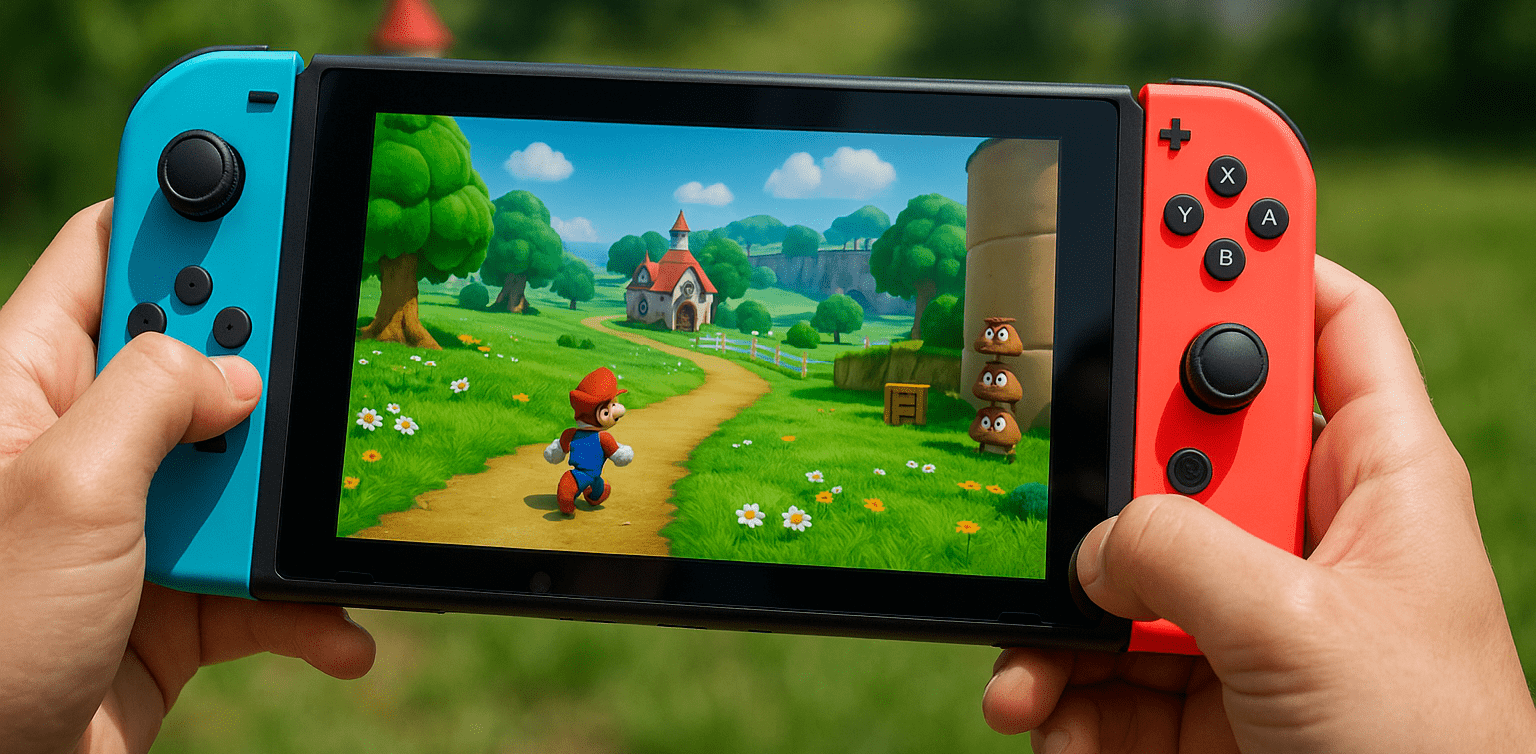
How to Reduce Screen Time for Kids and Encourage More Physical Activity image

Screens are everywhere, from TVs and tablets to smartphones and laptops. While digital devices can support learning and creativity, many parents today are asking the same question: how to reduce screen time for kids without starting a daily argument.

With more classes, entertainment, and social interaction happening online, children are spending more time in front of screens than ever before. But excessive screen time can affect their physical health, sleep quality, and even emotional well-being. So how can we find the right balance?

This article shares practical tips for reducing screen time while promoting more physical activity, helping children grow in a healthy, well-rounded way.

Why Reducing Screen Time Matters

Understanding how to reduce screen time for kids starts with knowing why it is important. According to the American Academy of Pediatrics, screen time (excluding educational use) should be limited to no more than two hours per day for children over age five.

Excessive screen time can lead to:

  • Eye strain and poor posture
  • Trouble falling asleep
  • Weight gain and low energy
  • Reduced attention span and creativity

Meanwhile, regular physical activity supports:

  • Healthy growth and stronger bones
  • Improved mood and focus
  • Better sleep patterns
  • Social development and teamwork skills

1. Set Consistent Rules and Daily Limits

how to reduce screen time for kids

The first step in learning how to reduce screen time for kids is to set clear boundaries. Children thrive with structure, and having a consistent schedule helps them develop discipline and independence.

Alternatives:

  • Set device-free hours in the morning and evening
  • Use timers or apps to manage screen duration
  • Keep screens out of bedrooms, especially before bedtime
  • Create a reward system for non-screen activities

2. Replace Passive Screen Time with Active Choices

how to reduce screen time for kids

Not all screen time is bad, but it is important to guide children toward more active or creative screen use, or replace it with something physical.

Alternatives:

  • Encourage drawing, puzzles, or hands-on crafts
  • Swap cartoons for interactive learning videos
  • Use music apps for dancing or movement-based play
  • Sign up for extracurriculars like swimming, martial arts, or team sports

3. Be a Role Model for Healthy Screen Habits

Children mimic adult behavior. If you are always on your phone, it becomes harder to convince them to turn off their devices. Modeling a balanced tech routine is one of the most effective ways to teach how to reduce screen time for kids.

Alternatives:

  • Read a book while your child plays
  • Keep your phone out of sight during meals
  • Suggest family walks instead of watching TV
  • Join your kids in outdoor games or activities

4. Involve Your Kids in Planning Screen-Free Time

When children feel involved in the process, they are more likely to follow the rules. Let them help plan fun screen-free activities for the week.

Alternatives:

  • Create a weekly activity jar with ideas like bike rides, baking, or hide and seek
  • Use sticker charts to track screen-free time
  • Allow them to choose the family game or weekend adventure

5. Create Fun Physical Routines

Balancing movement with screen time does not mean forcing kids into sports they do not enjoy. Find what excites them and build around that.

Alternatives:

  • Backyard obstacle courses
  • Dance breaks between homework sessions
  • Family yoga or stretching challenges
  • Short fitness videos designed for kids
  • Chores with a twist such as turning tasks into a timed race

6. Use Tech Wisely with Movement-Based Apps

If completely removing screen time is not realistic, try using apps that blend movement with tech. This way, kids remain active while staying engaged.

Alternatives:

  • Dance apps like GoNoodle
  • Augmented Reality (AR) games that require walking
  • Fitness video games like Ring Fit Adventure
  • Educational platforms that include movement breaks

7. Establish Tech-Free Family Traditions

Make family time more meaningful by building rituals that do not involve screens. This strengthens your bond and shows that fun does not always require a device.

Alternatives:

  • Family cooking nights
  • Nature walks or park visits
  • Gardening or DIY projects
  • Volunteering together in local events

Learning how to reduce screen time for kids is not about removing devices entirely. It is about creating healthier, more balanced routines. When screen habits are paired with regular movement, children become more focused, creative, and emotionally strong.

By staying involved, setting clear limits, and offering fun alternatives, parents can guide kids toward a lifestyle that blends the best parts of technology with the joys of being active.

Try a Healthy Digital Routine with Timedoor Academy

Looking for another way how to reduce screen time for kids and turn them into learning time? At Timedoor Academy, your child can explore the world of coding, animation, and creative digital projects in a structured, kid-friendly environment. With live teachers and flexible schedules, our courses encourage healthy online habits and critical thinking.

 Image

A free trial is available so you can see how your child can enjoy screen time the smart and balanced way. Visit our website to learn more and get started!

Keep Reading

<strong>Is Coding Necessary for Kids? Let’s Find Out in 2025!</strong>
Is Coding Necessary for Kids? Let’s Find Out in 2025!
In today’s rapidly evolving digital era, many parents are asking, is coding necessary for kids to learn from an early age? Coding or programming is one of the skills increasingly in demand, but is it really necessary for children to learn coding? This article will explore whether coding is necessary for kids, its benefits, challenges, and how parents can start their children on the right path, especially through coding programs like those offered by Timedoor Academy. Is Coding Necessary for Kids? The question is coding necessary for kids has become more common, especially with advances in technology and digital education. Formally, coding is not yet a mandatory subject in all schools, but today’s job market and digital industries highly value tech and coding skills. Coding is the language behind almost every digital device we use today. Teaching coding early helps prepare children for future challenges that rely heavily on technology and digital innovation. So, while it may not be mandatory by regulation yet, coding is a crucial skill that should be introduced early. Benefits of Coding for Kids When considering is coding necessary for kids, it is important to understand the benefits of learning coding. Coding helps children develop logical and systematic thinking. They learn to break down big problems into smaller parts and solve them step by step. Coding also boosts creativity because children get to create digital projects such as games, animations, and apps. This makes learning coding fun and builds their confidence. Additionally, coding develops problem-solving skills and perseverance. Children need to be patient and precise to ensure their programs work correctly. These skills are valuable not only in tech but in many areas of life. Challenges in Learning Coding for Kids Even though there are many benefits, some challenges come with learning coding. This often leads parents to ask again, is coding necessary for kids, considering the learning process can be tough. Kids may struggle with abstract concepts or complex logic. Parents need to provide extra support and choose fun, age-appropriate methods so children stay engaged and don’t get frustrated. Programs like those at Timedoor Academy are designed to make coding interactive and enjoyable for kids. With the right approach, these challenges can be overcome, and children become more interested in technology. How to Start Learning Coding for Kids? If you still wonder is coding necessary for kids, the key is starting the right way. Begin with simple basics like visual block coding that’s easy to understand. Timedoor Academy offers coding classes tailored to kids’ age and skill level, from beginner to advanced. Children learn through fun projects that deepen their understanding. Timedoor Academy also provides free trial classes. These allow parents and kids to experience the learning method before fully committing. The Role of Parents in Supporting Coding Learning Parents play a crucial role in helping kids succeed in coding. They can set aside dedicated time for learning and accompany children while they work on assignments or projects. Discussing what children learn helps them feel supported and motivated. Good parent-child communication strengthens the learning process and helps kids overcome difficulties. Parents should also remind kids to balance study and rest to avoid fatigue and burnout. Conclusion: Is Coding Necessary for Kids? So, is coding necessary for kids? While coding isn’t mandatory in many schools yet, it is vital for children’s futures. Teaching coding early prepares kids for a digital workforce and develops critical thinking, creativity, and problem-solving skills. Timedoor Academy supports this by offering child-friendly, interactive, and accessible coding classes. With free trial classes available, parents and kids can try a free trial class before fully joining. Don’t wait! Register your child at Timedoor Academy and give them the chance to learn coding in a fun and effective way. With coding skills, your child will be ready to thrive in an advancing digital world full of opportunities.
5 Tips Developing Children Creativity with Technology: A Key to a Bright Future
Children are the future, and their creativity plays a significant role in shaping the world. In today’s rapidly changing digital age, technology has become a part of daily life. However, many parents worry about how to integrate technology into their children’s lives in a meaningful and productive way. One of the most impactful ways to do so is by developing children creativity with technology. When used correctly, technology can be a powerful tool for stimulating children’s imagination, fostering problem-solving skills, and enhancing their learning experience. This article will explore the importance of creativity in child development and how parents can harness technology to encourage creativity in their children. The Importance of Creativity in Child Development Creativity is not just about art or music; it is about the ability to think outside the box, solve problems, and adapt to new situations. In today’s world, where change happens rapidly, creativity has become one of the most valuable skills for success. Teaching children to be creative helps them approach challenges with confidence and resourcefulness, making them more resilient in the future. However, creativity does not develop on its own. It needs to be nurtured through experiences, guidance, and exposure to different ideas. One of the most effective ways to develop children creativity with technology is by using digital tools and resources to inspire imagination and innovation. How Technology Can Foster Creativity in Children There are many ways in which technology can be used to develop children creativity with technology. Here are some examples: 1. Digital Art and Design Apps Apps like Canva, Adobe Spark, and Tinkercad provide children with the opportunity to create their own designs, graphics, and 3D models. These apps not only teach children how to use technology but also allow them to express their creativity visually. This hands-on approach helps develop children creativity with technology, enhancing their skills in design and problem-solving. 2. Learning Coding and Building Projects Coding is one of the most valuable skills in the 21st century, and it is also a fantastic way to develop children creativity with technology. Through coding, children learn how to create games, apps, and websites, all while honing their problem-solving abilities. Platforms like Scratch, Code.org, and Blockly make learning coding fun and interactive, giving children the tools they need to build their own digital creations. 3. Making Animations and Videos Creating animations and videos is another excellent way to develop children creativity with technology. By using apps like Scratch or Kinemaster, children can craft their own stories, characters, and animations, which helps them develop storytelling and visual communication skills. These projects encourage creative thinking and give children the confidence to bring their ideas to life. 4. Music Creation with Technology Technology can also foster creativity in children through music. Apps like GarageBand allow children to create their own songs, learn how to play digital instruments, and experiment with different sounds. Developing children creativity with technology in this way helps them explore the world of music and understand rhythm, melody, and harmony, all while using digital tools. 5. Building Digital Content and Blogging Blogging and digital content creation also offer children a platform to express their creativity. They can write, make videos, and share their thoughts with the world. This process not only improves their writing and communication skills but also teaches them about digital literacy and the importance of creating positive, engaging content online. The Role of Parents in Guiding Technology Use While technology can be a powerful tool for developing children creativity with technology, it’s essential that parents play an active role in guiding their children’s use of it. Without proper guidance, children can easily get distracted or fall into the trap of mindless screen time. Parents should ensure that children use technology for productive purposes, such as learning new skills, engaging in creative activities, or collaborating on projects. Setting time limits, providing quality content, and engaging with children during their digital activities are important steps in ensuring that technology serves as a positive influence in their lives. Developing Children’s Creativity with Technology at Timedoor Academy At Timedoor Academy, we believe in the power of technology to enhance children’s learning experience. Our coding and technology programs are designed not just to teach technical skills but also to inspire creativity and innovation in children. Through fun, interactive lessons, we help children develop essential skills like problem-solving, teamwork, and digital literacy. By developing children creativity with technology, we prepare them for a future where technology plays a central role in almost every field. Our courses focus on providing hands-on learning experiences, ensuring that children are not just passive consumers of technology but active creators and innovators. The Power of Technology to Enhance Creativity In today’s world, developing children creativity with technology is not just an option but a necessity. Technology offers endless possibilities for children to explore, create, and innovate. As parents, it is our responsibility to guide children in using technology in a positive and productive way, so they can develop the skills they need to succeed in the future.At Timedoor Academy, we are committed to helping children harness the power of technology to enhance their creativity, develop essential skills, and prepare for the future. If you want your child to start learning and exploring the world of technology, we invite you to sign up for a free trial at Timedoor Academy and watch them grow into creative and confident digital creators.
<strong>Innovation in Elementary School Education for a Better Future</strong>
Innovation in Elementary School Education for a Better Future
Elementary education plays a crucial role in shaping the foundation of skills, character, and mindset of children. In today’s digital era, parents want to ensure that their children not only master basic knowledge but are also ready to face future challenges. One of the best ways to achieve this is by introducing innovation in elementary school education that matches the needs of the modern world. Why Innovation Matters in Elementary School Elementary school is not just a place where children learn reading, writing, and arithmetic. It is also where they start to develop social values, creativity, and critical thinking skills. Without innovation in elementary school education, learning risks becoming monotonous and less effective in preparing students for a constantly changing world. Innovation does not mean abandoning traditional teaching methods entirely. Instead, it combines proven approaches with new technologies and strategies that are more suitable for children. This way, students can enjoy a learning process that is both engaging and effective. Forms of Innovation in Elementary School Some forms of innovation in elementary school education that have already been implemented in various schools include: Technology Integration in the Classroom Children can better understand lessons when interactive tools such as apps, videos, and Learning Management Systems (LMS) are used to support learning. Coding and Artificial Intelligence Coding is no longer an exclusive skill. By starting in elementary school, children are trained to think logically, creatively, and in problem-solving ways. This is a practical example of innovation in elementary school education that directly prepares them for the future. Collaborative Learning Methods Students are encouraged to work in groups to complete assignments, helping them practice teamwork and communication skills. Personalized Learning Approaches Every child learns differently. With technology, teachers can tailor lessons to suit the learning style and pace of each student. The Role of Parents in Innovation No matter how advanced schools become, parents remain an essential part of the learning journey. Supporting children as they use technology, practice coding, or study English at home ensures that innovation in elementary school education produces the best results. When parents actively participate, children feel more supported and motivated, which strengthens the overall impact of the school’s innovation. Positive Impacts on Children The implementation of innovation in elementary school education offers many benefits, including: Children feel more motivated as lessons become more enjoyable. Critical thinking and problem-solving skills develop more quickly. Early exposure to technology gives them confidence in digital tools. Creativity flourishes through varied teaching methods. With the right innovation, children grow not only in academics but also in their social and emotional abilities. Timedoor Academy and Educational Innovation Timedoor Academy believes that preparing children for the future starts with relevant education. By providing programs in coding, technology, and English for elementary students, Timedoor Academy helps bring innovation in elementary school education into real classrooms. Through interactive lessons, children can learn while having fun and at the same time train future-ready skills. Experienced instructors also ensure that learning is enjoyable, inspiring curiosity and confidence in every child. For a Better Future Innovation is the key to making elementary education not just a routine but a meaningful experience. With innovation in elementary school education, children are better prepared to face future challenges. Schools, teachers, and parents must work together to ensure that innovation brings the greatest benefit to students. If you want your child to experience fun, engaging, and future-focused learning, now is the time to take action. Register your child for a Free Trial at Timedoor Academy and see how innovation in education can boost their confidence and passion for learning.
float button