Apr 28, 2025

How Technology Boosts Creativity for Kids

How Technology Boosts Creativity for Kids image

In today’s digital age, technology plays a significant role in shaping children’s lives, offering them not only entertainment but also endless opportunities to enhance their creativity. How technology boosts creativity for kids is not just about playing games or watching videos; it’s about engaging with tools that encourage children to explore new ideas, express themselves through various forms of art, and solve complex problems in innovative ways. In this article, we’ll dive into the many ways how technology boosts creativity for kids, helping parents and educators harness the power of technology for creative development.

1. Digital Tools That Boost Creativity for Kids

how technology boosts creativity for kids

Technology offers a vast array of digital tools designed to stimulate creativity in children. Drawing apps like Procreate or Tayasui Sketches, for example, allow kids to create beautiful artworks on tablets, pushing their imagination and skills. Music production software, such as GarageBand, is another fantastic tool to help children explore their musical creativity by composing songs and learning about sound design.

These tools don’t just teach technical skills; they encourage kids to think creatively. The immediate feedback and flexibility offered by these apps allow children to experiment with different styles and techniques, making it a fun and educational way how technology boosts creativity for kids.

2. Problem-Solving and Critical Thinking
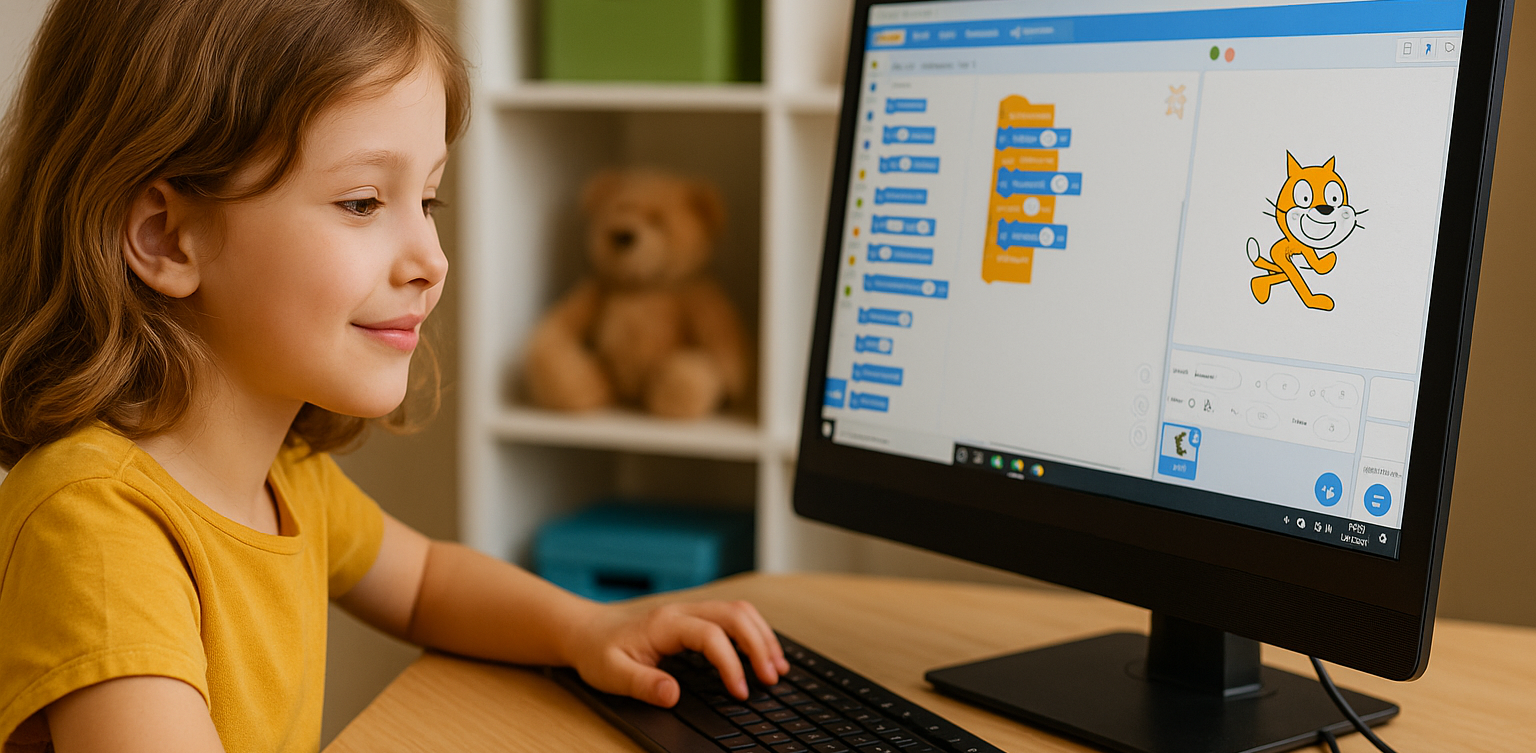
One of the most impactful ways how technology boosts creativity for kids is by enhancing their problem-solving and critical thinking abilities. Educational games and apps that challenge children to solve puzzles, plan strategies, and make decisions help develop their cognitive skills. Apps like Scratch or Tynker, which teach coding and logic, are excellent examples of how technology boosts creativity for kids.

By engaging with these platforms, children not only learn to code but also learn to think critically, test solutions, and refine their ideas. This helps them become creative problem-solvers who are capable of thinking outside the box, which is an essential skill for both academic success and life in general.

3. Access to a Wealth of Creative Learning Resources

how technology boosts creativity for kids

The internet is a treasure trove of creative learning resources that can help how technology boosts creativity for kids. Platforms like YouTube, TED-Ed, and Khan Academy provide a wide variety of content that can spark children’s imaginations. From DIY craft tutorials to science experiments, there is no shortage of material to engage kids and fuel their creativity.

Moreover, eBooks and audiobooks offer children new ways to experience stories that stimulate their imagination. These resources allow kids to engage with the arts, explore new concepts, and learn new skills in creative and interactive ways.

4. Collaborative Creativity and Social Interaction

Technology also offers unique opportunities for kids to collaborate on creative projects with others. Online platforms and apps designed for group work allow children to share ideas, co-create, and provide feedback to one another, fostering both creativity and social skills. By working together, kids not only boost creativity but also learn how to communicate effectively, manage team dynamics, and develop empathy.

For instance, children can participate in group art projects, write collaborative stories, or join virtual hackathons. These shared creative experiences are a great way to help children enhance their creativity while also developing valuable interpersonal skills.

5. Digital Storytelling for Creative Expression

Digital storytelling is another powerful way how technology boosts creativity for kids. With easy-to-use platforms like Storybird, Adobe Spark, and even Instagram, children can write, illustrate, and share their stories in engaging ways. These platforms allow kids to take control of their narratives, helping them express their thoughts, ideas, and emotions creatively.

Storytelling is not only a fun way to engage with creativity but also a valuable skill that supports literacy, critical thinking, and emotional development. By using digital tools to tell their stories, children can learn how to organize their ideas, use technology to enhance their creations, and communicate their thoughts in new and innovative ways.

6. Immersive Technologies: Virtual and Augmented Reality
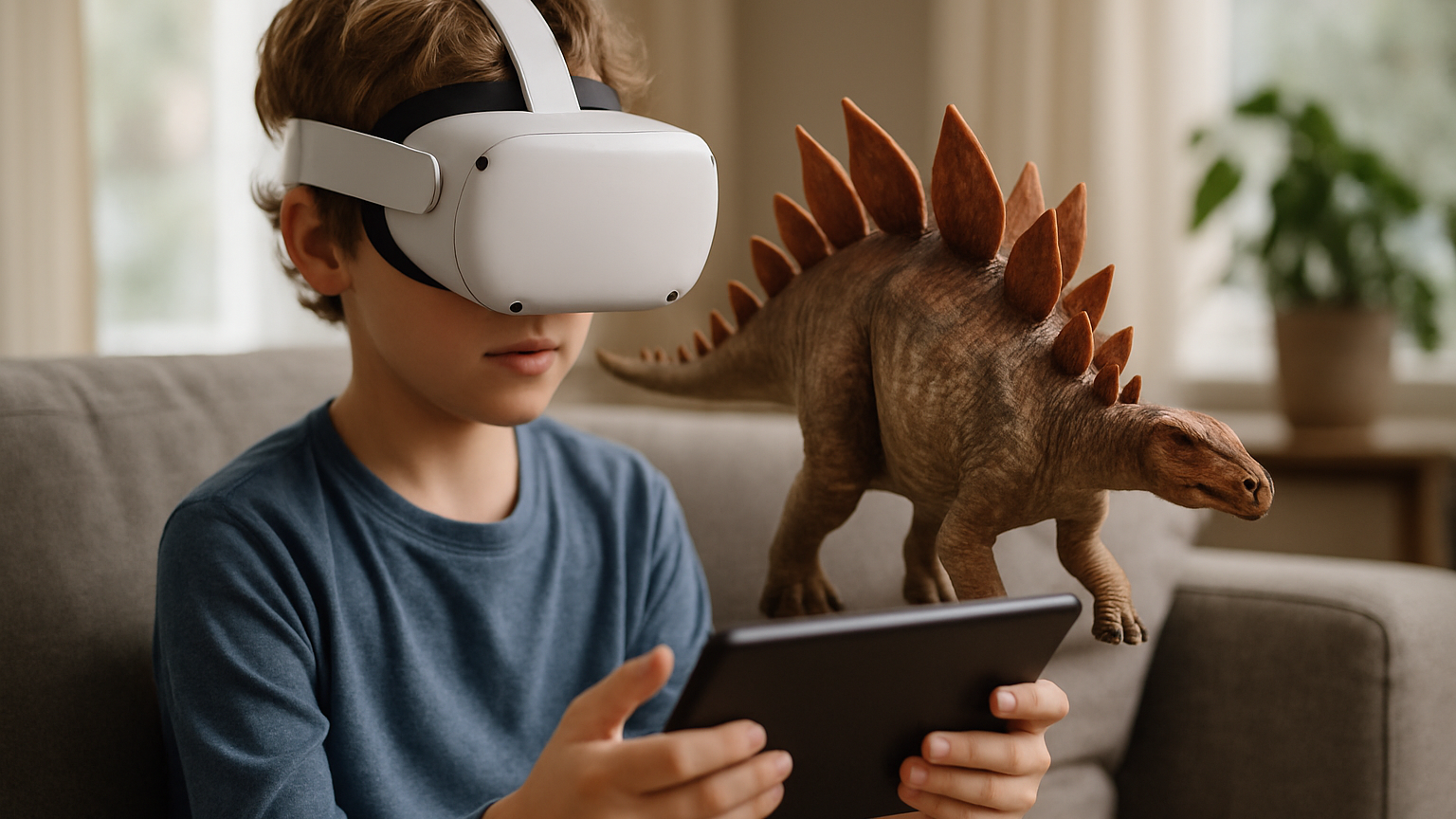
Virtual Reality (VR) and Augmented Reality (AR) technologies are increasingly being used to enhance creativity for kids. These immersive technologies provide children with the opportunity to engage with creative environments in ways that are not possible in the real world. With VR and AR, children can design virtual spaces, explore interactive 3D models, and engage in hands-on creative activities.

For example, using VR headsets, children can participate in virtual learning experiences that incorporate art, design, and creativity. They can create 3D models, design virtual sculptures, or explore complex architectural structures. AR apps like Quiver bring children’s drawings to life, allowing them to see their artwork come to life in augmented spaces. These tools give kids a whole new world to explore, further showing how technology boosts creativity for kids.

7. Technology as a Gateway to STEM Creativity
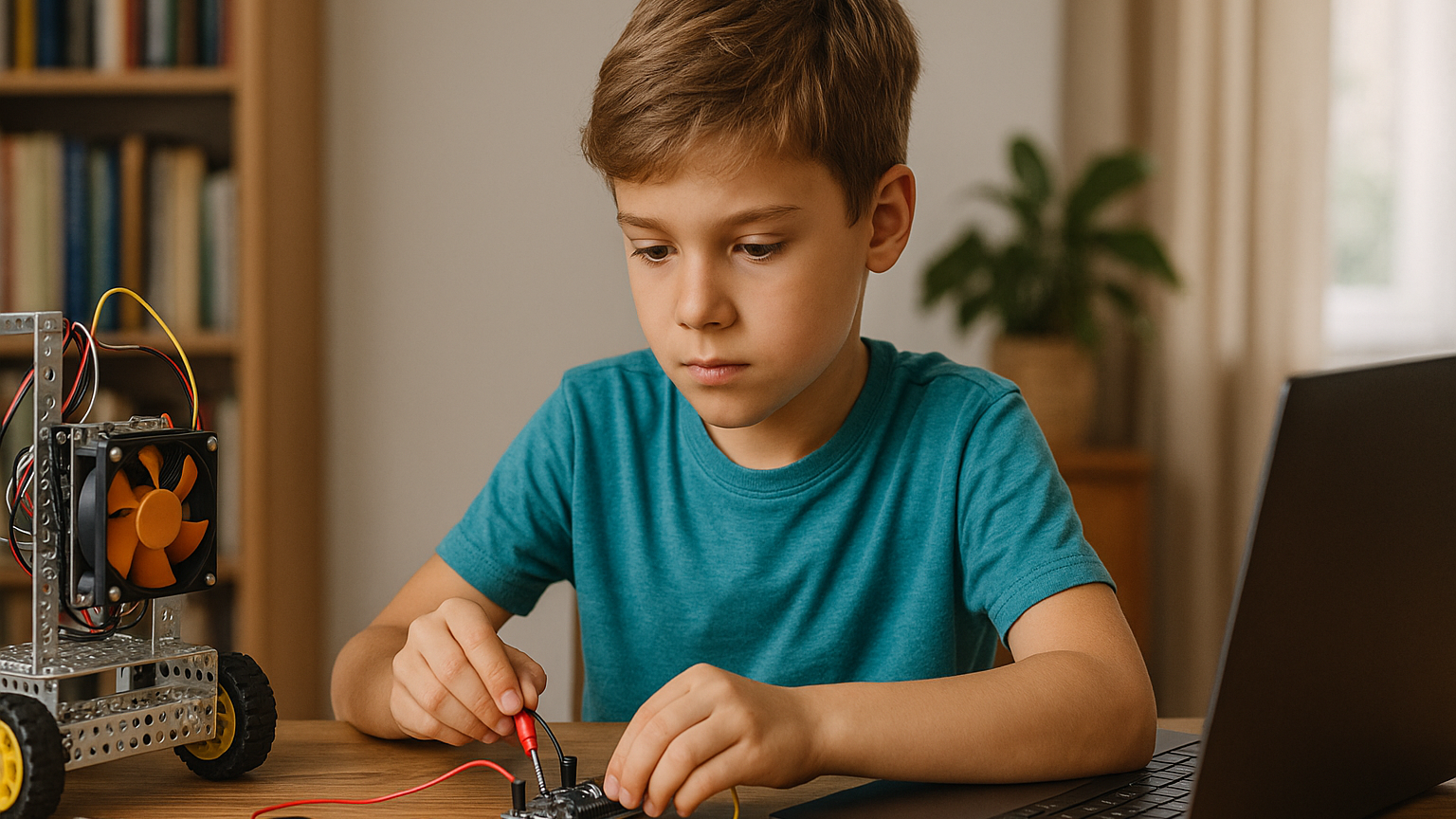
Another way how technology boosts creativity for kids is by inspiring them to pursue STEM (Science, Technology, Engineering, and Mathematics) fields, where creativity is a crucial component. Coding platforms, robotics kits, and 3D printing tools all encourage kids to create, innovate, and design in the realms of engineering and technology.

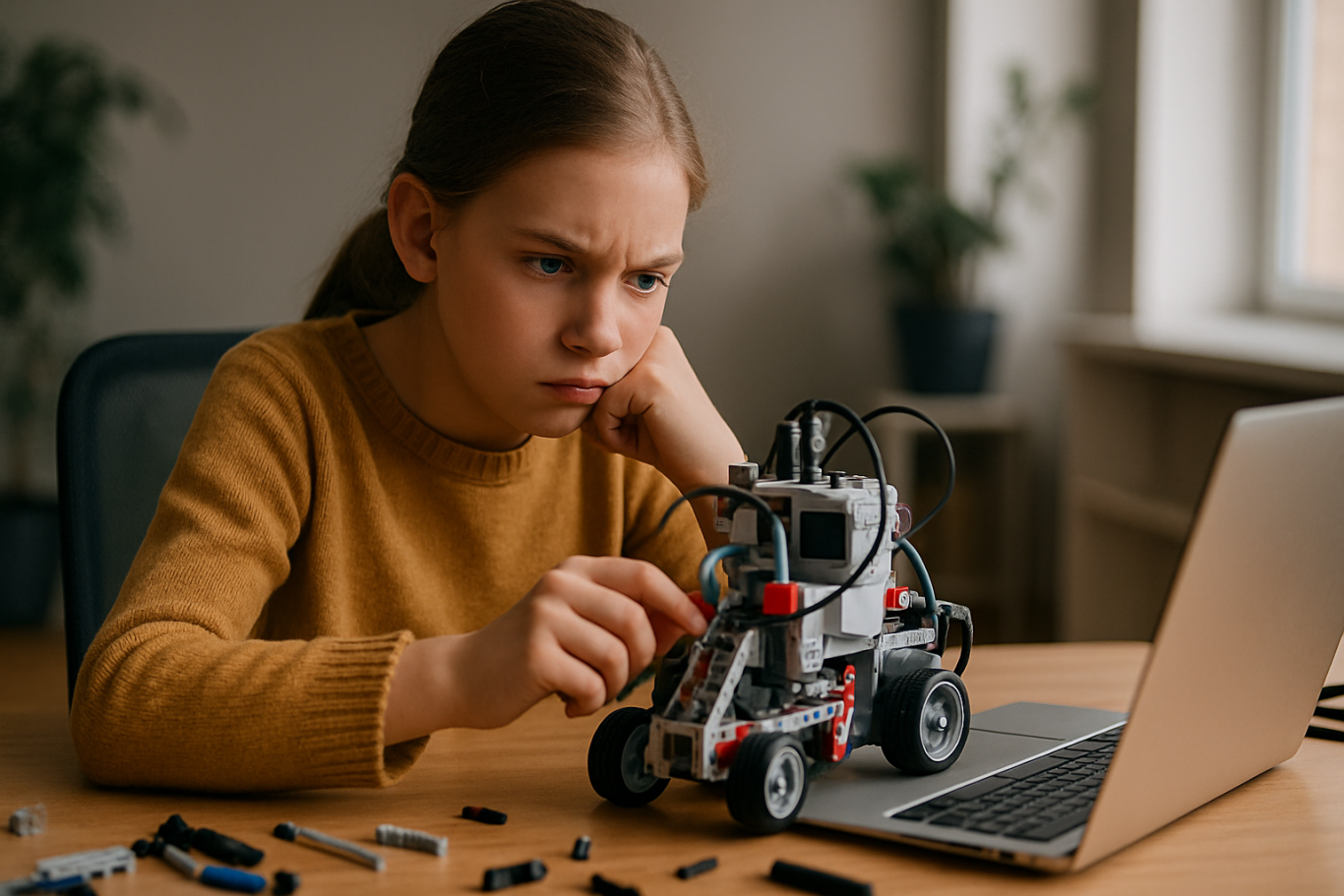
Tools like LEGO Mindstorms or robotics kits allow kids to build and program their own creations, providing them with hands-on experience in both technology and design. These activities encourage kids to think creatively about how to solve problems, design solutions, and bring their ideas to life.

How Technology Boosts Creativity for Kids in Countless Ways

Ingin tahu detail program? Image

Ingin tahu detail program?

Incorporating technology into your child’s life can have a profound impact on their creative development. From digital art and music tools to coding apps and immersive experiences, technology offers a vast range of opportunities for kids to explore, create, and learn. By using these tools, parents and educators can help nurture creativity, problem-solving skills, and innovation in children, setting them up for future success.

At Timedoor Academy, we provide various online resources and learning tools designed to help your child develop their creativity through technology. Whether it’s interactive coding classes, virtual workshops, or personalized learning materials, we’re here to support your child’s creative journey. Start a free trial today and explore how technology can boost creativity for kids in exciting and engaging ways!


Keep Reading

Coding Is the Future: 7 Powerful Reasons Why Parents Should Care
In today’s rapidly evolving digital era, coding in future education has become one of the most essential topics for parents and educators alike. The world is shifting toward automation, artificial intelligence, and digital creativity, making coding not just a technical skill but a fundamental form of literacy. Teaching children how to code is no longer an extra activity; it is a preparation for a successful and meaningful future. As technology transforms every aspect of life, understanding coding in future education allows parents to help their children build problem-solving abilities, logical thinking, and creativity. From designing apps to exploring robotics, learning to code opens up unlimited possibilities for young minds to express themselves and thrive in a technology-driven world. 1. Preparing Children for Tomorrow’s Jobs The global job market is changing rapidly. Many future careers will depend on digital skills, especially programming. Professions that require coding expertise are expanding across industries, from healthcare and finance to entertainment and education. Introducing coding in future education ensures that children are prepared to compete in a world where technology leads innovation. By learning coding early, children gain a strong foundation that can open the door to careers in software development, engineering, data science, and even digital entrepreneurship. Parents who encourage this learning give their children a head start in an increasingly competitive environment. 2. Strengthening Problem-Solving and Logical Thinking Coding teaches children how to think, not just what to think. When children write code, they learn to break big problems into smaller, manageable steps. This logical structure encourages analytical thinking that can be applied not only in academics but also in daily life. Integrating coding in future education also helps children develop patience and persistence. When faced with an error or “bug,” they learn the value of testing, refining, and improving, a mindset that nurtures resilience and growth. 3. Encouraging Creativity Through Technology Creativity and technology are no longer separate worlds. Through coding in future education, children can transform their imagination into reality by designing games, creating websites, or developing digital art. Coding gives them the tools to bring their ideas to life, combining creativity with critical thinking. This creative expression builds confidence and allows children to see technology as more than just entertainment, it becomes a platform for innovation and self-expression. 4. Supporting Academic Growth and Future Readiness Studies show that children who learn coding often perform better in math, science, and language subjects. The logical and structured way of thinking developed through coding enhances academic skills across disciplines. By prioritizing coding in future education, schools can create an environment where students not only consume technology but also understand how it works. In the long run, this helps prepare students for advanced studies in computer science, engineering, and other STEM-related fields, ensuring they stay ahead in an ever-changing digital society. 5. Promoting Responsible Digital Citizenship As children spend more time online, understanding how technology works also helps them navigate it responsibly. Incorporating coding in future education fosters awareness about digital ethics, online privacy, and cybersecurity. Children who learn coding are more likely to use the internet wisely, respect digital boundaries, and contribute positively to the online world. This balance of technical skill and moral awareness is crucial for raising responsible digital citizens. 6. Empowering Collaboration and Teamwork Coding is not a solitary skill, it often involves teamwork and communication. Many modern coding projects require collaboration, idea sharing, and collective problem-solving. By engaging in coding in future education, children learn how to work effectively with others, value different perspectives, and contribute to group success. These interpersonal skills are highly valued in every profession, preparing children not only to excel individually but also to thrive in team-oriented environments. 7. Opening a Path to Innovation and Lifelong Learning The world of technology never stops evolving. By embracing coding in future education, children develop a lifelong learning mindset that keeps them adaptable and open to change. They learn how to explore new tools, experiment with emerging technologies, and think critically about how digital solutions can improve the world around them. This mindset of curiosity and innovation ensures that they are not left behind but rather lead the way in shaping the future. How Timedoor Academy Brings the Future Closer Timedoor Academy believes that every child has the potential to become a creator of technology, not just a user. Through structured learning programs, students explore coding, robotics, and digital creativity in a supportive and engaging environment. By integrating coding in future education into each lesson, Timedoor Academy ensures that children not only gain technical skills but also learn values such as responsibility, teamwork, and innovation. With guidance from professional mentors, every child is encouraged to build confidence, curiosity, and a growth mindset that will serve them in every aspect of life. Take the First Step Today Technology shapes the future, and your child can be part of it.Help your child begin their journey in coding in future education by joining a free trial class at Timedoor Academy today. Discover how our expert mentors can inspire your child to explore, create, and grow in a safe and encouraging environment. Let your child not just use technology, but understand and build it.
<strong>10 Best! Math Courses for Kids from Elementary to High School with Prices</strong>
10 Best! Math Courses for Kids from Elementary to High School with Prices
Finding the right math courses for kids is essential for helping students thrive in school and beyond. With so many available options, parents now have the flexibility to choose a program based on teaching style, accessibility, and affordability. Here are ten recommended places that offer math courses for kids, along with their benefits and pricing information. Matching Math Lessons to Every Stage of Learning Before choosing a course, it's important for parents to recognize that the learning needs of an elementary student differ greatly from those in middle or high school. Younger children benefit more from playful and visual learning methods, while older students need deeper explanations and more focus on solving problems. That’s why the list below includes a variety of math courses for kids that cater to different ages and academic goals. 1. h!sensei Price: Starting from IDR 130,000hisensei offers personalized, interactive math classes online for students from elementary to high school. The curriculum is tailored to each student’s pace and includes progress tracking and regular updates for parents.Try the free trial class here! 2. Brain Academy Price: Starting from IDR 1,200,000This hybrid learning center offers both online and offline classes, led by certified instructors. With branches across the country, Brain Academy is a reliable choice for accessible math courses for kids. 3. Zenius Price: Starting from IDR 150,000Zenius provides video-based lessons, interactive practice questions, and teacher consultations. The platform also partners with local learning centers, making it easier to find nearby math courses for kids. 4. Ganesha Operation Price: Starting from IDR 900,000With a long-standing reputation and widespread locations, Ganesha Operation is a top pick for families looking for a solid academic foundation through structured math courses for kids. 5. Ruangguru Premium Price: Starting from IDR 200,000This online platform offers live classes, recorded lessons, and teacher support. For families seeking flexible math courses for kids, Ruangguru is an accessible and affordable option. 6. Eduspace Price: Starting from IDR 300,000Focused on conceptual understanding and practice, Eduspace has conveniently located branches and offers courses tailored to students’ levels. 7. Kampung Inggris Math Price: Starting from IDR 500,000Known for intensive learning, this program offers daily math sessions with focused strategies. It’s available in several cities and suitable for children who thrive in immersive learning environments. 8. MathClub Kids Price: Starting from IDR 250,000Specifically designed for elementary students, MathClub Kids uses games and visuals to build math skills. It’s perfect for young learners in need of engaging math courses for kids. 9. Tryout Center Plus Price: Starting from IDR 600,000This center specializes in exam preparation and academic success. With several branches nationwide, it’s a reliable choice for structured math support. 10. Homeschooling Math Lab Price: Starting from IDR 350,000Offers thematic and hybrid learning in small groups. Students can attend in person or online depending on their location and needs. The Benefits of Learning Math from an Early Age Learning math early helps children develop logical thinking, problem-solving skills, and structured ways of approaching challenges. These skills don’t just help with academic success but are also useful in everyday life and future careers. Why Not Try Coding Too? If your child enjoys logic and structured thinking, coding can be a great next step. At Timedoor Academy, kids aged 5 to 18 can learn programming in a fun, project-based environment. Coding helps strengthen the same problem-solving mindset that math builds. Want to explore it? Try a free coding class today at Timedoor Academy.
5 Top Tips How to Teach Discipline to Children
Teaching discipline is not an easy task, especially when it involves children. However, discipline is a crucial life skill that shapes a child's future in terms of responsibility, self-control, and decision-making. That is why understanding how to teach discipline to children from an early age is an essential step for every parent. Discipline does not mean punishment. On the contrary, it is a process of guiding children to understand right from wrong and helping them take responsibility for their actions. Children who grow up with healthy discipline tend to be better at managing their emotions, completing tasks, and building strong social relationships. Why Discipline Matters for Children Discipline plays a major role in character development. Children who are raised with consistent discipline are more likely to follow rules, respect time, and understand the difference between desires and responsibilities. These are the building blocks of independence and accountability. Moreover, by understanding how to teach discipline to children, parents can avoid parenting styles that are either too strict or too permissive. A balanced approach, combining warmth and clear boundaries, is key to shaping positive behavior. Effective Strategies to Build Discipline Here are some effective ways parents can apply discipline at home: Set Clear Rules from the StartChildren need to know what the house rules are. For example, bedtime routines, screen time limits, or daily chores. Use simple and age-appropriate language. Be ConsistentOne of the most common mistakes in how to teach discipline to children is inconsistency. If rules are only enforced occasionally, children will be confused and may start testing boundaries. Consistency helps them understand that rules apply all the time. Use Logical ConsequencesDiscipline should be constructive, not harsh. For example, if your child leaves toys scattered, the consequence could be not playing until they are cleaned up. This teaches cause and effect. Use Positive LanguageAvoid saying “Don’t be naughty” or “You always misbehave.” Replace these with “Let’s try again the right way” or “Can you show me how you listen?” Encouraging language boosts confidence and cooperation. Lead by ExampleChildren learn by watching. If parents are disciplined with time, responsibilities, and emotions, children will likely follow. That is why being a role model is an important part of how to teach discipline to children. Challenges in Disciplining Children Of course, the process will not always be smooth. There will be times when children test limits or throw tantrums. In such moments, it is important for parents to remain calm and avoid reacting in anger. Discipline is a long-term process, not a quick fix. Another challenge is that every child is different. Some are naturally easygoing, while others may be more strong-willed. This means that how to teach discipline to children should be tailored to each child’s personality. A personal approach is often more effective than using the same method for every child. Extra Tips for Building Discipline Create a daily routine and involve your child in planning it Use visual tools like chore charts to keep track of progress Celebrate small successes with encouragement or praise Involve your child in conversations about mistakes to help them reflect and grow With consistency and patience, parents can succeed in teaching discipline. Children who learn to manage themselves early are better prepared for school, friendships, and life challenges ahead. Final Thoughts: Discipline Builds the Future Discipline is not about control, but about guidance. Children raised with healthy discipline are more likely to succeed academically, socially, and emotionally. Though the journey takes time, the results are worth it. As a complement to character development, many parents today are introducing children to logical thinking through coding. At Timedoor Academy, kids can learn coding in a fun and age-appropriate way. It is not just about tech skills, but also about building focus, patience, and persistence — values that go hand in hand with discipline. Try a free coding class at Timedoor Academy and watch your child grow through learning!
float button