May 09, 2025

Why Coding Is Important for Kids in 2025?

Why Coding Is Important for Kids in 2025? image

As technology continues to shape the future, many parents are asking an essential question: why is coding important for kids? Coding, or computer programming, is no longer just for IT professionals. Today, it has become a valuable skill that even young children can begin to explore. But beyond the buzz around technology, coding actually teaches life skills that are useful across many areas of a child’s development.

This article explains why coding is important for kids, how it benefits them now and in the future, and how you can help your child get started.

Coding Builds Logical Thinking and Problem-Solving Skills

why coding is important for kids

One of the main reasons why coding is important for kids is its impact on how children think. Coding teaches children how to break down large problems into smaller, manageable parts. This methodical approach enhances their logical thinking. For example, when writing code, children need to think through the steps of what they want a program to do, and in what order. If something does not work, they must figure out why and revise their plan.

These problem-solving abilities are valuable far beyond the computer screen. Children learn how to think critically, plan carefully, and solve challenges step by step. These are the same skills needed for academic success and real-life decision-making.

Enhances Creativity and Encourages Innovation
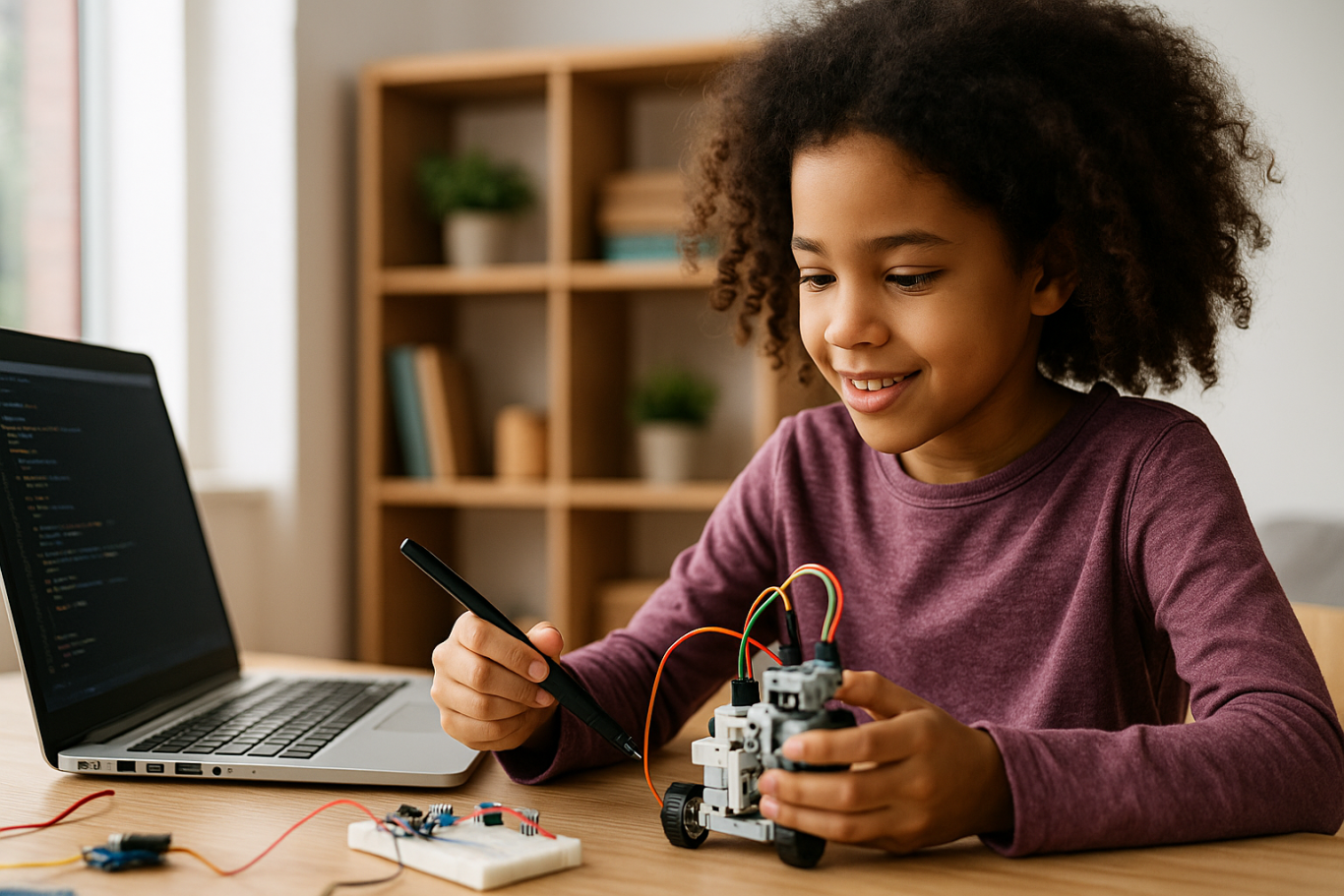
Another powerful reason why coding is important for kids lies in how it sparks creativity. Contrary to the common belief that coding is only technical, it is also a deeply creative activity. Kids can design games, animations, or stories using simple programming tools. When they see their code bring characters to life or create a working app, it boosts their confidence and imagination.

Coding encourages kids to experiment, make mistakes, and learn from them. This process of trial and error is crucial in developing an innovative mindset. It teaches children that failure is not the end, but a chance to improve and try again.

Prepares Kids for Future Careers

Many of the jobs of the future will involve technology in some way. Understanding why coding is important for kids now can give them a strong advantage later. Coding is not just for becoming a software engineer or web developer. Fields like medicine, finance, design, and even agriculture now use coding and data analysis.

Starting early gives children more time to master the basics and grow their skills over time. It also helps them become comfortable with technology and see themselves as capable creators, not just users. Even if they do not pursue a tech career, the mindset coding builds will serve them well in any profession.

Supports School Performance and Academic Success

Coding complements many school subjects, especially math and science. It reinforces concepts like patterns, sequencing, and variables. When kids apply these ideas in a coding project, they understand them more deeply. This is why coding is important for kids when we think about improving learning outcomes.

Moreover, learning to code improves focus and attention to detail. Small mistakes in code can break a whole program, so kids learn to check their work and be precise. These habits can help them in writing essays, solving math problems, and studying for exams.

Encourages Teamwork and Communication

Although coding might seem like a solo activity, many projects involve working in teams. Kids learn to share ideas, give and receive feedback, and collaborate to solve problems. These social skills are just as important as technical ones.

In many coding classes or online platforms, children build projects together, present their work, and learn to explain their thinking. This boosts their communication skills and helps them feel more confident in expressing ideas clearly and respectfully.

Makes Technology Feel Less Intimidating

Another reason why coding is important for kids is that it helps reduce fear of technology. Instead of being passive users of phones and apps, kids become active creators. They gain a better understanding of how technology works and feel empowered to shape it.

This sense of control and understanding can reduce screen time that is passive or unproductive. When kids have fun learning to code, they are more likely to use devices in a meaningful and educational way.

Try a Free Coding Class Today

If you now understand why coding is important for kids, the next step is to help your child begin their journey. At Timedoor Academy, we offer fun, beginner-friendly coding classes for kids aged 6 and up. Our lessons are designed to nurture creativity, build problem-solving skills, and spark curiosity about the digital world.

Ingin tahu detail program? Image

Ingin tahu detail program?

We believe every child deserves a chance to learn how to code in a supportive, hands-on environment. That’s why we are inviting your child to try a free trial class and see how exciting learning to code can be.

Try a free trial class today at Timedoor Academy and let your child experience the joy of creating their first program.


Keep Reading

Preparing Kids for Future Tech Careers with a Coding Course for Kids in 2025
The world is evolving at a rapid pace, driven by advances in technology, automation, and artificial intelligence. While it is impossible to predict exactly what the job market will look like in 10 or 20 years, one thing is certain: digital skills will play a central role. That is why more parents are now exploring the value of a coding course for kids. Learning how to code does more than just prepare children to become programmers. It builds critical skills like problem-solving, creativity, and resilience. This article will walk you through why a coding course for kids is one of the best investments you can make for your child’s future and how it can shape the next generation of tech-savvy thinkers and creators. Technology Is No Longer Optional Children today grow up surrounded by technology. From smartphones and smart TVs to tablets and video games, digital devices are an everyday part of their lives. However, being a passive user of technology is different from understanding how it works. A coding course for kids transforms children from consumers into creators. They do not just play games or use apps. They learn how to build them. Understanding basic programming concepts gives children confidence and opens their minds to the endless possibilities of tech careers. It shows them that technology is not a mysterious thing to fear. It is a tool they can use to solve problems and express themselves creatively. Building Essential 21st Century Skills One of the most underrated aspects of coding is the wide range of transferable skills it develops. A good coding course for kids goes beyond teaching syntax or how to use certain platforms. It teaches them to think in structured, logical ways. Kids learn how to break problems into smaller parts, test solutions, and improve their ideas through trial and error. Coding also promotes persistence. When code does not work, children learn to troubleshoot and try again. This growth mindset builds resilience that applies to many areas of life, including academics and personal challenges. In addition, coding encourages collaboration. Many programs today teach children to work in pairs or teams, sharing code, helping each other debug, and presenting their projects to classmates. These experiences enhance communication and teamwork. Opening Doors to Future Careers According to many labor market studies, careers in technology will remain in high demand for the foreseeable future. Roles like software developers, data analysts, UX designers, and cybersecurity experts are growing rapidly. Even non-tech industries are becoming increasingly digital, meaning that tech literacy is becoming a core requirement across professions. Enrolling your child in a coding course for kids helps them build a strong foundation early. They do not have to decide now whether they want to be a developer. The important thing is that they understand the logic behind technology and feel comfortable exploring it. This early exposure can spark interest in STEM fields and set them up for further learning in middle school, high school, and beyond. Coding Encourages Creativity and Confidence Contrary to the myth that coding is purely technical or dry, it is actually a creative process. Kids can design interactive stories, develop simple games, animate characters, and even build websites. Every coding project is a chance to express ideas and bring imagination to life. A well-structured coding course for kids allows children to experiment and innovate. When they see their code produce real results on the screen, it boosts their confidence. They feel a sense of ownership and achievement that motivates them to keep learning. For children who struggle in more traditional subjects, coding can offer an alternative way to shine. It is not about memorizing formulas or facts. It is about building something with your own hands and mind. Early Coding Education Reduces Future Intimidation Another major benefit of a coding course for kids is that it helps demystify technology. Many adults feel overwhelmed by the rapid pace of digital change. By learning coding at a young age, kids grow up viewing technology as something they can understand and control. This perspective empowers them. It also gives them a head start in a world where being digitally fluent is no longer a bonus but a basic expectation. Whether they end up working in a tech-related field or not, they will be better prepared to adapt to new tools, systems, and digital environments. Join a Free Coding Course For Kids Today at Timedoor Academy If you are ready to prepare your child for the tech-driven future, Timedoor Academy is here to help. We offer a structured, engaging, and age-appropriate coding course for kids that focuses on building real-world skills through fun and interactive lessons. Our courses are designed for children aged 6 and up and are led by experienced mentors who know how to spark curiosity and encourage exploration. Kids learn at their own pace while developing confidence in coding, creativity, and communication. Sign up today for a free trial class and let your child discover the excitement of learning to code. Timedoor Academy is committed to helping your child become a future-ready thinker and tech creator.
<strong>What Is Fatherless? 5 Overlooked Effects on Children in 2025</strong>
What Is Fatherless? 5 Overlooked Effects on Children in 2025
Many parents still don’t fully understand what is fatherless or how deeply it can affect a child’s development. At its core, fatherless describes a situation where a child grows up without the presence or meaningful involvement of a father figure. This isn’t limited to cases where the father is physically absent. It also includes situations where the father is emotionally unavailable or disengaged, even if he’s living under the same roof. As modern life becomes busier and family structures more complex, the number of children growing up without an engaged father figure continues to rise. Yet because there’s often a lack of awareness around what is fatherless, its impact is frequently underestimated. In reality, it can influence nearly every aspect of a child’s life — emotionally, socially, and academically. Here are five real and often overlooked effects of what is fatherless that every caregiver should be aware of: 1. Emotional and Behavioral Instability Children without consistent involvement from a father figure may struggle with emotional regulation. They can become more sensitive, withdrawn, anxious, or quick to anger. A lack of emotional guidance and security can leave children unsure of how to process big feelings. Understanding what is fatherless helps parents recognize these early signs and provide support before they grow into larger issues. 2. Low Self-Esteem and Insecurity A father’s encouragement and presence often play a huge role in a child’s sense of self-worth. When that connection is missing, children may feel unloved, unimportant, or unsure of their value. They might avoid challenges, struggle with confidence, or become overly reliant on praise from others. Recognizing what is fatherless can help caregivers provide emotional validation that children may not receive otherwise. 3. Academic Struggles Children who grow up in fatherless environments often face challenges with focus, motivation, and discipline when it comes to school. They may feel less driven to succeed or lack the encouragement they need to stay engaged. Once parents understand what is fatherless, they can step in with structure, emotional support, or even professional guidance to help children thrive in school. 4. Difficulty Building Healthy Social Skills The absence of a father figure can also impact how children interact with others. Some become overly shy and withdrawn, while others might act out or struggle with empathy and boundaries. Children learn by example, and without healthy male role models, they may find it difficult to develop strong communication and social skills. Being aware of what is fatherless helps parents and educators create more intentional opportunities for positive social learning. 5. Increased Dependence on Screens and Online Worlds When emotional support is lacking at home, children often turn to devices, social media, or online content for comfort and distraction. They may begin to prioritize digital stimulation over real-life connection, leading to isolation and overdependence on technology. This is another hidden risk within what is fatherless — one that can affect a child’s mental well-being and social development over time. What Can Parents and Caregivers Do? Acknowledging that a child may be experiencing the effects of fatherlessness is not about assigning blame. Instead, it’s the first step toward meeting their emotional needs in a more intentional way. Quality time, open communication, and consistent emotional support from other caregivers can make a powerful difference. Another way to help children build confidence and a sense of purpose is by introducing them to meaningful, skill-building activities — like learning to code. Coding encourages logical thinking, creativity, and problem solving, all of which contribute to stronger self-esteem and mental resilience. Try a Free Coding Class at Timedoor Academy Timedoor Academy offers fun, age-appropriate coding classes designed to help children explore their potential in a supportive and engaging environment. Whether they’re creating simple games or animations, children build valuable skills while developing confidence in their abilities. You can sign up for a free coding trial class and see firsthand how coding can positively shape your child’s growth — not just academically, but emotionally and socially, too. Let’s help children channel their energy into something creative, constructive, and empowering.
<strong>Technology Literacy for Children: Preparing a Digital-Savvy Generation</strong>
Technology Literacy for Children: Preparing a Digital-Savvy Generation
In today's digital age, technological skills are no longer optional but essential for every child. Technology Literacy for Children is not only about knowing how to operate devices, but also understanding how to use technology wisely, creatively, and productively. By equipping children with these skills from an early age, parents help them navigate the digital world safely and effectively. Benefits of Technology Literacy for Children Children with strong Technology Literacy for Children can critically evaluate information, understand basic technological concepts, and use digital tools for learning and creativity. These skills prepare them to face academic challenges as well as future career demands. Additionally, children can develop creativity, logical thinking, and problem-solving abilities through engaging technology-based activities. How to Develop Technology Literacy in Children Parents can start fostering Technology Literacy for Children by introducing age-appropriate digital devices and educational applications. Activities such as simple digital projects, educational games, or basic coding lessons can help children understand technology concepts while enhancing critical thinking skills. Proper guidance ensures that children are not just consumers of technology but also creative and productive users. The Role of Schools and Educational Institutions Schools and educational institutions play a crucial role in supporting Technology Literacy for Children. Structured learning programs such as coding classes, robotics workshops, and interactive educational apps provide hands-on experience that makes learning technology fun and meaningful. Timedoor Academy offers various classes that emphasize digital literacy through practical and interactive approaches, allowing children to learn while enjoying the process. Digital Skills as Preparation for the Future Having Technology Literacy for Children is not only beneficial now but also an essential foundation for the future. Children who are accustomed to using technology productively will find it easier to adapt to the demands of a digital workforce. Furthermore, technology literacy enhances communication, collaboration, and innovation skills, which are crucial in both social and professional environments. Tips for Parents to Support Technology Literacy Parents can support Technology Literacy for Children through several simple strategies. First, set limits on screen time to ensure a healthy balance between online and offline activities. Second, select age-appropriate content and educational apps. Third, participate in children’s digital activities, such as guiding them in coding projects or creative applications. This involvement encourages children and motivates them to use technology positively. Combining Hobbies with Technology Learning A highly effective approach to developing Technology Literacy for Children is integrating a child’s hobbies with digital learning. For example, children who enjoy gaming can be guided to learn coding or create their own simple games. This not only channels their interests productively but also teaches logical thinking, creativity, and teamwork skills that are applicable in various aspects of life. Technology Literacy as a Key to Child Development Technology Literacy for Children is a key factor in nurturing children to become intelligent, creative, and adaptable in a rapidly changing digital world. With appropriate guidance from parents and educational institutions, children not only gain proficiency in technology but also learn to use it responsibly and productively. Investing in digital literacy provides long-term benefits for education and personal growth.If you want your child to start developing digital skills in a fun and interactive way, sign up for a free trial at Timedoor Academy today. Here, children learn technology in practical and creative ways, guided by professional tutors who understand the needs of modern learners.
float button