Aug 26, 2025

Technology Literacy for Children: Preparing a Digital-Savvy Generation
<strong>Technology Literacy for Children: Preparing a Digital-Savvy Generation</strong> image

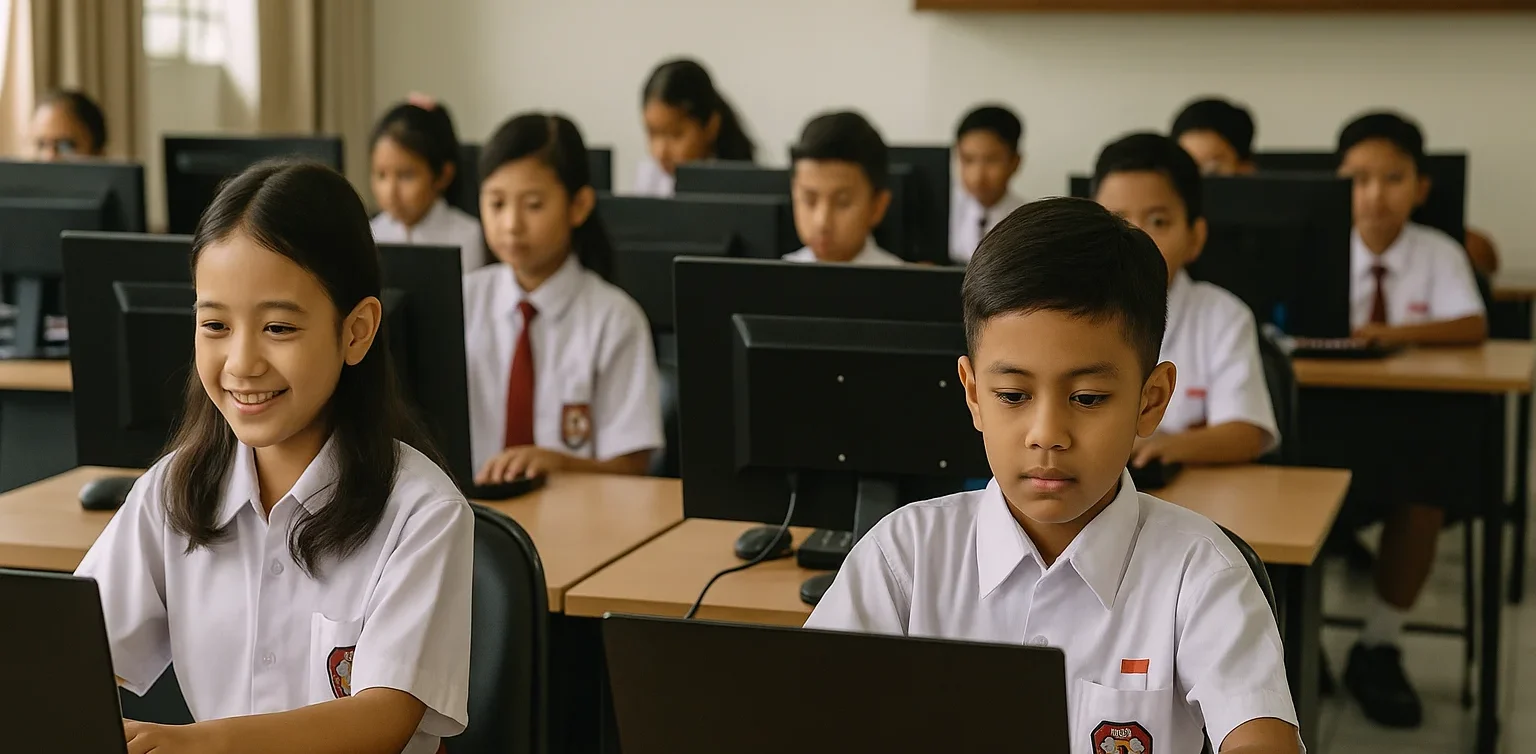
In today’s digital age, technological skills are no longer optional but essential for every child. Technology Literacy for Children is not only about knowing how to operate devices, but also understanding how to use technology wisely, creatively, and productively. By equipping children with these skills from an early age, parents help them navigate the digital world safely and effectively.

Benefits of Technology Literacy for Children
Technology Literacy for Children

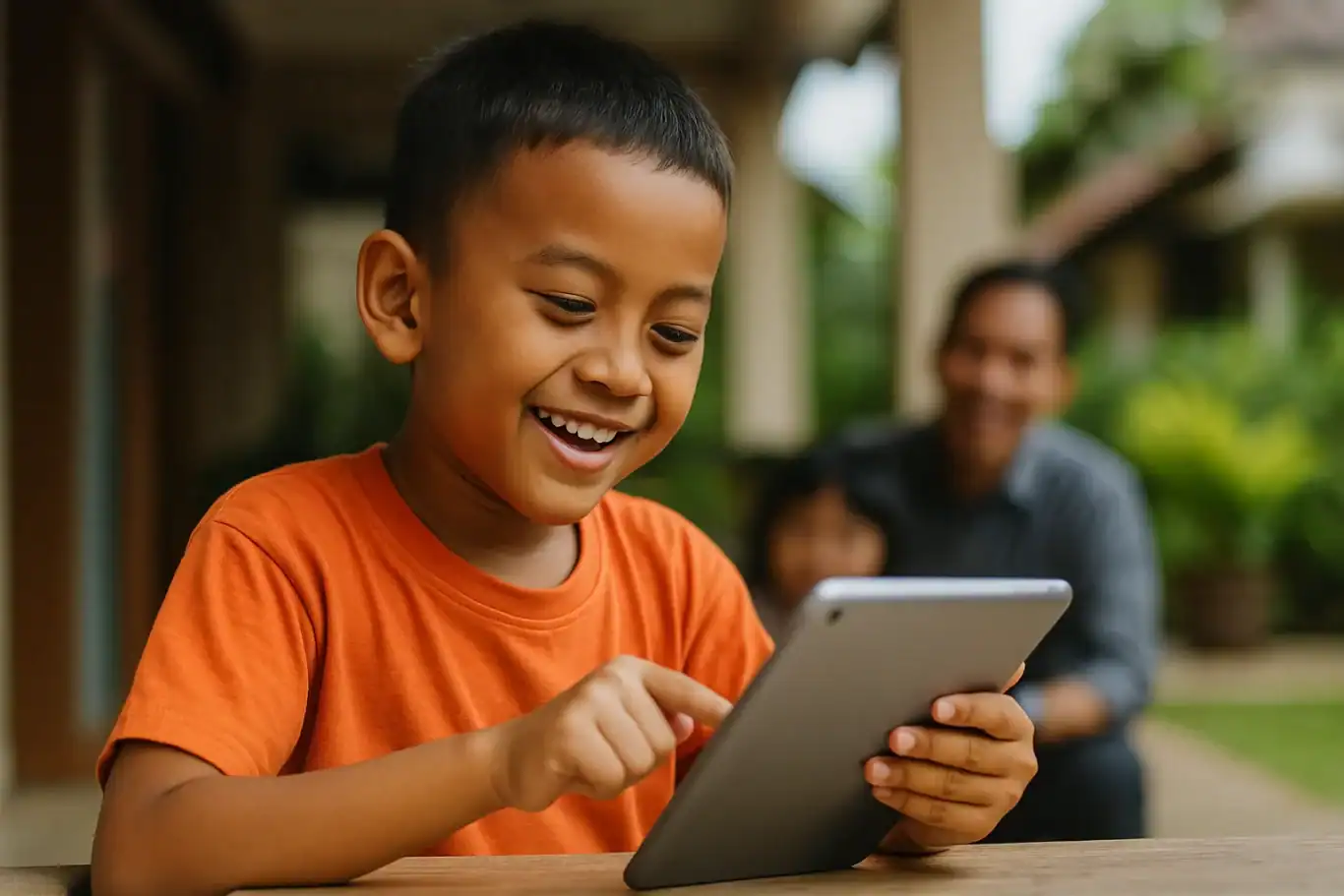
Children with strong Technology Literacy for Children can critically evaluate information, understand basic technological concepts, and use digital tools for learning and creativity. These skills prepare them to face academic challenges as well as future career demands. Additionally, children can develop creativity, logical thinking, and problem-solving abilities through engaging technology-based activities.

How to Develop Technology Literacy in Children

Parents can start fostering Technology Literacy for Children by introducing age-appropriate digital devices and educational applications. Activities such as simple digital projects, educational games, or basic coding lessons can help children understand technology concepts while enhancing critical thinking skills. Proper guidance ensures that children are not just consumers of technology but also creative and productive users.

The Role of Schools and Educational Institutions

Technology Literacy for Children

Schools and educational institutions play a crucial role in supporting Technology Literacy for Children. Structured learning programs such as coding classes, robotics workshops, and interactive educational apps provide hands-on experience that makes learning technology fun and meaningful. Timedoor Academy offers various classes that emphasize digital literacy through practical and interactive approaches, allowing children to learn while enjoying the process.

Digital Skills as Preparation for the Future

Having Technology Literacy for Children is not only beneficial now but also an essential foundation for the future. Children who are accustomed to using technology productively will find it easier to adapt to the demands of a digital workforce. Furthermore, technology literacy enhances communication, collaboration, and innovation skills, which are crucial in both social and professional environments.

Tips for Parents to Support Technology Literacy

Parents can support Technology Literacy for Children through several simple strategies. First, set limits on screen time to ensure a healthy balance between online and offline activities. Second, select age-appropriate content and educational apps. Third, participate in children’s digital activities, such as guiding them in coding projects or creative applications. This involvement encourages children and motivates them to use technology positively.

Combining Hobbies with Technology Learning
Technology Literacy for Children

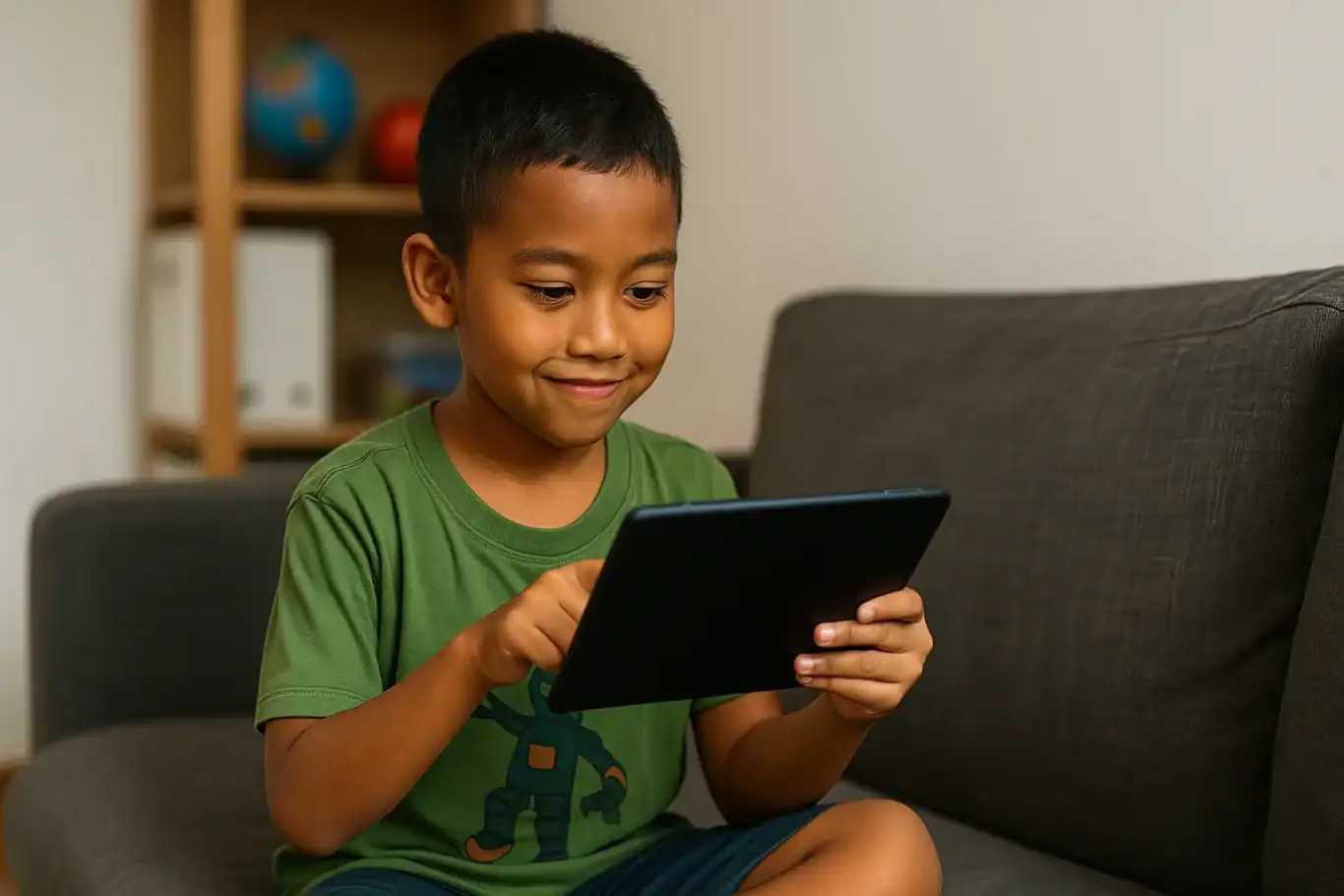
A highly effective approach to developing Technology Literacy for Children is integrating a child’s hobbies with digital learning. For example, children who enjoy gaming can be guided to learn coding or create their own simple games. This not only channels their interests productively but also teaches logical thinking, creativity, and teamwork skills that are applicable in various aspects of life.

Technology Literacy as a Key to Child Development

 Image

Technology Literacy for Children is a key factor in nurturing children to become intelligent, creative, and adaptable in a rapidly changing digital world. With appropriate guidance from parents and educational institutions, children not only gain proficiency in technology but also learn to use it responsibly and productively. Investing in digital literacy provides long-term benefits for education and personal growth.If you want your child to start developing digital skills in a fun and interactive way, sign up for a free trial at Timedoor Academy today. Here, children learn technology in practical and creative ways, guided by professional tutors who understand the needs of modern learners.


Keep Reading

Top 5! How to Limit YouTube for Kids Effectively
In today’s digital world, YouTube has become one of the most popular entertainment platforms for children. While it offers a wide variety of educational content, it also exposes kids to videos that may not be suitable for their age. That’s why many parents are searching for a clear and practical solution: how to limit YouTube for kids. Ensuring your child’s safety while exploring the internet is no easy task. YouTube’s algorithm often suggests videos based on watch history, not necessarily on age-appropriateness. This makes it even more critical for parents to learn how to limit YouTube for kids as part of responsible digital parenting. Why It’s Important to Monitor Kids on YouTube While YouTube can be a great source of learning—offering science experiments, storytime videos, and creative tutorials—it can also lead kids down a rabbit hole of violent, inappropriate, or misleading content. Without proper supervision, your child may unintentionally view content that contradicts the values you are trying to instill. That’s why understanding how to limit YouTube for kids is not just a parenting option, but an essential digital safety measure. How to Limit YouTube for Kids: Practical Steps Here are some concrete steps you can take as a parent: 1. Use YouTube Kids App YouTube offers a child-friendly version of its platform called YouTube Kids. This app is designed with automatic filters to block inappropriate content and provide age-appropriate viewing. It’s a strong first step in your approach to how to limit YouTube for kids. 2. Enable Restricted Mode If your child uses the standard YouTube app, you can enable “Restricted Mode” in the settings. This feature helps filter out videos flagged as unsuitable. It adds an extra layer of protection in your efforts to control what your child watches. 3. Set Parental Controls Both YouTube Kids and the regular app allow you to set screen time limits and control the types of content your child can access. These built-in parental controls are crucial in enforcing how to limit YouTube for kids without needing constant supervision. 4. Establish Viewing Schedules Create specific times for when your child is allowed to watch YouTube, such as after completing homework or during weekends. Clear time restrictions encourage discipline and help children value their screen time. 5. Watch Together Spend time watching YouTube with your child. It’s not just about monitoring—it’s an opportunity to bond, understand their interests, and gently guide them toward more enriching content. 6. Educate Your Child on Good Content Choices Teach your child how to recognize content that is inappropriate or makes them uncomfortable. Encourage them to speak up if they come across something they don’t understand or that feels wrong. This empowers them to be responsible digital citizens. 7. Use Third-Party Monitoring Apps Tools like Google Family Link can provide more detailed control over your child’s online behavior. You can view their activity, set time limits, and even approve or block apps. These tools are highly effective in supporting your journey in how to limit YouTube for kids. Common Challenges Parents May Face Setting limits is not always easy. Children may resist new rules or attempt to find workarounds to access restricted content. That’s why consistency, patience, and open communication are key. Involve your child in creating these rules so they feel included and understand the reasons behind them. It’s also important to strike a balance. Remember, the goal of learning how to limit YouTube for kids is not to ban access entirely but to guide children toward safe and meaningful digital experiences. Limiting is Not Banning, It’s Redirecting When done right, how to limit YouTube for kids becomes a way of redirecting your child’s screen time toward educational and creative growth. There are countless videos that can inspire innovation, critical thinking, and even spark a passion for science, art, or coding—when chosen wisely. As parents, we have the power to shape how children interact with technology. By combining digital tools with parental guidance and open conversations, we prepare them for a safer and smarter future online. Try a Free Coding Class at Timedoor Academy Parenting in the digital era requires new tools and strategies. With the right knowledge and support, you can protect your child from harmful content while encouraging their curiosity and creativity. If you're looking for a positive and productive way to introduce your child to the digital world, consider enrolling them in a fun and educational tech program. Timedoor Academy offers free trial courses in coding, tailored for children aged 5 to 19.
5 Powerful Secrets of the Project Based Learning Method in Coding Education
In today’s modern education system, learning methods have evolved to become more dynamic and interactive. One of the most effective approaches in improving students’ engagement and understanding is the project based learning method. This approach focuses on learning through direct experience and the practical application of knowledge in real-world projects. In the digital age, coding skills have become one of the most essential abilities for children to master early. However, learning coding is not just about memorizing syntax or following instructions. It’s about developing logical thinking, creativity, and problem-solving skills. That’s where the project based learning method plays a key role in helping children learn meaningfully and effectively. Why the Project Based Learning Method Works for Coding Children are naturally more interested when they can see the real results of their work. In the project based learning method, they don’t just listen to theory but are actively involved in creating projects such as simple games, interactive apps, or digital animations. Through this approach, students learn by exploring, collaborating, and experimenting. They discover how to organize ideas, design solutions, and solve real problems using coding logic. This process makes learning more engaging, fun, and memorable. Key Advantages of the Project Based Learning Method in Coding Boosts Learning Motivation When children see the outcomes of their own work, they gain a sense of pride and accomplishment. The project based learning method helps them feel that every lesson has a purpose. This builds intrinsic motivation to keep learning and exploring new things. Enhances Problem-Solving Skills Every project presents challenges that children must overcome. This trains them to think critically and find creative solutions. The project based learning method encourages perseverance and helps children build confidence in solving complex problems. Encourages Collaboration and Communication One of the most valuable elements of the project based learning method is teamwork. Students learn to share ideas, listen to others’ opinions, and combine their skills to achieve the best results. These social and communication skills are essential for their future success. Deepens Understanding of Technology Concepts By directly applying what they learn, children gain a deeper understanding of how technology works. They don’t just know how to write code; they understand the logic behind it and how it can be used to create meaningful solutions. Implementation at Timedoor Academy Timedoor Academy understands the importance of interactive and practical learning. That’s why our coding classes use the project based learning method to ensure every student learns actively and joyfully. Each module is carefully designed so that students can work on real projects based on their skill levels. For example, beginners might create interactive animations, while advanced learners can develop simple games or websites. Moreover, the instructors at Timedoor Academy act as mentors who guide children to think creatively behind every project. The learning experience not only produces digital products but also builds a problem-solving mindset that lasts a lifetime. Positive Impacts on Child Development Children who learn through the project based learning method show significant growth in various aspects. They become more confident as they complete real projects. Their critical thinking and time management skills also improve noticeably. Additionally, this approach teaches children that making mistakes is part of the learning process. When their projects don’t work as expected, they learn to fix and try again. This growth mindset is crucial in today’s ever-evolving technological world. Connecting Theory with Real Life One of the biggest challenges in teaching coding is helping students understand the connection between theory and real-world application. With the project based learning method, children learn that every line of code has a real function and purpose. For instance, they might create a simple app to organize their study schedule or design an educational game for their friends. Once they realize that coding skills can be used to build something useful, their enthusiasm for learning grows naturally. Parents’ Role in Supporting Learning Parents play a vital role in supporting their children’s journey using the project based learning method. Offering encouragement and appreciation for their work builds their confidence. Giving children the space to experiment and explore also helps nurture independent thinking. Parents can support by asking about their learning process, not just the final outcome. This strengthens the bond between parents and children while encouraging continuous growth. Conclusion: Active, Creative, and Meaningful Learning Coding education through the project based learning method is more than just teaching children to write code. It’s about shaping analytical thinkers who are creative, resilient, and solution-oriented. This approach empowers them to face challenges positively while building essential skills for the future.If you want your child to learn coding in an engaging and meaningful way, sign them up for a Free Trial Class at Timedoor Academy. Let them experience the joy of learning through real projects that spark creativity and build confidence for a bright digital future.
Winners’ Announcement of Bootcamp December 2024
Timedoor Academy BootCamp 2024 was held from December 9 to 27, 2024, with over 200 participants from both Online and Offline classes across Indonesia. This year, we also launched two exciting new programs: Kids Machine Learning and Entrepreneurship, which generated even more excitement among our students. Timedoor Academy offers a dynamic 5-day BootCamp, featuring various programs that allow students to choose based on their interests. The Coding Camp includes a wide range of courses such as Game Development, Website Development, Python Development, Roblox Development, Artificial Intelligence, and Internet of Things (IoT). Meanwhile, our Design Camp focuses on nurturing students’ creativity through programs like Animation Creation, Branding Design, UI/UX Design, and Comic Making. At Timedoor Academy, we aim to help students become skilled programmers, designers, and comic artists in just 5 days by challenging them to create top-tier projects using cutting-edge platforms. This experience equips them to become digital experts ready to tackle the challenges of today and tomorrow! Today, we’re excited to announce the top award recipients from each program category. The award winners are recognized for their Best Project and Best Participant achievements. Check out the list of winners below! JUNIOR ANIMATOR CATEGORY PARTICIPANT’S NAME BRANCH Best Project Malik Akbar Pahlevi Cimanggu, Bogor Best Participant Made Indah Widyasari Renon JUNIOR 3D GAME CATEGORY PARTICIPANT’S NAME BRANCH Best Project Ibra Maimun Medan Best Participant Azfar Milo Respati Gatsu JUNIOR CONSTRUCT CATEGORY PARTICIPANT’S NAME BRANCH Best Project Randall Elmer Keeley Sanjaya Citraland Best Participant Brigita Clarisa Kanaya Bandaso Cikarang KIDS CONSTRUCT BEGINNER + WEBSITE CATEGORY PARTICIPANT’S NAME BRANCH Best Project Muhammad Iqbal Rachman Jambi Best Participant M.Abizar Maimun Medan KIDS MACHINE LEARNING CATEGORY PARTICIPANT’S NAME BRANCH Best Project Nabila Syahquita Pontianak Best Participant I Gede Agasthya Putra Darmawan Gatsu KIDS ANDROID APP DEVELOPER CATEGORY PARTICIPANT’S NAME BRANCH Best Project Raisa Raya Sabriya Jambi Best Participant Fatih Rizqi Mubarok Jambi KIDS ROBLOX CATEGORY PARTICIPANT’S NAME BRANCH Best Project Tyo Putra Daud Gorontalo Best Participant Natanael Halim Cikarang KIDS PYTHON CATEGORY PARTICIPANT’S NAME BRANCH Best Project Reinhart Amadeus Christianto Online ID Best Participant Olivia Kisya Mahendra Jimbaran KIDS AI DEVELOPER CATEGORY PARTICIPANT’S NAME BRANCH Best Project Jason Andrew Cikarang Best Participant Gabriel Prathama Wijaya Online ID TEENS PHASER CATEGORY PARTICIPANT’S NAME BRANCH Best Project Naufal Arfan Online ID Best Participant Muhammad Rizki Mahendra Online ID TEENS WEB DEVELOPER CATEGORY PARTICIPANT’S NAME BRANCH Best Project Arkaan Fatih Safaraz Pekanbaru Best Participant Faeyza Nur Huda Online ID TEENS ROBLOX CATEGORY PARTICIPANT’S NAME BRANCH Best Project Affa Danendra Sarwoko Pontianak Best Participant Muhammad Vedro Alfadillah Pontianak TEENS PYTHON CATEGORY PARTICIPANT’S NAME BRANCH Best Project Gregory Gaven Greenlake Best Participant Komang Gede Bayu Sefti Wiguna Renon TEENS APP DEV CATEGORY PARTICIPANT’S NAME BRANCH Best Project I Gusti Ayu Ari Cahya Widiadnyani Gatsu Best Participant Valkyrie Chan Online ID TEENS AI DEV CATEGORY PARTICIPANT’S NAME BRANCH Best Project Filigon Bryliant El Fikri Sirait Kelapa Gading Best Participant Aghniya Kelapa Gading  COMIC KIDS CATEGORY PARTICIPANT’S NAME BRANCH Best Project Razita Maryam Hernanda Online ID Best Participant Christopher Martin Susanto Online ID  COMIC TEENS CATEGORY PARTICIPANT’S NAME BRANCH Best Project Joanne Gracia Susanto Online ID Best Participant Ulinnuha Inma Ghozali Online ID  DESIGN BRANDING CATEGORY PARTICIPANT’S NAME BRANCH Best Project Kanaka Mahabarata Online ID Best Participant Anja Ruci Berlian Online ID  DESIGN ANIMATION CATEGORY PARTICIPANT’S NAME BRANCH Best Project Manuel Angelo Siburian Online ID Best Participant Justin Clarence Luckijaya Gatsu  DESIGN UI/UX WEB CATEGORY PARTICIPANT’S NAME BRANCH Best Project Jovan Wang Online ID Best Participant Jonathan Wang Online ID IOT KIDS & TEENS CATEGORY PARTICIPANT’S NAME BRANCH Best Project Kevin Hansel Wibowo Citraland Best Participant Kadek Nirwasita Danaswara Gatsu
float button