May 22, 2025

How to Perform Eid al-Adha Prayer 2025: Steps, Meaning, and Inspiring Activities for Children

<strong>How to Perform Eid al-Adha Prayer 2025: Steps, Meaning, and Inspiring Activities for Children</strong> image

How to perform Eid al-Adha prayer is one of the most common questions for Muslim families as Eid al-Adha approaches. Understanding how to perform Eid al-Adha prayer correctly is essential to ensure your worship is meaningful and in accordance with the sunnah. In this article, we’ll guide you through how to perform Eid al-Adha prayer in 2025, the recommended intentions in Arabic and English, the official prayer schedule, and positive activities for your children during the Eid holiday—including gently introducing them to coding with Timedoor Academy.

How to Perform Eid al-Adha Prayer 2025: Intention (Niyyah), Meaning, and Pronunciation

Before performing the prayer, it’s important to know how to perform Eid al-Adha prayer with the proper intention (niyyah), whether as an imam (leader) or as a follower (makmum). The intention is made in your heart at the moment you begin with the opening takbir (takbiratul ihram). Below are the intentions for both roles, with the Arabic text, transliteration, and meaning:

Intention as a Follower (Makmum):
Arabic:
اُصَلِّي سُنَّةً لِعِيْدِ الأَضْحَى رَكْعَتَيْنِ مَأْمُوْمًا ِللهِ تَعَالَى
Transliteration:
Ushalli sunnatan li ‘iidil adha rak‘ataini ma’muuman lillaahi ta‘aalaa
Meaning:
“I intend to perform two units of Eid al-Adha sunnah prayer as a follower, for the sake of Allah Ta’ala.”

Intention as an Imam (Leader):
Arabic:
اُصَلِّي سُنَّةً لِعِيْدِ الأَضْحَى رَكْعَتَيْنِ إِمَامًا ِللهِ تَعَالَى
Transliteration:
Ushalli sunnatan li ‘iidil adha rak‘ataini imaaman lillaahi ta‘aalaa
Meaning:
“I intend to perform two units of Eid al-Adha sunnah prayer as a leader, for the sake of Allah Ta’ala.”

Teaching your children how to perform Eid al-Adha prayer, including how to recite the intention in Arabic, is a great way to build good prayer habits from an early age.

Step-by-Step: How to Perform Eid al-Adha Prayer

Once you have learned the intention, the next step in how to perform Eid al-Adha prayer is understanding the movements and recitations. Here’s a simple step-by-step guide:

  1. Silently recite the intention for Eid al-Adha prayer in your heart at the same time as you begin the opening takbir.
  2. In the first unit (rak’ah), after the opening takbir, perform seven additional takbirs.
  3. Recite Al-Fatihah and a short surah (such as Surah Qaf or Surah Al-A’la).
  4. Continue with bowing (rukuk), standing (i’tidal), and prostrating (sujud) as in regular prayer.
  5. In the second unit, after standing up, perform five additional takbirs.
  6. Recite Al-Fatihah and another short surah (such as Surah Al-Ghashiyah).
  7. Complete the prayer as usual and finish with salam.
  8. After the prayer, it is recommended to listen to the Eid sermon (khutbah).

Knowing how to perform Eid al-Adha prayer ensures your worship is in line with the prophetic tradition and brings deeper meaning to your Eid celebration.

Eid al-Adha Prayer Schedule 2025

Eid al-Adha in 2025 is expected to fall on Friday, June 6, 2025. The prayer is usually held in the morning, between 6:00 and 7:00 a.m. local time, but always confirm with your local mosque or Islamic authority for the exact timing in your area.

The Eid holiday is a wonderful opportunity for families to grow closer and help children experience the values and beauty of Eid.

The Meaning of Eid al-Adha for Families and Children

how to perform eid al-adha prayer

Eid al-Adha is more than just a ritual of sacrifice—it is also a time to strengthen family bonds and teach the spirit of worship. Demonstrate to your children how to perform Eid al-Adha prayer and involve them in meaningful holiday activities, such as distributing qurban meat or joining community events.

Positive Activities During the Eid al-Adha Holiday

To make Eid al-Adha 2025 even more memorable, here are a few positive activity ideas for your children:

  1. Learning How to Perform Eid al-Adha Prayer Together
    Practice the intention and steps at home before going to the mosque, so your child feels confident and included in the communal prayer.
  2. Teaching the Value of Sharing and Cooperation
    Invite children to help distribute qurban meat or participate in community clean-up activities.
  3. Filling the Holiday with Educational Activities
    Besides worship, use this time to introduce children to new skills such as coding.

Coding: A Positive Holiday Activity for Your Child’s Future
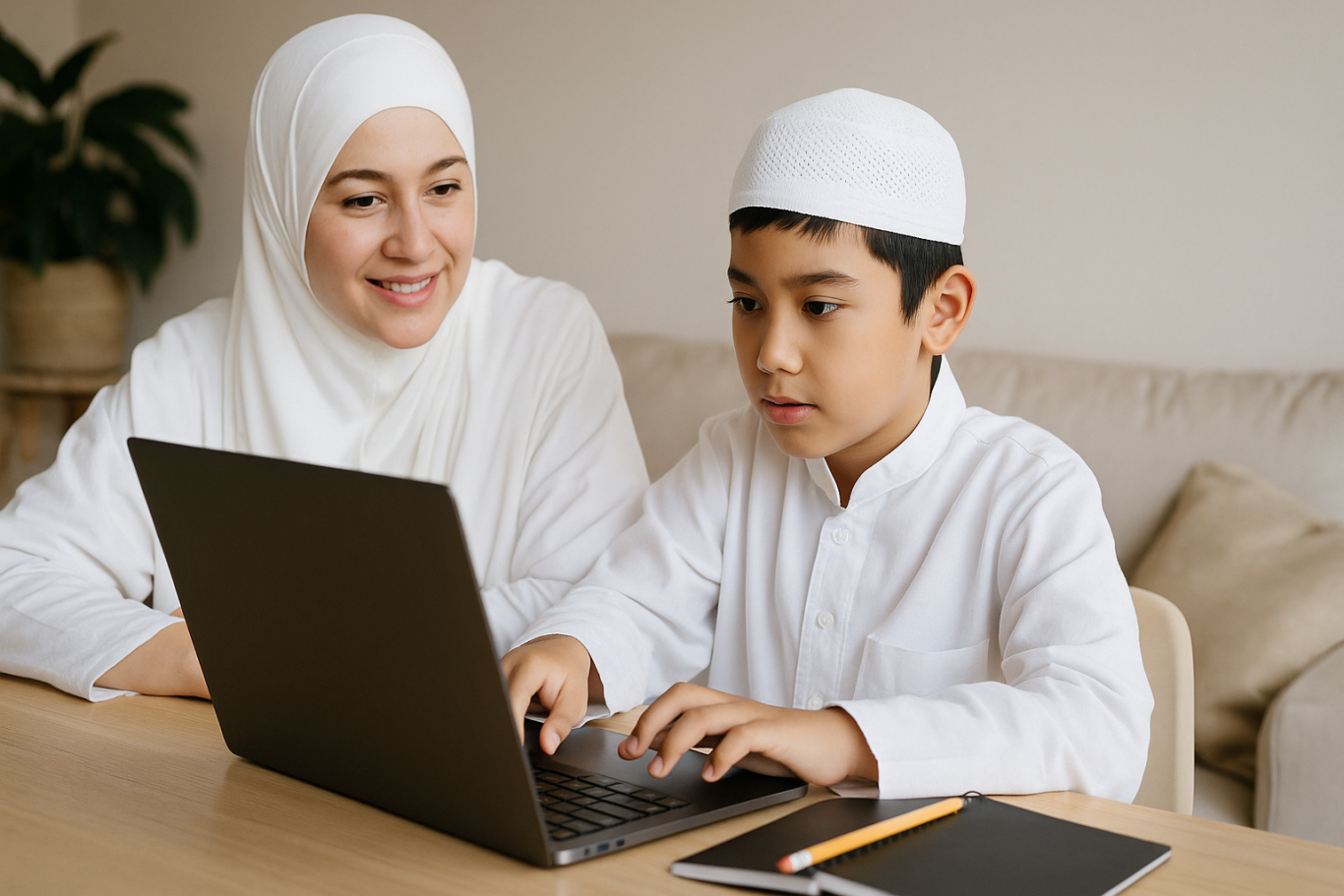
In addition to learning how to perform Eid al-Adha prayer, spending time on fun, educational activities like coding helps children develop critical thinking, creativity, and problem-solving skills. Timedoor Academy offers interactive online coding classes that children can join from home during the Eid holiday. The lessons are designed for all age levels, with practical projects that make learning enjoyable.

There is also a free trial class available, so your child can experience coding first-hand—no commitment required—making the most of the Eid al-Adha break.

Tips to Maximize the Eid al-Adha Holiday for Children

  • Create a balanced daily schedule including prayer, play, learning, and rest.
  • Support children to try new things, such as coding, in addition to practicing how to perform Eid al-Adha prayer.
  • Join your child in activities to help them feel more confident and motivated.

Eid al-Adha Holiday, a Precious Moment for Family and Learning

Ingin tahu detail program? Image

Ingin tahu detail program?

Understanding how to perform Eid al-Adha prayer is a meaningful first step in preparing your child for worship. The 2025 Eid al-Adha holiday is also the perfect chance to teach both spiritual values and important future skills, like coding. Strengthen your family bond, help your child learn how to perform Eid al-Adha prayer, and explore educational activities together with Timedoor Academy.

Don’t miss this chance to make Eid al-Adha 2025 a memorable, positive experience for your children and family!
Keep Reading

Best Age for Kids to Use Laptops: What Age Can Kids Start Using Laptops for Learning?
Technology has brought many changes to education, including how children learn. Nowadays, laptops and tablets have become common learning tools. However, many parents still wonder: what is the best age for kids to use laptops, and at what age can kids start using laptops safely and effectively? This article provides a guide on the right age for children to start using laptops for learning, the benefits and challenges to consider, and tips to help ensure laptop use supports their development in the best way possible.   Why Is It Important to Consider Age When Letting Kids Use Laptops? Laptops and other digital devices make learning easier with wide access to information, interactive educational apps, and fast communication tools. However, early and unsupervised use of technology can pose risks like eye strain, posture problems, and screen dependency. That’s why parents need to know the best age for kids to use laptops so the benefits are maximized without compromising their health and social development. Choosing the right time also helps kids be mentally and cognitively ready to handle technology in a healthy way.   So, What Age Can Kids Start Using Laptops? There’s no strict rule because every child develops differently. But experts generally recommend: Under 2 years old: Avoid screen time including laptops and tablets, since brain development at this age depends heavily on direct physical and social interaction. Ages 2–5: Limit screen time to no more than 1 hour per day, and use devices only with educational content supervised by parents. 6 years and older: Kids can start using laptops for learning for longer periods, but with clear time limits and adult supervision. So, the age when kids can start freely using laptops for learning is usually around elementary school age—starting from 6 years old—with guidance and rules in place.   Benefits of Using Laptops for Kids’ Learning Using laptops appropriately by age and need offers many benefits, including: Access to Diverse Learning Resources: Kids can explore a variety of online sources like educational videos, e-books, and interactive apps. Development of Digital Skills: In today’s digital world, knowing how to use technology is a crucial skill that should be developed early. Boosting Creativity and Independence: Children can create digital projects like drawings, videos, or basic coding that stimulate creativity. Ease of Communication and Collaboration: Laptops enable kids to communicate easily with teachers and classmates, especially in remote learning.   Challenges and Risks of Laptop Use for Kids Despite the benefits, parents should be aware of some risks: Excessive Screen Time: Can cause eye fatigue, sleep disturbances, and other health issues. Poor Posture: Long use without ergonomic setups can lead to neck and back pain. Social and Emotional Issues: Dependence on devices may reduce social interaction and physical activity. Inappropriate Content: Kids might access unsuitable material without supervision.   Tips for Choosing the Best Age for Kids to Use Laptops Safely To ensure positive laptop use, consider these tips: Start Slowly and Gradually: Adjust laptop time based on your child’s age and focus capacity. Monitor and Supervise: Always stay with your child while they use the laptop, especially when young. Choose Educational Content: Make sure apps and websites are age-appropriate and support learning. Set Up Proper Posture and Breaks: Provide ergonomic seating and regular rest periods. Set Rules and Schedules: Agree on time limits to prevent overuse.   Supporting Your Child’s Tech Learning Journey To help your child use technology effectively and appropriately, besides knowing the best age for kids to use laptops, it’s important to introduce fun and age-appropriate coding lessons. Timedoor Academy offers specially designed coding programs for kids, with easy-to-understand and engaging methods. Don’t hesitate to try it out, because Timedoor Academy also provides free trial classes that let parents and children explore coding without pressure before committing fully. This is a great first step to support your child’s digital development for the future.   Best Age for Kids to Use Laptops and When It’s Appropriate Determining the best age for kids to use laptops and when they can safely start isn’t just about numbers, but also about the child’s mental, physical, and social readiness. Generally, elementary school age is an ideal time to begin using laptops as learning tools, with supervised and limited use. Healthy and purposeful laptop use opens up many learning opportunities and helps develop essential skills in the digital age. Therefore, parents should actively guide and regulate technology use so it supports their child’s overall growth.
<strong>5 Best Kids Playgrounds in Bali for a Fun Family Day Out</strong>
5 Best Kids Playgrounds in Bali for a Fun Family Day Out
Bali is famous not only for its stunning beaches and vibrant culture, but also for its growing number of modern, family-friendly playgrounds. If you’re looking to spend quality holiday time with your loved ones, visiting a kids playgrounds in Bali is a fantastic choice. Today, you’ll find a wide range of playgrounds in Bali—indoor, outdoor, and even those combined with cafes and educational activities. Playing at a kids playgrounds in Bali is not only fun, but also incredibly beneficial for children’s physical, social, and emotional development. Kids have the freedom to move, make new friends, and spark their creativity through all kinds of play experiences. Here are five recommended kids playgrounds in Bali that are open and ready to welcome your family in 2025! 1. Mai Main Playground Canggu Located on Jl. Padang Linjong No.8, Canggu, Mai Main Playground is one of the largest and most modern kids playgrounds in Bali, offering both indoor and outdoor play spaces that are safe and comfortable. Children can enjoy everything from giant slides and ball pits to trampolines and mini climbing walls. What makes Mai Main special is its range of classes—ballet, art, and even animal interactions. It’s not just about play, but also learning, with activities designed to support motor skills, creativity, and social development. This playground is perfect for families wanting to spend meaningful time together. 2. Mookiland Family Park Bali Situated on Jl. Raya Kedampang, Kerobokan, Mookiland Family Park Bali is a must-visit for outdoor fun. With over 5,000 square meters of space, children can run free on trampolines, zip lines, swings, and inflatable castles. There’s even a mini water park and an educational garden. Parents can relax at the on-site restaurant, which serves healthy, kid-friendly meals. Surrounded by lush rice fields, the park feels fresh and peaceful—a perfect escape from the city. Mookiland also frequently holds exciting events like family runs, creative bazaars, and workshops. 3. Parklife Bali Parklife Bali brings the “green park” concept to life with a full range of family facilities. Located at Jl. Raya Uma Buluh No.15, Canggu, Parklife features extensive outdoor play areas, a kids club, art classes, and even simple coding and science rooms. Every weekend, Parklife hosts family events like picnics, children’s performances, and cooking classes. Kids can build forts, explore water games, and learn about nature as they play. There’s also a family-friendly restaurant with healthy menu options for all ages. 4. Peek A Boo Reborn Located at Jl. Buana Raya No.22 C, Denpasar, Peek A Boo Reborn is a well-equipped kids playground in Bali with themed play areas, ball pits, trampolines, and tech-based educational games. It’s known as a pioneer in using AI to spark children’s creativity through interactive play. Peek A Boo Reborn is open from 10 a.m. to 10 p.m., making it a flexible option for families. With a wide variety of play choices and attentive supervision, parents can relax knowing their children are safe and having fun. 5. Gurita Playground Found at Jl. Tukad Batanghari No.69, Denpasar, Gurita Playground offers an indoor play experience with cheerful pastel colors. Kids can enjoy mini climbing walls, treehouses, ball pits, and a dedicated art room. There’s also a child-friendly café, allowing parents to unwind while keeping an eye on their little ones. Gurita Playground is great for playdates, birthday parties, or just a fun weekend outing. Tips for a Safe & Enjoyable Visit to Kids Playgrounds in Bali To make the most of your visit to any kids playground in Bali, here are a few tips for parents: Check opening hours and playground policies before visiting. Pay attention to safety rules, like wearing grip socks and supervising children. Bring extra supplies like a change of clothes, wet wipes, and a water bottle. Talk to your child about playground rules, sharing, and cleanliness. Use playtime as a chance to teach social skills, discipline, and creativity. Playgrounds, Coding & Preparing Kids for the Future Besides exploring kids playgrounds in Bali, the holidays are a perfect opportunity to try out educational activities like coding. Coding helps develop logic, problem-solving skills, creativity, and teamwork—just like playing at a playground! With Timedoor Academy, learning coding is now fun and accessible. Children can discover coding in an interactive way, with hands-on projects tailored to their age and skill level. Timedoor Academy’s coding classes are designed to nurture not just digital skills, but also confidence and innovative thinking. Make Your Bali Holiday Fun & Educational—Try a Free Coding Class at Timedoor Academy! Ready to make your family holiday in Bali both fun and enriching? Plan a trip to a kids playground in Bali and don’t forget to add a coding class with Timedoor Academy to your itinerary! Sign up your child for a free trial class at Timedoor Academy and let them experience the excitement of learning coding in a playful, confidence-building way. A holiday in Bali is about more than just play—it’s about preparing a creative, brave, and tech-savvy next generation. Happy holidays and enjoy every moment with your family!
<strong>What Is Deepfake? The Impact on Children in 2025 and How to Respond Wisely</strong>
What Is Deepfake? The Impact on Children in 2025 and How to Respond Wisely
The rapid development of digital technology has brought about countless innovations, and one of the most talked-about today is deepfake technology. Recently, the term “deepfake” has been frequently discussed, especially as more and more fake videos that appear shockingly real circulate on social media. But what is deepfake exactly, and why do parents need to understand and be cautious about this technology, especially to protect their children? This article will explain what is deepfake, how it works, and the potential impact it can have on children. We’ll also cover practical steps parents can take to help their kids face digital challenges with confidence. What Is Deepfake? Understanding the Technology Behind Fake Faces Before exploring its impact, it’s important for both parents and children to know what is deepfake. Deepfake is a term used for videos, images, or audio created with artificial intelligence (AI) so convincingly that they appear real, even though they’re fake. This technology can swap faces, mimic voices, or even make someone say or do things that never actually happened. Originally, deepfake technology was developed for entertainment and cinema, such as creating special effects in movies. However, as technology has advanced, deepfakes are increasingly misused—for spreading hoaxes, scams, and even digital bullying. That’s why digital literacy and education about deepfake is now more crucial than ever for Indonesian families. How Does Deepfake Work? To help children and parents better understand what is deepfake, let’s look at the basics of how this technology operates. Deepfake uses machine learning, especially deep learning techniques, to analyze and mimic someone’s facial expressions, voice, and movements. Using sets of videos or photos of a target, AI “learns” unique patterns and then applies them to new videos to make them appear extremely realistic. The end result of a deepfake is often very difficult to distinguish from real footage, especially at a glance. This makes deepfake technology dangerous if misused, particularly for children who may not yet know how to verify what they see online. The Impact of Deepfake on Children After understanding what is deepfake, it’s essential to recognize the negative effects it can have on children in the digital era: 1. Spread of Hoaxes and MisinformationChildren can easily be convinced by a deepfake video or audio that looks and sounds real, making them vulnerable to fake news, slander, or provocative issues. 2. Cyberbullying and ExploitationDeepfake can be used to create fake content that humiliates or damages a child’s reputation, or even as a tool for online bullying and exploitation. 3. Fraud and Privacy ThreatsA child’s personal data can be stolen and used to create deepfakes, which could then be involved in scams, blackmail, or other crimes. 4. Self-Doubt and Mental Health IssuesIf a child becomes a victim of deepfake, they may experience stress, shame, and even trauma, which can affect their self-confidence and mental well-being. 5. Difficulty Distinguishing Fact from ManipulationAt a young age, children are not fully equipped to tell the difference between genuine and fake content. Lack of digital literacy can make them more susceptible to digital manipulation. The Role of Parents: Education and Protection Simply understanding what is deepfake isn’t enough. Parents must also actively educate and guide their children to stay safe in the digital world. Here are some practical steps: Teach Digital Literacy EarlyDiscuss with your child about what is deepfake, how to spot fake content, and the importance of not believing every piece of information encountered online. Build Open CommunicationEncourage children to talk if they come across suspicious content or feel uncomfortable with something online. Strengthen Data Privacy AwarenessHelp children understand the importance of keeping personal data—photos, videos, and identity information—private and protected. Be a Role ModelParents should use technology and social media wisely, and avoid sharing or spreading unverified content. Introduce Positive Digital ActivitiesRedirect children’s attention to educational and productive digital activities, such as learning coding, creating digital projects, or exploring new knowledge. Coding: A Smart Way to Protect Children in the Digital World One concrete way to equip children for the deepfake era is to introduce them to coding. By learning to code, children don’t just become technology users—they also gain an understanding of how technology works. Coding sharpens logic, analytical skills, and encourages critical and creative thinking. Children who learn coding are better able to recognize digital manipulation and understand how AI behind deepfake works. Timedoor Academy offers interactive, fun, and age-appropriate coding programs. Children can learn to build apps, simple games, and even understand basic AI concepts through friendly and easy-to-follow methods. Time to Outsmart Deepfake, Starting from Home In today’s digital age, understanding what is deepfake should be a priority for every family. With the right knowledge, digital literacy education, and technology skills such as coding, children will be better prepared to face the risks and opportunities of the online world. Don’t let your child fall victim to digital manipulation! Register your child for a free trial class at Timedoor Academy and introduce them to coding and digital safety from an early age.
float button