Jun 03, 2025

7 Top Movie Recommendations for Kids: Best Family Films of 2024 – 2025!

7 Top Movie Recommendations for Kids: Best Family Films of 2024 – 2025! image

Watching movies with your children is not only a fun family activity, but also a meaningful way to teach important values, expand horizons, and spark their imagination. By choosing the right movie recommendations for kids, parents can introduce positive messages and exciting stories that stay with their children for years to come. Between 2024 and 2025, there are many new animated and live-action releases that are full of adventure and valuable lessons. Here are seven movie recommendations for kids that you should not miss for your next family movie night.

1. Jumbo (2025)

movie recommendations for kids

Released on March 31, 2025, Jumbo is an Indonesian animated film directed by Ryan Adriandhy. The story follows Don, an orphaned boy often underestimated because of his large size. With the help of a tiny fairy named Meri, Don embarks on a magical adventure to discover the meaning of friendship and courage. Jumbo quickly became Indonesia’s highest-grossing animated movie of all time, reaching more than two million viewers in just eleven days. This is a must-watch and one of the top movie recommendations for kids in 2025.

2. Inside Out 2 (2024)

Inside Out 2, released on June 14, 2024, is the much-anticipated sequel to Pixar’s acclaimed film. The story continues with Riley as she enters her teenage years, experiencing new emotions such as anxiety and embarrassment. As one of the most talked-about movie recommendations for kids this year, Inside Out 2 provides deep insight into the importance of understanding and managing feelings, making it both entertaining and meaningful for children and parents alike.

3. Elio (2025)

Set to premiere on June 13, 2025, Elio is Pixar’s next big animated release. The movie centers on Elio, a young boy who is accidentally abducted by an intergalactic organization and suddenly finds himself appointed as Earth’s ambassador. Packed with vibrant interstellar adventures and positive messages about courage and self-discovery, Elio stands out among the latest movie recommendations for kids for families seeking something unique and imaginative.

4. The Wild Robot (2024)
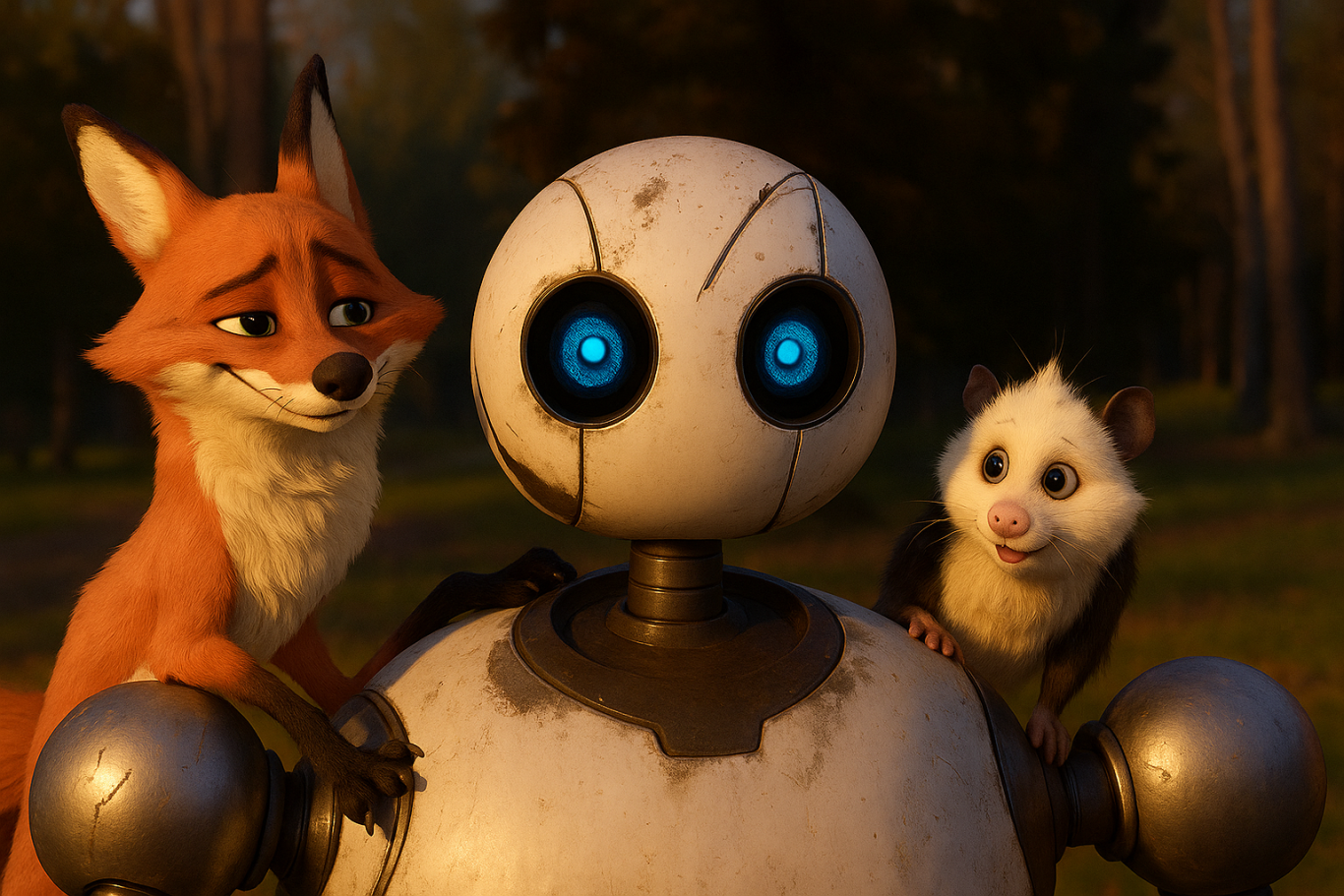
The Wild Robot was released on September 27, 2024, and tells the story of Roz, a robot who becomes stranded on a deserted island and must learn to adapt to the natural world and its inhabitants. This beautifully animated film is one of the most inspiring movie recommendations for kids, sharing heartfelt lessons about compassion, adaptation, and the importance of building relationships with others, no matter how different they may seem.

5. Zootopia 2 (2025)

Zootopia 2 is scheduled for release on November 25, 2025, and brings back the beloved characters Judy Hopps and Nick Wilde as they solve new mysteries in the vibrant city of Zootopia. The movie is highly anticipated and is sure to be one of the top movie recommendations for kids next year, offering exciting stories and positive messages about diversity, teamwork, and justice.

6. Space Cadet (2025)

Space Cadet, a Canadian animated film, had its world premiere on February 16, 2025, at the Berlin International Film Festival. This dialogue-free movie tells the story of a young astronaut and her robot guardian, exploring themes of loss, love, and finding your place in the universe. With its stunning visuals and emotional depth, Space Cadet is a standout among movie recommendations for kids and offers a unique viewing experience for the whole family.

7. Sauvages (2024)

Released on May 18, 2024, Sauvages is a stop-motion animated film about Kéria, a young girl living in Borneo who teams up with her cousin and an orangutan to fight against deforestation. The movie addresses important themes of environmental conservation and cultural identity, making it one of the most educational and relevant movie recommendations for kids this year.

Tips for Enjoying Movies with Kids

To get the most out of these movie recommendations for kids, parents can try these simple tips:

  • Choose movies that are appropriate for your child’s age and always check reviews beforehand.
  • Discuss the story after watching, asking your child about their favorite characters and what lessons they learned.
  • Combine movie time with other activities, such as reading related books or doing crafts inspired by the film’s themes.
  • Limit screen time and balance it with physical activities and social interaction.
  • Make movie night a special bonding time for the family, not just entertainment.

By carefully selecting movie recommendations for kids, parents can help their children develop empathy, broaden their perspectives, and gain positive values from a young age.

Balancing Entertainment and Digital Learning

 Image

In today’s digital world, children need not only quality entertainment but also essential skills for the future. Along with watching the latest movie recommendations for kids, introduce them to the world of coding, creativity, and technology through fun educational activities.

If you want your child to develop logical thinking, creativity, and self-confidence, sign them up for a free trial coding class at Timedoor Academy. Make family time even more fun and meaningful by balancing great entertainment with digital learning opportunities.

Keep Reading

<strong>Building Positive Habits in Children on National Children’s Day</strong>
Building Positive Habits in Children on National Children’s Day
Every year on July 23rd, Indonesia celebrates National Children’s Day to show appreciation for the next generation. It is a moment of reflection for parents, educators, and communities to prioritize the needs, safety, and development of children. One of the most impactful ways to invest in a child’s future is by building positive habits in children from an early age. Habits are behaviors formed through repetition, and they often last a lifetime. Childhood is a critical phase in which values and patterns take root. That is why building positive habits in children during these formative years is so important. Why Early Habits Matter Simple routines like tidying up toys, saying “thank you,” or putting trash in the bin may seem minor. However, they lay the foundation for greater life skills such as responsibility, discipline, and empathy. On a broader level, building positive habits in children involves nurturing a mindset of honesty, teamwork, curiosity, and respect for learning. Children who are raised with consistent, positive habits are more likely to grow into responsible, independent individuals with strong character. On the other hand, children who lack structure or guidance during their early years may adopt unhealthy behaviors that are difficult to change later. The Role of Parents and the Environment Parents play the central role in building positive habits in children. Kids learn more from what they see than from what they are told. That means parents must model the values they wish to pass on. Showing punctuality, gratitude, patience, and balanced screen time will speak louder than any instruction. Beyond the home, children are shaped by their surroundings schools, peers, and community influences all matter. A supportive environment with positive reinforcement, teamwork, and structured activities helps strengthen the values instilled at home. Practical Ways to Start Building Positive Habits in Children Be Consistent Change doesn’t happen overnight. Whether it’s encouraging your child to read each night or tidy up after playing, repetition is key. Even ten minutes of daily practice can make a long-term difference. Lead by Example Children mimic behavior. If you want your child to manage time well, show them how you do it. Let them see you following schedules, keeping promises, and avoiding distractions. Use Encouragement and Praise A simple “Great job!” or “Thank you for helping” goes a long way. Positive reinforcement helps motivate kids to repeat good behaviors. Allow Room for Mistakes When building positive habits in children, understand that mistakes are part of the learning process. Patience and guidance are more effective than punishment. Involve Children in Decision-Making Let your child help plan their daily routine or choose their afternoon activity. When they feel a sense of ownership, they are more likely to stick to their responsibilities. Integrate Technology Wisely In today’s world, technology cannot be separated from childhood. Instead of avoiding it, guide your child to use it for learning. Educational apps, coding platforms, and creative tools can help turn screen time into productive time. National Children’s Day as a Moment for Reflection and Action National Children’s Day is not just a celebration, but an opportunity for reflection. As a society, have we done enough to support and protect children? As parents, have we been present enough in guiding their development? And most importantly, are we truly committed to building positive habits in children that will prepare them for the future? Positive habits are not built in a day. They take consistency, collaboration, and encouragement. Families, schools, and communities must work hand in hand to create environments that nurture growth and character. Try a Free Coding Class at Timedoor Academy The journey of parenting is filled with joy, challenge, and responsibility. National Children’s Day reminds us that every child deserves support, attention, and guidance. And one of the most meaningful forms of guidance we can offer is by consistently building positive habits in children. At Timedoor Academy, we believe that technology and character education go hand in hand. Our online coding and digital literacy programs are designed not only to build skills, but also to nurture self-discipline, curiosity, and confidence. Register your child for a free trial class today and take the first step in building habits that last a lifetime. Let’s shape a brighter future together one child at a time.
7 Powerful Benefits of Digital Security Literacy Training for Students in the Modern Era
In today’s fast-paced digital era, children’s ability to use technology must be balanced with an understanding of online safety. Many children are skilled at using gadgets, yet they often lack awareness of the potential risks they may face on the internet. This is why digital security literacy for students has become an essential skill to teach from an early age, helping them explore the digital world safely, wisely, and responsibly. Timedoor Academy understands how important this is. Through interactive learning programs, students not only learn about technology but also understand how to protect themselves online. Therefore, digital security literacy for students is not just theoretical knowledge but also a practical skill they can apply in their everyday lives. What Is Digital Security Literacy for Students? Digital security literacy for students is the ability to understand, identify, and manage risks in the digital world. It includes knowing how to protect personal data, avoid online scams, and communicate ethically on the internet. In education, this literacy goes beyond how to use technology. It also involves developing critical thinking skills about online information. For example, recognizing fake news, understanding data privacy, and using social media wisely. Training of this kind serves as an important foundation for students to grow into responsible and ethical digital users. Why Is Digital Security Literacy Important? While internet access offers great advantages in education, it also opens the door to risks such as cyberbullying, data theft, and exposure to inappropriate content. Children often do not yet have the ability to distinguish between safe and unsafe online spaces. Through digital security literacy for students, they learn to recognize warning signs in the digital world. For example, how to avoid suspicious links, refrain from sharing personal information, and understand the consequences of their online actions. Once students gain this knowledge, they become more confident in using technology in a positive and responsible way. Benefits of Digital Security Literacy Training for Students Digital security literacy for students provides many meaningful benefits for both children and parents. Here are some of the main advantages: 1. Increases Online Safety Awareness Children learn to recognize online threats such as fraud, hacking, and cyberbullying. They also understand preventive measures to keep themselves safe. 2. Builds Responsibility in the Digital World With good literacy, students understand that online actions have real consequences. They become more careful and thoughtful in their digital interactions. 3. Encourages Critical Thinking About Information This training helps children distinguish between accurate and false information so they do not easily fall for hoaxes or misleading content. 4. Develops a Positive Digital Reputation Students learn how to maintain a good digital footprint and understand the importance of building a positive online reputation that can impact their future. 5. Supports Safe Online Collaboration While using online learning platforms, students become aware of the importance of data protection, strong passwords, and teamwork ethics in digital environments. 6. Protects Privacy and Personal Data Children learn not to share personal information such as home addresses, phone numbers, or private photos on social media. 7. Encourages Positive Digital Character Growth Digital security literacy for students teaches not only safety but also respect, kindness, and using technology for meaningful purposes. The Role of Parents in Digital Security Literacy Parents play a major role in supporting the success of digital security literacy for students. Open communication between parents and children is key. Parents should discuss online boundaries and serve as good role models in practicing responsible digital behavior. Timedoor Academy also promotes parental involvement in the learning process. This ensures that digital safety education continues at home as well as in the classroom. Through positive engagement, parents can help children realize that the internet is an incredible tool when used wisely. How Timedoor Academy Implements Digital Security Literacy Timedoor Academy integrates digital security literacy for students into every learning program. Each class not only focuses on technical skills like coding or design but also includes lessons on digital ethics and safety values. Students are encouraged to understand that technology is not only about creating something new but also about using it responsibly. The learning process is interactive, using case studies, simulations, and group discussions that help children better understand real-world online risks. Register Now in Timedoor Academy! Digital security literacy for students is a crucial step in shaping a young generation ready to face the challenges of the digital age. With this ability, children can become not only smart technology users but also ethical and responsible ones. As parents, providing your children with the right training is a valuable investment in their future. Would you like your child to be digitally smart and safe online? Sign up now for a Free Trial Class at Timedoor Academy! Experience an interactive learning journey that not only teaches coding but also builds strong digital security literacy for students to prepare them for a safer and smarter future.
Future Trends in STEM Education: What Parents Need to Know In 2025
STEM education, which stands for science, technology, engineering, and mathematics, has long been recognized as a critical foundation for preparing children to thrive in a technology-driven world. However, it is no longer just about learning formulas or solving problems. The landscape of learning is changing quickly, and parents need to stay informed about where education is headed. This article explores the future trends in STEM education that are shaping how children learn and develop key skills. From coding in early grades to interdisciplinary learning, parents today play a bigger role than ever in guiding and supporting their child’s STEM journey. Personalized and Adaptive Learning One of the most significant future trends in STEM education is the use of personalized learning platforms. These platforms adjust the pace and content based on the learner's needs. Instead of using a one-size-fits-all approach, students receive lessons that match their ability level and learning style. This makes STEM subjects more accessible for children who may struggle in a traditional classroom. With adaptive tools, children can explore challenging topics like algebra or coding in ways that feel engaging rather than overwhelming. Emphasis on Real-World Problem Solving STEM education is moving beyond theory to practice. Schools are encouraging students to solve real-world problems, whether it's designing a water filtration system or programming a simple app. This trend helps children see the connection between what they learn in class and how it applies to the world around them. By focusing on real-life applications, children develop a deeper understanding of STEM concepts. They also build critical thinking, teamwork, and communication skills, which are just as important as technical knowledge. Coding as a Core Skill Coding is no longer seen as an optional extracurricular activity. It is becoming a core part of the curriculum in many schools around the world. Understanding the basics of coding helps children become not just consumers of technology but also creators. Among the future trends in STEM education, coding stands out because it blends creativity with logic. From block-based languages like Scratch to more advanced tools like Python, students are learning how to build games, automate tasks, and solve digital challenges. Integration of AI and Emerging Technologies Artificial intelligence is also making its way into STEM classrooms. AI-powered platforms can offer instant feedback, personalize learning paths, and even simulate experiments in virtual labs. Students are also being introduced to how AI works, not just how to use it. This exposure prepares children for a future where technology will continue to evolve rapidly. Understanding emerging technologies is becoming as important as understanding basic math or science. Focus on Interdisciplinary Learning In the future, STEM will not be taught in isolation. Interdisciplinary learning, often referred to as STEAM when incorporating the arts, is gaining popularity. Projects may combine coding with storytelling or physics with design. This shift reflects how the real world works, where innovation often happens at the intersection of multiple disciplines. For parents, encouraging children to explore connections between subjects helps them develop more holistic thinking. More Hands-On, Project-Based Learning Another one of the key future trends in STEM education is project-based learning. Children are no longer just reading textbooks or memorizing facts. They are building, testing, and iterating on their own designs. From robotics kits to 3D printing, students now learn through experimentation. Hands-on learning encourages trial and error and allows children to develop resilience. When a project fails, they learn to adapt and try new solutions, which is a critical skill in any STEM career path. Increased Access Through Online Platforms Online learning has become more refined and accessible. High-quality STEM content is now available to students from various backgrounds, often at low or no cost. This trend is helping to reduce gaps in education and allow more children to engage with STEM early on. Parents can use these resources to support their child’s learning from home. Platforms like Timedoor Academy offer structured online courses in coding, robotics, and math that are designed for children and flexible for families. Equity and Inclusion in STEM There is growing awareness about the need for more diverse representation in STEM fields. Future trends in STEM education will continue to emphasize equity by making sure girls, underrepresented groups, and students with different learning needs have equal opportunities to thrive. This includes inclusive teaching materials, diverse role models, and support systems that encourage every child to explore their interests in STEM regardless of background. What This Means for Parents Staying informed about the future trends in STEM education helps parents make better decisions about their child’s learning path. Whether through after-school programs, online courses, or simple encouragement at home, parents play a crucial role in nurturing a STEM mindset. Understanding these trends also helps parents advocate for improved STEM education at school. By recognizing the direction education is heading, families can help children develop both the curiosity and confidence needed to succeed. Explore STEM Learning at Home with Timedoor Academy If you want your child to experience hands-on, future-ready STEM learning, Timedoor Academy offers interactive online courses in coding, robotics, and digital skills. Designed with young learners in mind, these programs build creativity, logic, and confidence. Try a free class today and help your child stay ahead of the curve by exploring the future trends in STEM education in a fun and engaging way.
float button